
Floating in the warm, dark Pacific, you watch as colossal, graceful creatures with massive wingspans glide just inches from your face. This isn't some CGI fantasy—it's the world-famous manta ray dive kona, an experience that consistently tops the charts as one of the best night dives on the planet. It's a genuine, can't-miss adventure for anyone visiting the Big Island.
Experience Kona’s Legendary Underwater Ballet
Think of it as an underwater stage, set just for you. As the sun dips below the horizon, your boat finds its spot at one of the dedicated feeding sites. Then, powerful lights are lowered into the water, creating a glowing "campfire" on the ocean floor. This bright beacon is an irresistible magnet for swarms of microscopic plankton, the absolute favorite meal of Kona's resident manta rays.
This glowing buffet doesn't go unnoticed for long. The stars of the show begin to make their grand entrance. One by one, majestic manta rays emerge from the darkness, drawn to the easy meal. They perform a completely unchoreographed ballet, swooping and somersaulting through the light beams with a grace that will take your breath away. With their huge mouths wide open to filter the plankton-rich water, they often come incredibly close.
Why Kona is the Manta Ray Capital of the World
The Kona Coast isn't just a great spot for manta ray diving; it's the global epicenter. We're talking about witnessing majestic manta rays with wingspans that can stretch over 12 feet. What truly sets Kona apart is the sheer reliability of it all. Divers and snorkelers have an astonishing 85-90% chance of seeing these gentle giants on any given night. In the world of wildlife tourism, that's practically unheard of.
This incredible experience is only possible because of a few key things:
- A Resident Population: Unlike many places where mantas just pass through, Kona is home to a large, non-migratory group of reef manta rays. Researchers have identified and even named over 200 of them, and they stick around these specific feeding spots year-round.
- Perfect Conditions: The dive sites are nestled in relatively shallow, protected bays, usually at depths of only 30 to 40 feet. This makes the whole thing comfortable and accessible for both certified scuba divers and snorkelers alike.
- A Well-Oiled Eco-Tour Machine: For decades, Kona's dive operators have honed a responsible, sustainable way to run these encounters. This long-established practice has conditioned the mantas to associate the lights with a dependable feast, which is why sightings are so consistent.
The feeling of watching a massive fish shaped like a stealth bomber materialize out of the darkness is impossible to put into words. It's an awesome, humbling experience that connects you directly to the magic of the ocean.
Joining a manta ray dive kona is more than just ticking something off your bucket list; it's a truly immersive, emotional connection with one of the ocean's most magnificent animals.
Where Should You Go? Choosing Your Perfect Manta Ray Adventure
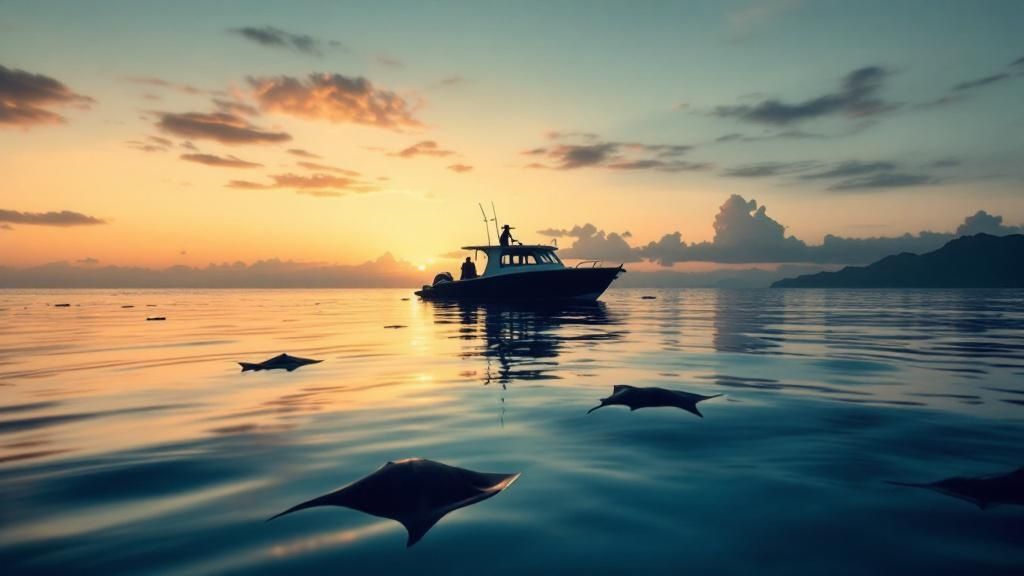
Deciding you want to see Kona's manta rays is the easy part. The real question is, which adventure is the right one for you? It really comes down to your comfort level in the water and what kind of experience you're after.
The Kona Coast is the undisputed global champion for manta encounters, bringing in roughly 80,000 people every year for this exact reason. This incredible popularity centers around two world-class sites: Manta Village and Manta Heaven. Knowing what makes each spot unique is the key to picking the perfect manta ray dive tour.
If you want to dive deeper into what makes this place so magical, you can read more about what makes the manta ray dive in Kona so special.
The Two Main Manta Dive Sites
To help you choose the best site for your adventure, let's compare the two main locations where the manta magic happens. Each has its own personality, and one will likely be a better fit for your group.
Kona Manta Dive Sites at a Glance
| Feature | Manta Village (Keauhou Bay) | Manta Heaven (Garden Eel Cove) |
|---|---|---|
| Location | South of Kailua-Kona | North, near Kona Airport |
| Best For | Beginners, snorkelers, families | Experienced divers, photographers |
| Depth | Shallow (25-35 feet) | Deeper (35-45 feet) |
| Conditions | Typically calm, protected | Can have stronger currents |
| Vibe | Relaxed, classic, predictable | Dynamic, thrilling, more action |
| Manta Count | Good, but can be more spread out | Often higher, more concentrated |
Both locations offer an incredible opportunity to see these amazing animals, but as you can see, they cater to slightly different adventurers.
Manta Village: The Classic Choice For Everyone
Just south of Kailua-Kona in Keauhou Bay, you'll find Manta Village. This is the original, the classic, the place where the Kona manta ray night dive was born. Think of it as the tried-and-true spot that rarely disappoints.
Its relatively shallow, sandy bottom and protected waters make it the perfect entry point for first-time night divers, families, and snorkelers. If you're looking for a calmer, more predictable experience, this is your best bet.
Manta Heaven: A Thrill For The Experienced
Up the coast, near the Kona International Airport, is the aptly named Manta Heaven (also known as Garden Eel Cove). This spot offers a more dynamic, and sometimes more intense, experience. The water is a bit deeper, and the currents can be stronger, which often brings in a larger number of mantas for a truly spectacular feeding frenzy.
Manta Heaven is a favorite for more seasoned divers and underwater photographers. If you're comfortable in potentially challenging conditions and want a front-row seat to the most dramatic show, this is the place to be.
Choosing the right dive site is like picking a concert venue. Do you want a relaxed, acoustic set in an intimate theater (Manta Village) or a high-energy stadium show with spectacular visuals (Manta Heaven)? Both are amazing, but they offer very different vibes.
When Is The Best Time To Go?
Here's the great news: you can see manta rays in Kona year-round. The local population doesn't migrate, so they're here every single night. That's what makes this encounter so reliable!
However, if you're looking for the absolute best conditions, aim for April to October. During these months, the seas are generally calmer and the weather is warmer, making for a more comfortable trip all around.
Winter can bring bigger ocean swells, but the mantas don't mind. The most important thing is booking with a top-notch operator who puts safety first and knows how to handle whatever the ocean throws at them.
What to Expect on Your Manta Ray Tour
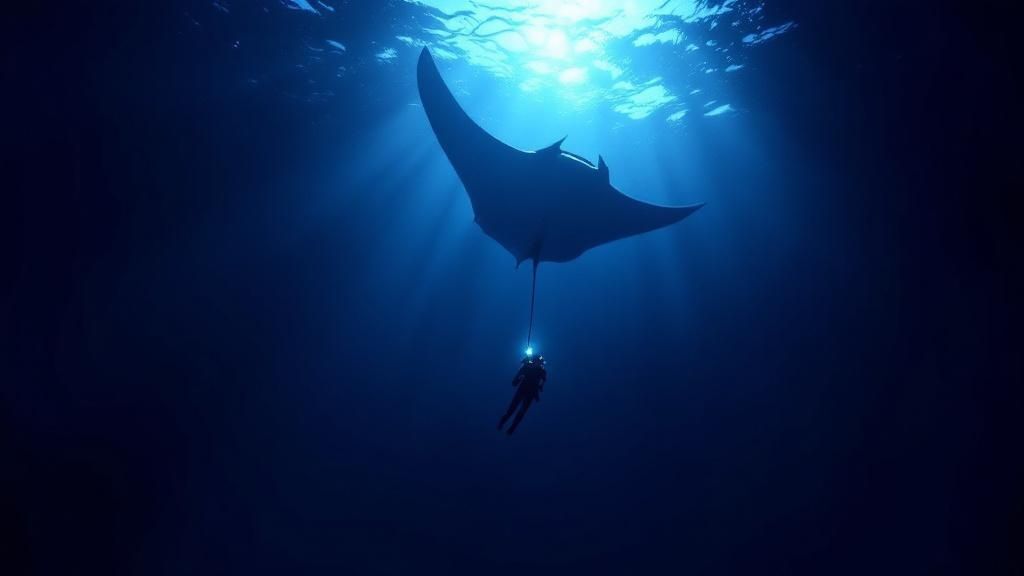
So, you've decided to book a manta ray dive in Kona. Fantastic choice. You're signing up for one of the most mesmerizing underwater shows on the planet. But what actually happens on one of these tours? Knowing the flow helps you relax and soak in every magical moment.
With a top-notch operator like Kona Honu Divers, the whole process is smooth from the moment you book. You'll get a friendly check-in at the harbor and step aboard a spacious, well-cared-for boat. This is where the real adventure begins. The crew will gather everyone for a detailed briefing, walking you through safety rules, what's about to happen in the water, and—most importantly—how to be a respectful guest in the mantas' world.
Pay close attention during this pre-dive chat. They'll explain the "campfire," which is the heart of the operation. It’s a clever setup where powerful, eco-safe lights are placed on the ocean floor. This light attracts swarms of plankton, basically creating a concentrated buffet that the mantas can't resist. Your job? Simply be a passive observer, a golden rule for all responsible scuba diving tours in Kona.
From Boat to Ballet
The boat ride out to the dive site—either Manta Village or Manta Heaven—is part of the magic. As the sun dips low, painting the Kona coast in warm colors, the excitement on board is palpable. Once the boat is securely moored, it’s time to gear up. Divers get ready to head to the sandy bottom, while snorkelers prepare with their custom floatation gear.
You'll spend about 45 minutes in the water, which is plenty of time to be completely blown away.
- For Divers: You’ll follow your guide down and settle on the ocean floor, forming a semi-circle around the brilliant light "campfire." Then, you just look up. The mantas perform an incredible aerial ballet, gliding and barrel-rolling right over your head.
- For Snorkelers: You'll hang out comfortably at the surface, holding onto a specially made light board. These lights shine down into the water, attracting plankton and drawing the mantas right up to you for an amazing top-down view.
The concept is beautifully simple: we don’t chase the mantas. We roll out the dinner invitation and let them come to us. This passive, eco-friendly approach means the animals are always in charge, making it a truly wild and authentic encounter.
If you're curious to learn more about the mechanics of the dive, check out our guide on what the manta ray night dive involves.
Trust and Testimonials
Going with a highly-rated company like Kona Honu Divers truly shapes the experience. Guests consistently rave about their professional crew, excellent equipment, and unwavering commitment to both safety and conservation.
After the jaw-dropping underwater performance, you'll climb back onto the boat, often to the welcome comfort of hot chocolate and snacks. The ride back to the harbor buzzes with energy as everyone excitedly shares their favorite moments. You’ll head home not just with incredible memories, but with a profound new appreciation for these gentle giants and the fragile ocean they call home.
Ready to see this aquatic ballet for yourself?
Diving Safely and Protecting the Mantas
When you slip into the water for a manta ray dive in Kona, you’re stepping into their world. You’re a guest in their home, and with that comes a huge responsibility. The magic and sustainability of this world-class encounter depend on every single person in the water sharing a deep commitment to safety and conservation.
Over the years, the Kona dive community has worked hard to establish a solid set of guidelines, once known as the 'Manta Ray Green List,' to make sure every interaction is respectful. These aren't just suggestions; they are the bedrock of an ethical ecotourism model that puts the well-being of the mantas first, ensuring these gentle giants will be here for generations to see.
This whole system is backed by some serious science. Decades of manta sightings along the Kona Coast have given us one of the most complete datasets on manta aggregations anywhere in the world. Researchers have logged thousands of encounters and can now identify hundreds of individual rays. This data just hammers home how critical Kona is as a habitat and why we need to be so strict about protecting it.
The Golden Rule: Do Not Touch the Mantas
If you only remember one thing from all this, make it this one: Do not touch the manta rays. This is the absolute, non-negotiable rule of every responsible manta tour. It’s incredibly tempting to reach out as one of these giants glides past, but touching them can cause very real harm.
Manta rays have a thin, protective layer of mucus covering their bodies. Think of it as their skin’s first line of defense against ocean bacteria and parasites. When we touch them, we rub off this vital coating, leaving them vulnerable to nasty infections.
Beyond the physical damage, touching or chasing the mantas interrupts their natural feeding behavior. It stresses them out and can scare them away from a reliable food source. Following this one simple rule is the single most important thing you can do to keep them safe.
Passive Observation Is Key
The entire encounter is designed around the idea of passive observation. It's a beautifully simple concept that lets the animals control the interaction entirely. You're just there to witness the magic, not to influence it.
Here’s what that looks like in the water:
- For Divers: You’ll settle on the sandy bottom, stay still, and simply look up. This creates a wide-open water column for the mantas to swoop and glide through safely.
- For Snorkelers: You'll stay flat on the surface, holding onto a specially made light board. This keeps you stationary and stops you from kicking down and accidentally hitting a manta.
By staying still and predictable, you become part of the underwater scenery. This makes the mantas feel safe and comfortable, which is when they often glide just inches away from you—creating those truly unforgettable, up-close moments.
Of course, being a responsible diver goes beyond just the manta rules. It's always a good idea to be prepared for any situation when you're out on the water. Make sure you stay current with your CPR and first aid certifications; while these tours are incredibly safe, being prepared is just smart practice for any adventurer.
You can also get ready for your trip by checking out our guide on the best time of year to see manta rays in Kona. By choosing a great operator and following these essential guidelines, you become a true partner in conservation, actively helping protect one of Hawaii’s most amazing natural treasures.
Explore More of Kona’s Underwater World
The manta ray dive in Kona is, without a doubt, a world-class experience you'll never forget. But it would be a huge mistake to think that's where the Big Island's underwater adventures end. The waters off the Kona coast are a massive, vibrant playground, a real treasure trove of unique scuba diving tours in Kona, Hawaii for every skill level. Once you've seen the manta ballet, it's time to discover what other secrets are hiding beneath the waves.
If you've just done the famous night dive, you might want to dig deeper into the specifics of the Big Island manta ray night dive experience. But if you're itching for the next adventure, Kona delivers in a big way. The underwater landscape here was literally forged by volcanoes, creating a dramatic world of lava tubes, huge archways, and pristine coral reefs you just won't find anywhere else.
Journey into the Abyss: The Kona Blackwater Dive
Picture this: you're floating in the deep, inky blackness of the open ocean, miles from shore, with thousands of feet of water right below you. This isn't the start of a scary movie; it's the legendary Kona Blackwater Dive, an experience many seasoned divers call the most surreal of their lives. Tethered to the boat, you just drift in the deep blue as an entirely new world rises from the abyss to meet you.
This is the largest animal migration on Earth, and it happens every single night. Tiny, bizarre, and often bioluminescent creatures—many of which are rarely seen by human eyes—come up from the depths to feed near the surface. You'll witness a living light show of strange larval fish, glowing squid, and otherworldly jellyfish that look like they were dreamed up for a sci-fi film.
The Blackwater Dive is the ultimate night dive. It’s not about seeing big animals; it’s about discovering a hidden universe of life that thrives in the darkness. It completely redefines what you think is possible on a dive.
This is a truly unique adventure that pushes the boundaries of underwater exploration. For anyone looking for something both exhilarating and humbling, a Kona Blackwater Night Dive is an absolute must.
Advanced Adventures for Experienced Divers
While Kona is incredibly welcoming to beginners, it's also a paradise for divers with a bit more experience under their weight belts. The dramatic volcanic topography has created an underwater environment full of exciting structures and challenges. This is where certified divers can really spread their wings and explore the full potential of the Big Island's marine world.
Kona Honu Divers offers specialized charters designed to take you way beyond the standard dive sites. These trips are all about exploration and discovery.
- Lava Tubes and Arches: We'll guide you through ancient underwater lava tubes, caverns, and swim-throughs formed by volcanic flows centuries ago. These structures are often crusted with colorful sponges and corals, making for some breathtaking photos.
- Deep Pinnacles and Walls: Descend along sheer underwater cliffs and isolated pinnacles that rise from the ocean floor. These spots are magnets for marine life, including schools of endemic fish, whitetip reef sharks, and the occasional passing pelagic.
- Untouched Reefs: Journey to more remote dive sites that see fewer visitors. Here, the coral reefs are in pristine condition and absolutely teeming with life. It's common to run into Hawaiian green sea turtles (honu), moray eels, and octopus.
These adventures are perfect for divers looking to sharpen their skills and see a wilder side of Kona. If you're ready for a more challenging and rewarding dive, think about booking an advanced two-tank dive trip to see what truly lies beneath the surface. Kona's diverse offerings are what make it a premier, full-service diving destination, inviting you to stay longer and explore deeper.
Your Kona Manta Ray Dive Questions Answered
https://www.youtube.com/embed/wblc7wwFHSk
Planning a trip like this always brings up a few practical questions, and that's perfectly normal. Even with all the excitement around the manta ray dive in Kona, thinking about safety, logistics, and what to expect is just smart planning. So, let's dive into the most common questions we get from guests.
Our goal here is to clear up any lingering concerns. That way, you can just focus on the pure magic of the underwater ballet waiting for you.
Do I Need to Be a Certified Diver to See the Manta Rays?
Absolutely not! This is one of the best things about the Kona manta experience—it’s built for pretty much everyone, no matter your experience level in the water. While we have dedicated tours for certified divers, there's an equally amazing adventure for snorkelers.
Snorkel tours are perfect for families, non-divers, or anyone who just wants to stay near the surface. You'll float comfortably while holding onto a custom light board. These powerful, safe lights shine down, attracting the plankton and bringing the mantas right up to you for an incredible top-down view of the whole show.
Think of it like this: divers have the front-row floor seats looking up, while snorkelers have the amazing skybox view looking down. Both offer a breathtaking perspective on the same incredible performance.
So, whether you're a seasoned diver or have never even put on a mask, you can be part of this unforgettable Kona adventure.
How Likely Am I to Actually See Manta Rays?
This is probably the most important question we get asked. And the news is fantastic: Kona is world-famous for this dive precisely because the sightings are so reliable. The success rate for seeing at least one manta ray is consistently high, usually around 85% to 90% (or even better) throughout the year.
The reason it's so dependable is simple. These dive sites are the mantas' natural feeding grounds. The lights from the tour operators create a predictable, concentrated buffet of plankton that the resident manta population has learned to visit night after night.
While no wildlife encounter on earth can be 100% guaranteed, the manta ray dive in Kona is about as close to a sure thing as you can get. Most reputable operators, including us, have a "manta guarantee." On the rare night the mantas decide not to show, we'll take you out again for free.
Is the Manta Ray Dive Safe?
Yes, the Kona manta ray dive has an outstanding safety record, especially when you go with a professional, highly-rated operator. Every tour kicks off with a detailed safety briefing that covers all the procedures and rules for being in the water after dark.
Even more importantly, the manta rays themselves are completely harmless. They are true gentle giants.
- No Teeth: As filter feeders, they don't have teeth for biting.
- No Stingers: Unlike their stingray cousins, manta rays do not have a stinger or barb on their tail.
- No Aggression: They are only interested in one thing: scooping up plankton. People are not on their radar.
The most important safety rules are actually for the mantas' own protection, like the strict "no-touching" policy. Your guides are experts at managing the encounter, making sure it’s a secure and awe-inspiring experience for both the guests and the animals.
What Is the Water Temperature Like at Night?
The ocean here in Kona stays pleasantly warm year-round, typically hovering between 75°F and 80°F (that’s about 24°C to 27°C). But, since this is a night activity where you'll be pretty still in the water for about 45 minutes, it’s easy to start feeling a chill.
That's why all reputable tour operators provide wetsuits, and we highly recommend you wear one. A good wetsuit keeps you comfortable and warm, letting you fully soak in the experience without shivering. It also adds a little extra buoyancy, helping you relax and just enjoy the show.
Ready to see this incredible underwater spectacle for yourself? Kona Honu Divers offers a world-class manta ray dive and snorkel tour that promises a safe, respectful, and absolutely unforgettable encounter with these gentle giants. Book your adventure today and prepare to be amazed.