
Picture this: you’re descending into the warm, dark Pacific waters off the Kona coast. Suddenly, graceful giants with wingspans wider than you are tall emerge from the shadows. This is the manta ray dive kona, a world-famous, bucket-list encounter that feels genuinely magical. It's an experience that truly stays with you, blending the unique thrill of a night dive with the sheer awe of meeting one of the ocean's most majestic creatures.
The Unforgettable Kona Manta Ray Night Dive Experience
The Kona manta ray night dive is celebrated globally for a very good reason—it’s hands-down the most reliable place on Earth to see manta rays up close. It’s an incredible spectacle, drawing nearly 80,000 people to the Kona coast for dive and snorkel tours every single year.
This massive popularity is built on consistent sightings, which get even better during the peak season from April to October when the water is a comfortable 75-80°F. You can learn more about the Manta Dive in Kona and its seasonal patterns here.
The secret behind this unique experience is the ingenious "campfire" setup. Tour operators place powerful, upward-facing lights on the ocean floor. These lights act like a magnet for swarms of plankton, the manta rays' favorite meal. Divers and snorkelers then gather around this light source, giving them a front-row seat for the show.
A Gentle Underwater Ballet
Once the plankton begins to gather, the manta rays arrive. These gentle giants, some boasting wingspans over 12 feet, glide effortlessly through the beams of light, performing an otherworldly underwater ballet.
They'll swoop and somersault just inches above your head, their massive mouths wide open to filter the plankton-rich water. Don't worry, though. Despite their impressive size, they are completely harmless filter feeders and have no stingers.
This encounter is so much more than just a dive; it’s a passive observation of a completely natural feeding behavior. The mantas are in control, approaching the light source on their own terms, which makes the whole interaction feel authentic and respectful.
Top-tier operators like Kona Honu Divers have honed this experience over the years, making sure it’s not only breathtaking but also safe for both the divers and the mantas. Their expertise and commitment to responsible tourism are exactly why they earn such high praise. You can discover more about the basics of the manta ray night dive and get a feel for what to expect.
Choosing Your Ideal Manta Ray Adventure
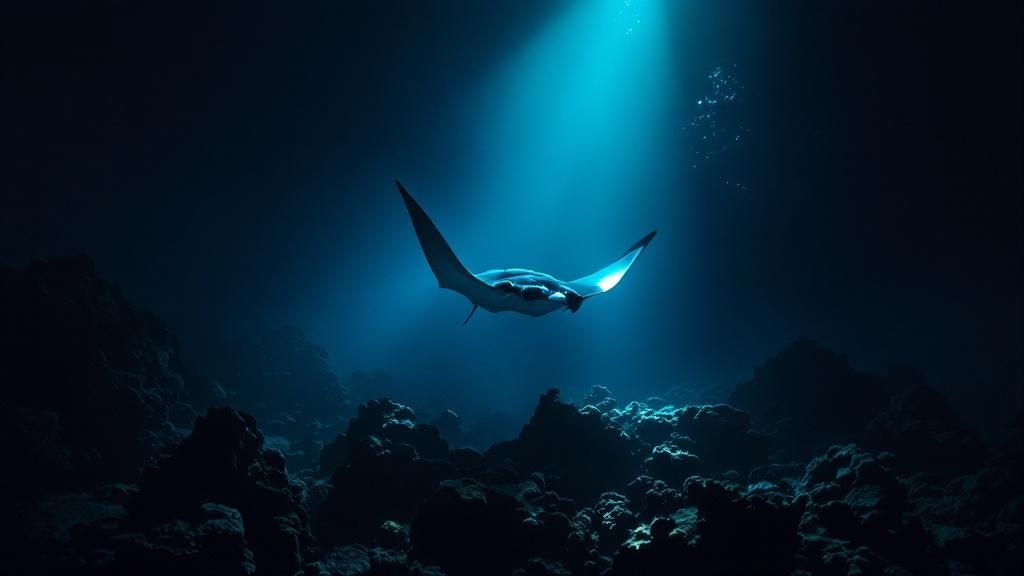
Not all Kona manta ray experiences are the same. Picking the right one for you really boils down to your comfort in the water and what kind of encounter you're dreaming of. The first big decision is location—Kona is lucky enough to have two world-class sites where these gentle giants gather.
Your adventure will likely take you to either Manta Village in Keauhou Bay or Manta Heaven, which is up north near the airport. While both spots offer an incredible chance to see mantas, they have slightly different vibes and underwater terrain. Thanks to some serious research between 2009 and 2014 that tracked individual rays, operators have a solid grasp of where the mantas are most likely to be on any given night. You can actually check out the manta ray sighting statistics yourself to see the data behind the magic.
Scuba Diving vs. Snorkeling
This is probably the biggest choice you'll make, and it completely changes how you'll experience the manta ballet.
-
For Scuba Divers: If you're certified, you'll get to descend to the sandy bottom, about 35 feet deep. You'll kneel with your group in a semi-circle and aim your dive light straight up. This creates what we call the "campfire" of light, which attracts the plankton the mantas feed on. The view from below is absolutely mind-blowing as the rays glide and barrel roll just inches above your head. This is one of the most popular scuba diving tours on the Big Island.
-
For Snorkelers: If you're not a diver or just prefer to stay on the surface, you’re in for an equally amazing show. You’ll hang onto a specially designed floating light board. Its powerful beams shine down into the water, drawing in the plankton and bringing the mantas right up to you.
Both give you a front-row seat to one of the greatest spectacles in the natural world. Scuba diving offers that feeling of complete immersion, while snorkeling gives you a fantastic bird's-eye view of the whole scene.
Choosing between diving and snorkeling really comes down to personal preference. Divers witness the grandeur from the ocean floor, while snorkelers watch the graceful dance unfold just below them. There is no wrong choice.
Kona Manta Dive Sites At-A-Glance
While your tour operator will ultimately pick the best spot based on current conditions and recent sightings, it's good to know the difference between the two main hubs. This can help you understand where you're headed and why.
| Feature | Manta Village (Keauhou Bay) | Manta Heaven (Garden Eel Cove) |
|---|---|---|
| Location | South of Kailua-Kona | North of Kailua-Kona, near the airport |
| Accessibility | Often a shorter boat ride from Keauhou Harbor. | Can be a longer boat ride depending on departure point. |
| Typical Depth | Generally a bit shallower, around 25-35 feet. | Can be slightly deeper, around 30-40 feet. |
| Known For | The original manta site, known for very consistent sightings. | Can sometimes attract a larger number of mantas at once. |
Manta Village is the classic, original site and is famously reliable. Manta Heaven, true to its name, can sometimes host an even larger congregation of rays, making for a truly spectacular night.
No matter which option you land on—diving or snorkeling, Manta Village or Manta Heaven—you're gearing up for an encounter you'll never forget. Companies like Kona Honu Divers offer fantastic manta ray dive and snorkel tours that cater to every experience level, making sure your adventure is safe, respectful, and completely magical.
How To Prepare for Your Manta Dive
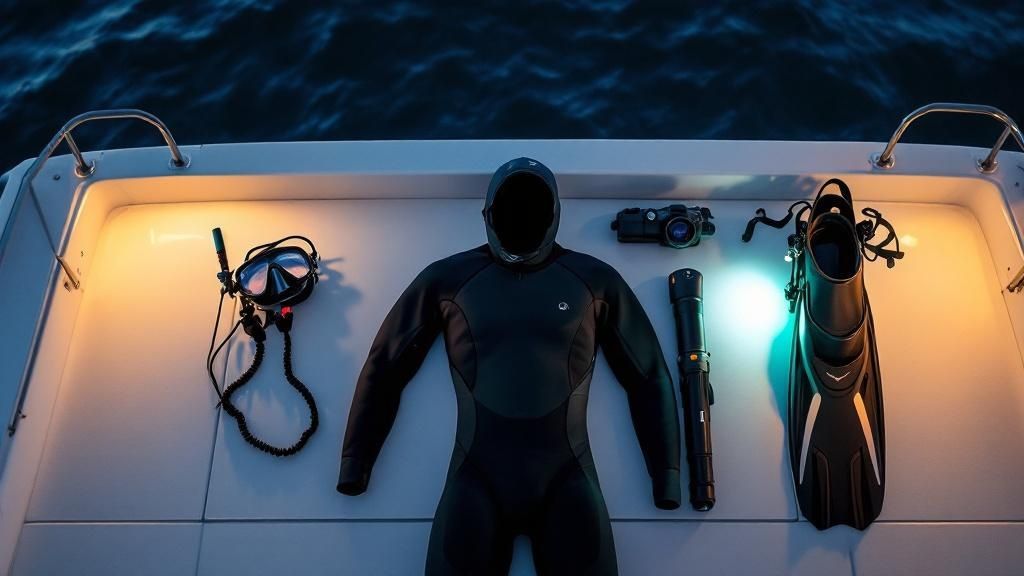
A little prep work can be the difference between a good dive and an absolutely unforgettable one. Getting ready for your manta ray dive kona experience isn't complicated, but a few key steps before you even head to the harbor will make everything smoother, letting you relax and soak in the magic.
First things first: book your tour well in advance. I can't stress this enough. The manta ray night dive is easily one of the most sought-after experiences on the Big Island. Boats fill up incredibly fast, especially during peak travel seasons. Booking early saves you from the potential heartache of a sold-out tour. If you want a deeper dive into what the experience is all about, check out this guide on what the manta ray night dive is.
After you've secured your spot, the dive operator will need some information. Be ready with your equipment sizes, like for your BCD and wetsuit, and have your scuba certification card ready to go if you're diving.
Your Personal Prep Checklist
On the day of the dive, think about comfort. It's a good idea to have a light meal beforehand; a big, heavy dinner and a boat don't always make for a happy combination. It’s also completely normal to have some pre-dive jitters! A few slow, deep breaths can do wonders to calm your nerves. Just remember, you’re diving with seasoned professionals who do this every night.
Here’s a simple checklist of what you should bring along:
- Swimsuit: The easiest approach is to wear it under your clothes. You'll be ready to gear up in no time.
- Towel: A quick-drying travel towel is ideal for boat life.
- Warm Layer: Don't underestimate the breeze on the ride back. A hoodie or windbreaker is a must-have for staying comfortable after your dive.
- Dry Bag: A small dry bag is perfect for protecting your phone, keys, and wallet from splashes.
- Logbook: If you’re a certified diver, you will definitely want to log this one. It's a dive you'll be talking about for years.
Key Takeaway: My number one piece of advice is to schedule your manta tour for early in your trip. Weather in Kona is usually great, but on the rare chance a trip is canceled, this gives you plenty of time to reschedule and not miss out.
Knowing your own gear is important, but it's also smart to be familiar with general boat procedures. A quick review of an essential boat safety checklist can help you feel even more prepared. With these simple steps handled, you'll show up at the dock confident, relaxed, and ready for the incredible underwater ballet that awaits.
What To Expect on Your Manta Ray Tour
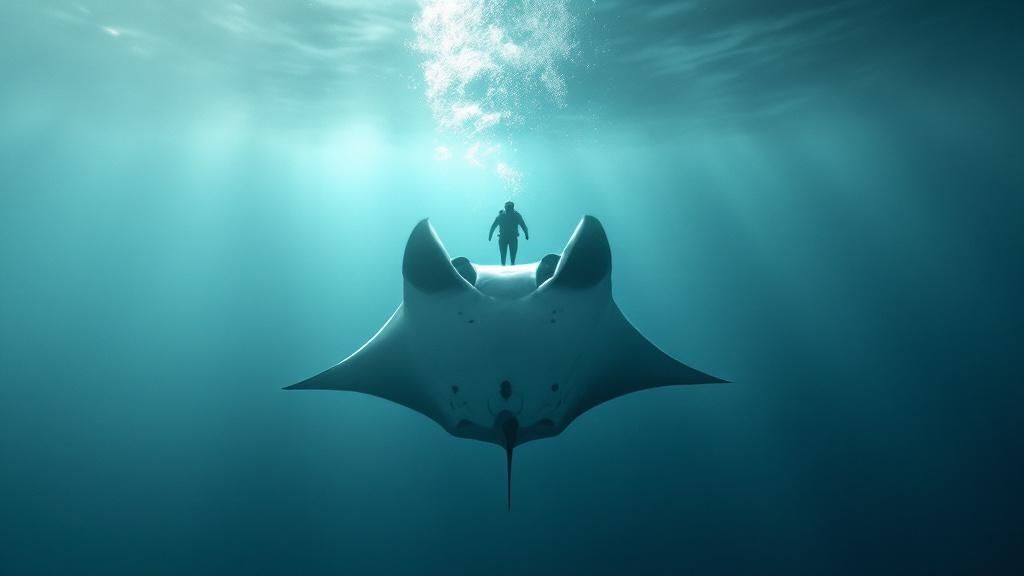
From the moment you board the boat, there's a buzz in the air. The anticipation is palpable as you motor out over the Pacific, the Kona coastline fading into the twilight. You're not just going on a dive; you're about to take part in one of the most unique wildlife encounters on the planet.
Before you hit the water, your guide will gather everyone for a thorough pre-dive briefing. Pay close attention here. They'll walk you through the entire plan for the evening, explaining the simple rules for a safe dive and, just as importantly, how to be a passive, respectful guest in the mantas' world.
You'll learn all about the "manta campfire"—a circle of powerful lights set on the ocean floor. These lights act like a magnet for plankton, and where the plankton go, the manta rays are sure to follow for their nightly feast.
Descending into the Ballet
Slipping into the dark water is the first step into another world. The sounds of the boat and the chatter on the surface disappear, replaced by the gentle hum of the reef and the rhythmic sound of your own breathing. You’ll descend with your group and find your spot on the sandy bottom, becoming part of the audience for an incredible underwater show.
Then, it happens. A huge, dark shape emerges from the blackness, gliding gracefully into the beams of light. Seeing your first 12-foot manta ray is a moment you'll never forget. They are impossibly elegant, soaring inches above your head as they perform effortless somersaults and barrel rolls, their massive mouths wide open to filter the plankton-rich water. It's a serene, almost spiritual experience.
Seeing these majestic creatures in their natural habitat is more than just a tour; it's a moving experience that often inspires a deeper appreciation for marine conservation. Understanding this helps explain why you should go on a manta ray dive in Kona.
Beyond the Classic Manta Dive
While the classic manta ray dive kona is an absolute must-do, the adventure doesn't have to end there, especially for certified divers looking for their next thrill.
- Kona Blackwater Dive: This is for the truly adventurous. You'll drift over deep ocean waters at night, suspended in the blackness, watching as bizarre and beautiful bioluminescent creatures rise from the abyss. It’s often described as a trip to another planet. Check out the Kona Blackwater Dive tour to learn more.
- Advanced Diving Opportunities: If you're a seasoned diver, you can explore more challenging sites. Think remote lava tubes, dramatic underwater arches, and pristine reefs that most divers never get to see. Kona Honu Divers offers premium advanced dive trips for those with more experience.
Back on the boat, the excitement is electric. You'll swap stories with your fellow divers over hot cocoa while cruising back to the harbor under a canopy of stars. The feeling of awe from your encounter with the mantas will stick with you long after you're back on dry land.
Practicing Responsible Manta Ray Tourism
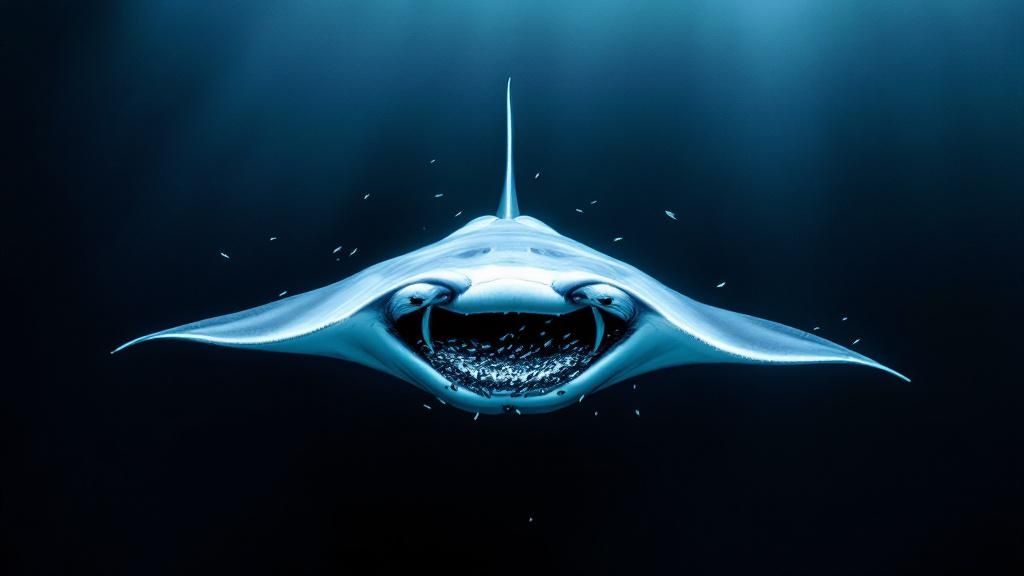
Jumping into the water for the Kona manta ray dive is an experience you'll never forget, but it's more than just a bucket-list adventure. You're entering a delicate marine world, and how we behave directly impacts the well-being of these magnificent animals. Being a respectful guest is key to ensuring this incredible encounter can be shared for generations to come.
The absolute golden rule of any manta ray dive in Kona is simple: never, ever touch the mantas. These gentle giants have a thin, slimy coating on their skin that’s vital for their health. It's their primary defense against nasty bacteria, and even a slight touch can rub it off, leaving them exposed to serious infections.
This is why choosing your tour operator is so important. Make sure you book with a company that is Manta-Responsible certified. These operators aren't just taking you for a swim; they're actively committed to conservation and follow strict guidelines to protect the rays. When you go with them, your money helps fund the very sustainability that keeps this ecosystem thriving.
Understanding Your Impact
Your role as a diver or snorkeler is about more than just watching. It’s about being part of a bigger conservation story. This dive isn't just ecologically significant; it's a huge economic driver, bringing in over $2.5 million in annual revenue to the Kona community.
This value is exactly why Hawaiian state law, since June 5, 2009, has made it illegal to intentionally kill or capture manta rays. It's a formal recognition of their importance to the island. Learning about the broader threats to our oceans, like Understanding Plastic Pollution in Water, deepens that appreciation for why protecting their home matters so much.
When you dive with a responsible operator, you're not just a tourist; you're an active participant in conservation. Your presence helps demonstrate that living manta rays are far more valuable than they would be to fisheries, reinforcing the need for their protection.
Following Manta-Friendly Guidelines
To make sure every interaction is a good one for the mantas, your dive operator will have a few straightforward rules. They're easy to follow and make all the difference.
- Observe, Don't Interact: Resist the urge to chase, grab, or ride the mantas. They are curious creatures. Just stay still, and they might come right up to you.
- Hold Your Position: If you’re diving, you’ll stay on or near the sandy bottom. Snorkelers need to stay on the surface, holding onto the light board. This creates a safe, predictable "stage" for the mantas.
- Lights Up, Lights Down: Divers should point their flashlights straight up to draw in the plankton. Snorkelers' lights will be pointing down from their floatation board. This creates a "plankton sandwich" with the mantas feeding in the middle.
By sticking to these simple guidelines, you’re doing more than just going on a dive—you’re contributing to eco-tourism and becoming a real advocate for these gentle giants. If you're trying to figure out when to book, our guide on the best time of year to see manta rays in Kona can help you nail down the perfect dates.
Your Manta Ray Dive Questions, Answered
It's only natural to have a few lingering questions before you commit to an experience as unique as the Kona manta ray dive. I’ve heard just about every question in the book from divers and snorkelers alike, so let's get you the answers you need.
Do I Need to Be Scuba Certified?
Not at all! While the scuba dive is an incredible experience, the snorkeling option is just as breathtaking. In fact, some people prefer it.
As a snorkeler, you'll have a dedicated guide and hold onto a large, custom-built light board that floats on the surface. These powerful lights attract the plankton, bringing the mantas right up to you for a spectacular bird's-eye view of the action. It’s a perfect way for families, non-divers, or anyone who'd rather stay on the surface to witness the magic.
Key Takeaway: Both diving and snorkeling offer incredible, up-close views. It really just comes down to your personal comfort level in the water.
What’s the Best Time of Year to See Mantas in Kona?
This is one of the best parts about this dive—it’s amazing year-round. Kona’s resident manta ray population doesn’t migrate, which means they are here every single night. Most local operators report a success rate of over 90%, no matter the month.
The ocean is often a bit calmer between April and October, but the manta sightings are consistently fantastic all year. My best piece of advice? Book your manta tour for one of the first nights of your trip. On the very rare occasion a tour gets canceled due to weather, you'll have plenty of time to reschedule.
What Happens if We Don’t See Any Manta Rays?
It’s incredibly rare for the mantas to be a no-show, but they are wild animals, and sightings can never be 100% guaranteed. This is precisely why booking with an established, reputable operator is so important.
Here at Kona Honu Divers, we offer a 'Manta Guarantee.' If you book one of our manta ray dive tours and we don't see a single manta, you can join us again on another night for free (on a standby basis). Always double-check the specific guarantee policy with whichever company you book.
Can I Bring My Camera?
Absolutely! This is a memory you'll definitely want to capture. The only rule is that the safety and well-being of the mantas always come first.
Please use a steady video light instead of a camera strobe—the sudden flash can startle and disorient the rays. You'll also need to be mindful of your buoyancy and your surroundings to avoid bumping into the animals or the reef. For more great advice, we have an entire article on what you should know about the manta ray dive in Kona.
Of course, if you'd rather just be fully present in the moment, most tours have a professional videographer on board, and you can purchase their video afterward.