
Imagine floating in the warm, dark Pacific, completely weightless. Suddenly, a colossal, gentle giant with a wingspan stretching up to 16 feet glides effortlessly toward you, performing an elegant barrel roll just inches from your face. This isn't a scene from a movie. This is the world-famous Kona manta ray night dive—a truly bucket-list spectacle that stands out as one of the most reliable and awe-inspiring wildlife encounters anywhere on the planet.
It’s more than just another dive; it's a breathtaking aquatic ballet that you have to experience to truly understand.
What is the Kona Manta Ray Night Dive?
The Kona Coast of Hawaii's Big Island is a global hotspot for manta ray activity, and for a good reason. The entire experience is built on a simple yet brilliant concept: powerful lights are set up on the ocean floor, creating a kind of "underwater campfire." This bright light attracts swarms of plankton, which happens to be the manta rays' favorite meal.
As the plankton gathers in the light beams, the mantas arrive for their nightly feast. The result is a mesmerizing, up-close-and-personal show for everyone in the water. Divers settle onto the sandy bottom, usually around 30-40 feet deep, and watch the spectacle unfold from below. At the same time, snorkelers hold onto a custom floating light board, giving them a perfect bird's-eye view of the action.
The feeling is both serene and absolutely exhilarating as these graceful creatures soar, loop, and glide through the water, feeding on the plankton illuminated by the lights.
Why is Kona the World's Premier Manta Destination?
Kona's reputation isn't just hype; it's backed by science and a remarkably healthy local manta population. The Kona Coast is home to one of the most accessible and well-studied populations of manta rays in the world, with over 450 unique individuals identified by researchers.
This massive, non-migratory population means sightings are incredibly reliable. We see a success rate between 85-90% year-round, which is significantly higher than most other manta destinations across the globe.
Let's break down what makes this dive so special.
Here’s a quick summary of what makes the Kona manta ray dive a must-do activity.
| Feature | Details |
|---|---|
| Location | The Kona Coast of the Big Island of Hawaii. |
| Success Rate | An incredible 85-90% chance of seeing mantas. |
| Population | Home to over 450 identified resident manta rays. |
| Depth | Typically 30-40 feet deep, making it accessible for most certified divers. |
| Activity | Divers watch from the sea floor; snorkelers use a floating light board. |
| Best Time | Year-round, thanks to the resident manta population. |
Simply put, Kona offers a unique combination of factors that you just won't find anywhere else.
At Kona Honu Divers, we are deeply committed to providing an adventure that is not only unforgettable but also safe and respectful of these magnificent animals. Our experienced guides are passionate about marine life and ensure every tour follows strict "Manta Etiquette" guidelines to protect the rays and their environment.
When you join one of our manta ray dive tours, you're not just a spectator. You become part of a sustainable ecotourism effort that actively supports ongoing research and conservation. We provide everything you need for a comfortable and thrilling night on the water. You can learn more about this incredible underwater journey in our detailed guide to the Kona manta ray night dive.
Ready to witness this incredible spectacle for yourself?
Your Manta Ray Adventure from Start to Finish
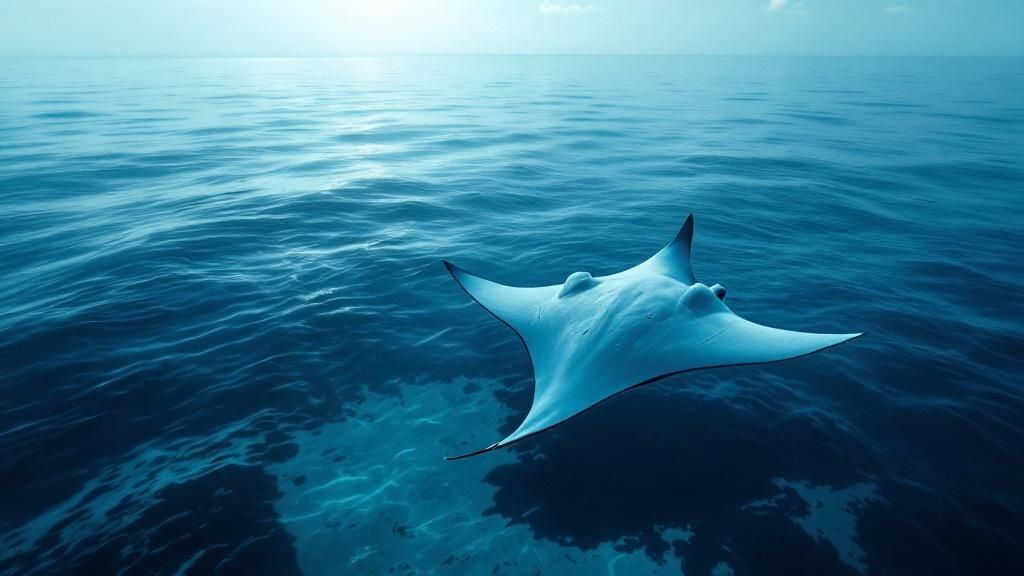
So you’ve decided to take the plunge on what will likely be the most memorable night of your entire Hawaiian trip. But what exactly happens on one of these tours? Knowing the play-by-play can help turn any pre-dive jitters into pure excitement. Your adventure with us at Kona Honu Divers kicks off the moment you step aboard and get checked in by our professional, and genuinely friendly, crew.
After a warm welcome on our custom-built dive boat, we’ll head out to sea. On the way, the crew will give you a full safety and educational briefing. This isn’t just about rules and regulations; it’s your first real introduction to the gentle giants we're about to meet. You’ll learn about their behavior and, most importantly, how we can all share the water with them in a safe and respectful way.
Arriving at the Dive Site
As the sun begins to dip below the horizon, painting the Kona coast in stunning colors, we’ll moor the boat at our dive site. The laid-back vibe on the boat shifts into one of focused anticipation. You can feel the energy change. Our guides, who live and breathe all things manta ray, get to work with a well-oiled precision that only comes from years of experience.
Their first job is to set up the main attraction: the underwater “campfire.” A powerful light source is carefully lowered to the sandy ocean floor, roughly 30-40 feet down. This bright beacon is the secret sauce. Its beams attract massive clouds of plankton—the manta rays' favorite meal—essentially setting the dinner table for the show to begin.
The whole operation is like a beautifully choreographed dance. While the divers get their gear sorted, our snorkelers are set up with a custom-designed floating raft that has its own powerful lights, guaranteeing them an incredible bird's-eye view of the action below.
The Underwater Experience
With everyone geared up, it's time to hit the water. Certified divers make their way down with their guides, finding a spot on the sand to settle in. We arrange ourselves in a semi-circle around the central light, giving everyone a front-row seat looking up into the illuminated water.
Snorkelers hop in and swim to the floating light board, where they can hang on comfortably and gaze down into the deep blue. A profound quiet takes over. The only thing you hear is the sound of your own breathing as you wait, watching the beams of light slice through the darkness.
The anticipation is electric. Then, it happens. A massive, graceful shadow emerges from the pitch-black and glides effortlessly into the light. That first manta ray dive kona sighting is a moment that will be seared into your memory forever. Before long, others often arrive, and you're watching a silent, hypnotic ballet. They swoop and barrel roll through the light beams, feasting on the plankton. It's this breathtaking display that inspired us to create our dedicated manta ray dive tours page, so we can share this exact experience with you.
Choosing Your Dive Site: Manta Village vs. Manta Heaven
So you're ready to dive with Kona's famous manta rays, but you've probably heard a couple of names thrown around: Manta Village and Manta Heaven. What's the difference? It’s not just about location; each spot offers a unique vibe, and picking the right one comes down to your personal comfort, experience level, and what you’re hoping to get out of the dive.
Every year, an incredible 80,000 people come to the Kona Coast specifically for this experience, making it a world-renowned hub for manta ecotourism. The action is centered around these two primary sites. Think of Manta Village as the classic, reliable choice and Manta Heaven as the spot for a potentially more dynamic, wild encounter.
Manta Village: The Classic Kona Experience
Manta Village, nestled in Keauhou Bay, is the original manta ray night dive site. Its biggest advantage is its geography. Being tucked inside a protected bay means it's shielded from the open ocean's mood swings—the swells and currents are usually much milder here.
This makes Manta Village a fantastic option for:
- New or less confident divers who will appreciate the calm, predictable conditions.
- Families with kids and snorkelers who need a smoother experience on the surface.
- Anyone who gets seasick, since the boat ride is shorter and the water is generally much flatter.
While manta sightings can vary night to night anywhere, the gentle nature of this site makes it a wonderfully accessible and reliable way to witness this amazing spectacle for the first time.
Manta Heaven: A More Dynamic Dive
Head a bit north, closer to the Kona International Airport, and you'll find Manta Heaven, also known as Garden Eel Cove. This location is more exposed to the open ocean, which can sometimes mean stronger currents and a bit of surge. But don't let that deter you—that very water movement can lead to some truly epic encounters. You can check out our complete guide to diving at Manta Heaven for an in-depth look.
Many seasoned divers and underwater photographers specifically ask for Manta Heaven. The reason? That bit of surge can sometimes encourage the mantas to dip and swoop even closer to the divers on the seafloor, resulting in breathtakingly close passes and barrel rolls.
This site is often the top pick for divers with a few more logbook entries, who are comfortable handling potentially more challenging conditions. For more experienced diving opportunities, you might also be interested in our advanced dive tour. The payoff for a slightly wilder ride can be a truly electrifying show.
Manta Village vs. Manta Heaven Comparison
To make the choice crystal clear, we've broken down the key differences. Use this side-by-side comparison to choose the best manta ray site for your adventure.
| Feature | Manta Village (Keauhou Bay) | Manta Heaven (Garden Eel Cove) |
|---|---|---|
| Location | South of Kailua-Kona | North of Kailua-Kona |
| Conditions | Calm, protected, minimal current | More exposed, potential for current/surge |
| Best For | Beginners, snorkelers, families | Experienced divers, photographers |
| Accessibility | Very high, reliable conditions | Good, but more weather-dependent |
Ultimately, the best site is the one with the best conditions on any given day. At Kona Honu Divers, we always make the call based on the day's forecast to give our guests the safest, most enjoyable, and most memorable experience possible. No matter which site you end up visiting, the Kona manta ray dive is an experience that will stick with you forever.
Finding the Best Time for Your Manta Dive
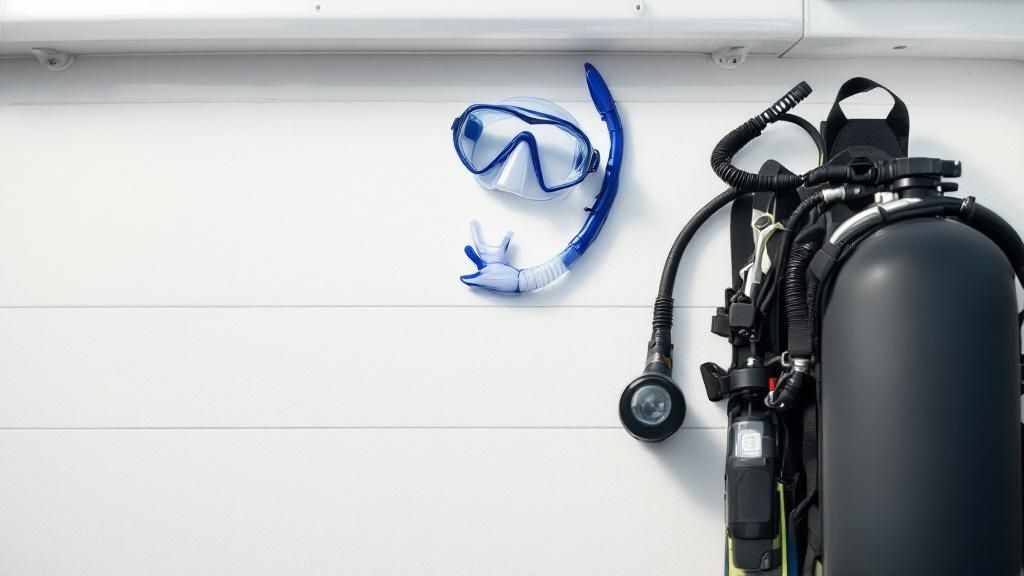
One of the first questions people ask is, "When's the absolute best time to go see the manta rays?" I've got great news for you: any night of the year can be spectacular.
Unlike whales or other migratory animals, Kona’s manta rays are year-round residents. They live here. This means we have a 90% success rate of seeing them on our tours, no matter when you visit. They’re always around, ready for their nightly plankton feast.
That said, while the mantas are always here, a few things can make your own experience even better. It really comes down to your personal comfort and the subtle shifts in ocean conditions.
Seasonal Comfort and Conditions
The water here in Kona is warmest from about April through October. If you get cold easily, this might be the perfect window for you. A warmer ocean definitely makes for a more comfortable boat ride back to the harbor after your dive.
You might also be wondering why this has to be a night dive. It all comes down to the food chain. We use powerful, bright lights submerged in the water to attract massive clouds of plankton. Under the cover of darkness, these lights create an irresistible, all-you-can-eat buffet that draws the mantas in. Without the dark, the lights just wouldn't work. For those who love night diving, we also offer the unique Kona blackwater dive. You can find more details on our Blackwater Dive tour page.
Pro Tip: I always tell people to book their manta ray tour for one of their first nights in Kona. That way, if a rare weather cancellation happens, you have plenty of time to reschedule without messing up the rest of your vacation plans. It’s a simple trick that provides a great safety net.
Ultimately, there’s truly no "bad" time to meet these gentle giants. For a deeper dive into the seasonal nuances, check out our guide on the best time of year to see manta rays in Kona.
Our experienced crew always assesses the day's conditions to pick the best possible dive site, ensuring we give you the safest and most breathtaking encounter possible.
How Your Dive Supports Manta Ray Conservation
Going on a manta ray dive in Kona is an incredible experience, but it’s so much more than just a thrilling underwater tour. When you dive with a responsible operator, you’re stepping into a role as a guardian of the ocean, directly contributing to the protection and study of these gentle giants.
It all starts with something we call "Manta Etiquette." These are the golden rules for interacting with the rays, designed to keep both them and us safe. The biggest rule of all? Be a passive observer. Look, float, and be amazed, but never, ever touch.
Why Manta Etiquette Matters
Think of a manta ray’s skin. It’s covered in a delicate, slimy layer of mucus that acts as its immune system. This coating is their first line of defense against harmful bacteria and parasites swimming around in the ocean.
When a person touches a manta, even by accident, it can wipe off that protective mucus. This simple act can leave the ray vulnerable to nasty skin infections and diseases. So by just keeping your hands to yourself, you're playing a huge part in protecting the health of Kona's entire manta population. You can learn more about this incredible symbiotic relationship in our guide on why you should go on a manta ray dive in Kona.
Your dive isn't just for you; it's about being a respectful guest in the mantas' world. Following these simple guidelines ensures this natural wonder remains sustainable, so people can continue to witness it for years to come without causing any harm.
By choosing a reputable guide like Kona Honu Divers, you're casting a vote for businesses that put the marine ecosystem first.
You Become Part of the Research
Every time you get in the water, you also put on the hat of a citizen scientist. It’s pretty amazing, actually. Each manta ray has a completely unique pattern of black spots on its belly, which works just like a human fingerprint.
Dive guides and researchers are constantly photographing these spot patterns to identify individual rays. This collaborative effort, going strong since 1991, has helped build one of the most detailed databases of a wild manta population anywhere on the planet.
- The catalog now includes over 330 uniquely identified manta rays.
- These individuals have been logged across nearly 6,000 reported sightings.
This treasure trove of data helps scientists understand manta behavior, track their movements, and monitor the health of the population—information that is absolutely essential for their long-term survival. You can discover more about this fascinating research at mantarays.info. Your participation in a manta ray dive tour helps fund this vital work, ensuring these magnificent creatures continue to grace Kona's waters for generations.
Ready to make a difference while having the adventure of a lifetime?
Common Questions About the Kona Manta Ray Dive
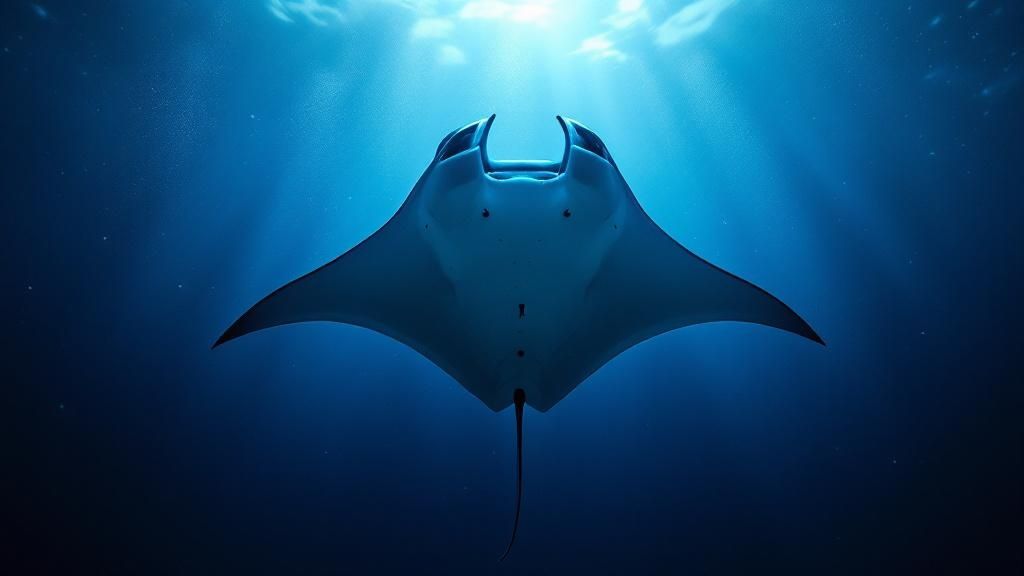
Heading out for a manta ray dive in Kona is one of the most incredible things you can do, but it’s completely normal to have a few questions before you take the plunge. We get it. To make sure you feel totally comfortable and ready for the experience, we’ve put together answers to the questions we hear most often from our guests.
Our goal is to give you all the information you need to feel confident and excited. This way, you can just relax and focus on the magic unfolding in the water below. And if you're looking for other amazing diving tours in Kona, Hawaii, we have plenty to offer.
Do I Need to Be a Certified Diver to See the Manta Rays?
Not at all! That's one of the best parts—this spectacular ocean ballet is open to almost everyone. There are two incredible ways to witness the mantas, and only one of them requires a scuba certification.
- Snorkeling: This is a fantastic choice for absolutely everyone, from kids to grandparents and anyone not trained in scuba. You'll simply float on the surface while holding onto a specially designed light board. These powerful lights draw in the plankton, which in turn brings the manta rays right up to you for a breathtaking, bird's-eye view of their feeding dance.
- Scuba Diving: For those who want to get a view from below, you’ll need to be a certified Open Water diver. The dive itself is fairly shallow and isn't technically complex, which makes it a perfect night dive for most certified divers.
Here at Kona Honu Divers, we offer world-class snorkeling and diving experiences side-by-side, so no one has to miss out.
Is the Manta Ray Dive in Kona Safe?
Absolutely. When you go with a professional, experienced operator like Kona Honu Divers, the manta ray dive is considered extremely safe. Manta rays themselves are gentle giants. They have no teeth, no barbs, and no stingers—they’re filter feeders completely uninterested in humans. Their only focus is the microscopic plankton drawn to the lights.
Your safety is always our first priority. Our crew leads a detailed safety briefing before anyone even gets in the water. We keep a close eye on the conditions and follow strict, time-tested protocols. This includes a firm "no-touching" policy to protect both you and the mantas, ensuring the experience is safe and respectful for everyone.
What Should I Bring on the Manta Ray Tour?
Packing is pretty straightforward. You won't need much, but here are the essentials:
- A swimsuit (we recommend wearing it under your clothes to the boat)
- A towel for when you get out of the water
- A warm jacket or hoodie for the boat ride home—it can get a bit chilly after a night swim!
We’ve got you covered with all the necessary, high-quality gear, whether you're snorkeling or diving. That includes wetsuits, masks, and fins. We also provide snacks and drinks on board. If you're someone who gets motion sickness, you might want to consider taking medication beforehand, as directed by a doctor. Most importantly? Just bring your sense of wonder.
How Likely Am I to Actually See Manta Rays?
The incredible reliability of this experience is exactly what makes it famous across the globe. We see a success rate of around 90%. Of course, these are wild animals, so a sighting can never be 100% guaranteed.
But the feeding sites have been established for decades, making the mantas' appearance a highly predictable event. It's not uncommon to see several mantas on any given night, and sometimes, we've had more than a dozen gracefully gliding through the light beams.
Many reputable operators, including us, offer a "manta guarantee." If you're in the unlucky few who don't see a manta on your trip, we'll give you another chance to come back and try again. To get a better feel for the whole experience, check out our guide on what the manta ray night dive is all about.