
Picture this: you’re floating in the warm, dark Pacific as massive, gentle creatures with 16-foot wingspans perform a silent ballet all around you. This is the Kona manta ray dive, and it’s not just a dive—it's one of the most reliable and awe-inspiring wildlife encounters on the planet. This is your first step toward an adventure you will carry with you for a lifetime.
The Ultimate Guide to Kona’s Manta Ray Night Dive
This guide will walk you through everything you need to know. We’ll cover the magic behind the dive, the thrill of seeing your first manta, and what to look for in a tour to make sure your adventure is safe, ethical, and absolutely unforgettable. It’s more than just getting in the water; it’s about witnessing an incredible performance under the sea.
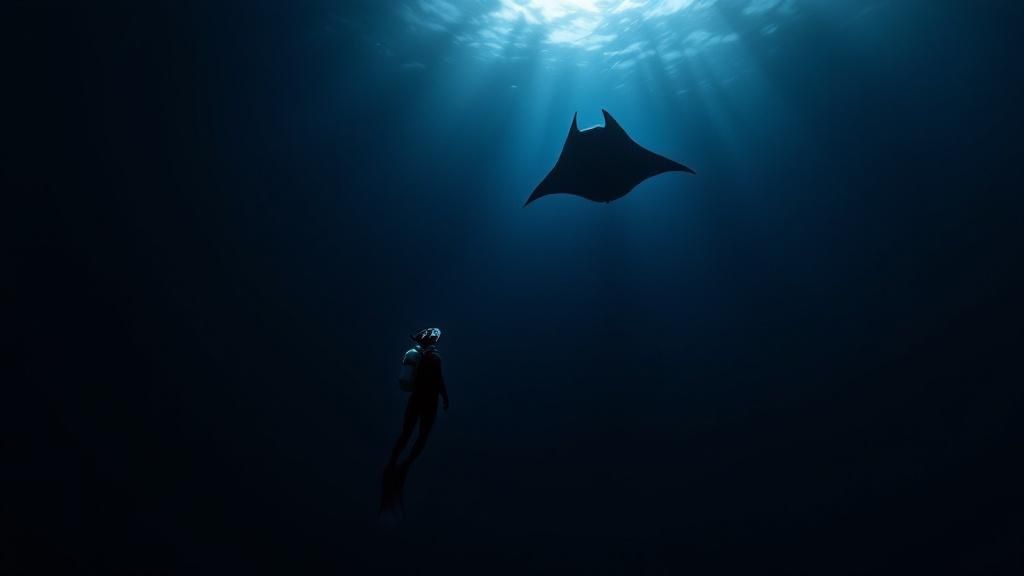
What Makes This Dive So Special?
So, why Kona? The secret is in the local geography, which creates the perfect nightly buffet for manta rays. Along the coastline, there are specific spots where plankton—the mantas' favorite meal—naturally congregate. Local dive operators figured this out and amplify the effect by setting up powerful underwater lights, which basically act as a giant dinner bell, attracting even more plankton.
This reliable food source turns the Kona manta experience into one of the most consistent wildlife shows you can find anywhere. Forget hoping for a lucky glimpse; in Kona, the odds are overwhelmingly in your favor.
To give you a quick snapshot of this incredible experience, here are the essential details at a glance.
Kona Manta Ray Dive at a Glance
| Aspect | Details |
|---|---|
| Wingspan | Up to 16 feet |
| Sighting Success Rate | 80% to 90% year-round |
| Annual Participants | Approximately 80,000 |
| Primary Dive Sites | Manta Heaven (Garden Eel Cove) & Manta Village (Keauhou Bay) |
| Typical Sightings | 50–150 mantas per site, per month |
| Experience | Passive viewing; divers/snorkelers stay stationary |
This isn't just a dive; it's a front-row seat to one of nature's most graceful performances.
A Reliable and World-Renowned Encounter
The Kona Coast isn't just a great spot for manta encounters; it's a premier global destination. The two main sites, Manta Village and Manta Heaven, are legendary, consistently reporting 50–150 manta ray sightings per location every month. With a success rate hovering between 80% and 90% year-round, it’s no wonder around 80,000 people come here annually for this specific adventure.
This isn't just a dive; it's a front-row seat to one of nature's most graceful ballets. The mantas aren't just swimming by—they are actively feeding, performing barrel rolls and swooping maneuvers just inches away from you.
The experience is truly profound. You settle onto the ocean floor, and these majestic creatures glide effortlessly through the beams of light, their giant mouths wide open to filter the plankton. It’s peaceful, mesmerizing, and feels completely otherworldly. It's the kind of dive people talk about for the rest of their lives.
Key Manta Dive Locations
Two primary locations have become famous for the Kona manta ray dive, each offering a slightly different, but equally amazing, experience.
- Manta Heaven: Also known as Garden Eel Cove, this site is north of Kona and is famous for often hosting a huge number of mantas at once. It can be a real party!
- Manta Village: Located south of Kona in Keauhou Bay, this is the original manta viewing site and still boasts an incredibly high success rate.
Both spots are fantastic, and you really can't go wrong. If you want to dive deeper into the nuances, understanding the differences between Manta Heaven and other sites can help you choose, but either way, you’re in for a spectacular show.
Choosing the Best Manta Ray Dive Operator
Picking the right tour operator is probably the single most important decision you'll make for your manta ray dive kona trip. It’s what separates a crowded, rushed-feeling tour from a genuinely magical and respectful encounter with these incredible animals. A great company cares just as much about the mantas' well-being as they do about your experience.
So, what’s the difference between a good operator and a great one? It boils down to a few critical things: unwavering safety standards, truly ethical practices, and a commitment to keeping group sizes small. The best outfits make sure your dive is not only mind-blowing but also safe and mindful of the delicate ocean world you’ve come to see.
Why a Premier Operator Matters
Going with a top-tier operator like Kona Honu Divers isn't just about a more comfortable boat ride; it’s about supporting responsible tourism. They are a perfect example of a company that lives and breathes marine conservation. They hire seasoned guides who are genuinely passionate about the ocean and have a safety record that speaks for itself. That deep local knowledge translates directly into a richer, more meaningful experience for you.
When you dive with an operator that truly respects the environment, you become part of the solution. These companies stick to strict guidelines that minimize their footprint, which is crucial for ensuring the mantas continue to thrive and mesmerize visitors for years to come.
Key Questions to Ask Before You Book
Before you pull out your credit card, you need to ask a few smart questions. The answers will tell you a ton about an operator's professionalism and their whole philosophy on this unique wildlife interaction. A reputable company won't just have the answers; they'll be proud to share them.
Here are the essentials to ask:
- What are your group sizes? Smaller groups almost always mean a better, more personal dive and less disturbance for the mantas. It's a simple fact.
- Are your guides certified and experienced? You want to hear that they hire knowledgeable marine naturalists or divemasters who have spent years in these specific waters.
- What is your manta sighting guarantee? Now, mantas are wild, so nothing is 100%. But the best operators have such a high success rate—often over 90%—that they’ll offer a guarantee. This usually means if you don't see mantas, you can come back another night for free on a standby basis.
- What are your safety procedures? This covers everything from the quality of their pre-dive briefing and gear to their emergency plans. Don’t be shy about asking.
Asking these questions helps you weed out the less-than-stellar options and puts your trust—and money—in the right hands. It's a crucial part of your prep. If you want to get even more hyped for the adventure, you can learn more about why you should go on a manta ray dive in Kona.
The golden rule of a responsible manta ray dive is passive observation. You are a guest in their house. The best operators hammer this point home, teaching you to stay still and let the mantas lead the dance.
This whole approach ensures the animals aren't stressed and feel comfortable enough to carry on with their natural feeding, which often leads to much closer and more spectacular fly-bys. When you choose an operator who champions these ethics, you're directly helping to sustain this incredible experience for the future.
Check Availability
What to Expect on Your Manta Ray Night Dive
The manta ray night dive isn't just an underwater event; it's a whole experience that starts well before you ever get wet. Your adventure kicks off in the late afternoon with a boat trip out to the site, perfectly timed to catch a spectacular Kona sunset. The sky just lights up in shades of orange, pink, and purple, setting an absolutely magical tone for the night ahead.
As you cruise toward the dive spot, your guides will give you a detailed pre-dive briefing. This is way more than your standard safety talk. It's a genuinely fascinating look into the world of manta rays, covering their behavior, their role in the local ecosystem, and the super-important rules for interacting with them respectfully. Listening closely here is key to keeping both you and the mantas safe and happy.
Setting the Stage: The Underwater Campfire
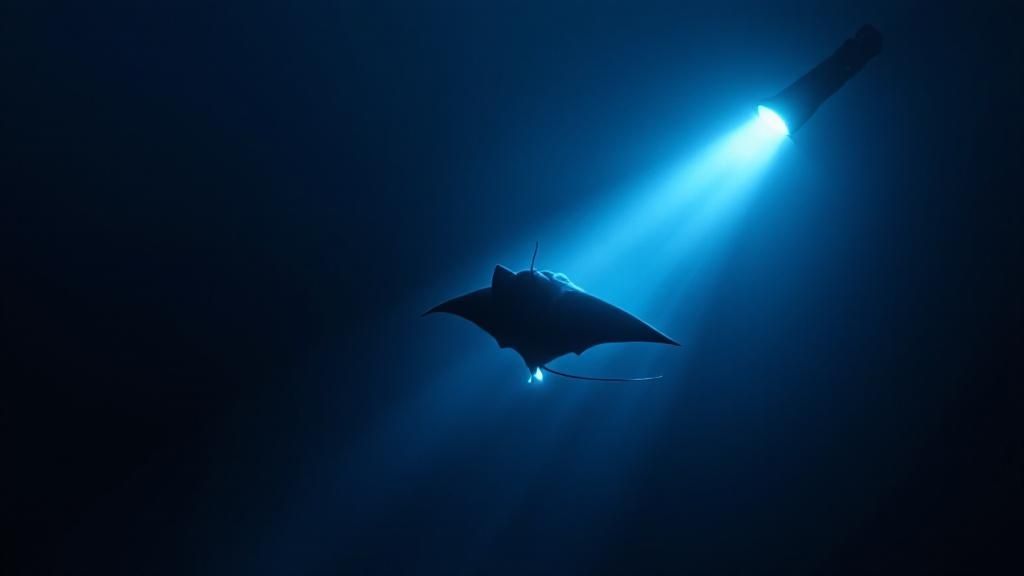
Once you arrive at a world-famous site like Manta Heaven, the crew gets to work. Their main job is to set up what we all affectionately call the underwater "campfire." It’s not a real fire, of course. It's a set of powerful, specially-designed lights placed on the sandy bottom, about 25-40 feet down.
Think of it as a giant neon "diner open" sign for plankton. The intense beams cut through the dark ocean, attracting massive swarms of these microscopic critters. This dense cloud of plankton is the whole reason the mantas show up night after night. It’s an all-you-can-eat buffet, and the local manta population has figured out over decades that the light means a guaranteed meal. This brilliant setup is the secret sauce to Kona's incredible sighting success rate.
The anticipation really starts to build as you gear up and finally descend into the warm, dark water. As a diver, you’ll be led to a specific spot on the sand, arranged in a semi-circle around the lights. If you're snorkeling, you'll float up on the surface, holding onto a custom-built raft that also has lights pointing down, creating your very own plankton viewing area.
The Main Event: An Unforgettable Ballet
And then, it happens. A graceful shadow emerges from the inky black, gliding effortlessly into the light. The first manta ray has arrived. The sight is absolutely breathtaking—it's common to hear muffled cheers and see wide eyes all around. Before you know it, another one appears, and then another, until you're surrounded by these gentle giants.
What follows is a silent, almost hypnotic ballet. The mantas perform elegant barrel rolls and graceful somersaults just inches over your head and below the snorkelers' fins. With their massive mouths wide open, they swoop through the thick clouds of plankton, filtering out their dinner.
You’re not just an observer watching from afar; you become part of the scenery. The mantas are so focused on feeding that they treat you like a stationary rock, often gliding so close you feel like you could reach out and touch them (but you absolutely must not). It's a profoundly immersive and peaceful experience.
This incredible show lasts for about 40-50 minutes—a stretch of time that somehow feels like both a lifetime and the blink of an eye. Watching these magnificent animals, some with wingspans wider than a car, move with such grace is something photos and videos just can't do justice. It’s a moment of pure, unscripted connection with the natural world, and it’s what makes the Big Island manta ray night diving experience a truly world-class wildlife encounter. Whether you're on the ocean floor or floating on the surface, the view is spectacular and will leave you with memories that last forever.
How to Prepare for Your Dive
A little prep work is all it takes to turn a great manta ray dive into an unforgettable one. When you're comfortable and know what to expect, you can simply relax and let the underwater magic unfold. Think of it less like a grueling technical dive and more like getting front-row seats to the greatest show on Earth.
Thankfully, your tour operator handles most of the heavy lifting, providing all the specialized scuba or snorkel gear. But it helps to know what you’re using. For instance, the wetsuits they provide are usually a bit thicker than your typical daytime suit. Even with Kona’s water temperature hovering around a pleasant 75°F (24°C), you’d be surprised how chilly you can get sitting still for nearly an hour at night. A good wetsuit means you’re focused on the mantas, not on shivering.
Gear and What to Bring
Your operator will have all the unique equipment ready for you. This isn’t just your standard dive kit; it includes powerful, custom dive lights that are part of a larger "campfire" setup designed to attract plankton. Your guide will show you exactly how to position yourself and your light to help ring the dinner bell for the rays.
While the big gear is covered, a few personal items will make your trip much more comfortable:
- A Towel and Dry Clothes: The boat ride back always feels a little brisk after a night dive. Having something warm and dry to change into is a game-changer.
- Light Jacket or Sweatshirt: An absolute must for staying cozy on the return trip.
- Motion Sickness Meds: If you're even slightly prone to seasickness, take your preferred medication beforehand. Better safe than sorry.
- Underwater Camera: Definitely bring it if you have one, but don't forget to put it down and just be present in the moment. The memory is what counts.
The Rules of Engagement for a Respectful Encounter
Pay close attention during the pre-dive safety briefing. This is the most important part of your preparation. It’s not just a list of procedures; it’s where you learn the "rules of engagement" for interacting ethically with these incredible wild animals. Your guides are experts, and their instructions are there to protect both you and the mantas.
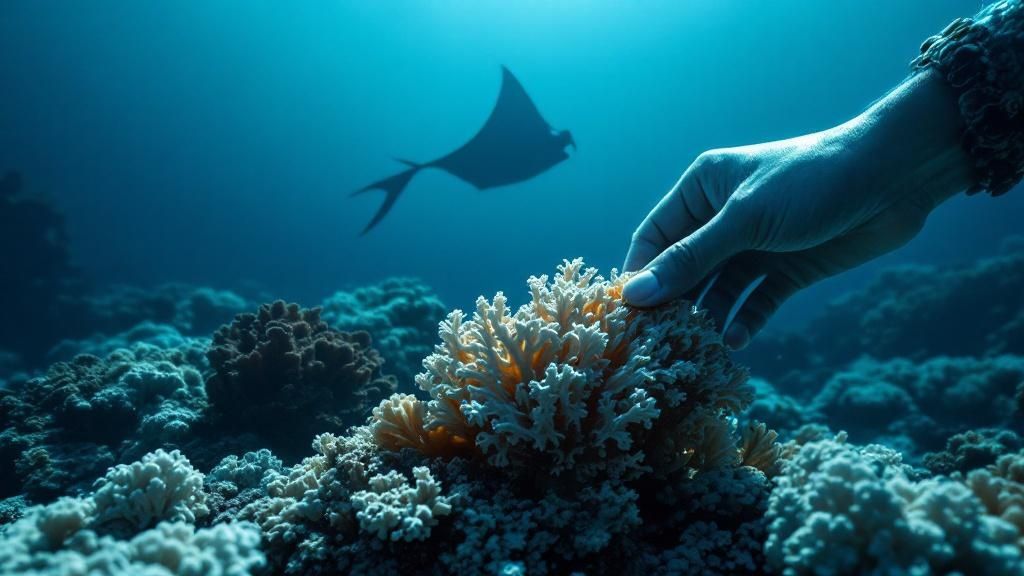
The number one, non-negotiable rule is simple: Do not touch the manta rays. This isn’t an arbitrary rule—it’s crucial for their survival. Manta rays have a delicate mucus coating on their skin that functions as their immune system, warding off bacteria and parasites. Touching them, even with the lightest graze, can strip away this protective slime and leave them vulnerable to infection.
You are a guest in their home. The goal is to be a silent, stationary observer—like a rock on the ocean floor. When you remain still and respectful, the mantas feel safe enough to carry on with their natural feeding ballet, often resulting in breathtakingly close fly-bys.
For divers, this means your buoyancy control needs to be on point. Since the dive is stationary, the aim is to get neutrally buoyant and settle onto the sandy bottom without kicking up a cloud of silt. Being still prevents any accidental bumps with a passing manta and keeps the underwater environment pristine.
By following these simple guidelines, you become a responsible part of one of nature's most spectacular displays, helping ensure this experience continues for generations to come. Booking your manta ray dive tour is the first step toward this amazing adventure.
Explore More Big Island Diving Adventures
While the world-famous manta ray dive in Kona is an absolute can't-miss experience, it's really just the opening act for what the Big Island’s waters have in store. Kona is a truly world-class diving destination, a massive underwater playground for anyone looking to extend their adventure. The island's volcanic origins have carved out a dramatic submarine landscape that you just won't find anywhere else on the planet. Check out all of the diving tours available.
Picture yourself descending along massive lava tubes, exploring ancient underwater arches, and gliding over vibrant, healthy coral reefs absolutely buzzing with life. These seascapes are home to an incredible number of endemic Hawaiian species—creatures that exist nowhere else on Earth. Every single dive reveals something new, whether it's the intricate patterns on a turtle’s shell or the ghost-like movements of a hidden octopus.
The Thrill of the Kona Blackwater Dive
For divers craving a completely different kind of thrill, the Kona Blackwater Dive is an absolute must. This is nothing like a typical reef dive; it’s a surreal, open-ocean experience that feels more like floating through deep space. At night, you're tethered to the boat, drifting in the profound blue miles offshore as bizarre and wonderful creatures rise up from the abyss.
You're witnessing the largest vertical migration on the planet. Under the cover of total darkness, you'll see a mesmerizing show of bioluminescence and strange, beautiful larval-stage animals. Many of these organisms are transparent, gelatinous, or even create their own light, putting on a spectacle that feels both alien and profoundly beautiful.
The Blackwater Dive is a peek into a hidden world. You’re witnessing life forms that spend their entire existence in the deep ocean, only venturing near the surface at night. It's a humbling and truly unique adventure.
Kona Honu Divers offers an expertly guided Blackwater Dive tour that provides a safe and fascinating window into this deep-sea environment. It’s an experience that will completely redefine what a night dive can be.
Advanced Diving Opportunities
Are you an experienced diver looking for a real challenge? Kona delivers. Beyond the popular reef sites, there are advanced dives that push into deeper structures and more complex underwater topography. These are charters designed for certified divers who are comfortable with greater depths and more demanding conditions.
These advanced trips can take you to explore remote pinnacles that shoot up from the ocean floor, swim along dramatic walls covered in rare sponges, and even visit potential shark nurseries. The visibility in Kona is often phenomenal, which makes these deeper dives all the more rewarding. Exploring these sites takes sharp buoyancy skills and a true sense of adventure. For those with the right certifications, Kona Honu Divers runs premium advanced dive trips that showcase the very best of Kona’s wilder side.
- Lava Tubes and Arches: Weave through intricate structures left behind by ancient lava flows.
- Deep Reefs: Descend to stunning, less-frequented reefs packed with pristine coral.
- Unique Topography: Navigate canyons and walls sculpted by volcanic activity over millennia.
This incredible variety is what solidifies Kona's reputation as a top-tier diving destination for all skill levels. You can learn more about what to expect by reading our guide to diving in Kona and what you can expect.
And for those days when you want a different kind of marine experience, the Captain Cook snorkel tour is another fantastic way to see the vibrant sea life in a different, but equally beautiful, location. You can find a complete guide to the Captain Cook Snorkel Tour to help plan another amazing day on the water.
From the graceful dance of the mantas to the surreal world of the blackwater dive, Kona offers a full spectrum of underwater adventures that will have you planning a longer stay.
Common Questions About the Manta Ray Dive
Even after getting the whole rundown on the manta ray dive, it's totally normal to have a few questions rattling around. When you're planning an adventure this big, you want to be sure about all the little details. We get it.
This section tackles the most common questions we hear, giving you straight-up answers so you can book your tour with total confidence. Think of it as your final mental checklist before coming face-to-face with Kona's gentle giants.
Is the Kona Manta Ray Dive Safe for Beginners?
Absolutely. The manta ray night dive is one of the safest and most beginner-friendly dives you can do. It's a perfect first night dive for newly certified divers.
The dive sites are pretty shallow, usually between 25 to 40 feet, which is well within the standard Open Water certification limits. Plus, you’re not really diving in the traditional sense—there's no swimming around, navigating, or fighting currents. Once you descend, you settle onto a sandy spot and just… watch. It’s all about being a comfortable, stationary observer.
Top-tier operators like Kona Honu Divers run an incredibly tight ship, with thorough safety briefings and small guide-to-diver ratios for that extra personal attention.
And hey, if you're not a certified diver or you've got family with you, the snorkeling option is just as incredible. You get a bird's-eye view of the whole spectacle from the surface and are often right in the middle of the action.
What Are My Chances of Actually Seeing Manta Rays?
Your chances are ridiculously high! Kona is famous for having one of the most reliable manta ray encounters on the planet. For any reputable local operator, the success rate is consistently over 90%, all year long.
This isn't just blind luck. Over many years, the dive lights—the "underwater campfire"—have conditioned the local manta population to show up at these spots for a dependable plankton buffet. While no wildlife encounter can ever be a 100% certainty, many of the best operators offer a manta guarantee.
This usually means if your tour is one of those super rare nights when the mantas are a no-show, you can come back for free on a standby basis. That's how confident the operators are that the mantas will show up for dinner.
Can I Touch the Manta Rays During the Dive?
No. You must never, ever touch the manta rays. This is the number one rule, and it’s all about protecting these amazing animals.
Manta rays have a delicate, slimy mucus coating on their skin. This isn't just goo; it's a vital part of their immune system that shields them from bacteria and infections. A simple touch from a human hand can rub this protective layer off, leaving them vulnerable to disease.
The whole point of the dive is to be a passive observer—to become part of the underwater scenery. The mantas will often glide right over your head, sometimes just inches away, but you have to resist the urge to reach out. Your guide will hammer this point home during the pre-dive briefing. To get a better feel for the experience, you can read our detailed guide on what the manta ray night dive is all about.
What Should I Bring on the Manta Ray Dive Tour?
Most professional outfits, Kona Honu Divers included, provide all the essential dive or snorkel gear. That means a good wetsuit, mask, fins, and the powerful lights needed for the dive are all taken care of.
But you should pack a few personal items to make things more comfortable:
- Towel: A no-brainer for drying off post-dive.
- A Change of Clothes: Something warm and dry to change into for the boat ride home.
- Warm Jacket or Sweatshirt: Even in Hawaii, the boat ride back can get chilly at night after you've been in the water.
- Motion Sickness Meds: If you're even a little prone to seasickness, take something before the boat leaves the harbor. Trust us on this one.
- Underwater Camera: Bring it if you've got one! Just remember to stay present and prioritize the experience over getting the perfect shot.
Most importantly, bring a sense of wonder. You're about to witness an underwater ballet that you’ll be talking about for the rest of your life.
Check Availability
Your unforgettable Kona adventure is waiting. Here at Kona Honu Divers, we're obsessed with providing the safest, most ethical, and most mind-blowing manta ray experience on the Big Island. Our seasoned crew, top-of-the-line gear, and deep respect for the ocean ensure your dive is pure magic.
Book your manta ray dive tour with us today and get ready for one of nature's greatest shows.