
Picture this: you're floating in the warm, inky-black waters of the Pacific Ocean. Suddenly, a colossal, shadow-like figure glides effortlessly out of the darkness, swooping just inches above you. This isn't a scene from a movie; it's the world-famous Kona manta ray dive, and it’s an experience that truly lives up to its legendary reputation.
The Unforgettable Kona Manta Ray Dive
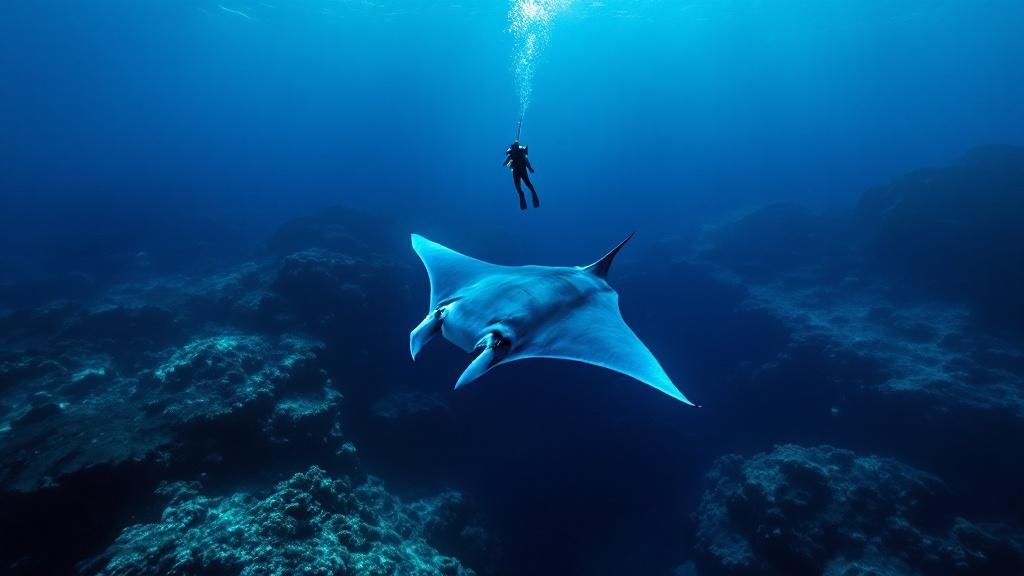
So, how does it all work? The genius behind the Kona manta dive is a brilliantly simple setup that dive operators have perfected over the years, often called the "manta campfire." After a quick boat ride from the harbor, you'll arrive at one of the dedicated manta sites. Divers head down to the sandy bottom, about 30-40 feet below, while snorkelers stay at the surface, holding onto a specially designed light board.
Everyone—divers and snorkelers alike—points their powerful, eco-friendly lights toward the center. This concentration of light acts like a giant magnet for plankton, the microscopic critters that manta rays absolutely love to eat. In minutes, the beams of light create a dense, all-you-can-eat buffet, drawing the mantas in from the surrounding ocean.
The Underwater Ballet Begins
Once the plankton cloud forms, the real show begins. One by one, graceful reef mantas, some with wingspans stretching up to 18 feet, emerge from the darkness. They glide into the light, performing mesmerizing somersaults and barrel rolls with their huge mouths wide open to filter-feed on the plankton.
This isn't some distant, fleeting glimpse you might get on other wildlife tours. The mantas get incredibly close, sometimes just inches away, making direct eye contact as they swoop and turn. It’s an intimate, humbling, and utterly unforgettable performance that connects you with one of the ocean's most majestic creatures.
The chance of seeing mantas here is incredibly high, with most operators reporting a success rate of over 90% year-round. Unlike many wildlife encounters that are tied to seasonal migrations, Kona’s mantas are resident animals, making this a reliable, bucket-list adventure any time you visit.
Why Kona Is The Manta Capital of the World
When it comes to seeing manta rays at night, Kona is, without a doubt, the most reliable place on the planet. The community has worked for decades to establish protected feeding sites and ethical viewing guidelines. This careful stewardship has created a safe, consistent environment where both mantas and people can have an incredible interaction.
To give you a clearer picture of what to expect, here’s a quick summary of the key details for your trip.
Kona Manta Ray Dive at a Glance
| Aspect | Details for Your Trip |
|---|---|
| What You'll See | Giant Pacific reef manta rays performing incredible feeding acrobatics. |
| How It Works | Powerful underwater lights attract plankton, creating a "campfire" that serves as a buffet for the mantas. |
| Your Role | You'll be a passive observer, either from the sandy seafloor (divers) or the surface (snorkelers). |
| Best Time to Go | The mantas are here all year, so encounters are consistent and available whenever you plan to visit. |
| Safety | Manta rays are gentle giants. They have no teeth, barbs, or stingers and are completely harmless to humans. |
This breathtaking experience is far more than just another dive or snorkel trip; it's a core memory you'll be talking about for the rest of your life. Ready to witness this world-famous underwater ballet for yourself?
Check Availability
Choosing Your Ideal Manta Ray Dive Site
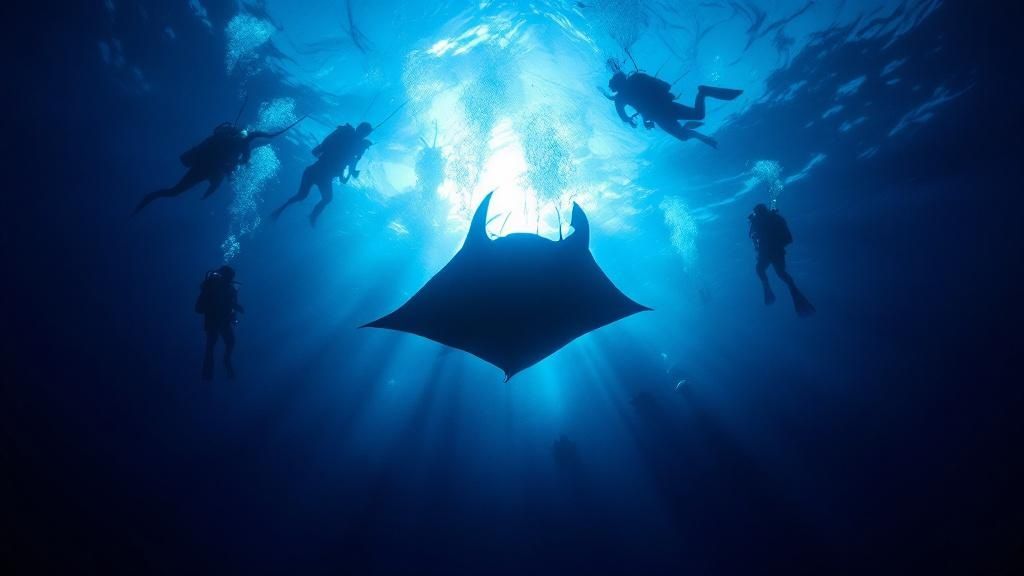
When you start planning your manta ray dive in Kona, one of the first questions you'll ask yourself is, "Which dive site is right for me?" The Kona coast boasts two world-famous manta feeding spots, and each one offers a completely different vibe. Understanding what makes "Manta Village" and "Manta Heaven" unique is the first step toward crafting your perfect night.
Think of it this way: are you looking for a cozy, intimate concert or a massive, electrifying stadium show? Both are incredible, but they cater to very different tastes. It's the exact same story with Kona's manta sites.
Manta Village: The Calm and Accessible Choice
Nestled in the sheltered waters of Keauhou Bay, just south of Kailua-Kona, Manta Village is the original, classic site. There's a reason it's been the go-to for so long. The conditions are typically calm, and the shallow, sandy bottom sits at a comfortable 25-35 feet, making it a very welcoming environment.
This spot is a fantastic match for a few types of people:
- First-Time Night Divers: If you've never taken the plunge after sunset, Manta Village's gentle nature helps calm any nerves. You can relax and just soak in the magic unfolding in front of you.
- Families and Snorkelers: The protected bay means less surface chop, which makes for a much more pleasant experience for snorkelers floating up top.
- Anyone Prone to Seasickness: The bay's calm waters and the shorter boat ride from the nearby Keauhou Harbor are a huge relief if you get queasy on the ocean.
Its accessibility and reliable conditions mean Manta Village is almost always buzzing with activity, delivering a consistently amazing show.
Manta Heaven: The Adventurous Deep Dive
Head a bit further north, up by the Kona International Airport, and you'll find Manta Heaven. Also known as Garden Eel Cove, this site has a more dramatic feel to it, with more rugged underwater terrain and a deeper profile, usually around 35-45 feet. The conditions out here can be a bit more dynamic, sometimes with currents that appeal to a more seasoned diver.
Manta Heaven is the perfect pick for:
- Experienced Divers: If you've got a good number of dives in your logbook and feel right at home in more challenging conditions, this site delivers a serious thrill. For more experienced diving opportunities, check out an advanced dive tour.
- Underwater Photographers: The deeper setting can sometimes attract more mantas, creating incredible opportunities for those epic, wide-angle shots.
- Thrill-Seekers: There's just a wilder, more open-ocean feeling here that adds an extra layer of excitement to the entire experience.
At the end of the day, both Manta Village and Manta Heaven are incredible. Whether you're in the calm bay or the more rugged cove, you can typically expect to see between 8 and 12 manta rays on any given night. You can discover more about these unique manta dive sites in Kona to get a deeper feel for what makes them so special.
So, how do you make the final call? It really comes down to what you want out of the experience.
Key Takeaway: The question isn't about which site is "better"—it's about which site is better for you. Both spots give you a fantastic chance to see mantas. Base your decision on your personal comfort, your dive experience, and the kind of adventure you're hoping to have.
What Makes Kona a Manta Ray Hotspot
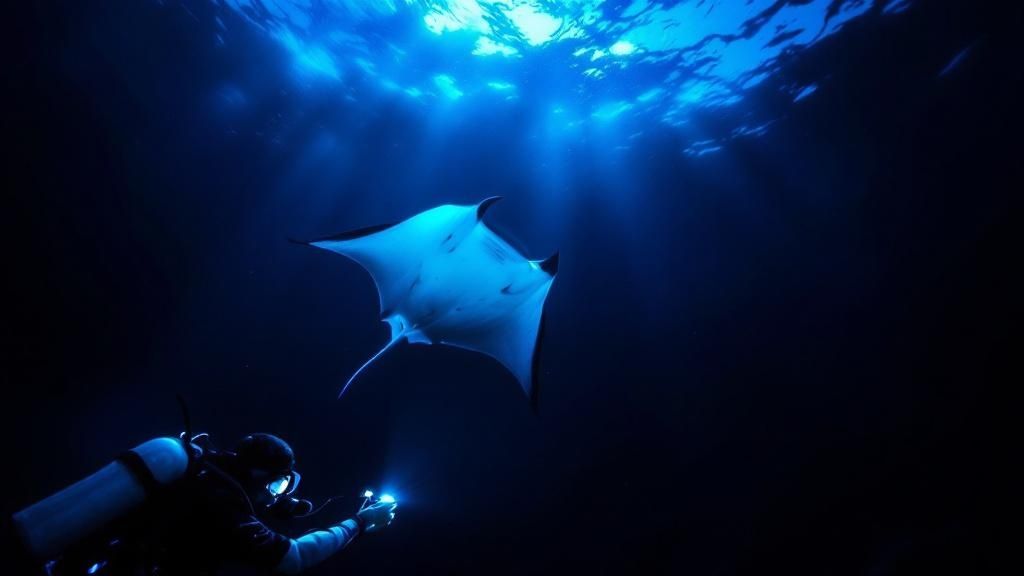
So, what is it about Kona that turns its beautiful coastline into one of the world's absolute best places to see manta rays? It's not just a lucky accident. It’s the result of a perfect storm of geography and biology that creates an incredible, and incredibly reliable, natural spectacle.
Unlike so many wildlife encounters that hinge on seasonal migrations, Kona’s manta rays are here to stay. They are year-round residents, and for a very simple reason: the food is always on the table. The secret is the unique way ocean currents wrap around the Big Island, acting like a natural conveyor belt for nutrients.
This constant flow fuels massive blooms of phytoplankton and zooplankton—the tiny organisms that manta rays feast on. This rich "plankton soup" is served up fresh every single night, making the Kona manta ray dive a true bucket-list experience you can count on.
A Reliable Natural Wonder
It's no exaggeration to say the Kona Coast is famous for this dive. It draws around 80,000 people every year, and for good reason. The success rate is astoundingly high, with 80-90% of all dives enjoying a manta ray encounter, no matter the season.
Of course, the pristine conditions that bring in the mantas also make for phenomenal diving and snorkeling all along the coast. Exploring places like Kealakekua Bay offers a different but equally breathtaking glimpse into Hawaiian marine life. You can learn more about other incredible trips, like Captain Cook Snorkeling in Kona, that highlight the area’s rich biodiversity. Check out other diving tours on the Big Island for more options.
Fun Fact: Because Kona's manta population is so consistent, the area has become a world-renowned hub for manta ray research. Scientists and local dive guides have been photographing and documenting these animals for decades, creating one of the most detailed population studies on the planet.
Fingerprints of the Sea
How can researchers possibly keep track of all these rays? It comes down to a fascinating and beautiful quirk of nature: the unique pattern of black spots on each manta's white belly. Just like a human fingerprint, no two manta rays have the same spot pattern.
This natural marker is the key. It allows scientists and the dive community to build a massive photo-identification database, recognizing individual animals year after year. Through this work, we’ve gotten to know local legends like "Big Bertha" and the acrobatic "Kailey."
By following these individuals, we've confirmed that Kona isn't just a random pit stop for them. It's a vital, stable home where they live their lives. Finding out what it's like to go on the manta ray dive will give you a deeper connection to these gentle giants before you even hit the water. This long-term research means your visit is more than just a tour—it’s a contribution to a living science project helping to protect these animals for generations.
How to Prepare for Your Manta Ray Adventure
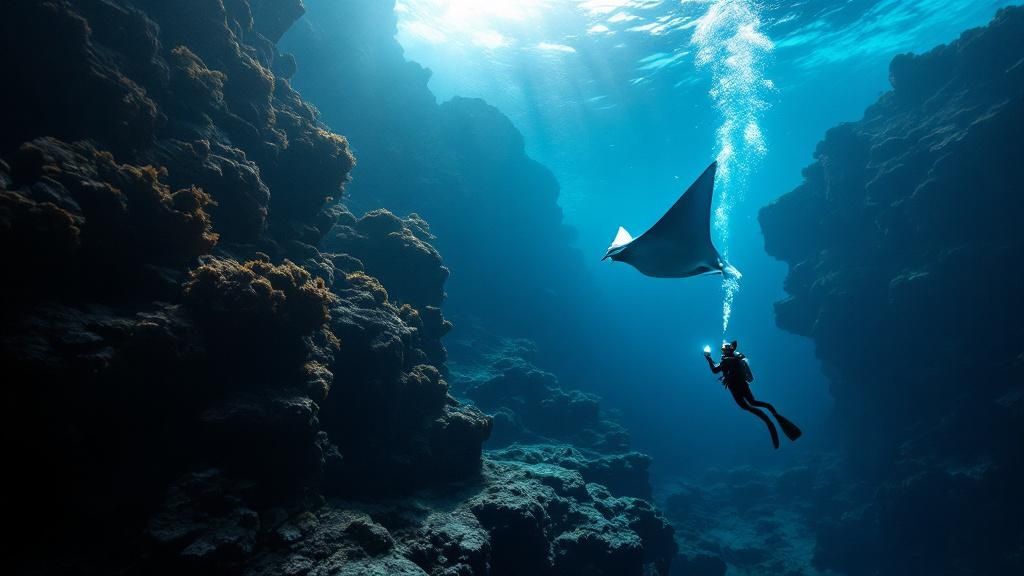
A little prep work can be the difference between a good manta ray dive in Kona and an absolutely unforgettable one. When you know what to bring and what to expect, you can relax and just soak in the incredible underwater ballet unfolding right in front of you. Let's walk through the simple stuff so you feel confident and ready from the moment you step on the boat.
Here's a pro tip that makes things way easier: wear your swimsuit under your clothes to the marina. It’s a small thing, but it saves you from trying to change in a cramped boat head (bathroom) and lets you get straight to enjoying the ride out to the dive site.
After the dive, you'll be glad you thought ahead. The boat ride back can feel surprisingly chilly once the sun is down and the ocean breeze picks up. Be sure to pack a towel and a dry change of clothes—a warm sweatshirt and pants will feel amazing on the trip back to shore.
Your Pre-Dive Briefing: The Golden Rules
Before anyone even gets close to the water, your dive guides will give a detailed pre-dive briefing. This isn't just a formality; it's genuinely the most important part of the whole experience. Listen closely, because this is when the crew lays out the ground rules for a safe and responsible manta encounter.
The core principle is simple: passive observation. You are a visitor in their world, there to watch, not to interact.
- No Touching: This is the big one. Manta rays have a delicate mucus coating on their skin that acts as their immune system. Touching them strips off this protective layer and can make them susceptible to infections.
- Let Them Come to You: Never chase, pursue, or try to swim after the mantas. Your job is to stay relatively still and let them decide how close they want to get.
- Know Your Place: Divers are typically positioned on or near the sandy bottom, while snorkelers stay on the surface. This creates a clear "water column" in the middle, giving the mantas plenty of room to swoop and glide without obstacles.
Following these rules is non-negotiable. It's how we ensure the mantas feel safe and keep coming back to these sites, preserving this amazing natural wonder for years to come.
Staying Comfortable and Confident
A couple of common worries are easy to handle with a bit of planning. If you know you're prone to motion sickness, it's a good idea to take something for it before you get on the boat—it needs time to kick in. Staying hydrated and keeping your eyes fixed on the horizon during the ride out helps a lot, too.
Another thing people wonder about is the cold. Even in Hawaii's warm waters, you’ll be submerged at night for a good while. Don't worry about it. Reputable operators like Kona Honu Divers provide high-quality wetsuits as part of the tour package. They're designed to keep you warm and comfortable, so you won't be shivering when you should be enjoying the show.
From the moment you arrive, the crew takes care of all the heavy lifting. They'll have all the scuba or snorkel gear ready for you—mask, fins, tanks, lights, everything. Your only job is to listen, relax, and get ready for one of the most incredible encounters of your life.
Ready to book your Manta Ray Dive Tour?
Check Availability
Choosing a Safe and Ethical Dive Operator
Picking the right tour operator for your manta ray dive in Kona is probably the single most important decision you'll make for this trip. It's the difference between a good time and an absolutely life-changing experience. When you find the right crew, you're not just booking a boat ride; you're ensuring the whole adventure is safe, respectful to the animals, and truly unforgettable.
The absolute first thing to look for is a company that’s serious about sustainable tourism. You want an operator who follows the strict, conservation-focused standards once set by programs like the Manta Ray Green List. Even though the program has changed, the best companies still operate by its core principles, which were designed to protect the mantas and their home.
This commitment to doing things the right way is a huge green flag. It tells you they care more about the long-term health of the manta ray population than just cramming as many people as possible into the water.
What to Look for in a Top-Tier Operator
When you start comparing shops, it's easy to get sidetracked by deals and flashy marketing. Instead, cut through the noise and focus on what actually matters for a safe, high-quality tour. A truly professional operation will always shine in a few key areas.
Here are the non-negotiables to look for:
- An Impeccable Safety Record: This is everything. Top-tier operators are obsessed with safety, employing experienced, certified divemasters and captains who know Kona’s waters like the back of their hand.
- High-Quality, Well-Maintained Gear: The equipment they hand you says a lot about their standards. Look for thick, warm wetsuits (it gets chilly!), reliable regulators, and bright, powerful lights that won't disturb the mantas.
- Comfortable and Capable Boats: Think about the whole experience. A clean, spacious boat with perks like a hot-water shower for after the dive and an easy way to get in and out of the water makes a world of difference.
- An Experienced and Passionate Crew: The best guides aren't just babysitters. They're genuinely passionate marine life experts who are excited to share their knowledge about the mantas and the entire local ecosystem.
The Advantage of Smaller Groups
One of the biggest differentiators you'll find is the group size. Some outfits pack their boats to the gills, creating a chaotic "cattle call" atmosphere in the water. In contrast, operators who intentionally limit their passenger count offer a far more intimate and respectful experience.
With fewer people, you get an unobstructed view and more personal interaction with your guides.
A smaller group fosters a calmer environment, which is not only better for you but also less disruptive for the mantas. This approach aligns with the core principle of passive observation, ensuring the animals remain comfortable and continue to visit the sites.
Choosing an operator like Kona Honu Divers means you’re diving with a team that lives and breathes these high standards. Their stellar reputation is built on providing safe, exceptional dives that put the well-being of the marine environment first.
Always take a moment to read recent reviews and check for certifications. It gives you peace of mind that you're making a responsible choice. To get a better feel for what the dive is actually like, check out our guide on why you should go on a manta ray dive in Kona. When you book with a trusted provider, you’re not just buying a tour—you’re investing in an incredible memory and supporting the protection of these magnificent creatures for years to come.
Ready to book an ethical and unforgettable manta ray dive tour?
Check Availability
How Your Dive Supports Manta Ray Conservation
When you go on a manta ray dive in Kona, you're doing so much more than just ticking off a bucket-list item. You're actually stepping into a real-life, underwater research lab and becoming part of one of the world's most successful citizen science projects. The magic of that dive actively fuels the conservation of these incredible animals.
Think of it like this: the powerful lights we use on the dive boats create a sort of nightly "campfire" for the mantas. This reliable buffet of plankton brings them in, which is great for us, but it’s even better for the researchers. It gives them a predictable, consistent chance to study the rays up close, night after night.
Our guides and the photographers in the water are constantly taking pictures, but they aren't just looking for a pretty shot. They’re focused on capturing images of the mantas' bellies. Why? Because the unique spot patterns on their undersides are like a human fingerprint—no two are the same. These photos are the key to everything.
From Vacation Photo to Scientific Data
By collecting and cataloging these "fingerprint" photos, researchers can identify and track individual rays over time. This has turned the Kona coast into a world-renowned hub for manta research, building an incredible database that tells us so much about their lives.
This is how we've learned about their population size, their social habits, and their long-term health. It’s how we know that the mantas here are local residents, not just tourists passing through. It's also how we can follow the stories of local celebrities like "Big Bertha" and "Kailey" as they return year after year.
The sheer scale of this effort is astounding. Over more than a decade, this consistent work has resulted in records of nearly 6,000 encounters and over 28,500 individual sightings. That’s a mountain of data giving us an incredibly deep understanding of manta ray ecology. You can discover more insights about these manta ray statistics and see just how this information is put to work.
Simply by showing up for your dive, you become a citizen scientist. Your trip creates the opportunity for another data point, another photograph, and another piece of the puzzle that helps ensure these vulnerable creatures have a future.
Your Role in a Larger Mission
Choosing an operator that’s genuinely committed to conservation makes your contribution even more powerful. These aren't just tour companies; they're guardians of the local manta population. They enforce strict no-touching rules, carefully manage the number of people in the water, and teach every guest how to be a respectful observer. If you want to learn more about how it all works, our complete guide to the Kona manta ray night dive breaks down every detail.
Your dive also connects you to the bigger picture of ocean health. The more you learn, the more you can help. Understanding threats like the hidden dangers of microplastics is a crucial part of protecting all marine life.
Ultimately, your participation in a manta ray dive in Kona does more than create a lifelong memory. It directly supports a system that protects these animals, funds critical research, and raises global awareness—turning your adventure into a truly meaningful act of conservation.
Check Availability
Your Kona Manta Ray Dive Questions Answered
It's one thing to read about this incredible adventure, but it's another to start planning it. If you're like most people, you've probably got a few questions before you commit to a once-in-a-lifetime manta ray dive in Kona. Let's clear up some of the most common things divers and snorkelers ask.
What Is the Difference Between the Dive and Snorkel?
The biggest difference comes down to your point of view.
As a certified scuba diver, you’ll get to experience the show from the front row. You'll descend to the sandy bottom, about 30-40 feet down, find a spot, and simply look up. The mantas will swoop and glide right over your head in a breathtaking underwater ballet.
As a snorkeler, you’ll be at the surface, holding onto a specially designed flotation board that has bright lights shining down into the water. This gives you a fantastic bird's-eye view of the action. You'll watch the mantas feed on the plankton just a few feet below you.
Honestly, both experiences are spectacular. It just depends on whether you'd rather see the show from above or from below.
Is It Safe to Swim with Manta Rays?
Yes, it is 100% safe. This is probably the most important question we get, and the answer is a relief. Manta rays are true gentle giants.
Despite their enormous size, they are completely harmless to people. They don't have teeth, stingers, or the barbs you see on their stingray cousins. Their only motivation for being there is to eat the tiny plankton drawn to the lights.
What Happens If I Touch a Manta Ray?
This one is critical: do not touch the manta rays. We can't stress this enough.
These magnificent animals have a thin, protective mucus layer covering their skin. Think of it as their immune system, protecting them from harmful bacteria. Touching a manta, even by accident, can rub off this coating and make them vulnerable to infections and disease. The golden rule here is simple: look, but don't touch. Be a passive observer and let them put on their natural show.
Is There a Best Time of Year for the Manta Ray Dive?
Nope! There really isn't a specific "manta season" in Kona. The reef mantas we see here are a resident population, which means they live in these waters all year long.
They show up for their plankton feast almost every single night, no matter the month. This makes the manta ray dive in Kona one of the most reliable and awe-inspiring wildlife encounters you can book, any time you plan to visit.
What Happens If No Mantas Show Up?
While manta sightings are incredibly consistent—we're talking a success rate well over 90%—they are still wild animals on their own schedule. No operator can ever guarantee a sighting.
However, any reputable tour company has a great policy for this rare event. Most will offer to take you out again on another night, either for free or at a steep discount. It’s always smart to schedule your manta dive early in your trip, just in case you need that second chance.
Ready for an experience you'll never forget? The Kona Honu Divers Manta Ray Dive Tour runs trips for both divers and snorkelers.
Check Availability