
You're on the boat, the sun has dropped behind the Kona coast, and the deck lights are the last bright thing left before the ocean turns black. Regulators hiss, masks get checked one more time, and the beam from the crew's lights starts carving a pale tunnel through the water. That's the moment the kona manta ray dive stops being a tour and becomes a real night shift with the reef.
Slipping Into the Dark Water
The first few minutes underwater feel strange even to experienced divers. The surface noise disappears, the boat fades out behind you, and the only things left are your breathing, the light field, and the sand beneath your fins. Then you settle in, hold position, and wait for the water column to fill with motion.
That wait is the whole game. Kona's manta dives work because they bring you into a place where the animals already know how to feed, not because anyone is forcing a performance. If you want the broader night-diving context, this night dive guide is a useful companion, but the feeling is simple enough on its own, dark water, controlled breathing, and a lot of anticipation.
What keeps people talking about this dive years later is the scale of the encounter. A single ray sliding through the beam looks unreal the first time, then the second one banks overhead and the whole dive changes. The best crews stay calm, keep the lights steady, and let the animals decide when to come close.
Practical rule: the more still you are, the easier the mantas are to read.
The Biology Behind the Nighttime Gathering
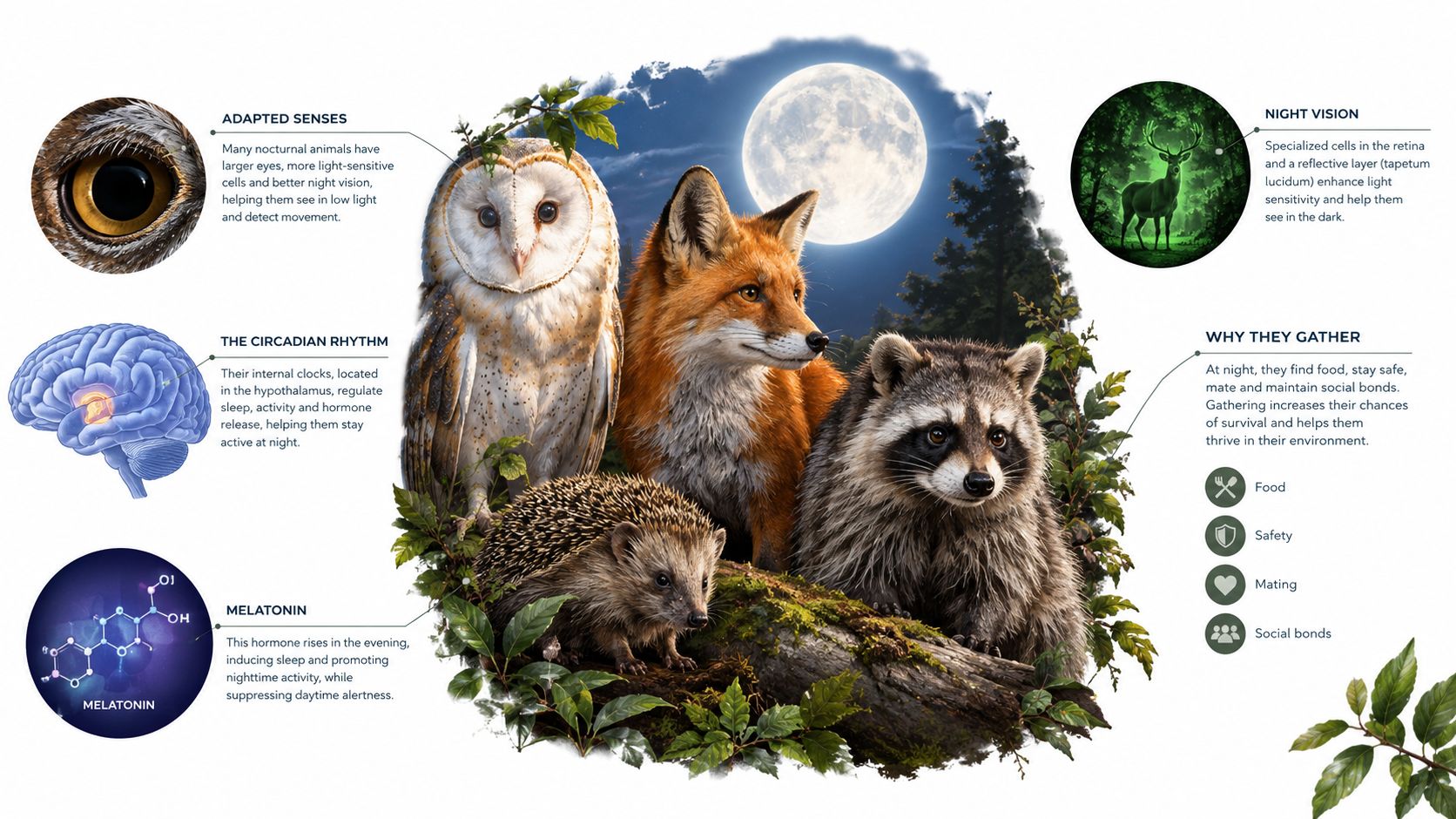
A manta pass starts with plankton, not curiosity. Reef manta rays, Mobula alfredi, are filter-feeding planktivores. They swim with their mouths open, use their cephalic fins to funnel plankton-rich water inward, and trap food on specialized gill structures as water moves through (Kona Manta Biology and Light Mechanics). The light builds a concentrated feeding zone by gathering zooplankton in one place.
That is why placement matters. Divers do better beside the light field than in it, because the mantas sweep through the brightest plankton patch instead of hovering in front of a torch. Tight turns and barrel rolls can look theatrical, but they are efficient feeding moves shaped by prey density and water movement. For more on the animals themselves, see the guide to diving with manta rays.
The dive is a feeding opportunity with a very good viewing angle.
Experienced crews treat the encounter as wildlife, not a show. They avoid promising a fixed count of animals, because currents, moonlight, and plankton conditions change the night. That honesty helps divers read the site properly and keeps the focus where it belongs, on the mantas and the water around them.
Why Garden Eel Cove Is the Superior Dive Site
Garden Eel Cove, also called Ho'ona Bay and often linked with Manta Heaven, makes more sense for most visitors than a random Kona night spot. The site has a gently sloping sandy bottom bordered by reef and lava formations, with divers typically settling on the sand around 30 to 40 feet where the lights pull zooplankton into the water column (Garden Eel Cove layout). That layout gives you a clear viewing floor without spreading people across fragile reef.
It also works better on a practical level. The cove's naturally protected geography reduces exposure to open-ocean swell, and the broad sandy clearing creates a stable viewing amphitheater where divers can face the lights without crowding the reef (protected geography and viewing area). That matters more than most travel articles admit, because comfort and control usually beat hype once the boat is rocking and the light field is set.
The strongest argument for Garden Eel Cove is that it matches the behavior of the animals and the needs of the dive. Mantas come through the illuminated plankton zone, divers stay put on sand, and the surrounding reef stays protected. That combination is hard to improve on.
For travelers comparing options, this Big Island manta night dive page is worth a look because it points you toward the site choice that works with the ocean instead of fighting it.
What the site does well
- Protected water: less swell exposure than more open sections of the coast.
- Sandy staging area: divers can hold position without kneeling on coral.
- Clear sight lines: the light field stays readable, which helps both divers and guides.
- Better site discipline: stationary groups are easier to manage around the animals.
Your Step by Step Evening Itinerary
The night usually starts with a calm boat ride while the light is still hanging over the horizon. Check-in happens before you ever touch the water, then the crew handles gear, weights, lights, and the safety talk. If the operator is good, the briefing is short, precise, and focused on what you need to do in the dark.
Once the boat anchors or settles into position, divers enter, descend, and get placed on the sand. The cleanest dives are the ones where the group arrives without a fuss, finds the viewing line fast, and leaves the reef alone. After that, the job is simple, breathe slowly, stay low, and watch the animals move through the light.
The bottom phase is usually the part people remember most. You're not swimming around looking for mantas, you're waiting in place while they decide whether to feed overhead, cross the beam, or circle back. After the viewing window, the ascent, safety stop, and ladder climb are straightforward if the crew keeps the rhythm tight.
A crew worth booking doesn't let the back end of the dive get sloppy. That means organized exits, steady handoffs at the ladder, and enough space on deck that nobody feels rushed or boxed in.

Navigating the Real Risks of a Crowded Night Dive
The manta rays are not the danger. The hazards come from people, boats, darkness, and poor discipline in the water. Night entries and exits take more focus than a daylight reef dive, and a crowded site makes buoyancy, spacing, and communication matter even more.
The biggest problems are usually operational. Guests can drift off the line, struggle with the ladder, or lose comfort when the water feels busier than expected. Surface snorkelers and scuba divers also need clearly separated roles, because the water column has to stay open for manta movement and for everyone's safety.
Stay where the crew puts you, and don't turn the dive into a chase.
The most responsible guidance I've seen from Hawaii operators is simple, snorkelers stay at the surface, divers stay near the bottom, and nobody crowds the center column where the mantas pass through. That's also where crowd management becomes part of wildlife etiquette, not just logistics.
If you're nervous about the dark, that's normal. What matters is whether the crew explains ladder use, buddy spacing, and what happens if someone feels panicked or seasick. A solid operator makes those outcomes part of the plan instead of pretending they never happen.
Setting Realistic Expectations for Manta Sightings
Kona has a real manta aggregation, not a guaranteed nightly parade. Historical testimony records 3,208 surveys from 1992 through 2007, mostly at Keauhou and Ho'ona Bay, with researchers identifying 106 individual manta rays and estimating the resident population was probably fewer than 200 animals (historical Kona testimony). That tells you the experience comes from a relatively small, recognizable population that returns to specific sites.
Long-term observation backs that up. A six-year study at Manta Heaven and Manta Village recorded 25,444 manta observations involving 118 individually identified reef mantas, with surveys covering 92% of possible nights at Manta Heaven and 78% at Manta Village (NOAA study). The same dataset showed that some animals behaved like long-term residents while others moved between sites more often, which is exactly why one night can feel electric and the next feels quieter.
The clearest rule is that manta presence tracks food, not calendar promises. A 13-year study using more than 23,000 sightings of 167 individual reef manta rays found that aggregation size tracked zooplankton density, with site differences between Garden Eel Cove and Keauhou (zooplankton and site fidelity research). If plankton conditions are weak, the night can be thin, even when the site is active overall.
For planning, this timing guide is a practical reference, but the smart move is simple: book early in your trip, leave room to repeat the dive if needed, and treat the outing as a wildlife encounter rather than a show you purchased.
Photography Tips and Conservation Etiquette
The best manta photos come from staying out of the way. Use a wide-angle setup, keep your strobe angle low enough to avoid backscatter in the plankton-rich water, and expect the rays to cross the light field quickly rather than pose on command. If you're shooting from the sand, hold your position and let the mantas fill the frame naturally.
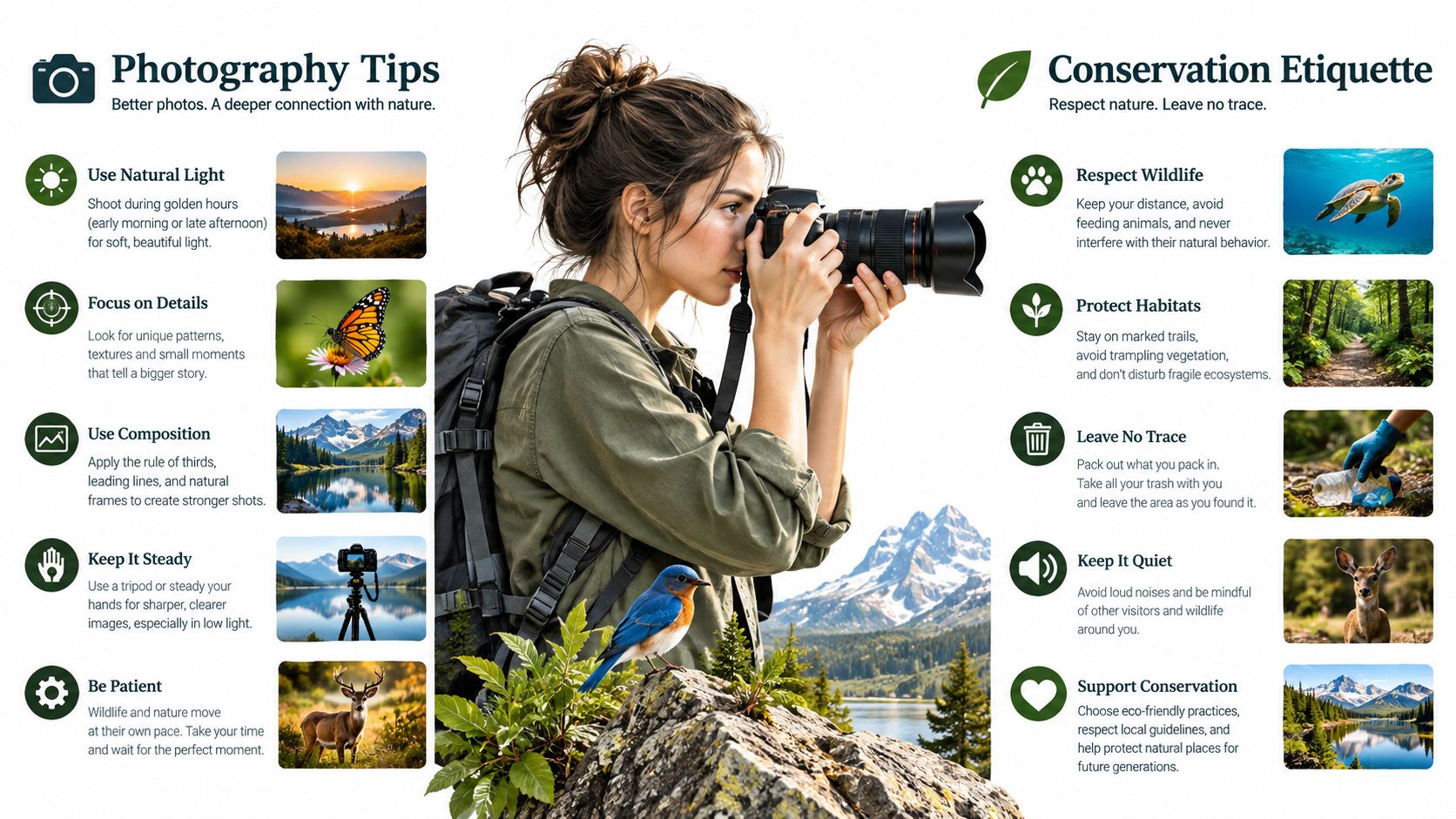
The etiquette matters. Never touch a manta ray, because contact can strip its protective mucus layer and leave the animal more vulnerable to infection. Keep neutral buoyancy over the sand, stay low, and let the animals choose how close they want to come.
One more thing photographers sometimes miss, don't try to improve the shot by drifting into the center of the action. You'll ruin the pass for everyone and increase the chance of a bad fin kick or an awkward bump. A good image is the byproduct of good discipline.
Booking Your Dive and Choosing the Right Operator
The operator matters as much as the site. Look for small group ratios, clear safety briefings, well-maintained rental gear, and strict control of where guests enter, hover, and exit the water. If nitrox is available for your dive profile, that can help experienced divers spend more comfortable time in the water, but the core value is the crew's discipline.
Kona Honu Divers is one option for this kind of trip, with guided manta ray night dives and a Garden Eel Cove focus, plus the kind of setup that matters on a dark-water charter, trained guides, organized boats, and gear handling that doesn't feel improvised. If you're comparing operators, this Kona diving company overview gives you a sense of how a serious local shop frames the trip. If you want something more extreme later, the Blackwater Dive is the obvious step up, while more experienced divers can also look at the Premium Advanced 2-Tank Trip.
If you want the manta dive done with real attention to site choice, safety, and wildlife etiquette, Kona Honu Divers runs the kind of trip that respects the animal and the diver at the same time. Visit Kona Honu Divers to check the current manta ray schedule, compare options, and book a night on the water that's organized for the conditions, not just the marketing.