
You're probably comparing tour pages right now, wondering whether the Kona Hawaii manta ray night dive is worth the boat ride, the darkness, and the extra preparation. The answer can be yes, but only if you treat it as a real open-ocean activity rather than a guaranteed aquarium-style encounter. The mantas are usually the least concerning part of the evening. Boat traffic, buoyancy, seasickness, anxiety, and poor positioning deserve more attention.
Kona's night manta experience rewards calm, prepared participants. You'll enter dark water, settle into a fixed viewing position, and let the animals decide how close they want to come. The best encounter is not created by chasing a manta. It comes from making yourself quiet, predictable, and easy for the animal to pass around.
What Makes the Kona Manta Ray Night Dive Unique
The first few minutes underwater can feel disorienting. The surface disappears above you, the reef fades into darkness, and only the beams from the dive lights remain. Then the illuminated water begins to fill with plankton. A broad shadow rises from below, turns through the light, and passes close enough for you to see the pale markings on its belly.
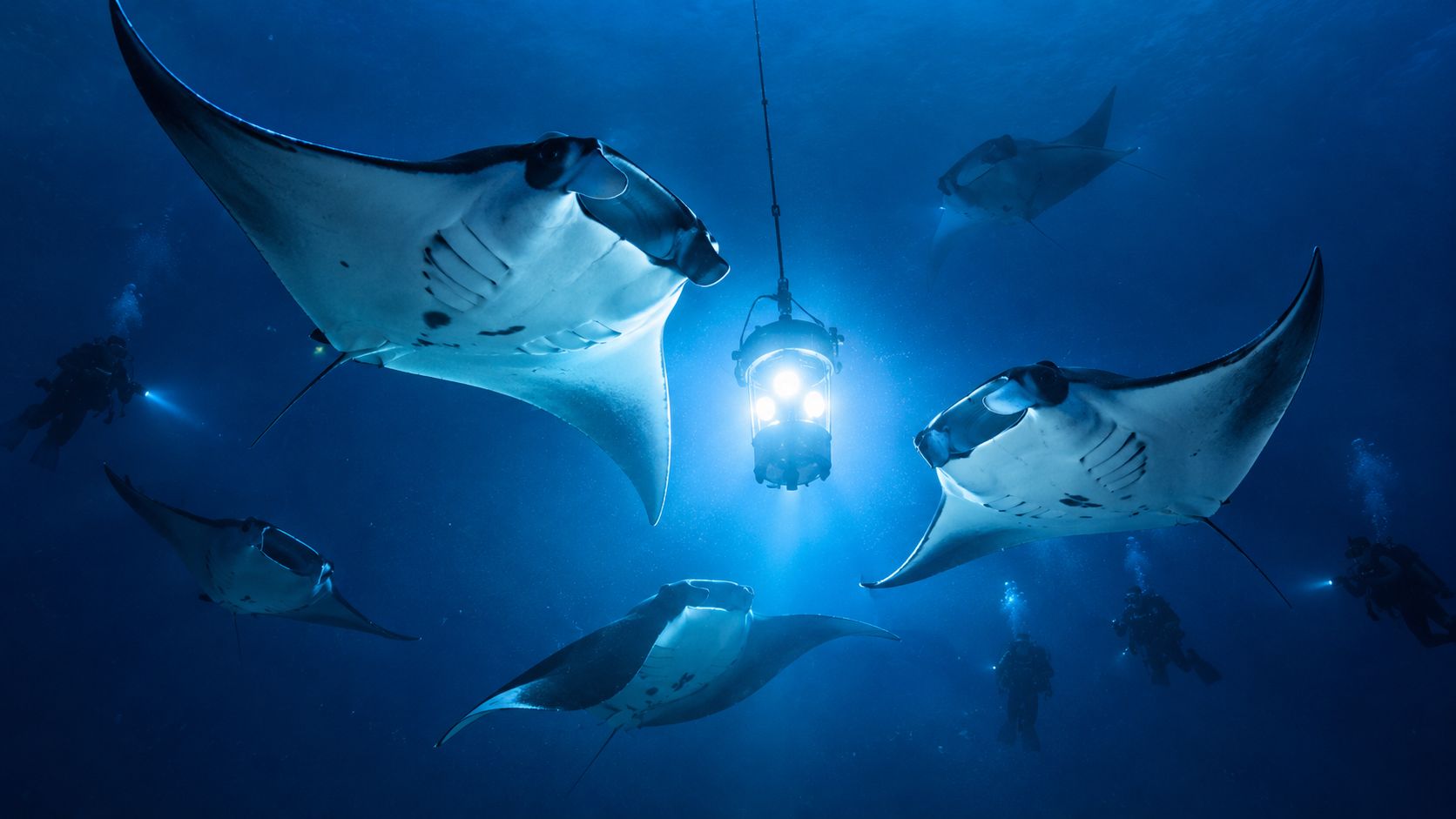
This behavior has a clear biological explanation. Reef manta rays, Mobula alfredi, filter plankton from the water rather than hunting fish. Natural nighttime plankton movement makes food more accessible, while artificial dive lights concentrate zooplankton in the illuminated water column. The mantas then loop, bank, and sometimes somersault through that patch with their cephalic fins extended, directing plankton-rich water toward their mouths. The science behind Kona's unusual diving conditions helps explain why the experience depends on light placement and animal behavior, not merely on having a large number of mantas nearby.
The practical rule: The lights attract the food, not the manta itself. Your job is to protect the feeding path.
Kona's activity became an established tourism and economic enterprise well before today's modern tour market. A survey of nine Kona dive shops in 2002 recorded approximately 11,000 divers and snorkelers taking part in manta tours and estimated about $2.5 million in direct operator revenue that year. Operators reported an approximately 80% chance of seeing a manta ray at Kona sites, although no wildlife encounter should be treated as guaranteed. These figures are documented in Hawaiʻi legislative testimony about Kona manta tourism.
That reliability comes with ecological responsibility. Between 1992 and 2007, researchers identified 106 individual manta rays along the Kona Coast, and the population probably numbered fewer than 200 individuals, according to the same historical record. Repeated sightings therefore often involve recognizable resident animals, not an unlimited supply of passing rays. The spectacle feels expansive, but the population supporting it is comparatively finite.
Essential Requirements and Safety Considerations
Start with the correct activity. Scuba participants generally need Open Water certification, while snorkelers need enough swimming ability to remain calm at the surface, use a mask and snorkel, and follow crew directions in dark open water. Snorkeling may involve less equipment, but it isn't automatically easy. A person who panics when unable to see the bottom may find surface viewing more difficult than a confident certified diver expects.
Before booking, work through these checks:
- Water confidence: You should be able to float, swim, and recover your breathing without grabbing a manta, guide, or another participant.
- Night comfort: Darkness changes distance, depth perception, and orientation. If you already feel anxious in open water during daylight, discuss that with the operator.
- Medical disclosure: Asthma, heart conditions, recent illness, pregnancy, or other health concerns may require medical advice or clearance. A crew can manage known risks more effectively than undisclosed ones.
- Equipment control: Divers need neutral buoyancy and controlled fins. Loose cameras, dangling gauges, and unsecured accessories can interfere with animals and nearby divers.
- Ladder readiness: You should be able to climb a boat ladder while wearing or managing your equipment. Tell the crew if mobility is limited.
A Kona night dive combines darkness, concentrated diver traffic, surface vessels, and a fixed viewing layout. Divers should remain near the designated bottom position, avoid contact with the seafloor, and preserve the open-water corridor above the group. Mantas need that corridor to turn and feed. The responsible diver etiquette guidance is not decorative advice. It directly affects animal welfare and the quality of everyone's observation.
The most serious hazards identified in a 2019 independent review were vessel or propeller strikes, anchor strikes, in-water medical emergencies, drowning, and high-speed boat collisions, not manta attacks. The review proposed stronger health and water-competency screening, an industry-wide emergency action plan, an emergency support boat, fewer people in the water, and the elimination of live boating. You can read the review's discussion of safety risks at Kona manta sites.
Ask an operator how the briefing works, where participants wait, how the crew handles a distressed swimmer, and what happens when weather or sea conditions deteriorate. A responsible crew won't pressure an anxious participant to enter the water or continue after buoyancy control has fallen apart.
How to Prepare Gear and Combat Seasickness
The best preparation is practical rather than elaborate. Wear your swimsuit under clothing, bring a towel and a warm layer for the ride back, and secure everything that can float away. Your operator will normally explain which mask, snorkel, fins, wetsuit, and lights are supplied, so confirm the equipment list before packing duplicate gear.
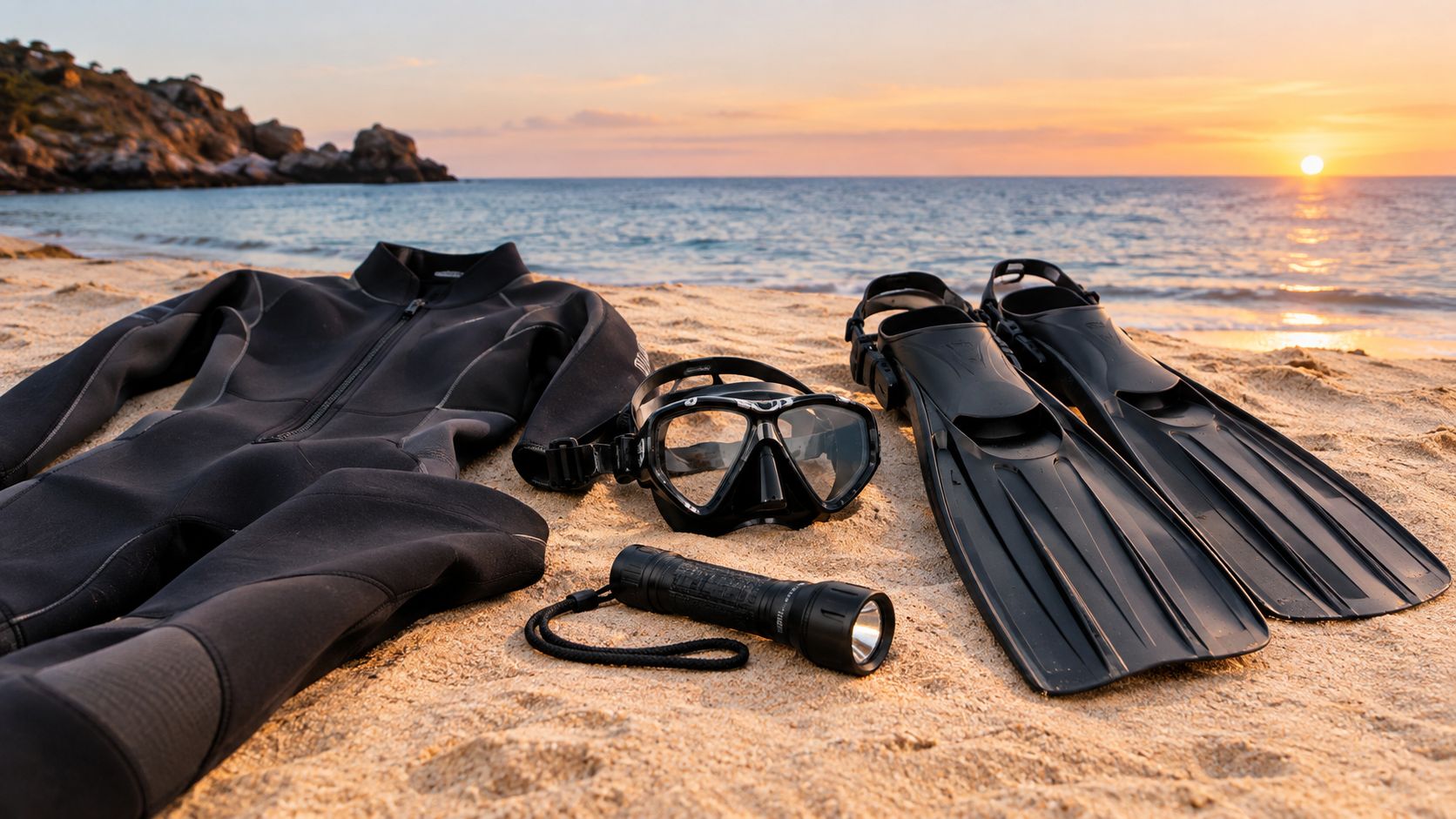
For scuba, check your personal setup before boarding:
- Mask and backup mask: A leaking mask becomes more frustrating at night, when you can't easily inspect or adjust it.
- Dive computer: An audible computer can help you monitor depth, air, and no-decompression status without constantly shining a light at the screen.
- Primary light: Test the batteries and confirm the attachment point. A light that hangs loose can strike the reef or a manta.
- Exposure protection: You may feel comfortable at the surface and still become cold while holding a stationary position. A properly fitted wetsuit matters more than packing a large amount of extra clothing.
- Compact accessories: Leave unnecessary gear behind. Fewer dangling items mean fewer snags and less chance of disturbing the viewing corridor.
Seasickness deserves a separate plan because the ride can be uncomfortable before the main activity begins. Eat a familiar, light meal, avoid boarding dehydrated, and ask a pharmacist or medical professional whether a medication is appropriate for you. Preventative products available for purchase include a Ship-EEZ Seasickness Patch, Dramamine pills, Bonine pills, Sea Band wristbands, and Ginger chews.
Seasickness prevention works best as a pre-trip decision, not an emergency reaction after nausea has already taken hold.
Check labels carefully. Some medications can cause drowsiness, and individual health conditions or other medicines may change what is suitable. Non-drug options such as wristbands or ginger may appeal to some travelers, but they shouldn't be treated as a substitute for professional advice when symptoms are severe or recurring.
Use the crew's gear rather than carrying a bright personal light into the group without asking. Direct lights into the water column, not at a manta's eyes. Keep straps, clips, and cameras secured, and tell the guide before using any large camera system. The goal is to illuminate the feeding area without creating an obstacle in it. The seasickness preparation guide for boat dives can help you build a plan before departure.
Choosing the Best Dive Site, Garden Eel Cove vs Keauhou
Kona's two principal nighttime manta feeding locations are Garden Eel Cove, commonly called Manta Heaven, and Keauhou, often called Manta Village. Both support manta encounters, but they don't function identically. Site selection affects not only the animal behavior you may see, but also how comfortable you feel holding position in the dark.
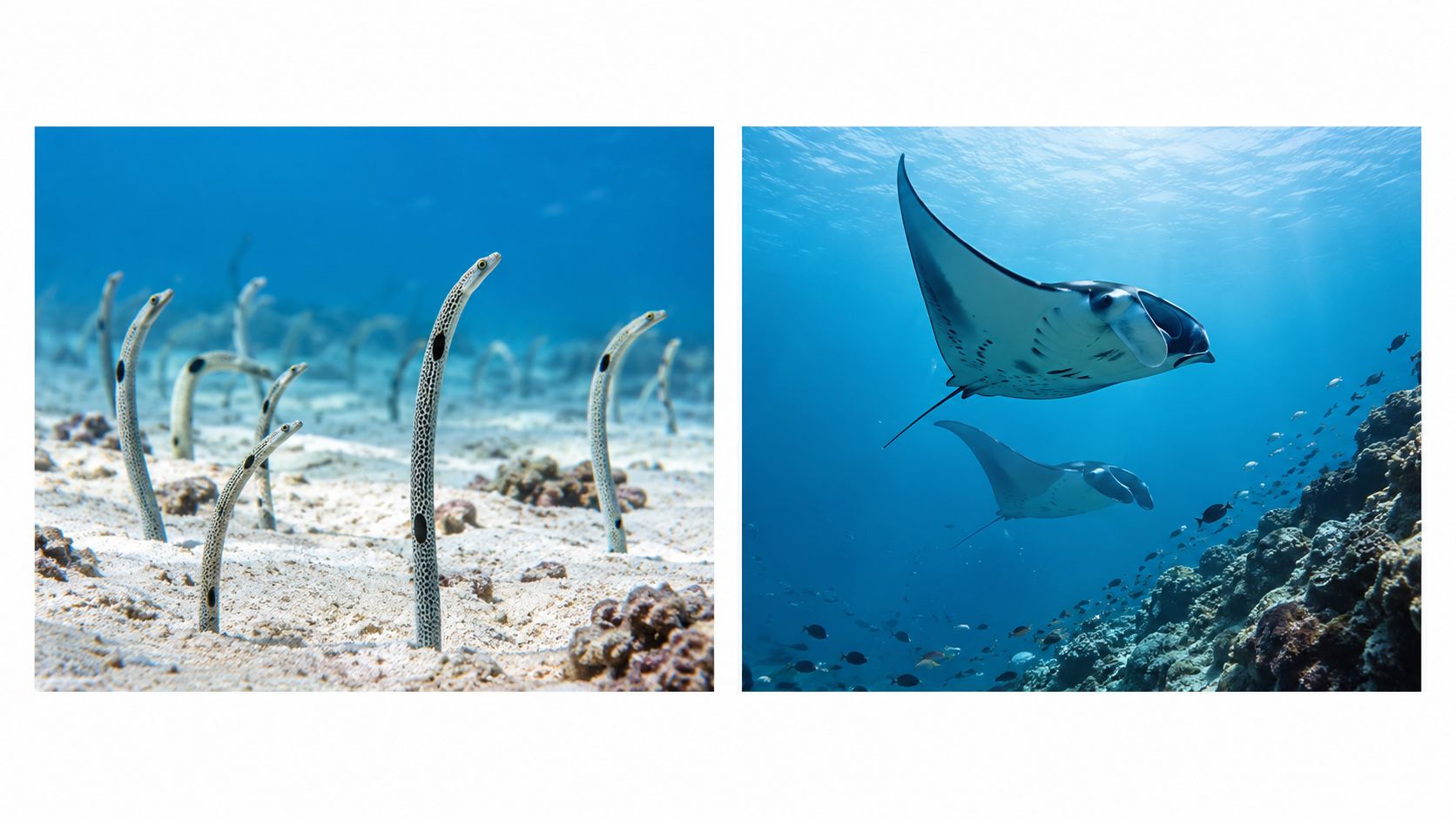
A 2025 University of Hawaiʻi study analyzed community-sourced records collected from 2010 through 2022, including more than 23,000 sightings of 167 individually identified reef manta rays. Garden Eel Cove consistently supported larger aggregations than Keauhou, while Keauhou was visited predominantly by females. Garden Eel Cove showed more comparable visitation by males and females. The study also found strong site fidelity among females at Keauhou, greater mobility among males, and some connectivity between the locations. The University of Hawaiʻi research record provides the ecological context behind those differences.
Why Garden Eel Cove often suits divers
Garden Eel Cove is just north of Kona International Airport and sits inside a naturally sheltered bay. That geography can reduce exposure to larger open-ocean swells, which matters after dark when surface conditions are harder to judge. The site also includes a broad sandy viewing area, allowing divers to settle in one place without hovering over nearby reef habitat.
Those features make Garden Eel Cove the superior choice for many dive tours, particularly for participants who value a calmer layout, a stable bottom position, and a clear viewing area. The site's reef surroundings add ecological interest, while the sandy area gives guides and divers a practical place to establish a stationary viewing formation. Conditions still control the final decision, so an operator may choose another site when weather, current, or local activity makes it more appropriate.
What the evidence means for expectations
A NOAA-hosted study covering 2009 through 2014 recorded 25,444 observations of 118 individual reef manta rays near Kona and found substantial variation in movement patterns between individuals, including differences between males and females. Encounters at Manta Village and Manta Heaven commonly occur after sunset and last about an hour, but each ray uses the sites differently. The NOAA-hosted manta movement study is a useful corrective to the idea that every group will see an identical show.
The right question isn't only, “Which site has the most mantas?” Ask where your operator can provide the safest, least disruptive viewing position that evening. If Garden Eel Cove is available and conditions are suitable, its protected location and sandy viewing area give it a meaningful practical advantage. You can also review the operator's approach to the best shore diving on the Big Island to understand how a fixed sandy platform differs from a moving reef dive.
Photography Tips for Capturing Manta Rays
Night manta photography punishes frantic camera work. The water is dark, the subject moves in three dimensions, and every fin kick stirs particles into the beam. The strongest images usually come from a diver who settles first, frames the light field, and waits for the manta to enter naturally.
Start with positioning. Keep your body low and stable, point your camera through the illuminated water, and avoid swimming toward the animal. A manta that turns into the light has a far better chance of filling the frame than one you chase from behind. Leave space in front of the ray so the image shows direction and movement rather than making the animal appear trapped against the edge.
Light without interference
Use the operator's lighting arrangement as your foundation. The lights concentrate plankton, and the mantas use the resulting food patch. Your personal light should support visibility without becoming another beam aimed directly into the animal's eyes. Keep it angled into the water column and follow the guide's directions about whether personal video lights are permitted.
Avoid direct flash whenever the crew prohibits it. A bright burst can disrupt the animal's approach and distract nearby participants. The Kona manta photography guide offers a useful visual reference for planning your composition before entering the water.
Phone users should secure the device with a lanyard, clean the lens before the descent, and avoid digital zoom. Move closer only when the manta chooses to approach. A wide view that includes the light beams, diver silhouettes, and the animal's underside often communicates the atmosphere better than a tight, blurred close-up.
For dedicated cameras, use a wide-angle lens, pre-focus when possible, and keep shutter movement controlled. Review your settings on the boat, not while a manta is feeding above you. If the screen becomes a distraction, put the camera down for a pass and watch the animal directly.
Respect beats the perfect frame
Don't block another diver's view to chase a composition. Don't rise into the manta's open-water corridor, and don't extend a camera or selfie stick into its path. A calm photographer gets better footage because the animal can maintain its feeding line.
Take a few deliberate clips rather than recording every second. When you remain stationary, control your bubbles, and let the manta make the approach, you protect both the encounter and the memory you came to create.
Booking Your Dive with Kona Honu Divers
Booking should begin with matching the tour format to your actual readiness. A certified diver may prefer a two-tank format that combines a twilight reef dive with a later manta dive, while a participant who wants a single focused activity should compare the available manta options directly. Snorkelers and scuba divers use different positions and equipment, so don't assume a booking page designed for one activity answers every question for the other.
Kona Honu Divers' diving tours include options for visitors looking for Kona scuba experiences, and its manta dive and snorkel tour page is the relevant place to review the current format, requirements, and availability. Tour details can change, so confirm what the booking includes before payment, especially equipment, gas options, check-in time, cancellation terms, and the site-selection process.
The operator information describes practical benefits such as early diver discounts, complimentary nitrox, maintained equipment, custom dive boats, and a focus on small-group attention. Verify current availability and eligibility directly, since discounts and inclusions can change between dates. If you use nitrox, bring the certification or documentation the operator requires and make sure your dive computer is set correctly before entering the water.
A good booking decision also includes questions that don't appear in glossy photographs:
- Site flexibility: Ask whether Garden Eel Cove is the planned location and how the crew decides between it and Keauhou.
- Readiness screening: Confirm the certification level, minimum experience, medical disclosure process, and expectations for buoyancy.
- Weather policy: Learn how the operator handles poor visibility, rough seas, vessel restrictions, or a canceled departure.
- Snorkeler separation: If your group includes surface participants, ask how scuba divers and snorkelers are positioned safely around the light field.
The most valuable operator isn't necessarily the one promising the biggest spectacle. Look for a crew that explains what happens when conditions change, keeps participants stationary, and treats an unsuccessful sighting fairly. Wildlife tourism works when safety and animal behavior remain more important than a sales promise.
Frequently Asked Questions About the Night Dive
Are manta rays dangerous
Manta rays aren't the principal danger. They filter plankton and don't pursue divers, but the surrounding nighttime ocean still involves boats, equipment, currents, ladders, and ordinary diving emergencies. Stay in your assigned position, don't touch or chase an animal, and end the activity early if anxiety, seasickness, or buoyancy control worsens.
What happens if the mantas don't appear
A sighting isn't guaranteed. Plankton density, weather, water movement, and individual ray behavior can change the encounter. Remain stationary and let the crew manage the lights and positioning rather than trying to create activity by swimming around.
Does tourism affect the animals
The 2025 University of Hawaiʻi study found generally stable aggregations during its research period and no evidence that current activity levels had reduced the viability of the local population. That result supports managed observation, not unlimited expansion. A responsible participant keeps the feeding corridor open, controls bubbles and fins, and leaves the animal untouched.
Recent regulatory reporting in 2025 also described uncertainty around Commercial Use Permits, with existing operators able to maintain or reduce activity but not increase capacity while environmental-review litigation continued. Carrying capacity and governance therefore belong in the safety conversation alongside masks, fins, and cameras.
Kona Honu Divers offers scuba and manta-focused tour options with professional guiding, dive equipment, and access to the Garden Eel Cove experience when conditions and operations allow. Review the current requirements and tour details, then visit Kona Honu Divers to choose a night that matches your certification, comfort in open water, and preferred way to experience Kona's mantas.