
Picture this: you’re sinking into warm, turquoise water so clear it feels like you're flying. All around you are brilliant coral gardens and ancient volcanic tunnels, teeming with life. That’s the magic of Kona diving, and it’s an experience that draws divers from every corner of the world. The Big Island is a truly special place to dive, and this guide is your starting point for an unforgettable underwater journey.
Why Kona Diving Is a World-Class Adventure
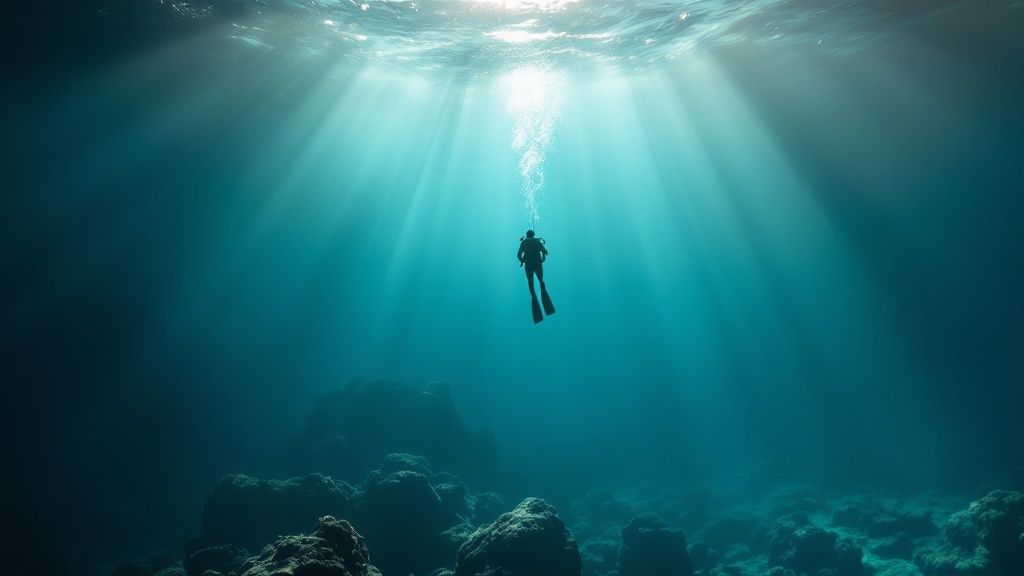
The secret to Kona's incredible diving lies in its unique geology and mind-blowing biodiversity. The massive volcanoes on the Big Island act as a shield, protecting the Kona coast from the gusty trade winds. The result? Waters that are consistently calm and spectacularly clear. It’s not uncommon for visibility to stretch beyond 100 feet, creating a stunning blue canvas for every dive.
This pristine environment is home to an unbelievable variety of marine life, and a lot of it is endemic—meaning you can’t find it anywhere else on Earth. On any given dive, you might swim alongside a graceful Hawaiian green sea turtle (we call them honu), spot an elusive octopus, or find yourself in the middle of a swirling school of brightly colored reef fish. The island's volcanic past has carved out a dramatic underwater world of lava tubes, arches, and intricate coral formations just waiting to be explored.
The Kona Diving Community
What started as a small, passionate scene back in the 1960s has blossomed into a globally recognized hub for divers. Today, the Big Island is home to over 50 dive shops and welcomes around 150,000 dive tourists every single year. That’s a powerful testament to just how good the diving is here.
This growth has fostered a professional, safety-first dive culture, with top-tier operators like us at Kona Honu Divers leading the charge. We've built our reputation on providing safe, memorable, and eco-conscious experiences, and our team is dedicated to sharing the wonder of Kona’s ocean with divers of all skill levels.
What Makes Kona a Must-Dive Destination
Kona isn't just another pretty spot to go diving; it’s a place defined by truly unique encounters and near-perfect conditions. The sheer variety here is exceptional, from thrilling night dives to laid-back reef explorations.
- Iconic Night Dives: Kona is world-famous for the Manta Ray Night Dive and the surreal Blackwater Dive. These are bucket-list experiences you simply can't find anywhere else.
- Volcanic Topography: You get to explore underwater lava tubes, arches, and caverns sculpted by ancient lava flows. It creates a dramatic and beautiful seascape unlike any other.
- Rich Marine Biodiversity: The waters are teeming with life, including a high percentage of endemic species. You'll see Hawaiian green sea turtles, spinner dolphins, and, during the season, even humpback whales.
Whether you're about to take your first breath underwater or you're a seasoned pro looking for a new challenge, the opportunities for amazing Kona diving are endless. For a deeper dive, check out our article on the top reasons to scuba dive in Kona.
Experiencing Kona’s Two Most Famous Night Dives
When the sun goes down over the Big Island, the underwater world off the Kona coast completely transforms. This is when two of the most incredible dive experiences on the entire planet come to life. These aren’t just your average night dives; they are world-famous encounters that bring divers from all over the globe to this one special place.
First up is the legendary Manta Ray Night Dive, which is best described as a graceful underwater ballet. Then, for the more adventurous souls, there's the Blackwater Dive—a truly unique journey into the deep, dark, and mysterious open ocean.
The Legendary Manta Ray Night Dive
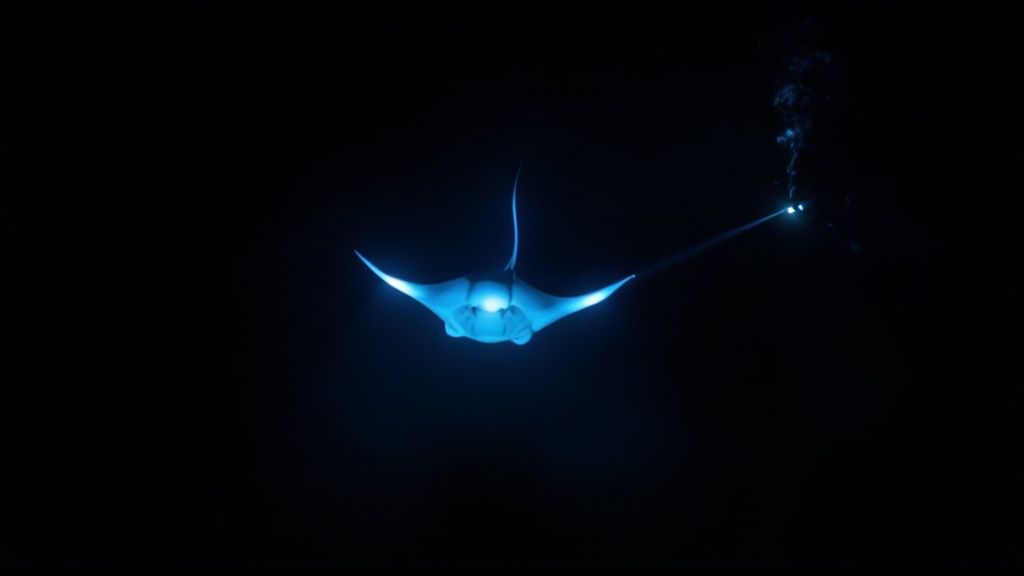
Picture this: you're kneeling on the sandy seafloor in the quiet darkness, with only the sound of your own breathing. All of a sudden, a massive, graceful creature swoops down from above, somersaulting just inches from your head. That’s the magic of the Manta Ray Night Dive, and it’s an absolute must-do for anyone diving in Kona.
The setup is actually quite simple, but the result is spectacular. Dive operators set up a 'campfire' of powerful, stationary lights on the ocean floor. These lights act like a magnet for clouds of plankton, the manta rays' favorite meal. As the plankton swarm to the light, the gentle giants glide in for their nightly buffet, putting on a show you'll never forget.
This isn't just about watching wildlife from a distance. It’s a peaceful, mesmerizing experience where you feel like you've been invited into the mantas' world. Their silent, effortless movements create a sense of calm and awe that sticks with you long after you've surfaced.
One of the best things about this dive is how accessible it is. Since it happens in a shallow, sandy spot, usually between 25-40 feet, any certified Open Water diver can participate. You don't need advanced training, just a healthy dose of wonder. If you want a deeper dive into how it all works, our guide explains everything about what a manta ray night dive is.
The Kona coast has a resident population of about 200 individually identified manta rays, which makes sightings incredibly consistent. While every night is different, seeing several of these majestic animals is common. On truly special nights, divers have reported seeing as many as 36 mantas at once! You can book your own unforgettable manta ray dive tour and experience it for yourself.
The Thrilling Kona Blackwater Dive
If the Manta Ray Dive is a beautiful ballet, then the Blackwater Dive is like taking a trip to another planet. This is not your typical reef dive. Instead, you'll be tethered to a boat, floating in the pitch-black open ocean, suspended over thousands of feet of water.
This one-of-a-kind Kona diving experience is designed to let you witness one of the largest migrations on Earth. Every single night, countless strange and wonderful creatures rise from the deep ocean to feed closer to the surface. Many are bioluminescent, creating their own light in the dark, while others are the larval forms of animals that look completely different as adults.
Here’s a taste of what you might see:
- Puzzling Pelagic Species: Encounter alien-like squid, otherworldly jellyfish, and bizarre larval fish that very few people ever get to see in the wild.
- Bioluminescent Wonders: The water literally sparkles around you with tiny flashes of light as creatures communicate, hunt, and defend themselves.
- A Sense of Pure Exploration: There's nothing quite like floating in the vast darkness, suspended over the abyss. It’s a profound experience that messes with your senses and rewards you with sights straight out of a sci-fi movie.
Because of its advanced nature—requiring real comfort with darkness, excellent buoyancy control, and being in the open ocean—the Blackwater Dive is best suited for experienced divers. To take on this unique challenge, you can sign up for a Blackwater Dive tour.
Kona's Signature Dives At A Glance
Deciding between these two incredible dives can be tough, as they both offer something completely unique. Here's a quick rundown to help you figure out which experience is right for you.
| Feature | Manta Ray Night Dive | Blackwater Night Dive |
|---|---|---|
| Primary Attraction | Watching giant manta rays feed and perform acrobatics | Discovering rare, bioluminescent, and larval deep-sea creatures |
| Dive Type | Stationary on the seafloor with a central light source | Open-ocean drift dive while tethered to the boat |
| Depth | Shallow (25-40 feet) on a sandy bottom | Shallow (40-50 feet) but over thousands of feet of open water |
| Best For | All certified divers, from beginners to experts; snorkelers too | Experienced divers with excellent buoyancy and night diving comfort |
Ultimately, both of these dives showcase just how diverse and incredible Kona diving can be. Whether you choose the elegant dance of the mantas or the mysterious abyss of the blackwater, you're guaranteed to go home with a story you'll be telling for years to come.
Exploring Kona’s Unique Underwater Landscapes
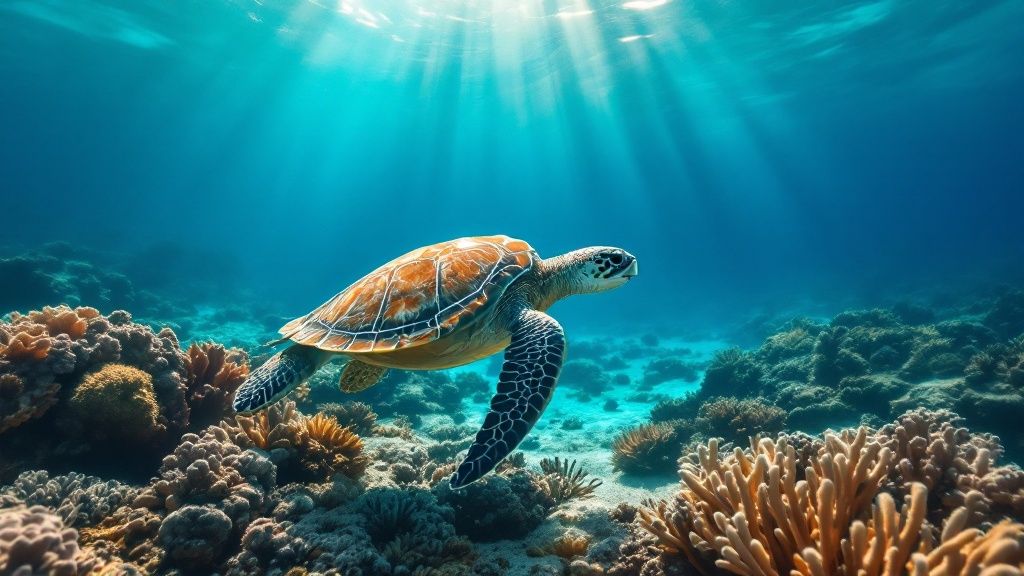
While the manta ray night dive gets a ton of attention, the daytime world of Kona diving is a playground of volcanic wonders and reefs that are absolutely bursting with life. The Big Island’s fiery past didn't just shape what we see on land; it created a dramatic underwater environment that you won't find anywhere else on the planet.
Ancient lava flows sculpted the seafloor into a maze of stunning arches, massive caverns, and intricate swim-throughs. Descending into one of these feels a bit like exploring a submerged cathedral. Sunlight punches through cracks in the overhead lava rock, sending these ethereal beams dancing through the crystal-clear water. This unique geology makes every dive feel like a true exploration.
Hawaii's One-of-a-Kind Marine Life
The Hawaiian archipelago's remote location has turned it into an incredible evolutionary showcase. Down here, the marine life has one of the world's highest rates of endemism, meaning you'll see species of fish and invertebrates that are found nowhere else on Earth.
This incredible biodiversity means there's a dive for everyone, from shallow, sun-drenched reefs to the mind-blowing blackwater dives where you can spot bizarre and rare pelagic critters. The island's geography helps a lot, too—the deep ocean is just a stone's throw from shore, making these unique experiences surprisingly accessible. It’s so vibrant here that whale shark sightings can happen year-round, which has only added to Kona's reputation as a world-class diving destination.
So, what does this mean for your dive? It means a huge chunk of the fish you’ll see are exclusive to these waters. Keep your eyes peeled for a few local celebrities:
- Hawaiian Green Sea Turtles (Honu): You can't miss these gentle giants. They're a common and beloved sight, often seen chilling on the reef or gracefully cruising by.
- Endemic Butterflyfish: Look for massive, shimmering schools of species like the Milletseed Butterflyfish.
- Frogfish: These guys are masters of camouflage. Spotting one of these fascinating ambush predators is a real treat for sharp-eyed divers.
- Eels and Octopus: You'll see moray eels peeking out from rocky crevices, and the Hawaiian day octopus (heʻe mauli) can change its color and texture in the blink of an eye.
Must-See Kona Dive Sites
With dozens of incredible sites dotting the coastline, there’s an adventure waiting for every skill level. Our morning boat charters usually hit a variety of spots to show off the best of what our reefs have to offer.
One of our most requested sites is Turtle Pinnacle, a classic "cleaning station" where Honu gather to let surgeonfish pick their shells clean. Another crowd-pleaser is Golden Arches, named for its beautiful lava formations that create a perfect swim-through, often packed with schools of bright yellow tangs. These spots really capture the magic of Kona diving—a perfect blend of wild geology and abundant, trusting wildlife. If you're curious about what other underwater marvels are out there, check out our guide to the most beautiful Kona diving sites.
For those with a bit more experience under their weight belt, the adventure only gets bigger. The deep waters just off the coast hide more advanced sites with dramatic drop-offs, underwater pinnacles, and canyons. These spots attract larger pelagic species and offer a totally different kind of thrill. For the most experienced, our advanced dive tour is designed to deliver a true challenge.
How to Get Scuba Certified in Paradise
If you've been dreaming about breathing underwater, I can't think of a better place on the planet to learn than right here in Kona. Seriously. Imagine taking your very first breaths as a diver in warm, calm, and stunningly clear water where visibility often stretches past 100 feet. It’s the perfect, low-stress classroom for getting comfortable with your new skills.
The Kona coast is naturally protected, which means we don't have to deal with the strong currents or choppy waves that can make learning elsewhere a bit nerve-wracking. Instead of staring at the tiles of a swimming pool, your first dives will be surrounded by curious tropical fish and ancient lava rock formations. It just makes the whole experience of getting certified that much more fun and unforgettable.
Your Journey to Becoming a Certified Diver
Getting your PADI Open Water Diver certification is a real adventure. It's designed to make you a safe, confident diver who's ready to explore the underwater world anywhere, and the process is broken down into three simple parts.
It all starts before you even get your feet wet with PADI eLearning. This is awesome because it lets you knock out all the "book work" online, at your own speed, from your couch. You’ll cover the fundamentals of diving—everything from physics and physiology to gear and safety.
By getting the academics done ahead of time, you get to spend more of your vacation in the water. This modern approach means less classroom time and more time enjoying the incredible Kona diving you came here for.
Once you get to Kona, the real fun kicks in. You'll team up with an experienced instructor for your confined water dives. This is where, in a calm, shallow spot, you’ll get hands-on practice putting your gear together, clearing your mask, and nailing that perfect, weightless feeling of neutral buoyancy.
Taking Your First Breaths in the Open Ocean
The final step is the one that gets everyone's heart pumping: your four open water certification dives. This is where it all clicks. You'll descend into Kona’s incredible ocean, practicing your skills under the watchful eye of your instructor while exploring some beautiful reef sites.
These dives are way more than just a final exam; they're your first real taste of the freedom and wonder of diving. You might find yourself hovering next to a Hawaiian green sea turtle or watching a school of colorful butterflyfish swim by. To see exactly how it all works, check out the details of the Kona scuba certification course and start planning your own adventure.
Advancing Your Skills in Kona
Already certified? Perfect. Kona is an amazing place to continue your dive education. Taking the Advanced Open Water course is a great next step, opening up deeper sites and introducing you to new kinds of diving. You can also dive into a bunch of specialty courses that match your interests:
- Peak Performance Buoyancy: Fine-tune your control and learn to hover like a pro.
- Deep Diver: Get the training you need to safely explore down to 130 feet.
- Enriched Air (Nitrox): Learn how to safely extend your time underwater.
Every new certification makes you a more skilled and confident diver, and it deepens your connection to the ocean. By leveling up your skills, you unlock even more of what makes Kona diving a truly world-class experience.
Planning Your Ultimate Kona Diving Trip
So you’ve decided to come diving in Kona. Awesome choice. Now for the fun part: planning the trip. The good news is that planning a dive trip here is about as stress-free as it gets. Kona delivers incredible conditions pretty much any day of the year, so it’s less about *if* you’ll have a good time and more about *how* you want to spend it.
One of the best things about diving the Kona coast is its consistency. We're nestled in the lee of the island's massive volcanoes, which act as a giant shield against the wind. This means the water is usually calm and clear, with temperatures hanging out in a comfortable 75-80°F (24-27°C) range all year round. There's no real "off-season" here.
That said, certain times of the year do offer some unique bonuses. If you're visiting between December and March, you’ll be here for the humpback whale migration. You can't dive with them, of course, but hearing their songs echoing through the water during a dive is a powerful, humbling experience you won't forget.
What to Pack for Your Dive Adventure
Packing smart can make all the difference. While you can always rent high-quality gear from any reputable shop in town (including ours!), many divers just feel more comfortable in their own kit. It’s all about finding the right balance between what you need and what’s easy to haul across the Pacific.
Most divers find a 3mm wetsuit is perfect for Kona’s water temperatures. If you tend to get chilly, especially on night dives, you might feel better in a 5mm. A great way to save on luggage space and fees is to leave the bulky stuff like your BCD and regulators at home and just rent them here.
Beyond your dive gear, a few other items will make your time much more enjoyable. A light jacket or windbreaker is a lifesaver for those breezy boat rides back to the harbor, and a reusable water bottle is non-negotiable for staying hydrated under the Hawaiian sun.
Quick but important note: Please, only pack reef-safe sunscreen. The chemicals in standard sunscreens, like oxybenzone and octinoxate, are incredibly destructive to our coral reefs. We all share the responsibility of protecting Hawaii's delicate underwater ecosystem.
A Sample 3-Day Kona Diving Itinerary
To give you an idea of what’s possible, here’s a sample itinerary that hits the highlights without running you ragged. Think of it as a starting point to get you dreaming.
- Day 1: Morning Reef Exploration. Kick things off with a classic two-tank morning dive. We'll get you acquainted with the local terrain—vibrant coral gardens, dramatic lava tubes, and plenty of honu (Hawaiian green sea turtles). Sites like Turtle Pinnacle or Golden Arches are perfect for this.
- Day 2: The Main Event – Manta Ray Night Dive. Take the day to relax on the beach or wander through Kona town. In the late afternoon, you'll head out for the world-famous Manta Ray Night Dive. This is a two-tank trip: a beautiful twilight reef dive followed by the main show, where you’ll watch majestic manta rays glide and feed just inches from your face.
- Day 3: Adventure and Deeper Waters. For your last day, why not push the boundaries a bit? Depending on your certification, you could join an advanced charter to explore some of the deeper, more remote pinnacles. Or, if you found a spot you loved, there's no shame in going back for another look!
Of course, this is just one way to do it. The beauty of Kona is that you can build the perfect dive vacation for your style. Whether you’ve got a weekend or a full week, an underwater adventure is waiting for you.
Now, let's talk about what to put in your suitcase. A little preparation goes a long way in making sure you have everything you need for a comfortable and hassle-free trip.
Essential Kona Dive Trip Packing Checklist
| Category | Essential Items | Optional/Recommended Items |
|---|---|---|
| Dive Gear | Mask, snorkel, fins, dive computer, 3mm wetsuit | BCD, regulators, dive light (especially for night dives), dive knife, defog |
| Apparel | Swimsuits, shorts, t-shirts, light jacket/windbreaker, hat | Rash guard, water shoes/sandals, a nice outfit for dinner |
| Health & Safety | Reef-safe sunscreen, any personal medications, basic first-aid kit | After-sun lotion, insect repellent, seasickness medication |
| Documents & Money | Diver certification card(s), passport/ID, credit/debit cards, cash for tips | Dive logbook, travel insurance information, underwater camera |
| Miscellaneous | Reusable water bottle, sunglasses, small dry bag | Waterproof phone case, portable charger, a good book for the boat |
Packing these essentials will set you up for success. Remember, you can always rent most of the heavy dive gear here, so don't feel like you have to lug everything across the ocean. The key is to be prepared so you can focus on the amazing diving ahead
Your Kona Diving Questions Answered
Planning a dive trip always brings up a few questions, and when the destination is as epic as Kona, you want to have all your ducks in a row. We get it. To help you get ready for the adventure of a lifetime, we've put together answers to some of the most common things we hear from divers.
Think of this as your personal cheat sheet for Kona diving. Let's clear up any questions so you can focus on being excited for what's to come.
What Are the Water Temperatures and Visibility Like in Kona?
One of the best things about diving here is that the conditions are fantastic pretty much all year. The water is always inviting, typically hovering between a comfortable 75-80°F (24-27°C).
For most people, a standard 3mm wetsuit is the perfect fit. If you tend to get a little chilly or are planning a night dive during the winter months, you might be happier in a 5mm, but it's really a matter of personal preference.
And the visibility? It's what Kona is famous for. It’s not uncommon for it to stretch out beyond 100 feet (30 meters). Thanks to the deep offshore waters and a lack of major rivers muddying things up, the water is often crystal clear—perfect for spotting incredible marine life and snapping those jaw-dropping photos.
Do I Need to Be an Advanced Diver for the Manta Ray Night Dive?
This is probably the number one question we get, and the answer is a big, happy "no!" The Manta Ray Night Dive is open to any certified Open Water diver. The whole experience is designed to be incredibly safe and mind-blowing for divers of every skill level.
You won't be swimming around a deep reef. The dive takes place in a shallow, sandy spot, usually around 25-40 feet deep. We get you settled on the bottom, either resting comfortably or holding onto a rock, and let the show come to you. You just get to relax and watch these gentle giants glide and barrel roll right over your head.
Your dive guide will give you a super thorough briefing beforehand, so you'll know exactly what to expect. Even snorkelers can get in on the action from the surface!
Ready for an experience you'll never forget? You can get all the details on our manta ray dive tour.
What Kind of Marine Life Can I Expect to See Besides Manta Rays?
While the mantas are the undisputed rock stars of the Kona night, the daytime diving is just as spectacular. The reefs here are buzzing with life. On any given dive, you're likely to run into:
- Hawaiian Green Sea Turtles (Honu): Seeing these graceful turtles is almost a guarantee. You'll find them cruising along the reef or taking a nap under a ledge. They're a local favorite.
- Eels and Octopus: Always peek into the cracks and crevices! You’ll find all sorts of moray eels looking back at you, and if you’re lucky, you might spot a hard-to-find octopus (tako) camouflaged against the reef.
- Colorful Reef Fish: The water is filled with huge schools of butterflyfish, triggerfish, tangs, and wrasses. A cool fact is that many of these species are endemic, meaning you can only find them here in Hawaii.
- Other Surprises: Keep your eyes peeled for spinner dolphins playing in the boat's wake, whitetip reef sharks resting on the sand, or the occasional majestic eagle ray soaring by. In the winter (December-March), you can often hear the haunting songs of humpback whales echoing through the water on your dive—it's an experience that will give you chills.
Is Shore Diving Possible in Kona?
Absolutely. Kona has some great shore diving spots that are perfect for divers who like to go at their own pace. Sites like "Two Step" at Honaunau Bay offer super easy access to beautiful, shallow reefs right from the shore.
It's worth noting, though, that many entry points can be rocky and sometimes get a bit of surf. Because of that, they're often a better fit for divers who have a few logged dives under their belt and are comfortable navigating those conditions.
For the absolute best conditions and the most mind-blowing marine life, boat diving is the way to go. Our charters get you to the incredible offshore pinnacles and pristine reefs that you simply can't reach from land. This means better visibility and a much bigger variety of things to see.
Boat diving just makes everything easier and ensures we can take you to the best possible site based on the day's conditions. To see what kind of adventures are waiting, check out all our Kona diving tours.
At Kona Honu Divers, we live and breathe this stuff. We're passionate about showing you the magic of Kona's underwater world, whether it's your very first time breathing underwater or you're here for the world-famous manta ray night dive. Our whole team is here to make sure you have a safe, fun, and totally unforgettable trip. Explore all our diving tours and get ready to make some memories.