
You're probably doing what most Kona visitors do before they book a kealakekua bay snorkeling tour. You're comparing photos, wondering if the Captain Cook Monument area is really that good, and trying to figure out whether a boat trip is worth it or if you can do it on your own.
It's a fair question. Kealakekua Bay isn't just another pretty snorkel stop. It's one of those places where the water, the reef, and the shoreline all carry weight. You notice it from the moment you arrive. The cliffs rise steeply above the bay, the monument stands out against the green shore, and the water often looks so clear that the reef seems close enough to touch.
What makes the experience memorable isn't just what you see underwater. It's understanding where you are, why the bay is protected, and how to enjoy it without treating it like a disposable tourist stop. If you want a broader look at snorkeling around Kona, that helps too. Kealakekua has its own rhythm, and it rewards visitors who show up prepared.
An Unforgettable Kona Snorkel Awaits You
A family steps off the boat, adjusts masks, and slides into calm blue water for the first time that morning. Within a minute, the usual nerves fade. They can see the bottom clearly, fish are already moving over the reef, and the shoreline feels both beautiful and unusually still.
That's the draw of a kealakekua bay snorkeling tour. It works for first-time snorkelers because the setting helps people relax, and it works for experienced ocean lovers because the bay still feels alive and protected. You're not staring into cloudy water hoping something appears. You're floating over a marine sanctuary in a place that also holds deep historical and cultural meaning.
Kealakekua Bay gives you two experiences at once. A memorable snorkel, and a chance to enter a place that deserves real respect.
A good day here usually starts before you ever get in the water. It starts with choosing the right access method, bringing the right gear, and understanding that the rules exist to protect something fragile. If you know that going in, the whole trip feels different.
The Magic of Kealakekua Bay A Sacred Place
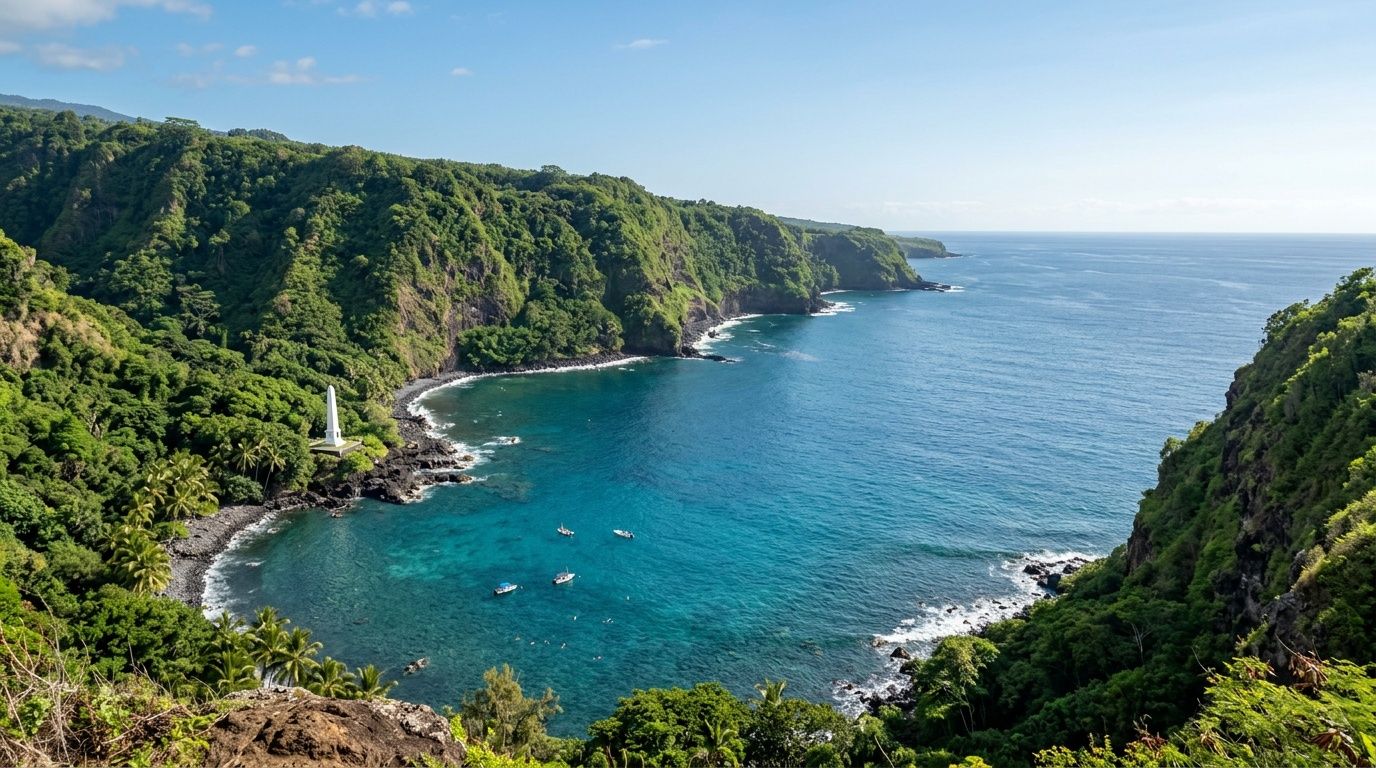
Kealakekua Bay carries a kind of presence that people feel before they understand it. The shoreline isn't built up like a beach park. The cliffs are steep, the water is calm when conditions cooperate, and the white monument on the shore reminds you that this bay sits at the intersection of Hawaiian history, cultural memory, and modern recreation.
Why the bay matters on land
Many visitors first hear about the bay because of Captain James Cook. Kealakekua Bay draws approximately 190,000 visitors annually, with 70% motivated by its historical significance tied to Captain James Cook's arrival in 1779. The same source notes that the Marine Life Conservation District was established in 1969, and that those protections led to a 50% increase in both coral cover and fish populations. You can read that in this Kealakekua Bay tour overview.
Those details matter because they explain why the bay feels different from a casual swim stop. People aren't just coming for reef fish. Many are coming because this shoreline represents a turning point in Hawaiian history.
If you want to book an outing built around that setting, a Captain Cook snorkel tour is the most direct way to experience the monument side of the bay.
Why the bay matters underwater
Protected water changes what you see. Fish behave differently in places where pressure is limited, and reefs hold up better when people follow rules that reduce damage. Kealakekua Bay's status as a Marine Life Conservation District is the reason many snorkelers describe it as feeling more like a living aquarium than a random reef patch.
Here's the simple version of cause and effect:
- Protected status: Limits harmful pressure on the ecosystem.
- Healthier coral: Gives fish shelter and feeding areas.
- More marine life: Makes snorkeling more rewarding, even from the surface.
- Clearer visitor purpose: Encourages people to treat the bay as a sanctuary, not a playground.
Practical rule: When a place is famous because it's protected, the visitor's job is to avoid becoming the reason it gets worse.
What respectful visitors do differently
People sometimes get confused about “respect” because it can sound vague. In this bay, it's concrete.
You respect the place by listening to the briefing, keeping your body off the reef, giving wildlife space, and remembering that the monument shoreline isn't just scenic. It's part of a much bigger story. That mindset changes the tone of the trip in the best possible way.
What You Will See Beneath the Waves
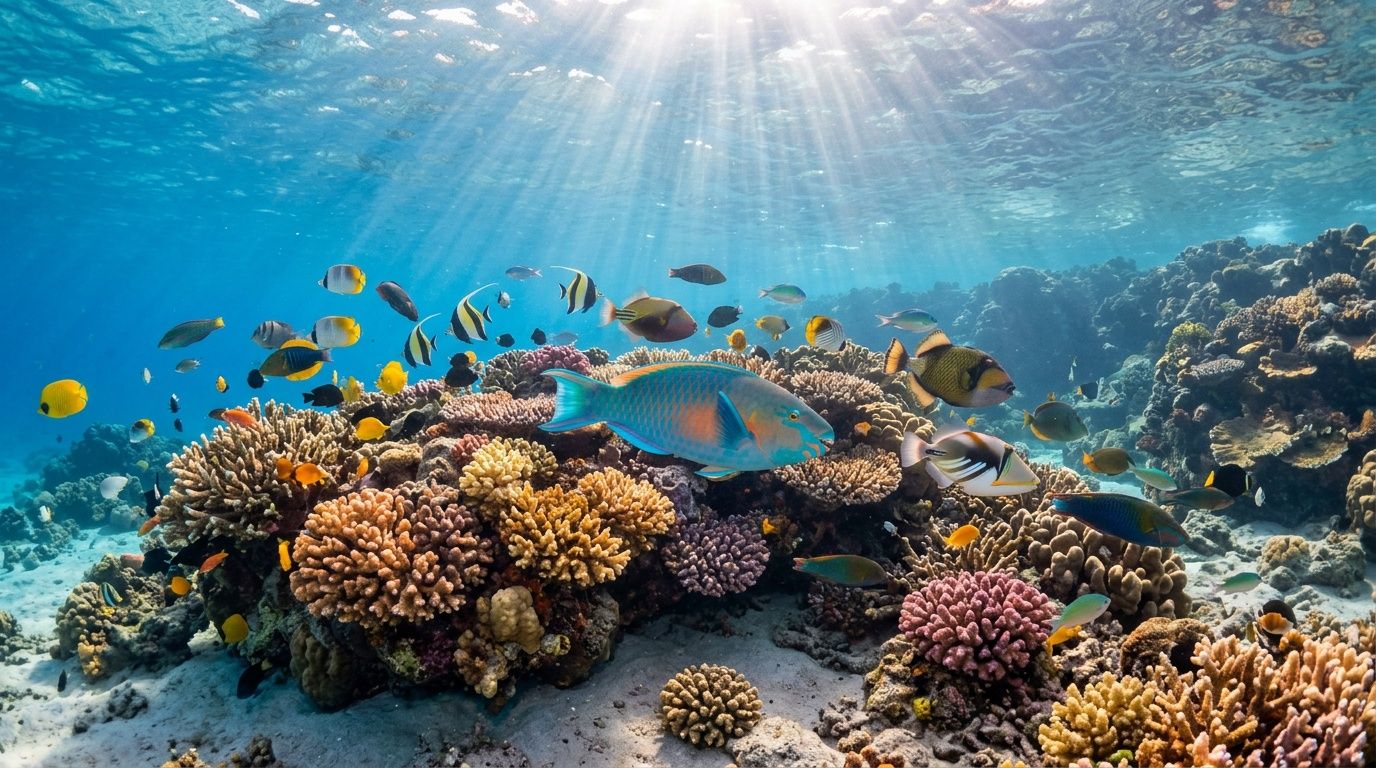
The first surprise for many visitors is how quickly the bay reveals itself. You slide your face into the water, take two calm breaths, and the bottom is already there. Coral formations, dark lava rock, pale sand channels, and moving schools of fish all come into view at once, which is why Kealakekua feels so different from a murky shoreline snorkel.
Clarity shapes the whole experience. In clear water, you do not spend your energy squinting and searching. You notice patterns. Fish hold over coral heads. Tangs sweep across the reef in groups. A turtle can appear almost without a sound, then pass through the scene like it has all day.
What the reef feels like in real life
Photos usually flatten reefs. Real water adds depth, motion, and scale.
Kealakekua Bay works a bit like a layered map. The shallow sections give beginners an easy place to float and observe without feeling far from the surface. Farther out, the reef edge drops into deeper blue water, and that change in depth brings a different mood. The bay starts to feel larger, quieter, and more alive.
That mix matters because different snorkelers notice different things. First-timers often remember color and clarity. More experienced swimmers start noticing behavior, which fish stay tight to the coral, which species cruise above it, and how the structure of the reef creates little neighborhoods underwater. If you like learning what you are seeing, this guide to marine life in Kona waters gives helpful background before your trip.
Common sightings people remember
Healthy habitat creates repeat sightings. Luck still plays a part, but the bay's protected reef gives marine life a reason to stay, feed, and shelter here.
Visitors often remember:
- Schools of reef fish: Large groups moving over coral are often the first real wow moment.
- Yellow tangs and other bright tropical species: Their color shows up clearly, even for brand-new snorkelers.
- Green sea turtles: A single turtle can change the pace of the whole group. Everyone gets quieter.
- Spinner dolphins: Usually seen from the boat or at a respectful distance, not as something to chase.
One helpful mindset is to treat the reef like a town, not a theme park. Coral is the housing. Cracks in the lava are hiding places. Sand patches are the roads between them. Once you see the bay that way, the rules make more sense. Keeping your fins off the bottom and giving animals space is not just polite. It protects the living structure that makes the snorkeling memorable in the first place.
Why the underwater scenery feels richer here
People sometimes assume a famous snorkel spot is better because it is more crowded with marine life at every second. The actual reason is simpler. Protected places let the reef stay intact long enough for underwater relationships to hold together.
Coral provides cover. Cover attracts fish. Fish activity draws your eye from the surface. Clear water lets you see those interactions without diving down. That chain of cause and effect is why Kealakekua Bay often feels full even when the water is calm and the scene is quiet.
A good snorkel here is not only about checking off species. It is about recognizing that you are floating above a place where ecology, history, and visitor behavior all affect what you get to see. The better people treat the bay, the more the bay keeps showing them.
How to Experience Kealakekua Bay Choosing Your Tour
You wake up excited for Kealakekua Bay, then spend the hardest part of the day getting there. By the time you finally reach the water, your shoulders are tight, your legs are cooked, and the first few minutes of snorkeling feel like recovery instead of discovery.
That is the planning mistake I see most often.
Choosing access to the bay is not only a logistics decision. It shapes your energy, your safety margin, and how much attention you can give to the place itself. Kealakekua is not a roadside swim spot. It is a protected marine area and a place with deep cultural meaning, so the way you enter matters more here than it does at an ordinary beach.
Boat vs kayak vs hike
Each option gives you a different kind of day.
A boat tour works like taking a shuttle to the trailhead instead of hiking the highway first. You save your effort for the bay itself. For many visitors, that means calmer breathing, better focus in the water, and fewer sloppy mistakes like kicking too close to coral because fatigue set in early.
Kayaking appeals to strong, independent travelers. It can be rewarding, but it asks you to manage the crossing, conditions, gear, and your own energy before you ever put your mask on. Hiking creates a similar tradeoff. The route down can feel manageable at first, yet the heat and climb back out often become the part people underestimate.
Here is the practical difference:
| Method | Effort Level | What You Manage Yourself | Best Fit |
|---|---|---|---|
| Boat | Low to moderate | Very little once you check in | First-time visitors, families, relaxed snorkelers |
| Kayak | Moderate | Paddling, landing, gear handling, timing | Fit paddlers comfortable with self-guided days |
| Hike | High | Trail effort, carrying gear, heat management | Strong hikers prepared for a demanding return |
The best choice depends on what kind of experience you want. If your priority is underwater time, easier entry, and support nearby, a boat trip is usually the clearest fit. If your priority is independence and you are fully prepared for the physical side, kayak or hike access may still suit you.
Why boat access works well for this bay
Kealakekua often rewards people who arrive with some energy left in the tank.
Boat access helps with that. You check in, listen to the crew, ride down the coast, and reach the bay ready to look around instead of needing a break. That is not only about comfort. It also supports better decisions in the water. A relaxed snorkeler tends to breathe more evenly, follow instructions better, and keep better body position over the reef.
There is also a respect factor. Guided access usually comes with a clear briefing on where to enter, how to avoid standing on coral, and why certain wildlife boundaries exist. In a bay with ecological protections and historical importance, those reminders are part of the experience, not extra rules tacked on at the end.
If you are comparing outings around the island before you decide, this guide to the best snorkeling tours on the Big Island gives helpful context on how different trips match different comfort levels and goals.
A simple way to choose
Ask yourself three questions.
How much effort do you want to spend before snorkeling? How confident are you managing your own access plan? Do you want a self-directed outing, or do you want interpretation and support along the way?
For a lot of visitors, the answer points to a boat tour. It removes several common failure points at once. Less guesswork. Less fatigue. More attention for the reef, the monument area, and the reasons this bay is treated with such care.
If direct boat access to the Captain Cook Monument side of the bay is what you want, this operator page is one useful starting point: Captain Cook Snorkeling Tours
Your Day on a Kealakekua Bay Snorkeling Tour
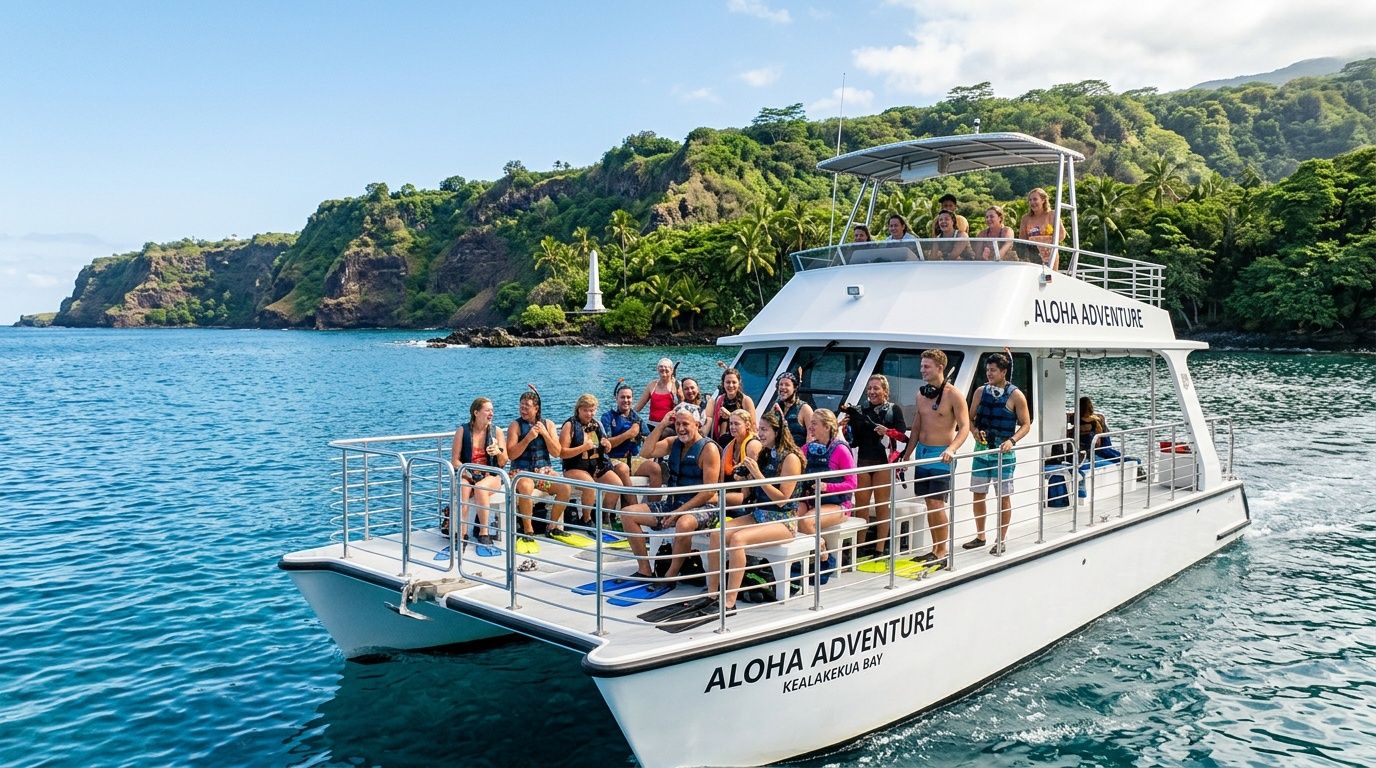
You check in at the harbor just after sunrise, the boat pulls away from the dock, and within minutes the pace of the morning changes. Phones go back in bags. People look up. The Kona coast starts telling the story of where you are, with black lava cliffs, pockets of green, and the open water that separates a casual beach day from a true bay crossing.
That ride matters more than visitors expect. It gives the crew time to fit masks correctly, explain flotation options, and show new snorkelers how to breathe slowly through the snorkel before they ever get in the water. For nervous guests, that small transition period often makes the difference between a shaky start and a relaxed first swim.
By the time the boat reaches Kealakekua Bay, the goal is not just to get everyone in the water quickly. The goal is to get everyone in the water calmly and respectfully. Crews usually review entry points, hand signals, boundaries, and the simple rule that protects the reef most: stay horizontal, keep your fins up, and give the coral space. Coral may look like rock from the surface, but it is living structure, and one careless kick can do damage that lasts far longer than your vacation.
What the snorkeling portion is like
Once you slip into the bay, the first sensation is often surprise. The water can feel clearer than people expected, and the noise of the boat drops away fast. If you are new to snorkeling, give yourself a minute. Hold the float if one is offered. Put your face in the water, lift it, then try again. Snorkeling works a lot like settling into a calm breathing rhythm while floating in a pool, except here the view below you is alive and constantly changing.
Most tours give guests enough time to do more than one quick loop. You can start close to the group, get comfortable with your mask and breathing, then drift farther as your confidence grows. Many people enjoy the bay much more on their second pass than on their first, because they stop thinking so hard about the gear and start noticing the fish movement, the light on the reef, and the shape of the underwater terrain.
Guides are helpful here for reasons beyond convenience. They watch for fatigue, point out wildlife people would otherwise miss, and keep guests from wandering into areas where boat traffic, depth, or reef proximity can create problems. In a place with cultural and ecological weight, structure is part of what protects the experience.
What to do before you leave for the harbor
A good morning usually starts the night before.
Wear your swimwear under your clothes, and keep your bag simple. Bring a towel, dry clothes, sun protection, water, and any medication you may need during the trip. Leave anything delicate or hard to replace at your lodging unless you are comfortable managing it around saltwater.
One more tip helps more than people expect. Eat lightly, hydrate early, and show up with enough time to check in without rushing. Hurrying raises stress, and stress makes beginners breathe faster once they are in the water.
Arrive organized and calm, so your attention stays on the bay instead of on forgotten gear.
If you get seasick
Even on a pleasant day, the ride to and from the bay can bother people who are sensitive to motion. The bay itself may feel calm while the open-water portion of the trip feels different, so it helps to plan before symptoms start.
Options people often consider include Ship-EEZ Seasickness Patch, Dramamine pills, Bonine pills, Sea Band wristbands, and ginger chews. If motion sickness is a concern, read these practical tips on avoiding seasickness before a Kona snorkel tour before your trip.
A little preparation goes a long way. It is much easier to enjoy Kealakekua Bay when your body is as ready as your camera.
Planning Your Perfect Snorkel Adventure
The best Kealakekua mornings are usually the ones that feel unhurried. You're packed the night before, you know what the operator provides, and you're not showing up with a beach bag full of things you don't need.
This is also where a professional tour starts to show its value. Most visitors don't need more complexity. They need clear gear support, a sensible briefing, and a crew that keeps the day moving without rushing people.
What to bring yourself
Tour operators often provide the core snorkel equipment and flotation support, but guests should still bring a few essentials.
A practical checklist looks like this:
- Reef-safe sunscreen: The bay's coral is sensitive, and your sun protection choice affects more than your own skin.
- Towel: You'll want one even on a warm day.
- Dry clothes: A shirt or cover-up for the ride back makes a difference.
- Water bottle: Hydration matters more than people expect in Hawaii sun.
- Hat and sunglasses: Boat shade helps, but not all the time.
- Any personal medication: Keep it easy to access, not buried in a bag.
What guests often forget
The most common packing problem isn't leaving behind something huge. It's forgetting the small items that make the day easier.
People forget a hair tie, a rash guard, a dry bag, or a post-snorkel shirt. Parents forget to think about what their kids will wear after they're wet and windy on the return ride. New snorkelers sometimes bring too much and end up juggling gear they never use.
Bring less than you think, but make sure the basics are covered well.
Why guided service makes the day smoother
Boat access isn't only about convenience. It often leads to better behavior in the water. When guides handle entry points, flotation, and safety reminders, guests are more likely to stay calm and avoid bumping into coral or drifting too far from the group.
That's one reason many visitors choose an operator instead of trying to self-manage the day. It leaves more mental energy for the bay itself, which is what you came for.
Why Choose a Professional Kona Tour Operator
You arrive at the bay excited, mask in hand, and then your questions start. Where do you enter? How far should you swim? What if the current feels different than it looked from the boat? A professional Kona tour operator answers those questions before they turn into stress.
That matters at Kealakekua because this is not just another pretty snorkel stop. It is a marine sanctuary and a place with deep cultural history. A good crew helps you enjoy the bay with context, not just access. They explain the reason behind the rules, the safest way to move in the water, and how small choices by each guest affect coral, fish, spinner dolphins, and other visitors.
The best operators do three jobs at once. They run a safe trip, teach the bay well, and reduce the wear that heavy visitation can put on a protected place. That combination is what turns a boat ride into a better experience.
What to look for in an operator
Start with the crew's approach to safety. New snorkelers often assume safety means having life jackets on board. In practice, it means much more. You want a crew that gives a clear briefing, checks fit on masks and fins, offers flotation without making people feel embarrassed, and watches for the first signs that someone is getting tired or anxious. If you want a plain-language refresher on choosing the right boat safety gear, that's a useful general resource before any ocean trip.
Then look at how they teach reef behavior. The best guides do not just say “don't touch the coral.” They explain why. Coral may look like rock from the surface, but it is living animal tissue. One careless fin kick can scrape it. One person standing for balance can damage a spot that took years to grow.
Communication is another strong clue. A well-run company tells you what the morning will feel like, not just what to bring. That includes who the trip suits, how confident you need to be in the water, what happens if conditions change, and how the crew helps beginners. Clear expectations lead to calmer guests, and calmer guests usually snorkel better.
A few practical operator notes
Some visitors compare several Kona companies before booking, including Kona Honu Divers and Kona Snorkel Trips. That is reasonable. Names matter less than habits on the water.
Look for signs of a thoughtful operation. Does the crew rush people into the water, or do they pace the entry so guests can settle in? Do they give a short history of the bay and explain why wildlife distance rules exist? Do they keep the group organized without turning the trip into a lecture? The right operator feels a bit like a good hiking guide in a fragile forest. You get more freedom because someone knowledgeable is helping the group avoid preventable mistakes.
| Widget Insertion |
|---|
| Kona Honu Divers reviews widget appears below |
| Kona Snorkel Trips reviews widget appears below |
Why this choice affects the bay too
Choosing a professional operator helps the place, not only the guest.
Kealakekua Bay stays special because people treat it with care. Crews help snorkelers float instead of stand, keep fins away from coral heads, and maintain respectful distance from wildlife. They also help visitors understand that the bay is not a theme park. It is a living reef inside a place that carries historical and cultural weight. When guides teach that well, guests usually act with more patience and respect.
That is the deeper reason many experienced Hawaii travelers book guided access here. They are not paying only for a boat seat. They are paying for judgment, local knowledge, and a day that is safer, calmer, and better for the bay itself.
Frequently Asked Questions About Kealakekua Bay
Is the water deep where we snorkel
It varies. Some areas near the shoreline and reef feel visually close because the water is so clear, while other parts of the bay drop away fast. That's one reason first-timers can get confused. Clear Hawaiian water makes depth look smaller than it is.
Is Kealakekua Bay good for beginners
Yes, especially with guided boat access. Beginners usually do best when they can enter calmly, use flotation right away if needed, and focus on breathing slowly instead of dealing with a tough shore entry, a long paddle, or a steep hike.
Are there sharks in the bay
Sharks are part of a healthy ocean ecosystem in Hawaii. Most visitors on a snorkeling tour won't have a shark encounter, and the focus for nearly everyone is reef fish, turtles, and the structure of the bay itself.
Can I touch turtles or dolphins
No. You should never touch, chase, crowd, or harass marine life. Even when animals seem calm, respectful distance matters. It protects them, and it leads to better wildlife behavior for everyone who comes after you.
What if I'm not a strong swimmer
That's exactly why guided tours use flotation devices and safety briefings. Tell the crew early, use the support they offer, and don't pretend to be more comfortable than you are. Calm honesty leads to a much better day in the water.
What's the single biggest mistake people make here
They treat the bay like a box to check instead of a place to enter carefully. Kealakekua rewards slow snorkeling, good listening, and simple respect. That's how you leave with the kind of memory people talk about for years, and how you help keep the bay healthy for the next visitor.
If you want help choosing the right ocean experience on the Big Island, Kona Honu Divers is a solid place to start for snorkeling and scuba planning, with a strong focus on safe, well-run trips in Kona waters.