
You’re probably looking at a dozen tour pages right now, all promising clear water, tropical fish, and an easy day on the Kona coast. The hard part isn’t deciding whether Kealakekua Bay is worth it. It is. The hard part is choosing the kind of trip that gives you the bay at its best.
A good kealakekua bay snorkeling tour isn’t just a boat ride to a famous spot. It’s a chance to enter one of the most storied and protected places on the Big Island with the right timing, the right crew, and enough local knowledge to understand what you’re seeing above and below the water.
An Underwater Paradise Awaits in Kealakekua Bay
The approach into Kealakekua Bay always gets people quiet. The coastline turns steep and dramatic, the water changes from blue to clear turquoise, and the white monument on shore sharpens into view. From the deck, you can often see reef structure before anyone even puts on a mask.
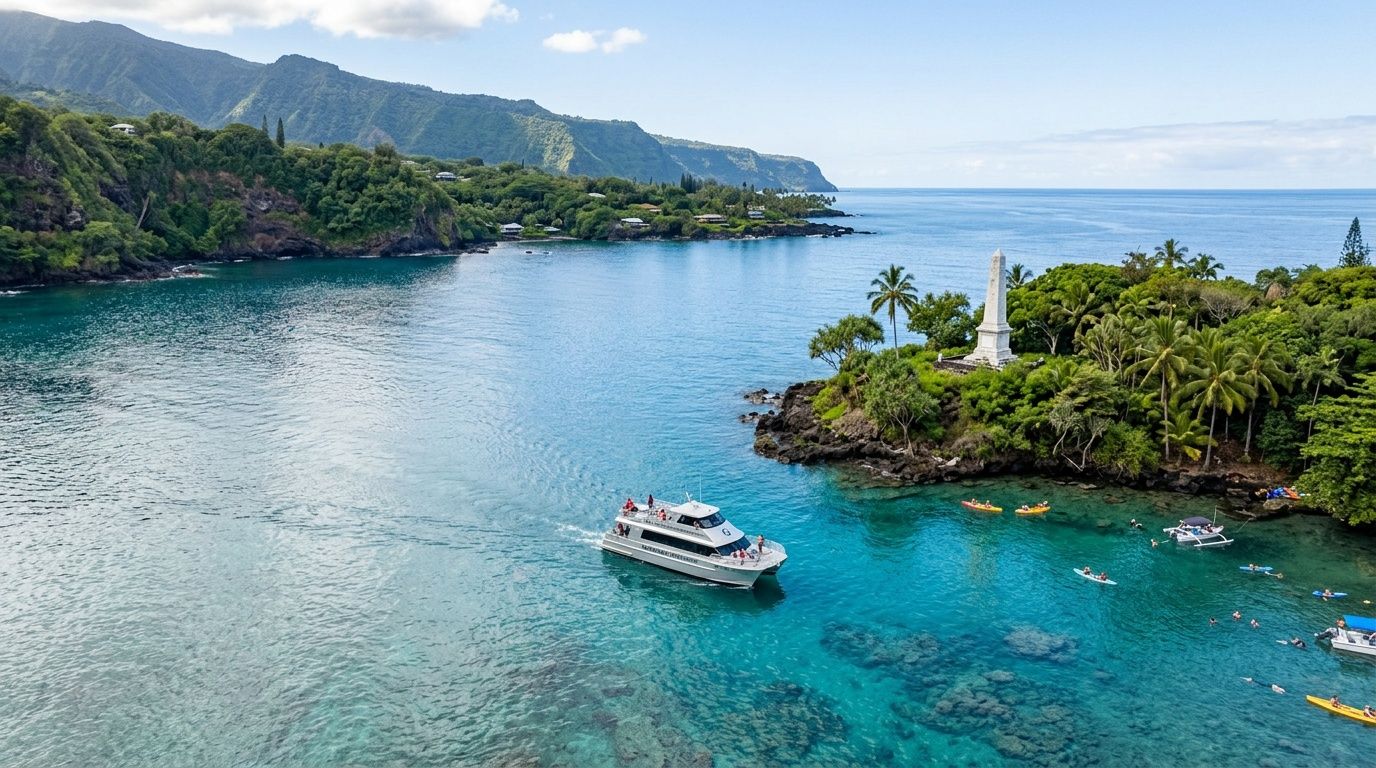
That first impression matters because this bay is two things at once. It’s a place of major Hawaiian history tied to Captain James Cook’s arrival and death in 1779, and it’s also a protected marine area where the reef still feels alive and intact. Kealakekua Bay has been a Marine Life Conservation District since 1969, and it draws over 190,000 visitors annually. Of those visitors, 70% come for the history, while the reef, clear water, and marine life remain a huge part of what makes the trip memorable, as noted in this Kealakekua Bay overview.
What makes the bay different
Most snorkel spots give you one strong reason to visit. Kealakekua Bay gives you several at once.
- Protected reef habitat: The bay supports over 300 fish species in a conservation setting.
- Unusually clear water: Conditions here are famous for clarity that lets guests see the reef from the boat.
- A real sense of place: You’re not floating over anonymous coral. You’re snorkeling beside one of the most recognized historic shorelines in Hawaii.
A lot of visitors arrive expecting a simple snorkel stop and leave talking about the full experience. The history changes how you look at the shoreline. The reef changes how you look at Hawaii.
The guests who enjoy this bay most are the ones who treat it as more than a checkbox stop. Slow down, listen to the briefing, and take in both the water and the land.
Why people keep coming back
Kealakekua Bay has a reputation that goes well beyond Kona. In guidebooks and traveler conversations, it’s regularly discussed as one of Hawaii’s standout snorkel locations. That isn’t marketing language from a captain. It comes from the combination of easy viewing conditions, reef density, and the feeling that the bay is still protected from the chaos that affects more accessible sites.
If you’re comparing this trip to other Kona snorkeling options, the big difference is immersion. On the right morning, the bay feels calm, sheltered, and visually rich from the moment you enter it.
Why This Bay Offers Hawaii's Best Snorkeling Conditions
The reason Kealakekua Bay works so well for snorkeling isn’t luck. It’s geography. You can feel that before you ever hit the water, because the bay sits in a natural pocket of coastline that behaves differently from more exposed ocean sites.
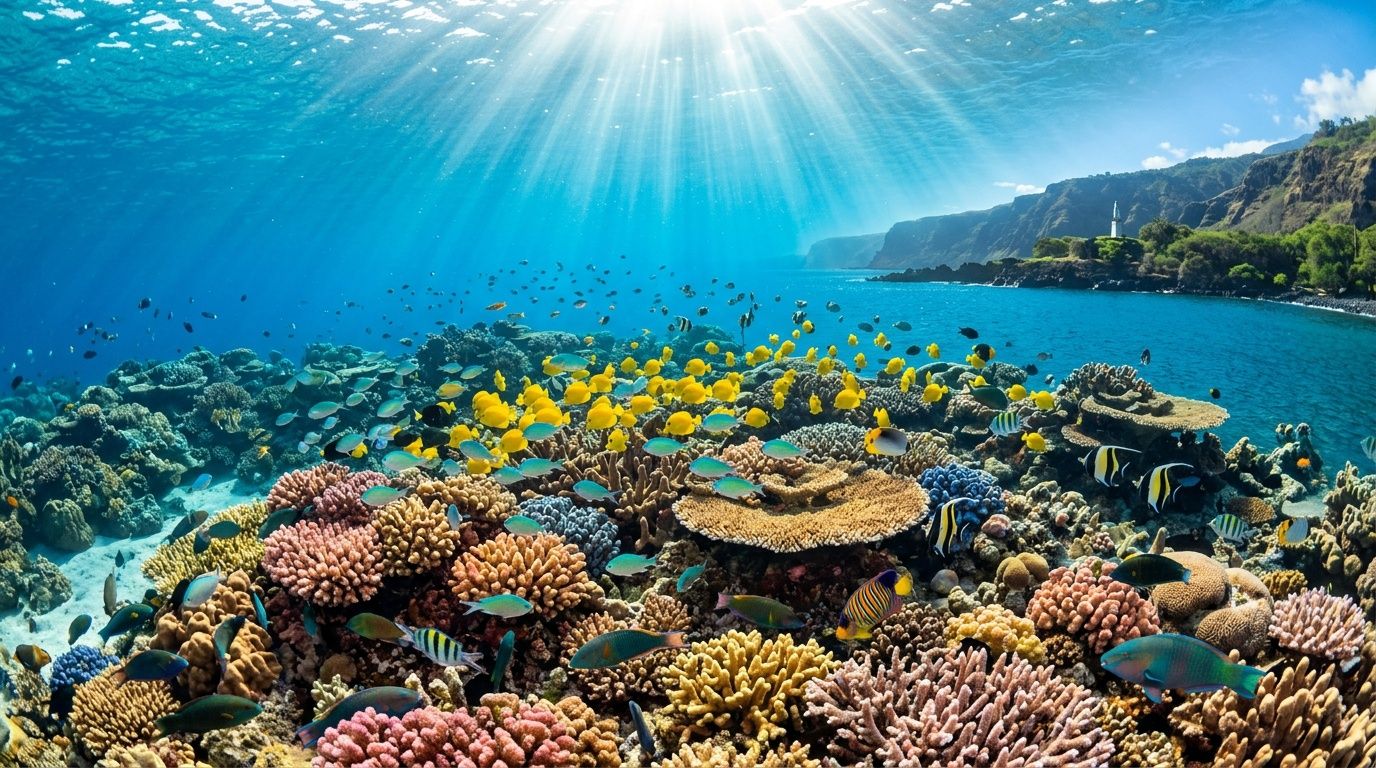
The biggest headline condition is visibility. Kealakekua Bay’s underwater visibility often exceeds 100 feet because the bay is sheltered by steep pali cliffs that reduce wind and currents, while upwelling brings nutrient-poor water that limits the phytoplankton blooms that cloud other locations, according to this guide to Kealakekua Bay water conditions.
The cliffs do more than make the bay scenic
Those dramatic cliffs aren’t just for photos. They shield the bay from a lot of the surface chop and wind disturbance that can turn a nice snorkel into a mediocre one.
When wind stays down and the water column stays stable, you get three practical benefits:
- Better visibility for snorkelers: Fish, coral heads, and bottom contours stay easy to see.
- Easier breathing at the surface: Less chop means less splash into the snorkel.
- More comfort for beginners: Calm water lowers stress fast, especially for guests using fins and masks for the first time.
Why the water looks different here
In some places, “clear” means decent. In Kealakekua Bay, clear often means you can hover at the surface and look deep into the reef structure without straining. That changes the experience in a major way.
You don’t spend the whole snorkel searching. You spend it observing.
That matters if you’re traveling with family or mixed skill levels. Strong swimmers can range a bit farther and inspect ledges, while newer snorkelers can stay relaxed near the main reef zone and still see plenty.
Practical rule: If a snorkel site requires perfect conditions to shine, it’s not a reliable choice for most visitors. Kealakekua Bay stands out because its natural shape helps keep conditions favorable more often.
Morning usually wins
I always tell guests that timing matters almost as much as destination. The bay tends to show off earlier in the day, when the water is calmer, the light angle is cleaner, and the coast hasn’t had time to pick up as much surface disturbance.
That doesn’t mean every afternoon is bad. It means morning gives you the highest chance of seeing why the bay has the reputation it does.
Here’s what morning helps with in practical terms:
| Tour timing | What it often feels like |
|---|---|
| Morning departure | Calmer surface, cleaner light into the reef, easier first entry |
| Later departure | More variable texture on the water, stronger sun exposure, less forgiving for nervous snorkelers |
If you want a better read on how local ocean conditions affect your day, this breakdown of how to check ocean conditions for the Big Island is worth reviewing before you book.
How to Book the Right Kealakekua Bay Snorkeling Tour
The biggest mistake visitors make is treating all access methods as basically the same. They’re not. If your goal is to spend your energy snorkeling instead of burning it before you arrive, a permitted boat tour is the clear choice.
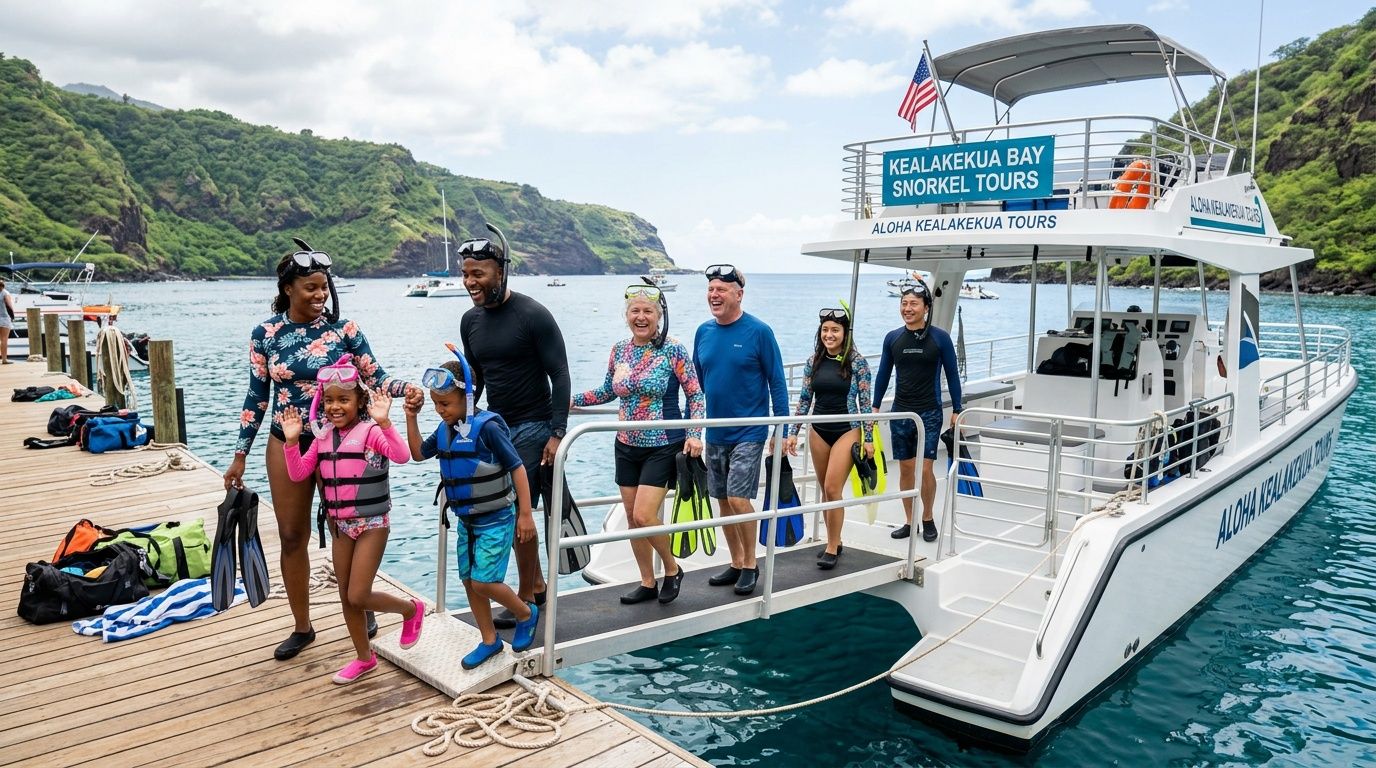
The practical reason is simple. Guided boat tours give you 1.5 to 2.5 hours of actual snorkel time, while avoiding the 4 to 5 hour kayak paddle or the 1.9-mile steep trail hike that other access methods require, as described in this Kealakekua access comparison. That efficiency changes the whole day. You arrive ready to snorkel, not already cooked by sun and effort.
Boat tour versus kayak versus hike
People often ask if kayaking or hiking is more adventurous. Sometimes it is. It’s also the wrong call for a lot of visitors.
Here’s the trade-off as it plays out in real life:
- Boat tour: Best for families, first-time snorkelers, older travelers, and anyone who wants the easiest path to the best water.
- Kayak: Better suited to strong paddlers who understand wind exposure, landing rules, and how much energy the return leg can take.
- Hike: For fit hikers who know they’re committing to a steep trail and a hard climb back in full sun after swimming.
A lot of people romanticize the “do it yourself” version of this bay. Fewer people mention how much better they would have snorkeled if they hadn’t already worn themselves down just getting there.
Choosing the right style of boat
Not every boat tour feels the same. This matters more than people think.
Smaller rafts usually give you a more nimble ride, a closer feel to the coastline, and a less crowded in-water experience. Larger boats can feel steadier and roomier, which some families prefer. Neither format is automatically right for everyone.
Use this quick filter:
| Tour style | Works well for | Main trade-off |
|---|---|---|
| Smaller raft | Travelers who want a more personal, active outing | Can feel bumpier underway |
| Larger boat | Guests who prioritize deck space and a gentler ride | Often feels less intimate at the snorkel site |
If you’re comparing operators, pay attention to these details first:
- Departure time: Morning usually gives you the cleaner bay.
- Group feel: Smaller groups tend to make gear help and wildlife spotting easier.
- Crew support: Good crews watch the whole group, not just the strongest swimmers.
- Transit style: Some guests love a faster, more adventurous ride. Others want comfort first.
One local option in this category is Kona boat tours, which can help you understand what different vessel styles feel like before choosing.
Trusted booking options
Explore your tour options with our trusted partners:
See what fellow travelers are saying:
Ready for an unforgettable adventure? Book your spot on the premier Kealakekua Bay snorkeling tour now!
Meet the Marine Life The Underwater Residents of the Bay
Once you put your face in the water, the bay stops being a scenic destination and becomes an ecosystem. Fish move in layers over coral, colors sharpen with the sunlight, and the reef starts revealing small details that people miss from the boat.
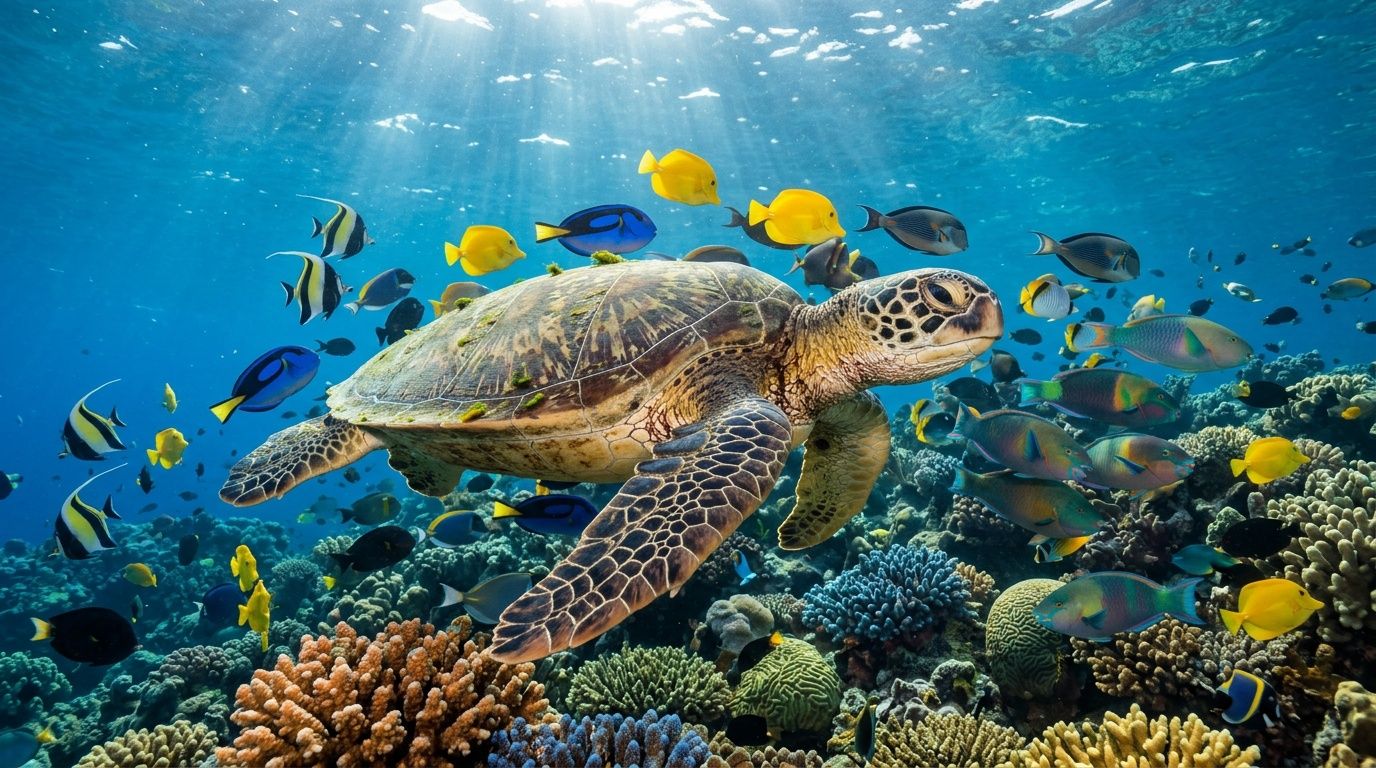
You’ll often notice the sound before anything else. Parrotfish graze noisily on the reef. Schools of bright fish shift direction all at once. Then a turtle comes through and everyone nearby forgets whatever they were just looking at.
The encounters people remember
Hawaiian green sea turtles, or honu, are one of the biggest highlights for guests. They move with a calm, efficient glide that makes the whole reef feel slower for a moment. A respectful snorkeler hangs back, keeps the hands in, and lets the animal choose its path.
Spinner dolphins are another unforgettable part of the bay, especially near the entrance area. If you see them from the boat, enjoy the moment and give them space. The best dolphin encounters are the ones where humans don’t interfere.
Other regular reef standouts include:
- Yellow tangs moving in loose schools over coral heads
- Parrotfish working the reef with steady bites
- Moray eels tucked into rock and coral structure
- Endemic reef fish that make Hawaii’s underwater life feel different from other tropical destinations
If you’re interested in the species that make Hawaii unique, this guide to diving the Big Island to look for endemic marine animals gives useful context for what you may spot.
The reef is the main event
Many first-time visitors focus on turtles and dolphins before they arrive. That’s understandable, but the reef itself is what makes the bay special hour after hour. Coral structure creates the stage for everything else.
Good snorkelers don’t chase action. They drift slowly, pause often, and watch one patch of reef long enough for the hidden residents to show themselves.
Stay horizontal, kick gently, and let the bay come to you. Fast movement scares fish and makes you miss the small behavior that makes the reef interesting.
Respect matters more than excitement
Kealakekua Bay rewards calm people. That applies to wildlife viewing as much as snorkeling technique.
A few simple habits go a long way:
- Keep your distance: Don’t close in on turtles or dolphins for a photo.
- Watch your fins: Reef contact usually happens when people stop paying attention to their body position.
- Know the difference between curiosity and risk: Most reef life is harmless when left alone, but it’s smart to understand marine awareness in general. Better Boat’s guide to top dangerous ocean animals is a useful broader primer for travelers who spend a lot of time in the water.
A Journey to Captain Cook Monument What to Expect on Tour Day
Tour day usually starts at the harbor while the coast is still relatively quiet. Depending on the operator, you’ll check in at Keauhou or Honokohau, sign the usual waivers, get fitted for gear, and listen closely while the crew explains the conditions for the morning. If you haven’t snorkeled in a while, this is the time to say so. Good crews would rather answer simple questions at the dock than fix preventable problems in the water.
The ride down the Kona coast
The run to the bay is part of the trip, not dead time. You’ll pass lava-cut shoreline, sea caves in the right conditions, and long sections of coast that look completely different from land than they do from the water. This is often when guests start to relax, especially once they realize they’re not hiking in full sun or grinding through a long paddle before the snorkel even starts.
Most captains also use the transit to talk story a bit. You’ll usually hear some mix of local geology, marine etiquette, and the historical background that gives the monument area its weight. That context improves the snorkel because you arrive understanding why the bay is protected and why certain rules matter.
Listen to the safety briefing like it’s part of the activity, because it is. Guests who pay attention early almost always have a smoother time once they hit the water.
Arrival and water entry
As the boat settles into the bay, the first thing many people notice is how inviting the water looks. The monument shoreline, the reef below, and the sheltered feel of the bay all come together fast. Crew members usually help with masks, fins, flotation, and entry timing so the first few minutes don’t feel chaotic.
Once you’re in, most tours give you time to find your rhythm rather than rushing you. Strong swimmers can stretch out a bit. Beginners often stay closer to the float lines or the boat until breathing through the snorkel feels natural.
A typical flow looks like this:
- Check in and gear fit
- Boat ride with briefing and coastal sightseeing
- Arrival at the snorkel site
- Water entry with crew support
- Snorkel session and wildlife spotting
- Return to the boat for snacks, drinks, and the ride back
The ride home
After the snorkel, people tend to settle into that satisfied, sun-warmed quiet you only get after a good ocean morning. Depending on the operator, you may have snacks, drinks, or lunch on board during the run back. This part matters more than people think. A small bite, fresh water, and a shaded seat can turn a tiring return into a comfortable one.
If you’re a first-timer, expect the day to feel easier than the idea of it. The bay looks dramatic from shore and on maps, but a well-run tour breaks the experience into simple, manageable steps.
Pro Tips for a Perfect Kealakekua Bay Snorkel
Most snorkel problems in Kealakekua Bay are preventable. People get too much sun before they get in the water, show up dehydrated, wait too long to mention seasickness, or fight their gear instead of taking one extra minute to fit it correctly.
What works before you leave the dock
Start with the basics and do them early.
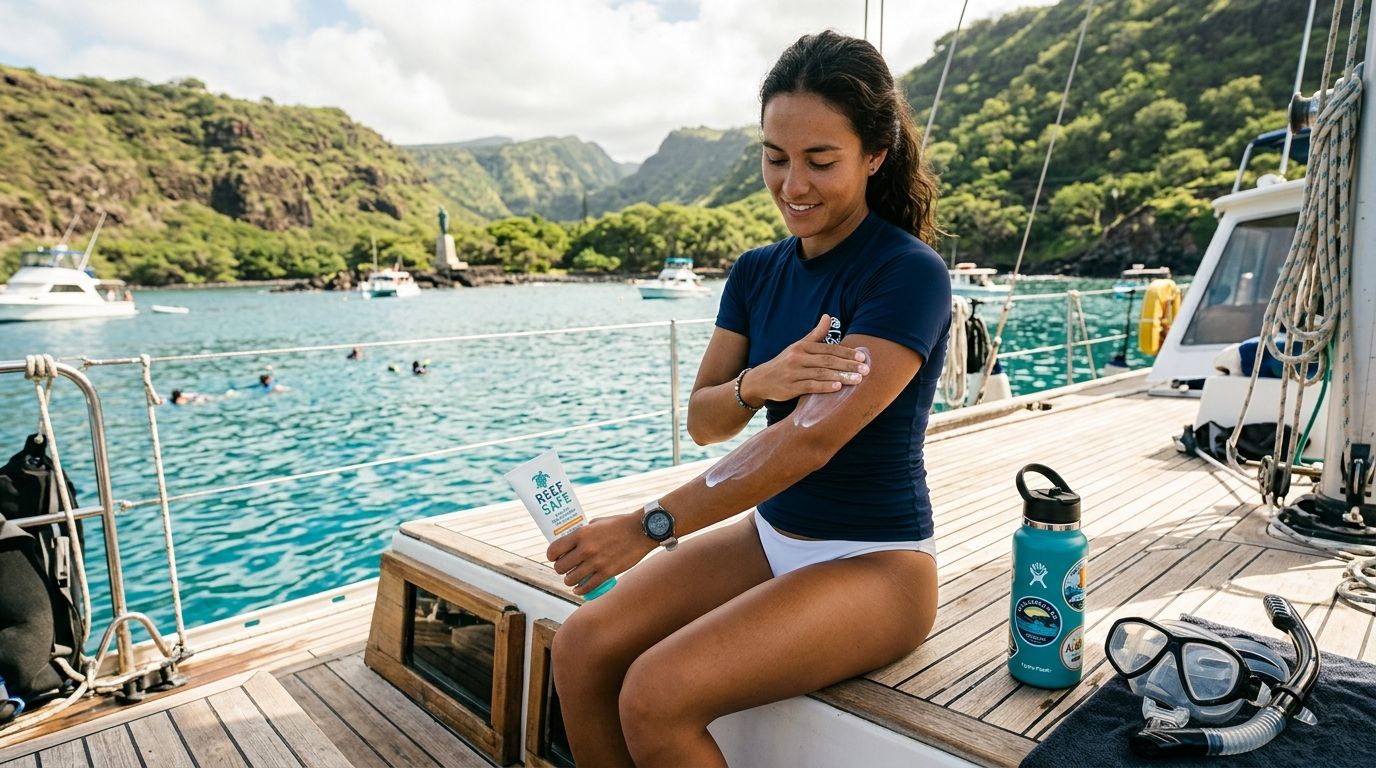
- Use reef-safe sun protection: Apply it before boarding so it has time to settle in.
- Drink water early: Don’t try to catch up once you already feel hot.
- Eat lightly: An empty stomach can be rough for some people, but a heavy breakfast can be just as bad.
- Check the mask seal before departure: Fixing a poor fit at the dock is easier than adjusting it in open water.
If seasickness is a concern, don’t wing it. Read through these practical tips on how to avoid sea sickness before your trip, and choose a prevention method that matches your needs.
To prevent or manage seasickness, consider these options:
How to snorkel better with less effort
New snorkelers often waste energy by kicking too hard and lifting their heads too often. Keep your face down, breathe slowly through the snorkel, and use small controlled fin movements. You’ll see more and tire less.
A few guests also ask about using extra gear for propulsion. In some travel settings, a compact portable water scooter can be useful for recreational water play, but on guided reef tours you should always follow the operator’s equipment rules and keep the focus on low-impact snorkeling.
If you feel anxious in the first few minutes, hold a flotation aid, float on the surface, and just breathe. Don’t force the snorkel. Relax first, then explore.
Your Kealakekua Bay Tour Checklist
| Item | Why You Need It |
|---|---|
| Reef-safe sunscreen | Helps protect your skin without adding avoidable stress to coral habitat |
| Swimsuit worn under clothes | Makes boarding and gearing up much easier |
| Towel | You’ll want it for the ride back and the drive after |
| Hat | Helps on deck before and after the snorkel |
| Sunglasses | Cuts glare during the boat ride |
| Reusable water bottle | Easy way to stay ahead of heat and dehydration |
| Change of clothes | Much nicer for the trip back to town |
| Waterproof phone case or camera | Useful if you want photos without risking electronics |
| Seasickness remedy of choice | Best used before symptoms start, not after |
| Any required medications | Don’t assume you can improvise once underway |
What to leave behind
Bulky valuables, too much jewelry, and anything you don’t want exposed to salt spray should stay out of the boat bag. Pack lighter than you think. The smoother your setup, the better your morning goes.
Frequently Asked Questions About Kealakekua Bay Tours
Is this tour good for beginners
Yes, if you choose the right boat and speak up about your comfort level. Kealakekua Bay is one of the easier places for first-time snorkelers to enjoy because boat crews usually provide flotation and gear help, and the bay is known for sheltered conditions. Beginners do best when they enter slowly, stay near the group at first, and focus on relaxed breathing.
Can non-swimmers go
Some non-swimmers can still enjoy the trip from the boat, and some may be comfortable in the water with flotation and close crew guidance. This depends on the operator’s policies and the guest’s comfort level. Ask before you book, not at check-in.
Are there restrooms on the boat
Some boats have them and some don’t. Larger vessels are more likely to offer onboard restroom access. Smaller rafts may not. This is one of those details worth confirming ahead of time if it matters to your group.
Can you land at the Captain Cook Monument
Access rules are strict in this area, and visitors shouldn’t assume they can freely land wherever they want. Some tours focus on viewing and snorkeling near the monument rather than putting guests ashore. Follow crew direction and local regulations.
What if the weather changes
Captains watch conditions closely and will adjust plans, reschedule, or cancel if safety requires it. That’s not a bad sign. It’s a sign you booked with someone who takes the ocean seriously.
What should I do if I’m worried about seasickness
Book a morning trip, look at the horizon during the ride, avoid a heavy meal, and use a preventive remedy before departure if you know you’re sensitive. Waiting until you already feel sick usually doesn’t work well.
Is a small boat or big boat better
Neither is universally better. Small boats often feel more personal and agile. Big boats can feel roomier and steadier. Match the vessel to your group, not to somebody else’s idea of adventure.
If Kealakekua Bay has you thinking about spending more time in the water on the Big Island, Kona Honu Divers is a useful next step for visitors who want to explore snorkeling, dive training, or guided underwater experiences beyond a single bay visit.