
You’re probably looking at photos of impossible blue water, reading five different tour pages, and wondering which parts are real. That’s normal with Kealakekua Bay snorkeling Hawaii. The bay is every bit as beautiful as people say, but it isn’t a casual pull-off where you park, walk a few steps, and hop in.
That’s part of why it stays special.
Kealakekua Bay combines rare water clarity, protected reef, and serious historical weight in one place. It also asks you to plan well. Access matters. Group ability matters. Respect for the bay matters. If you get those parts right, you’ll understand why so many visitors come away talking about this snorkel more than anything else they did on the Big Island.
Your Guide to Hawaii's Premier Snorkeling Destination
You booked a Kona snorkel day for clear water and easy reef access, then Kealakekua Bay shows up on every must-do list. Here’s the honest part. The snorkeling really is that good, but the logistics are what separate a great day from a miserable one.
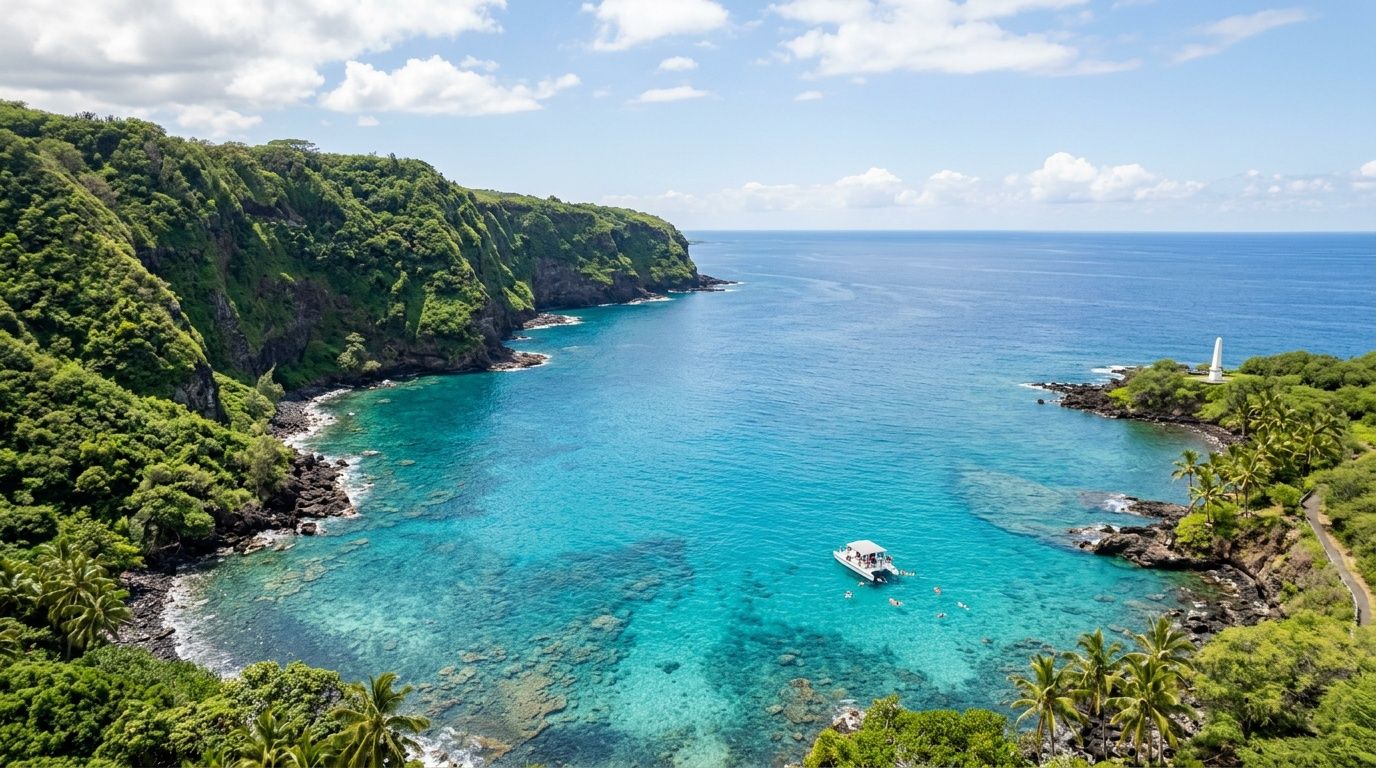
Some Kona snorkel spots work for almost anyone because you can park close, carry little, and be in the water fast. Kealakekua Bay asks more from you. Access takes planning, the protected setting comes with rules, and the right choice depends heavily on who is in your group and how much effort they can realistically handle.
That trade-off is exactly why the bay still feels special.
The payoff is a cleaner, richer snorkel than you get at many easy-entry beaches. The catch is that there is no single "best" way in for everyone. Families with young kids usually do better on a boat. Strong hikers who do not mind heat and a climb with gear may prefer the trail. Confident paddlers can make a kayak trip work, but they need to pay attention to launch logistics, ocean conditions, and permitting rules.
The Captain Cook side gets most of the attention for a reason, but getting there is part of the decision, not a footnote. Visitors comparing this bay with other Kona snorkeling spots that are easier to reach should be honest about stamina, swim comfort, and how much of the day they want to spend on transport versus time in the water.
A good Kealakekua plan answers four practical questions:
- Which access method fits our group’s age, fitness, and heat tolerance
- How much gear are we willing to carry or manage
- How early do we need to start for calmer water and easier parking or check-in
- Are we prepared to treat the bay like a protected cultural and marine area, not just a pretty snorkel stop
Get those right, and Kealakekua Bay usually becomes the snorkel day people talk about for the rest of their trip.
Why Kealakekua Bay is a World-Class Snorkeling Spot
You notice it before your mask even hits the water. The bay is quieter, clearer, and more intact than many snorkel spots people try first on the Kona Coast.
That reputation comes from a rare combination. Kealakekua Bay has deep cultural significance, long-standing protection, and reef conditions that still let snorkelers see the place at its best.
A bay with real historical and cultural importance
Kealakekua Bay is not just a pretty backdrop for a snorkel trip. It is one of the most historically important places on the island.
Captain James Cook entered the bay in 1778 and was killed here in 1779. Long before that, this area held meaning for Native Hawaiians, and that history still shapes how the bay should be treated today. The shoreline, the monument, and the steep volcanic walls all sit inside a place that deserves more respect than the average vacation stop.
Visitors who want to compare it with other well-known Kona snorkeling spots should understand that very few sites combine this level of marine life with this much cultural weight.
Protection is why the reef still shows up strong
Good snorkeling here is not an accident. The bay’s Marine Life Conservation District status helps keep fish populations high and limits some of the pressure that beats up easier-access reefs.
You see the difference in the water. Schools of yellow tang, butterflyfish, parrotfish, surgeonfish, and triggerfish are common. Sea turtles show up too, though never on demand, and the right way to enjoy them is to give them space and let the encounter happen on their terms.
That protection also creates a real obligation for visitors. Responsible use here goes beyond not touching coral. Keep your fins off the reef. Do not stand on rock or coral to adjust gear. Pack out every scrap of trash. Keep noise down near the shoreline and monument area. If you arrive by boat, kayak, or swim, act like you are entering a protected place, because you are.
Clear water changes the whole snorkel
Kealakekua Bay is known for unusually clear water, especially in calm morning conditions. That clarity changes the experience for almost every type of snorkeler.
Beginners usually feel less rattled when they can see the bottom and follow the contour of the reef. Strong snorkelers get a better read on drop-offs, fish movement, and where the most active coral heads are. Photographers get cleaner shots than they often do at more exposed beaches with stirred-up sand and surge.
There is a trade-off, though. Clear water can make people overconfident. The bay often looks calm from the surface, but distance, sun, and fatigue still catch people who drift too far or stay in longer than they planned.
Why this bay keeps making the short list
Plenty of places in Hawaii have fish. Plenty have clear water. Very few give you healthy reef structure, frequent marine life, strong visibility, and real historical importance in one setting.
That is what makes Kealakekua Bay world-class. It delivers the kind of snorkel people picture when they book a Hawaii trip, but it also asks for more awareness and respect than a simple roadside beach entry.
How to Access Kealakekua Bay Your Way
This is the part many guides soften. I won’t. Kealakekua Bay is often promoted as friendly for all skill levels in the water, but the bay itself is notoriously difficult to reach. There is no road or parking lot nearby, so visitors have to arrive by boat, a strenuous hike, or a permitted kayak trip, which is why access is a real planning issue for families, seniors, and anyone with mobility concerns, as noted in this discussion of snorkeling and access challenges at Kealakekua Bay.
That one fact shapes the whole day.
Boat access
Boat access is often the cleanest choice. You save your energy for the snorkeling instead of spending it on the approach.
For families, casual vacationers, people who don’t want to carry gear, and anyone who wants support getting in and out of the water, boat access usually works best. It also removes the hardest logistical problems. No trail descent. No paddle management. No trying to finish a long return while tired and sunbaked.
Here’s the trade-off. You’re on a schedule, and if you get motion sickness on boats, you need to plan for that. If you want a dedicated look at this option, see this Captain Cook snorkel tour guide.
Kayak access
Kayaking appeals to independent travelers who want the journey to be part of the day. It can be rewarding if you’re already comfortable paddling, organizing gear, and managing your own energy.
It is not the easy middle ground people sometimes assume.
You still have to deal with launch logistics, gear handling, weather judgment, and the return effort after snorkeling. If one person in your group is weaker or slower, the outing can turn from fun to draining fast. This method works better for fit paddlers than for mixed-ability vacation groups.
Hiking access
The hike is the most demanding option. It attracts people who like earning the view and don’t mind carrying everything themselves.
It also punishes bad planning.
The downhill part tricks people into confidence. The actual test is the climb back out after you’ve been in the sun and water. If someone in your group struggles with heat, steep terrain, footing, or carrying fins, water, and towels uphill, this option can become the worst part of the day.
Choose the route based on how you’ll feel on the way out, not on how exciting the way in sounds.
Kealakekua Bay Access Methods Compared
| Method | Best For | Effort Level | Pros | Cons |
|---|---|---|---|---|
| Boat | Families, beginners, mixed-ability groups, visitors who want support | Moderate | Easy water access, no gear hauling, more energy left for snorkeling | Boat ride required, less independent |
| Kayak | Fit paddlers who want a self-powered outing | High | Scenic approach, flexible feel, adventurous | Permits and logistics, return effort, gear management |
| Hike | Strong hikers who are comfortable with heat and carrying gear | High | No boat needed, satisfying for committed adventurers | Strenuous exit, exposed conditions, tiring before and after snorkel |
What works for different traveler types
A simple decision framework helps.
- Family with young kids: Boat access is usually the practical answer. It reduces stress and simplifies the day.
- Older travelers or anyone with mobility concerns: Boat access is the least punishing option.
- Strong paddlers traveling light: Kayak can work if everyone in the group is up for it.
- Hardcore hikers who already know they enjoy steep, exposed trails: The hike may be worth it for the adventure alone.
- First-time snorkelers: Don’t combine a new ocean activity with the hardest possible access method.
What doesn’t work well
The biggest mistake is choosing access based on price or pride instead of fit.
If your group wants a great snorkel, don’t pick the route that leaves everyone tired before the masks even go on. Kealakekua rewards calm, fresh snorkelers. It punishes overcommitment.
Exploring the Underwater World What You Will See
The first minute in the water usually decides how people feel about Kealakekua Bay. A tired snorkeler who rushed in may notice only blue water and a few fish. A calm snorkeler who floats for a moment usually starts picking out coral heads, schools shifting over the reef, and the clean line where the bottom drops away.
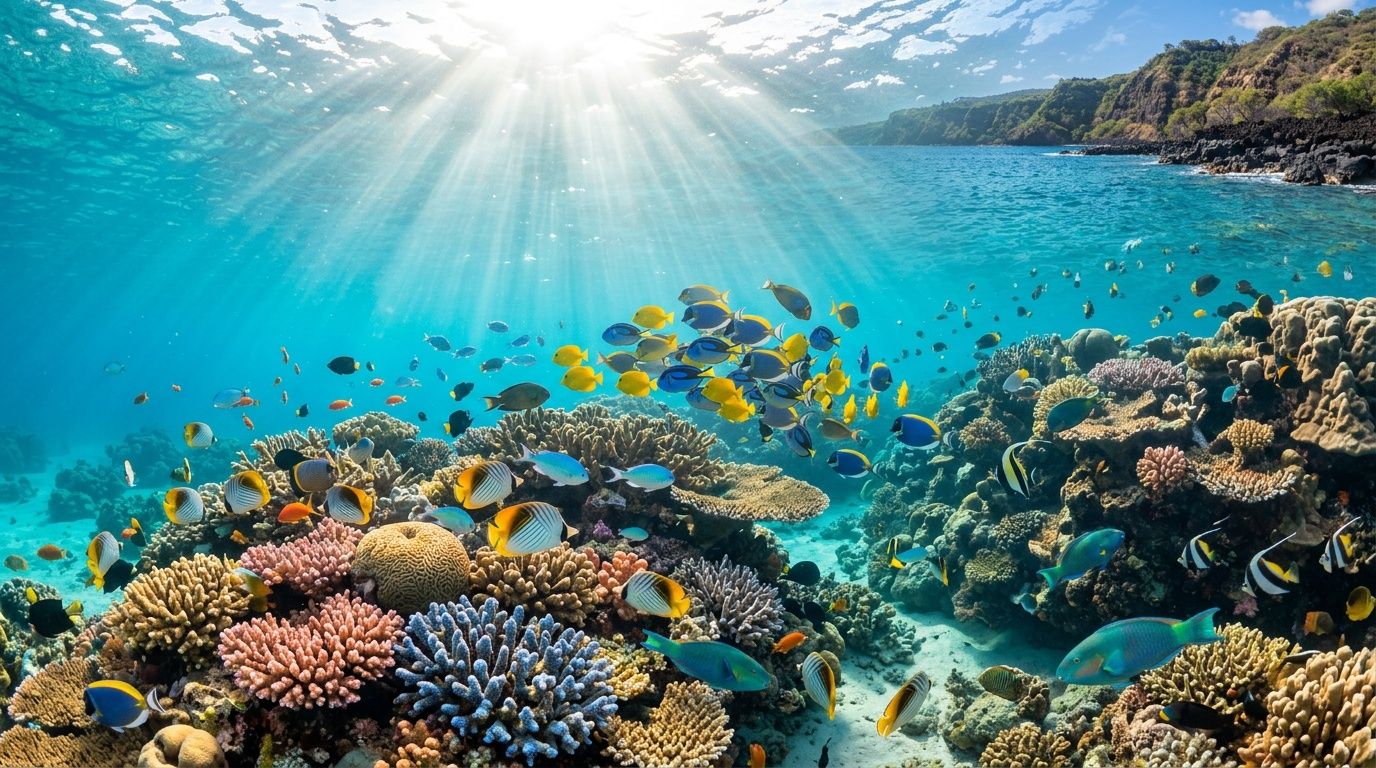
What makes this bay stand out is the combination of clear water, healthy reef structure, and terrain that changes as you move. Near the monument side, the cove starts shallow enough for easy surface viewing, then slopes into much deeper water. That gives you two very different snorkels in one outing. Close-in, you can study coral texture and fish behavior from the surface. Farther out, the reef edge feels bigger and more dramatic, with open blue water beside it.
Fish are the main show here.
Yellow tangs are often the first fish people recognize because the color is so bright. Butterflyfish work the coral more carefully and are easier to appreciate if you stop kicking for a minute. Parrotfish are common too, especially if you look along the reef rather than straight down at the sand. If you want to put names to what you are seeing, this guide to endemic marine animals on the Big Island gives useful background on species that are special to Hawaii.
The layout matters more than beginners expect. Kealakekua is not one flat aquarium. Small changes in depth and bottom structure change what you see and how the snorkel feels.
- Shallow coral sections give you the best close-up reef viewing from the surface.
- Mid-depth water often has the heaviest fish traffic.
- The outer edge of the reef feels more open and dramatic, and it is usually better for confident snorkelers who are comfortable over deeper water.
The best approach is simple. Slow down, float, and let your eyes adjust. People who charge across the bay miss half of it. People who pause near a coral head and watch for a few breaths usually see more fish, more color changes, and more behavior.
Turtles do show up here. Monk seal sightings happen, but they are uncommon. Treat both as lucky sightings, not a checklist item. Kealakekua is at its best when you let the bay set the pace.
Essential Safety and Bay Regulations
A lot of problems at Kealakekua start the same way. Someone sees glassy water from the boat or shoreline, assumes the bay will be easy, then gets surprised by current, sun exposure, fatigue, or a longer return than expected. This bay rewards calm, prepared snorkelers. It punishes casual decisions.
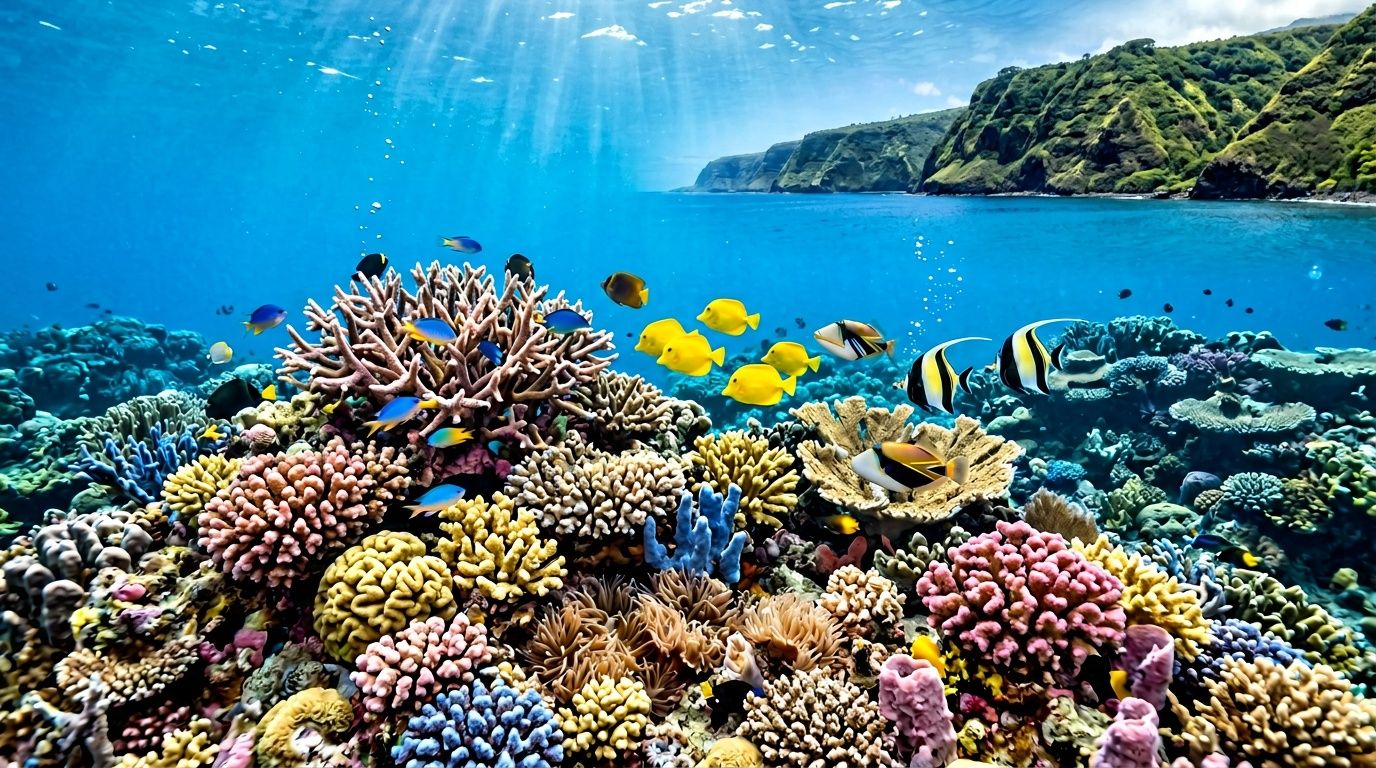
The reef stays healthy only if visitors treat it like a living habitat, not a playground. Good behavior here goes beyond not touching coral. Keep fins and knees off the reef, give turtles and other wildlife real space, do not feed fish, and do not collect shells or coral pieces. The type of sunscreen you use matters too, but a rash guard and shade do even more to cut your impact and reduce how much product washes into the water.
Bay rules that actually affect your day
Kealakekua Bay is a Marine Life Conservation District, and that has practical consequences for how you snorkel.
- Do not stand on coral or rocky reef structure. Many people do this while clearing a mask or resting. It damages the bottom fast.
- Do not chase or crowd wildlife. If a turtle changes direction because of you, you are too close.
- Do not take anything out of the bay. Leave shells, rocks, and coral where they are.
- Do not feed fish. It changes natural behavior and teaches bad habits.
- Keep your entry and exit under control. Wild finning and scraping around shallow areas causes a lot of avoidable damage.
Families with kids should pay extra attention here. Children often do well in Kealakekua if they have flotation, clear boundaries, and an adult focused on them instead of the scenery.
Safety basics that matter more here than people expect
Even on calm days, currents can be present, especially once you drift away from your starting point or spend too long in the water. The issue is rarely dramatic surf inside the bay. More often, it is slow energy loss. Heat on the way in, a hard swim, too little water, then a tired snorkeler who still has to get back to the kayak, the boat ladder, or the trail.
A few habits prevent most bad afternoons:
- Pause before swimming off. Let your breathing settle and make sure your mask and snorkel feel right.
- Stay inside your real comfort zone. Strong swimmers can range wider. New snorkelers should keep the exit close.
- Check on the weakest person in your group first. That includes kids, nervous adults, and anyone who says they are "fine" but looks tense.
- Use flotation without ego. A vest, noodle, or belt often turns a stressful swim into a good one.
- End early if the group energy drops. The bay is still beautiful after 30 focused minutes. There is no benefit in squeezing out one more drift.
The right access method changes the safety picture too. Boat guests usually get the easiest water entry, but ladders and motion can be tough for older travelers or anyone prone to seasickness. Kayakers need enough energy for the paddle back, not just the snorkel. Hikers who descend to the monument side need to save plenty for the climb out in heat. That trade-off matters more than people expect.
Boat rides and seasickness
If you know boats can make you sick, deal with it before you leave the harbor. Waiting until you feel bad usually ruins the snorkel. This guide on how to prevent seasickness before a Kona snorkel tour covers the basics well.
Common options people use include:
- Ship-EEZ Seasickness Patch: Ship-EEZ Seasickness Patch
- Dramamine: Dramamine pills
- Bonine: Bonine pills
- Wristbands: Sea Band wristbands
- Non-medication backup: Ginger chews
Respectful habits after you get out
Good reef etiquette continues after the snorkel. Pack out every scrap of trash. Keep voices down near access points and cultural sites. Do not treat the bay like a set for social media stunts, especially around the monument and shoreline.
The visitors who do best here are usually the ones who slow down, listen to crew or local advice, and match the day to their actual ability instead of the version they pictured in advance.
Planning Your Perfect Kealakekua Bay Snorkel Trip
Morning is usually the smart play. Conditions are often more comfortable earlier in the day, and your group will usually have more energy, patience, and attention before the sun and logistics wear everyone down. If you’re self-managing the outing, check the forecast, check the water, and make a backup plan.
A useful habit is reviewing how to check ocean conditions for the Big Island before you commit to any ocean activity. It won’t make the decision for you, but it helps you avoid obvious bad calls.
What to pack
Keep the gear list simple and practical.
- Sun protection: Hat, cover-up or rash guard, and reef-safe sunscreen
- Hydration: More water than you think you’ll want
- Snorkel basics: Mask, snorkel, fins, and any personal comfort gear if you aren’t joining a tour that provides it
- Dry items: Towel, dry shirt, and a bag that keeps essentials organized
- Medication: Any personal meds, plus motion-sickness prevention if you’re boating
- Easy food: Snacks that won’t melt or make a mess
Half-day versus full-day mindset
Most visitors don’t need to turn this into an all-day endurance test. A focused half-day with a quality entry method often beats a longer DIY day that burns too much energy on logistics.
If your priority is the snorkeling itself, choose the format that lets you enter the water fresh. If your priority is adventure for its own sake, the hike or paddle may be part of the appeal. Those are different goals, and it helps to be honest about which one you have.
Recommended local tour operators
For travelers who want the least complicated route to the bay, these two options are the most direct fit for this trip:
- Kona Snorkel Trips: Kealakekua Bay Captain Cook Monument tour
- Captain Cook Snorkeling Tours: Captain Cook Snorkeling Tours
If you’re comparing operators more broadly, Kona Honu Divers also runs Captain Cook snorkeling tours for visitors who want guided boat access to the bay.
A good tour matters here because this bay rewards calm, supported entries. The more your operator handles gear, briefing, timing, and safe water access, the more attention you get to spend on the reef instead of on problem-solving.
Frequently Asked Questions About Snorkeling Captain Cook
Are there restrooms or facilities right at the bay
Don’t count on developed shoreline facilities in the popular snorkeling area near the monument side. If your group wants easier access to basic comforts, boat tours are usually the more manageable setup.
Is Kealakekua Bay suitable for young children
Yes, if the day is planned around their needs instead of around adult ambition. Boat access is usually the most practical option because it reduces heat, distance, and gear-hauling. Kids who are comfortable in masks and use flotation often do much better than parents expect.
Can I bring my own snorkel gear on a tour
Usually yes, but check with the operator before the trip. If your mask fits your face well and you trust it, bringing it can make the day more comfortable. Many visitors still use the gear provided because it simplifies packing.
Is the bay good for beginners
Yes, but beginner-friendly water does not mean beginner-friendly logistics. That’s the distinction that matters. New snorkelers often enjoy the bay most when they arrive by boat and get a proper briefing before entering the water.
Do I need to be a strong swimmer
Not always, but you do need to be honest about your comfort level. A cautious swimmer with flotation, support, and calm behavior usually has a better experience than an overconfident swimmer who charges out too far.
What’s the biggest mistake people make
They choose the hardest access method for the wrong reasons. A difficult hike or paddle doesn’t automatically make the day better. The quality of the snorkeling is typically what's remembered, not how much they suffered to reach it.
If Kealakekua Bay got you excited about seeing more of Kona’s underwater world, take a look at Kona Honu Divers. They offer guided ocean experiences on the Big Island and are a solid next step if you want to keep exploring Hawaii’s reefs with a professional crew.