
You're probably in the same spot many visitors are. You've heard Kealakekua Bay snorkeling is the one Big Island experience people talk about long after the trip ends, but you're also trying to sort out the practical questions. Is it really that good? Is it beginner-friendly? Should you kayak, hike, or just book a boat?
The short answer is yes, it's worth the effort. But the way you access the bay changes the whole day.
I've guided enough ocean days on this coast to know that Kealakekua Bay rewards people who arrive with energy left for the water. When you do it right, the bay feels layered. You notice the cliffs first, then the calm surface, then the reef opening below you once your mask goes in. It's beautiful in the obvious way, but it also feels protected, historic, and alive.
Why Kealakekua Bay is Hawaii's Premier Snorkel Spot
Kealakekua Bay has a rare kind of first impression. You come around the coastline and the water shifts into that clear blue-green color that almost doesn't look real. The cliffs rise sharply behind the shoreline, the monument stands out in white, and the bay feels more sheltered than most places along the Kona coast.
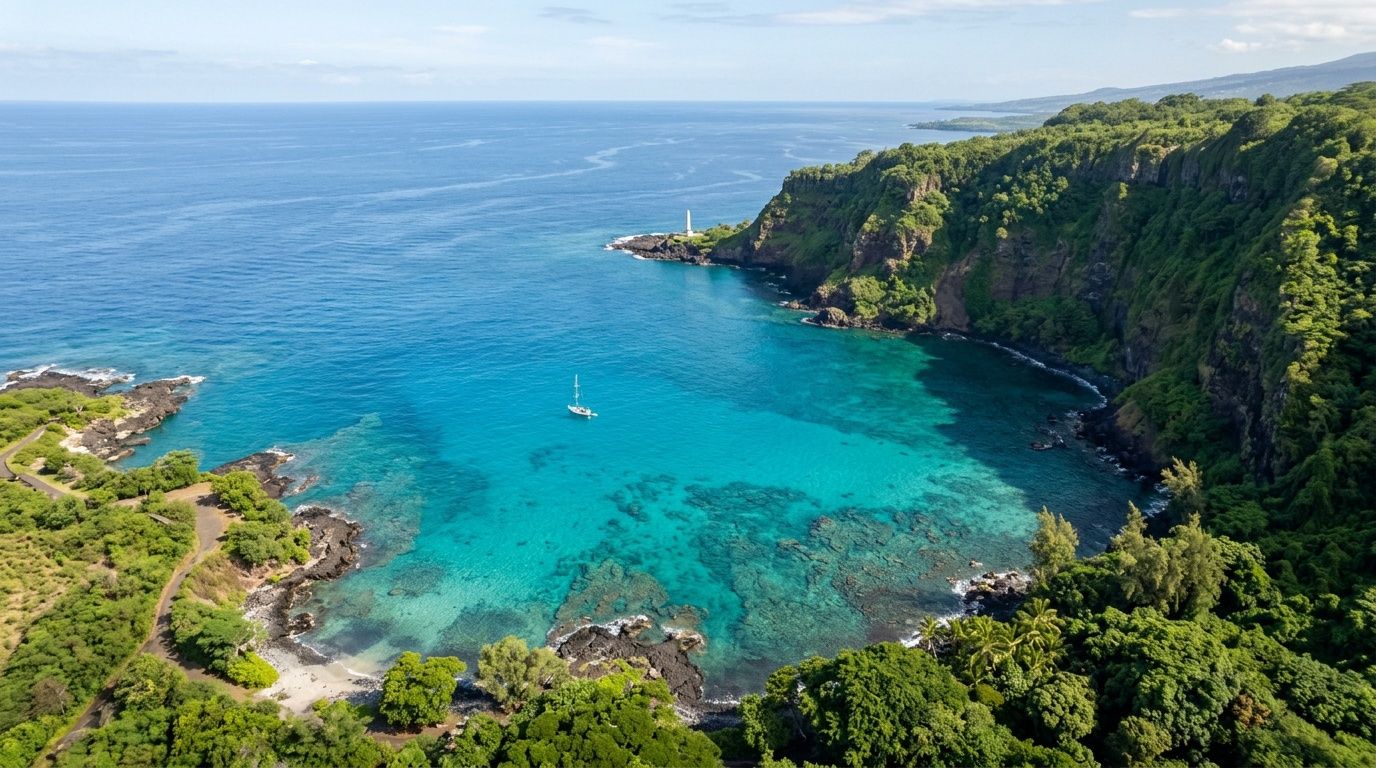
That visual impact is only part of the story. Kealakekua Bay is also a Marine Life Conservation District, and that protected status is a big reason the underwater world still feels so full. It's also a place with deep Hawaiian cultural importance and the historic location associated with Captain Cook and the shoreline monument that many visitors recognize before they ever enter the water.
Why so many people choose this bay
People don't come here for just one reason. According to Kealakekua Bay visitor data, the bay attracts between 100,000 and 190,000 visitors annually, and 85% of them rate it their favorite snorkeling spot. The same source notes that about 70% are drawn by the historical significance of the Captain Cook Monument, while 30% come specifically for the snorkeling.
That split tells you something useful. This isn't just a reef stop. It's a place where history, scenery, and marine life all overlap in one bay.
If you're also curious about how this part of Kona compares to other underwater highlights, this guide to the best dive in Kona gives helpful broader context.
Practical rule: Kealakekua Bay feels special because it asks for a little respect. People who slow down and treat it like a protected place usually enjoy it more.
What makes it memorable in the water
The bay has an unusual calmness when conditions line up. Even before you see fish, you notice how easy it is to orient yourself. Clear water lowers stress for beginners, and experienced snorkelers appreciate how much reef structure they can see from the surface.
A lot of Hawaii snorkel spots are beautiful for a few minutes. Kealakekua Bay snorkeling tends to stay interesting the whole time because the setting above water is as striking as the reef below it. You can float, look down at the coral and fish, then roll slightly and see volcanic cliffs and the monument in the same breath.
That combination is why so many people leave saying this was the snorkel they'll remember.
The Three Ways to Access the Bay A Detailed Comparison
You are standing above Kealakekua Bay just after sunrise, mask in hand, trying to make one decision. How do you reach the water in a way that leaves you excited to snorkel instead of already tired?
That choice shapes the whole morning.
Local crews who visit the bay often, including Kona Honu Divers through their educational resources, usually frame access in three practical categories: boat, kayak, or trail. All three can get you to the bay. They do not give you the same amount of energy, reef time, or margin for error once you arrive near the Captain Cook Monument.
A simple way to compare them is to treat your energy like a tank. You can spend it getting to the reef, or save it for the part you came for.
Boat tours
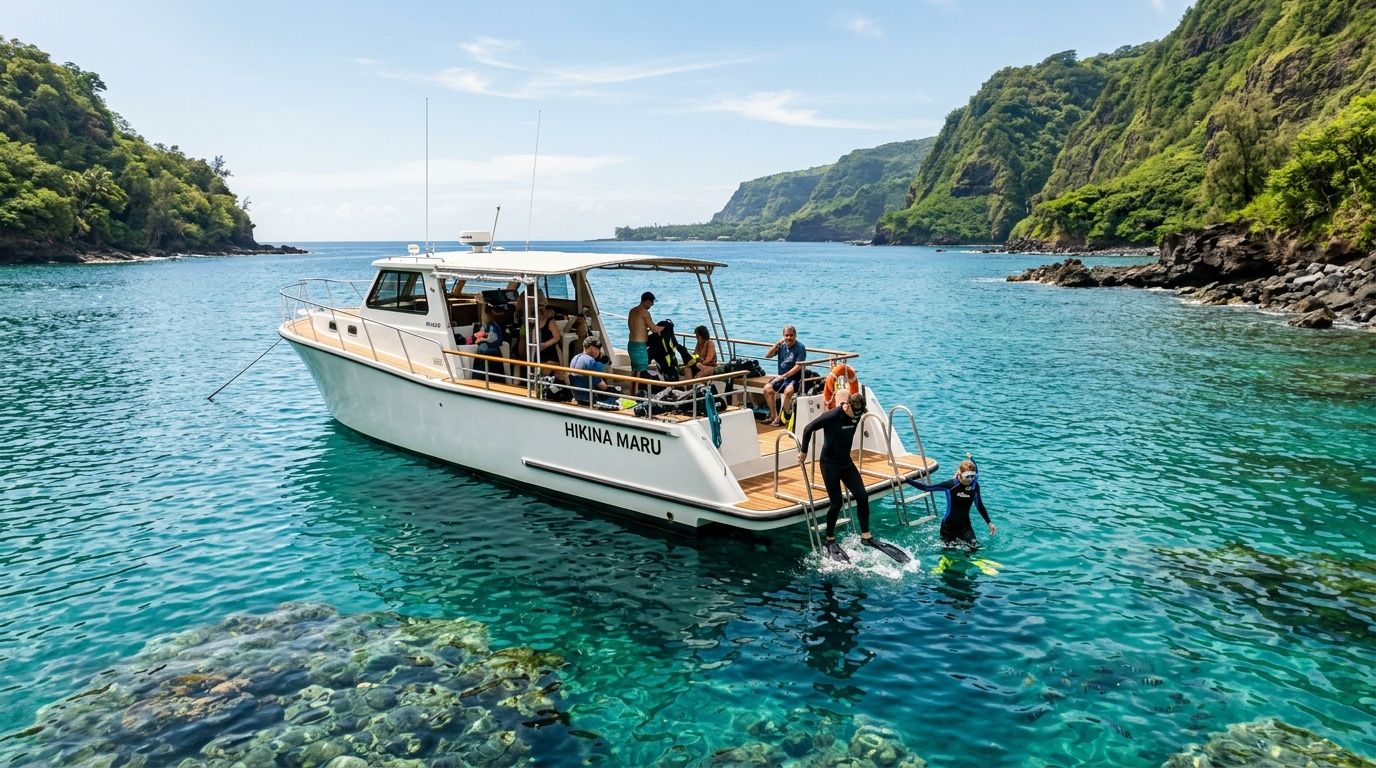
Boat access gives you the cleanest start. You ride in, gear up with help from the crew, and enter the water close to the main snorkeling area instead of treating the approach as the first workout of the day.
For beginners, that matters immediately. Calm breathing leads to calmer snorkeling, and calm snorkeling usually means better fish spotting, better buoyancy, and less accidental contact with coral. Experienced snorkelers appreciate the same thing for a different reason. They get more of their best energy during the prime part of the outing, when visibility and light often make the reef look almost three-dimensional.
Boat trips also remove several friction points at once: no hauling gear down a steep trail, no managing a return paddle after your swim, and no guessing whether your group still has enough energy for a safe exit. If you want a practical comparison of operator styles, trip lengths, and group fit, this roundup of the top Kealakekua Bay snorkeling tours is a useful next step.
Kayaking
Kayaking appeals to visitors who enjoy earning the experience a bit more. The paddle itself can be beautiful, and strong paddlers often like seeing the coastline from water level before they ever put on a mask.
The catch is simple. Snorkeling begins after the approach, not before it.
That sounds obvious, but many visitors underestimate what that means in real life. A paddle out and back requires planning, ocean awareness, and enough reserve strength to snorkel well and return safely. If conditions are choppy, hot, or windy, the kayak portion can become the dominant part of the day. For capable paddlers, that is part of the appeal. For casual vacation snorkelers, it often shifts attention away from the reef and toward logistics.
Kayaking works best for people who already know they enjoy self-supported ocean outings and are comfortable making conservative decisions when conditions change.
Shore access by trail
The trail option is the most physically demanding and the least forgiving. It is not just a walk to the water. It is a steep, uneven approach with snorkel gear, followed by a water entry, followed by the same climb out when you are saltier, warmer, and more tired.
That last part is what surprises people.
On paper, hiking in can sound like the adventurous local choice. In practice, it asks for good footing, heat management, and enough discipline to avoid turning the bay into an endurance test. For fit visitors who are prepared and know what they are signing up for, the trail can be done. For families, first-time snorkelers, and anyone who wants their best energy in the water, it is usually the hardest way to enjoy a place that is supposed to feel fluid and relaxed.
Kealakekua Bay Access Methods Compared
| Method | Effort Level | Approx. Time | Best For | Key Consideration |
|---|---|---|---|---|
| Boat tour | Low | More of the outing spent snorkeling | Families, beginners, mixed-ability groups, visitors who want an easier day | Arrive fresher and enter near the main reef area |
| Kayak | Moderate to high | Significant time and energy spent before and after snorkeling | Strong paddlers who enjoy self-supported outings | Conditions and return effort can change the whole experience |
| Shore trail | High | Varies with pace, heat, and gear load | Fit, prepared visitors comfortable with a strenuous outing | Steep access and a harder exit after snorkeling |
The honest recommendation
For most visitors, boat access gives the best version of Kealakekua Bay snorkeling. It is the method local guides recommend most often because it protects the part of the day that matters most: your time in the water, with enough energy left to notice the reef, the fish movement, and the quiet beauty that makes this bay different.
Kayaking and hiking can still be rewarding. They work better for a narrower group of people.
If your goal is to see the bay at its most welcoming, enter fresh.
Booking Your Adventure The Best Kealakekua Bay Tours
Once people understand the access options, the next question gets simpler. If you want an easier day with more time in the water, book a guided boat trip.
That gives you structure right where it matters. A good crew helps with gear, watches conditions, manages entry and exit, and gives people enough context to appreciate what they're seeing. At a site like Kealakekua Bay, that support isn't just convenient. It usually leads to a calmer, safer, more enjoyable snorkel.
Two tour options worth looking at
If you're comparing operators, these two pages are the most direct place to start:
You can also read this more detailed Captain Cook snorkel tour guide if you want help deciding what kind of trip fits your group.
One local operator people often compare is Kona Honu Divers, which offers access to Kona ocean tours through its site and related resources. For this specific bay, many visitors choose operators focused on Captain Cook and Kealakekua routes because the logistics are straightforward and the itinerary is built around the monument-side reef.
What guided tours do better
A strong guided snorkel trip usually gives you:
- Gear support: Mask, snorkel, fins, and flotation are handled for you.
- Water confidence: Beginners get a briefing before entering.
- Local interpretation: Crews often explain both reef etiquette and the bay's history.
- Better pacing: You spend your effort snorkeling, not reaching the snorkel spot.
What You Will See Underwater Life and Reef Health in 2026
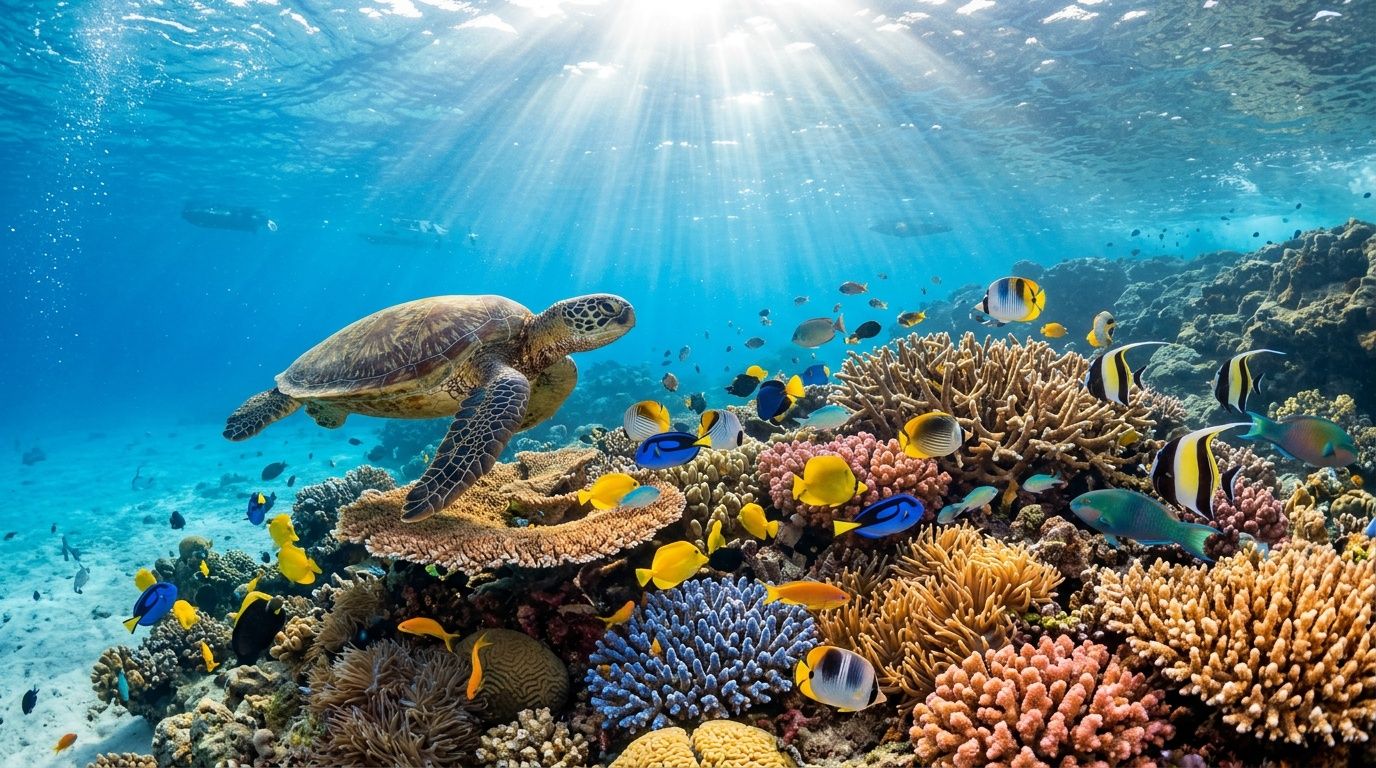
The first thing many people notice underwater isn't a single fish. It's the visibility. You put your face in and the reef is already there, laid out below you in a way that makes the bay feel open and easy to read.
Then the details start to show up. Schools of reef fish moving over coral heads. Lava structure creating ledges and pockets. Occasional turtles gliding through with no drama at all. Kealakekua Bay snorkeling has that rare quality where beginners can enjoy the obvious beauty, while experienced snorkelers can spend a long time noticing smaller patterns.
Common marine life people look for
You might see:
- Tropical reef fish: The bay is known for dense fish life and active reef scenes.
- Honu: Green sea turtles are one of the most memorable sightings for many visitors.
- Dolphins: Some trips spot them in or near the bay.
- Coral and lava formations: The reef structure itself is part of the attraction.
If endemic Hawaiian marine life interests you, this guide to Big Island diving and endemic marine animals adds useful species context.
What reef health looks like now
A lot of visitors are asking the right question now. Is the reef still worth seeing after recent bleaching?
The current answer is yes, with honesty. According to this 2026 reef health update for Kealakekua Bay, a 2025 bleaching event affected the region, but Kealakekua Bay's protected MLCD status buffered damage to less than 15% coral cover loss, compared with 40% at unprotected sites. The same source reports that visibility remains 100+ feet, with high densities of over 250 fish species, and notes that operators have integrated new 2026 eco-protocols.
That's important context. The bay isn't frozen in time, and no responsible guide should pretend reefs are untouched by modern stress. But this is still a vibrant marine area, and its protected status appears to have helped it hold up better than less protected sites.
The best way to read reef health as a visitor is simple. Look for active fish life, avoid touching any coral, and let guides point out what's recovering and what's resilient.
How to snorkel responsibly in present conditions
If you want your visit to help rather than harm, keep it basic and consistent:
- Stay horizontal: Good body position keeps fins off coral.
- Don't touch pale or recovering coral: Even light contact matters.
- Give wildlife space: A better encounter is almost always a quieter one.
- Use reef-safe habits: Sunscreen choice and controlled movement both matter.
For eco-conscious travelers, this is still one of the strongest snorkel experiences on the island. The difference now is that visitors should arrive with a stewardship mindset, not just a sightseeing mindset.
Planning Your Perfect Day Best Times Gear and Safety
A good Kealakekua day usually starts early. Morning conditions are often calmer, the light is cleaner, and people feel more relaxed in the water before afternoon wind and surface texture build.
Water comfort is another reason this bay works for a wide range of visitors. According to Kona Snorkel Trips' Kealakekua Bay water conditions guide, the bay stays at a consistent 79°F (26°C) year-round, with visibility often exceeding 100 feet, especially in the mornings. That consistency makes the site attractive to the 100,000+ annual visitors noted in the same source.
What to bring
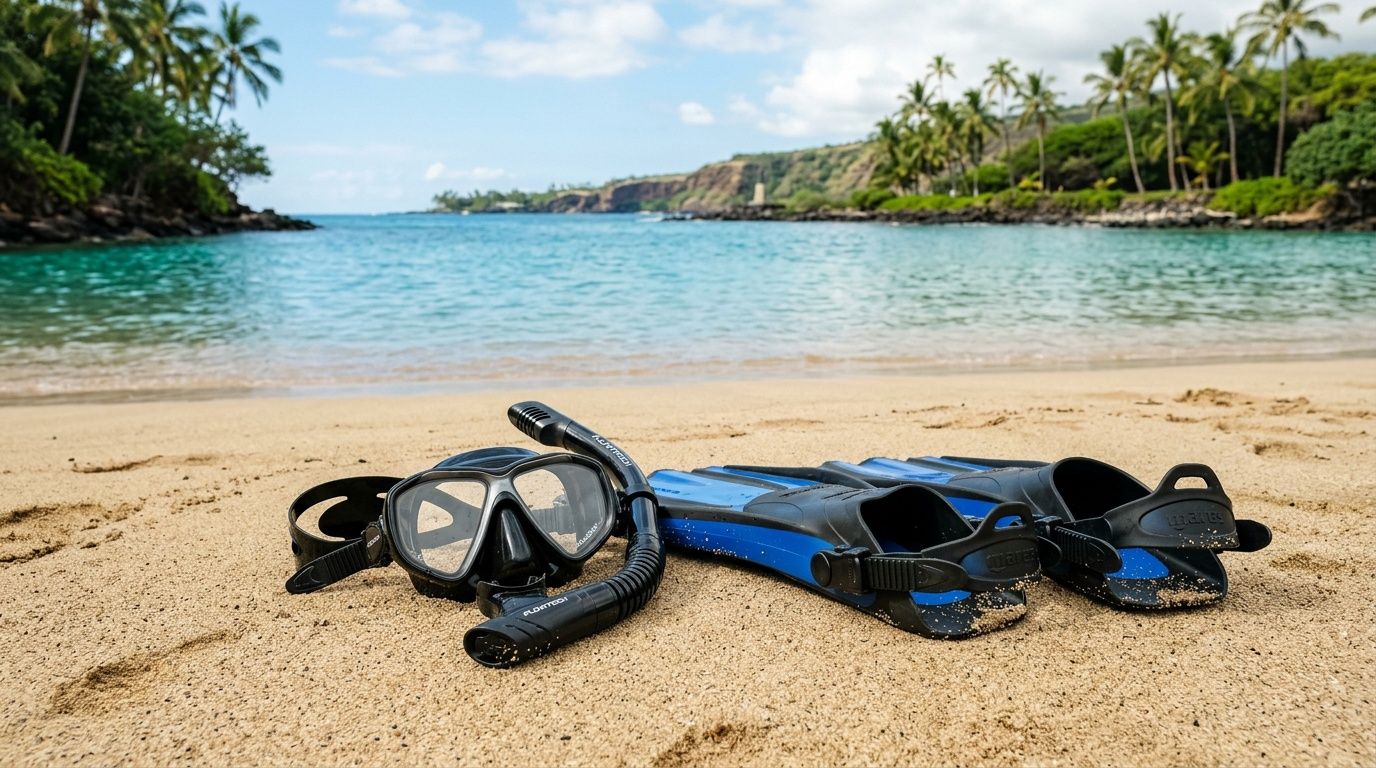
You don't need a giant packing list. You do need the right few things.
- Swimwear that stays put: Choose something you can float and kick in comfortably.
- Sun protection: A rash guard, hat for the boat, and reef-safe sunscreen all help.
- Towel and dry clothes: The ride back feels much better if you can dry off.
- Water and any personal medication: Especially important if you're sensitive to motion.
- Defog and a secure strap setup: A well-fitted mask makes a huge difference.
If you want a broader overview of ocean gear and fit, this article on the gear you will need for your Kona diving adventure is a helpful reference.
Safety habits that matter
The most common beginner mistake is starting too hard. People kick fast, breathe fast, then think they're bad at snorkeling. Usually they just need to pause, float, and settle.
Use this order instead:
- Get your mask comfortable before you enter fully.
- Float for a moment and breathe through the snorkel without moving much.
- Start with small kicks, not bicycle kicks.
- Stay aware of your position relative to the group and shoreline.
If you get seasick
Some visitors are fine in the water but uneasy on the boat ride. If you know you're prone to seasickness, prepare before the tour instead of hoping for the best.
Options people often use include Ship-EEZ Seasickness Patch, Dramamine pills, Bonine pills, Sea Band wristbands, and Ginger chews.
A simple local trick is to eat lightly, hydrate early, and keep your eyes on the horizon during the boat ride if your stomach starts to turn.
Reef safety and etiquette
Kealakekua Bay is easiest to enjoy when you treat the reef as something you're visiting, not using.
- Don't stand on coral: Even brief contact can damage living structure.
- Don't chase wildlife: Turtles and dolphins should never be crowded.
- Listen to the briefing: Conditions change, and local crews know where visitors drift without noticing.
- Use flotation if you're tired or nervous: That's smart, not timid.
People often think safety advice takes away from the magic. It does the opposite. When your body is calm and your movement is controlled, the bay opens up.
Tips for Families and First-Time Snorkelers
First-time snorkelers usually have the same quiet fear. They aren't worried about the fish. They're worried about the moment they put their face in the water and have to trust their breathing.
That's normal. Kids feel it. Plenty of adults feel it too.
Start shallow and simple
The easiest way to build confidence is to lower the number of things happening at once. Get the mask fitted well. Practice breathing through the snorkel while holding onto the side of the boat or using a flotation aid. Then add slow kicking.
For children, I tell parents to focus on comfort first and sightseeing second. If the first five minutes feel easy, the rest of the snorkel often goes well.
A good first experience looks calm
Here's a common pattern. One person in the family gets in and says the mask feels strange. Another starts kicking too hard. A child wants to keep their head up every few seconds. None of that means the day is going badly.
It usually means they need one reset:
- Use flotation right away: It helps children and nervous adults relax faster.
- Keep faces in for short intervals: Look down, lift up, smile, repeat.
- Clear the mask issue early: A small leak feels huge to a beginner.
- Celebrate the first fish sighting: Once people notice something interesting, they stop focusing on themselves.
Tiny fixes make a big difference
If a mask fogs, rinse and defog it before trying again. If breathing feels awkward, have the person float still without kicking. If someone is nervous in deeper water, keep them near the group and let them observe before fully engaging.
Many first-time snorkelers don't need courage. They need a slower start.
Parents often assume the strongest swimmer in the family will enjoy it most. Not always. The people who have the best time are usually the ones who settle in, breathe slowly, and let the bay come to them.
Your Unforgettable Kealakekua Adventure Awaits
Kealakekua Bay stays with people for good reason. It isn't just clear water or colorful fish, though you'll find plenty of both. It's the combination of protected reef, dramatic coastline, cultural significance, and that unmistakable feeling of entering a place that still holds its character.
If you want the smoothest version of the experience, boat access makes the most sense for most travelers. It removes the hard part of the approach and leaves your energy where it belongs, in the water. That matters whether you're bringing children, traveling with mixed abilities, or focused on making the most of one Kona morning.
The bay also deserves care. Recent reef stress has made that even clearer. Visitors who float carefully, listen to guides, and treat the marine life and coral with respect help preserve what makes this place so unusual.
Kealakekua bay snorkeling can be simple. Book a responsible trip, come prepared, start slow, and give the bay your attention. If you do that, you're not just checking off a famous stop on the Big Island. You're stepping into one of Hawaii's most memorable marine places in the right way.
Kealakekua Bay Snorkeling FAQ
Do I need a permit to snorkel at Kealakekua Bay
Usually, no permit is needed if you join a licensed boat tour. The operator handles access and landing rules as part of the trip, which removes one of the easiest places for visitors to get confused.
Independent access is where details matter. The bay sits inside a protected area, and rules can differ depending on whether you arrive by boat, kayak, or by hiking in and entering from shore near the monument area. Local crews such as Kona Honu Divers keep up with those rule changes because they affect daily operations, so if you are planning a self-guided visit, confirm the current requirements before you go rather than relying on an older blog post or forum comment.
Is Kealakekua Bay good for beginners
Yes, if you match your trip to the conditions and to your comfort level. Beginners usually do best on calm morning departures, because the bay often starts the day with flatter water, better visibility, and less wind chop. That makes the surface feel more like floating over an aquarium window and less like trying to look down through moving glass.
There is one catch that new snorkelers often miss. Getting to great snorkeling and being ready to enjoy it are two different things. A first-timer who arrives tired from the hike or rushed from a difficult launch will burn energy fast, even in easy water. Guided boat trips tend to work well for beginners for that reason, especially if the crew offers mask fitting help, flotation, and a clear entry point away from the rocks.
Are there sharks
Sharks live in Hawaiian waters, so no honest guide will promise they are never present. In Kealakekua Bay, though, snorkelers are far more likely to spend their time watching yellow tangs, butterflyfish, parrotfish, and the occasional turtle than thinking about large predators.
For local context, guides who are in the bay regularly pay close attention to fish behavior, water clarity, and current direction. If anything unusual is going on, experienced crews adjust where guests enter or where they spend their snorkel time. That day-to-day local judgment is one of the practical differences between reading about the bay and visiting it with people who know it well.
Can I touch turtles, dolphins, or coral
No. Give all wildlife space, and keep your hands, fins, and knees off the coral.
Coral may look like rock, but it is living animal tissue covered by a thin protective layer. One careless stand-up or fin kick can scrape that layer and leave damage that lasts far longer than your visit. Sea turtles and spinner dolphins are protected wildlife, and approaching them too closely changes their behavior even if your intentions are good. The best snorkeling habit is neutral floating: relax, keep your body horizontal, and let the reef come to you.
Can I go up to the Captain Cook Monument
Yes, you can approach the monument area, but treat it as a historic and culturally important site, not as a place to climb around casually or stage a loud photo stop. The shoreline there is narrow, the footing can be uneven, and boat traffic nearby means it pays to stay aware of where you are in the water.
Local guides usually know the difference between viewing the monument respectfully and crowding the area. If you are on a tour, follow the crew's instructions about where to enter, where to exit, and how close to linger. That approach protects both the site and the experience for everyone else in the bay.
If you want more help planning your Big Island ocean time beyond this bay, Kona Honu Divers has useful local resources on snorkeling, diving, marine life, and Kona water conditions.