
You're probably comparing a few Kona snorkel spots right now and trying to answer the question that matters most. Which one is worth the effort?
Kealakekua bay snorkeling is the trip people remember because the water can be startlingly clear, the reef is protected, and the setting feels different the moment you arrive. It also comes with practical complications that many guides gloss over. There isn't a simple beach park at the prime snorkel area. The hike is much harder than casual descriptions suggest. Wildlife is excellent, but no one should promise a perfect checklist of dolphins, turtles, and reef fish on demand.
This is the honest version. If you want the best shot at a smooth day in the bay, you need to pick the right access method, go with realistic expectations, and treat the sanctuary like a living place rather than an attraction.
Welcome to Hawaii's Premier Underwater Sanctuary
A calm morning in Kealakekua Bay usually starts the same way. You look into the water from the boat or shoreline and realize you can see far deeper than you expected. Then you put your face in, drift a few yards, and the whole cove opens up. Yellow fish move across the reef, the monument sits bright against the shoreline, and the bay feels more like a protected preserve than a typical snorkel stop.
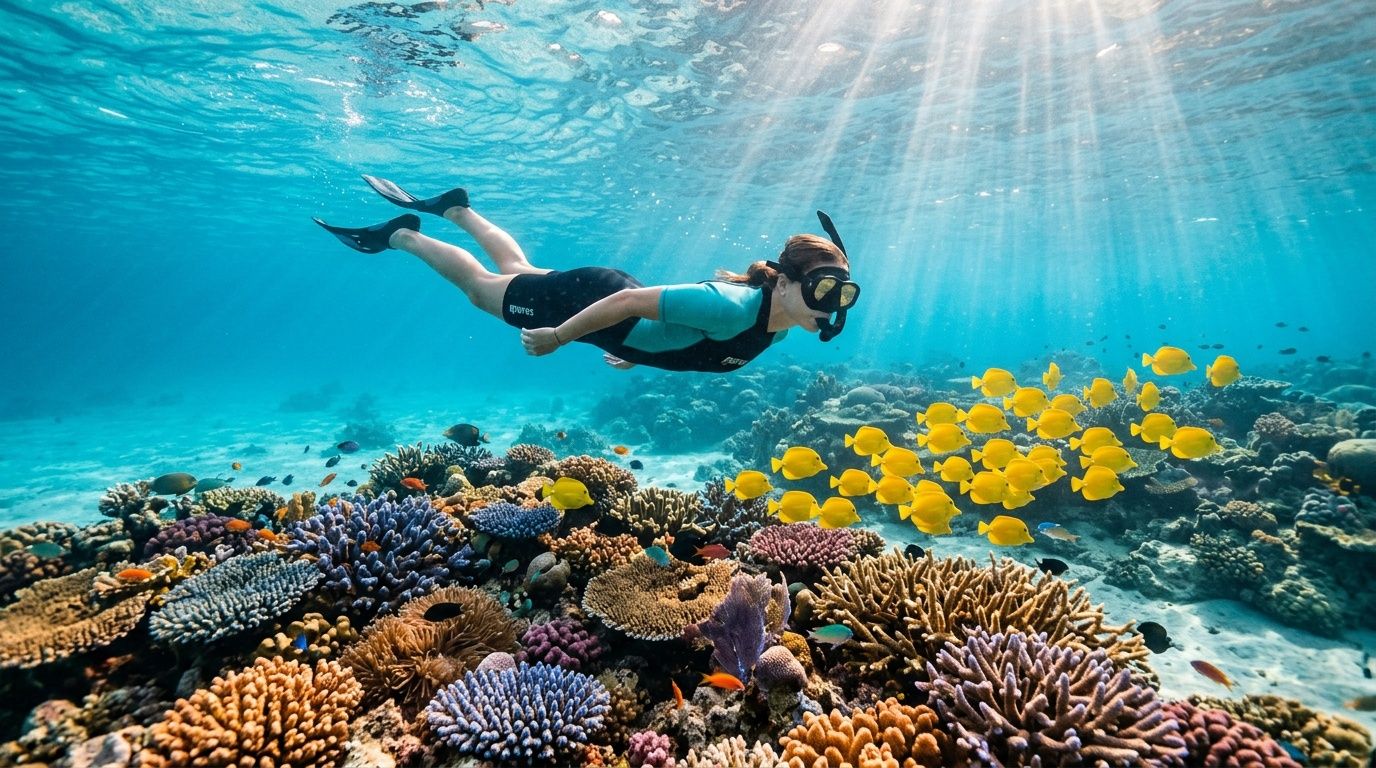
That reaction is common for a reason. Kealakekua Bay attracts between 100,000 to 190,000 visitors annually, and about 85% of visitors rate it as their favorite snorkeling spot, according to this Kealakekua Bay visitor overview. Places with that much traffic usually lose some charm. This one hasn't, largely because the bay's protected status still shapes the experience in the water.
Why people keep choosing this bay
Some visitors come for the history around the Captain Cook Monument. Others care only about the snorkeling. In practice, the two are tied together. The monument gives the shoreline a clear focal point, but what keeps people talking after the trip is the combination of calm water, dense reef life, and the feeling that the bay is still intact.
A lot of travelers looking through Big Island snorkeling highlights end up narrowing their shortlist to this bay because it offers more than easy scenery. It has substance. The water often feels orderly instead of chaotic, and that matters if you want a snorkel that's enjoyable rather than tiring.
Kealakekua rewards people who slow down. Fast kicks and rushed sightseeing usually mean you miss the best parts.
What makes the first impression so strong
The bay's reputation isn't hype built on one lucky day. It's built on repeatable conditions that often let average snorkelers feel comfortable and confident. That's a big difference from spots that look good in photos but become work once you're in the water.
Three things usually stand out first:
- Clarity: Visitors regularly talk about the visibility because it changes how easy it is to relax and orient yourself.
- Setting: The steep shoreline and monument create a stronger sense of place than a generic beach entry.
- Protected reef: Fish behave differently in areas that haven't been treated like open-access playgrounds.
Kealakekua Bay isn't just popular. It's popular for reasons that hold up once you're in the water.
Why Kealakekua Bay Snorkeling is World-Class
The short answer is protection, topography, and shelter. Most famous snorkel sites have one or two of those. Kealakekua has all three.
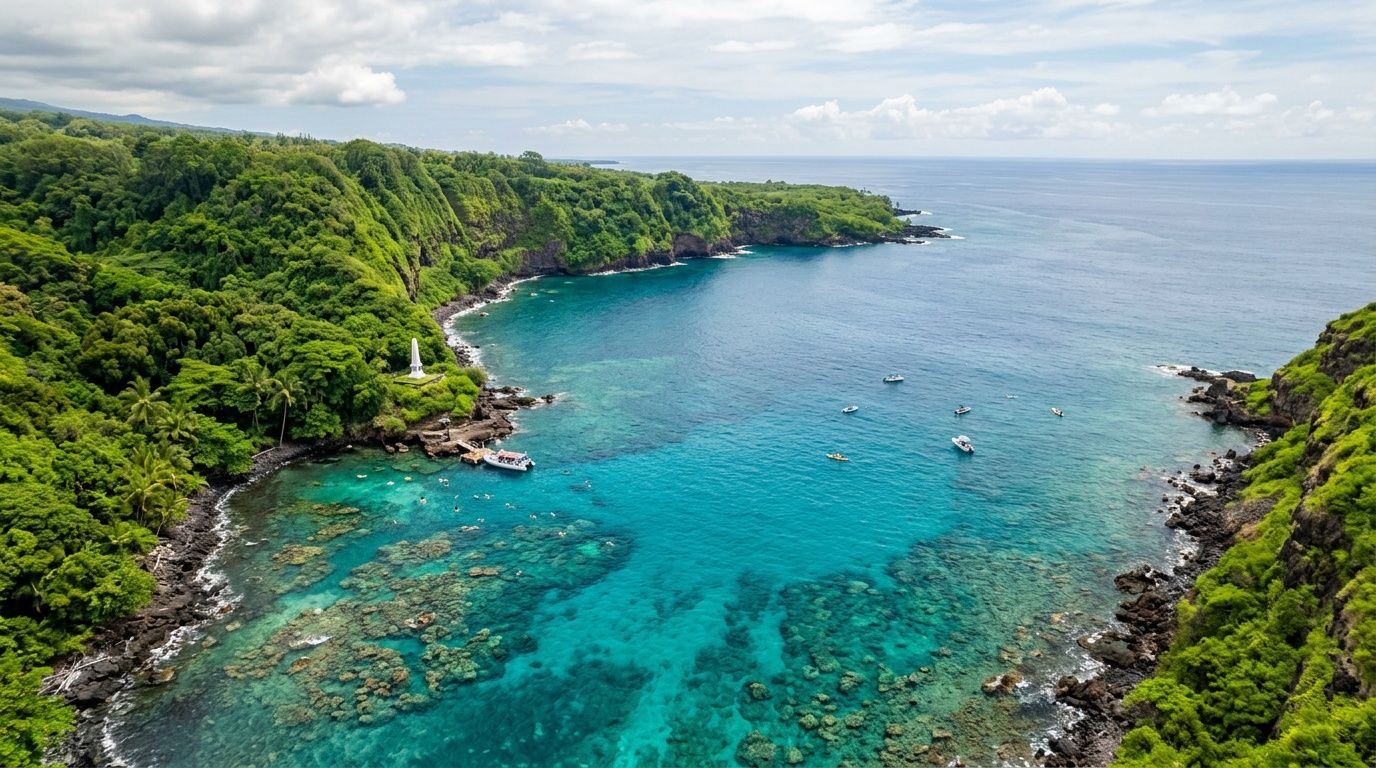
The bay's underwater shape does a lot of the work. It has an average depth of 25 feet, and near the Captain Cook Monument the depth ranges from 5 to 120 feet, which creates distinct snorkeling zones from shallow reef flats to sharper drop-offs, as described in this depth guide to Kealakekua Bay.
The reef gives beginners and strong swimmers different options
That depth profile matters more than most visitors realize. A shallow, flat area can be easy but boring. A dramatic drop-off can be exciting but intimidating. Kealakekua compresses both into the same bay.
For a practical snorkeler, that means:
- Newer snorkelers can stay over shallower sections and still see active reef.
- Confident swimmers can drift near deeper structure and get a more layered view of the bay.
- Mixed groups don't need entirely separate sites to have a good time.
This is one reason the bay works so well for families and groups with different comfort levels. It offers variety without requiring long swims across featureless water.
Protected status changes what you see
Kealakekua is widely known as a Marine Life Conservation District, and that term matters. For snorkelers, it means the reef has had stronger protection than more exposed and more heavily used entry points elsewhere. The result is visible even if you've never read a rule book.
You notice it in fish density. You notice it in how quickly the reef starts producing sightings once you put your face in the water. You notice it in the overall condition of the habitat.
If you also dive, that same structure is part of why Kona's standout underwater sites get so much attention from people who want more than a quick float over sand.
Practical rule: If a bay gives you shallow reef, deeper blue water, and calm surface conditions in one compact area, it will outperform prettier-looking but more exposed spots for most snorkelers.
Shelter is part of the experience
The bay's geography helps limit rough surface conditions compared with open coastline entries. That doesn't mean every day is identical, and no honest guide should promise that. It does mean Kealakekua often feels more controlled than places where swell and surge dominate the whole snorkel.
That's the difference between a site people admire from shore and a site people remember from inside the water. Kealakekua bay snorkeling works because the bay isn't relying on one feature. It stacks several favorable conditions together, and each one reinforces the others.
How to Access the Snorkeling Sanctuary Your Three Options
Planning gets real at this stage. The prime snorkeling water near the monument is not the kind of place where you drive up, park beside the reef, and stroll in with a mask.
The three practical options are boat tour, kayak, or hiking down the trail. They are not equal in effort, and they do not suit the same traveler.
Boat access
For boat access is the cleanest solution, it ensures you save your energy for snorkeling, enter the water fresh, and avoid carrying gear down to the shoreline and back up again later. That matters more than people think.
Boat access also removes a lot of the friction that turns a good snorkel day into a draining one. Crews handle approach, timing, and water entry. You spend more attention on the reef and less on logistics.
If you're deciding whether a guided water day fits your trip better than a do-it-yourself outing, this look at Kona boat tour options helps frame the difference.
Kayak access
Kayaking appeals to independent travelers, and I understand why. The paddle can be beautiful, and some people enjoy earning the snorkel rather than being dropped at it.
But kayak days are less forgiving than they sound in casual travel writeups. You need to manage your own timing, gear, energy, sun exposure, and return paddle. If someone in your group is slower, less fit, or uneasy on open water, the whole outing changes. It can still be a great option for strong paddlers who want a self-powered day. It just isn't the easy middle ground some people assume.
Hiking access
The hike is the one most often misrepresented online. It gets called “challenging” or “a bit difficult,” which makes it sound like a normal vacation hike with a nice swim at the bottom. That's not an honest description.
The land access trail is an unmaintained, steep, 3.8-mile round-trip path with no facilities, and that makes boat access the only practical option for the vast majority of visitors, including families and casual hikers, according to this trail and access breakdown.
The hard part isn't just getting down. It's climbing back out after you've already spent energy in the water.
If you have to ask whether the hike is fine for your kids, aging parents, or one reluctant traveler in your group, it probably isn't the right access method.
Kealakekua Bay Access Methods Compared
| Method | Difficulty | Average Cost | Best For |
|---|---|---|---|
| Boat tour | Low physical strain | Paid tour pricing varies by operator | Families, beginners, mixed-ability groups, anyone who wants the easiest day |
| Kayak | Moderate to high effort | Rental and permit-related costs vary | Strong paddlers who want a self-managed outing |
| Hike | High physical strain | Lower direct cost, higher physical cost | Fit hikers who understand the trail is steep, exposed, and unmaintained |
What works and what doesn't
Here's the blunt version.
- Boat works best if your main goal is snorkeling well.
- Kayak works if the paddle is part of why you're going.
- Hiking works only if you already know you're comfortable with a steep trail, carrying gear, and leaving enough in your legs for the climb out.
What doesn't work is underestimating the access. That's how people arrive tired, rush their snorkel, and end up remembering the effort more than the bay.
Marine Life and Underwater Wonders to Expect
The reef here isn't impressive because of one marquee species. It's impressive because the whole underwater scene stays busy. Even on a simple drift over the reef, you're usually looking at movement in several layers at once.
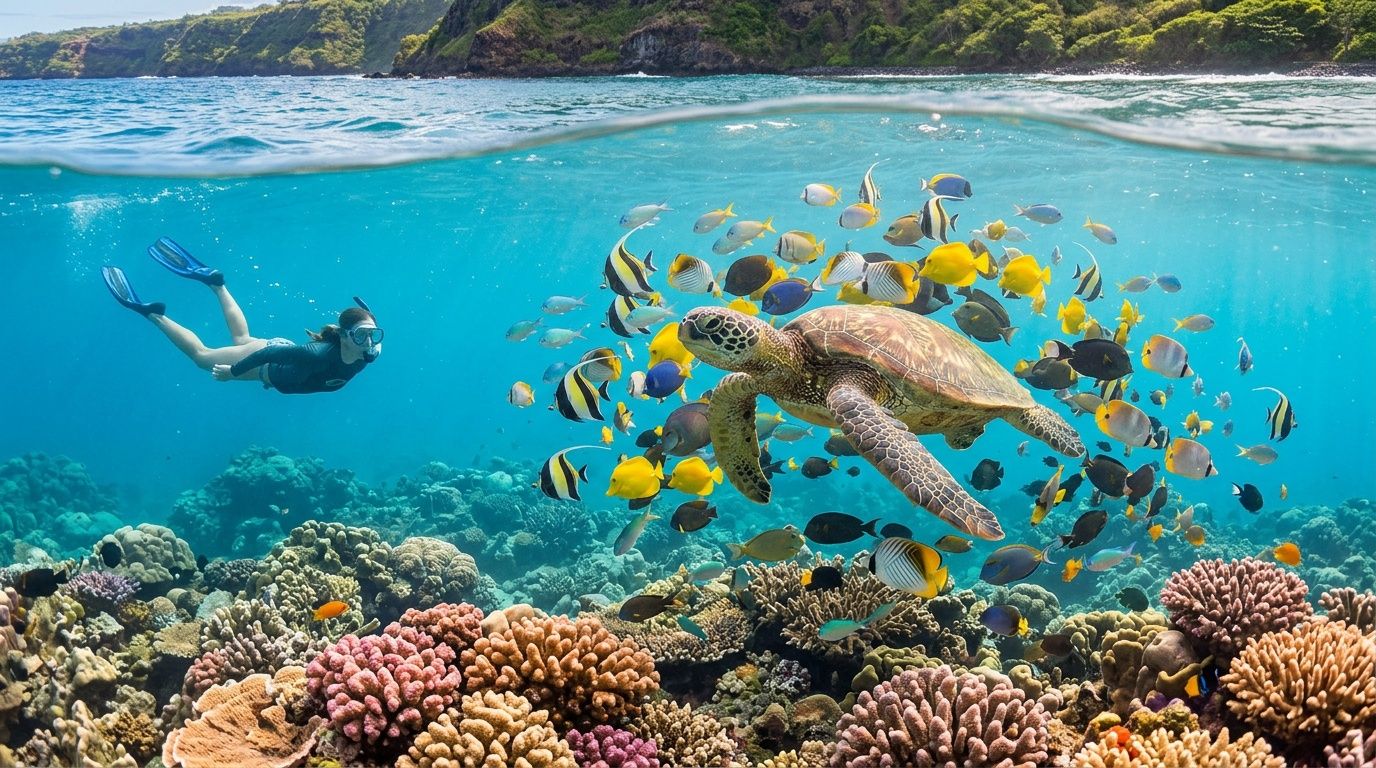
A big reason is the bay's structure. The shallow-to-deep profile lets snorkelers experience multiple reef zones in a compact area, increasing encounter rates with dense aggregations of triggerfish, parrotfish, and surgeonfish in the 5 to 30-foot band, according to this Kealakekua Bay marine life overview.
What you're likely to notice first
Most snorkelers notice fish density before they notice individual species. The reef often looks active right away, especially in the shallower bands where fish move in and out of coral heads and rocky structure.
Common highlights include:
- Parrotfish working the reef and adding constant motion
- Surgeonfish in active groups over the coral
- Triggerfish that stand out once you learn their shape
- Butterflyfish and yellow tang moving through brighter sections of reef
- Honu, or Hawaiian green sea turtles, when conditions and luck line up
The bay also has the kind of visibility that makes ordinary fish behavior more interesting. You can watch fish hold position, circle back, and continue feeding instead of getting one quick flash and losing them in murkier water.
Dolphins and turtles require realistic expectations
Honest guidance matters here. People often book Kealakekua hoping for dolphins, turtles, and a packed reef all in one outing. That can happen. It won't happen on command.
Spinner dolphins are part of what makes the bay famous, but they're wild animals. Turtles are memorable, but no guide should present them like guaranteed props in the water. If you go in expecting a living reef first and bonus megafauna second, you'll enjoy the bay more and judge the trip fairly.
The best marine life encounters in Kealakekua usually come from patience, not chasing. Float, watch, and let the reef settle around you.
Why the reef feels different here
Protected habitat changes animal behavior. Fish in heavily pressured spots often stay sparse or skittish. In Kealakekua, respectful visitation and protected status support a reef that feels more settled.
That doesn't mean you should crowd wildlife because it seems accustomed to people. It means you can often enjoy a more natural-looking scene if you keep your movement calm, stay off the bottom, and avoid turning the snorkel into a race.
Recommended Tours and How to Book Your Trip
You wake up early, the bay is glassy, and everyone in your group is still excited instead of tired. That is the version of Kealakekua many travelers hope for, and it is one reason morning boat trips are usually the smartest booking choice.
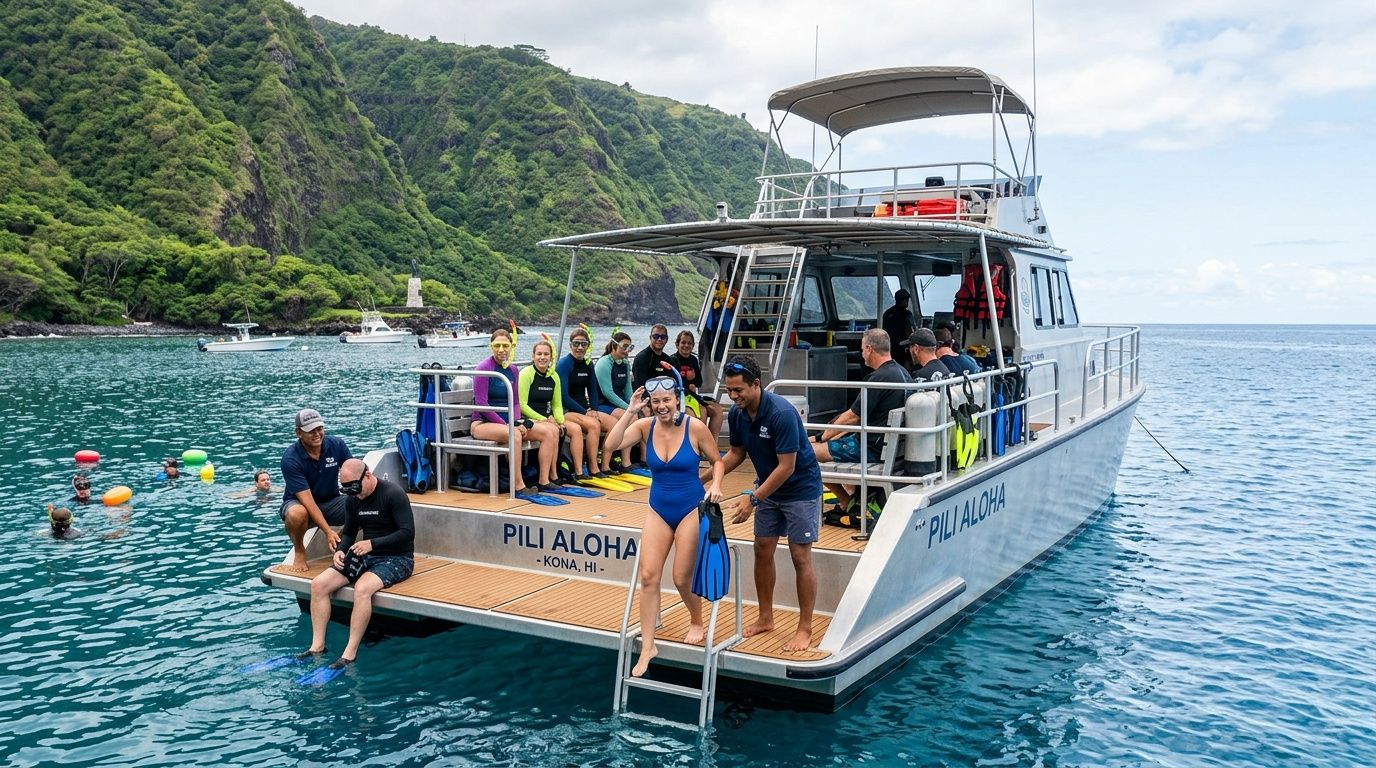
For this bay, I steer visitors toward a boat tour unless they already know they can handle the trail, heat, and climb back out. A boat keeps the day focused on snorkeling instead of saving energy for the return. It also works better for families, mixed-ability groups, and anyone who wants easier entries and a crew nearby if gear or conditions become an issue.
If you want a side-by-side breakdown before booking, this roundup of Kealakekua Bay snorkeling tour options is a solid place to start.
Two tour styles that fit most visitors
If your goal is simple access to the monument side with snorkel time that does not start with a hard hike, these are the two booking links most relevant to this trip:
- Book a Kealakekua Bay Captain Cook Monument snorkel tour with Kona Snorkel Trips
- View Captain Cook Snorkeling Tours
Kona Honu Divers is also relevant if your group includes both snorkelers and divers planning separate days on the Big Island. I would treat that as a fit question, not an automatic pick. The right operator depends on who in your group needs the most help with access, flotation, and confidence in the water.
What to check before you book
Marketing copy is easy to write. The details that shape your day are simpler.
- Departure time: Earlier trips usually mean calmer water and an easier ride.
- Group pace: Some tours suit first-time snorkelers better than others. Look for crews that help people settle in instead of rushing everyone overboard.
- Gear and flotation: Good operators provide gear that fits, plus flotation options for hesitant swimmers.
- Wildlife briefing: Respectful crews explain what you may see without promising dolphins or turtles on demand.
- Boat setup: Shade, ladders, and easy water entry matter more than flashy branding, especially for older guests or anyone with limited mobility.
A quick reality check helps here. The cheapest trip is not always the best value if the group is large, the briefing is thin, or the in-water support is weak. On the other hand, paying more only makes sense if the operator delivers better access, better supervision, or a better fit for your group.
Rules, Safety, and Snorkeler Etiquette
Kealakekua is a protected sanctuary. If you snorkel it carelessly, you can damage the exact thing you came to see.
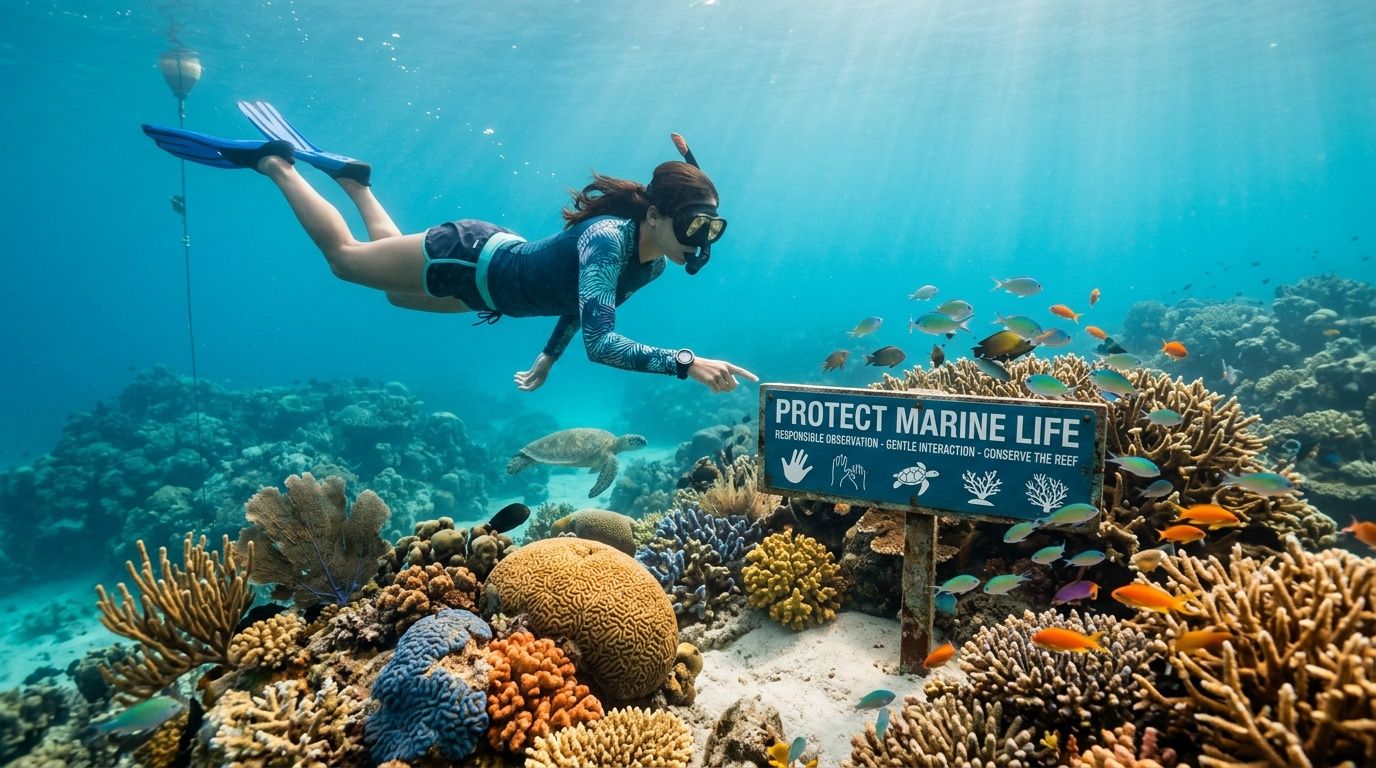
The basic rule set is simple. Don't touch coral. Don't stand on the reef. Don't feed fish. Don't crowd turtles or dolphins. If you want a fuller look at respectful in-water behavior, this guide to responsible diver and snorkeler etiquette applies well here too.
The habits that prevent most problems
Most bad snorkel days start with a few predictable mistakes. People kick too hard at the beginning, breathe fast, drift farther than they intended, or focus so much on fish that they lose awareness of where the reef or boat is.
A better approach:
- Pause first: Float, put your face in, and settle your breathing before swimming.
- Use small kicks: Big bicycle kicks tire people out and increase the chance of reef contact.
- Stay horizontal: Good body position protects coral and makes snorkeling easier.
- Snorkel with a buddy: Even strong swimmers should avoid wandering off alone.
- Know your exit plan: Before you start drifting, know how you're getting back.
Seasickness prep for boat tours
If you're coming by boat and you know you get motion sick, handle that before departure instead of hoping for the best. The reef is a lot more enjoyable when you're not focused on your stomach.
Common options include:
- Patch option: Ship-EEZ Seasickness Patch
- Tablet option: Dramamine pills
- Another tablet option: Bonine pills
- Non-medication option: Sea Band wristbands
- Simple backup: Ginger chews
If you're unsure whether seasickness will be an issue, treat it like it might be. It's easier to prevent than to reverse once you're already underway.
What to pack and what to leave out
Pack the essentials and keep it simple.
- Reef-safe sun protection: A rash guard helps a lot because it reduces how much sunscreen you need.
- Water and dry clothes: Especially important if you're not on an all-inclusive style trip.
- Well-fitting mask if you own one: Familiar gear can improve the day.
- No casual reef walking mindset: This is not a place to stand up wherever you feel like it.
The best etiquette in Kealakekua is quiet, low-impact behavior. Let the bay stay a sanctuary.
Kealakekua Bay Snorkeling FAQ
Is Kealakekua Bay good for beginners
Yes, if beginners choose the right access method. The bay's protected feel and visibility help new snorkelers relax, but the easiest version of the day usually comes by boat. The hike is not beginner-friendly just because the water is.
Can you snorkel there without a tour
Yes. People do it by kayak or by hiking in. That said, “possible” and “practical” are different things in this bay. For most visitors, self-managed access adds a lot of effort before the snorkeling even starts.
What's the best time of day to go
Morning is usually the smarter move. It often means calmer surface conditions, and the bay tends to feel more orderly before later winds build. Morning tours also align better with the chance of seeing dolphins before they move off.
How deep is the snorkeling area
It varies a lot. Some areas are shallow enough to feel approachable for newer snorkelers, while other parts near the monument drop much deeper. That variety is part of what makes the bay so appealing, but it also means you should stay aware of where you are rather than drifting aimlessly.
Can you see the Captain Cook Monument without hiking down
Yes. Boat tours give you a view from the water, and that's how many visitors see it. You don't need to commit to the steep trail to experience the monument area.
Are dolphin and turtle sightings guaranteed
No. The bay is known for both, but wildlife doesn't work on a reservation system. Expect a healthy reef first. Treat turtles or dolphins as a bonus.
Is the hike worth it
For the right hiker, maybe. For the average vacationer, it usually isn't the most enjoyable way to experience Kealakekua bay snorkeling. The climb back out is where many people realize they chose the wrong access plan.
If Kealakekua Bay made you want more time in the water, Kona Honu Divers is a solid next stop for exploring more of the Big Island by boat, whether you're planning another snorkel day or building a full Kona ocean itinerary.