
You’re probably in one of two places right now. You’ve heard Kealakekua Bay snorkeling is the Big Island trip people talk about for years, or you’ve already looked at a map and realized getting there is not as simple as pulling into a beach lot and walking in.
That’s exactly why this bay deserves a little guidance before you go. It’s stunning, yes, but it’s also protected, historically important, and a place where a smart plan makes the difference between an easy, memorable morning and a hard, stressful one.
Welcome to Hawaii's Underwater Jewel
The first time visitors see Kealakekua Bay from the water, they go quiet. The cliffs rise steeply behind the bay, the water shifts from deep blue to bright turquoise, and the whole place feels sheltered in a way that’s rare on an open coastline.
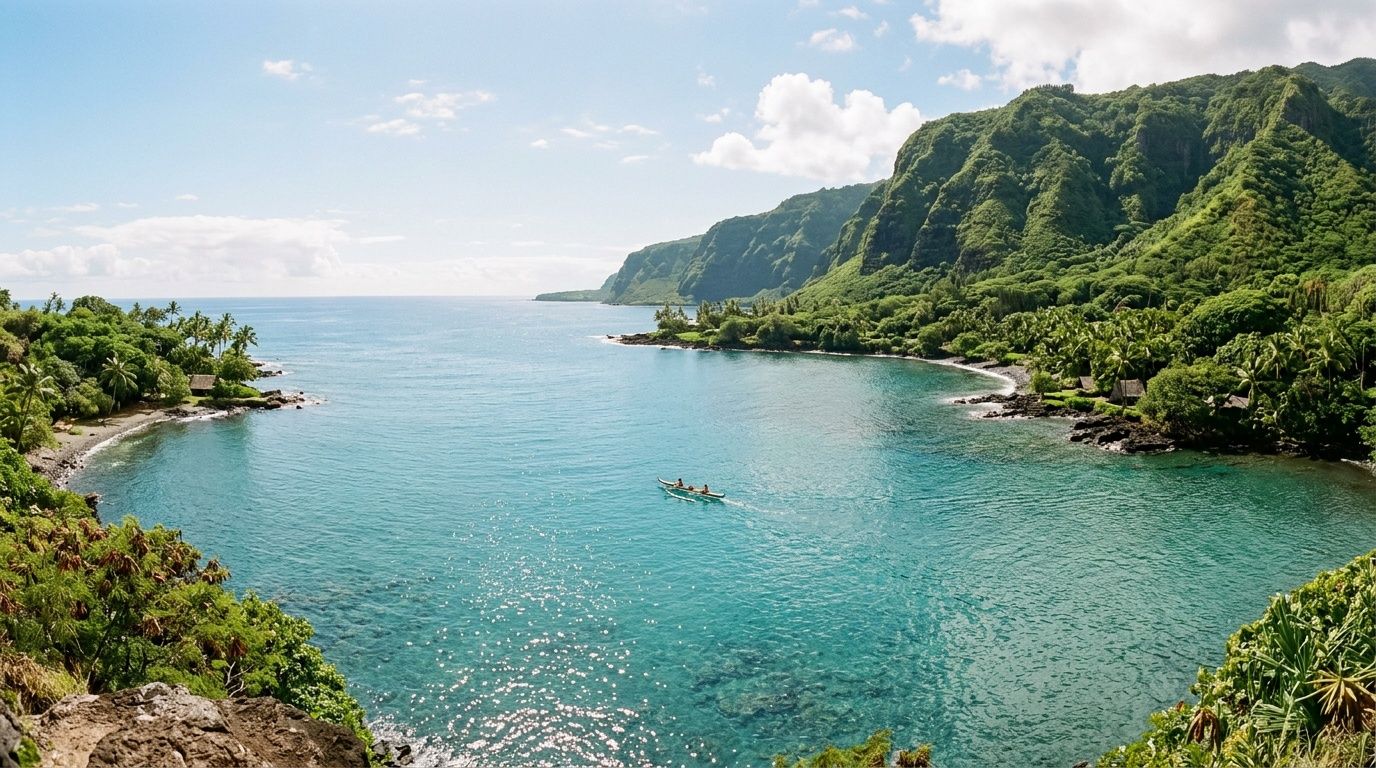
This isn’t just another pretty snorkel stop. Kealakekua Bay is a U.S. Historic District listed on the National Register of Historic Places since 1973, and it draws between 100,000 and 190,000 visitors annually because people come for both the marine life and the history, as noted in this overview of Captain Cook Monument snorkeling.
More than a snorkel site
Long before modern tours, this bay was an important place for Native Hawaiians. Later, it became known worldwide because Captain James Cook landed here in 1778, and the events that followed changed Hawaiian history.
That history matters when you’re in the water. You’re not just floating over coral. You’re visiting a place with cultural weight, old stories, and a shoreline people should approach with respect.
Kealakekua Bay snorkeling feels different when you know where you are. The reef is only part of the experience.
If you want a second perspective before choosing your trip, Your Guide to Kealakekua Bay Snorkeling is a useful companion read. If you’re comparing this bay with other island options, this broader look at snorkeling in Kona helps put the experience in context.
What visitors usually notice first
A few things tend to stand out right away:
- The water color: It looks almost unreal on calm mornings.
- The backdrop: Dark lava shoreline and tall green cliffs make the bay feel enclosed.
- The mood: Even with visitors around, the place often feels calmer than more exposed snorkel sites.
- The monument area: Many people orient themselves by the white Captain Cook Monument across the bay.
That combination of scenery, history, and protected reef is why people build entire vacation mornings around this one stop.
Why Kealakekua Bay Offers Unmatched Snorkeling
Kealakekua Bay rewards snorkelers for a simple reason. The bay is set up to make underwater viewing easier, calmer, and more productive than at many exposed shoreline spots.
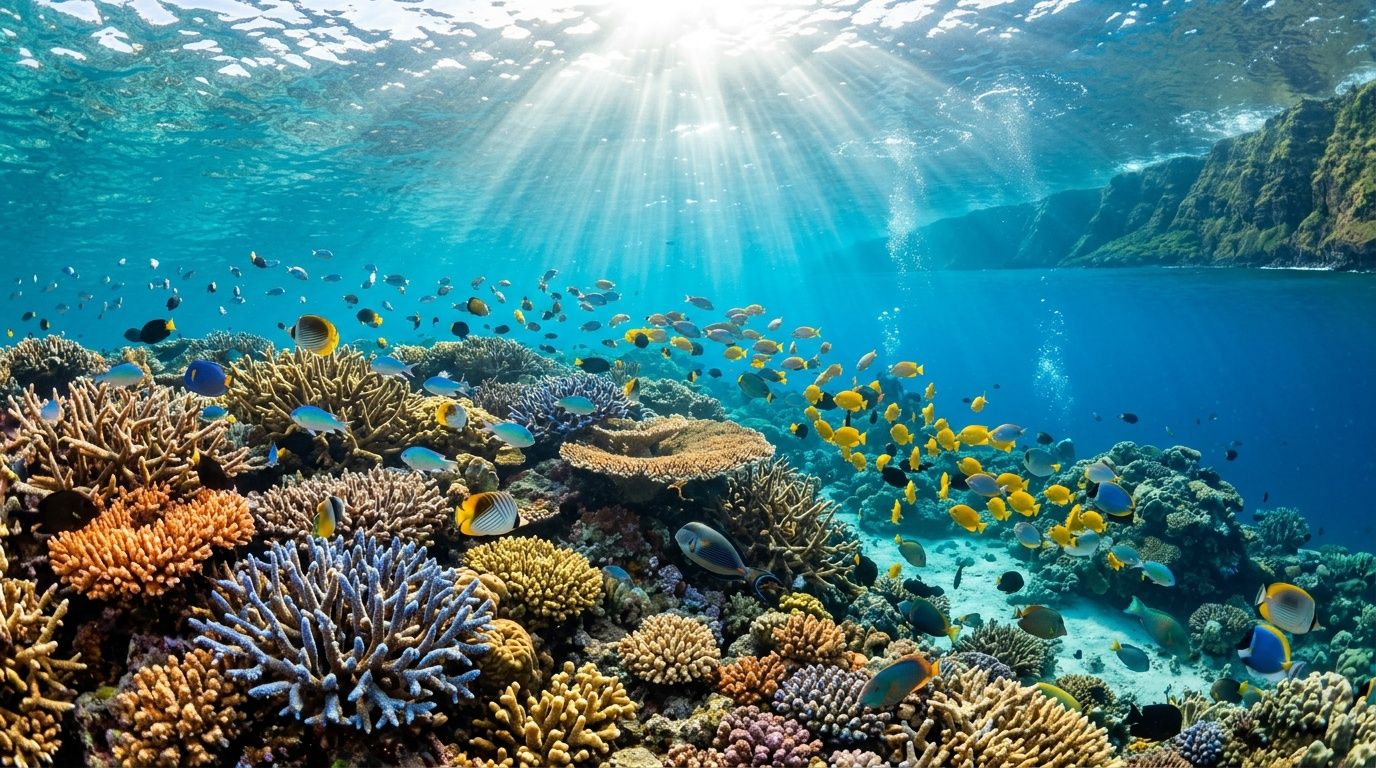
Its shape does a lot of the work. The steep volcanic walls help block wind and surface chop, so the water often stays clearer and less rattled than water along open coastlines. Protected status matters too. Because this is a Marine Life Conservation District, the reef has had a better chance to support abundant fish life, which is one reason the bay feels so alive underwater, as noted in this Kealakekua Bay guide.
For a first-time snorkeler, that combination is huge. Clearer water is like cleaning a foggy windshield before driving. You can read the reef more easily, keep track of your position, and stay calmer because you can see what is below you.
Why the bay feels easier to snorkel
At many popular beaches, you spend energy dealing with surge, sandy water, and scattered fish. Kealakekua Bay often gives you a different kind of session. You can float, look down, and spot structure quickly instead of searching through murky water and glare.
That matters for safety as much as enjoyment.
When you can see the bottom clearly, it is easier to judge depth, avoid drifting too close to rock, and notice when you have moved farther from your entry point than you realized. Beginners usually benefit from that extra visual feedback. Strong swimmers benefit too, because good visibility helps them cover more water without losing track of the reef edge or their boat.
Protection changes animal behavior
Fish in protected areas often act differently from fish in heavily pressured spots. Instead of vanishing the moment people arrive, they may continue feeding, schooling, and moving across the reef in ways that are easier to observe.
That does not mean the bay is a petting zoo. It means the ecosystem is functioning well enough that you get to watch normal reef behavior from a respectful distance.
If you enjoy noticing species that are special to Hawaii, this guide to Big Island endemic marine animals adds useful context before you get in the water.
Why experienced guides like early entries
Local crews tend to favor morning snorkels for practical reasons, not just pretty light. Earlier water is often calmer, boat traffic is lower, and newer snorkelers have an easier time settling into a steady breathing rhythm before wind picks up.
A calm surface changes the whole experience. Mask clearing feels less stressful. Finning takes less effort. Kids and cautious adults usually last longer because they are not fighting slap and chop at the surface.
What makes the bay stand out
| Factor | Why it matters in the water |
|---|---|
| Protected reef | Fish life is often more abundant and easier to observe |
| Sheltered geography | Surface conditions are often calmer and clearer |
| Strong visibility | You can orient yourself and spot reef features faster |
| Predictable layout | Easier to stay aware of drop-offs, boats, and your group |
Kealakekua Bay is special because these advantages stack together in one place. You are not only getting pretty water. You are getting a reef that is easier to read, easier to respect, and easier to enjoy safely.
How to Access Kealakekua Bay Three Paths to Paradise
Getting to the best Kealakekua Bay snorkeling area is where many visitors get tripped up. On a map, it can look close and simple. In practice, your access choice shapes the entire day.
The three main approaches are boat tour, kayak, and hike. They are not equal in effort, comfort, or risk.
Kealakekua Bay Access Methods Compared
| Method | Best For | Effort Level | Approx. Cost | Key Consideration |
|---|---|---|---|---|
| Guided boat tour | Families, beginners, visitors who want easy water access | Low | Varies by operator | Simplest way to reach prime snorkeling water |
| Permitted kayak | Strong paddlers who are comfortable managing gear on the water | Moderate to high | Varies with rental and permit logistics | More self-managed, less forgiving if conditions change |
| Hike | Very fit visitors prepared for rough terrain | High | Lower direct cost, but high physical demand | Shore access is strenuous and the return climb is harder |
The hardest truth to accept is that “possible” doesn’t mean “a prudent choice.” The hike is possible, but it’s extremely strenuous, with a 30 to 45 degree incline on a poorly maintained trail of loose lava rock, and afternoon swells can make shore entry more hazardous, according to this shore access and safety guide.
Boat tour
For most travelers, a licensed boat tour is the cleanest answer. You save your energy for snorkeling, you enter the water where the experience is strongest, and you don’t have to carry gear over rough terrain.
That matters even more if you’re traveling with kids, grandparents, or anyone who’s uneasy in open water. A crew briefing, flotation support, and easy reboarding remove a lot of stress before the first fin kick.
If you want to compare a dedicated trip option, this page on the Captain Cook snorkel tour is a useful planning reference.
Two direct tour options worth reviewing are Kealakekua Bay Captain Cook Monument snorkel tours and Captain Cook Snorkeling Tours. Kona Honu Divers also operates guided Captain Cook snorkeling tours by boat for visitors who want direct bay access with provided gear and support.
Kayak
Kayaking appeals to independent travelers, and the crossing can be beautiful in calm weather. But this option asks more from you than people expect.
You’re managing the paddle, your own timing, gear handling, water entry, and changing conditions. If the morning starts calm and the wind picks up later, the return feels very different.
This path tends to suit people who already know how they perform on open water in a kayak. If you don’t know, this probably isn’t the day to find out.
Hike
The hike attracts people who want the lowest-cost route or the feeling of earning the bay. I get that. But the trail is steep, loose, hot, and unforgiving, especially on the way back up after time in the water.
Here’s where readers often get confused. The hard part isn’t just the descent. It’s carrying everything you need down, entering from a rough shoreline, then climbing back out when you’re already tired and sun-exposed.
The hike weeds people out on the return, not on the way down.
A simple decision rule
If any of these sound like you, book a boat:
- You’re bringing children
- You’re not a strong swimmer
- You haven’t snorkeled much
- You want the easiest access to the reef
- You don’t want your day dominated by logistics
If you’re experienced, fit, and specifically want a self-powered outing, the kayak or hike can still appeal. Most visitors, though, enjoy the bay more when they arrive fresh.
Essential Safety and Bay Etiquette
Most Kealakekua Bay snorkeling advice online stops at “wear sunscreen” and “don’t touch coral.” That’s not enough. This bay is friendly on a calm morning, but it still deserves respect.
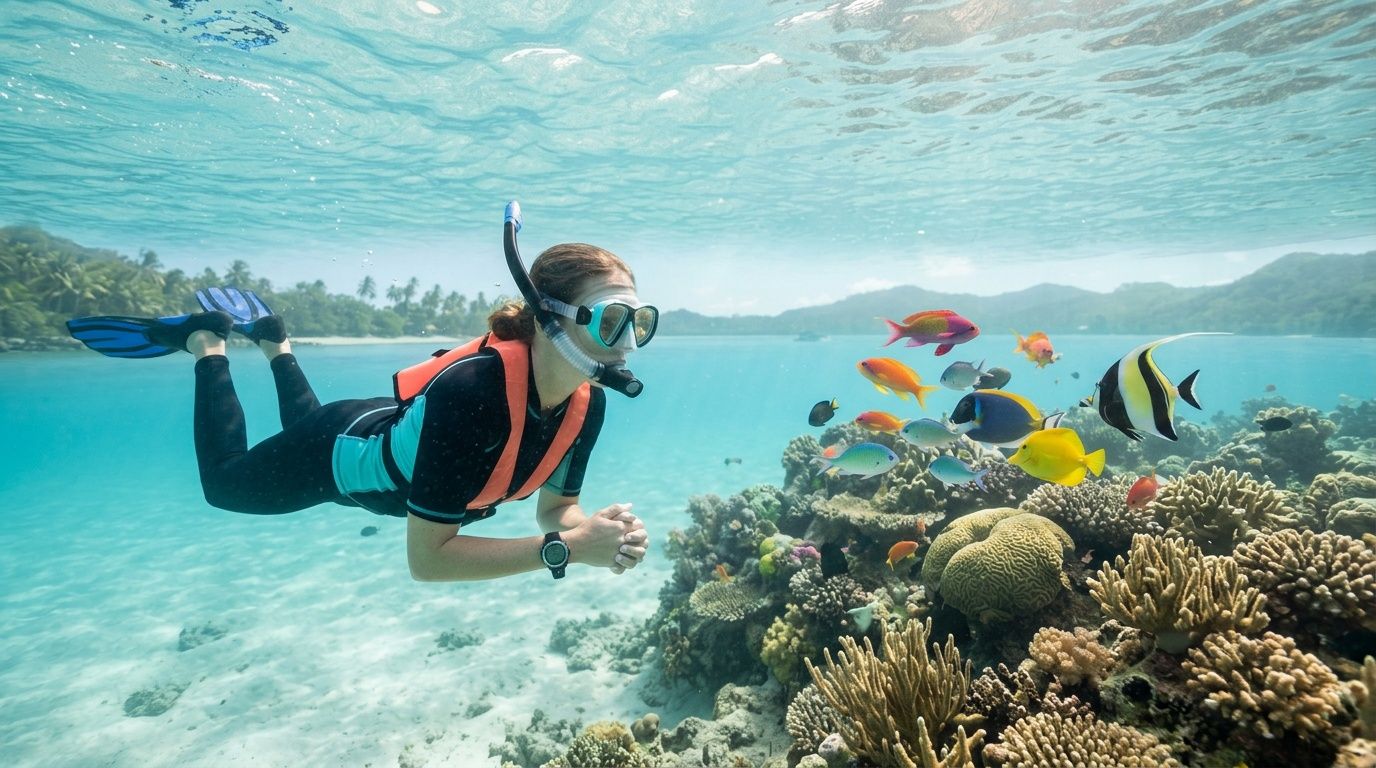
Stay inside your real comfort zone
The reef area many visitors focus on sits around 25 to 30 feet deep, with faster drop-offs into much deeper water farther out. For confident swimmers, that’s part of the appeal. For beginners, it can feel intimidating the moment they look down.
Use flotation if you need it. Don’t refuse a vest or noodle because you think it makes you look inexperienced. Good snorkelers make calm decisions early, not proud decisions late.
A few practical habits help a lot:
- Test your mask first: Get the fit right before moving away from the boat.
- Enter slowly: Let your breathing settle before you start exploring.
- Keep the reef on one side: It helps you maintain orientation.
- Turn back early: Don’t wait until you’re tired to head in.
Morning conditions matter
The calmest window is usually morning. Conditions can change later, and that’s when weaker swimmers often start working too hard just to stay comfortable.
If someone in your group says they’re tired, cold, anxious, or a little seasick, take that seriously right away. Small issues become big issues on the water.
If you tend to get motion sick on boats, it’s smart to prepare before the trip. Common over-the-counter options include Ship-EEZ Seasickness Patch, Dramamine pills, Bonine pills, Sea Band wristbands, and Ginger chews.
Practical rule: If you think you might get seasick, deal with it before boarding. Don’t wait until the boat is moving.
Your kuleana in the bay
Kealakekua Bay snorkeling comes with responsibility. Coral is alive, and a single careless fin kick can damage what took years to grow. Keep your body flat, move slowly, and never stand on the reef.
Use reef-safe sunscreen, not just any bottle labeled “sport.” If you want a quick primer on ingredients and reef-safe protection, that guide is a helpful starting point.
For a broader mindset on respectful ocean behavior, this piece on responsible and considerate diver etiquette applies well to snorkelers too.
Dolphin rules are not optional
Kealakekua Bay is a resting area for spinner dolphins, and the law is clear. In 2026, Hawaii DLNR advisories enforce a 50-meter approach distance for spinner dolphins in resting zones, with fines up to $10,000, as summarized in this bay etiquette update.
That means:
- Don’t swim toward dolphins
- Don’t block their path
- Don’t linger in a way that changes their movement
- Don’t treat a sighting like an invitation to chase
Seeing dolphins from a respectful distance is special. Pressuring them for a closer moment ruins the point.
What You Will See Marine Life Highlights
You put your face in the water, take two calm breaths through the snorkel, and the bay starts to organize itself. The bright fish catch your eye first. Then the coral structure comes into focus. A few minutes later, you start noticing the places where life concentrates, along ledges, over coral heads, and at the border where reef gives way to deeper blue water.
Clear, usually calm water helps with that slow reveal. On good mornings, visibility can be excellent, which means patient snorkelers often see far more than they expected. If you want to improve your odds before you ever get in, check Big Island ocean conditions before your snorkel trip.
Start with the reef, not the rare sighting
The reef is the bay’s living city. Coral heads work like apartment buildings, alleyways, and shelter all at once. Once you understand that, fish behavior makes more sense.
Look for shape and texture first. Rounded coral mounds hold small fish close. Cracks and shadowed pockets can hide moray eels. Sandy channels often look empty at first, but they create travel lanes between reef sections. Snorkelers who rush past these details usually miss half the show.
A better method is simple. Float, scan, then move.
Fish you are likely to notice
Yellow tang often move like flashes of bright paint across the reef. Parrotfish stand out because of their size and color, and you may hear them before you identify them if they are feeding on coral. Moorish idols have a distinct profile that makes them easy to remember, even for first-time visitors.
Surgeonfish, butterflyfish, and other reef fish can fill your whole field of view. That can feel chaotic at first. Give it a minute. Your eyes adjust the same way they do in a crowded room. After that, patterns start to appear.
Try this while you snorkel:
- Scan the top and sides of coral heads for small reef fish
- Check crevices and overhangs carefully for moray eels
- Watch the outer edge of the reef for larger animals passing through
- Pause often and listen to your breathing so you do not swim too fast
Larger animals deserve more space
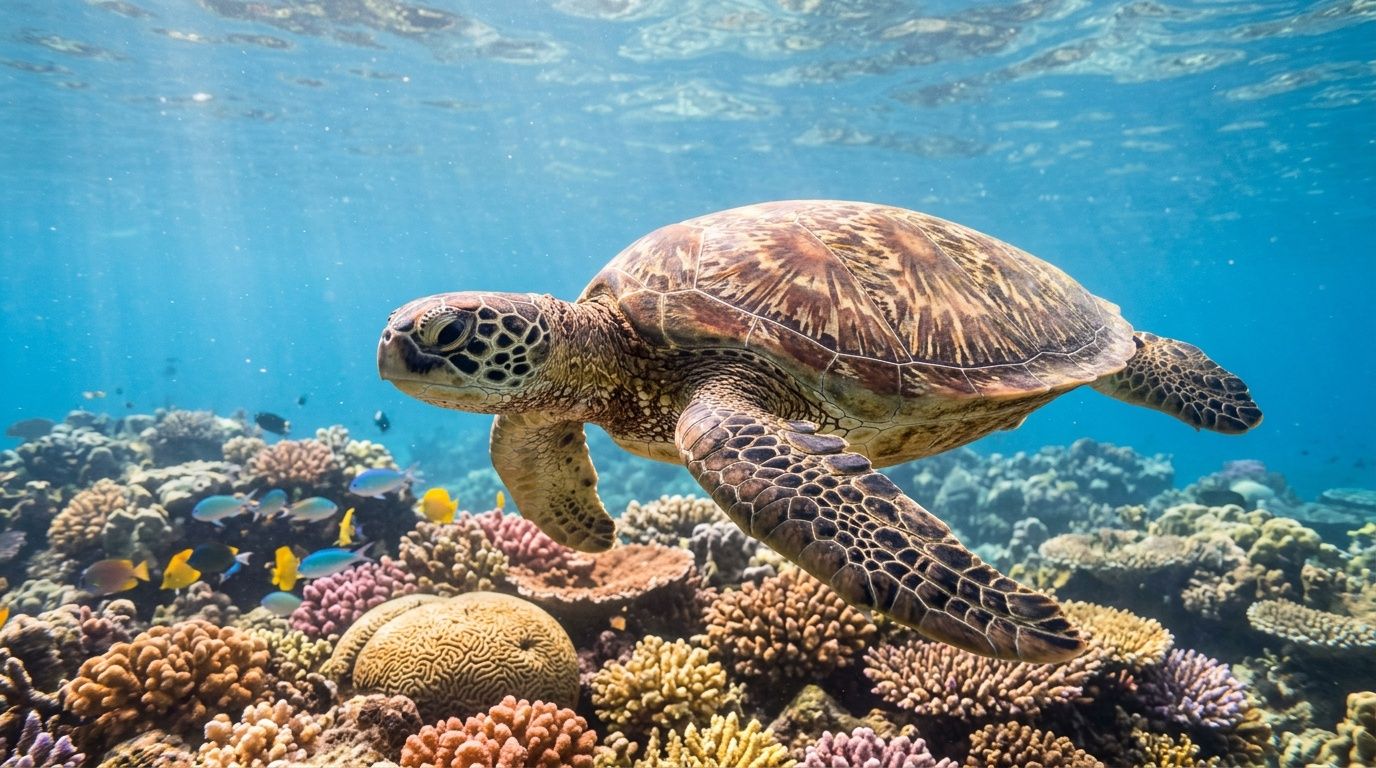
Green sea turtles are a highlight for many visitors. If one appears, keep your position and let the turtle decide where to go. Chasing a turtle usually ends the encounter fast and adds stress for the animal.
You might also spot an eagle ray gliding through open water, or see just the head of a moray eel poking from a hole. Spinner dolphins are sometimes seen in or near the bay, but this is one place where restraint matters more than excitement. Watch from a respectful distance and keep your body line predictable so you do not cut across an animal’s path.
Slow snorkelers usually see more.
If you like tracking time, distance, or heart rate in the water, this smart watch swimming guide can help you choose a setup that stays secure without distracting you from what is in front of you. At Kealakekua, your best tool is still attention. The more gently you move, the more the bay shows you.
Planning Your Perfect Snorkel Trip
A good Kealakekua Bay snorkeling day starts before you leave the harbor. Most problems people face come from poor timing, weak packing, or expecting a casual beach stop when the bay works better as a planned outing.
Go in the morning
Morning is usually the better call. Water is often calmer, the light is cleaner, and people who are new to snorkeling usually feel more comfortable when the surface stays settled.
If you want to get better at reading the ocean before any Kona water day, this guide on how to check Big Island ocean conditions is worth saving.
What to pack
Keep your kit simple. You don’t need a giant beach bag, but you do need the right basics.
Bring these first:
- Reef-safe sunscreen: Apply before boarding when possible.
- Rash guard or swim shirt: Good sun protection without constant reapplication.
- Towel and dry clothes: You’ll want them for the ride back.
- Water bottle: Hydration matters more than often recognized.
- Any needed medication: Especially motion-sickness prevention if boats affect you.
Nice extras that help:
- Polarized sunglasses: Better for cutting glare before and after the snorkel.
- Underwater camera: Great if you already know how to use it without fumbling.
- Dry bag: Handy for small personal items.
- Watch band or secure strap: If you swim with a wearable, this smart watch swimming guide covers practical considerations.
A sample half-day rhythm
A smooth morning often looks like this:
- Early wake-up
Eat lightly, hydrate, and apply sun protection. - Check-in
Arrive without rushing. Stress starts early when people cut timing too close. - Boat ride
Listen to the safety briefing. Here, confident visitors separate from careless ones. - Snorkel session
Start easy, adjust gear, then expand your range if you feel good. - Return and rinse down
Change into dry clothes and avoid letting salt sit on your skin all day.
What people forget most often
The bay rewards calm pacing. Don’t try to cram it between too many other activities. If you rush breakfast, rush check-in, rush your gear, and rush the water entry, your body stays tense and you enjoy less.
Build the morning around the snorkel. That usually produces the better day.
Your Kealakekua Adventure Awaits
Kealakekua Bay earns its reputation. The water is clear, the reef is alive, and the setting carries a sense of place that goes far beyond a standard snorkel stop.
It also rewards people who approach it thoughtfully. Choose the access method that fits your group. Go early. Use flotation if you need it. Give marine life space. Treat the reef like the living structure it is.
If you do that, kealakekua bay snorkeling usually becomes more than a vacation activity. It becomes one of those rare travel memories that stays sharp long after the trip is over.
For most visitors, a licensed boat trip is the simplest way to enjoy the bay safely and respectfully. Show up prepared, listen to the crew, and let the place do the rest.
Kealakekua Bay Snorkeling FAQs
Is Kealakekua Bay snorkeling good for beginners
Yes, with the right setup. Beginners usually do best on a boat tour with crew support, flotation, and a calm morning departure. The bay can feel easy for some people, but beginners should still treat it like open ocean, not a pool.
Is the hike to the Captain Cook area really that hard
Yes. It’s not a casual walk. Loose lava rock, steep grade, heat, and the climb back up are what catch people off guard.
Will I see dolphins
You might, because the bay is known as a resting area for spinner dolphins. If you do, keep your distance and let the animals rest without pressure.
Are sharks a common concern here
Most visitors focus on reef fish, turtles, and the coral ecosystem. As with any ocean activity, you’re in a wild environment, but the main practical concerns for visitors are usually exertion, sun, gear fit, and changing conditions rather than sharks.
What’s the smartest way to choose between access options
Be honest about your swimming ability, hiking fitness, and comfort managing gear. If you want the least complicated and most family-friendly approach, boat access is usually the better fit.
If you want help turning your plans into a smooth day on the water, Kona Honu Divers is a solid place to start for Big Island snorkeling and ocean activity planning.