
The first time I crossed into Kealakekua Bay at sunrise, the water looked almost unreal, bright blue near the cliffs and glassy over the reef. A few minutes later, with the monument in view and fish already flashing below the surface, it was obvious why people remember this place long after the rest of their Hawaii trip blurs together.
Welcome to Kealakekua Bay A Living Sanctuary
Kealakekua bay kona has a way of slowing people down. The cliffs rise sharply, the water settles into a sheltered bowl, and the whole bay feels less like a busy attraction and more like a place that asks you to pay attention.
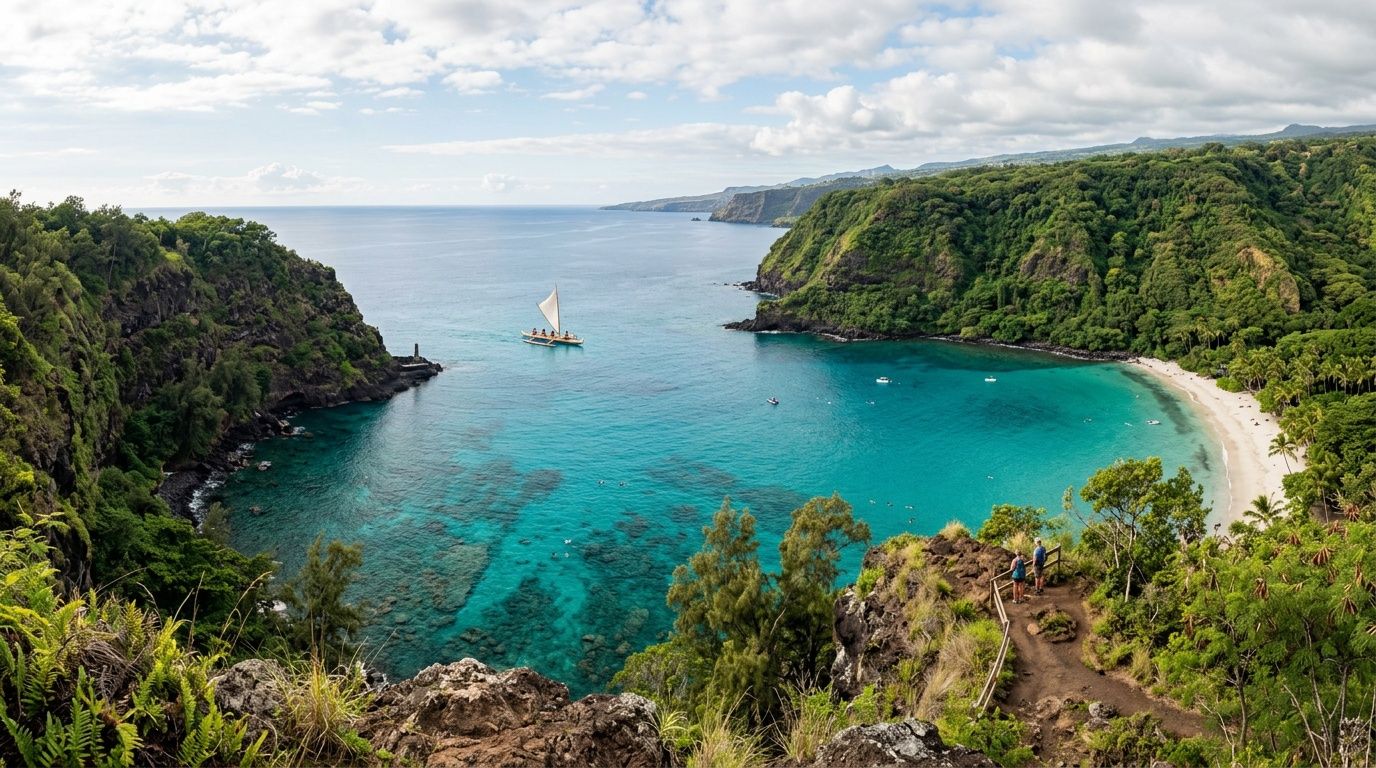
It’s also one of the Big Island’s most visited ocean destinations. Kealakekua Bay attracts over 100,000 visitors annually for snorkeling, kayaking, and diving because it combines a famous historical setting with a rich marine environment, according to this Captain Cook Monument snorkeling overview.
That popularity can confuse first-time visitors. People hear “Captain Cook,” “monument,” “marine sanctuary,” and “snorkeling tour,” then assume it’s just one simple stop on the map. It isn’t. This bay is many things at once: a place with deep Hawaiian history, a protected ocean habitat, and a trip that rewards planning.
What the bay feels like in person
From the water, the scale is what catches the eye first. The shoreline isn’t lined with resorts or broad sandy beaches. Instead, you see dark lava rock, steep green slopes, and a white monument that stands out against the coast.
Once you put your face in the water, the mood changes again. Reef fish move across coral heads, light ripples through clear water, and the noise from shore drops away. That contrast is part of why so many visitors rank the bay so highly.
Kealakekua Bay works best when you treat it as more than a checkbox. Slow down, look around, and let the place tell you what it is.
Why people choose this bay over other Kona stops
Some visitors want the history. Others want the marine life. Many want both in one outing. That’s the true appeal.
If you’re still deciding whether this is the right stop for your trip, this guide to the top Kealakekua Bay snorkeling tours gives a useful starting point for comparing organized options.
For families, the sheltered setting often feels more approachable than rougher open-coast entries. For divers and snorkelers, the appeal is simple: clear water, healthy reef life, and a setting that feels distinct from almost anywhere else on the Kona coast.
A Sacred History Carved in Stone and Sea
Canoes entered this bay long before tour boats did. For Native Hawaiians, Kealakekua was not only a sheltered stretch of water. It was a place woven into faith, governance, and daily life, with heiau, coastal settlements, and carefully used shoreline resources shaping the bay’s identity for generations.
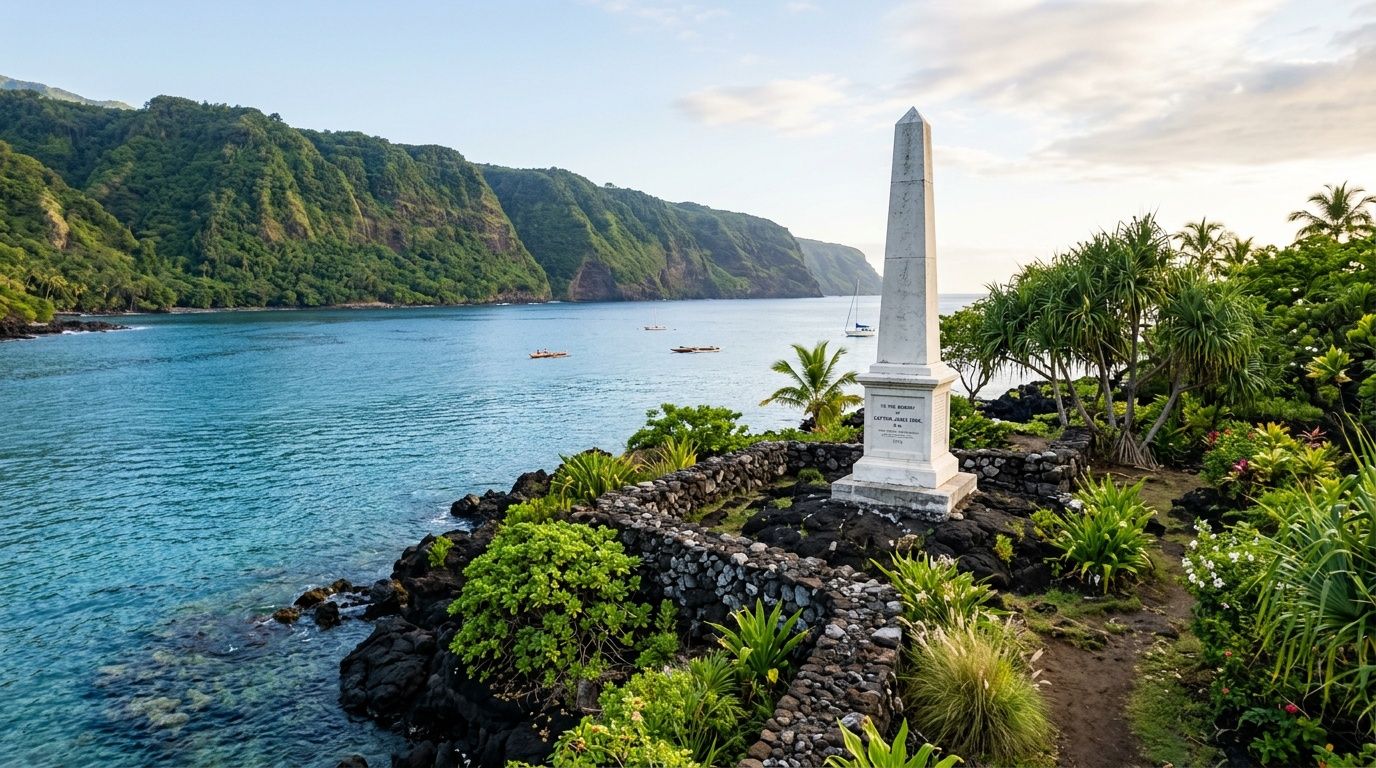
That older history matters because many visitors first notice the white monument and assume the bay’s story starts with Captain Cook. It does not. The monument marks one dramatic event inside a much longer Hawaiian story, and the shoreline around Kaʻawaloa still holds traces of that earlier world. The State of Hawaii’s Kealakekua Bay State Historical Park overview describes the area as a historic environment with religious and residential sites, not just a single landmark.
Cook’s arrival in 1778, and his death here in 1779, changed how the outside world recorded the bay. That episode is historically important, but it can flatten the place if it becomes the only story told. A better way to understand Kealakekua is to treat the monument like a page marker, not the whole book.
The stone features along this coast work like clues in an old trail system. A heiau was not decorative architecture. It served religious and political purposes. Village remains were not ruins built for visitors. They were part of an active community tied to the sea, fresh water, farming, and ceremony.
That perspective should shape how you visit.
If you join a guided outing, look for one that explains why the bay matters on land as much as in the water. A well-run Captain Cook snorkeling tour with historical context can help first-time visitors understand why respectful behavior matters before they ever put on a mask.
The practical takeaway is simple. Stay on designated routes, do not climb on stone structures, and do not treat the shoreline near the monument as an empty photo backdrop. It is a cultural site first, a recreation site second.
Once you know that, the bay changes. The cliffs, the cove, the monument, and the clear water stop feeling like separate attractions and start making sense as one living place, shaped by Hawaiian memory and still deserving care.
Exploring an Underwater World Protected for Generations
What makes the bay feel so alive underwater isn’t luck. It’s protection.
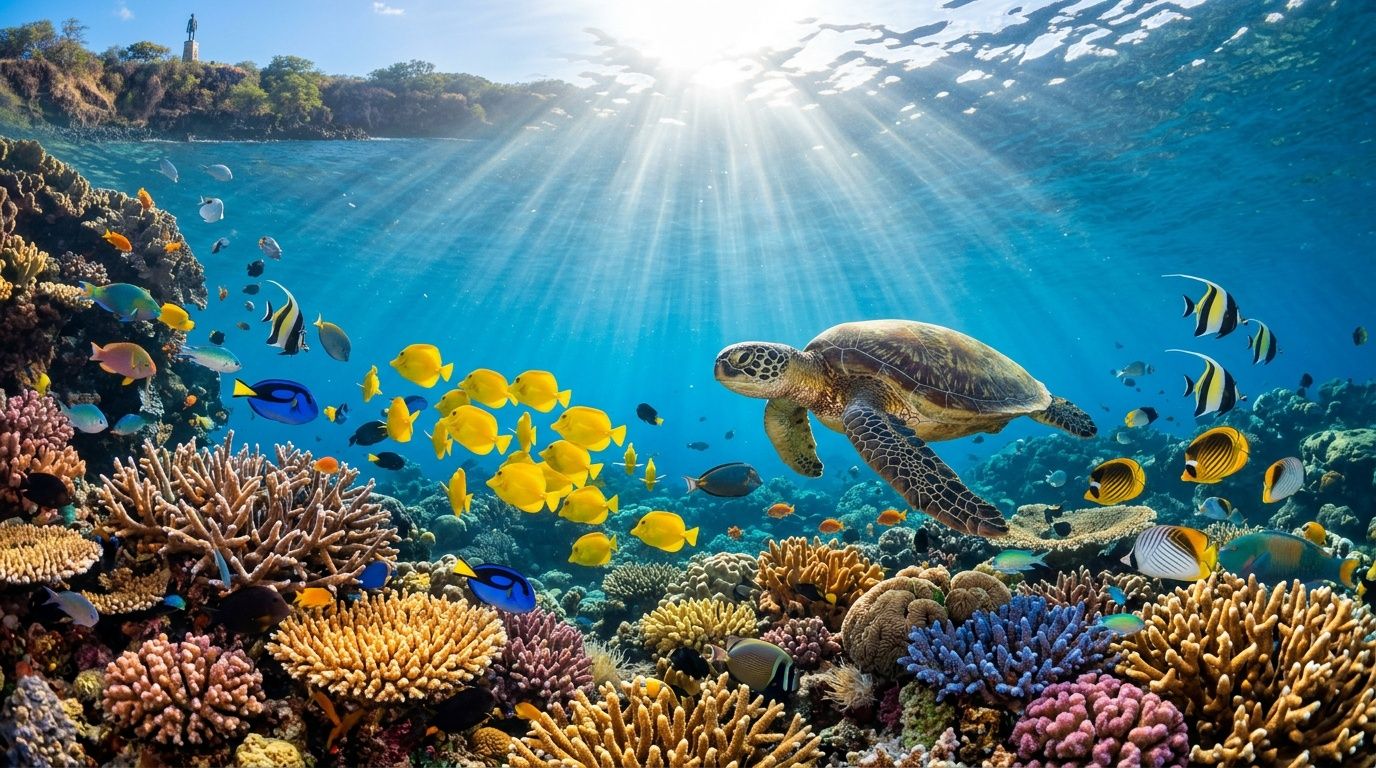
Kealakekua Bay became a Marine Life Conservation District in 1969, protecting 315 acres of marine habitat. That protection has led to a documented fish population increase of approximately 50% compared to unprotected areas, and the bay supports over 200 fish species, based on this Kealakekua Bay marine protection article.
Why protection changes the experience
Visitors often notice one thing first: the fish don’t seem scarce. Schools move over coral heads, individuals hold their position in the current, and the reef feels busy from the moment you look down.
That’s the practical result of long-term protection. When an area is managed as a conservation district and fishing is prohibited, reef life gets a chance to recover and stay visible. For snorkelers, that means more to see. For divers, it means the site stays worth returning to.
What you’re likely to notice underwater
The bay is known for coral reef habitat, reef fish, and frequent encounters with larger animals moving through the area. People often talk about seeing colorful reef species close to the monument side, then spotting turtles or dolphins during the broader trip through the bay.
A few things help you appreciate the reef more:
- Watch the coral structure: Fish activity makes more sense when you notice where the reef creates shelter.
- Pause instead of kicking constantly: Marine life often comes into view when you stop moving so much.
- Scan different depths: The scene changes from shallow coral gardens to deeper blue water surprisingly quickly.
For travelers who want help identifying the species that make Hawaii distinct, this guide to Big Island diving for endemic marine animals adds useful context.
The visitor’s job
Protected status doesn’t protect the bay by itself. People do that, or fail to.
The healthiest visitors in this bay are the ones who leave the smallest mark. Float well, keep your fins off the reef, and let the animals choose their distance.
That simple approach matters. In a place as heavily visited as this one, respectful in-water behavior is part of conservation, not an extra courtesy.
Your Path to the Bay Choosing Your Access
Getting into kealakekua bay kona is where many trips go right or wrong. The water may be the highlight, but the access choice shapes your whole day.
Practical guidance is often thin, even though over 100,000 people visit the bay annually and the way you enter the area changes your travel time, effort, and in-water experience, as noted in this Kealakekua Bay access planning article.
The three main ways in
Most visitors consider boat tour, kayak, or hike access. None is automatically right for everyone.
A boat trip is the most straightforward for many families, casual snorkelers, and travelers who want time in the water without turning the day into a logistics project. Kayaking appeals to independent travelers, but regulations and availability can be limiting. Hiking gives you a self-powered route, but the trail is demanding and the return climb can feel much harder after swimming.
Kealakekua Bay Access Methods Compared
| Access Method | Best For | Approx. Cost | Effort Level | Pros | Cons |
|---|---|---|---|---|---|
| Boat tour | Families, first-time visitors, most snorkelers | Varies by operator | Low | Easy access, direct drop-off near prime water, gear often included, less physical stress | Fixed departure times, less independent pacing |
| Kayaking | Experienced planners who want a self-directed outing | Varies by rental or guided option | Moderate | Scenic approach, active experience, flexible feel when permitted | Regulations can be confusing, launch logistics matter, carrying and managing gear adds work |
| Hiking | Fit visitors comfortable with steep trails | Lower direct cost if going independently | High | No boat needed, land-based access, self-paced on trail | Strenuous round trip, heat exposure, rough shoreline entry, return climb can be tough |
The point of the table isn’t to crown one option. It’s to match the method to your group.
When a boat makes the most sense
If you’re traveling with kids, mixed ability levels, or anyone who mainly wants to snorkel rather than “earn” the snorkel, a tour is usually the least stressful choice. You conserve energy for the reef instead of spending it on the approach.
This page for Kealakekua Bay snorkeling tours is a useful example of the boat-based format many travelers choose when they want a more direct outing.
For readers who want operator options, two commonly considered routes are Kona Snorkel Trips Kealakekua Bay tour and Captain Cook Snorkeling Tours.
When kayak or hike access fits better
Kayaking works better for visitors who don’t mind extra planning and can stay flexible. Rules, permits, and launch details can affect what’s possible, so this option rewards homework.
Hiking is the most physical approach. It appeals to travelers who don’t want a boat and don’t mind carrying gear, but it’s not the kind of “quick walk down to the beach” some people expect. If anyone in your group struggles with heat, steep grades, or rough entries, plans warrant an honest second look.
Snorkeling and Scuba Diving Opportunities
The first thing many visitors notice at Kealakekua Bay is the color. From the surface, the water can look like blue glass laid over a reef city. Then your eyes adjust, and the bay reveals its layers. Bright fish near the rocks. Coral heads below them. Deeper blue water farther out, where the seafloor drops and the experience changes from easy viewing to true diving.
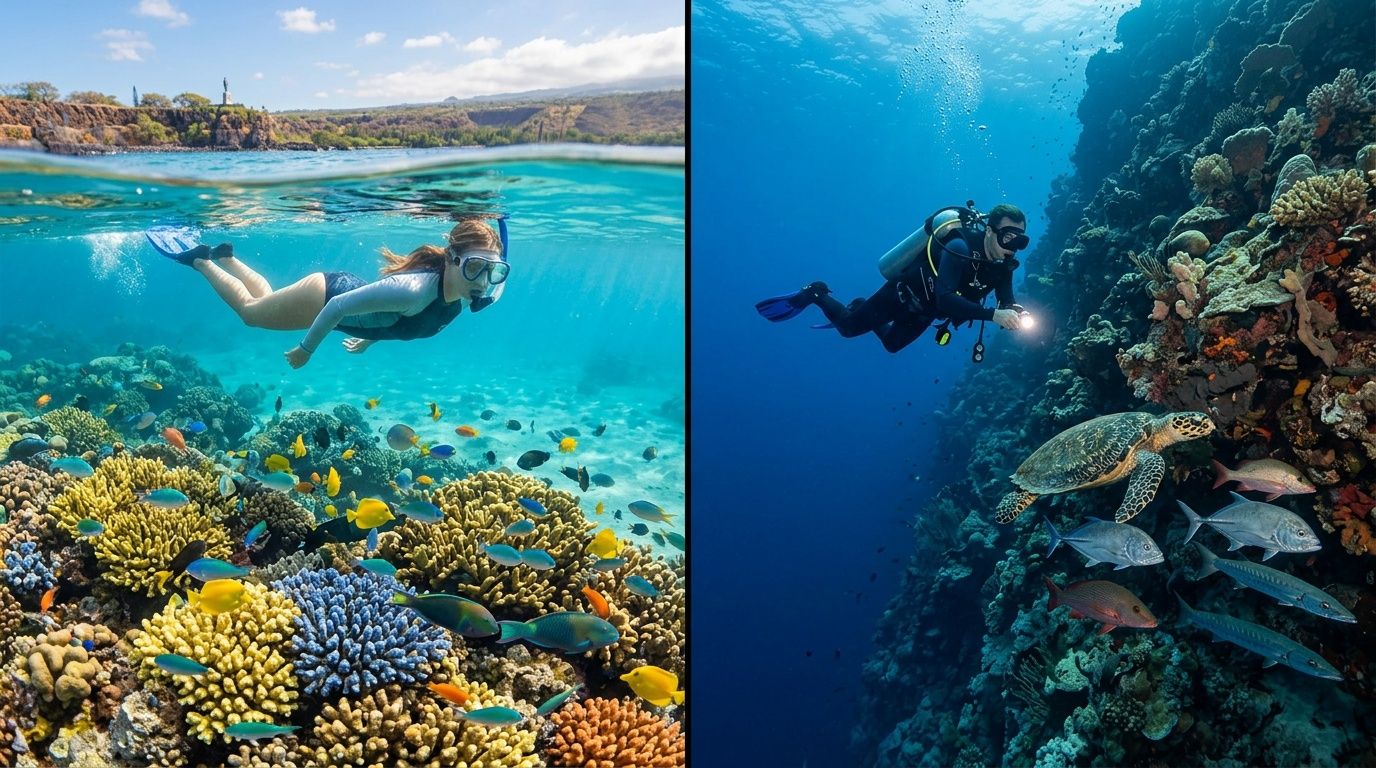
That range is a big part of what makes this bay special. Protected water near shore gives snorkelers an approachable place to observe marine life, while the bay’s deeper contours give certified divers more to study than a quick pass over shallow coral. In a marine life conservation district, that difference matters. You are not just entering clear water. You are entering a habitat that has stayed productive because people have worked to protect it.
Snorkeling here feels rewarding fast
Kealakekua Bay is one of those rare places where beginners can have a memorable hour without needing advanced skills. If you float comfortably, clear your mask, and keep your movements relaxed, the reef comes to you. Yellow tang, butterflyfish, and schools of smaller reef fish often turn a simple swim into something that feels much bigger.
That said, “beginner-friendly” does not mean careless-friendly. Good snorkeling here still depends on calm habits. Keep your fins off the coral, give sea life space, and avoid standing on rocky or living reef areas during entry and exit. The bay looks durable from above, but reef systems are more like old stonework than playground equipment. They can take centuries to build and seconds to damage.
Scuba reveals the bay’s second personality
Snorkeling shows you the surface layer. Scuba lets you slow down and read the structure of the bay.
As you descend, the reef stops being a flat picture and starts working like a hillside underwater. Light changes. Fish behavior changes. Small ledges, lava formations, and transitions between coral growth and deeper open water become easier to notice. For newer divers, that can mean an enjoyable, visually rich dive without complicated overhead conditions. For experienced divers, the attraction is different. Kealakekua can serve as a calm, high-visibility site for fish life and reef observation, but it also rewards divers who pay attention to depth, profile, and how the terrain shifts away from the shallows.
That advanced angle gets missed in many snorkel-heavy guides. Certified divers who want more than a casual reef cruise often use Kealakekua as part of a broader Kona dive plan, pairing it with sites that offer stronger depth contrast or more demanding conditions. One operator many divers consider for Kona scuba planning is Kona Honu Divers, which offers guided dive tours on the Big Island. If you want a practical overview of equipment before booking, this guide to gear for your Kona diving adventure is a useful place to start.
Which activity fits your group
A simple comparison helps.
- First-time ocean visitors: Snorkeling usually makes more sense. You stay near the surface, the learning curve is shorter, and the payoff comes quickly.
- Comfortable swimmers who want a longer water session: Snorkeling with good fins, a rash guard, and a realistic plan for energy use can be enough for a very full day.
- Certified divers: Scuba gives you time at depth, a closer look at the reef’s structure, and a better sense of how the bay changes beyond the surface view.
- Experienced divers planning a Kona trip: Treat Kealakekua as one strong site in a larger itinerary, not only as a beginner stop. Its value is clarity, reef life, and underwater topography, especially when combined with other dive locations.
Some snorkelers also research compact propulsion devices for easier surface cruising in calm conditions. If that appeals to you, you can find your Stermay M1 and compare whether it suits the kind of relaxed reef viewing you want.
Plan Your Perfect Visit Best Times Gear and Safety
A smooth day at the bay usually comes down to timing, gear, and honesty about your comfort level in the ocean. Visitors who plan those three things well tend to spend more time enjoying the place and less time fixing avoidable problems.
Morning usually gives you the cleanest experience. Conditions are often calmer early, and the bay tends to feel less hectic before the day fully builds.
What to pack
Don’t overpack, but don’t show up casual in the wrong way either. Kealakekua Bay isn’t the spot for forgetting basics.
- Reef-safe sun protection: Mineral sunscreen, a rash guard, hat, and sunglasses all help.
- Water and simple snacks: Especially if you’re hiking or doing a long outing.
- Towel and dry clothes: The ride or drive back feels much better when you’re not sitting in wet gear.
- Well-fitting mask and fins: Comfort matters more than fancy branding.
- Waterproof phone case or camera: Only if you can manage it without turning the whole day into a photo mission.
If you’re still sorting out personal equipment, this practical guide to gear for your Kona diving adventure helps clarify what matters most.
Seasickness and boat comfort
If you’re taking a boat and you know you’re sensitive to motion, plan before departure, not after the harbor leaves behind. Once you’re queasy, even a beautiful bay can feel long.
Some commonly used options include Ship-EEZ Seasickness Patch, Dramamine pills, Bonine pills, Sea Band wristbands, and Ginger chews. People respond differently, so use whatever has worked for you before and check labels if you’re concerned about drowsiness.
Bring more water than you think you’ll need, and sort out seasickness prevention before the boat leaves the dock.
Safety that actually matters
A few simple habits make a big difference:
- Test your mask fit before you get in. A leaking mask can turn an easy snorkel into a frustrating one.
- Enter calmly. Rushed water entries cause more stress than the ocean itself.
- Give marine life space. Watching is the goal. Chasing ruins the encounter.
- Know your exit plan. Before swimming far from the entry point, look back and note where you’ll return.
If you’re traveling with a family and trying to keep costs in line across lodging, tours, and food, this article with Florida local's budget travel advice offers practical planning ideas that can translate well to Hawaii trips too.
Booking Your Adventure with Kona's Best
There’s a big difference between reaching the bay and experiencing it well. Professional tours simplify the hard parts: navigation, safety support, site knowledge, and timing.
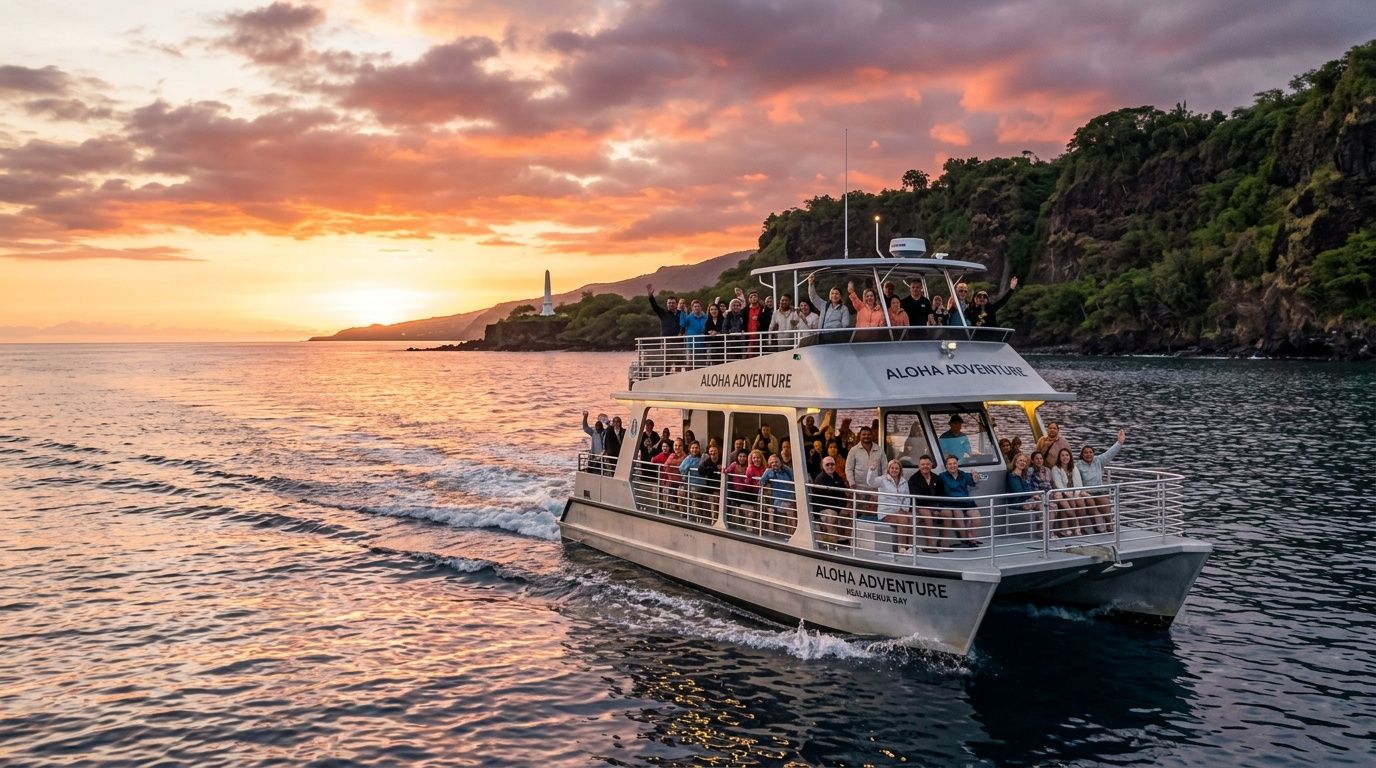
That matters even more in a place where history, reef protection, and access logistics all meet in one trip. A good crew doesn’t just get you there. They help you enter the bay with the right pace and expectations.
What a guided trip solves
Independent trips can work, but guided outings remove a lot of friction:
- Access planning becomes simple: You don’t have to manage the route alone.
- Gear support is easier: That helps first-timers and mixed-experience groups.
- Local context adds value: The bay makes more sense when someone explains what you’re seeing.
- Safety improves: Especially for nervous snorkelers or travelers unfamiliar with ocean conditions.
For snorkeling, many visitors compare operators such as Kona Snorkel Trips and Captain Cook Snorkeling Tours. For diving-focused travelers, a Kona dive operator may make more sense, especially if Kealakekua Bay is part of a broader dive itinerary rather than the whole day.
A practical booking mindset
Book around the experience you want, not just the cheapest seat. If your group values ease, choose ease. If your trip is built around underwater time, choose the operator and format that protects that priority.
The bay rewards good decisions before you ever touch the water.
Frequently Asked Questions About Kealakekua Bay
Can you drive right to the Captain Cook Monument
No. That catches many people off guard. The monument area isn’t a simple roadside stop, so most visitors reach it by boat, kayak access where allowed, or the steep trail approach.
Is Kealakekua Bay good for beginners
It can be, especially for snorkeling, because many visitors find the bay calmer and easier to read than more exposed ocean spots. Beginners still do best when they go with guidance, wear properly fitted gear, and avoid pushing beyond their comfort level.
Are there restrooms and facilities by the monument
Don’t count on shore facilities at the monument area itself. If amenities matter to your group, boat tours are usually the easier choice because they handle comfort more predictably than self-guided access.
Is the bay only for snorkelers
No. Snorkeling gets most of the attention, but divers also value the bay because the underwater terrain supports longer, more immersive observation and a different perspective on the reef.
When should I go
Morning is usually the safest bet for a smoother outing. You’ll often get calmer conditions, simpler logistics, and a more relaxed start.
What’s the right mindset for visiting
Treat the bay as both a cultural site and a living marine habitat. That means moving carefully, giving wildlife space, and leaving the place exactly as you found it.
If you want a guided way to explore the Big Island underwater, Kona Honu Divers is a solid place to start for scuba trips, local knowledge, and practical planning support.