
You’re probably in the same spot a lot of Big Island visitors reach. You’ve heard that kealakekua bay kona is one of those places you can’t skip, but the advice online is all over the map. One article makes it sound like an easy swim. Another makes it sound like a wilderness mission. A third only talks about snorkeling and leaves out what divers and families need to know.
That confusion is normal.
Kealakekua Bay is one of the most memorable places on the Kona coast, but it’s not just a pretty patch of water with a famous monument. It’s a sacred Hawaiian place, a major historical site, and a protected marine area that rewards visitors who arrive prepared and respectful. If you’re still planning the rest of your trip and trying to figure out basics like how long the plane ride is to Hawaii, it helps to know that this bay sits on the Kona coast of Hawaiʻi Island and often becomes a highlight people plan their whole day around.
Discovering Kealakekua Bay a Kona Treasure
You launch from Honokohau before the coast fully wakes up. As the boat runs south, the lava shoreline turns steeper, the water darkens to cobalt, and then the bay opens in front of you with a kind of quiet that catches first-time visitors off guard. That first view explains why so many travelers build a whole Kona day around this one place.
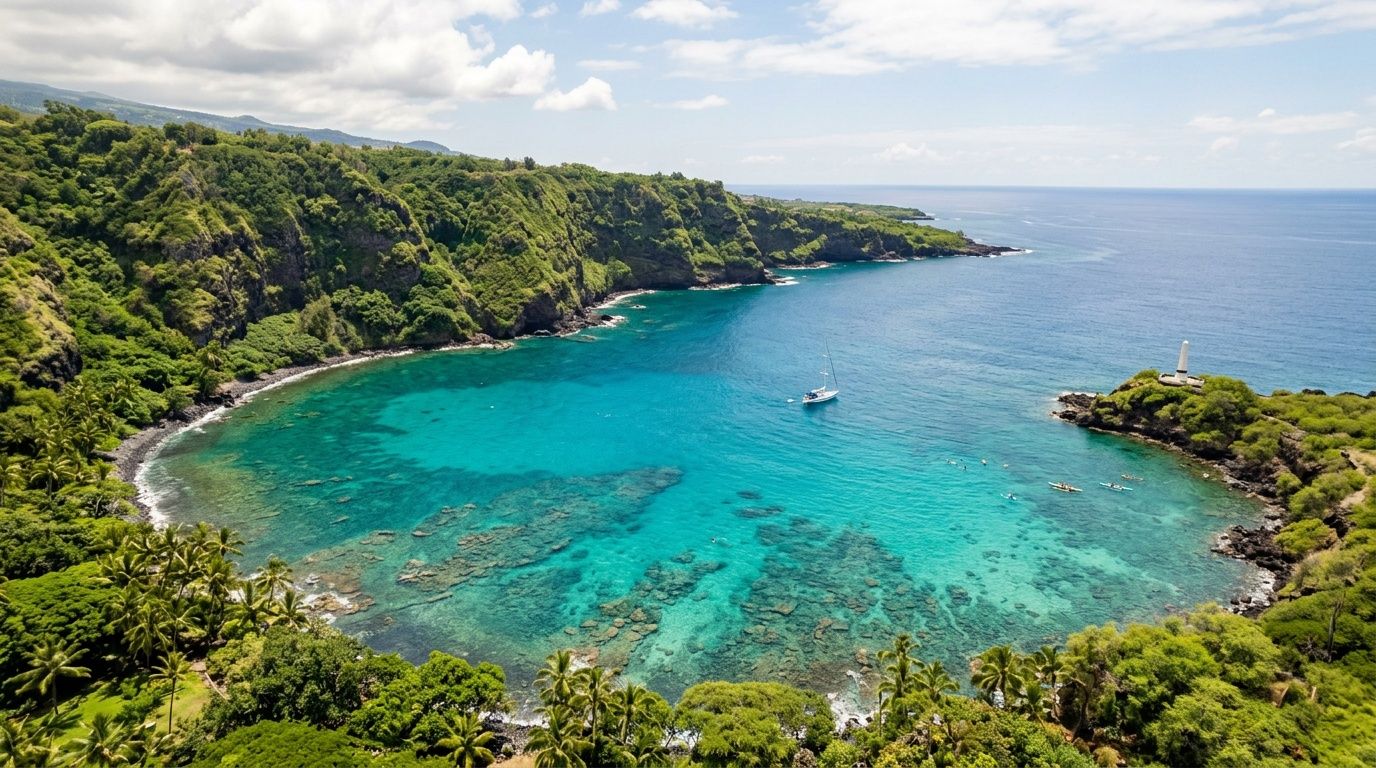
Kealakekua Bay sits south of Kailua-Kona, but distance on a map does not explain the experience. The bay feels set apart because the shoreline is steep, much of the coast is undeveloped, and the water is protected enough to hold that clear blue-green color people hope to find in Hawaiʻi. For divers and snorkelers, it often feels like entering an outdoor cathedral. Sound carries differently. Fish activity picks up fast. Even before you get in, the place asks for your attention.
That sense of arrival matters because Kealakekua Bay is not just a pretty stop. It is a place where culture, history, marine life, and access rules all shape the day. Many travel guides flatten those pieces into one postcard view. A better way to understand the bay is to treat it like a site with layers. The surface layer is the scenery. Under that are the reef conditions, the protected status, the shoreline access limits, and the long Hawaiian history that gives the bay its meaning.
Visitors usually choose Kealakekua Bay for four practical reasons:
- Clear water and healthy reef habitat: Protected conditions often support excellent visibility and active fish life.
- A distinct historical setting: The shoreline and monument draw attention, but the bay’s significance runs deeper than the landmark.
- Wildlife potential: Spinner dolphins may pass through the area, and reef species are often abundant close to shore.
- Memorable in-water conditions for snorkelers and divers: The bay rewards people who want more than a quick splash near a beach park.
The access piece is where many people get tripped up. A bay can look close and simple from photos, yet feel very different once you factor in trail conditions, entry points, boat moorings, current, afternoon wind, and your comfort in open water. That is why choosing between a boat trip and independent access is not a minor detail here. It shapes how much energy you spend, how much gear you can reasonably bring, and how safely you can enjoy the reef once you arrive.
If you are still sorting out the basics of your trip, including how long the plane ride is to Hawaii, it helps to know that Kealakekua Bay is the kind of destination worth planning with a little care instead of squeezing in casually.
If you want a practical starting point for comparing operator styles, departure formats, and what different outings include, this guide to Kealakekua Bay snorkeling tours helps frame the choices.
The short version is simple. Kealakekua Bay gives you more than scenery if you arrive with the right expectations. Come ready to learn the place, not just use it, and the bay opens up in a completely different way.
A Crossroads of Hawaiian History and Western Contact
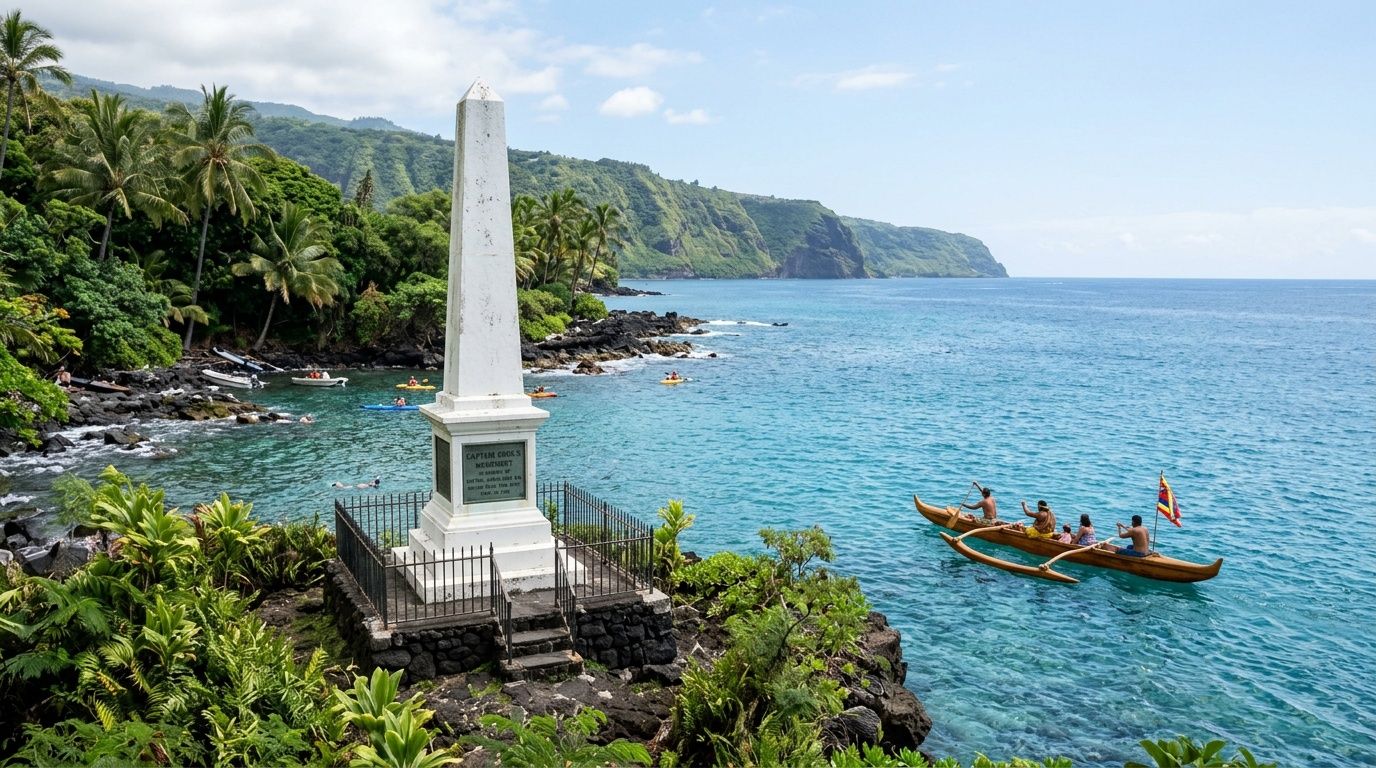
You motor into the bay on a calm Kona morning, the water clears from deep blue to glassy turquoise, and the white monument on the far shore pulls your eye first. That is a common first impression. It is also incomplete. Kealakekua Bay makes the strongest impression when you understand that the reef, the cliffs, the villages, and the monument all belong to the same story.
A sacred Hawaiian place
Long before any European ship entered the bay, Native Hawaiian communities had already made this area an important center of life, ceremony, and governance. Kealakekua was tied to makahiki, the season dedicated to Lono, when warfare paused and attention turned toward tribute, harvest, ritual, and renewal. If that sounds abstract, it helps to picture a bay that was already known, named, used, and honored within a living Hawaiian system.
Visitors often make one understandable mistake. They treat the Captain Cook Monument as the beginning of the story because it is the most visible marker from the water. The older Hawaiian story came first.
The surrounding area supported established communities with fishing grounds, cultivated areas, and religious sites, including heiau. In other words, this was not an empty shoreline waiting to be discovered. It was a place with structure, meaning, and memory.
The cliffs and what they tell you
From the water, the tall pali above the bay can feel almost theatrical, but their meaning is historical, not decorative. Pali Kapu O Keōua is associated with chiefly authority and conflict from an earlier period of Hawaiian history. A diver descending on the monument side often notices how the wall and shoreline create a sense of enclosure. On land and in the water, the bay feels protected, but it also feels watched over.
That matters because place names and physical features in Hawaiʻi often carry history the way a chart carries depth lines. They show you where events, beliefs, and authority were concentrated.
Historical lens: The monument marks one event. The bay holds a much longer Hawaiian record.
Captain Cook’s arrival and death
Captain James Cook arrived here during makahiki season, and that timing shaped the first encounters between his crew and Hawaiians. Those meetings are sometimes reduced to a simple tale of arrival, misunderstanding, and violence. The experience was more human and more unstable. Relations changed over time. Expectations shifted. Tensions rose.
Cook was later killed at Kaʻawaloa on the shore of the bay. For world history, that moment drew lasting Western attention to Hawaiʻi. For local history, it sits inside a deeper Hawaiian timeline that began long before Cook and continued long after him.
That distinction is worth keeping in mind if you visit by boat or enter the water near the monument. Many people come for clear visibility and coral structure, which are absolutely part of the draw. A Captain Cook snorkel tour in Kealakekua Bay also places you in a site where cultural history and ocean access meet in a very direct way.
What the monument means today
The Captain Cook Monument is easy to spot and easy to oversimplify. It marks the location associated with Cook’s death, but it does not summarize the whole bay. The full meaning of Kealakekua comes from holding both truths at once. This is a famous site of Western contact, and it is also a paramount Hawaiian place.
That perspective changes how you visit. You are not just approaching a photo point or a reef with good visibility. You are entering a bay where history is still present in the shoreline, the place names, and the way local residents ask visitors to behave with care.
How to Visit the Captain Cook Monument
This is the part that trips people up most. They know they want to see the Captain Cook Monument area, but they don’t realize that getting there takes planning. You can’t drive up, park nearby, and stroll into the prime water.
Access is regulated, and that changes the decision.
The three real access options
Independent visitors usually narrow it down to three choices. Each works for a different kind of traveler.
| Access Method | Approx. Cost | Effort & Time | Best For | Scuba Feasibility |
|---|---|---|---|---|
| Boat tour | Paid guided option | Lowest physical effort, most straightforward timing | Families, first-timers, most visitors | Most practical option for water-focused visits |
| Kayak with permit | Varies by outfitter or planning approach | Moderate effort, plus permit logistics | Fit, organized visitors who want independence | Limited and logistically awkward for most scuba needs |
| Hike via Nāpō‘opoʻo trail | Lowest direct access cost, but high physical cost | Strenuous and time-consuming | Strong hikers comfortable with heat and rough return climb | Poor fit for scuba gear and most dive plans |
The key fact is simple. Accessing Kealakekua Bay is heavily regulated. Independent access means either a strenuous 4.5-mile hike down the Nāpō‘opoʻo trail or getting a limited kayak permit, while April 2026 DLNR rules cap commercial entries after visitor pressure increased 15% in 2025, according to this Kealakekua Bay access guide.
Boat tour for the least friction
A permitted boat tour is generally the cleanest choice.
You skip permit uncertainty. You avoid the steep hike. You also arrive with crew members who know how the bay is behaving that day, which matters more than many visitors realize. Conditions can look gentle from shore and still feel different once you’re on the water.
Boat access also works better for mixed groups. If one person wants to snorkel casually and another wants a more structured water session, the boat option keeps the day manageable.
If you want a practical overview of what that experience looks like, this Captain Cook snorkel tour page shows the basic format many visitors are looking for.
Kayak for independence and extra planning
Kayaking appeals to people who want a self-directed day. I understand the draw. On calm days, crossing the bay under your own power can feel rewarding.
But this option is where people often underestimate the logistics. Permits are limited, rules matter, and carrying snorkeling gear is one thing while managing a more complex water setup is another. For families, casual visitors, and anyone on a tight vacation schedule, this method can become more work than adventure.
Hike for strong hikers only
The hike attracts travelers who want to avoid boats or do the trip under their own steam. You need to think about the downhill and the uphill separately. Going down can feel manageable. Coming back up in the heat after time in the water is what catches people off guard.
For snorkel gear, it’s demanding. For scuba, it’s generally a poor match.
The biggest planning mistake at Kealakekua Bay is assuming the destination is easy because the water looks calm in photos.
A simple decision framework
If you’re unsure which route fits you, use this quick filter:
- Choose a boat tour if convenience, reliable access, family ease, or in-water guidance matter most.
- Choose kayak access if you’re comfortable with permits, self-management, and extra effort.
- Choose the hike only if you enjoy strenuous trail days and understand that the return climb is the ultimate test.
For most visitors, permitted boat access is the most reliable way to spend your energy on the bay itself rather than on the logistics of reaching it.
Underwater Wonders of Kealakekua Bay
Once you slide into the water, the conversation changes. The cliffs, the monument, the history on shore, all of that stays present, but the bay starts speaking in a different way. Light travels far. Sound softens. The reef seems to open all at once.
Kealakekua Bay earns its reputation here.
Why the water looks so good
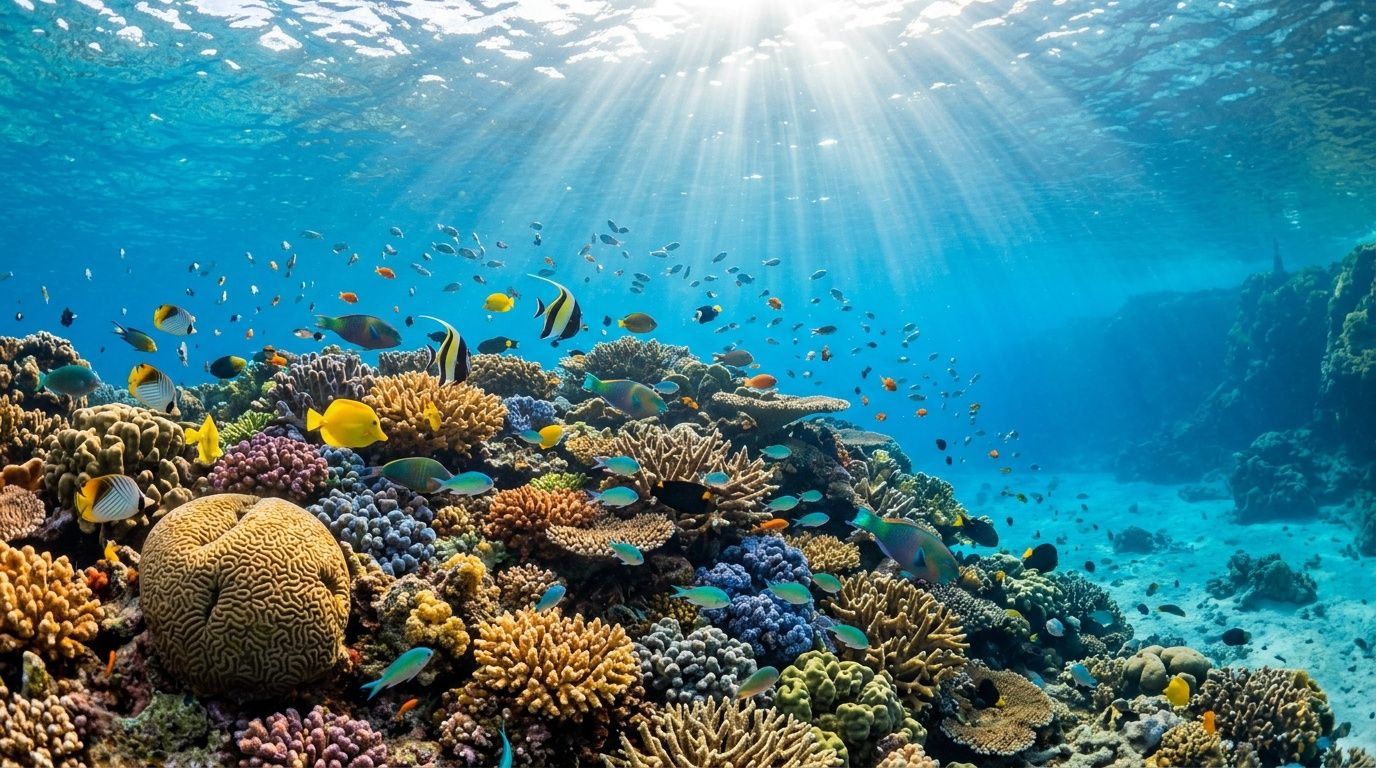
Kealakekua Bay’s status as a Marine Life Conservation District helps protect the conditions people notice right away. Water clarity frequently exceeds 100 feet, and the water temperature stays a stable 77 to 82°F year-round, according to this guide to Captain Cook snorkeling conditions.
That combination matters more than people think.
Clear water doesn’t just make the bay photogenic. It makes orientation easier for new snorkelers, improves fish viewing, and gives divers a stronger sense of the reef structure below them. Stable temperatures help visitors stay comfortable longer without the sharp seasonal swings that can make some sites feel hit or miss.
What you’re likely to see
The first thing most swimmers notice is fish density. Even people who have snorkeled elsewhere in Hawaiʻi often comment that the bay feels busy underwater in the best way. Reef fish move through the coral heads, midwater schools flicker in the light, and the whole scene feels layered rather than empty.
Visitors also come hoping for larger animals, and the bay is known for encounters with:
- Tropical reef fish
- Sea turtles
- Dolphins
That doesn’t mean wildlife performs on command. It means the habitat supports the possibility in a way that keeps the swim interesting from the first minute to the last.
If endemic species are part of what draws you into Hawaiʻi diving and snorkeling, this article on Big Island marine animals adds helpful local context.
Some bays impress you with one dramatic sight. Kealakekua usually wins people over through constant detail. Fish behavior, coral texture, changing light, and the occasional larger visitor all happening in the same swim.
Why the bay feels welcoming to beginners
People often assume a famous site must be advanced. Not here, at least not by default.
The visibility helps newer snorkelers relax because they can see where they are. Warm water helps too. You spend less time dealing with discomfort and more time paying attention to the reef. That’s one reason families and mixed-experience groups often leave happy. The bay gives beginners a strong first impression without feeling dull to more experienced ocean people.
The right mindset underwater
The more life you see, the more restraint matters.
Good visitors float, watch, and let the reef come to them. They don’t stand on coral. They don’t chase turtles. They don’t turn dolphin sightings into a pursuit. In Kealakekua Bay, patience usually leads to a better experience than effort does.
Prime Dive and Snorkel Spots in the Bay
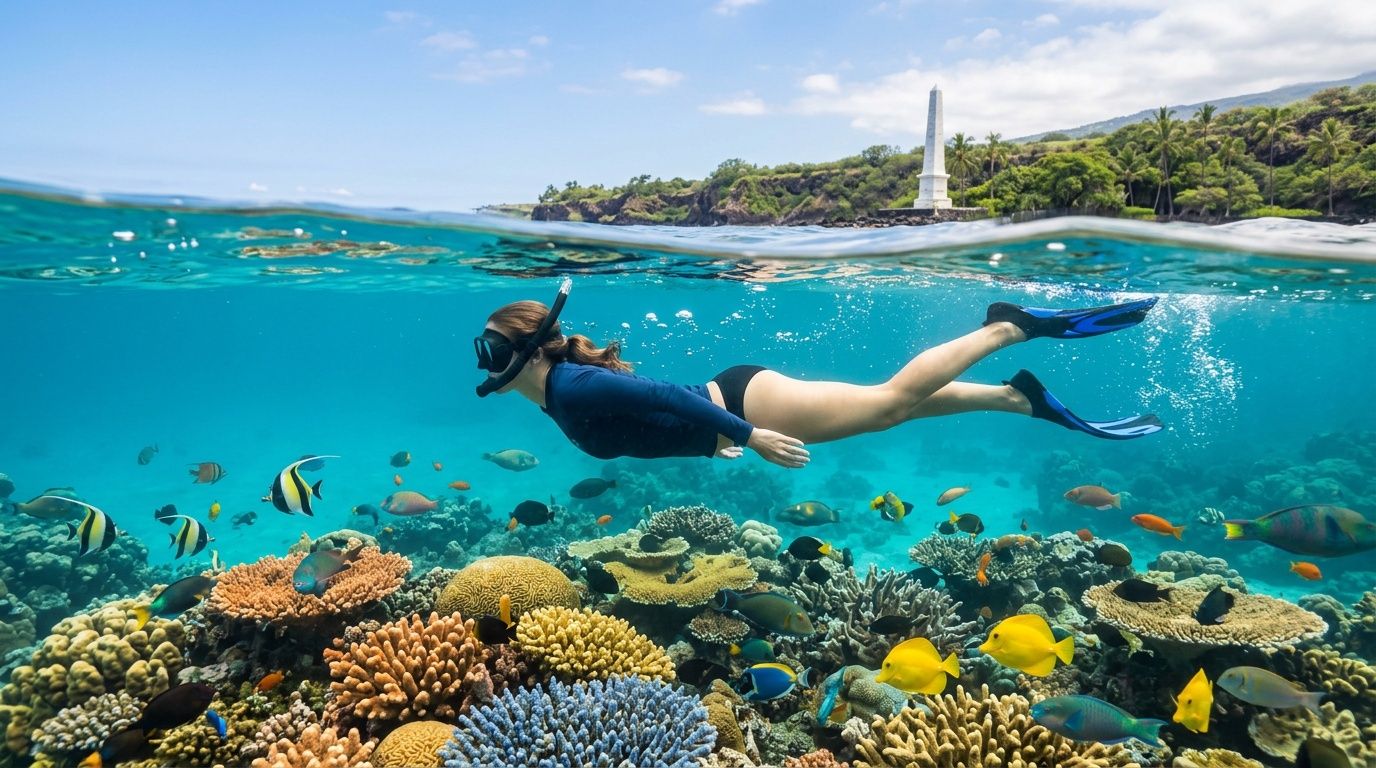
If you ask where the main action is, the answer is usually the area in front of the Captain Cook Monument. That stretch is the best-known part of the bay for a reason. It gives snorkelers easy visual payoff near the surface while also offering deeper structure for divers who want more terrain.
The topography is what makes it work for both groups at once.
The monument side for easiest payoff
Near the monument, the bay averages about 25 feet, then drops to over 100 feet, with a maximum documented depth of 153 feet, according to this Kealakekua Bay depth overview. That depth profile is one of the bay’s biggest strengths.
A beginner can stay in the shallower zone and still have plenty to see. A more experienced diver can move into deeper water and explore the reef’s shape more fully. That’s unusually convenient for mixed-skill groups.
How to read the site in simple terms
Think of this part of the bay in layers:
Shallow upper reef
Good for relaxed snorkeling, surface comfort, and fish viewing without committing to depth.Middle slope
The reef starts to feel more dimensional. You notice ledges, contour, and the shift from casual sightseeing to more focused exploration.Deeper structure
Better suited to trained divers who are comfortable managing depth, buoyancy, and a more watchful pace.
That layout is why one group can share the same general area without everyone needing the same water skills.
Where divers need a different mindset
This is also where snorkel articles tend to stop too early. Divers need to think beyond “clear water and lots of fish.”
Depth changes the day. A bay that feels easy at the surface can demand better planning once you leave the shallow shelf. Your gas use, your comfort in deeper blue water, and your awareness of site limits all matter more. Advanced visitors looking beyond simple reef sightseeing often benefit from broader local options too, including top Kona snorkeling spots if they’re building a multi-site trip.
Practical rule: In Kealakekua, don’t judge the entire site by the first calm patch of water you enter. The bay gets more complex as the bottom falls away.
Best fit by activity
A quick way to match the site to your goals:
- First-time snorkelers: Stay over the shallower reef and focus on comfort, breathing rhythm, and fish watching.
- Confident snorkelers: Work the reef edge and spend more time scanning the water column.
- Certified divers: Treat the slope as the feature, not just the backdrop.
- More experienced divers: Plan conservatively and choose operators or companions who understand site management, not just sightseeing.
The beauty of this bay is that one location can hold all of those experiences at once.
Safety Rules and Respectful Visiting
Kealakekua Bay looks sheltered, and often it is. That’s part of its appeal. But “protected” doesn’t mean “risk-free,” and that distinction matters.
Visitors sometimes arrive with the wrong mental model. They assume a famous bay will be simple, uniform, and forgiving all day long. In reality, ocean conditions can change, entry choices matter, and crowd pressure affects both safety and the reef itself.
Why caution belongs in the plan
With over 190,000 annual visitors in the 315-acre Marine Life Conservation District, over-visitation is a real concern, according to this Kealakekua Bay visitor pressure summary. That same source notes coral degradation concerns and variable water conditions that many casual guides overlook.
Those aren’t abstract issues. They shape your actual day.
A crowded shoreline or busy in-water zone can make beginners anxious. Heavy visitor traffic can encourage rushed decisions. And once people start treating coral, wildlife, or shoreline access casually, everyone else inherits a worse experience.
The respectful way to move through the bay
Good ocean etiquette here is simple and essential:
- Keep your hands off the reef: Coral is alive and easily damaged.
- Give wildlife space: Watching is the goal. Pursuit isn’t.
- Follow crew instructions quickly: Local operators track conditions in real time.
- Treat the bay as a cultural place: Noise, behavior, and attitude matter as much as gear.
This guide to responsible and considerate diver etiquette is worth reading before any ocean trip in Kona because the same habits that protect divers also protect the places we visit.
Why permitted tours help
A permitted boat tour doesn’t remove every risk, but it does improve the framework around your visit. You have people monitoring conditions, managing timing, and reducing the odds that you’ll improvise a bad plan once you get there.
That matters for safety. It also matters for impact.
People sometimes think independence is automatically more eco-friendly. Not always. A well-run permitted trip can reduce confusion, limit chaotic access behavior, and keep visitors concentrated in a managed structure rather than scattering pressure through poor choices.
If you’re worried about seasickness
Boat rides to the bay are manageable for many people, but if you know you get motion sick, prepare before the trip. Common options include Ship-EEZ Seasickness Patch, Dramamine pills, Bonine pills, Sea Band wristbands, and ginger chews.
Bring what works for you, and use it early rather than waiting until you already feel off.
Calm water doesn’t guarantee a calm stomach, and a little preparation can save the whole day.
Plan Your Adventure with a Trusted Guide
Upon experiencing Kealakekua Bay, one realizes the challenge isn’t whether the bay is worth visiting. It is. The challenge is choosing the access style that matches the kind of day you want.
For most visitors, that answer is a permitted boat trip.
What makes a guided trip simpler
A guided trip solves the two biggest problems at once. It handles access and it lowers uncertainty. You spend less time worrying about permits, trail effort, or shore logistics, and more time paying attention to the place itself.
For snorkelers, two commonly considered options are Kona Snorkel Trips Kealakekua Bay tour and Captain Cook Snorkeling Tours. For scuba visitors exploring broader Kona dive tours, some operators also run other reef and advanced outings on the coast.
Kona Honu Divers is one local option for scuba-focused travelers who want organized boat diving rather than trying to force a shore or self-managed approach into a site that doesn’t fit it well.
A short packing list that actually helps
Bring the basics that affect comfort, not just the obvious beach items:
- Reef-safe sun protection: Apply it early, before boarding if possible.
- Water and light layers: Boat mornings can feel cooler before the sun settles in.
- A dry bag or small tote: Keep your phone, towel, and extras contained.
- Mask confidence if you’re new: If masks make you anxious, practice breathing calmly before the trip.
- Any motion-sickness support you rely on: Don’t treat this as optional if you know your pattern.
Booking links
Reviews from local operators
Kealakekua Bay stays with people because it gives you more than one kind of memory at once. You get the visual punch of clear water and reef life. You get the weight of Hawaiian history. And if you visit well, you leave with something better than a few photos. You leave with a stronger sense of how to move through special places carefully.
If you want to explore more of Kona’s underwater world with a scuba-first team, take a look at Kona Honu Divers for guided boat diving, training, and additional ocean experiences around the Big Island.