
The Big Island of Hawaii is more than just stunning volcanoes and lush rainforests; it's a world-class diving destination with unparalleled underwater biodiversity. From the legendary Manta Ray Night Dive to the otherworldly Black Water experience, diving Big Island offers something for every level of adventurer. The Kona coast, sheltered from trade winds, boasts crystal-clear visibility, dramatic lava tube formations, and vibrant coral reefs teeming with life.
This guide will walk you through the top dive experiences and sites, helping you plan the ultimate underwater journey. We'll cover everything from iconic must-do dives to choosing the right operator and understanding seasonal conditions. To truly capture the magic of the Big Island's underwater world, consider bringing an underwater camera, and for enhancing those unique shots, explore the capabilities of some of the top AI photo editing software.
Whether you're a seasoned pro or a new diver, let's explore what makes this island a premier scuba paradise. For a comprehensive look at local diving tours, you can review a wide range of options to fit your skill level.
1. Manta Ray Night Dive: A World-Famous Underwater Ballet
The Manta Ray Night Dive is the signature underwater experience when diving the Big Island, and for good reason. This world-renowned dive, primarily conducted off the Kona coast, offers a truly unique and mesmerizing encounter with giant Pacific manta rays. The concept is simple yet brilliant: powerful lights are placed on the ocean floor, attracting dense clouds of plankton. This all-you-can-eat buffet draws in the mantas, who perform an elegant, acrobatic ballet as they feed, swooping and barrel-rolling just inches above the heads of stationary divers.
This is not a fleeting glimpse but a sustained, intimate observation. Sites like "Manta Village" and "Manta Heaven" are famous for their consistent activity, often attracting a dozen or more resident mantas identified and tracked by researchers. It’s an immersive spectacle that feels like being in a real-life nature documentary.
Implementation and Key Considerations
- When to Go: While the dive is available year-round, booking around a new moon can increase plankton activity and potentially attract more mantas.
- Choosing an Operator: Select a Manta Ray of Hawai'i® certified tour operator like Kona Honu Divers who adheres to strict interaction guidelines to ensure the safety of both divers and the mantas. Their commitment to conservation and education enhances the entire experience.
- Diver Skill: While not technically difficult, completing a night diving specialty course beforehand will boost your comfort and safety. The key is to remain calm and stationary on the seafloor.
- Photography: Use a red light filter for your camera to avoid disrupting the mantas’ natural behavior while capturing stunning images.
2. Manta Ray Night Dive: A World-Famous Underwater Ballet
The Manta Ray Night Dive is the signature underwater experience when diving the Big Island, and for good reason. This world-renowned dive, primarily conducted off the Kona coast, offers a truly unique and mesmerizing encounter with giant Pacific manta rays. The concept is simple yet brilliant: powerful lights are placed on the ocean floor, attracting dense clouds of plankton. This all-you-can-eat buffet draws in the mantas, who perform an elegant, acrobatic ballet as they feed, swooping and barrel-rolling just inches above the heads of stationary divers.
This is not a fleeting glimpse but a sustained, intimate observation. Sites like "Manta Village" and "Manta Heaven" are famous for their consistent activity, often attracting a dozen or more resident mantas identified and tracked by researchers. It’s an immersive spectacle that feels like being in a real-life nature documentary, an experience popularized by features in National Geographic and the work of the Manta Pacific Research Foundation.
Implementation and Key Considerations
- When to Go: While the dive is available year-round, booking around a new moon can increase plankton activity and potentially attract more mantas.
- Choosing an Operator: Select a Manta Ray of Hawai'i® certified tour operator like Kona Honu Divers who adheres to strict interaction guidelines to ensure the safety of both divers and the mantas. Their commitment to conservation and education enhances the entire experience.
- Diver Skill: While not technically difficult, completing a night diving specialty course beforehand will boost your comfort and safety. The key is to remain calm and stationary on the seafloor.
- Photography: Use a red light filter for your camera to avoid disrupting the mantas’ natural behavior while capturing stunning images.
3. Black Water Diving Big Island: A Journey into the Abyss
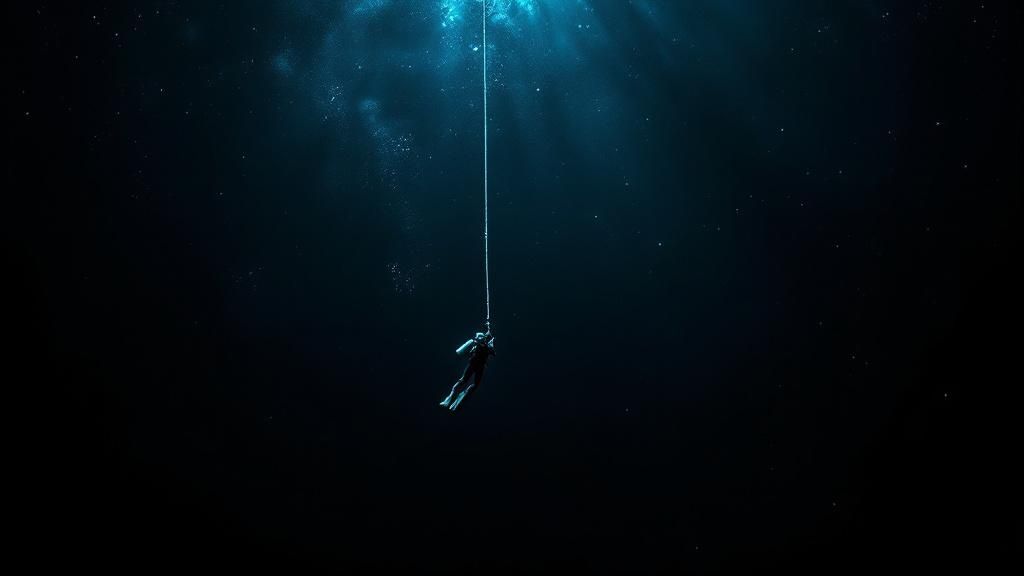
For the truly adventurous diver, diving the Big Island offers an experience unlike any other on Earth: the Black Water Dive. This is not a reef dive; it's a pelagic drift in the dead of night, miles offshore over thousands of feet of water. Divers are tethered to a boat and descend to about 50 feet to witness the largest migration on the planet, as bizarre and bioluminescent creatures rise from the abyss to feed near the surface under the cover of darkness. It’s an otherworldly encounter with life forms that seem alien in nature.
Pioneered in Kona, this dive reveals a hidden ecosystem teeming with larval fish, rare cephalopods like the paper nautilus, and mesmerizing siphonophores. Each dive is completely unpredictable, offering a treasure hunt for underwater photographers and marine life enthusiasts. The experience is often described as floating through outer space, surrounded by strange, glowing constellations of living creatures.
Implementation and Key Considerations
- Diver Skill: This is an advanced dive. Excellent buoyancy control, comfort in darkness, and an Advanced Open Water certification are essential. Some operators may have stricter prerequisites.
- Choosing an Operator: Safety is paramount. Select a highly experienced operator like Kona Honu Divers that has a long track record with this specific type of dive. Their expertise and safety protocols are critical for this unique environment. You can learn more about this unique experience on their black water diving page.
- Mental Preparation: The key is to relax and stay close to the tether system. The feeling of being suspended in infinite blackness can be disorienting, so trust your guide and your gear.
- Photography: This is a macro photographer's dream. A good focus light is crucial, but use it sparingly to avoid scaring away the delicate creatures. Be ready to capture the unknown.
4. Cathedrals Dive Site: Exploring Volcanic Architecture
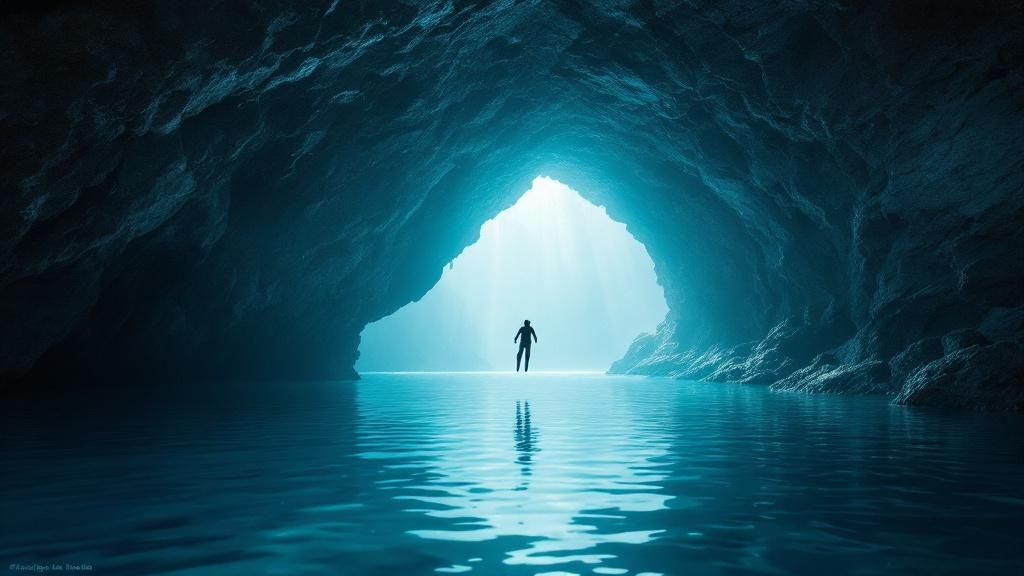
For those seeking a more adventurous and architectural dive, the Cathedrals offer a truly unique experience when diving the Big Island. These are not coral reefs but dramatic underwater lava formations off the Kona coast, creating breathtaking caverns and swim-throughs. Formed by ancient volcanic activity, the sites feature towering lava archways and tunnels that create a mystical, cathedral-like atmosphere as sunlight filters through from above. This is an exploration of the island's raw geological power.
Exploring sites like Cathedral I and II feels like navigating through submerged gothic structures. Divers can encounter white tip reef sharks resting on the sandy floors, eagle rays gliding past the cavern openings, and resident Hawaiian green sea turtles. The play of light and shadow within these volcanic chambers makes it a favorite spot for underwater photographers and divers looking for a more advanced thrill.
Implementation and Key Considerations
- Diver Skill: These sites are considered advanced due to the overhead environments. Excellent buoyancy control is mandatory. Consider taking an advanced dive tour with a reputable operator.
- Essential Gear: A reliable dive light is crucial for illuminating the darker corners of the caverns and revealing the vibrant colors of hidden marine life.
- Safety First: Always dive with an experienced local guide who knows the safe routes through the formations. Never enter an overhead environment without proper training and a clear exit plan.
- Best Conditions: Plan your dive for calm sea conditions to ensure safe entry and exit and to maximize visibility within the caverns.
5. Captain Cook Monument (Kealakekua Bay): A Pristine Marine Sanctuary
Kealakekua Bay, home to the Captain Cook Monument, is more than just a historical site; it's a vibrant Marine Life Conservation District offering some of the most protected and pristine conditions for diving the Big Island. The bay’s sheltered waters and strict conservation status have cultivated an incredibly healthy and dense coral reef ecosystem. This results in crystal-clear visibility, often exceeding 100 feet, and an abundance of marine life that feels like swimming in a perfectly maintained aquarium.
Divers and snorkelers are often greeted by playful spinner dolphins leaping in the bay's center. Below the surface, the reef slopes gently before dropping off, providing habitats for everything from colorful reef fish and green sea turtles to the occasional, elusive Hawaiian monk seal. The combination of historical significance, dramatic volcanic cliffs, and unparalleled marine biodiversity makes this a must-visit location.
Implementation and Key Considerations
- Access is Key: The site is best accessed by boat, as the overland hike is strenuous. Booking a trip with a permitted operator ensures legal and safe access to the bay's best spots. Learn more about the Captain Cook Snorkeling Tour on konahonudivers.com.
- Best Time to Visit: Early morning tours are highly recommended. The water is typically at its calmest, and you'll experience fewer crowds, allowing for a more serene encounter with the underwater world.
- Respect the 'Aina (Land) and Kai (Sea): This is a protected area. Use only reef-safe sunscreen, never touch the coral or marine life, and maintain a respectful distance. Adherence to these rules is critical for preserving this special place.
- Skill Level: Kealakekua Bay is fantastic for all experience levels. The shallow reef near the monument is perfect for snorkelers and new divers, while the drop-off offers exciting terrain for more seasoned divers to explore.
6. Hilo Side Diving (Laupahoehoe and Richardson’s): The Wild Side of the Island
For divers seeking an experience off the beaten path, the windward Hilo side offers a dramatically different adventure when diving the Big Island. Unlike the calm, protected Kona coast, these sites are wilder and defined by dramatic volcanic topography, black sand bottoms, and a more rugged, shore-diving-focused approach. This is where you trade the convenience of dive boats for raw, unfiltered natural beauty.
Sites like Laupahoehoe Point feature incredible underwater lava arches and canyons, while Richardson's Beach Park provides a more protected cove entry leading to unique seascapes. This side of the island is less commercialized, offering a sense of true exploration for the adventurous diver. The marine life is adapted to the higher-energy environment, providing different encounters than those found on the Kona side.
Implementation and Key Considerations
- When to Go: The summer months generally offer the calmest ocean conditions. Hilo side diving is highly dependent on weather and surf, which can be unpredictable, especially in winter.
- Safety First: Due to strong currents and challenging entries over lava rock, it is highly recommended to go with a local guide. Conditions can change rapidly, and local knowledge is invaluable for safety.
- Diver Skill: These shore dives are best suited for more experienced divers comfortable with navigating rocky entries, potential surge, and variable visibility. Check out advanced dive tours on the Kona side to build confidence before attempting Hilo.
- Essential Gear: Sturdy, thick-soled dive boots are mandatory for walking over sharp lava rock. A dive flag is also essential for these independent shore dives.
Big Island Diving Sites Comparison
| Item | Core Features / Highlights | User Experience / Quality ★ | Value Proposition 💰 | Target Audience 👥 | Unique Selling Points ✨ |
|---|---|---|---|---|---|
| Kona Diving Company | PADI 5-Star, small groups, modern boats, nitrox | ★★★★☆ Professional staff, safe, flexible | 💰 Higher price, multi-dive packages | Intermediate to Advanced divers | 🏆 Diverse dives, manta ray tours, underwater photo |
| Manta Ray Night Dive | Manta encounters, night dive, year-round | ★★★★★ Memorable, guaranteed encounters | 💰 Premium cost | All skill levels | 🏆 Best manta ray night dive, conservation focus |
| Black Water Diving | Open ocean night, rare species, advanced skills | ★★★★☆ Unique, challenging | 💰 Expensive, rare opportunity | Advanced certified divers | ✨ Deep-sea pelagic species, bioluminescence |
| Cathedrals Dive Site | Lava formations, good visibility, diverse fauna | ★★★★☆ Spectacular geology & photo ops | 💰 Moderate | Intermediate to Advanced | ✨ Cathedral-like underwater arches, swim-throughs |
| Captain Cook Monument | Conservation area, crystal clear, rich biodiversity | ★★★★★ Pristine, calm waters | 💰 Moderate | Snorkelers & divers | 🏆 Historical site, 150ft visibility, protected |
| Hilo Side Diving | Shore access, black sand terrain, less crowded | ★★★☆☆ Adventurous, variable conditions | 💰 More affordable | Experienced shore divers | ✨ Unique volcanic shore diving, local culture |
Ready to Take the Plunge?
Diving Big Island offers an unparalleled adventure, a journey into a submerged world carved by volcanic forces and teeming with vibrant, unique marine life. We've explored the dramatic lava tubes, the ethereal ballet of the world-famous manta ray night dive, and the otherworldly creatures of the Kona blackwater dive. From the vibrant coral gardens at Captain Cook Monument to the distinct underwater topography of the Hilo side, Hawaii's largest island presents a truly diverse and unforgettable diving portfolio. The key takeaway is that preparation and choosing the right guide are paramount to unlocking these incredible experiences safely and responsibly.
Your journey into the deep is about more than just checking a site off your list; it's about connecting with a fragile, powerful ecosystem. Understanding the seasonal variations, respecting safety protocols, and selecting charters that prioritize marine conservation, such as the highly-rated Kona Honu Divers, ensures your impact is positive. Their expertise not only enhances your dive but also deepens your appreciation for the underwater realm.
Now armed with this comprehensive guide, you have the insights needed to plan your ultimate Big Island diving vacation. Whether you’re a novice diver eager for your first manta encounter or an advanced diver seeking the thrill of a premium advanced dive tour, the next step is to make it happen. Review the wide array of diving tours available, match them to your skill level and interests, and book your spot. The vibrant blue waters of the Kona coast are waiting to reveal their secrets.
Ready to experience the magic for yourself? The professional and passionate crew at Kona Honu Divers specialize in creating safe, memorable, and eco-conscious underwater adventures along the Kona coast. Visit Kona Honu Divers to explore their full range of dive trips and find the perfect excursion to complete your Hawaiian island experience.