
Picture this: you're slowly descending into impossibly clear, blue water. Sunlight streams down from the surface, lighting up a wild, underwater world carved out by ancient volcanoes. This is what diving the Big Island is all about, and the Kona coast is the heart of it all.
Why The Big Island Is a World-Class Dive Destination
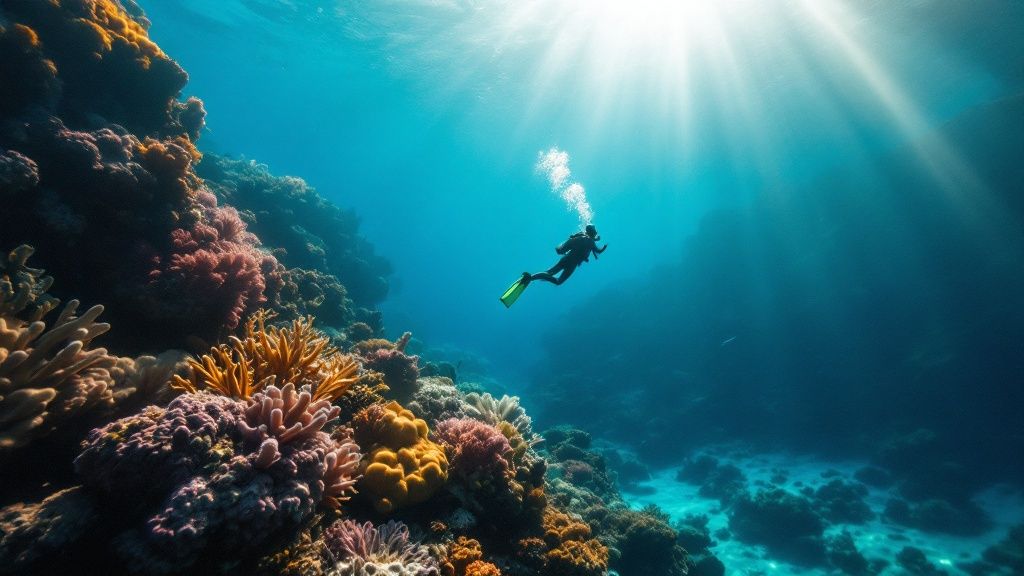
The Kona coast is a diver's playground, plain and simple. We're talking dramatic lava tubes, arches, and vibrant coral reefs absolutely buzzing with life. It's the kind of place that ends up on every diver's bucket list for a reason.
You get incredible, up-close encounters with the gentle Hawaiian green sea turtles (honu) and a mind-boggling variety of colorful tropical fish. Thanks to the island's unique geology shielding the coast, the water stays consistently warm and clear, making it a fantastic year-round destination.
This guide is for everyone, whether you're about to take your first breath underwater or you're a seasoned pro looking for your next big adventure. Expert local operators like Kona Honu Divers are the best way to safely explore all the wonders this coast has to offer.
Ready to jump in? You can check out their awesome lineup of expertly guided diving tours here.
Experience the Kona Manta Ray Night Dive
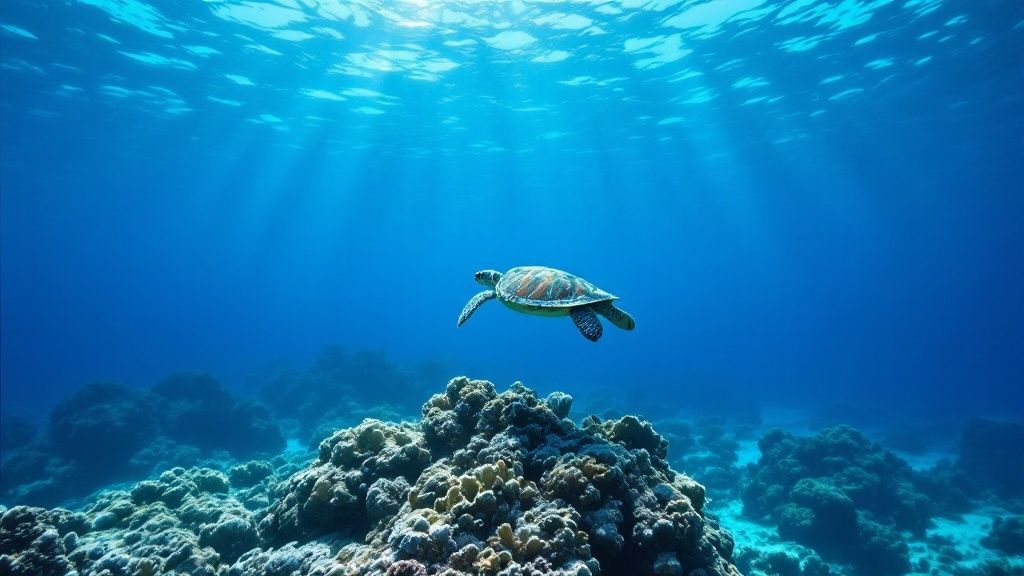
If there's one signature experience for diving Big Island, this is it. The Kona Manta Ray Night Dive isn't just another dive; it's a world-famous underwater ballet that you have to see to believe.
The idea behind it is pure genius. After a beautiful sunset cruise, our dive teams head down and set up powerful, upward-facing lights on the ocean floor. These lights act like a massive bug zapper for the ocean, attracting swarms of plankton and creating a glowing, all-you-can-eat buffet.
As a diver, you get a front-row seat. You'll settle onto the sandy bottom and simply watch as these gentle giants, with wingspans stretching up to 16 feet, glide, somersault, and swoop just inches over your head. It's a surreal, mesmerizing spectacle that feels like you've landed on another planet. This incredible eco-tourism activity has become a must-do for anyone visiting Kona.
Of course, timing your trip can play a part in the experience. You can learn more about the best time of year to see manta rays in our guide.
When you're ready for an unforgettable night, Kona Honu Divers offers an exceptional manta ray dive tour that our guests consistently rave about.
Exploring Top Daytime Dive Sites in Kona
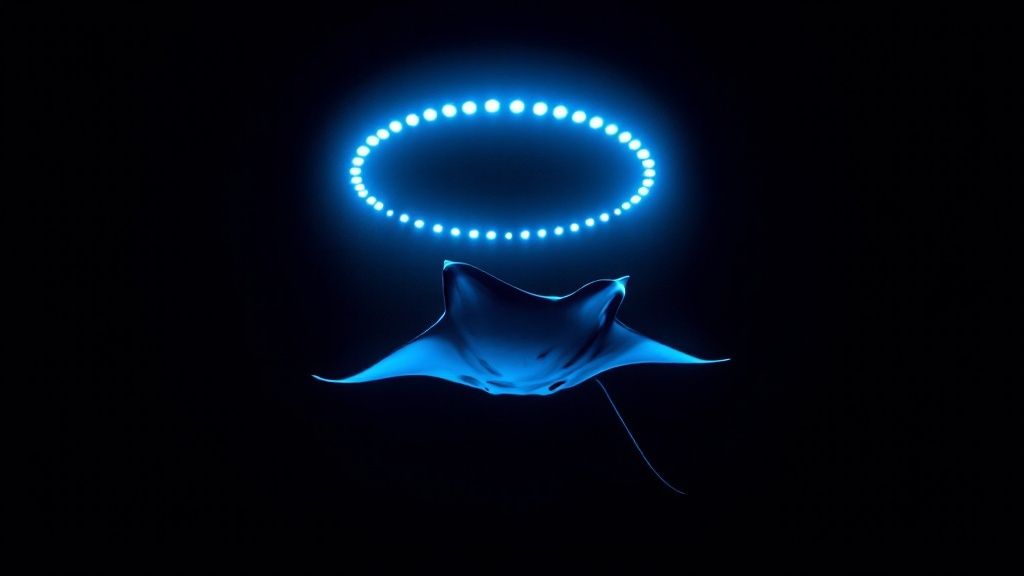
Sure, the manta dive rightfully owns the night, but Kona's sunlit waters are a completely different kind of magic for diving Big Island lovers. The coastline is absolutely packed with unique sites, and you could spend weeks exploring everything from the dramatic lava tube archways at Golden Arches to the calm, beautiful coral gardens.
Every spot has its own character, which means you'll never have the same dive twice. One of our all-time favorites has to be Turtle Pinnacle. It's a critical spot where Hawaiian green sea turtles, or honu, come to get spruced up at 'cleaning stations'.
You'll find these shallow reefs anywhere from 30 to 60 feet, and if you're patient, you can watch smaller fish swim right up and nibble the algae off the turtles' shells. It’s one of those amazing natural moments you just have to see for yourself.
The sheer diversity of underwater landscapes here means there's an incredible dive waiting for every skill level. If you're the type who likes to just gear up and walk in from the beach, make sure you check out our guide to the best shore diving sites in Kona.
Unique Dives for the Advanced Adventurer
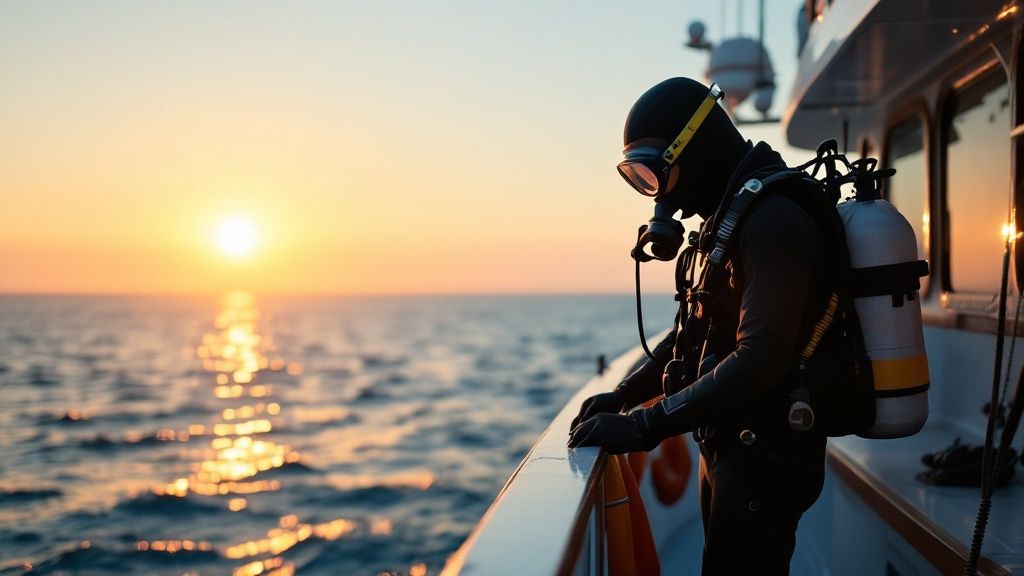
If you're an experienced diver looking for a real challenge, the kind of thrill that pushes beyond a typical reef dive, the Big Island has you covered. The legendary Kona Blackwater Dive is the absolute pinnacle of adventure, taking you miles offshore into the dead of night to float above thousands of feet of water.
What are you there to see? Nothing less than the largest vertical migration of life on the entire planet.
This isn't your average dive. You're suspended in the vast, open ocean, watching bizarre, alien-like creatures rise from the abyss, drawn toward the surface. It’s a pelagic safari where you come face-to-face with organisms most people will never see. Ready to meet the creatures of the deep? You can learn more about the incredible Kona Blackwater Dive.
Beyond that otherworldly experience, diving Big Island has plenty more to offer divers with advanced certifications. We're talking deeper reef dives and tricky lava tube penetrations that reward technical skill with sights of pristine, untouched environments and rare marine life.
These dives demand precision and experience, but the payoff is a profound sense of exploration. If you're ready for that next-level challenge, check out our advanced dive tours designed for seasoned adventurers. It’s these kinds of opportunities that make Kona a must-visit destination, even for the most well-traveled divers.
How to Plan Your Big Island Dive Trip
Alright, let's talk about planning. Getting your Big Island dive trip squared away is half the adventure, and timing is everything. While the diving here is epic year-round, what you'll see changes with the seasons.
The key is figuring out what you really want to experience. Dreaming of hearing humpback whale songs echoing through the water on your safety stop? Plan for the winter months. If you're after those glassy, calm days on the surface, summer is your best bet.
No matter when you come, the water stays in that perfect 75-80°F (24-27°C) range. It’s always a good idea to pack the right wetsuit for your personal comfort, though. For a full breakdown of what to expect month by month, we've put together a super helpful guide on everything you should know about Big Island diving.
Seasonal Diving Conditions on the Big Island
To give you a quick snapshot, here’s what the diving calendar looks like on the Big Island. This should help you pinpoint the perfect time for your trip based on what you want to see and the conditions you prefer.
| Season | Water Temperature | Visibility | Key Marine Life Sightings |
|---|---|---|---|
| Winter (Dec – Mar) | 75-77°F (24-25°C) | 60-100 ft | Humpback whales (songs are common!), dolphins, occasional tiger sharks. |
| Spring (Apr – Jun) | 76-78°F (24-26°C) | 80-120 ft | Manta rays, pilot whales, great visibility as winter swells calm down. |
| Summer (Jul – Sep) | 78-80°F (26-27°C) | 100+ ft | Calmest surface conditions, pilot whales, dolphins, peak manta ray activity. |
| Fall (Oct – Nov) | 77-79°F (25-26°C) | 80-100 ft | Whale sharks (more frequent sightings), manta rays, turtles. |
Every season offers something special. Whether it's the thrill of hearing whales or the peacefulness of a perfectly calm summer day, you can't go wrong.
And if you’re feeling a bit rusty or maybe just getting started, it never hurts to brush up. Taking a look at some general diving lesson information beforehand can boost your confidence and get you even more stoked to hit the water when you arrive.

A Brief History of Scuba Diving in Kona
Every great place has a story. For Kona, that story is all about how it went from a sleepy fishing village to one of the world's most sought-after destinations for underwater adventure. It didn't happen by accident; it was built by pioneers who looked at the calm, blue water and saw a world of potential just waiting to be shared.
A huge part of that story began back in 1981. That's when an instructor named Jack Clothier and his wife, Tina, opened up Jack's Diving Locker. It quickly became more than just a shop—it grew into the heart of the local dive community and helped put Kona on the map for good. If you want to dive deeper, you can read more about the pioneers of Hawaiian diving.
Knowing this history of passion and conservation adds something special to every dive. It connects you to the people who first fell in love with this incredible underwater world and made it what it is today.
Frequently Asked Questions About Diving The Big Island
Still have a few questions? You're not alone. Here are some of the most common things people ask about diving here on the Big Island.
Do I Need to Be Certified to See the Manta Rays?
This is a big one we get all the time. For the Manta Ray Night Dive, yes, you absolutely need to be a certified scuba diver. You'll be on the ocean floor looking up as these gentle giants swoop overhead.
But don't worry, nobody gets left out of the magic! We, like most operators, run an incredible manta ray snorkel trip. You'll float comfortably on the surface and watch the mantas feed just inches below you. It’s a completely different perspective, and honestly, just as breathtaking.
When Is the Best Time of Year to Dive?
The short answer? Anytime! Diving in Kona is fantastic all year long. The water stays in that perfect tropical range, typically between 75-80°F (24-27°C), so you're always comfortable.
While the mantas show up consistently year-round, the winter months from December through March add something truly special. On your dives, you might hear the haunting songs of migrating humpback whales echoing through the water. It’s an experience that will give you chills—in a good way