
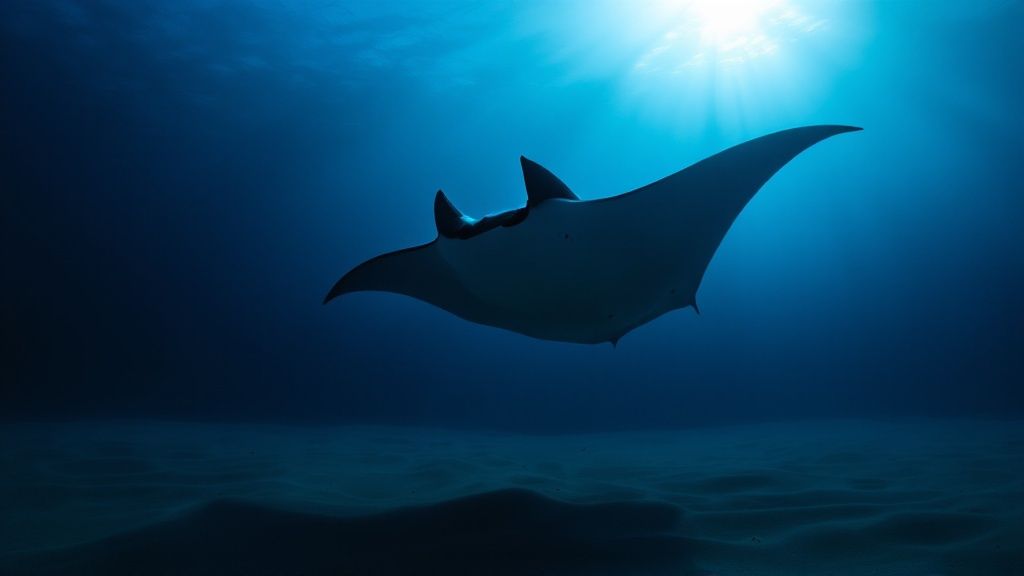
Picture this: you're weightlessly descending into brilliant turquoise water, drifting past ancient lava tubes that are now bursting with marine life. This isn't just another dive trip; this is diving the Big Island. Thanks to the calm, protected waters of the Kona coast, you've stumbled upon a world-class diving destination that's incredible all year long. Honestly, it offers some of the most unforgettable underwater adventures you can find anywhere on the planet.
Why the Big Island is a Diver’s Paradise
The Big Island has a global reputation as a premier scuba destination, and for good reason. It’s all about the one-of-a-kind underwater volcanic landscapes and the sheer abundance of sea creatures. Diving the Kona coast means you get spectacular conditions pretty much year-round, with water temps hovering between a comfortable 75-80°F (24-27°C).
The seas here are famously calm, especially during the summer, making it a fantastic spot for divers of all skill levels. You can learn a bit more about the ideal conditions for Big Island scuba diving on our main site.
Think of this guide as your complete roadmap. We'll cover everything from the world-famous Manta Ray Night Dive to those magical moments with Hawaiian green sea turtles. We’ll break it all down, whether you're a brand-new diver looking for a peaceful reef or a seasoned pro hunting for your next big thrill.
What Makes Kona Diving So Special
Unlike a lot of other tropical spots, the Big Island's underwater world was sculpted by volcanoes. This created a dramatic seascape of lava tubes, arches, and craters that you just won't find anywhere else. These unique structures have since become vibrant homes for an incredible variety of marine life.
The Kona coast is tucked away from the powerful trade winds by the colossal volcanoes Mauna Loa and Mauna Kea. This shelter creates a calm, leeward side with exceptionally clear water, making it perfect for diving nearly every single day of the year.
This unique blend of geology and geography means you can expect some amazing things:
- Exceptional Visibility: The water clarity in Kona is unreal, often stretching beyond 100 feet. It really feels like you're swimming inside a giant, natural aquarium.
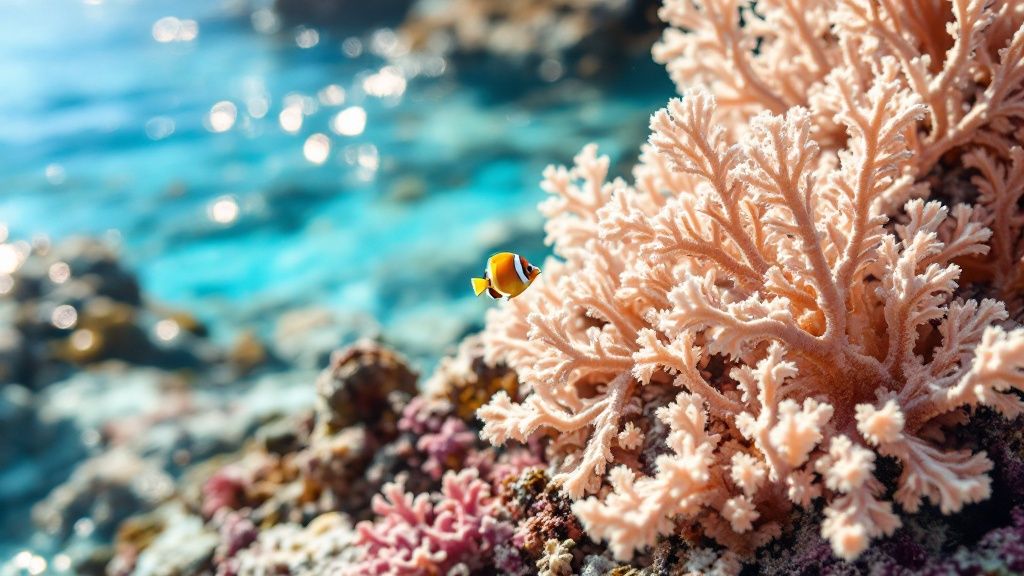
- Healthy Coral Reefs: That volcanic rock provides the perfect foundation for sprawling coral gardens, which are home to countless species of fish.
- Unique Marine Encounters: From the majestic manta rays to endemic Hawaiian fish that live nowhere else on Earth, the biodiversity here will blow you away.
- Variety of Dive Sites: Whether you love shallow reefs, deep ledges, or weaving through intricate caverns, there’s a dive site here with your name on it.
To help you get a quick sense of what to expect when planning your trip, we put together a simple summary.
Big Island Diving at a Glance
This table gives you a quick snapshot of the key conditions and highlights for planning your dive trip to the Big Island.
| Attribute | Details |
|---|---|
| Average Water Temp | 75-80°F (24-27°C) |
| Best Diving Season | Year-round, with summer (June-Sept) being the calmest |
| Visibility | Typically 80-100+ feet |
| Key Marine Life | Manta Rays, Sea Turtles, Spinner Dolphins, Reef Sharks, Endemic Fish |
| Dive Environment | Volcanic lava tubes, coral reefs, caverns, craters |
These highlights just scratch the surface of what makes Kona diving so special.
Ready to jump in and explore these incredible underwater landscapes yourself? Kona offers a huge selection of guided diving tours that are perfect for every diver out there.
The Most Unforgettable Big Island Dive Sites
The coastline of the Big Island isn't just a random stretch of sand and lava rock; it's a doorway to some of the most phenomenal underwater theaters you'll ever see. Each dive site here tells its own story, one forged by volcanic fire and then patiently carved out by the Pacific. From otherworldly nighttime ballets with giants to sprawling coral gardens hidden in plain sight, let’s dive into the must-see spots that make this island a world-class destination.
The World-Famous Manta Ray Night Dive
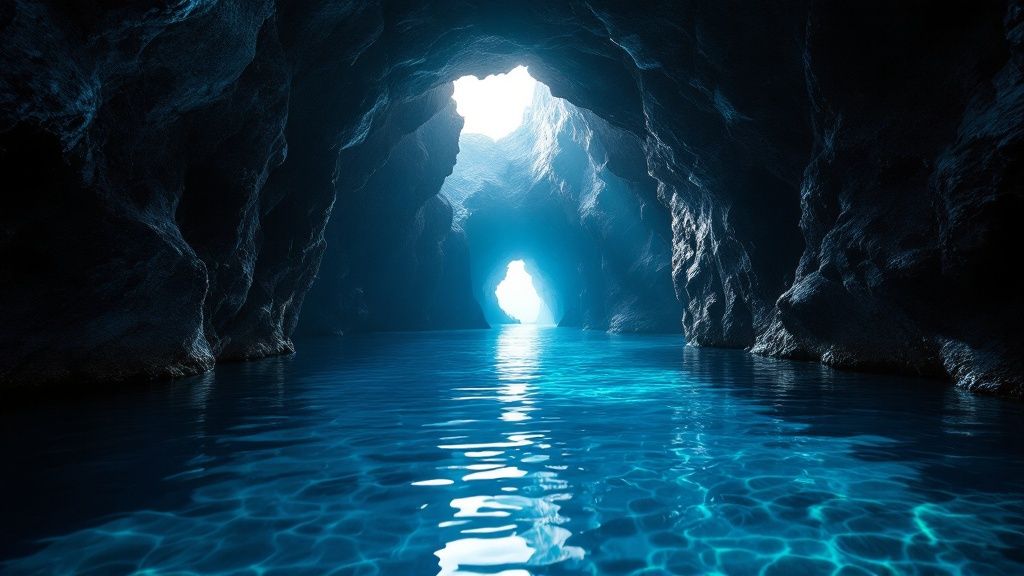
If there’s one single dive that puts Kona on the map, this is it. The Manta Ray Night Dive is consistently ranked as one of the best on the planet, and for good reason. Honestly, it feels less like a dive and more like front-row seats to a Cirque du Soleil performance. After the sun goes down, powerful lights hit the water, attracting a buffet of plankton that, in turn, draws in the majestic manta rays for their nightly feast.
You and your group settle on the sandy bottom, about 35 feet down, pointing your dive lights straight up to create a massive column of light. And then, the show begins. These graceful giants, with wingspans often hitting over 12 feet, swoop and barrel-roll through the beams, filtering plankton sometimes just inches from your mask. It’s a hypnotic, surreal experience that will stick with you forever.
I’ve done this dive countless times, and it never gets old. Watching these gentle giants glide so effortlessly is both humbling and deeply moving. It’s a powerful reminder of the pure magic hiding just beneath the surface.
This is a true bucket-list dive for people around the globe, so you absolutely have to book your spot ahead of time. You can check out our Manta Ray Night Dive tour options and lock in your place for this underwater ballet.
Turtle Pinnacle: A Natural Cleaning Station
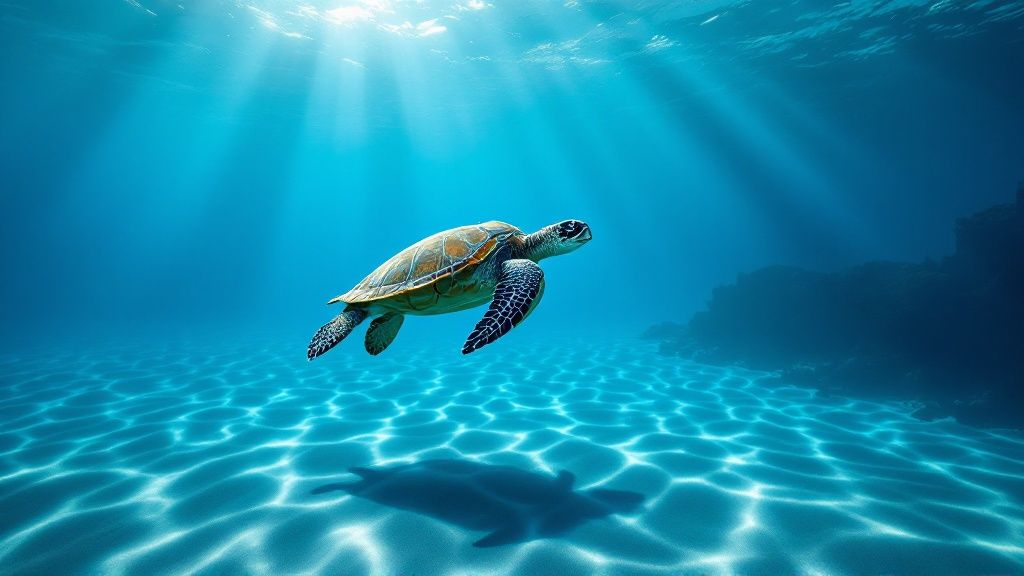
Picture a bustling spa day, but exclusively for Hawaiian green sea turtles (what we call honu). That’s the vibe at Turtle Pinnacle. This unique site is basically a series of coral mounds rising from the seafloor that have become a natural "cleaning station."
It’s a fascinating symbiotic relationship in action:
- The Setup: Turtles gather around these specific coral heads, almost like they're waiting in line.
- The Service: Tiny reef fish, like the Hawaiian cleaner wrasse, swim out to greet them.
- The Result: The fish get a free meal by meticulously picking algae and parasites off the turtles' shells and skin.
This all unfolds right in front of you, giving divers an incredible chance to see turtles in a totally relaxed, natural state. It’s not uncommon to see a half-dozen honu just chilling out, waiting for their turn. With depths between 30 to 60 feet, it's a perfect, mellow dive for nearly every skill level.
Crescent Beach: Labyrinthine Lava Tubes
For divers who get a thrill from exploring geology, Crescent Beach (also known as Kua Bay) delivers a wild underwater landscape. The whole site is defined by dramatic lava tubes, swim-through arches, and cool caverns, creating a natural maze that’s an absolute blast to navigate.
As you glide through these ancient volcanic formations, you’ll be blown away by how life has completely taken over. Sunlight streams through openings in the rock above, lighting up schools of fish and making the intricate textures of the lava flow pop. Keep your eyes peeled for whitetip reef sharks resting on the sandy bottoms inside the caverns and moray eels poking their heads out from the cracks. This dive is a beautiful, direct connection to the Big Island's volcanic soul.
Au Au Crater: Sunken Volcanic Cone
Diving at Au Au Crater feels exactly like you're exploring a submerged volcano—because that's pretty much what it is. This collapsed lava dome creates a dramatic and totally unique dive site. The crater's rim offers a stunning wall to drift along, while the protected inside cradles a ridiculously healthy and vibrant coral reef.
That varied topography is a magnet for a dense concentration of marine life. You can expect to see huge schools of milletseed butterflyfish, ornate butterflyfish, and all sorts of surgeonfish. The crater's complex structure is also the perfect hideout for frogfish, scorpionfish, and octopuses, all masters of camouflage. With depths between 35 and 60 feet, Au Au is a dream site for photographers and anyone who geeks out on the intersection of geology and biology.
And while these boat dives are nothing short of phenomenal, don't forget we have some of the best shore diving on the Big Island, which you can read all about in our detailed guide: https://konahonudivers.com/best-shore-diving-big-island/
Choosing Your Big Island Dive Operator
Exploring the incredible underwater world when diving Big Island is one thing, but the right guide can turn a good dive into an unforgettable one. Your dive operator is way more than just a boat taxi; they’re your safety net, your local guru, and your key to unlocking the reef's hidden secrets. Honestly, picking the right shop is probably the single most important decision you'll make for your dive trip.
The Kona coast has plenty of dive boats, but a few really stand out for their exceptional service and genuine respect for the ocean. A top-tier shop doesn't just drop you at a dive site; they curate the whole experience. They know the local currents like the back of their hand, they know exactly which ledge the resident frogfish likes to hang out on, and they put your safety above absolutely everything else.
Why a Great Guide Matters
Think of your dive guide as a translator for the ocean. A truly great one can point out a perfectly camouflaged octopus you’d have swum right past, or guide you through a lava tube that opens into a hidden cavern teeming with life. That kind of local knowledge is priceless and what separates a totally standard dive from a true adventure.
This is where a company like Kona Honu Divers really shines. They're known for their intimate, small-group tours, which means you get a personalized trip without feeling like you're in a crowd. Their guides don't just know the reefs; they have a deep, personal connection to them, and that passion comes through on every single trip. For a deeper dive on what makes this island so incredible, check out our guide on why you should think of diving on the Big Island.
But don't just take our word for it. The experiences of fellow divers say it all.
Your Checklist for Choosing a Dive Shop
To help you sort through the options and book with confidence, here’s a practical checklist for sizing up any dive operator. Getting this right is the key to a stress-free and spectacular dive vacation.
-
Certifications and Safety: First things first, make sure the shop is legit. Are they affiliated with a major agency like PADI or SSI? This ensures they follow strict international safety and training standards. Don't be shy about asking about their emergency protocols and whether they have oxygen on their boats.
-
Boat and Equipment Quality: A well-maintained boat and quality rental gear are huge signs of a professional operation. Is their boat spacious and actually designed for diving? Is the rental equipment from a brand you trust and in good shape? Ask to see the gear before you book.
-
Group Size: Smaller groups almost always equal a better, safer, and more personal dive. Find out what their guide-to-diver ratio is. An operator that deliberately limits group sizes, like Kona Honu Divers, is showing you they care about individual attention.
A smaller group means less time waiting, more one-on-one time with your guide, and a calmer, more respectful encounter with marine life. It completely changes the vibe of the dive for the better.
- Eco-Friendly Practices: Let's be real—we need to protect Hawaii's fragile reefs. Ask operators what they're doing for conservation. Do they push reef-safe sunscreen? Do they follow the Manta Ray Green List guidelines? Supporting eco-conscious companies helps keep these dive sites pristine for years to come.
Making the right choice here ensures your diving Big Island adventure is not only breathtaking but also safe and responsible. With a solid operator leading the way, you can just relax and soak in the magic of Kona's underwater world.
Advanced and Specialty Diving Adventures
So, you've mastered the beautiful sunlit reefs and you're starting to get that itch for something more. What's next? For the diver who's ready to push their boundaries, the Big Island offers a whole different tier of underwater thrills.
This is where you graduate from casual reef-gazing to true underwater exploration. We're talking about experiences that demand a higher level of skill, confidence, and a serious dose of curiosity. It’s not just about going deeper—it’s about seeing the ocean in a completely new light, or in some cases, in complete darkness.
The Kona Blackwater Dive: An Otherworldly Experience
The undisputed champion of specialty diving Big Island offers is, without a doubt, the Kona Blackwater Dive. If you think you know night diving, think again. This isn't a cozy swim over a familiar reef. This is a surreal, open-ocean drift dive, miles from shore, suspended over thousands of feet of inky black water.
You'll descend into the abyss, tethered to the boat, and simply float in the darkness. Then, the show begins. It’s like being an astronaut in deep space as bizarre, beautiful, and often bioluminescent creatures rise from the depths. This is the planet's largest vertical migration, a nightly journey these deep-sea organisms make towards the surface to feed. You’ll see things that look like they're straight out of a sci-fi movie—translucent larval fish, glowing jellies, and intricate siphonophores.
The experience of a blackwater dive is profoundly humbling. Suspended in the immense darkness, witnessing this hidden, vibrant ecosystem, you truly feel like an astronaut exploring a new frontier. It’s a powerful reminder of how much of our own planet remains a mystery.
This dive is all about solid buoyancy control and being comfortable in the dark. It’s an absolute must-do for any serious underwater adventurer, offering a glimpse into one of the most enigmatic environments on Earth. Ready for an adventure that’s truly out of this world? Check out our guided Kona Blackwater Dive tour and get ready for the dive of a lifetime.
Deep Ledges and Exhilarating Drift Dives
Beyond the blackwater, Kona's volcanic origins have blessed it with an incredible underwater landscape. We’re talking dramatic ledges and sheer drop-offs that plummet into the deep blue. These spots are magnets for marine life that you just don't see in the shallows.
Getting to these advanced sites often means drift diving, using the ocean's own currents to glide effortlessly along a reef wall. It’s an incredible sensation. You cover so much ground with minimal effort, but it definitely requires skill to manage your depth and stick with the group.
These dives are for the adventure seekers. You might encounter:
- Shy species like the rare Longnose Hawkfish hiding out in black coral bushes.
- Pelagic visitors like jacks, tunas, and even sharks patrolling the edge of the deep.
- Dramatic underwater scenery with sheer walls and overhangs that showcase the island's raw volcanic power.
Today's specialty dives are built on a rich history of deep-sea exploration right here off the Hawaiian Islands. Pioneering research back in the 1980s and the first manned dives below 1,000 meters in 2001 helped us understand these incredible habitats. You can learn more about the history of Hawaiian deep-sea exploration that paved the way for the adventures we have today.
For those who are certified and hungry for a challenge, our premium advanced dive tours are designed specifically to take you to these more demanding and rewarding sites.
Planning Your Perfect Big Island Dive Trip
Alright, with dreams of epic dive sites dancing in your head, it's time to nail down the logistics. Getting the planning sorted out now means you can just relax and enjoy the adventure when you get here.
This is your playbook for a seamless trip. We'll cover everything from the best seasons to dive, what you absolutely need to pack, and where to set up your home base. Getting this right is the difference between a good trip and an unforgettable one.
Best Time of Year for Diving
One of the absolute best things about diving Big Island is that the underwater world is open for business 365 days a year. Seriously. But, depending on what you want to see and feel, one season might edge out another.
- Summer (June – September): This is prime time, and for good reason. The water is like bathwater, often hitting a perfect 80°F (27°C), and the seas are typically flat calm. If crystal-clear visibility is at the top of your list, summer is your best bet.
- Winter (December – March): The water might dip a few degrees, but winter brings its own kind of magic: humpback whales. There's nothing quite like descending onto a reef and hearing the haunting songs of these giants echoing through the water. It's an experience that will stay with you forever.
Honestly, you can't go wrong. Your choice really boils down to this: do you prefer the warmest possible water, or the chance to have your dive serenaded by humpback whales?
Packing Essentials for Your Dive Trip
Packing smart can make all the difference. Here’s a quick rundown of what you should bring with you versus what you can easily rent once you're in Kona.
What to Bring:
- Certification Cards & Logbook: No card, no dive. It's that simple. Don't leave home without them!
- Personal Gear: A mask that fits your face perfectly is non-negotiable. A good snorkel, comfy fins, and your own dive computer are also highly recommended. Familiar gear is safe gear.
- Reef-Safe Sunscreen: This is a huge one. Standard sunscreens are loaded with chemicals that are incredibly damaging to Hawaii's delicate coral ecosystems. Do your part to protect our reefs.
- Wetsuit: You can always rent, but nothing beats your own. For most of the year, a 3mm wetsuit is plenty. If you tend to get chilly, or you're planning on winter or night dives, a 5mm might be a cozier choice.
Look, I get trying to pack light, but a leaky, ill-fitting mask can ruin a dive before it even starts. Prioritize bringing the personal gear that most affects your comfort and safety. You won't regret it.
Getting Around and Where to Stay
If you want the freedom to truly explore everything the Kona coast has to offer, you'll want to rent a car. It's the only way to really access some of the killer shore diving spots on your own schedule and makes getting to and from the boat harbor a breeze.
As for where to stay, Kailua-Kona is the undisputed hub for all things diving. Staying in or near town means you're just minutes from the best dive shops and Honokohau Harbor, the departure point for almost every dive boat.
This convenience didn't just happen overnight; it's built on decades of experience. The scuba industry here kicked off back in the early '80s, with true pioneers putting Kona on the map as a world-class dive destination. You can read more about the rich heritage of Hawaiian diving to appreciate how it all came to be.
What Marine life Will You See in Hawaii
Sure, the manta rays get all the attention, but the underwater world you'll explore when diving Big Island is a bustling city of incredible sea creatures. The volcanic reefs and see-through waters around Kona are the perfect backdrop for a seriously diverse cast of characters. Every single dive is a new opportunity to meet the locals.
One of the most peaceful and downright magical encounters you can have is with the honu, our Hawaiian green sea turtle. There's just something humbling about watching these ancient mariners glide effortlessly past you. You'll often spot them chilling out on the reef or visiting "cleaning stations" for a quick spa day from the local reef fish.
A Kaleidoscope of Reef Dwellers
Beyond the turtles, the reefs are literally painted with a vibrant palette of fish. Pods of super playful spinner dolphins frequently show up, sometimes even giving the dive boats an escort to their destination. The second you drop below the surface, you're surrounded by clouds of color.
Keep an eye out for these guys:
- Butterflyfish: Dozens of species, like the ornate and milletseed butterflyfish, dart around the coral in brilliant flashes of yellow and white.
- Moray Eels: Take a peek into the reef's little nooks and crannies. You might just see a whitemouth or zebra moray curiously poking its head out to see who's passing by.
- Frogfish: These are the ultimate masters of disguise. Seriously, spotting one of these bizarre, camouflaged ambush predators sitting perfectly still on a sponge is a real badge of honor for any diver.
And of course, no trip is complete without trying to find Hawaii's state fish, the Humuhumunukunukuāpuaʻa, also known as the reef triggerfish. Its name is almost as colorful as it is.
The sheer amount of life on a single Kona reef is just mind-blowing. In one dive, you can go from watching a tiny, hidden frogfish to being mesmerized by a massive turtle, all while schools of vibrant fish swim all around you. It’s a constant, living spectacle.
Appreciating the Unique Ecosystem
The marine life here is a direct result of Hawaii’s isolation way out in the middle of the Pacific. Over millions of years, species evolved in this unique spot, which led to a huge number of endemic creatures you won't find anywhere else on Earth. As you swim through the lava tubes and coral gardens, you’re not just looking at pretty animals; you're witnessing a one-of-a-kind ecosystem in action.
This rich biodiversity is what makes every dive, from the shallows to the deep, so dang exciting. While the famous manta rays are definitely a highlight, the supporting cast of characters is just as spectacular. To learn more about the stars of the show, check out our detailed guide on the manta ray night dive in Kona. Understanding the full picture of life beneath the waves will give you a much deeper appreciation for this incredible place.
Frequently Asked Questions About Big Island Diving
Planning your underwater adventure on the Big Island always brings up a few questions. To help you get your plans dialed in with total confidence, we've put together some straightforward answers to the stuff we hear most often from divers just like you.
What Is the Best Time of Year to Dive the Big Island?
Here's the great news: Kona is a fantastic year-round dive destination. The best time really just boils down to what you're looking for in an experience.
- Summer (June to September): This is when you'll find the calmest seas and warmest water, often getting up to a balmy 80°F (27°C). The visibility is usually crystal clear, which is perfect for photographers or anyone who just loves those glassy, tranquil conditions.
- Winter (December to March): The water might be a few degrees cooler, but this is peak humpback whale season. You might not see them on every dive, but hearing their incredible songs echoing through the water is something you'll never forget. It’s a truly once-in-a-lifetime experience.
So, you can't really go wrong. You just have to decide: do you want the warmest water, or the magical soundtrack of humpback whales?
Can Non-Certified Divers Do the Manta Ray Night Dive?
Yes, absolutely! Anyone can experience the world-famous manta rays. The trip is just set up a little differently depending on whether you're a certified diver or not.
- For Certified Divers: You'll gear up and descend with your guide to a sandy spot on the ocean floor. From there, you'll shine your dive light up towards the surface to attract plankton. The mantas then swoop and glide right over your head in a breathtaking underwater ballet.
- For Snorkelers: You'll float on the surface, holding onto a custom-built light board. These powerful lights draw in the plankton, bringing the mantas right up to the surface to feed, sometimes just inches below you.
Both options offer a spectacular, up-close view of these gentle giants. If you're ready for this incredible encounter, you can book your manta ray dive or snorkel tour and pick the adventure that works for you.
Should I Dive on the Kona or Hilo Side?
While the whole island is stunning, for diving, the Kona coast on the west side is the undisputed champion. It's not even close. The massive volcanoes, Mauna Loa and Mauna Kea, act as a natural barrier, blocking the powerful trade winds that batter the Hilo side.
This protective shield creates the "leeward" side of the island, blessing us with consistently calm, clear waters. It's why we get that exceptional visibility that often stretches beyond 100 feet. The Kona side also has a much more established dive scene, with way more dive sites and operators to choose from.
What Certifications Are Best for Big Island Diving?
Your Open Water certification will get you in the water and let you see some amazing things, for sure. But if you want to unlock the full potential of Kona diving, a couple of extra certs can make a huge difference.
Getting your Advanced Open Water certification is a game-changer. It opens up the door to deeper sites, including dramatic lava tube swim-throughs and sheer walls where some of the most unique marine life likes to hang out.
We also highly recommend getting your Enriched Air Nitrox certification. This allows you to safely extend your bottom time, giving you more precious minutes to explore the vibrant reefs on every single dive. More time underwater is always a good thing