
The Big Island of Hawai'i isn't just a paradise of active volcanoes and lush rainforests; it's a premier global destination for scuba divers. The Kona coast, in particular, offers a spectacular underwater playground where visibility often feels infinite, revealing vibrant coral reefs and unique marine encounters you won't find anywhere else on the planet. From the world-famous manta ray night dive to deep-water pelagic explorations, diving Big Island provides a diverse range of unforgettable adventures.
This comprehensive guide is your essential resource for planning the ultimate underwater expedition. We will break down the absolute must-see dive sites, from beginner-friendly bays teeming with life to challenging drifts for advanced divers. You will learn about the island's most iconic experiences, including the ethereal Manta Ray Night Dive and the one-of-a-kind Blackwater Dive. We will cover everything from the best seasonal conditions and essential safety considerations to gear recommendations and top-rated tour packages, ensuring you have all the information needed for a successful trip. Whether you're a seasoned pro or planning your very first dive, this listicle breaks down the practical details required to explore the best of Kona's underwater realm. Let's dive in.
1. Manta Ray Night Dive at Kona
The Manta Ray Night Dive is arguably the single most iconic experience when diving Big Island, and for good reason. It's an otherworldly encounter that consistently ranks among the best night dives in the world. The concept is simple yet brilliant: dive operators set up powerful underwater lights on the seafloor at a designated site, often called "Manta Heaven" or "Manta Village."
These lights attract dense clouds of phytoplankton, the primary food source for manta rays. As the plankton gathers, majestic reef mantas, with wingspans that can exceed 15 feet, glide in from the darkness to feed. Divers and snorkelers position themselves near the lights and witness a breathtaking underwater ballet as these gentle giants perform barrel rolls and graceful maneuvers, scooping up plankton just inches away.
Why It's a Must-Do Experience
This dive offers a rare and intimate connection with one of the ocean's most intelligent and graceful creatures. Unlike a fleeting daytime sighting, this is a sustained, close-quarters encounter. The controlled environment makes it accessible even for relatively new divers, while the sheer spectacle captivates even the most seasoned veterans. The experience is not just about seeing mantas; it's about being immersed in their natural feeding behavior in a truly surreal setting.
How to Get the Best Experience
For an unforgettable adventure, selecting a top-tier operator like Kona Honu Divers is key. They are renowned for their small group sizes, experienced guides, and strong commitment to manta ray conservation and diver safety.
Practical Tips for Your Manta Dive:
- Book Early: This is a bucket-list dive. Reserve your spot several days, or even weeks, in advance, especially during peak travel seasons.
- Stay Calm: Once you are settled on the sandy bottom, remain as still as possible. This conserves air and prevents you from disturbing the mantas' feeding patterns.
- Camera Ready: Bring an underwater camera or GoPro with good low-light capabilities. You'll want to capture this memory forever.
2. Molokini Crater Back Wall
While technically an adventure accessed from Maui, the Molokini Crater Back Wall is such a legendary dive that it attracts serious divers visiting all of Hawaii, including those diving Big Island looking for the ultimate pelagic encounter. This sheer vertical wall plunges from around 60 feet down to over 300 feet into the deep blue of the Alalākeiki Channel. It’s a world-class drift dive known for its stunning clarity and potential for big animal sightings.
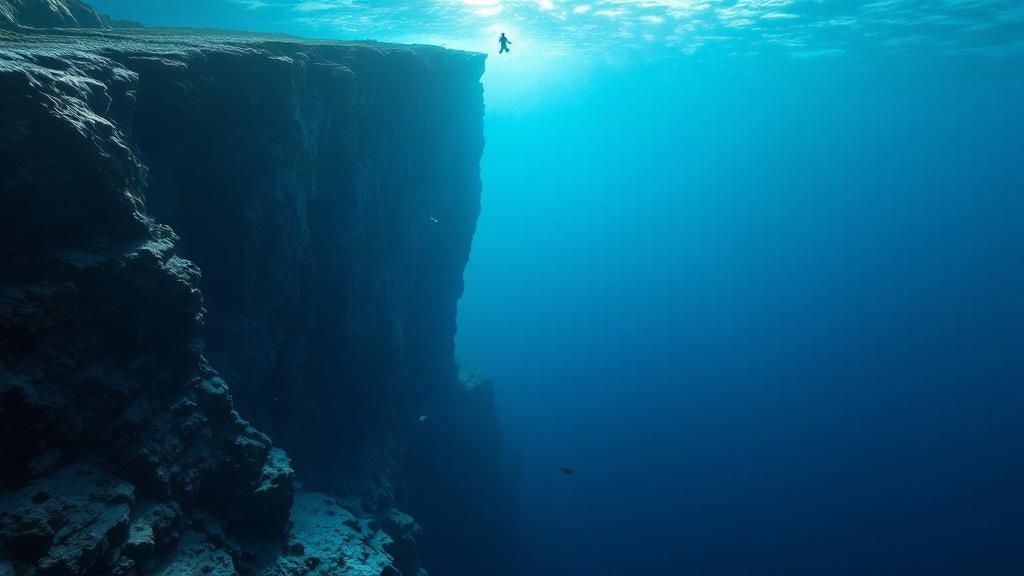
This exposed, deep-water environment acts as a magnet for pelagic species. Divers drift along the dramatic cliff face, scanning the endless blue for hammerheads, grey reef sharks, manta rays, and even the occasional whale shark. The wall itself is adorned with corals, sponges, and gorgonians, offering a starkly beautiful backdrop to the main event happening out in the open ocean.
Why It's a Must-Do Experience
This dive is pure adrenaline and awe. Unlike the protected reefs, the Back Wall exposes you to the raw, untamed power of the open ocean. The incredible visibility, often exceeding 200 feet, combined with the sheer vertical drop creates a feeling of flying through an immense underwater canyon. It's a challenging and rewarding dive that offers a genuine chance to see some of the ocean's most sought-after megafauna, a highlight for any advanced diver's logbook.
How to Get the Best Experience
The Molokini Back Wall is strictly for advanced divers due to its depth, potential for strong currents, and blue-water environment. While Big Island has its own incredible advanced dives, like those offered on Kona Honu Divers' premium advanced charters, a trip to the Back Wall requires a dedicated excursion from Maui with an operator specializing in technical and advanced charters.
Practical Tips for Your Back Wall Dive:
- Certification is Key: An Advanced Open Water certification is the bare minimum; many operators may require proof of deep and drift dive experience.
- Master Buoyancy: Perfect buoyancy control is non-negotiable to safely navigate the wall and manage your depth in a drift environment.
- Plan Ahead: This is not a casual dive. You'll need to coordinate a trip from Maui. Book with highly reputable, experienced operators like Maui Dreams Dive Co. or B&B Scuba.
3. Cathedral Caves (Cathedrals I & II)
While technically located off the coast of Lanai, the Cathedral Caves are a legendary dive experience often accessed by full-day excursions from Maui, but their unique geology is a must-mention for divers exploring Hawaii's volcanic wonders. These sites offer some of the most dramatic underwater topography in the state, formed by immense lava tubes that have collapsed over millennia. The result is a series of spectacular caverns, swim-throughs, and arches that create an awe-inspiring, church-like atmosphere.
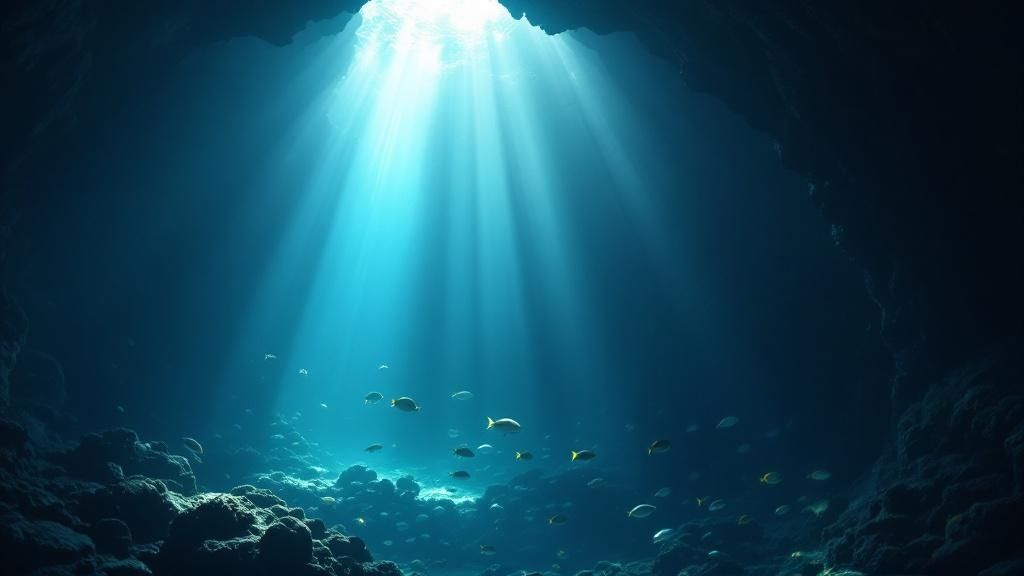
The "cathedral" effect comes from sunlight piercing through holes in the cavern ceilings, creating breathtaking beams of light that dance through the water. As divers navigate these vast chambers, they'll often encounter unique marine life seeking refuge, including white-tip reef sharks, nudibranchs, and schools of colorful fish. The sheer scale and ethereal lighting make this a photographer's dream and a pinnacle experience for those comfortable with overhead environments.
Why It's a Must-Do Experience
This dive provides an unparalleled opportunity to explore Hawaii's volcanic origins from the inside out. Unlike open-reef diving, the Cathedral Caves deliver a sense of exploration and adventure, making you feel like a true underwater explorer. The interplay of light and shadow within the massive lava formations is profoundly beautiful and creates a serene, almost spiritual feeling. For divers looking for something beyond coral reefs, this is an unforgettable adventure that showcases the raw power of volcanic creation.
How to Get the Best Experience
To truly prepare for the unique challenges of cavern diving, it is wise to hone your skills on advanced dives first. Operators like Kona Honu Divers offer premium advanced trips that help divers perfect their buoyancy and navigation, which are essential skills for safely enjoying overhead environments like the Cathedral Caves.
Practical Tips for Your Cathedral Dive:
- Master Buoyancy: Excellent buoyancy control is non-negotiable to avoid kicking up silt and to safely navigate the swim-throughs.
- Bring a Light: A powerful primary dive light and a backup are essential for illuminating the darker corners of the caverns and spotting hidden marine life.
- Stay With Your Buddy: Always maintain visual contact with your dive buddy, especially when inside an overhead environment.
- Check Certifications: Some operators may require an Advanced Open Water certification or proof of significant experience for this dive.
4. Kealakekua Bay Marine Life Conservation District
More than just a stunning historical site, Kealakekua Bay is a protected Marine Life Conservation District, making it one of the most vibrant and pristine locations for diving Big Island. The bay, where Captain James Cook first made contact with native Hawaiians, is sheltered from heavy ocean swells, which has allowed a rich and complex coral reef system to flourish in its crystal-clear waters. This protected status has created a thriving underwater sanctuary teeming with life.
Divers can explore underwater topography that ranges from shallow coral gardens bustling with colorful reef fish to dramatic drop-offs that descend to over 100 feet. The bay is famous for its exceptional visibility and frequent encounters with pods of spinner dolphins, which often rest here during the day. The sheer density and variety of marine life make every dive an unforgettable exploration.
Why It's a Must-Do Experience
Kealakekua Bay offers a rare combination of historical significance, protected natural beauty, and incredible marine biodiversity. Unlike more exposed coastal sites, the calm, clear conditions here are consistently excellent, making it ideal for both novice and experienced divers. It provides a unique opportunity to witness a healthy Hawaiian reef ecosystem as it existed for centuries, complete with massive coral heads and huge schools of fish. For more insight into visiting this special location, see these top-rated Kealakekua Bay snorkeling tours on konahonudivers.com.
How to Get the Best Experience
Due to its protected status, access to the bay is regulated. The easiest and most common way to dive here is via a licensed boat tour, as it provides direct access to the best dive sites near the Captain Cook monument. Reputable operators like Sea Quest and Fair Wind Cruises offer combined snorkel and dive trips that respect the bay's delicate environment and provide all necessary equipment and expert guidance.
Practical Tips for Your Kealakekua Bay Dive:
- Book a Tour: A boat tour is the most practical way to access the prime diving areas and avoid the difficult hike or long kayak paddle required for shore access.
- Be Dolphin Wise: If you encounter spinner dolphins, observe them from a respectful distance. It is illegal to approach or harass these protected marine mammals.
- Protect the Reef: Use only reef-safe sunscreen to help preserve the fragile coral ecosystem. Avoid touching or standing on the coral at all times.
5. Black Water Diving off Kona Coast
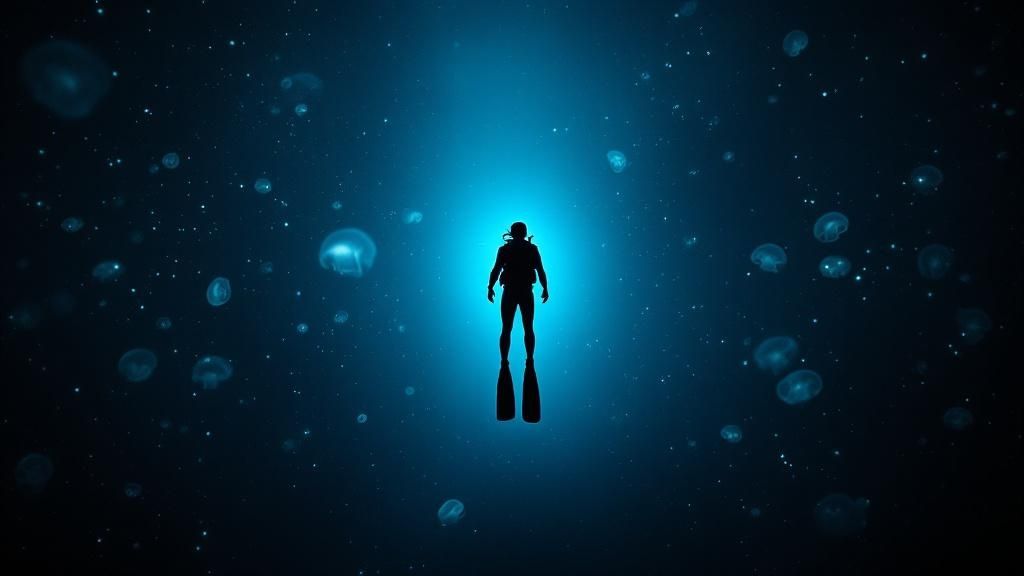
For those seeking a truly unique and cutting-edge adventure, Black Water Diving is an essential experience when diving Big Island. This is not a reef dive; instead, it's a pelagic drift in the dead of night, miles offshore and suspended over thousands of feet of inky black water. Divers are tethered to a boat and float at a depth of around 50 feet, observing one of the largest migrations on Earth.
Each night, countless deep-sea creatures, many of them bioluminescent and bizarre, rise from the abyss toward the surface to feed. This vertical migration brings a world of alien-like larval fish, strange jellies, and translucent squids into view. Illuminated only by your dive light, you witness a side of the ocean that few ever get to see, a cosmos of tiny, fascinating life forms that seem to belong on another planet.
Why It's a Must-Do Experience
Black Water Diving offers a glimpse into a rarely seen ecosystem. It's a treasure hunt where every moment can reveal a creature you’ve never imagined. This dive appeals to the explorer in every diver, especially those with a passion for underwater photography and marine biology. The challenge of spotting and identifying these pelagic critters makes it an intellectually stimulating and visually stunning dive that is fundamentally different from any other underwater experience.
How to Get the Best Experience
This advanced dive requires specialized knowledge and equipment, making the choice of operator critical. Companies like Kona Honu Divers are experts in conducting these technical dives safely, using a proper tethering system and guides experienced in spotting the elusive creatures of the deep. Their expertise ensures a secure and profoundly rewarding adventure.
Practical Tips for Your Black Water Dive:
- Master Buoyancy: Excellent buoyancy control is non-negotiable. You must be able to hover effortlessly in mid-water without referencing the bottom.
- Be Patient: The creatures are small and can be sporadic. Keep your eyes scanning the darkness and move slowly to spot them.
- Bring a Good Light: A powerful primary dive light and a backup are essential. A focused beam helps isolate subjects in the vast darkness. Learn more about the required gear and techniques on this Black Water Diving guide.
6. South Point (Ka Lae) Advanced Shore Diving
For the truly adventurous and experienced, diving Big Island offers a thrilling challenge at Ka Lae, or South Point. As the southernmost tip of the United States, this remote location is exposed to powerful ocean currents, creating a dynamic and demanding shore dive. The payoff for those qualified to explore it is an untouched underwater wilderness with dramatic topography and the chance to encounter large pelagic species.
The dive profile here is unlike the calmer Kona coast. Divers can expect to navigate steep drop-offs, underwater lava arches, and potential encounters with strong, unpredictable currents. This environment attracts big game, offering rare opportunities to see whale sharks, oceanic whitetip sharks, and even schools of hammerheads passing through. The isolation of South Point means its reefs are pristine and teeming with life rarely seen in more accessible areas.
Why It's a Must-Do Experience
This dive represents the pinnacle of advanced shore diving in Hawaii. It is a true expedition that rewards meticulous planning and expert skill with unparalleled underwater drama. The sense of accomplishment from successfully navigating this site, combined with the raw beauty and potential for big animal encounters, makes it a legendary dive. It’s an opportunity to see a side of the Big Island’s marine ecosystem that few ever witness.
How to Get the Best Experience
This is not a site to attempt independently. Venturing to South Point requires intimate local knowledge of its conditions and entry/exit points. The best and safest way to experience this dive is by hiring an expert local guide or joining a specialized tour geared toward advanced and technical divers. Proper planning is critical, as is a deep respect for the ocean's power. For more information on challenging shore dives, you can explore guides on the best shore diving on the Big Island.
Practical Tips for Your South Point Dive:
- Hire a Pro: Do not attempt this dive without a local, experienced guide. Their knowledge of currents, tides, and safe entry/exit points is non-negotiable.
- Check Conditions Relentlessly: Weather and ocean conditions can change rapidly. Monitor forecasts for several days leading up to your planned dive and be prepared to cancel if they are not ideal.
- Bring Safety Gear: Emergency signaling devices like a delayed surface marker buoy (DSMB), a whistle, and a signaling mirror are essential. A comprehensive first-aid kit is also a must.
- Be Physically Prepared: This is a physically demanding dive from entry to exit. Ensure you are in excellent physical condition and comfortable with challenging entries over lava rock.
7. Puako Reef System
The Puako Reef System, located along the serene northwest coast, offers some of the most accessible and pristine shore diving Big Island has to offer. This expansive coral garden stretches for several miles and is renowned for its healthy hard coral formations, vibrant fish populations, and excellent visibility. With numerous distinct dive sites easily reached from the shoreline, it's a paradise for divers who enjoy exploring at their own pace.
Unlike the volcanic topography dominating the Kona coast, Puako features a more classic reef structure with intricate coral mazes, ledges, and caverns. Divers can explore sites like the iconic "Three Tables," known for its unique lava rock formations, or the calm, protected waters of Waialea Bay (Beach 69), which is perfect for beginners and snorkelers. The easy access and diverse underwater landscapes make it a favorite for multi-day diving adventures.
Why It's a Must-Do Experience
Puako provides an unparalleled opportunity for independent shore diving and snorkeling in a remarkably healthy marine ecosystem. The ability to simply park your car and walk into a world-class dive site is a rare treat. The reef is teeming with life, including Hawaiian green sea turtles, colorful reef fish, and occasional encounters with eagle rays or whitetip reef sharks. Its shallow-to-mid-range depths make it ideal for long, relaxed dives focused on macro photography and marine life observation.
How to Get the Best Experience
Navigating Puako's entry points and underwater topography can be tricky, so going with a guide is highly recommended, especially for your first time. An operator like Kona Honu Divers can provide guided shore dives that reveal the reef's hidden gems and ensure you have a safe and rewarding experience. Their local knowledge is invaluable for finding the best entry points and most active marine areas.
Practical Tips for Your Puako Dive:
- Go Early: Morning hours typically offer the calmest conditions and best visibility before the afternoon trade winds pick up.
- Respect the Reef: Use reef-safe sunscreen and practice excellent buoyancy control. The coral here is fragile and a vital part of the ecosystem.
- Plan Your Entry: Some sites have rocky entries. Scout your entry and exit points before gearing up and consider wearing sturdy dive booties.
Top 7 Big Island Diving Sites Comparison
| Dive Experience | Core Features & Highlights | User Experience & Ratings | Target Audience 👥 | Unique Selling Points ✨ | Price Range 💰 |
|---|---|---|---|---|---|
| Manta Ray Night Dive at Kona | Night dive, shallow (25-35 ft), 90%+ manta sightings, 2 prime sites | ★★★★☆ Suitable for all levels, unique night experience | Beginners to advanced divers | Close manta encounters, specialized lighting 🏆 | $130-200 per person |
| Molokini Crater Back Wall | Dramatic 300+ ft drop, exceptional visibility (150-200+ ft), pelagic species | ★★★★☆ Advanced dive, thrilling photography | Advanced certified divers | Whale sharks, tiger sharks, pristine coral reefs ✨ | Premium pricing |
| Cathedral Caves (Cathedrals I & II) | Underwater lava tubes, swim-through caverns, 35-65 ft deep | ★★★★☆ Intermediate difficulty, excellent photography | Intermediate to advanced divers | Unique lava formations, dramatic light effects ✨ | Higher cost (due to distance) |
| Kealakekua Bay Conservation District | Protected marine sanctuary, 10-130 ft depth, spinner dolphins | ★★★★☆ All skill levels, historic & cultural value | All divers & snorkelers | Marine sanctuary, abundant marine life, shore & boat access | Moderate to high (boat fees) |
| Black Water Diving off Kona Coast | Night open ocean dive over 2000+ ft, deep-sea creatures | ★★★★☆ Advanced night diving, rare species encounters | Advanced night divers | Rare deep-sea life, vertical migration spectacle ✨ | Higher-end specialized price |
| South Point (Ka Lae) Advanced Shore Dive | Remote shore dive, strong currents, large pelagic species | ★★★☆☆ Very challenging, dangerous conditions | Highly experienced divers | Southernmost US dive, uncrowded with big marine life | Free shore access |
| Puako Reef System | 50+ dive sites, 10-80 ft depth, healthy coral reefs | ★★★★☆ Suitable for all, calm conditions | Beginners to advanced divers | Extensive reef diversity, easy shore access | Free shore access |
Planning Your Big Island Dive Adventure
The Hawaiian archipelago is a world-class diving destination, and the Big Island stands apart as its most diverse and dynamic underwater jewel. From the moment you descend into its clear, warm waters, you're entering a realm shaped by volcanic fire and teeming with unique marine life. We've explored the island's most iconic underwater experiences, each offering a distinct adventure that contributes to the unforgettable tapestry of diving Big Island.
The key takeaway is this: variety is the Big Island's greatest strength. One day you can be mesmerized by the silent, graceful choreography of the world-famous Manta Ray Night Dive, a truly once-in-a-lifetime encounter. The next, you could be drifting through the ethereal, light-filled lava tube of Cathedral Caves or plunging into the inky abyss on a surreal Kona Blackwater Dive to witness creatures from the deep. Whether you're a novice diver captivated by the vibrant coral gardens of Kealakekua Bay or an experienced diver seeking the thrilling currents of South Point, this island has a dive site that will challenge and inspire you.
Mastering Your Dive Plan
Success in diving Big Island hinges on thoughtful preparation. Your next steps should focus on aligning your skill level, interests, and schedule with the right dive sites and conditions.
- Assess Your Skill Level Honestly: Be realistic about your certification and comfort level. Sites like Puako Reef are welcoming for all, while the unpredictable conditions at South Point demand advanced skills.
- Prioritize Your "Must-Do" Dives: Is the Manta Ray Night Dive your top priority? Do you dream of the unique thrill of a blackwater dive? Pinpoint these experiences to build your itinerary around them.
- Book in Advance: The Big Island is a popular destination. Premier dive charters, especially for specialty dives like the manta ray and blackwater experiences, fill up quickly. Secure your spots well before you travel.
- Partner with Local Experts: The value of a knowledgeable local guide cannot be overstated. They understand the shifting ocean conditions, know the secret spots where marine life congregates, and prioritize your safety above all else. A top-tier operator like Kona Honu Divers elevates a good dive into an extraordinary one.
Embarking on this journey armed with knowledge transforms a simple vacation into a true expedition. Understanding the nuances of each dive site, from entry points to expected marine life, allows you to be fully present and appreciate the incredible biodiversity that makes diving Big Island a world-renowned adventure. The vibrant reefs, ancient lava formations, and captivating creatures of Hawaii are waiting to be discovered.
Ready to dive into your Big Island adventure? Let the expert crew at Kona Honu Divers handle the details, from top-tier gear to accessing the most pristine dive sites along the Kona coast. Book your unforgettable underwater experience with Kona Honu Divers and discover why their passion for the ocean makes every trip exceptional.