
The Big Island of Hawaii isn't just a paradise of lush rainforests and active volcanoes; it's a premier global destination for underwater exploration. With its crystal-clear waters, vibrant coral reefs shaped by volcanic activity, and unique marine megafauna, diving Big Island offers an unparalleled adventure for divers of all experience levels. From the world-famous Manta Ray Night Dive to surreal lava tube caverns, the Kona coast provides a spectacular and accessible backdrop for unforgettable underwater journeys. This guide is designed to be your comprehensive resource, walking you through the absolute best dive sites and experiences the Big Island has to offer, ensuring your next scuba trip is nothing short of epic.
We'll cover everything you need to know to plan your diving tours effectively. This includes detailed breakdowns of iconic locations, what makes each site special, and practical advice for choosing the right operator, such as Kona Honu Divers, who specialize in showcasing the magic of these waters. To truly appreciate Hawaii's 'Underwater Paradise,' it's crucial to understand the importance of marine environmental protection and how we can contribute to ocean conservation during our visits.
This listicle will provide you with the specific, actionable information needed to make the most of your time in the water. We will explore everything from beginner-friendly reef dives to advanced deep-water adventures. Whether you're a newly certified diver or a seasoned pro, this guide provides the insights to help you plan a safe, memorable, and breathtaking dive trip along Hawaii's Kona coast. Let’s dive in.
1. Kealakekua Bay State Historical Park
Kealakekua Bay isn't just a dive site; it's a vibrant, protected marine sanctuary that represents the pinnacle of diving Big Island has to offer. This historically significant bay, famous as the site where Captain James Cook first landed in Hawaii, is a Marine Life Conservation District (MLCD). This protected status has allowed its underwater ecosystem to flourish, creating an unparalleled environment for divers and snorkelers.
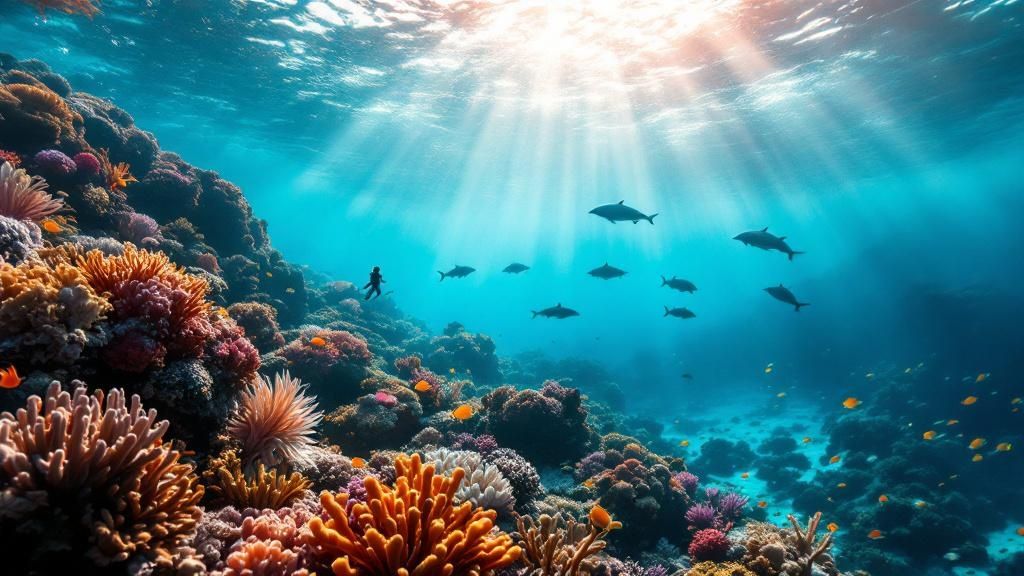
The bay's geography provides natural protection from open ocean swells, resulting in consistently calm, crystal-clear water. Visibility frequently exceeds 100 feet, allowing divers to fully appreciate the dramatic underwater topography, which includes a steep drop-off near the Captain Cook monument. This unique structure is carpeted with dense, healthy coral reefs that are some of the most pristine in the entire state.
Why It's a Premier Dive Destination
Kealakekua Bay is exceptional due to its incredible biodiversity and density of marine life. The coral gardens are home to vast schools of colorful reef fish, including yellow tang, parrotfish, and butterflyfish. It's common to encounter Hawaiian green sea turtles (honu) gracefully gliding through the water or resting among the corals. The bay is also a known resting area for pods of spinner dolphins, often seen in the early morning hours.
The bay’s protected status means the coral is remarkably healthy and the fish populations are abundant and unafraid of divers, offering incredible up-close encounters. It’s a photographer's dream and a perfect site for both novice and experienced divers.
Because land access to the prime diving area near the monument is extremely difficult (requiring a strenuous hike), the reef sees less human traffic, preserving its condition. The best way to experience it is via a licensed boat tour, which ensures you arrive at the best spots safely and with all necessary gear. Many operators offer both diving and snorkeling options, making it an excellent choice for groups with mixed interests. You can learn more about the best ways to access the bay by exploring some of the top Kealakekua Bay snorkeling tours available on konahonudivers.com.
Practical Diving Considerations
- Best Time to Go: Morning dives typically offer the calmest conditions and best visibility before afternoon winds pick up.
- Access: Boat tours are the most practical way to reach the prime dive sites. Kayaking is an alternative but requires a permit and a significant paddle.
- Skill Level: Suitable for all levels, from beginner open-water divers to seasoned experts. The calm conditions are ideal for training and leisurely exploration.
- Conservation: As a protected MLCD, it's crucial to practice excellent buoyancy control, use only reef-safe sunscreen, and never touch the coral or harass marine life. Always respect the 150-yard no-approach zone for dolphins.
2. Manta Ray Night Dive Experience
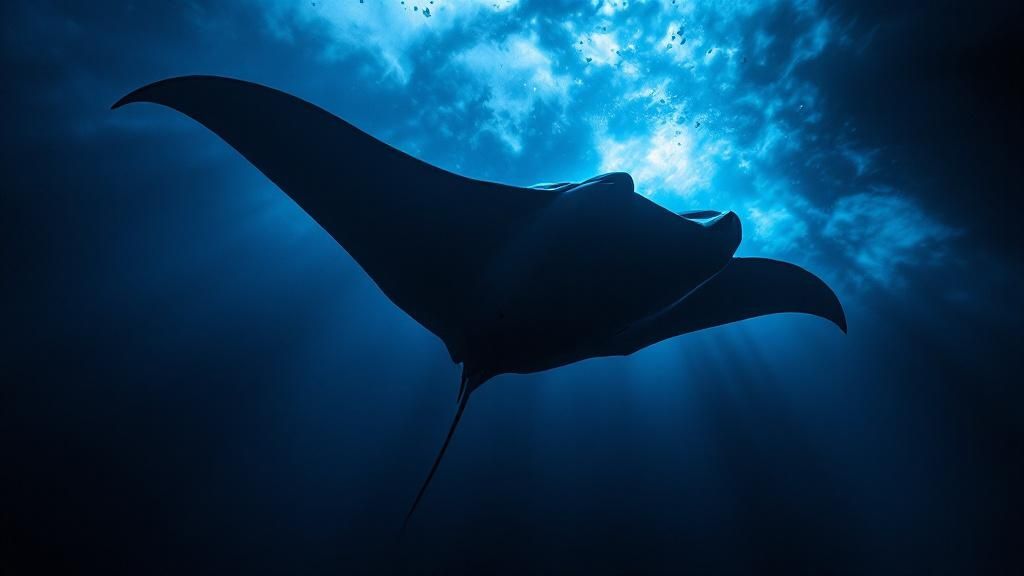
The manta ray night dive is arguably the most famous and unforgettable underwater encounter that diving Big Island provides. This world-renowned spectacle, often described as an "underwater ballet," allows divers and snorkelers to witness dozens of giant Pacific manta rays gracefully feeding on plankton. These gentle giants, with wingspans reaching up to 20 feet, perform mesmerizing barrel rolls just inches away from participants, creating a truly once-in-a-lifetime experience.
The experience is centered around powerful underwater lights placed on the ocean floor or on floating rafts. These lights attract massive clouds of plankton, the primary food source for manta rays. The mantas, in turn, are drawn to this concentrated feast, creating a predictable and reliable viewing opportunity. This unique, symbiotic relationship between tour operators and marine life has been featured in documentaries like the BBC's Blue Planet and is consistently ranked as a top dive globally.
Why It's a Premier Dive Destination
The Kona coast is one of the only places in the world where you can reliably encounter giant manta rays in such large numbers at night. The established dive sites, known as "Manta Heaven" and "Manta Village," have been conditioned over decades, making the encounters highly probable. The experience is not just a dive; it’s an immersive, educational, and profoundly moving interaction with one of the ocean's most majestic creatures.
The sheer scale and grace of the mantas as they glide through the light beams is breathtaking. It's an incredibly passive experience; divers simply kneel on the bottom and watch the show unfold, making it accessible even for newer divers with good buoyancy.
Reputable operators work closely with organizations like the Manta Pacific Research Foundation to ensure the interactions are safe and sustainable for the manta population. By participating in a tour that follows established guidelines, you are contributing to the ongoing research and conservation of these incredible animals. You can find responsible tours and learn more about this magical encounter by exploring the best manta ray dive tours available.
Practical Diving Considerations
- Best Time to Go: The dive is conducted year-round after sunset. Booking in advance is essential as this is the Big Island's most popular dive.
- Access: This is exclusively a boat-based activity. Operators will take you to one of the designated manta ray sites.
- Skill Level: Suitable for certified open-water divers with good buoyancy control. A snorkel-only option is available for non-divers, making it a great activity for everyone.
- Conservation: Follow a strict "look but don't touch" policy. Adhere to all guidelines provided by your divemaster, such as staying in your designated spot and not shining personal lights directly at the mantas. Choose operators who are Manta Trust-certified.
3. Two Step (Honaunau Bay)
Two Step, officially known as Honaunau Bay, is arguably the most famous and beloved shore diving location on the Kona coast, making it a cornerstone of the diving Big Island experience. Located adjacent to the sacred Pu'uhonua o Honaunau National Historical Park, this site gets its popular name from the natural, step-like lava rock formations that provide an exceptionally easy entry and exit point into the ocean. This accessibility, combined with a thriving underwater world, makes it a top choice for divers of all skill levels.
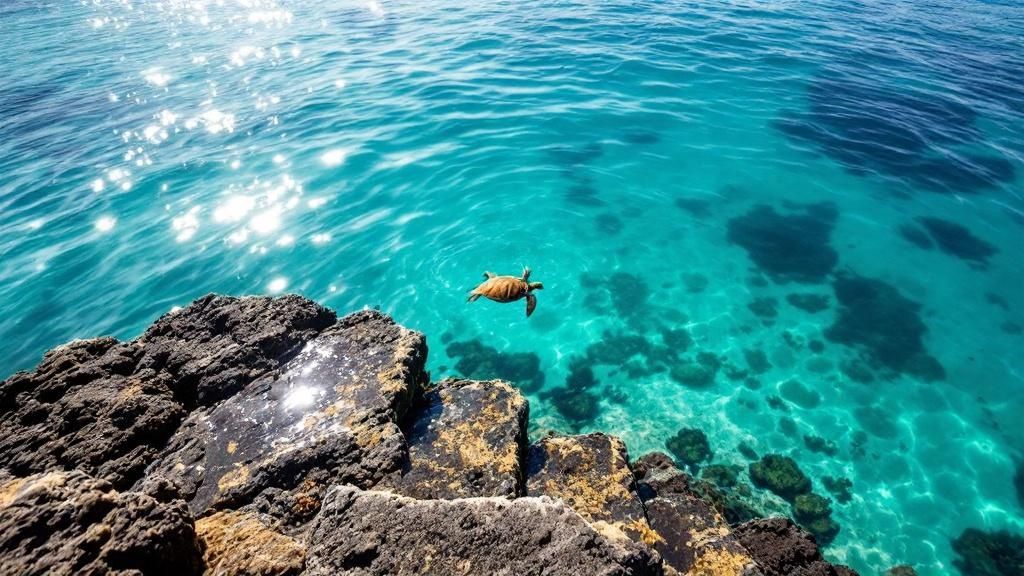
The bay is naturally sheltered, often boasting calm, clear conditions similar to a swimming pool, especially in the mornings. Visibility can easily reach 80-100 feet, revealing a vibrant and complex reef structure. The shallow areas are packed with intricate coral gardens, while the bay gently slopes down to deeper waters, offering varied topography for exploration. Divers can explore coral arches, lava tubes, and large coral heads teeming with life.
Why It's a Premier Dive Destination
Two Step is renowned for its remarkable biodiversity and the high probability of encountering iconic Hawaiian marine life. The healthy coral reefs are a magnet for huge schools of yellow tang, goatfish, and sergeant majors. It is an excellent spot to find Hawaiian green sea turtles (honu) feeding on algae or resting on the seafloor. What truly sets Two Step apart is the frequent presence of spinner dolphins, which often use the bay as a resting area during the day.
The sheer convenience of access combined with world-class marine life encounters makes Two Step an essential shore dive. It offers the quality of a boat dive without the need for a charter, providing an unparalleled sense of freedom for independent divers.
This site is a popular training ground for PADI Open Water certifications and a favorite for underwater photography workshops due to its clear water and abundant, approachable marine life. Exploring both the left (south) and right (north) sides of the bay reveals different underwater landscapes, from sandy flats to dense coral formations, ensuring there is always something new to discover on repeat dives. While independent diving is common, guided shore dives are also a great option to uncover the bay's hidden gems.
Practical Diving Considerations
- Best Time to Go: Early morning (before 9 AM) is ideal to secure parking, avoid crowds, and experience the calmest water conditions.
- Access: Direct shore access via the lava rock "steps." Parking is limited and fills up quickly, so an early arrival is crucial.
- Skill Level: Perfect for all skill levels. The shallow, protected areas are great for beginners, while deeper sections offer exploration for more experienced divers.
- Conservation: Respect the marine life. Never chase or touch the spinner dolphins or turtles. Be mindful of your fins around the delicate coral, and if you're lucky enough to spot a rare Hawaiian monk seal, give it plenty of space.
4. Black Water Diving
For the truly adventurous, Black Water Diving represents one of the most unique and thrilling experiences in the world of scuba. This isn't your typical night dive over a reef. Instead, it involves descending into the deep, open ocean miles offshore, tethered to a boat, to witness the largest migration on Earth. Every night, countless tiny, alien-like creatures from the abyss ascend towards the surface to feed, creating a surreal "outer space" environment for divers.
This specialized form of diving Big Island has pioneered is conducted over thousands of feet of water. Divers are suspended in the pitch-black water column, using powerful lights to illuminate the bizarre and beautiful pelagic marine life that drifts by. The experience is often compared to a spacewalk, with a profound sense of isolation and wonder as you float in the vast, dark ocean, surrounded by creatures most people will never see.
Why It's a Premier Dive Destination
Kona's deep offshore waters and calm conditions make it one of the best places on the planet for this type of dive. The sheer biodiversity of the deep sea creatures that migrate vertically each night is astounding. Divers can encounter larval fish that look nothing like their adult forms, translucent squids, pulsating jellyfish, and a myriad of otherworldly gelatinous zooplankton. This dive has gained international acclaim, even being featured in National Geographic's 'Alien Deep' series.
Black Water Diving is an unparalleled opportunity to witness a hidden ecosystem. It's a humbling, mind-bending experience that connects you with the vastness of the ocean and its most mysterious inhabitants. It's a must-do for advanced divers and macro photographers looking for a truly unique challenge.
The dive is popularized by expert operators like Kona Honu Divers and Big Island Divers, who have perfected the safety protocols and techniques required for this advanced activity. These charters provide the specialized equipment and expert guidance necessary to ensure a secure and awe-inspiring adventure. You can explore the specifics of this incredible journey by checking out the Kona blackwater dive tour offerings. For those seeking other advanced experiences, Kona offers a variety of premium advanced dive tours.
Practical Diving Considerations
- Best Time to Go: This dive is conducted year-round, always at night. The phase of the moon can affect the experience, with darker nights often being preferred.
- Access: Only accessible via specialized boat charters with experienced crews trained in black water protocols.
- Skill Level: This is strictly an advanced dive. A minimum of an Advanced Open Water certification is required, and divers should be comfortable with night diving, excellent buoyancy control, and diving in open ocean conditions.
- Special Gear: Macro photography equipment is highly recommended to capture the intricate details of the tiny creatures. Dive operators provide the tether system and often have specialized lights for rent.
5. Cathedrals and Lava Tubes
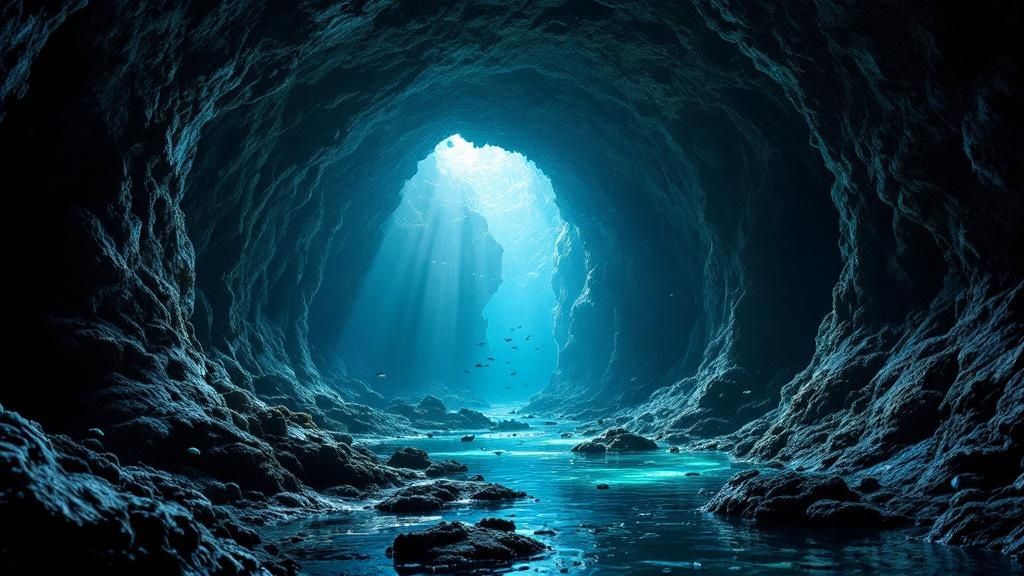
While Maui boasts the famous "Cathedral" dive sites, the Big Island offers its own spectacular versions with ancient lava tubes and cavern systems that provide a similar, awe-inspiring experience. These dramatic underwater formations, remnants of past volcanic activity, create breathtaking scenes that define advanced diving Big Island style. Divers can explore vast, arching caverns and intricate swim-throughs where shafts of sunlight pierce the darkness, creating an ethereal, cathedral-like atmosphere.
These geological wonders are not just empty tunnels; they are vibrant, sheltered habitats teeming with marine life seeking refuge. Exploring these sites is like entering another world, where the interplay of light, shadow, and unique architecture provides a profoundly memorable dive. The Kona coast is dotted with these formations, including renowned sites like Catacombs, Golden Arches, and Turtle Pinnacle, each offering a distinct layout and ecosystem.
Why It's a Premier Dive Destination
Diving through Kona's lava tubes is an adventure in underwater architecture and biology. The experience is unparalleled due to the sheer scale and beauty of the formations. These caverns provide a unique environment for underwater photographers, with dramatic lighting opportunities and unique subjects. The walls are often encrusted with colorful sponges and corals, and the crevices shelter creatures rarely seen in the open reef.
These cavern dives offer a thrilling sense of exploration and discovery. The feeling of swimming through an ancient lava flow, watching light filter down from above, and encountering unique marine life in a sheltered environment is an experience that stays with you long after the dive is over.
These sites are also popular training locations for PADI specialty courses like Cavern Diver and Peak Performance Buoyancy, as they demand excellent control and awareness. Marine geology researchers are also drawn to these locations to study the island's volcanic history. Divers can often spot large schools of fish, sleeping whitetip reef sharks, and elusive species like lobsters and crabs hiding within the intricate structures. For those with the right training, these advanced dives represent some of the most exciting opportunities on the island. You can explore some of these unique sites on an advanced dive tour.
Practical Diving Considerations
- Best Time to Go: Midday offers the most dramatic lighting effects as the sun is directly overhead, creating stunning light beams inside the caverns.
- Access: These sites are almost exclusively accessed by boat with professional dive operators who are familiar with the specific layouts and potential hazards.
- Skill Level: These are advanced dives. Cavern and lava tube diving requires excellent buoyancy control, confidence in potentially enclosed spaces, and prior experience. A certified guide is essential.
- Safety: Always carry an underwater flashlight to illuminate dark areas and signal your buddy. Use controlled fin kicks (like the frog kick) to avoid stirring up silt, which can drastically reduce visibility. Practice calm, slow breathing to conserve air and remain relaxed throughout the dive.
6. Jack’s Diving Locker
Jack's Diving Locker is a cornerstone of the diving Big Island community and one of its most reputable and long-standing dive operators. Founded over 40 years ago, this family-run business has grown into a PADI 5-Star Instructor Development Dive Resort, known for its comprehensive services that cater to every level of diver, from first-timers to seasoned technical divers. Their legacy is built on a deep commitment to safety, education, and ocean conservation.
With multiple locations, including a full-service dive shop in Kona and a dedicated pool for training, Jack's offers unparalleled convenience and resources. Their fleet of custom-built dive boats is designed for comfort and efficiency, providing access to over 50 of Kona's premier dive sites. This extensive reach allows them to offer a wide variety of dive trips, including the world-famous Manta Ray Night Dive, daytime reef explorations, and the unique Pelagic Magic blackwater dive.
Why It's a Premier Dive Destination
Jack's Diving Locker stands out for its deep-rooted expertise and unwavering commitment to quality. Their extensive experience means they have an intimate knowledge of local conditions, marine life behavior, and the most spectacular underwater locations. This expertise is evident in their meticulously planned dive trips and the high caliber of their professional divemasters and instructors, many of whom have been with the company for years.
Jack's is more than just a dive charter; it's a complete diving ecosystem. From retail and rentals to a full spectrum of PADI courses and specialized charters, they provide a seamless and trustworthy experience for anyone looking to explore Hawaii's underwater world.
Their reputation for safety and professionalism has made them a top choice for families, new divers seeking certification, and experienced divers looking for advanced adventures. Their comprehensive course offerings, from Open Water Diver to advanced technical and professional-level training, make them a one-stop shop for diver education. Many divers who get certified here become lifelong customers, a testament to the supportive and welcoming environment they cultivate. Similarly, many divers who enjoy Jack's also appreciate the community and value offered by local dive clubs; you can learn more about our dive club membership to see how you can save on future dives.
Practical Diving Considerations
- Best Time to Go: Charters run year-round. Book popular trips like the Manta Ray Night Dive several weeks or even months in advance, especially during peak tourist season.
- Access: Their primary boat dock is conveniently located at Honokohau Harbor, just north of Kailua-Kona, offering quick access to top dive sites.
- Skill Level: All levels are welcome. They offer introductory "Discover Scuba Diving" experiences, guided reef dives for certified divers, and advanced trips for those with more experience.
- Conservation: Jack's is deeply involved in local conservation efforts and promotes responsible diving practices. They are an excellent resource for learning about and participating in marine conservation.
Top 6 Big Island Diving Spots Comparison
| Experience/Location | Core Features & Highlights | User Experience & Quality ★ | Unique Selling Points ✨ | Target Audience 👥 | Price & Value 💰 |
|---|---|---|---|---|---|
| Kealakekua Bay State Historical Park | Pristine coral reefs, 100+ ft visibility, spinner dolphins | Exceptional clarity, rich biodiversity ★★★★☆ | Protected marine sanctuary, historic site 🏆 | Snorkelers & divers, nature lovers 👥 | Moderate, boat/kayak needed 💰💰 |
| Manta Ray Night Dive Experience | Giant manta rays, year-round, night dive & snorkel options | Unique night dive, 90%+ success rate ★★★★★ | Guaranteed manta encounters, photo ops ✨🏆 | Intermediate to advanced divers 👥 | Premium pricing due to popularity 💰💰💰 |
| Two Step (Honaunau Bay) | Shore diving, natural lava steps, calm protected bay | Easy access, beginner-friendly ★★★☆☆ | No boat needed, free parking, beach entry ✨ | Beginners, certifications, independent divers 👥 | Low cost, free entry 💰 |
| Black Water Diving | Open ocean night dive, deep sea pelagic creatures | Advanced level, rare marine life ★★★★★ | Rare deep-sea encounters, scientific collaboration 🏆✨ | Advanced certified divers 👥 | High price, specialized dive 💰💰💰 |
| Cathedrals (Molokini vicinity) | Underwater lava tubes, swim-throughs, volcanic formations | Challenging, requires buoyancy control ★★★★☆ | Unique volcanic underwater architecture ✨ | Experienced divers 👥 | Moderate to high, specialty dive 💰💰 |
| Jack's Diving Locker | Full-service dive center, courses, rentals, specialty dives | Trusted guides, excellent safety ★★★★★ | Comprehensive services, PADI 5-Star center 🏆 | All levels, certification seekers 👥 | Premium pricing, package deals available 💰💰💰 |
Ready to Dive In? Your Big Island Adventure Awaits
The volcanic origins of Hawaii's Big Island have sculpted an underwater world unlike any other on the planet. From the dramatic lava tubes and ancient archways that form submerged cathedrals to the calm, protected waters of Kealakekua Bay teeming with life, the diversity of experiences available is staggering. We've explored the absolute must-do dives, highlighting the unique appeal of each location and what makes it a world-class destination for divers of all skill levels.
The key takeaway is that diving Big Island is not a singular experience but a collection of distinct, unforgettable adventures. It’s the thrill of witnessing the silent, graceful ballet of manta rays on the world-famous night dive, a spectacle that has rightfully earned its place on every diver's bucket list. It’s the surreal, alien-like encounters of a Black Water Dive, where you float in the abyss and meet creatures that ascend from the deep only under the cover of darkness. It’s also the simple pleasure of a shore dive at Two Step, where easy access leads to incredible coral gardens and frequent encounters with spinner dolphins and sea turtles.
Your Blueprint for an Epic Underwater Journey
Mastering this guide means you're no longer just a tourist; you are an informed explorer ready to maximize every moment underwater. Understanding the nuances between sites like the historically rich Kealakekua Bay and the technically demanding offshore pinnacles allows you to tailor your trip perfectly to your certification level and interests.
Here are the actionable next steps to turn your dream dive trip into reality:
- Assess Your Skill Level: Be honest about your comfort and certification. Are you looking for serene, shallow reefs or are you ready for the advanced challenges of deeper sites and potential currents? This will dictate which dive sites and tours are the best fit.
- Identify Your "Must-See" Encounters: Is the Manta Ray Night Dive your top priority? Or are you more intrigued by the macro-life found on a Black Water Dive? Prioritizing your list helps in planning your itinerary, especially during peak seasons when popular tours book up fast.
- Choose the Right Operator: Your dive experience is profoundly shaped by the crew, the vessel, and the operator's commitment to safety and marine conservation. A reputable company like Kona Honu Divers elevates the entire experience from just a dive to a cherished memory.
Planning a diving Big Island adventure is the first step toward witnessing a vibrant ecosystem that thrives in the shadow of active volcanoes. The connections you'll make, both with the profound marine life and the passionate dive community here, are what transform a great vacation into a life-changing experience. The pristine waters of the Kona coast are calling.
Ready to experience the best diving Big Island has to offer? The expert team at Kona Honu Divers provides unparalleled service, safety, and access to the most iconic dive sites, including the Manta Ray Night Dive and exclusive advanced charters. Let their passion and local knowledge guide your underwater adventure on the Kona coast.