
The Big Island of Hawaii isn't just a land of fiery volcanoes and lush rainforests; it's a world-class diving destination teeming with vibrant marine life, unique geological formations, and unforgettable underwater adventures. Diving the Big Island offers an unparalleled variety of experiences, from swimming with gentle giants on the world-famous manta ray night dive to exploring ethereal lava tubes and pristine coral gardens. The Kona coast, in particular, is sheltered from the prevailing trade winds, resulting in consistently calm and clear waters perfect for divers of all skill levels. If you're looking for the best scuba diving in Kona, Hawaii, there are incredible diving tours available.
Whether you're a seasoned pro looking for a thrilling blackwater dive or a brand new diver eager to see your first sea turtle, the Big Island has a dive site that will leave you breathless. The volcanic topography creates a dramatic underwater landscape, with steep drop-offs, intricate lava arches, and expansive coral reefs that are home to a diverse array of species found nowhere else on Earth. This unique geology means you can explore ancient lava flows one day and float through a coral garden the next, all within a short boat ride from shore.
In this comprehensive guide, we will explore the top dive sites and experiences that make this island a must-visit for any underwater enthusiast. We'll provide the essential details you need to plan your dives, from the unique features of each location to pro tips that will enhance your experience. We will cover everything from iconic locations like Kealakekua Bay to the specialized thrills of the manta and blackwater night dives. Get ready to gear up and discover why diving Big Island is a truly magical adventure. We'll help you find the perfect diving tours to match your skill and interest.
1. Kealakekua Bay: A Protected Marine Sanctuary
Kealakekua Bay isn't just a dive site; it's a historically significant Marine Life Conservation District (MLCD), offering some of the most pristine and protected underwater environments for diving Big Island enthusiasts. Located on the Kona coast, this bay is famous for its calm, clear waters and exceptional coral health, largely due to its protected status which prohibits fishing and limits access.
The bay’s unique geography shields it from rough ocean swells, creating a tranquil sanctuary for marine life. Divers can expect visibility often exceeding 100 feet, revealing vibrant coral gardens that slope gently from the shoreline before dropping off into deeper waters. This dramatic topography supports an incredible density and diversity of reef fish.
What Makes Kealakekua Bay a Premier Dive Destination?
The main draw of Kealakekua Bay is its sheer abundance of marine life. The healthy coral reefs are home to vast schools of colorful fish, including yellow tang, parrotfish, and butterflyfish. It’s also a frequent hangout for spinner dolphins, which are often seen playing in the bay's protected waters.
Because it’s an MLCD, the fish here are unafraid of humans, allowing for uniquely close and personal encounters. You’ll also find green sea turtles (honu) gracefully gliding over the reef, and you might even spot moray eels peeking out from their crevices. The iconic Captain Cook Monument on the shore marks the northern edge of the best snorkeling and diving area.
Pro Tip: Access to Kealakekua Bay by land is challenging. The best and most responsible way to experience it is by boat with a permitted tour operator like Kona Honu Divers. This approach not only provides easy access to the prime dive spots but also helps preserve the fragile ecosystem by minimizing land-based impact.
Given the variety of depths and the generally calm conditions, the bay is suitable for divers of all experience levels, from beginners completing their open water certification to seasoned veterans looking for unparalleled photography opportunities. Exploring this underwater preserve is a cornerstone of any Big Island diving adventure.
2. Manta Ray Night Dive: An Unforgettable Underwater Ballet
Often cited as one of the top night dives in the world, the Manta Ray Night Dive is a signature experience for anyone diving Big Island. This globally acclaimed encounter takes place just off the Kona coast, where divers descend to a designated sandy area. Powerful lights are set up on the ocean floor, illuminating the water and attracting vast clouds of plankton, the primary food source for manta rays.
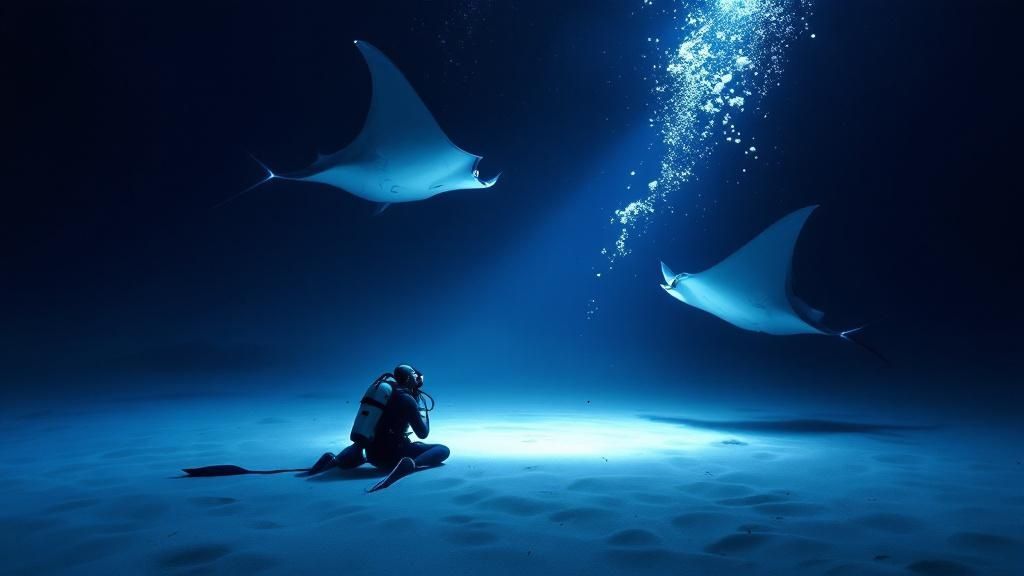
This plankton buffet attracts the true stars of the show: giant manta rays. These majestic creatures, with wingspans that can exceed 15 feet, glide gracefully out of the darkness. They perform mesmerizing barrel rolls and acrobatics just inches above the divers' heads, feeding on the concentrated plankton in the light beams. It’s a surreal and breathtaking underwater ballet that simply cannot be replicated anywhere else.
What Makes the Manta Ray Night Dive an Essential Experience?
The sheer proximity and graceful nature of the manta rays make this dive an unforgettable spectacle. Unlike many wildlife encounters, this experience is remarkably consistent, with a high success rate of manta sightings. The gentle giants are accustomed to the presence of divers and lights, creating a safe and predictable interaction that feels both wild and intimate.
Pioneered in the 1980s, the Kona manta ray dive has become a model for sustainable marine tourism, with its success featured in National Geographic documentaries. The established viewing sites, known as "Manta Heaven" and "Manta Village," ensure reliable encounters. Witnessing these intelligent, filter-feeding behemoths feed in such a coordinated and beautiful display is a truly profound moment.
Pro Tip: Your primary role as a diver is to be a respectful observer. Find a spot on the sandy bottom, stay as still as possible, and direct your light upwards to attract plankton. Avoid touching the mantas, as this can harm their protective mucus coating. Let them control the encounter; their curiosity will often bring them incredibly close.
This unique dive is suitable for certified divers of all levels, as the sites are relatively shallow and protected. For those seeking the most immersive and responsible experience, booking with a reputable operator like Kona Honu Divers ensures a small group size and adherence to strict conservation guidelines, making your dive both magical and eco-conscious. To book one of the incredible manta ray dive tours, check for availability.
3. Cathedrals (Lanai): A Heavenly Light Show
While not located directly off the Kona coast, the world-renowned Cathedrals dive sites on the island of Lanai are a must-do adventure accessible via special charters. These sites, Cathedral I and Cathedral II, are massive underwater lava caverns that create a truly divine experience for those diving Big Island and willing to make the trip. The unique topography captures and filters sunlight, creating breathtaking light rays that pierce through the darkness, resembling stained-glass windows in a grand cathedral.
These underwater lava tubes feature dramatic swim-throughs, arches, and grottoes that provide a playground for exploration. The cavern's immense size and intricate structures, formed by ancient volcanic activity, offer an otherworldly environment. Inside, the acoustics and the play of light create a serene and awe-inspiring atmosphere unlike any other dive site in Hawaii.

What Makes Cathedrals a Premier Dive Destination?
The main attraction is the ethereal "cathedral effect," where beams of light illuminate the vast cavern interiors. The dramatic structure itself is a marvel, with a large "altar" rock at Cathedral I where divers often pause to take in the view. The sites are teeming with unique marine life that thrives in the cavern's protected environment, including slipper lobsters, moray eels, and schools of colorful fish that seem to dance in the light rays.
Because of its unique environment, Cathedrals offers unparalleled underwater photography opportunities, capturing the interplay of light, shadow, and structure. Divers can also spot whitetip reef sharks resting on the sandy floors and green sea turtles frequenting the outer reef. The combination of spectacular geology and vibrant marine biodiversity makes this a bucket-list dive for advanced divers.
Pro Tip: Buoyancy control is absolutely critical when navigating the swim-throughs and caverns at Cathedrals. To fully prepare for such an environment and gain the necessary skills, consider taking an advanced course with a reputable operator. This will ensure you can safely and confidently enjoy the intricate formations without disturbing the delicate ecosystem.
Exploring Cathedrals is an advanced dive due to the overhead environment and depth. It requires a full-day commitment but rewards divers with an unforgettable experience that perfectly complements a Big Island diving itinerary. For more experienced diving opportunities, check out this advanced dive tour page.
4. Black Water Diving: An Otherworldly Pelagic Encounter
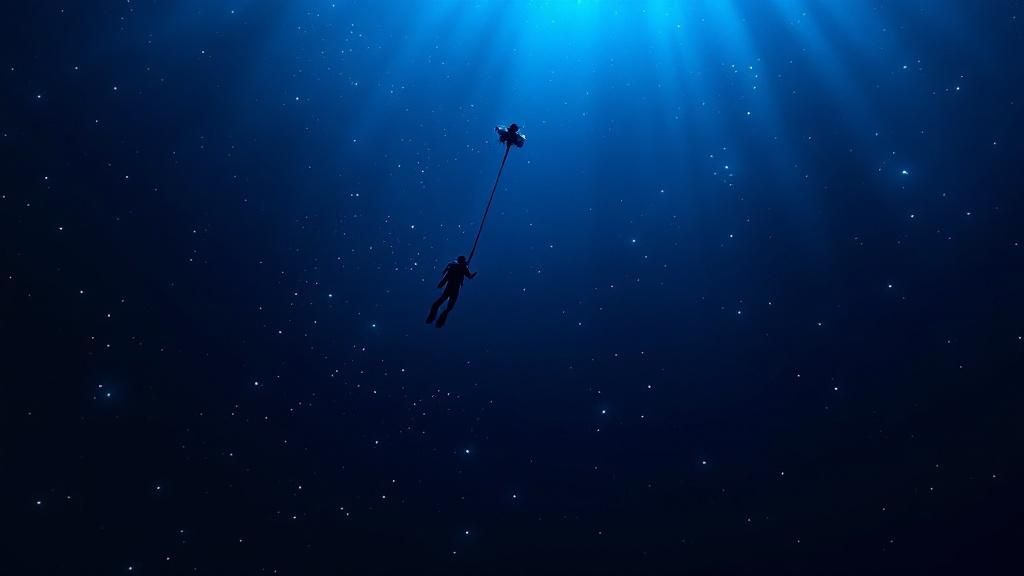
For a truly unique and surreal experience while diving Big Island, nothing compares to black water diving. This specialized night dive takes you miles offshore over thousands of feet of water to witness the largest vertical migration of life on Earth. As deep-sea creatures ascend toward the surface under the cover of darkness to feed, you get a front-row seat to an alien world of bioluminescent, translucent, and bizarre organisms.
Divers are tethered to a boat and float in the dark open ocean, illuminated only by powerful down-lights. These lights attract a mesmerizing array of pelagic life that is rarely, if ever, seen during the day. This isn’t about reefs or wrecks; it's about drifting in the deep blue and observing the delicate, strange, and beautiful creatures of the abyss as they float by.
What Makes Black Water Diving a Must-Do?
The Kona coast is one of the best places in the world for black water diving due to its deep, clear waters located just a short boat ride from shore. What you see on these dives is unpredictable and often includes larval fish, deep-sea squid, iridescent ctenophores, and pulsing jellyfish. Many of these creatures are tiny, making it a macro photographer’s dream, and their bioluminescence creates a stunning light show in the darkness.
This type of diving was pioneered in Hawaii and has gained international acclaim through features in publications like National Geographic and the incredible imagery of photographers like Jeff Milisen. It offers a glimpse into a world that even marine biologists are just beginning to understand, making it a true adventure for experienced divers seeking something beyond the reef. The experience is often described as a psychedelic space walk in inner space.
Pro Tip: Black water diving requires excellent buoyancy control and comfort in the dark open ocean. You should be an advanced certified diver with recent night diving experience. Move slowly, stay oriented with your tether and the light system, and keep your focus small to spot the incredible macro life that appears out of the blackness.
Due to the specialized nature of this dive, trips are offered by select operators and fill up quickly. This is considered one of the most advanced and rewarding dives available in Hawaii, offering a profound connection to the ocean's mysterious depths. If you're ready for this advanced experience, explore the Kona Blackwater Dive tour page for more details.
5. Turtle Pinnacle: A Famous Honu Cleaning Station
Turtle Pinnacle is an iconic site that epitomizes the magic of diving Big Island, offering near-guaranteed encounters with Hawaiian green sea turtles (honu). Located just off the Kona coast, this unique underwater landmark is a submerged lava pinnacle that rises from a sandy bottom at over 80 feet to within 35 feet of the surface. This dramatic formation serves as a vital cleaning station for the local turtle population.
The pinnacle’s craggy, coral-encrusted surface attracts surgeonfish, which provide a natural spa service for the turtles. The honu patiently queue up or rest on the pinnacle, allowing the fish to nibble away algae and parasites from their shells and skin. This symbiotic relationship provides divers with an incredible opportunity to observe natural marine behaviors up close in a stunning volcanic setting.
What Makes Turtle Pinnacle a Premier Dive Destination?
The main attraction is, without a doubt, the incredible concentration of Hawaiian green sea turtles. It’s not uncommon to see a dozen or more honu gracefully gliding around the pinnacle or resting peacefully as they wait their turn to be cleaned. The site's topography creates different depth zones, attracting a wide variety of marine life beyond the turtles.
Divers can explore the pinnacle’s base to find eels, octopus, and large schools of reef fish like pyramid butterflyfish and yellow tang. Because the turtles are here for a purpose, they are often very relaxed around divers, presenting unparalleled opportunities for underwater photography and observation. The gentle currents typically found here make it an accessible dive for many skill levels.
Pro Tip: Responsible interaction is key. Always maintain a respectful distance of at least 10 feet from the turtles and never touch them or interfere with the cleaning process. Observing their natural behavior without disturbance ensures the site remains a healthy sanctuary for generations to come.
This site is a must-do for any diver visiting Kona, especially those who dream of swimming alongside these ancient and gentle marine reptiles. The combination of unique geology and a thriving turtle population makes Turtle Pinnacle a truly unforgettable underwater experience.
6. Puako (Coral Gardens): Accessible Shore Diving Paradise
Puako, often called Coral Gardens, is a premier shore diving destination on the Big Island’s sunny Kohala coast. This easily accessible site features extensive, healthy coral reef systems in relatively shallow water, making it an ideal location for anyone interested in diving Big Island, from novice divers and snorkelers to seasoned underwater photographers.
The site’s main appeal lies in its simplicity and beauty. A short swim from the shore reveals a vibrant underwater landscape teeming with life. The gradual slope and shallow depths, typically ranging from 15 to 40 feet, allow for long, relaxed dives with plenty of bottom time to explore the intricate coral formations and their diverse inhabitants.
What Makes Puako (Coral Gardens) a Premier Dive Destination?
Puako's reputation is built on its incredible accessibility and rich, shallow reef ecosystem. The area is a fantastic training ground, frequently used by dive shops for Open Water certification dives due to its calm conditions and straightforward navigation. The sprawling coral gardens provide a textbook example of a healthy Hawaiian reef.
Divers can expect to see large schools of yellow tang, Moorish idols, and various butterflyfish darting among the coral heads. Green sea turtles (honu) are also very common here, often seen resting on the bottom or feeding on algae. The clear, sunlit water makes it a fantastic spot for underwater photography, allowing natural light to illuminate the vibrant colors of the reef.
Pro Tip: The entry at Puako is rocky, so sturdy dive booties or water shoes are essential for a safe and comfortable entry and exit. Always check local tide charts and surf reports before heading out, and plan your dive for the early morning to enjoy the calmest conditions and fewest crowds. Remember to practice excellent buoyancy to protect the fragile shallow corals.
Because of its easy access and stunning marine life, Puako offers a perfect, low-key day of diving. It’s a must-do for divers who want to explore the wonders of the Big Island’s underwater world at their own pace, right from the shoreline.
7. Place of Refuge (Honaunau Bay): Culture Meets Coral
Adjacent to the sacred Pu'uhonua o Honaunau National Historical Park, Honaunau Bay offers a unique blend of cultural significance and exceptional underwater exploration, making it a cornerstone experience for anyone diving Big Island. Known colloquially as "Two Step" for its natural lava rock entry point, this protected bay is revered for its calm, crystal-clear waters and easy shore access.
The bay's protected status and gentle conditions have cultivated a thriving marine ecosystem. Divers and snorkelers are greeted by impressive visibility and a shallow reef teeming with life, which gradually gives way to deeper coral gardens and intriguing lava formations. This site is particularly famous for its resident pods of spinner dolphins that frequently visit in the mornings.
What Makes Honaunau Bay a Premier Dive Destination?
Honaunau Bay is celebrated for its sheer density of marine life in an easily accessible setting. The vibrant coral reefs support a massive population of reef fish, and it’s one of the most reliable places on the island to encounter Hawaiian green sea turtles (honu) foraging peacefully. The underwater landscape is a mix of finger coral, ancient lava flows, and sandy patches where you might find resting rays or eels.
Because it is a popular spot for both locals and visitors, the marine life here is accustomed to human presence, allowing for fantastic photography and observation opportunities. Its combination of rich history on the shore and thriving marine sanctuary in the water provides a dual experience that few other dive sites can match.
Pro Tip: Arrive early, ideally before 8:00 AM, to secure a parking spot and enjoy the bay before the crowds arrive. Exploring the northern and southern ends of the bay will reveal different underwater topographies and marine life. Always respect the wildlife and maintain the legally required 10-foot distance from sea turtles.
Honaunau Bay is perfect for divers of all skill levels, offering shallow areas for beginners and deeper sections for more experienced divers. Combining a dive with a tour of the adjacent National Historical Park makes for a truly unforgettable day of Hawaiian culture and natural beauty.
8. Kailua-Kona Town Dive Sites: Convenient and Accessible Dives
Not every great dive requires a boat trip. The Kailua-Kona area offers several highly accessible shore dive sites right from town, providing a fantastic option for those seeking convenience or a quick underwater excursion. Locations like Kamakahonu Beach (King Kam Beach) and various entry points along Alii Drive offer a different but equally enjoyable perspective on diving Big Island.
These town sites are celebrated for their ease of access, often just steps away from parking, amenities, and post-dive restaurants. While they may not boast the pristine, untouched coral of remote boat-access-only locations, they provide surprisingly good marine life encounters and are perfect for skills practice, training dives, or a relaxed second dive of the day.
What Makes Kailua-Kona Town Sites a Great Diving Option?
The primary advantage of diving in town is the unparalleled convenience. These sites are ideal for divers wanting to get in the water on their own schedule or for instructors conducting Open Water training, like at King Kam Beach. The relatively shallow, protected conditions at some spots are perfect for brushing up on buoyancy or testing new gear.
Despite being in a busier area, you can still encounter a healthy variety of marine life. It’s common to see green sea turtles, eels, and a wide array of reef fish. Some of these locations also serve as excellent and easy entry points for shore-based night dives, offering a unique look at nocturnal creatures. For more information on local underwater adventures after dark, you can explore details on Kona diving at night.
Pro Tip: Always check local conditions before entering the water from shore, as surf and surge can change quickly, especially at more exposed sites like Magic Sands. These town sites are best used as a supplement to boat diving, offering a great way to maximize your bottom time while on the island.
For divers looking for a casual, low-stress plunge or a place to refine their skills, Kona's town sites are an invaluable resource. They embody the laid-back spirit of Kona and prove that a memorable dive doesn't always have to be a major expedition.
Top 8 Big Island Dive Site Comparison
| Dive Site | Implementation Complexity 🔄 | Resource Requirements ⚡ | Expected Outcomes 📊 | Ideal Use Cases 💡 | Key Advantages ⭐ |
|---|---|---|---|---|---|
| Kealakekua Bay | Moderate – requires boat/kayak access | Boat/kayak rental or guided tours | Excellent visibility, abundant marine life | Snorkeling & diving for all skill levels | Pristine coral reefs, historic site, calm waters |
| Manta Ray Night Dive | High – night diving & comfort needed | Night dive gear, boat tour | Spectacular manta ray encounters | Unique wildlife night diving experience | Reliable manta sightings, shallow depth |
| Cathedrals (Lanai) | High – day trip + intermediate diving | Full day boat trip, intermediate skills | Dramatic underwater formations, great photo ops | Intermediate & photo-focused dive trips | Unique lava formations, swim-throughs |
| Black Water Diving | Very High – requires advanced skills | Specialized lighting, tether system | Rare deep-sea species, scientific value | Pelagic deep-sea night diving | Exclusive and rare encounters, small groups |
| Turtle Pinnacle | Moderate – boat access, deeper areas need advanced cert | Boat access, varying depth capability | Reliable turtle sightings, varied marine life | Multi-level diving, turtle encounters | Less crowded, diverse ecosystem |
| Puako (Coral Gardens) | Low – shore entry, beginner friendly | Shore entry, minimal gear needed | Beginner-level coral reef exploration | Training, beginner dives, snorkeling | Easy access, calm, ideal for beginners |
| Place of Refuge (Honaunau) | Low – shore entry, protected bay | Shore entry, parking | Calm waters, easy snorkeling & diving for families | Family-friendly, cultural & natural combo | Protected, free access, cultural significance |
| Kailua-Kona Town Dive Sites | Low – shore entry, multiple easy sites | Shore access, gear rental nearby | Training dives, casual snorkeling | Convenient, quick access dives | Extremely convenient, near amenities |
Your Big Island Diving Adventure Awaits
The volcanic slopes and deep blue waters of Hawai'i have sculpted an underwater paradise unlike any other. As we've explored, diving Big Island offers a spectacular array of experiences that cater to every level of diver, from the novice to the seasoned pro. This is not just another tropical destination; it’s a dynamic, living ecosystem where ancient geology meets vibrant marine life, creating moments of pure underwater magic.
From the sun-dappled coral gardens of Puako to the historical reverence of Honaunau Bay (Place of Refuge), each dive site tells a unique story. You have the chance to witness the serene grace of Hawaiian green sea turtles at Turtle Pinnacle or explore the dramatic underwater architecture of Kealakekua Bay. The sheer diversity is staggering, offering calm, shallow reefs and challenging, deep-water lava tubes within just a few miles of coastline.
Recapping Your Underwater Itinerary
Let's distill the key takeaways from our journey beneath the waves:
- Iconic Encounters Are Accessible: The world-famous Manta Ray Night Dive is more than just a dive; it’s a bucket-list spectacle. Likewise, the Black Water Dive offers a rare glimpse into a bizarre and beautiful world of pelagic creatures, a truly unique offering when diving Big Island. These aren't just dives; they are premier aquatic safaris.
- Volcanic Topography Creates Unique Dives: The island's volcanic origins are the master architect of its underwater landscape. You’ll find lava tubes, arches, and massive craters that have become thriving habitats for coral and fish, providing a visually stunning backdrop that you won't find anywhere else.
- Conditions are Consistently Excellent: Thanks to the protective lee of massive volcanoes like Mauna Loa and Hualālai, the Kona coast boasts remarkably calm, clear, and warm waters year-round. This reliability makes planning your dive trip easier and the experience itself more enjoyable.
The true value in mastering this information lies in your ability to craft a dive vacation that perfectly matches your skill level and interests. Instead of arriving and hoping for the best, you can now proactively choose your adventures. Do you want the thrill of advanced diving in deep, pristine waters? Or the gentle, awe-inspiring ballet of manta rays? Knowing the difference empowers you to make the most of every precious moment underwater.
This journey is about more than just logging dives; it’s about forging a deeper connection with the ocean. It's about understanding the delicate balance of the reef ecosystems and witnessing firsthand the majestic creatures that call these waters home. By choosing the right experiences and the right operator, you transform a simple vacation into an enriching, unforgettable adventure.
At Kona Honu Divers, we have seen the transformative power of these underwater encounters time and time again. Our guests often surface with a renewed sense of wonder and a profound appreciation for the marine world.
Whether you are dreaming of your first Manta Ray Night Dive, seeking the challenge of a Premium Advanced dive, or ready to peer into the abyss on a Black Water Night Dive, your ultimate Big Island diving experience is within reach. The vibrant reefs, the graceful giants, and the mysterious creatures of the deep are waiting. The only thing missing is you.
Ready to take the plunge? Let the experts at Kona Honu Divers guide you through the unparalleled beauty of Kona's underwater world. Explore our full range of diving tours and book the adventure of a lifetime with a team dedicated to safety, sustainability, and unforgettable experiences.