
You're probably looking at photos of impossible blue water, trying to figure out whether captain cook snorkeling is worth building a day around. It is, if you do it the right way.
Kealakekua Bay is one of those rare places that lives up to the postcard version. The water is calm more often than not, the reef is active, and the setting has real weight to it. You're not just swimming at another pretty shoreline. You're entering a bay tied to a major turning point in Hawaiian history, and that matters.
Your Dream Hawaiian Snorkel Adventure Starts Here
A premier Captain Cook snorkeling experience begins with the classic atmosphere many visitors expect from Hawaii. You slide into clear water, put your face down, and the entire scene unfolds immediately. Coral sits below while schools of fish move in unison. Sunlight reaches deep enough that you do not feel like you are peering into a dark blue void.
That's why so many visitors fixate on Kealakekua Bay once they hear about it. It isn't hype created by a few vacation photos. It's a place where protected water, healthy reef structure, and dramatic shoreline all come together in one compact area.
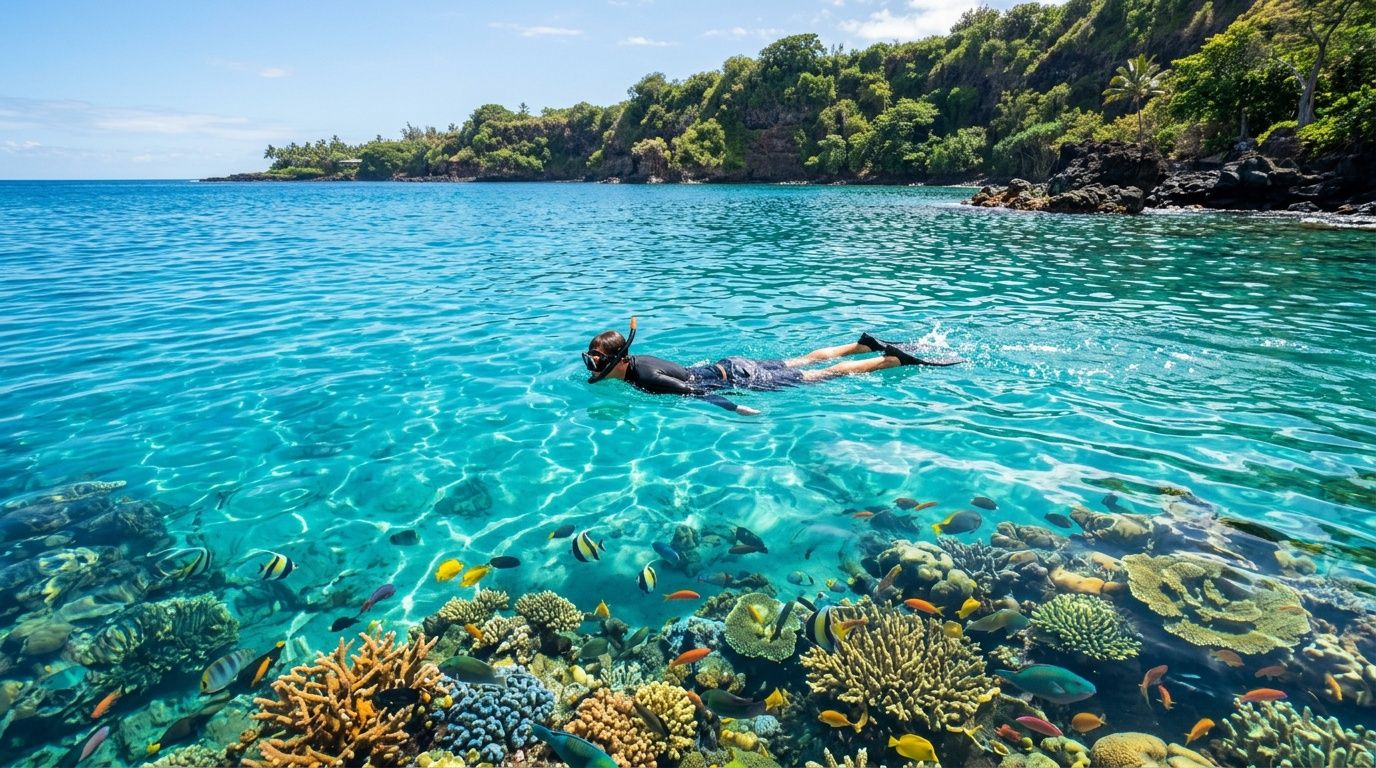
In 1778, Captain James Cook made the first recorded European contact with Hawaii at Kealakekua Bay, and that encounter ended tragically when Cook was killed on the bay's shore on February 14, 1779, as noted in this history of Kealakekua Bay and Captain Cook snorkeling. Today, the same bay is protected as Hawaii's largest Marine Life Conservation District, which is a big part of why the snorkeling remains so memorable.
Some travelers compare destinations the way they compare islands, resorts, or boat charters in other parts of the world. If you're also planning tropical travel beyond Hawaii, a practical guide to the best booking sites for Hamilton Island stays can help with that side of trip planning too.
Local guide view: Kealakekua isn't special because it's famous. It's famous because once you get in the water there, the bay makes sense immediately.
Why Kealakekua Bay Is a World-Class Snorkel Destination
Kealakekua Bay works because several things line up at once. Protection matters. Geography matters. The monument area itself matters.
The bay has been designated Hawaii's largest Marine Life Conservation District since 1992 and draws over 100,000 visitors yearly, according to this overview of the Captain Cook Monument snorkeling area. That kind of demand would ruin a weak site. Here, the protected status is exactly what helps the reef keep delivering a strong experience.
Protection creates better snorkeling
In practical terms, protected water usually means better fish life, less damage, and a more reliable snorkel for visitors who aren't looking for a rough, exposed ocean session.
The 1874 Captain Cook Monument also creates an artificial reef that attracts marine life including tropical fish, turtles, and dolphins, which adds density to the area people come to see. That's one reason the monument side of the bay gets so much attention.
If you want a broader look at standout underwater experiences on this coast, this guide to the best dive in Kona is useful context.
The bay's shape does real work
The bay is sheltered in a way many first-time visitors don't fully appreciate until they arrive. Steep shoreline and the enclosed feel of the bay help keep conditions calmer and clearer than more exposed spots. That translates into easier entries from boats, less surface chop, and a much better chance that beginners will enjoy themselves instead of fighting conditions.
Here's what that means for a visitor:
- Better visibility: You spend more time looking at fish and coral, less time staring into haze.
- More comfortable swimming: Novices usually do better in water that isn't constantly slapping them in the face.
- Denser marine life near the main site: The monument area concentrates the experience.
The best snorkel spots aren't just pretty. They're predictable enough that average visitors can have a good day there.
Why this bay stands out from a normal reef stop
A lot of Kona snorkel spots are enjoyable. Kealakekua Bay is different because the reef quality, historical setting, and access by water combine into a full-day memory rather than just a swim stop.
That is the primary draw of captain cook snorkeling. You're not checking a box. You're going to a place people talk about years later.
The Three Ways to Reach the Captain Cook Monument
You can reach the monument area three ways. Boat. Kayak. Hike. All three are real options. They are not equally practical.
People often assume the decision comes down to budget. It doesn't. It comes down to how much effort you want to spend before you even start snorkeling, and whether your group includes kids, older adults, casual swimmers, or anyone who just wants a fun day instead of a physical project.
A detailed comparison from Captain Cook Bay snorkeling access tips and tours found that kayaking involves a 2-3 hour paddle each way, the hike is 1.8 miles with a steep 600ft descent, and boat tours reach the area in 20-30 minutes with gear included, with a 99% safety rating, making boats the superior option for families and older adults.
Access method comparison
| Method | Best For | Effort Level | Approx. Time | Approx. Cost/Person | Key Consideration |
|---|---|---|---|---|---|
| Boat tour | Most visitors, families, casual snorkelers | Low | 20-30 minute access | $150-265/person | Gear included, easiest logistics |
| Kayak | Fit, independent visitors comfortable paddling | High | 2-3 hours each way | $25-50 rental | Fatigue adds up before you snorkel |
| Hike | Strong hikers who want a land approach | High | Depends on pace | Qualitatively lower direct cost | Steep trail, injury risk, hot return climb |
If you're comparing broader ocean outings on the west side, these Kona boat tours show how much access quality changes the day.
What works well for most people
Boat access wins for one simple reason. It preserves your energy for the part you came for.
With a boat tour, you get to the good water fast, you usually receive gear, and the crew helps you enter and exit safely. That matters more than people think. A tired snorkeler is a sloppy snorkeler, and a sloppy snorkeler misses fish, bumps coral, and burns out early.
When kayak access makes sense
Kayaking appeals to independent travelers who like doing things under their own power. That's fair. But it's easy to underestimate the paddle.
By the time many visitors arrive, they're already sun-exposed, dehydrated, and not moving well. Add the return trip and the day stops being about the reef. It becomes about grinding your way back.
Kayak access can still work if:
- You're already comfortable paddling long stretches
- Your group is small and strong
- You're treating the outing as both exercise and snorkeling
If that's not you, don't force it.
Why the hike gets romanticized
The hike down sounds simple on paper. The problem is the hike back out.
That steep descent means a steep climb after sun, saltwater, and exertion. If your legs are already cooked, the return can feel a lot longer than it looked online. I'd only steer people toward the trail if they specifically want the trail as part of the day, not just as a means to the monument.
Practical rule: Choose the access method that leaves you fresh in the water, not proud in the parking lot.
For most visitors, the answer is clear. Take the boat. It's the safest, simplest, and most enjoyable way to do captain cook snorkeling well.
Choosing the Best Captain Cook Snorkeling Tour
Once you've decided to go by boat, the next question is which tour delivers a good day. A lot of people make mistakes here. They shop only by price, then wonder why the trip felt rushed or disorganized.
A quality operator doesn't just transport you. A quality operator sets you up to snorkel comfortably, gives you enough water time, and manages the day so first-timers and experienced ocean people can both enjoy it.
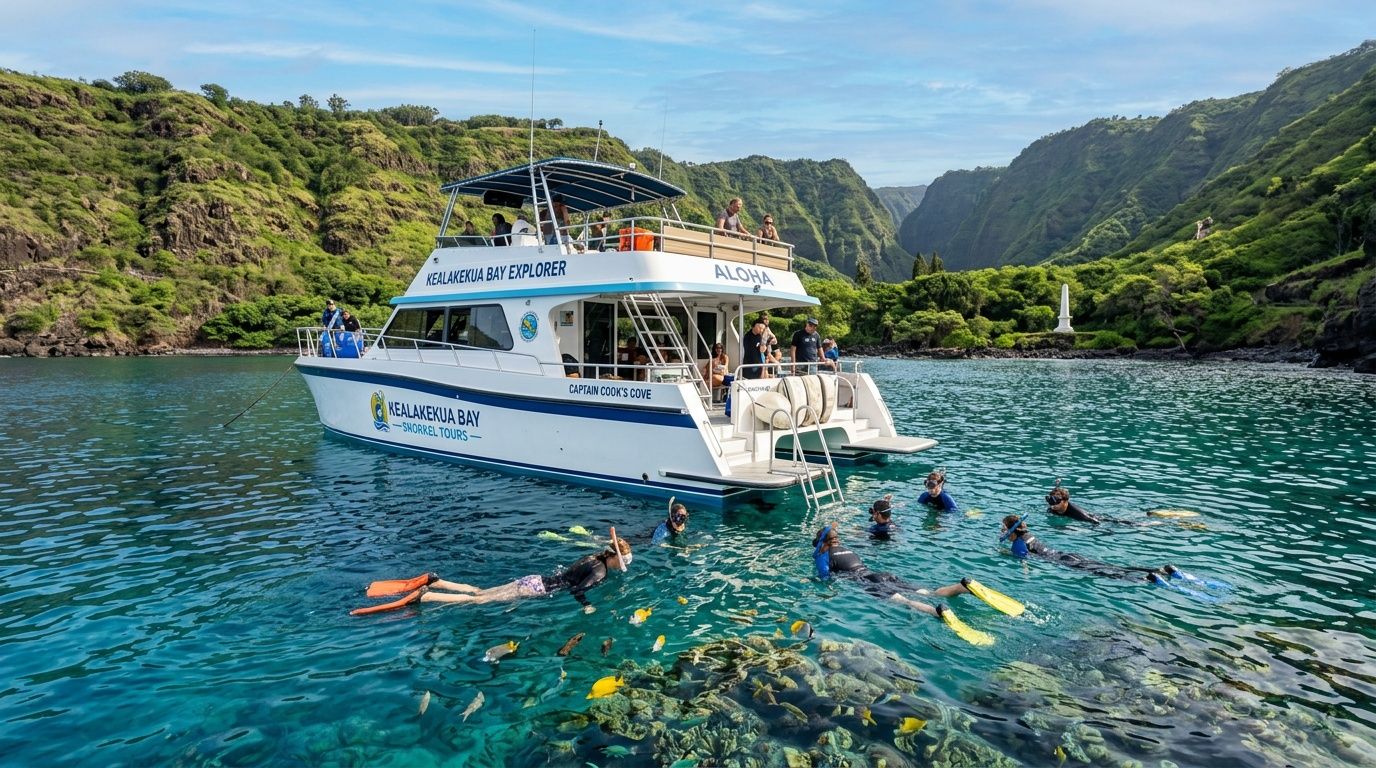
According to this guide to Captain Cook snorkel tour water time, quality tours usually provide 1.5-2 hours of water time, often over two stops, with gear such as dry-top snorkels and anti-fog masks. The same source notes calm conditions 85% of the time, and that first-timers often see 15-20 marine species, a 25% higher count than generic Kona tours.
What I'd look for before booking
Not every tour needs to look identical, but strong ones usually share a few features:
- Enough water time: Less than that and people spend too much of the day gearing up, listening to briefings, and moving around.
- Good gear: Dry-top snorkels and anti-fog masks are not fluff. They reduce frustration fast.
- Crew attention: Beginners need clear entry instructions and visible in-water support.
- A clean plan: Smooth boarding, simple safety talk, and organized exits make a huge difference.
If you like comparing travel vessels before booking anything on the water, whether that's island ferries or large cruise vacations, this tool to compare cruise ships is useful for understanding how boat style changes the experience.
Practical tour options worth considering
For direct monument-area trips, two straightforward booking options are Kealakekua Bay Captain Cook Monument snorkel tours and Captain Cook snorkeling tour departures in Kona.
If you want more context before choosing, this roundup of top Kealakekua Bay snorkeling tours helps clarify what separates one format from another.
Kona Honu Divers also offers snorkel trips in this area and is relevant if you want one company that also handles dive-focused travel on the island.
Book the tour that makes the in-water part easy. That's what you'll remember.
Marine Life You Can Expect to See
The marine life here is one of the reasons captain cook snorkeling keeps its reputation. You're not dropping into empty blue water and hoping for one lucky sighting. The reef usually feels active right away.
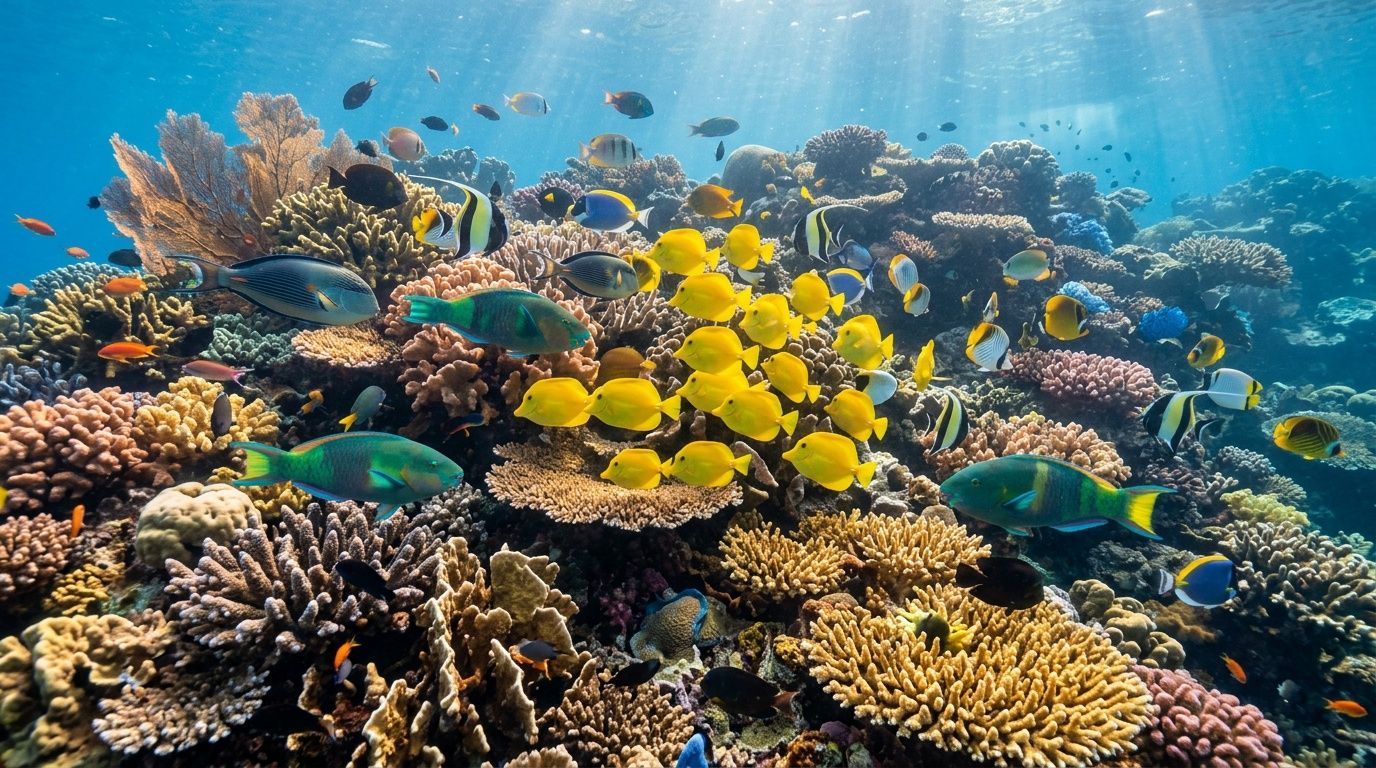
The monument side is especially good for that sense of immediate payoff. Put your face in the water and you'll often see movement at multiple depths, with fish working the coral and schools crossing open patches.
The fish most visitors notice first
Yellow tang usually grab attention fast because they stand out so clearly against the reef. Convict tang often move in schools that make the whole scene feel busy and alive. You may also spot butterflyfish, triggerfish, and other common reef species moving in and out of coral pockets.
If you enjoy learning the local species before you get in the water, this guide to Big Island endemic marine animals adds useful background.
Turtles and dolphins
Honu are always a highlight when they appear. The key is to stay calm, float, and let the encounter happen without trying to close distance. The same goes for dolphins. Kealakekua Bay is one of those places where people get excited and start chasing the moment. That usually ruins it.
A better approach is simple:
- Stay still when larger animals appear
- Keep your hands to yourself
- Let the animal choose the spacing
Why the reef feels so alive
Protected areas tend to reward patience. Fish act more naturally when habitat is healthy and pressure is lower. That's part of why this bay feels different from heavily trafficked, less protected snorkel spots.
The best sightings usually happen when you stop kicking so hard and start drifting quietly.
If you're bringing kids, set expectations the right way. Don't promise one specific animal. Promise a healthy reef, lots of fish, and the chance for something memorable. That's a much better way to enjoy the water.
Essential Safety Tips and Conservation Rules
Kealakekua Bay is friendly by ocean standards. It is still the ocean. That means people have the best days when they treat the site with respect, not when they assume calm water removes all risk.
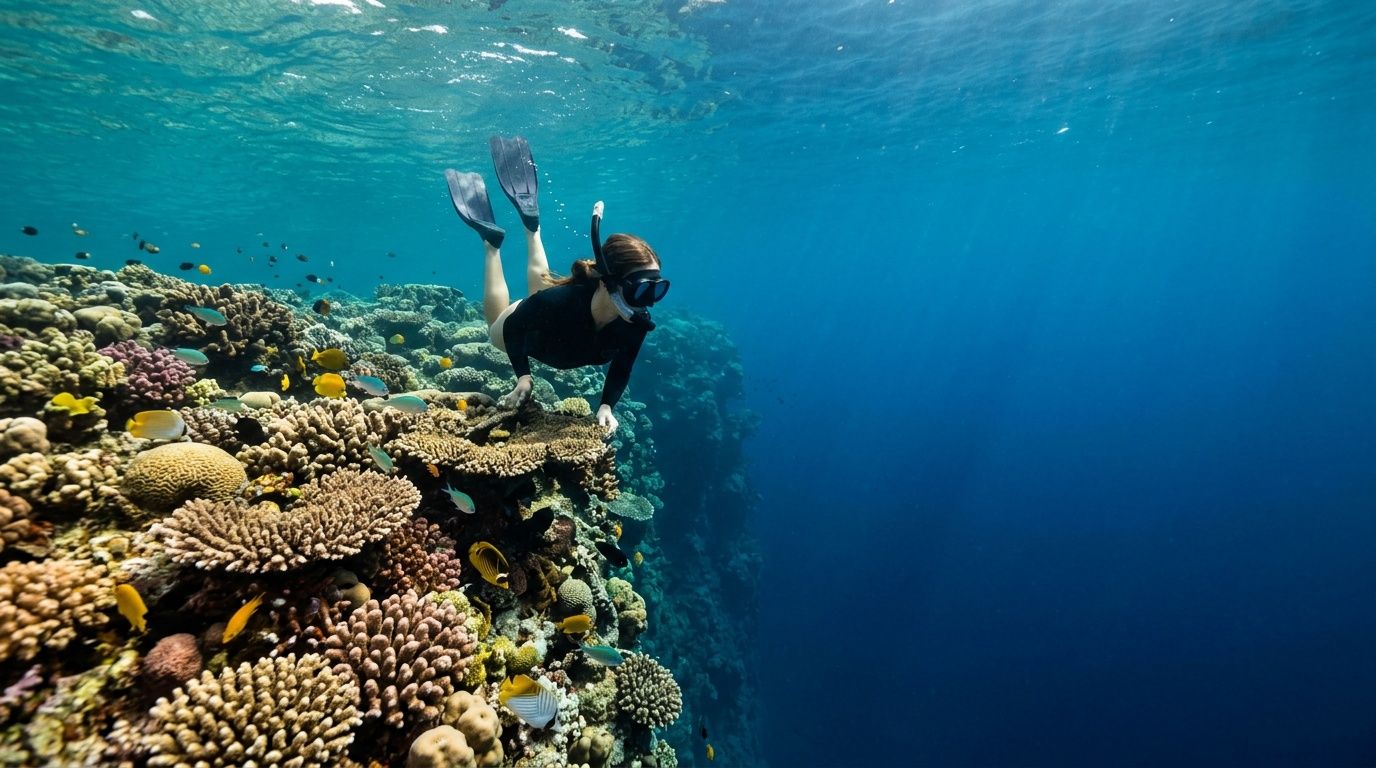
The monument area has water depths of 12-20 feet, with visibility often exceeding 100 feet, but there are sudden drop-offs to 25-30 feet and mild currents in some sections, according to this water depth guide for Captain Cook Monument snorkeling. That's why position awareness matters. Know where your boat is, know where the reef edge is, and don't drift without noticing.
The simple safety habits that matter most
You don't need complicated rules. You need consistent ones.
- Use flotation if you're unsure: There's no prize for snorkeling tired.
- Check your position often: Clear water can make you feel closer to the boat than you are.
- Keep your fins off the reef: Most accidental damage happens when people stop paying attention near coral.
- Listen to the crew on entry and exit: Boats, ladders, and rocky shoreline don't reward improvisation.
For a broader mindset on ocean courtesy, this piece on responsible and considerate diver etiquette applies well to snorkelers too.
Conservation rules visitors should take seriously
Coral is alive. Don't stand on it, grab it, or kick it. The same goes for marine life. Touching turtles, crowding dolphins, and trying to corner fish for photos all make the bay worse for the next group and harder on the animals right now.
A respectful snorkeler does three things well:
- Stays horizontal in the water.
- Keeps distance from wildlife.
- Leaves nothing behind.
Best habit: If you have to reach for it, chase it, or touch it, don't do it.
If you get seasick, prepare before the boat leaves
Some people feel fine in the bay and rough on the ride over. If that sounds like you, prepare early instead of hoping for the best.
Common options include Ship-EEZ Seasickness Patch, Dramamine pills, Bonine pills, Sea Band wristbands, and ginger chews. Pick what works for you and use it before departure, not after you're already uncomfortable.
The people who enjoy this bay most usually aren't the strongest swimmers. They're the ones who arrive ready, move calmly, and treat the place like it matters.
Your Unforgettable Snorkel Adventure Awaits
Captain cook snorkeling is worth doing because it delivers more than one kind of payoff. You get clear water, active reef, a setting with real history, and an experience that works for beginners without feeling watered down for experienced ocean people.
You also have a clear decision to make. For most visitors, a guided boat tour is the smartest way to reach the monument area. It saves energy, simplifies logistics, and gives you the best chance of spending your day snorkeling instead of fighting access.
Go in with the right expectations. Respect the bay, follow the crew's lead, keep your distance from wildlife, and let the reef come to you. That approach almost always leads to the kind of Hawaii day people remember long after the trip is over.
If you're planning a full Big Island water itinerary, Kona Honu Divers is a solid place to look for snorkeling and scuba options, especially if you want to pair captain cook snorkeling with other underwater experiences while you're on the island.