
You’re probably looking at a Big Island trip that already has a lot packed into it. Maybe one person in your group wants easy snorkeling, someone else is booking dives, and somebody has heard that “Captain Cook is the one you have to do.” That part is fair. But captain cook snorkeling goes a lot better when you plan around real conditions, access limits, and the makeup of your group instead of just picking the first boat with an open seat.
Kealakekua Bay is one of those places that delivers when you do it right. It combines protected water, dense reef life, and a shoreline tied to one of the most consequential encounters in Hawaiian history. If you want background on the local operation behind many Kona water trips, you can learn more about the team here.
Your Guide to Captain Cook Snorkeling
The classic version of this trip sounds simple. Get on a boat, jump in clear water, see bright reef fish, take a few photos, and head back happy. In practice, the details matter. The strongest captain cook snorkeling days usually come from matching the right access method to the right traveler.
A family with younger kids usually needs the easiest entry and the most supervision. A couple of experienced divers adding a snorkel day to a week of boat diving may care more about timing, logistics, and not burning too much energy before a night activity. A confident athlete might be tempted to kayak or hike, then realize halfway through that they’ve traded a pleasant reef session for a long, hot grind.
That’s why Kealakekua Bay stands out. It isn’t just scenic. The bay supports a protected marine environment and a shoreline with deep historical weight, so the experience feels bigger than a casual beach snorkel.
Good trip planning here isn’t about doing the hardest option. It’s about doing the option that leaves you enough energy to enjoy the water.
The Magic of Kealakekua Bay Why Snorkel Here
Kealakekua Bay has range. You can come here for history, for reef life, or because someone in your group wants one high-confidence snorkel stop on the Big Island. It works on all three levels.
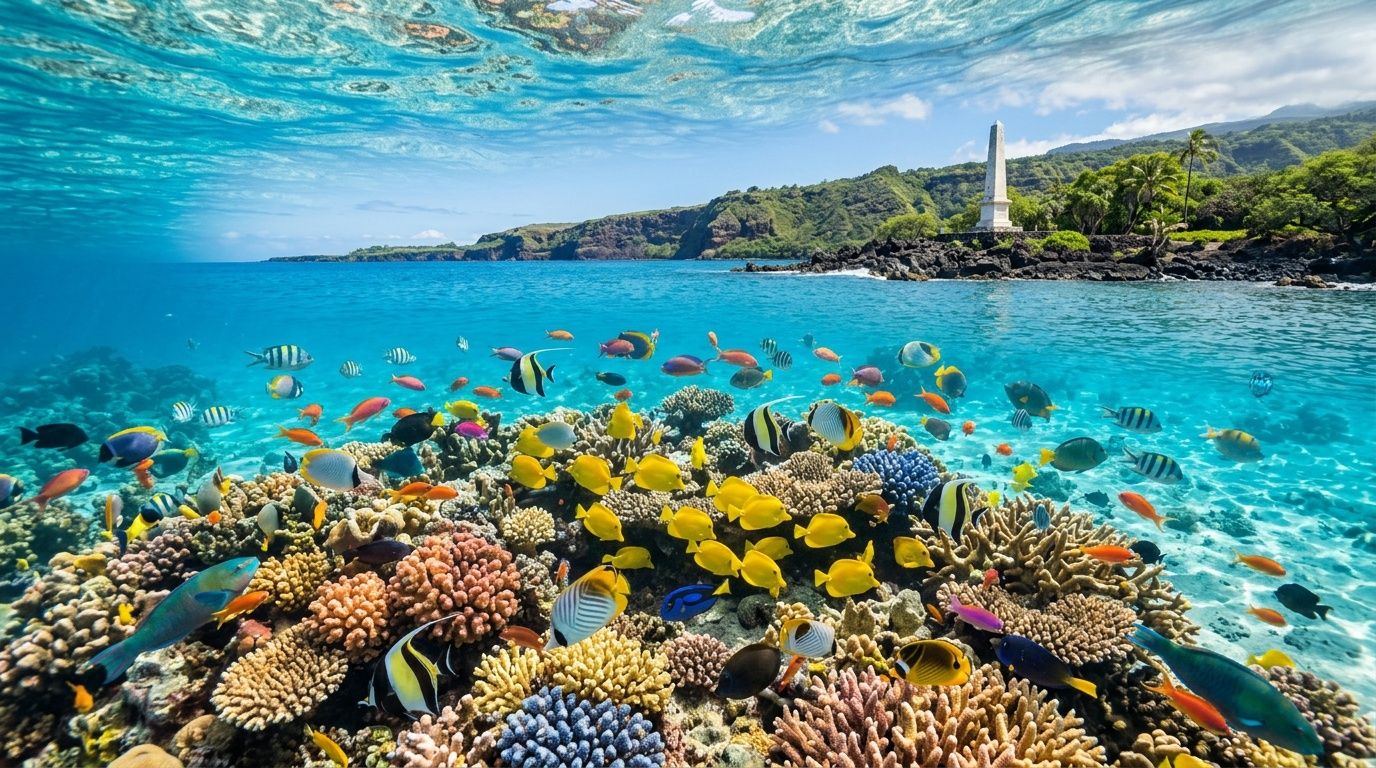
Why the setting matters
The white monument on shore gives the site its name in visitor planning, but the draw is bigger than the monument itself. The Captain Cook Monument at Kealakekua Bay attracts over 100,000 visitors annually, and the monument, erected in 1874, commemorates Captain James Cook’s landing in 1778 and his death on February 14, 1779, according to this Kealakekua Bay monument overview.
That level of visitation says something useful. People don’t keep making the trip here year after year because it’s convenient. They do it because the bay gives them a combination that’s hard to duplicate elsewhere on the island.
History and reef in the same swim
This shoreline sits inside a place where Hawaiian and European history collided in a way that still shapes how the site is understood. At the same time, the bay’s protected status has helped preserve the underwater side of the experience.
The monument area also functions as more than a historical marker. The monument has fostered an artificial reef at its base, which helps draw marine life and gives snorkelers a distinct underwater focal point. That matters in the water. It means the history isn’t just onshore. It influences where people orient themselves once they’re floating over the reef.
If you want a direct look at a trip built around this bay, see Kealakekua Bay snorkeling tours.
What makes this bay different
A lot of snorkel spots are either easy and forgettable, or beautiful and logistically annoying. Kealakekua Bay sits in a better middle ground.
- Protected water: Conditions often feel more manageable than open coastline snorkeling.
- High-interest shoreline: Even non-snorkelers in the group usually care about the setting.
- Dense marine life: The bay’s conservation status supports the kind of fish activity people expect when they book a named destination.
Getting to the Monument Boat vs Kayak vs Hike
You can’t drive down and park next to the monument. That’s the first thing people need to understand. From there, the main question is which trade-off you want.
Accessing Captain Cook Monument A Comparison
| Method | Effort Level | Approx. Time | Key Consideration |
|---|---|---|---|
| Boat tour | Low to moderate | Half-day feel | Easiest for most visitors and mixed-ability groups |
| Kayak | Moderate to high | Longer day | Requires planning, paddling comfort, and self-management |
| Hike | High | Long, demanding outing | Best only for fit, heat-ready visitors who know what they’re taking on |
Boat tours
For most visitors, boat access is the cleanest answer. You conserve energy, enter the water closer to the snorkel zone, and you usually get gear, flotation, safety oversight, and local commentary in one package. That matters a lot for families, first-time snorkelers, and groups where not everyone has the same comfort level in open water.
Boat access also works better when captain cook snorkeling is only one piece of a longer vacation. If you’re diving on another day, doing a manta activity later in the trip, or trying to keep grandparents and teenagers on the same plan, the boat option creates less friction. If you want to compare other ocean outing formats around Kona, look at these Kona boat tours.
For travelers who enjoy evaluating boating formats in other destinations too, this guide to boating experiences in Slovenia is a useful example of how local water access changes the whole trip.
Kayaking
Kayaking appeals to independent travelers for obvious reasons. You set your own pace, and the crossing can feel adventurous in a good way. The downside is that the day becomes more about transport and management. You’re dealing with launch logistics, conditions, energy conservation, and the fact that all of your snorkel enjoyment depends on how much effort the approach already took out of you.
For strong paddlers with good judgment, that can be fine. For occasional vacation kayakers, it often sounds better on paper than it feels in the middle of the bay.
Hiking
The hike gets underestimated all the time. People think of the destination and forget the return. Going down may feel manageable. Coming back up in heat, after swimming, with wet gear and tired legs, is where the decision catches up to you.
Practical rule: If the approach itself is going to be the hardest physical thing you do all week, it will shape the snorkel more than the reef will.
If your priority is the water, don’t choose an access method that empties the tank before you put your mask on.
Planning Your Perfect Snorkel Best Times and Conditions
If you only remember one scheduling rule, make it this one. Go in the morning.
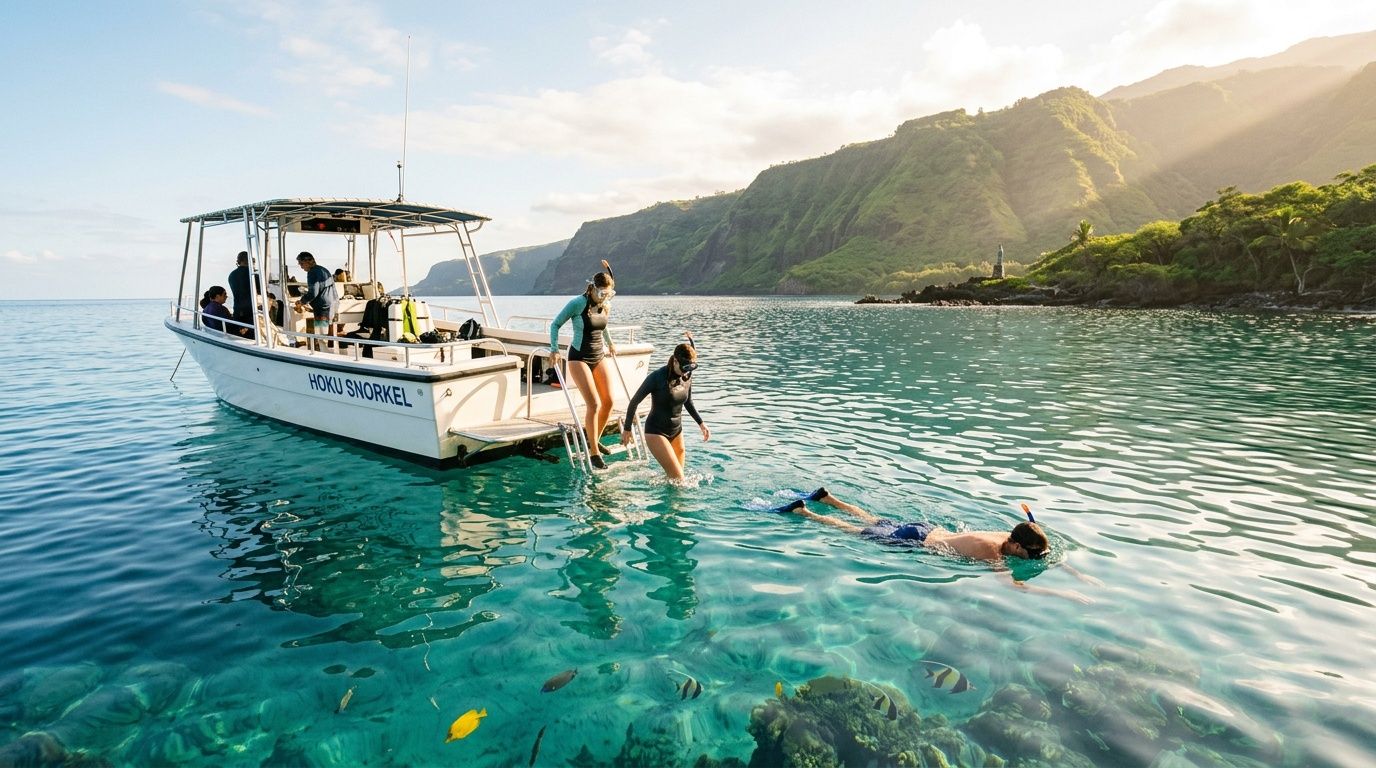
Captain Cook snorkeling visibility regularly exceeds 100 feet, and morning tours starting at 8 a.m. line up with the light-wind window before noon, while afternoon trade winds can churn the bay and reduce clarity, as explained in this Captain Cook visibility guide.
Why mornings win
In practical terms, calm morning water lets you see farther, move less, and spend more time enjoying the reef instead of adjusting to surface chop. Beginners feel more relaxed. Photographers get cleaner shots. Guides can keep the group together with less effort.
That same bay can feel very different later in the day. Wind doesn’t have to make the trip unsafe to make it less enjoyable. A little surface texture is enough to reduce comfort and blur what people came to see.
Seasonal thinking
Summer months often bring the glassier kind of surface that snorkelers hope for. Winter can still be good, but the margin for change is smaller because swell can affect overall bay stability. Water temperature stays in the 75 to 80°F range year-round in the same visibility guide, so you’re not planning around major thermal shifts as much as wind and swell behavior.
A few timing decisions help:
- Book early departures: That gives you the best shot at clear water.
- Check the forecast close to trip day: Wind and swell matter more than calendar optimism.
- Avoid stacking a late, tiring outing before this trip: Morning reward goes to people who show up rested.
What You Will See Underwater Marine Life and Coral Reefs
The first good look usually happens fast. You roll in, put your face down, and the whole bay starts moving. Yellow fish flick through the water column, butterflyfish work the reef edge, and parrotfish cruise like they own the place.
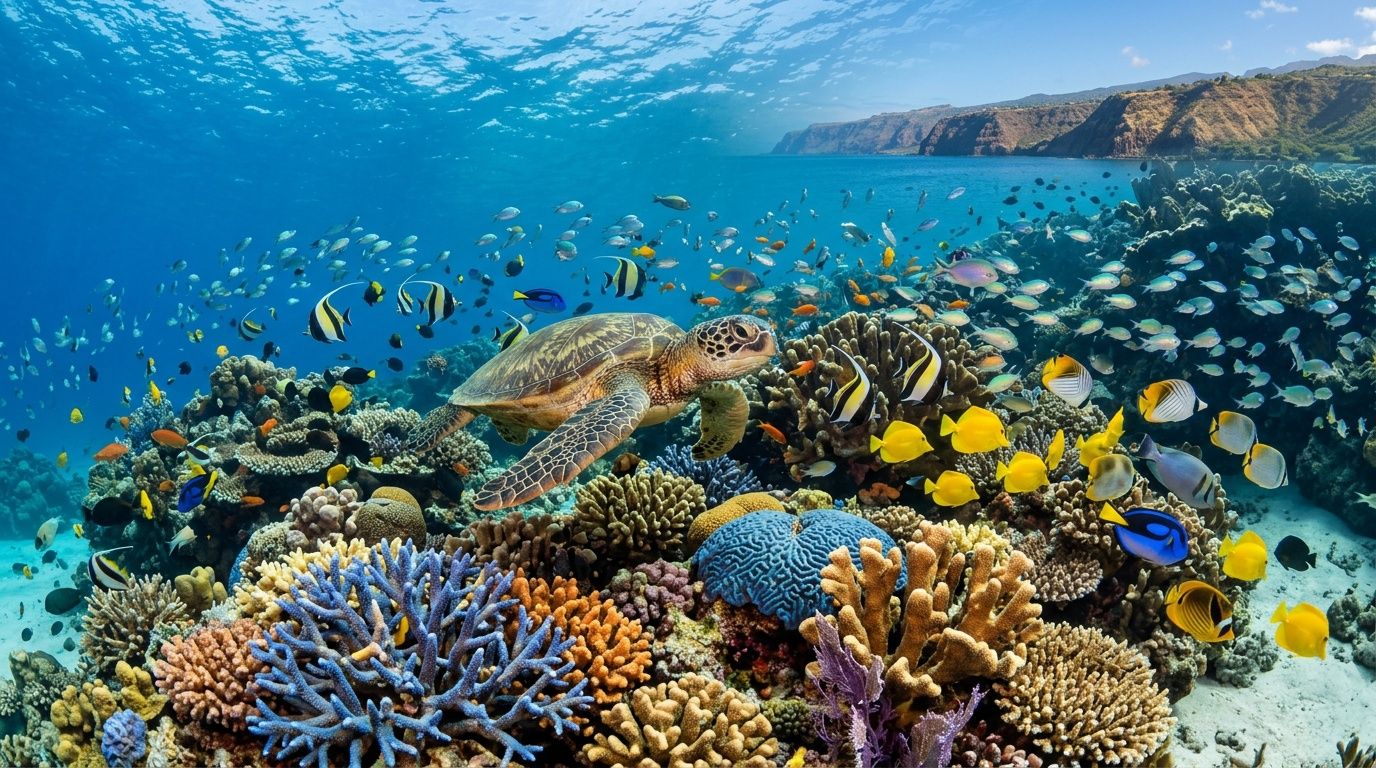
The feel of the reef
What people remember from captain cook snorkeling isn’t usually one rare sighting. It’s density. The bay gives you that full-field effect where fish are above you, below you, and moving across the coral heads all at once. The reef structure keeps your attention too. You’re not staring at one flat bottom the whole time.
The historical gravity of the place also sits in the background while you’re in the water. When Cook returned to the bay for ship repairs outside the Makahiki season, tensions escalated, and on February 14, 1779, he was killed near the monument’s current location, as described in this history of the 1778 to 1779 encounter.
Common expectations that are realistic
You don’t need to expect something exotic to have a strong day here. What the bay does well is deliver a lively reef scene with enough coral and fish action to keep beginners engaged and experienced snorkelers interested.
A few things many visitors hope for include:
- Colorful reef fish: The bay usually delivers this immediately.
- Healthy coral sections: You’ll notice structure, texture, and fish using it constantly.
- Possible turtle or dolphin sightings: These can happen, but the right mindset is respectful observation, not pursuit.
If you’re comparing this trip to other island snorkel plans, this broader guide to snorkeling in Kona, Hawaii helps put Kealakekua Bay in context.
Don’t spend the whole snorkel hunting one animal. Let the reef come to you and the trip usually gets better.
Safety First Essential Tips and Regulations
Good captain cook snorkeling starts with a simple truth. Open water is not a pool, and tours are right to treat it that way.
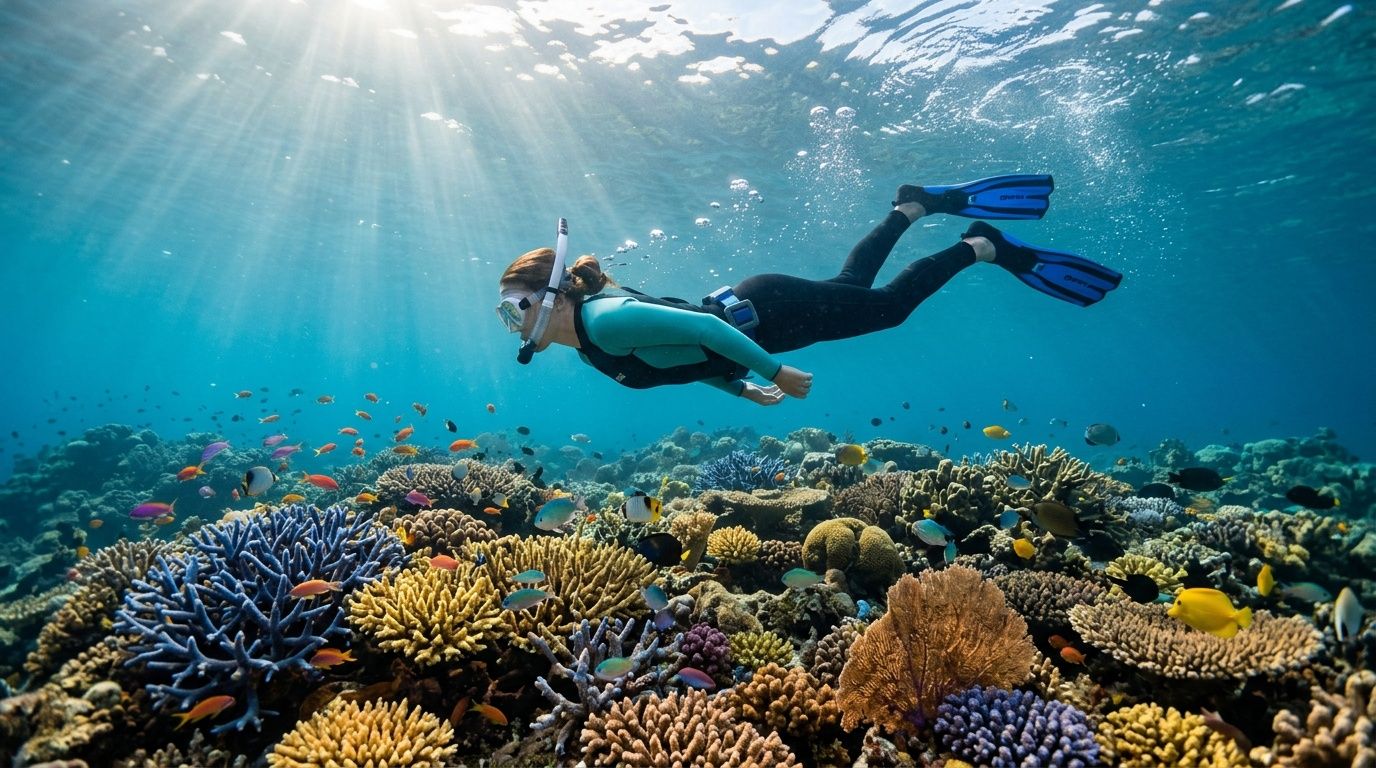
Captain Cook snorkel tours commonly require guests to tread water for 5 to 10 minutes without gear, and non-swimmers are required to remain aboard vessels, according to this explanation of swim requirements for Captain Cook snorkel tours.
What works in the real world
People sometimes hear that flotation is available and assume that means anyone can get in. That’s not how responsible operations run. Flotation helps beginners. It does not replace basic water comfort, ladder entry and exit ability, or the judgment to stay calm when the ocean feels different than expected.
The safest guests usually do a few things well:
- They speak up early: If you’re anxious, tell the crew before getting in.
- They keep the first swim conservative: Short first entry, settle the breathing, then expand.
- They don’t fight the gear: A properly fitted mask and simple fin use matter more than trying to look advanced.
Conservation rules that shape the experience
Visitors also need realistic expectations about modern marine protection. You may not have free-run access to every direction you can see from the boat, and operators may keep guests within specific swim areas based on current conditions and conservation rules. That’s not a downgrade. It’s part of protecting a heavily visited bay and running mixed-experience trips safely.
Basic conduct should be mandatory:
- Don’t touch coral
- Don’t chase turtles or dolphins
- Don’t stand on reef
- Don’t assume the monument shoreline is a free landing zone
Seasickness and simple prep
Even on a short boat run, motion can surprise people who feel fine on land. If you know you’re sensitive, prepare before the boat leaves. Common over-the-counter options people use include Ship-EEZ Seasickness Patch, Dramamine pills, Bonine pills, Sea Band wristbands, and Ginger chews.
If you snorkel with contacts and saltwater or wind tends to irritate your eyes, this guide to contact lenses for sensitive eyes is worth reviewing before your trip.
Choosing Your Tour and What to Expect
The right tour for captain cook snorkeling depends less on brand recognition and more on fit. Ask how the crew handles beginners, how mixed diver and snorkeler groups are managed, what flotation is available, how long the actual snorkel window tends to feel, and what happens when conditions aren’t ideal.
What a solid trip usually includes
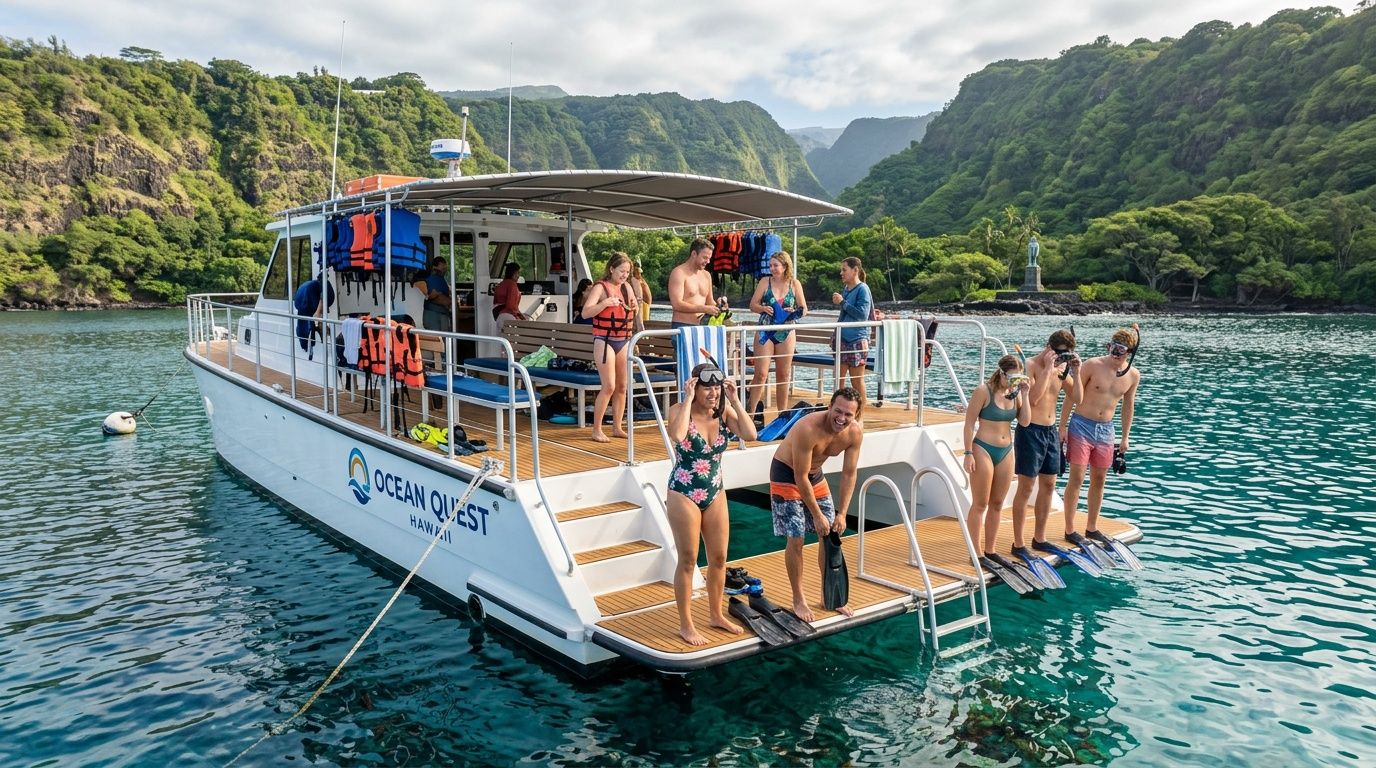
Most quality tours cover the basics well. You should expect snorkel gear, a safety briefing, flotation support for people who need it, and crew oversight in and out of the water. Better-run trips also make the bay easier to understand by giving historical context and setting clear swim boundaries.
This matters even more for mixed groups. Recent market coverage has pointed out that visitors often struggle to find clear explanations of how snorkelers are handled on diver-plus-snorkeler charters and how newer conservation limits affect realistic in-water expectations. That’s why asking direct pre-booking questions is worth your time.
Kona Honu Divers is one operator that also runs snorkeling-focused trips and can fit into a broader vacation plan that includes Big Island diving tours. For direct captain cook snorkeling options, you can also compare Kealakekua Bay Captain Cook monument tours and Captain Cook Snorkeling Tours.
Questions worth asking before you book
Ask what your in-water experience will actually look like, not just what the brochure photo looks like.
Use this short filter:
- Who is this trip best for? Families, confident swimmers, mixed groups, or experienced water people.
- How is the snorkel zone managed? Especially important with kids or first-timers.
- What’s provided onboard? Gear, snacks, shade, flotation, and help with entry.
- How does this fit the rest of your week? Don’t stack a tiring hike, long dive day, and this snorkel back-to-back unless your group really has the energy.
Frequently Asked Questions About Captain Cook Snorkeling
Can you walk up and touch the monument
Not as a casual assumption. The shoreline around the monument isn’t something to treat like an unrestricted public landing spot. Most visitors experience the site from the water on a boat-based trip.
Is captain cook snorkeling good for beginners
It can be, if the beginner is comfortable in open water and follows crew direction. It is not a fit for non-swimmers who want to “just try it” in deep water.
Are there restrooms at the snorkel site
If you want easy restroom access, a tour boat is the practical answer. Don’t expect shore-style facilities at the monument area itself.
Do kayakers handle permits differently than tour guests
Yes. Guided tour operators handle their own operating requirements. Independent kayakers need to sort out their own access rules and planning.
How should divers fit this into a longer vacation
For many divers, this works best as a lighter ocean day between more demanding activities. It pairs well with a trip plan that mixes easier daytime snorkeling with more specialized underwater experiences later in the week, such as a black water night dive off Kona or, for those wanting a more demanding daytime profile, an advanced long-range dive tour.
What if I’m worried about conditions
Morning bookings help. So does choosing an operator that’s clear about where guests will snorkel, how they supervise mixed groups, and when they adjust plans.
If you want a trip plan that balances snorkeling, diving, and realistic ocean conditions instead of just chasing a checklist, take a look at Kona Honu Divers. They’re a practical option for visitors who want to build a smoother Big Island water itinerary around Captain Cook, Kona diving, and other boat-based ocean days.