
You’re probably here because the photos look unreal, the water looks calm, and everyone says Captain Cook snorkeling is a must-do on the Big Island. That part is true. Kealakekua Bay is one of those places that makes people stop talking for a minute once they get in the water.
But this is also a place that deserves a little more honesty than the average “top 10 snorkel spot” roundup. Access can be harder than visitors expect. Conditions change during the day. The bay carries deep history, and the reef needs careful treatment from everyone who enters it.
If you want the version of captain cook snorkeling that’s both exciting and realistic, this guide will help you plan it well.
The Magic of Kealakekua Bay A Legendary Snorkel Spot
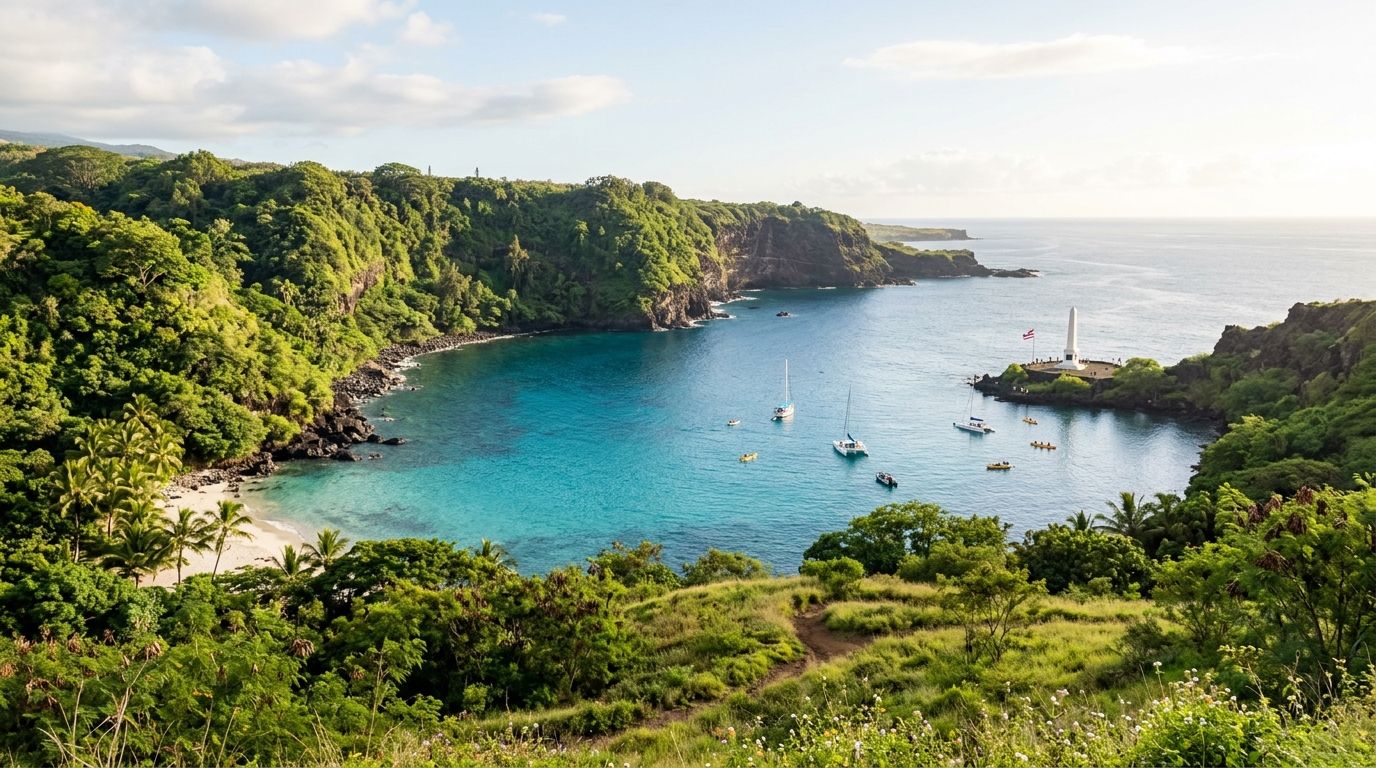
The first thing most visitors notice is the shape of the bay. The cliffs wrap around the water, the shoreline feels protected, and the surface often looks far calmer than the open ocean outside. That natural shelter is one reason Kealakekua Bay has become such a famous place to snorkel.
Then you look toward the white monument on shore, and the trip becomes more than a reef outing. This bay is tied to one of the most important moments in Hawaiian history. Captain James Cook arrived at Kealakekua Bay on January 17, 1779, the first documented European contact with Hawaii, according to this history of Kealakekua Bay and the Captain Cook Monument.
Why this place feels different
A lot of Hawaii snorkel spots are beautiful. Kealakekua Bay is beautiful and layered. Cook arrived during the sacred makahiki festival, and Hawaiians initially revered him as the god Lono. That early welcome shifted after his return in February, when tensions rose and the conflict ended with Cook’s death on February 14, 1779, as described in the same Kealakekua Bay history account.
The Captain Cook Monument, erected by the British in 1874, now stands near the site and has become a focal point for snorkelers. It also forms an artificial reef that attracts marine life, and the monument area draws over 100,000 visitors annually, according to that same historical overview.
Kealakekua Bay stays with people because the water is memorable, but the setting gives it weight.
What captain cook snorkeling feels like in real life
Few remember their first view of the bay from a map. Instead, they remember arriving by boat, seeing the monument tucked against dark lava rock, and then slipping into water so clear that the reef seems close enough to touch.
That combination is why this trip ends up on so many Hawaii itineraries. If you’re still putting those plans together, tools like Direct Flights to Hawaii can help simplify the travel side before you sort out your snorkel day.
For a closer look at the local tour format many visitors choose, this page on Kealakekua Bay snorkeling tours gives a useful overview of how these trips are typically structured.
The bucket-list appeal
Captain cook snorkeling isn’t just about seeing fish. It’s about floating in a bay where Hawaiian history, volcanic coastline, and protected marine habitat all meet in one compact place.
That’s what gives it its reputation. You get scenery from the moment you arrive, a reef that starts close to shore, and a setting that feels distinct from a generic beach snorkel.
How to Access the Captain Cook Monument Snorkel Area
Many visitors are often surprised. The snorkeling near the monument is famous, but it isn’t the kind of place to park nearby and stroll in with fins.
You have three main ways to reach the area: boat tour, kayak, or hike. All three are possible. They are not equally easy, and they are definitely not equally comfortable.
Accessing Captain Cook Comparison
| Method | Best For | Pros | Cons |
|---|---|---|---|
| Boat tour | Families, first-timers, most travelers | Direct access, gear is usually provided, safety briefing, easier entry and exit, guided support | You need to book ahead and work around tour times |
| Kayak | Strong paddlers who want a self-directed outing | Independent pace, on-water approach | 2.5-mile access route, fatigue can build fast, permit requirements can apply |
| Hike | Experienced hikers who want a land-based approach | No boat ride, dramatic views | Hot, strenuous, long return climb, carrying gear adds difficulty |
Boat tours make the day easier
For many, a guided boat tour is the smartest way to do captain cook snorkeling. You skip the long paddle, avoid hauling gear down and back up a demanding trail, and start the snorkel with more energy.
A good crew also reduces confusion. They’ll explain where to enter, how to use the equipment, where the shallow safe areas are, and what to avoid. That matters more than people think, especially when the excitement of seeing the bay can make beginners move too fast and tire themselves out early.
Two useful options to compare are Kona Snorkel Trips Kealakekua Bay Captain Cook Monument tours and Captain Cook Snorkeling Tours. Both focus on getting visitors out to the monument area without the extra effort required by land or paddle access.
Kayaking sounds easy on paper
Kayaking appeals to independent travelers because it feels adventurous and flexible. In practice, that 2.5-mile access can wear people out before they even begin snorkeling. The verified guidance for this topic specifically points to that route as a fatigue issue, especially when compared with going by boat.
That fatigue matters because snorkeling isn’t just floating around casually. You still need energy for finning, staying oriented, climbing back aboard if needed, and dealing calmly with changing conditions.
Practical rule: If your main goal is enjoying the reef, don’t spend your best energy budget getting there the hard way.
Hiking is the toughest option
Some people assume hiking gives them a simpler alternative. It doesn’t. The trail to the bay is demanding, hot, and much harder on the return because the climb back out comes after your swim.
It can work for fit hikers who know what they’re signing up for. It’s usually not the right first choice for families, occasional snorkelers, or anyone who wants a relaxed day on the water.
My local-guide recommendation
If you want the highest chance of enjoying the site rather than merely reaching it, choose a boat. That’s especially true if you’re traveling with kids, nervous swimmers, or people who haven’t snorkeled in open ocean before.
Underwater Wonders What You Will See While Snorkeling
The underwater layout near the monument is a big reason this spot stands out. It isn’t flat and featureless. It has a shape that keeps your eye moving, which makes even a short snorkel feel full.
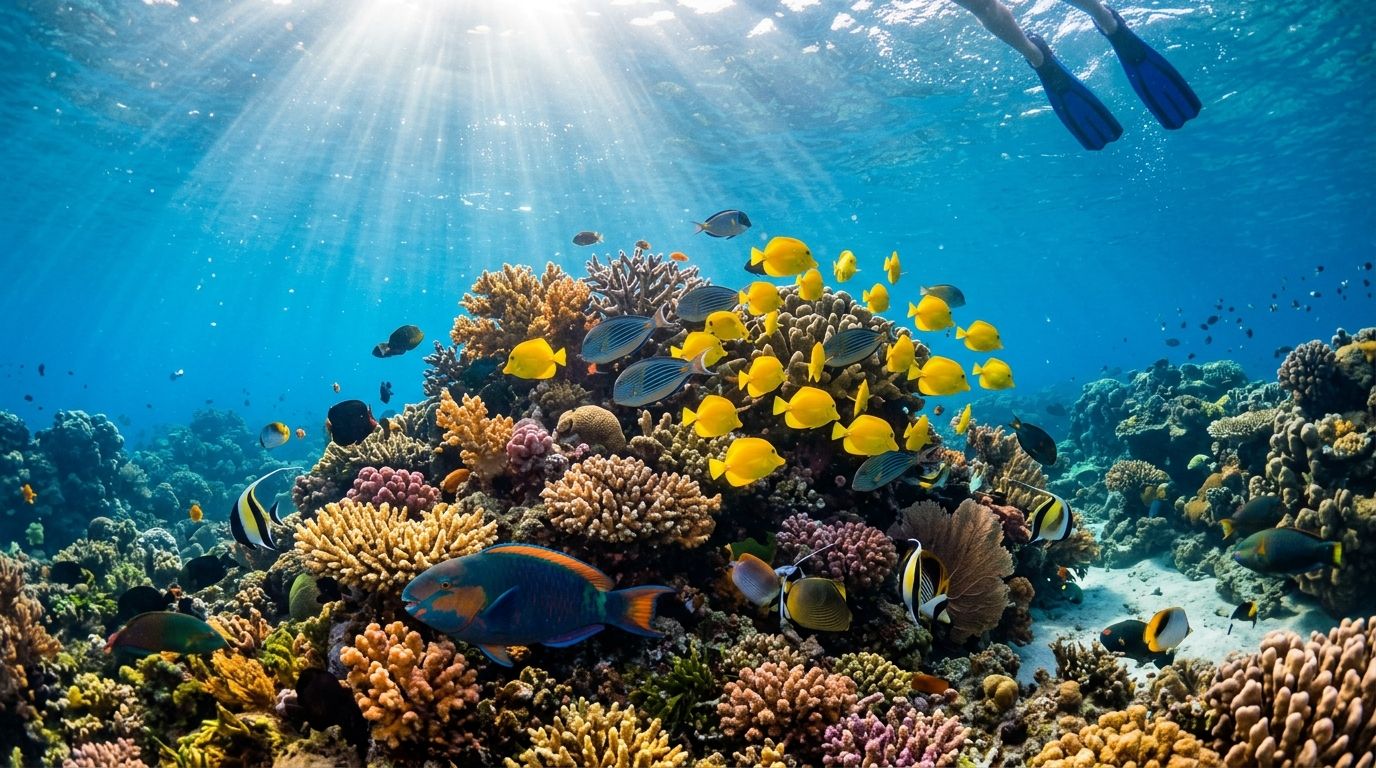
Right around the Captain Cook Monument, the water is about 12 to 20 feet deep, and nearby lava finger drop-offs descend to 25 to 30 feet, according to this detailed guide to Captain Cook snorkel tour swim requirements. Farther out, depths can quickly exceed 60 feet, which is why buoyancy control matters.
What the reef structure means for you
For snorkelers, those numbers translate into visibility and texture. In the shallower monument zone, you can often see the bottom clearly without feeling too far from the reef. Along the drop-offs, coral clings to steeper walls, and fish use all those cracks, ledges, and shadow lines as cover.
That’s why this bay feels busy underwater. You aren’t staring at one sandy bottom. You’re scanning a layered reef system.
Fish and animals people look for
The same swim requirements guide notes that morning visibility often exceeds 100 feet, which makes it easier to spot animals tucked into ledges, including octopuses and moray eels. You’ll also see reef fish moving through the coral zone, often in dense schools.
Here’s what many snorkelers keep an eye out for:
- Convict tangs in schools: These often move together and give the reef a constant sense of motion.
- Moray eels in crevices: They’re usually seen tucked into holes rather than swimming openly.
- Octopuses on ledges: Clear mornings improve your odds because camouflage is their advantage.
- Parrotfish and other reef grazers: They help make the reef feel alive rather than static.
- Honu: Hawaiian green sea turtles are one of the animals many visitors hope to see in the bay.
Why mornings are such a good choice
Early trips usually give you the cleanest view into the water column. When visibility pushes past 100 feet in the morning, you get that classic Kealakekua effect where the reef seems magnified and every movement below catches your eye, as noted in the Captain Cook snorkel tour depth and visibility breakdown.
The best snorkelers here don’t rush. They float, pause, and let the reef reveal itself.
If you enjoy spotting Hawaii’s unique marine life beyond this bay, this guide to endemic marine animals around the Big Island adds useful context for what makes local waters so special.
A Realistic Guide to Safety and Ocean Conditions
Kealakekua Bay is beautiful, but calm-looking water can fool people. That’s the part many glossy travel posts skip. Captain cook snorkeling is safer and more enjoyable when you treat it like an ocean activity, not a pool session with fish.
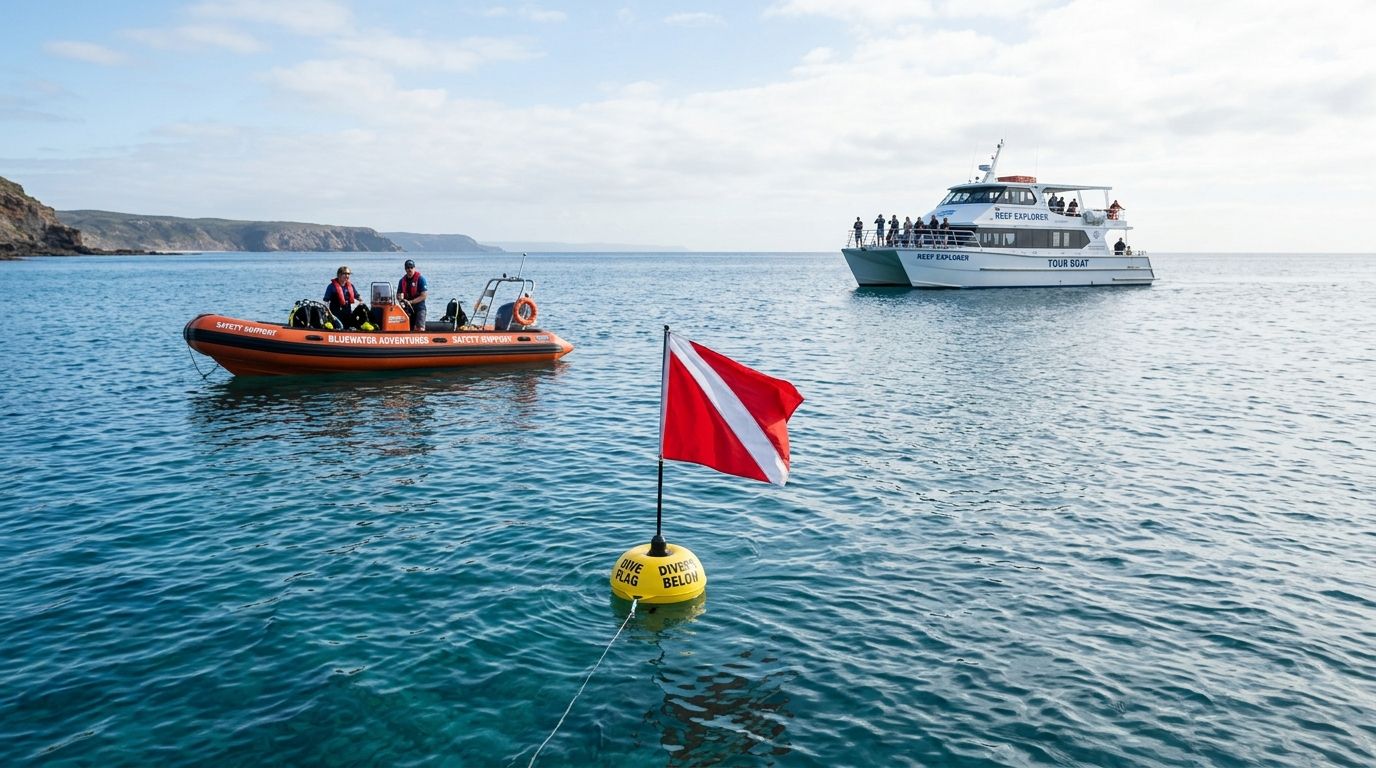
The verified safety guidance for this location notes several real concerns: strong currents from upwelling, seasonal box jellyfish, and afternoon trade winds that can reduce visibility by 50%, according to this Captain Cook snorkel safety overview. The same source also notes that the 2.5-mile kayak access contributes to fatigue, with 30% higher fatigue than boat tours per user forums.
What catches beginners off guard
The biggest issue usually isn’t dramatic surf. It’s a stack of smaller things. A visitor paddles too far, kicks harder than necessary, swallows a little water, gets anxious, and suddenly the bay feels much larger than expected.
That’s why guided trips are so helpful for novices and families. Lifeguard-certified guides can set clear boundaries, help with flotation, and stop small problems from becoming stressful ones.
Best practices that make a real difference
Use these habits before you get in:
- Choose morning departures: The water is often calmer and clearer before the wind builds.
- Start slow in the water: Adjust your mask, breathing, and fins before swimming away from the group.
- Stay in the easy zone first: Let your body settle before exploring farther along the reef line.
- Ask for flotation if you want it: Plenty of strong adults enjoy snorkeling more when they’re conserving energy.
- Listen when guides set limits: They know where the comfortable snorkel area ends.
Conditions don’t need to look rough to be tiring. Fatigue is one of the most common ways a fun snorkel turns into a short one.
If you like tracking your swims or preparing your gear setup, this ultimate guide to smart watch swimming is a helpful side read for water use planning.
Seasickness preparation for boat tours
If you’re taking a boat, think about motion sickness before the trip, not after the harbor leaves sight. Even people who feel fine on land can get queasy on the ride.
Common over-the-counter and wearable options include Ship-EEZ Seasickness Patch, Dramamine pills, Bonine pills, Sea Band wristbands, and Ginger chews.
A simple approach many travelers prefer is:
- Pick your remedy the day before
- Use it early, based on label directions
- Eat lightly before departure
- Keep your eyes on the horizon if the ride feels bumpy
For broader trip planning, this guide on how to check ocean conditions for the Big Island helps you understand what local water reports can and can’t tell you.
What to Expect on a Kona Honu Divers Partner Tour
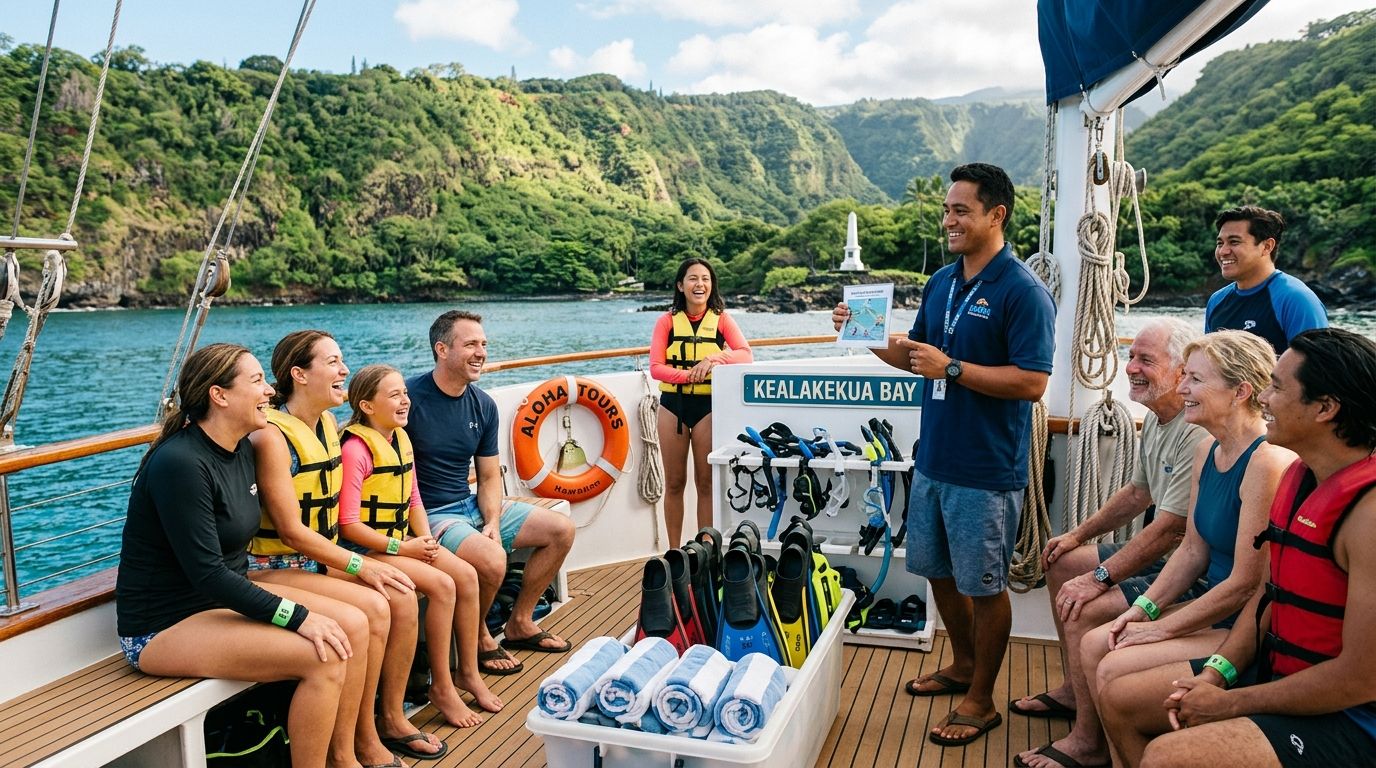
A professionally run tour feels organized from the first few minutes. You check in, meet the crew, stow your gear, and get a briefing before the boat leaves the harbor. That structure matters because it lowers stress before anyone even touches the water.
On partner trips connected with Kona Honu Divers, guests typically get the parts that make the day easier: fitted snorkel gear, basic instruction, a safety talk, and in-water oversight from trained staff. For travelers who don’t snorkel every week, that support changes the whole experience.
What the day usually feels like
The ride out gives people time to settle in and ask questions. Crew members often explain how to clear a snorkel, how to keep a mask from leaking, and how to breathe calmly if you haven’t been in open water recently.
Once you arrive, the best tours don’t rush the entry. Guests get a clear explanation of where to swim, where not to go, and how to reboard comfortably.
Why the crew matters so much
A strong crew does more than drive the boat. They watch body language. They notice when someone is overfinning, struggling with a mask, or drifting farther than intended.
That’s the hidden value of a guided outing. You’re not buying only transportation. You’re buying judgment, local knowledge, and a calmer learning curve.
Here’s what people usually appreciate most:
- Gear help: Proper mask fit solves a lot of beginner frustration.
- Simple coaching: Short tips often fix breathing and comfort issues quickly.
- History and local context: The ride feels richer when someone explains what you’re seeing.
- Food and drinks: Even light snacks and water help after time in the sun.
Protecting Paradise Responsible Snorkeling Rules
Kealakekua Bay is a place people love because it still feels alive underwater. That doesn’t happen by accident. It happens because the bay is protected and because visitor behavior matters every single day.
Current environmental pressure is part of the reality now. Kealakekua Bay faced moderate coral bleaching alerts in Q3 2025 tied to sea temperatures hitting 82°F, and visitor pressure of 190,000 people annually is part of that broader stress, according to this report on Captain Cook snorkel underwater conditions and reef health. The same source notes that Hawaii’s 2021 ban on sunscreens with oxybenzone has been shown to reduce damage by 25%.
The rules that matter most
These aren’t complicated, but they’re important:
- Use reef-safe sunscreen: Oxybenzone is part of the problem the state has already tried to address.
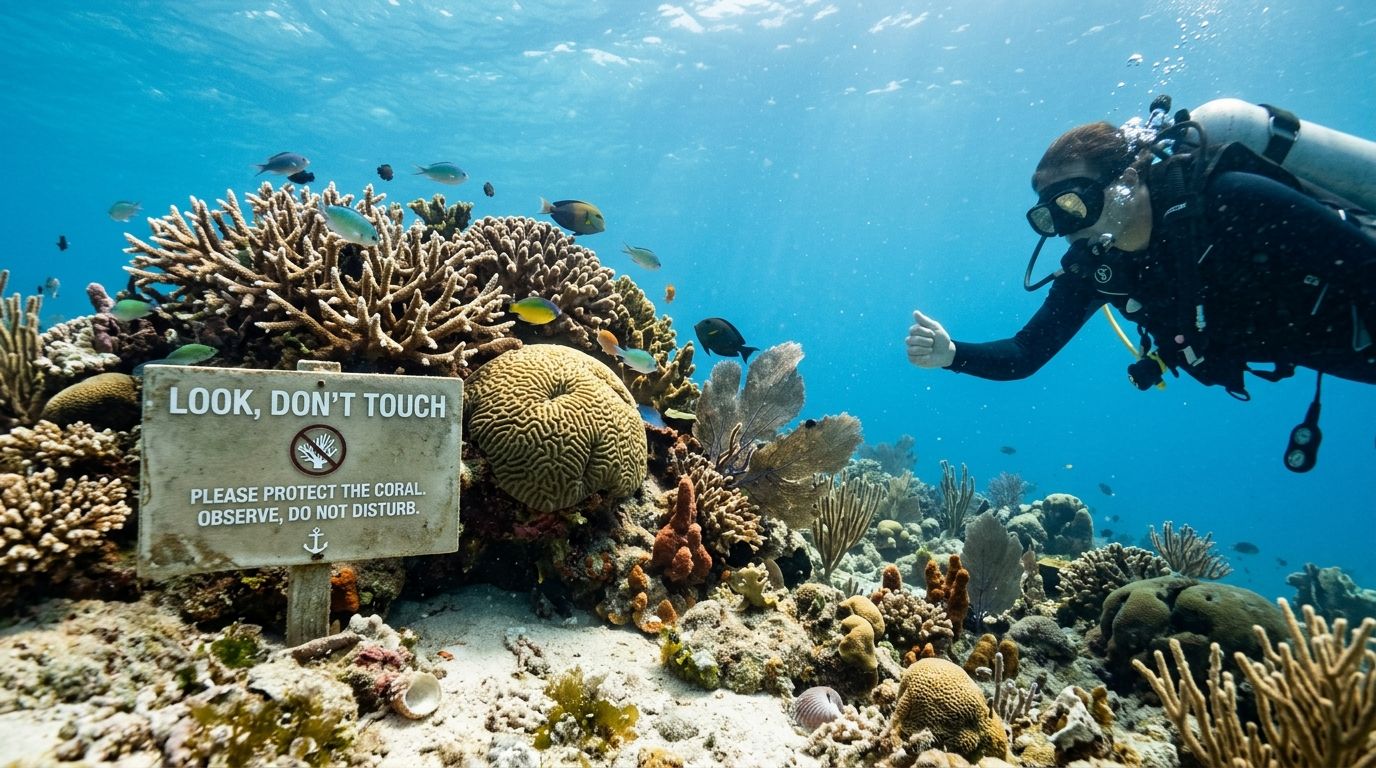
- Keep your hands off coral: Coral is living animal tissue, not underwater rock.
- Give wildlife space: Don’t chase turtles, crowd fish, or try to provoke a photo moment.
- Take everything back out with you: Nothing belongs in the bay except what was already there.
A simple way to think about it
If your fins, hands, or gear are touching the reef, you’re too close. If an animal changes direction because of you, you’re too close then too.
Good snorkeling etiquette: Look longer. Reach less.
For a broader ethic that applies both above and below the surface, this guide to responsible and considerate diver etiquette is worth reading before your trip.
Captain Cook Snorkeling Frequently Asked Questions
Is captain cook snorkeling good for beginners
Yes, it can be, but beginners usually enjoy it most on a guided boat tour. The biggest advantage isn’t just transportation. It’s having help with mask fit, entry technique, staying inside the comfortable snorkel zone, and knowing when conditions are changing.
If you’re brand new, tell the crew that before you get in. That gives them a chance to suggest flotation, a simple route, and a calmer start.
What time of day is best
Morning is usually the better choice for comfort and visibility. Earlier departures often line up with calmer conditions and clearer water, while afternoons can bring stronger wind and a more tiring surface.
That doesn’t mean every afternoon is bad. It means mornings usually stack the odds in your favor, especially if you want easier fish spotting and a more relaxed first snorkel.
Can kids do this trip
Many families do, but the right format matters. A boat tour is usually easier on kids than kayaking or hiking because it reduces fatigue before the snorkel even starts.
The best family setup is simple: choose a crew that gives clear instructions, use flotation without hesitation, and let kids acclimate slowly instead of pushing for a long swim.
Will I definitely see turtles
No wildlife sighting is guaranteed. That’s the honest answer anywhere in the ocean.
What Kealakekua Bay does offer is healthy habitat, clear water, and a strong chance of seeing reef life during a good snorkel. If a turtle appears, enjoy the moment and give it space.
Is the monument itself the only good snorkel spot
No. The monument area is the landmark often recognized, but the appeal is really the surrounding reef structure and water clarity. A good guide helps you focus on where the life is active, not just where the famous photo gets taken.
What should I do if I’m nervous in open water
Keep your first few minutes very simple. Float. Put your face in. Take slow breaths through the snorkel. Look down before you try to swim farther.
Nervousness usually drops once your breathing settles and you realize you don’t need to fight the water. Ask for flotation early if you think it will help. That’s smart, not embarrassing.
What if I don’t want to snorkel the whole time
That’s fine. Some people do shorter in-water sessions and enjoy the rest of the outing from the boat. The coastline, the monument, and the bay itself are worth the trip even if you prefer a more moderate swim.
If you want help choosing the right ocean day on the Big Island, Kona Honu Divers is a useful place to start. Their site covers snorkeling and diving options, and it can help you match your experience level, comfort in the water, and trip goals with the right tour format.