
You’re probably in the same spot as a lot of Big Island visitors. You want one snorkel trip that feels worth building a vacation day around. Not just “nice water” or “a boat ride with masks,” but the kind of outing you remember when you get home.
That’s exactly why so many people end up searching for a captain cook snorkel tour. It combines clear water, dramatic coastline, reef life, and a layer of Hawaiian history that gives the whole outing more meaning. If you know what kind of tour to choose, and how to prepare for it, the day gets even better.
Why Your Hawaiian Adventure Needs a Captain Cook Snorkel Tour
A lot of travelers arrive in Kona with the same mental picture. They want calm blue water, fish everywhere, and a snorkel spot that feels special instead of random. Kealakekua Bay is the place that usually matches that picture.
It’s not a hidden secret. Kealakekua Bay attracts over 190,000 visitors annually and has become one of the Big Island’s standout ecotourism destinations, according to this overview of the Captain Cook snorkel tour experience in Kealakekua Bay. That popularity makes sense the moment you see the coastline open up and the water turn that deep, clear blue-green.
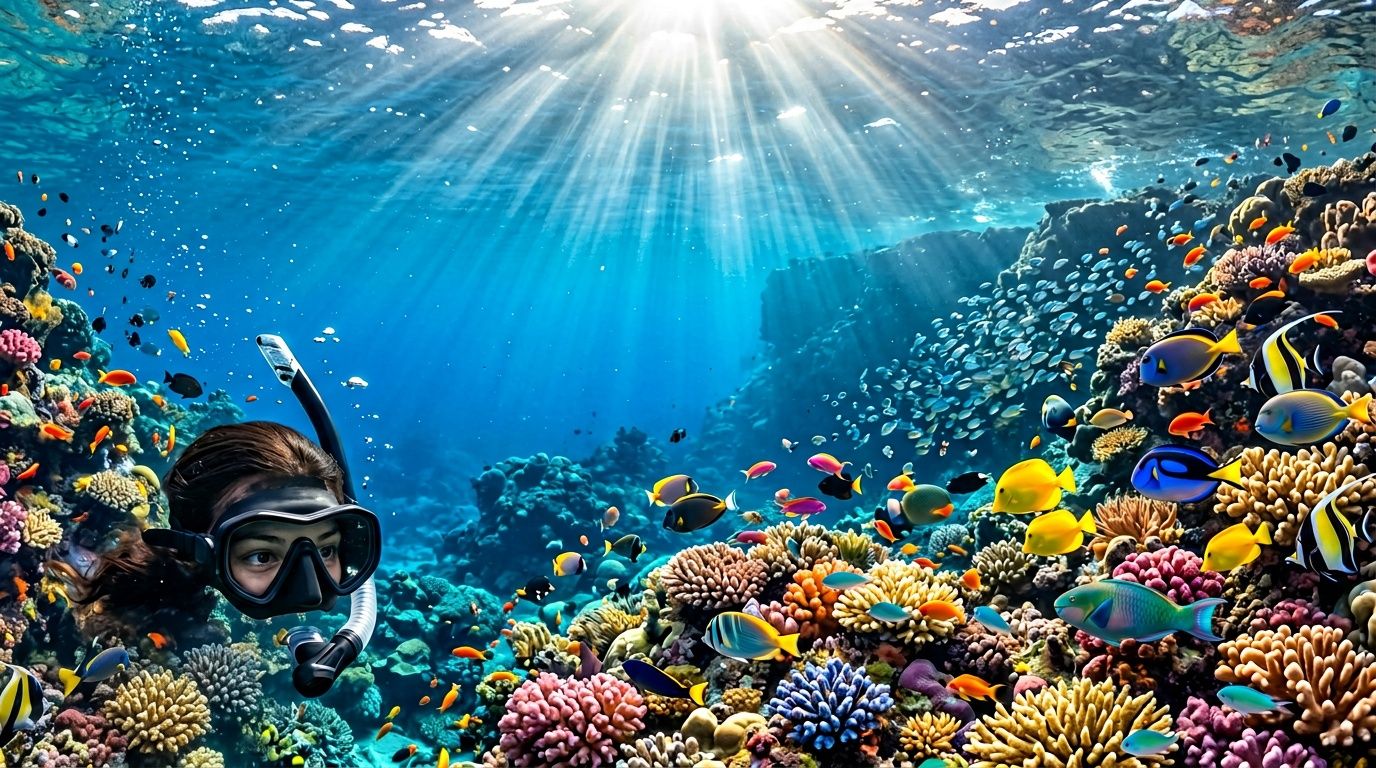
Why this bay feels different
This isn’t just a reef stop. The bay also carries the history of 1779, when Captain James Cook arrived here and later died here. The white Captain Cook Monument on shore gives the whole scene a landmark people remember long after the snorkel is over. If you want a broader look at what makes this coast so memorable, this guide to the best snorkeling in Kona, HI is helpful.
That mix matters. Some people come for the reef first. Others are pulled in by the story of the place. Either way, the experience feels more grounded than a generic beach snorkel.
Kealakekua Bay gives you two trips in one. A marine adventure in the water, and a historical landscape above it.
What people usually love most
A captain cook snorkel tour stands out because it bundles several things that are often separate elsewhere:
- Protected water conditions: The bay is known for calm, sheltered snorkeling compared with more exposed shoreline spots.
- Strong visibility: Water clarity can exceed 100 feet in the bay, which makes even first-time snorkelers feel more comfortable seeing the bottom and spotting fish.
- Easy monument view: The monument is most dramatically seen from the water, which gives boat tours an edge over trying to piece the experience together on your own.
If your goal is one signature Kona snorkel day, this is the trip many visitors end up talking about first.
What to Expect on Your Tour An Hour-by-Hour Itinerary
You arrive at the harbor early, coffee in hand, and wonder how the morning will unfold. Will it feel rushed. How long are you really in the water. And does the boat style change the day more than people admit.
It does.
A captain cook snorkel tour usually follows a clear rhythm. Check in, get your gear sorted, ride the Kona coast to the bay, snorkel the main reef, sometimes add a second stop, then head back salty, tired, and very glad you went. The details within that rhythm matter, especially if your goal is more in-water time and less standing around in fins.
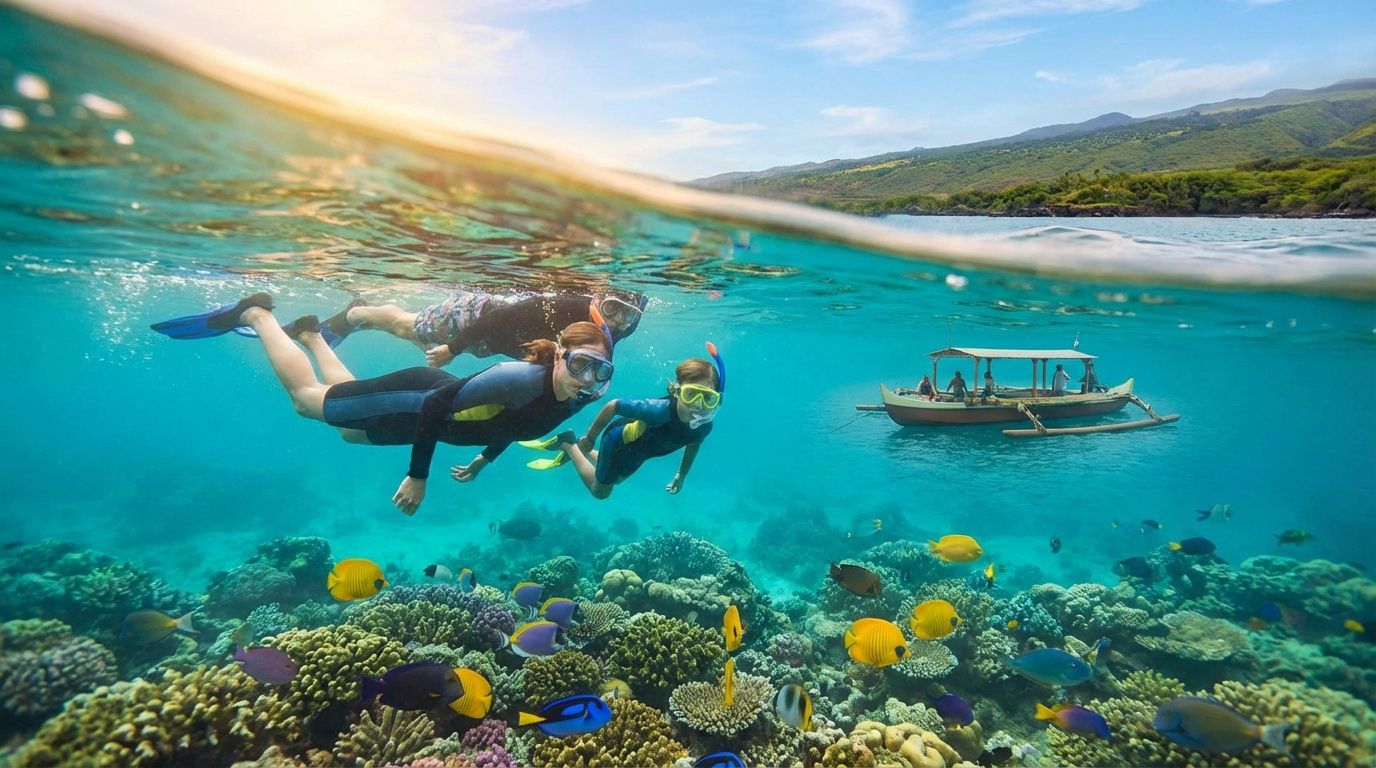
The check-in and departure
The morning starts on land, but the pace of the day is set here. You check in, sign waivers, and get fitted for mask, snorkel, and fins. Good crews do this carefully because ten extra minutes at the dock can save you from spending your first swim stop fiddling with a leaking mask.
Morning departures are popular for practical reasons. Water is often calmer earlier, glare is usually lower, and the ride out tends to feel easier before the afternoon wind picks up. If you want a sense of how different operators structure the route, this overview of Kealakekua Bay snorkeling tours is a useful starting point.
If you are choosing between tour styles, this is the first place the difference shows. Larger catamarans usually offer a steadier boarding process, more shade, and more room to spread out. Smaller rigid-hull inflatable boats feel quicker and more intimate, but boarding is often more active and the ride is closer to the water.
The boat ride down the Kona coast
The ride to Kealakekua Bay is part transit, part sightseeing, part setup. You pass black lava shoreline, sea cliffs, and coves that look hidden from the road. Keep your mask defogged, your snorkel adjusted, and your phone or camera secured before the boat stops. That small bit of prep can turn into more swim time later.
Boat style matters here too. A rigid-hull inflatable boat works a bit like a jeep on a back road. It is nimble, fast, and able to get closer to coastal features when conditions allow. A larger catamaran works more like a shuttle bus. It is steadier, easier for nervous passengers, and better if someone in your group values comfort over speed.
Neither is automatically better. The right choice depends on what kind of morning you want.
The first in-water session
Once you reach the bay, the crew usually gives a short safety briefing and points out entry and exit procedures. Listen closely here. The people who get in calmly and start floating right away often see more because they spend less energy adjusting and more energy observing.
Your first few minutes in the water are usually about settling down. That is normal, especially for first-time snorkelers. Snorkeling works a lot like learning to look through a new pair of glasses. At first you notice the equipment. Then your breathing slows, your body relaxes, and the reef starts to sharpen into view.
This first stop is where smart pacing pays off. Don’t sprint from coral head to coral head. Float, breathe slowly, and let the fish come into your field of view. Snorkelers who rush often miss the scene directly below them.
How long you are actually snorkeling
This is the question many visitors care about most, and it is one many guides gloss over. Total tour length and actual water time are not the same thing.
A shorter, faster boat can sometimes mean less transit and a quicker entry, which may help you get more time in the water. A larger boat may take a little longer to load, brief, and organize, but it can feel easier for families, older guests, or anyone who wants a bathroom, shade, and a less bouncy ride. The tradeoff is simple. Comfort can cost some pace. Speed can cost some comfort.
Before you book, look beyond the total tour hours and ask two direct questions: how long is the ride each way, and how much supervised snorkel time is typical at the bay. Those answers tell you more than marketing language ever will.
The second stop and ride back
Some tours include a second snorkel stop or a brief look at another part of the coast. That can be a real bonus because your first stop is often your warm-up. By the second entry, your mask is adjusted, your breathing is steady, and you notice more small details.
Smaller boats sometimes have more flexibility in where they pause, depending on conditions. Larger boats usually deliver a more predictable routine. Again, neither format wins for everyone. Adventure-focused travelers often enjoy the livelier small-boat style. Families with mixed comfort levels often prefer the extra space and stability of a catamaran.
On the ride back, the mood changes. People stop talking as much. They scroll through fish photos, lean into the sun, and replay the best moments. That is usually when you realize the tour was not just a boat trip to a snorkel spot. It was a full morning with a rhythm of its own, and understanding that rhythm is what helps you choose the right version of the experience.
The Underwater World of Kealakekua Bay Marine Life
The reason this bay photographs so well is simple. There’s a lot going on below the surface, and the water often lets you see it clearly.
Kealakekua Bay Marine Preserve has protected status, and that protection helps support a thriving reef community. The bay is described as having over 200 fish species, along with frequent Hawaiian green sea turtles, in this overview of the marine life and water conditions in Kealakekua Bay. For snorkelers, that means you’re not staring into empty blue water hoping something appears.
Why the reef is so active
Protected areas matter because they reduce pressure on the ecosystem. In this bay, calm water and strong clarity help light reach the coral, and that supports the reef structure fish depend on.
You don’t need to know coral science to appreciate the result. You just float, look down, and see a reef that feels busy instead of sparse.
Common Marine Life in Kealakekua Bay
| Common Name | Hawaiian Name | What to Look For |
|---|---|---|
| Yellow tang | Lauʻīpala | Bright yellow fish moving in loose schools over the reef |
| Convict tang | Manini | Black vertical stripes, often traveling together in groups |
| Hawaiian green sea turtle | Honu | Slow, graceful movement near the reef or resting areas |
| Parrotfish | Uhu | Chunkier body shape and active feeding around coral |
| Moray eel | No common Hawaiian name included here | Head peeking from cracks and holes in the reef |
What beginners often miss
New snorkelers usually search for one big animal. Turtle. Dolphin. Eel. That’s understandable, but the best part of this bay is often the constant motion of the reef itself.
Watch for these small details:
- Color shifts: Yellow tangs and convict tangs make the reef feel animated even when larger animals aren’t around.
- Coral texture: Different coral heads create shelter, which is why fish cluster in some patches and spread out in others.
- Depth changes: The reef can look completely different when the bottom drops away and the blue deepens.
Slow down your kick and float more than you swim. You’ll see more marine life because the reef has time to reveal itself.
If you enjoy identifying what you’re seeing, reading up on local species before the trip makes the whole snorkel richer. It turns random fish into recognizable neighbors.
Choosing Your Perfect Captain Cook Snorkel Adventure
You arrive at the harbor excited, mask in hand, and then notice two very different boats loading for Kealakekua Bay. One is a small rigid-hull inflatable with a short passenger list and a quick boarding process. The other is a larger catamaran with more shade, more seats, and a steadier feel underfoot. Both can take you to the same bay. They create very different days.
That is the real choice.
For a captain cook snorkel tour, price matters less than boat style, group size, and how much of the trip is spent getting ready versus snorkeling. Many guides skip that last part, but it changes the whole experience. Ten extra minutes of mask fitting, ladder lines, and crowded entries can shrink your in-water time.
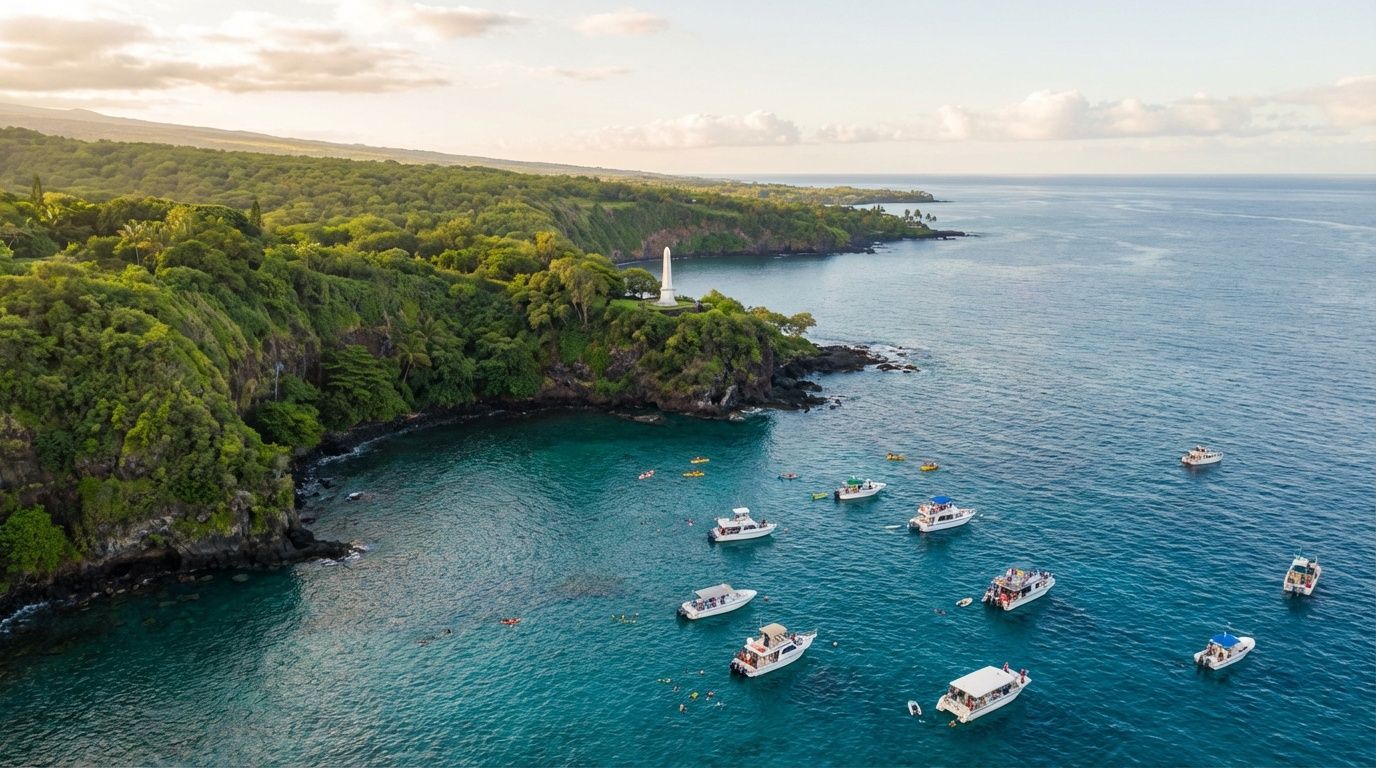
Small group versus large boat
A small-group tour usually feels more like going out with a guide who can keep close track of you. A larger boat feels more like a floating basecamp. Neither is automatically better. The better fit depends on what helps you relax once you reach the bay.
Analysts compiling this TripAdvisor review summary for Kealakekua Bay small-group snorkeling found that guests often praise small-group trips for feeling less crowded. That makes sense in the water. Fewer snorkelers usually means less waiting to enter, fewer fins in your face near the ladder, and more room to float over the reef without constantly adjusting course.
If you want a side-by-side look at operator styles, this guide to the top Kealakekua Bay snorkeling tours is a useful starting point.
Pros and cons that actually matter
Here’s the practical version.
| Tour style | Good fit for | Main upside | Tradeoff |
|---|---|---|---|
| Small-group rigid-hull inflatable or raft | Couples, confident swimmers, travelers who want more guide attention | Faster loading, easier questions, less crowding in the water | Ride can feel bouncier on the way out |
| Larger boat or catamaran | Families, first-timers, guests who want more deck space and shade | More room to spread out, often a steadier ride, easier for breaks | Entry and exit can take longer with a bigger group |
A small raft works like a trail guide who keeps the group moving. A larger catamaran works more like a comfortable picnic site on the water. The bay is the same. The rhythm of your day is not.
How boat style affects your snorkeling time
This is the part many visitors do not think about until they are onboard.
Posted trip length can be misleading if you are trying to maximize water time. On a smaller boat, guests often gear up faster, get briefed faster, and enter the water in fewer waves. On a larger boat, the platform may feel more comfortable, but the group can take longer to organize.
If your priority is snorkeling first and relaxing second, ask two simple questions before you book:
- How long do guests usually spend in the water at Kealakekua Bay?
- How many passengers share one guide or crew member during snorkel setup?
Those questions get you closer to the actual experience than total tour length alone.
Which tour style fits you best
Choose a small rigid-hull inflatable or raft if you want a more personal pace, do not mind a livelier ride, and care most about getting in the water quickly. This style often suits returning snorkelers who already know they would rather spend their energy over the reef than sitting on deck.
Choose a larger catamaran or higher-capacity boat if comfort onboard is a bigger priority. That can be a smart choice for mixed-age families, people who want more shade, or anyone who feels calmer with extra space around them.
Kona Honu Divers also offers a Captain Cook snorkel outing in a rigid-hull inflatable format, which is useful to know if you already prefer the smaller-boat style.
Tour pages worth checking
If you are comparing current options, two helpful places to start are the Kona Snorkel Trips Kealakekua Bay Captain Cook Monument tour and Captain Cook Snorkeling Tours. Before booking, it also helps to prepare for your Hawaii snorkel tour so you bring the right gear, avoid common overpacking mistakes, and board feeling ready instead of rushed.
Planning Your Trip Best Times Safety and Packing
You wake up in Kona before sunrise, pull on your swimsuit, and head to the harbor with coffee in hand. That early start pays you back in the water. Kealakekua Bay is often calmest in the morning, and the boat ride usually feels easier before the wind builds along the coast.
That matters more than many first-time visitors expect.
A Captain Cook snorkel tour has two parts. First, you travel to the bay. Then you snorkel in it. People sometimes focus only on the reef and forget to plan for the ride, but your comfort on the boat shapes the whole day. If you choose between tour styles, the contrast in experience is evident. Smaller rigid-hull inflatable boats often get you to the bay faster, which can mean more time in the water, but you will feel the ocean more. Larger catamarans usually offer a steadier ride, more shade, and easier boarding, though they can feel less nimble and may spend more total time loading and unloading guests.
Best times to go
Morning trips are usually the smart pick for three simple reasons. The water often looks clearer early in the day, the ride can be gentler, and you finish before the coast gets choppier.
If you are deciding between an early departure and a later one, ask yourself what kind of day you want. More in-water efficiency often points to an earlier tour. A slower morning with extra deck space and a more relaxed pace may point to a larger boat, even if the schedule runs longer.
Weather can still change. Ocean days always have some variability. But if your goal is comfortable snorkeling and the best shot at easy conditions, morning gives you the better odds.
Safety and seasickness
The bay can be calm while the ride there still feels bouncy. That catches people off guard.
Motion sickness works a bit like reading in a moving car. Your body feels one thing, your eyes see another, and your stomach complains. If you have even a small history of getting queasy on boats, cars, or winding roads, plan ahead and read this guide on how to avoid sea sickness before your trip.
It also helps to check the operator’s boat style, boarding method, and age policies before you book. Tour details and guest expectations vary, and some listings on Captain Cook snorkeling cruise listings show that not every trip fits every traveler equally well.
Helpful options people often use include:
- Patch option: Ship-EEZ Seasickness Patch
- Classic medication: Dramamine pills
- Another popular medication: Bonine pills
- Non-medication wrist option: Sea Band wristbands
- Simple stomach support: Ginger chews
Take whatever approach works for you before departure, not after you start feeling sick. Early action is far more useful than trying to recover mid-ride.
Packing checklist
Packing for this tour is closer to packing for a beach morning than for a full-day expedition. Light and practical wins. If you want a more detailed list, this post will help you prepare for your Hawaii snorkel tour.
Bring these basics:
- Swimsuit worn under clothes: You save time at check-in and avoid awkward changing on the boat.
- Towel and dry clothes: The ride back feels much better once you can dry off.
- Reef-safe sun protection: The Hawaiian sun is strong, even on partly cloudy mornings.
- Hat and sunglasses for the ride: Good for glare, wind, and waiting at the harbor.
- Waterproof phone case or camera: Useful if you want photos without worrying about spray.
- Any personal medication you may need: Keep it with you, not buried at the bottom of a bag.
One final local tip. People usually bring too much food and not enough sun protection. Pack less than you think, protect your skin well, and save your energy for the part you came for, floating over the reef instead of sorting through an overstuffed bag.
Book Your Unforgettable Snorkel Tour Today
A captain cook snorkel tour gives you more than one good swim. You get a scenic boat ride along the Kona coast, time in a protected bay, a look at one of Hawaii’s most famous historic shorelines, and the chance to float over one of the island’s most memorable reefs.
If that sounds like the day you came to Hawaii hoping for, the easiest next step is to reserve early and choose the boat style that fits you.
Frequently Asked Questions about Captain Cook Snorkeling
Is this good for beginners
Yes, usually. Many people on a captain cook snorkel tour are not advanced snorkelers. Guided tours provide snorkel gear and basic instruction, and the bay is known for conditions that are friendlier than many exposed coastal spots.
What if I’m not a strong swimmer
Ask the operator what flotation they provide and how guides assist guests in the water. A lot of first-time snorkelers do well when they use flotation and take the first few minutes slowly.
Can kids go
Often yes, but policies vary. Some operators set minimum and maximum ages, so families should check that before booking rather than assuming every boat has the same rules.
Is it okay for seniors or guests with limited mobility
Sometimes, but it depends on the boat, boarding style, sea conditions, and the guest’s comfort level. The best move is to call the operator directly and ask specific questions about boarding steps, ladder use, time in the water, and whether assistance is available.
Can I reach the Captain Cook Monument without a tour
You can try alternatives, but most visitors find a boat tour far easier and more enjoyable. Reaching the monument area without a tour can involve a demanding hike or more complicated logistics, while a boat puts you right where you want to snorkel.
What if I get seasick easily
Choose a morning trip, sit where the crew recommends, and use a prevention method before departure if you know you’re sensitive to motion. The boat ride deserves as much planning as the snorkel itself.
If you’re also interested in exploring the Big Island underwater beyond snorkeling, Kona Honu Divers is a solid place to look for scuba options, marine life experiences, and more ways to get out on the Kona coast.