
You’re probably looking at photos of Kealakekua Bay right now and wondering if the captain cook snorkel is really as good as people say. It is, but only if you do it the right way.
Done well, this trip is one of the strongest snorkel days on the Big Island. You get clear water, a protected reef, a dramatic coastline, and a site tied to one of the most important moments in Hawaiʻi’s history. Done poorly, it turns into a hot hike, a stressful entry, and in some cases a rescue.
I’ve spent enough time running Kona boats and guiding snorkelers to know that Kealakekua Bay rewards good decisions. The bay is generous to people who show up prepared, listen to the crew, and treat the place with respect. It’s much less forgiving to people who treat it like a casual DIY beach stop.
Your Unforgettable Captain Cook Snorkel Adventure Awaits
A good captain cook snorkel day starts before you hit the water. The coast is usually calm in the morning, the light is clean, and the bay opens up in front of you with that deep blue-to-turquoise color that tells you the visibility is going to be special.
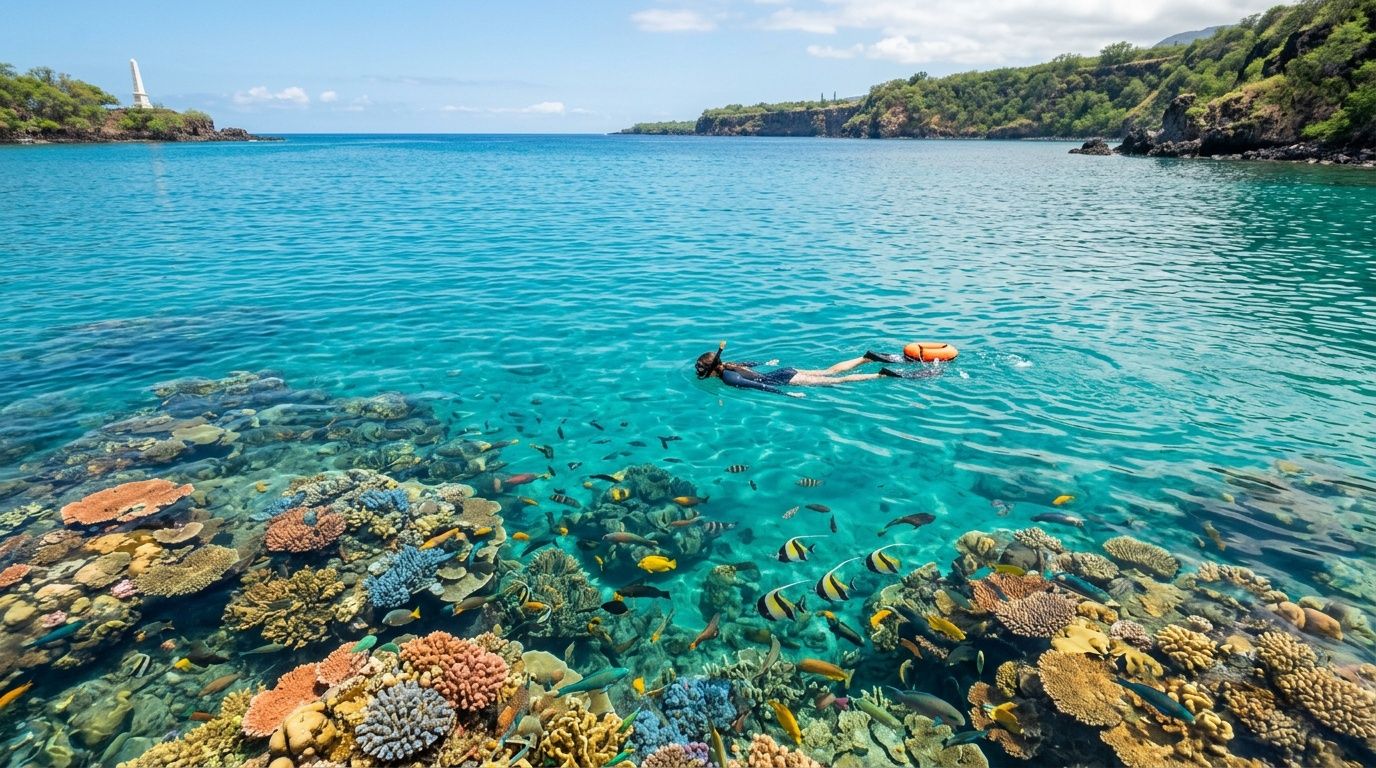
Kealakekua Bay isn’t just another reef stop. It’s a Marine Life Conservation District, and that protection shows up the second your mask hits the water. On guided trips to the monument area, operators describe visibility up to 100 feet in a bay with deep water over vibrant coral reefs, which is a big reason this site leaves such a strong impression on first-timers and experienced snorkelers alike, as noted in this Captain Cook snorkel tour overview.
Why this bay feels different
This place carries weight above and below the surface. According to the historical record summarized on Kealakekua Bay’s history, Captain James Cook arrived at Kealakekua Bay on January 17, 1779, marking the first documented European contact with Hawaiʻi. He estimated that several thousand people lived in the two villages within the bay, with many more in the surrounding area.
That matters because you’re not snorkeling in an empty postcard. You’re visiting a place Hawaiians had already settled and used as a sacred site long before European contact.
Practical rule: Treat the bay like both a reef and a cultural site. If you only see the fish, you’re missing half the experience.
What makes the trip memorable
The captain cook snorkel stands out when three things line up:
- Water clarity: You can often see deep structure, coral fingers, and schools of fish from the surface.
- Protected habitat: The reef holds more life because the bay has conservation protections.
- Historical context: The shoreline and monument mean something. A crew that explains the bay well changes the whole feel of the trip.
Many visitors come for the snorkeling. The ones who leave happiest are the ones who also understand where they just were.
Accessing the Bay Why a Boat Tour is Best
People often ask the same question in different ways. Can you hike in? Can you kayak in? Can you do it on your own and skip the tour?
The short answer is that a guided boat trip is the smart choice. The longer answer is that the bay punishes bad access decisions.
The DIY problem
The shoreline near the monument looks simple on a map. It isn’t simple in real life. Independent visitors usually try one of two approaches: the long hike down and back, or a kayak plan that runs into legal and landing issues.
The hike is the bigger trap for visitors who underestimate heat, footing, distance, and the effort it takes to snorkel after arriving tired. The route back out is worse because now you’re hot, wet, and already spent.
If your snorkel plan starts with exhaustion, you’re already behind.
The safety gap is real
The strongest reason to choose a guided trip is safety. Hawaii Department of Health data discussed here reports 14 drownings or near-drownings at the bay from 2023 to 2025, and 70% of those incidents involved unguided shore entrants who struggled with strong currents and exhaustion after attempting the 2.5-mile hike.
That lines up with what captains and water crews see all the time. People reach the bay already depleted, then ask their body to swim in open water, climb over a rough entry, and get back out safely. That’s a poor sequence.
Kealakekua Bay access methods at a glance
| Feature | Guided Boat Tour | DIY (Hike / Unpermitted Kayak) |
|---|---|---|
| Entry to water | Controlled, crew-assisted | Often tiring and awkward |
| Energy level before snorkeling | Fresh | Often reduced by hike or logistics |
| Safety support | Crew, briefing, flotation, supervision | Limited or none |
| Access legality and simplicity | Straightforward with permitted operator | Complicated and risky |
| Overall experience | Focus stays on reef and history | Focus shifts to effort and recovery |
Why the boat changes everything
A good boat trip removes the worst part of the day. You arrive ready to snorkel instead of needing to recover first. You also have a captain and crew watching conditions, setting a proper entry point, fitting gear, and keeping the group together.
That matters more than people think. The difference between a smooth outing and a rough one often comes down to logistics, not marine life.
If you want more context on what Kona operators run and how boat-based ocean days compare, this guide to Kona boat tours is useful.
My candid advice
Skip the macho version of this trip. The bay doesn’t care whether someone wanted to “earn it” with a hard approach. What works is showing up rested, entering from a proper boat, and letting the day be about the reef instead of survival.
Choosing Your Ideal Captain Cook Snorkel Tour
Not every captain cook snorkel tour is the same. The reef is the same destination, but your boat, your crew, and your passenger count shape the day more than is commonly understood.
The wrong tour can still get you to the monument. The right one gets you there comfortable, briefed properly, and ready to enjoy the water.
Start with the boat
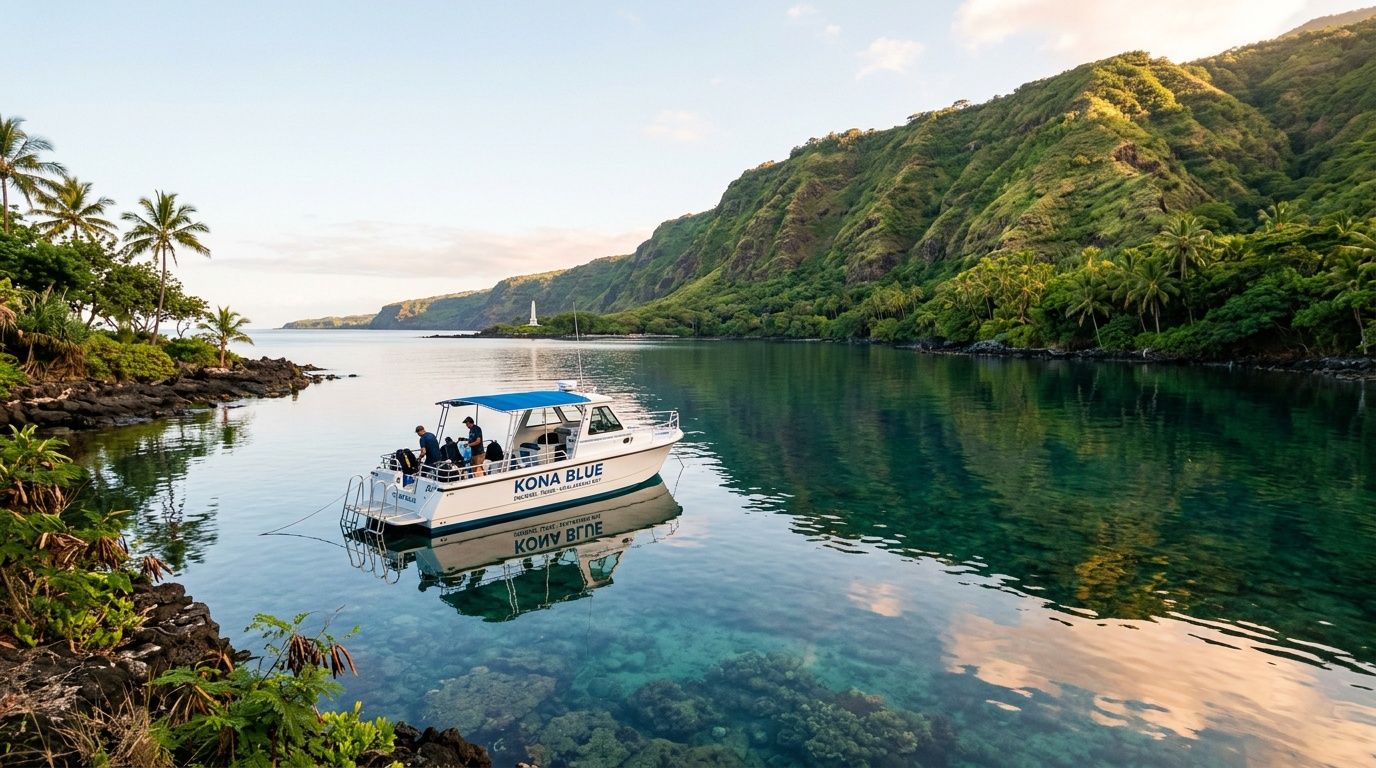
Boat choice matters. According to this breakdown of Captain Cook tour vessel selection, mid-size power catamarans in the 35 to 40 foot range carrying 15 to 25 passengers offer an optimal balance and can reduce the likelihood of seasickness by up to 60% compared to larger vessels that roll more in ocean swells.
That’s one of the few hard numbers in snorkel planning that matches what crews see every day. Bigger isn’t automatically better. Oversized boats can feel busier and roll in a way that wears people down. Tiny thrill boats can be fun, but they aren’t ideal for everyone.
If you want a broader rundown of operator styles, this list of the top Kealakekua Bay snorkeling tours helps compare options.
Morning usually wins
Morning departures tend to stack the deck in your favor. Operators commonly run departures in the early morning window because conditions are often calmer then. Less chop usually means a cleaner ride and an easier time getting people comfortable before they hit the water.
I’d choose a morning trip for most visitors, especially families, first-time snorkelers, and anyone worried about motion sickness.
What to look for before you book
Don’t shop on price alone. Look for signs that the operator is set up to deliver a calm, organized day.
- Passenger count: Smaller groups usually get more direct attention from the crew.
- Boat layout: Shade, an easy ladder, and enough deck space matter.
- Guide style: You want a crew that teaches, not one that just hands out fins.
- Fit and prep: Good operators take mask fitting seriously before anyone gets wet.
Good options for this route
Two operator pages worth comparing are Kona Snorkel Trips and Captain Cook Snorkeling Tours. Both focus on Kealakekua Bay access by boat, which is the core decision that improves most visitors’ odds of having a relaxed day.
A third option people sometimes consider is Kona Honu Divers, which also runs Captain Cook snorkel outings by boat. That can fit travelers who are already looking at one company for multiple ocean activities on the Big Island.
Seasickness prep that actually helps
If you know you get motion sick, solve that before boarding. Don’t wait until the boat is already moving.
Useful options include:
- Patch option: Ship-EEZ Seasickness Patch
- Classic medication: Dramamine pills
- Another common choice: Bonine pills
- Non-medication option: Sea-Band wristbands
- Simple backup: Ginger chews
Take prevention seriously if you need it. A person who feels queasy won’t care how blue the water is.
Your Snorkel Day From Briefing to Bay
The best tours feel organized from the first few minutes at check-in. You’re not guessing where to stand, what to bring, or whether your gear fits. The crew sets the tone early, and that matters.
The briefing is where good trips are built
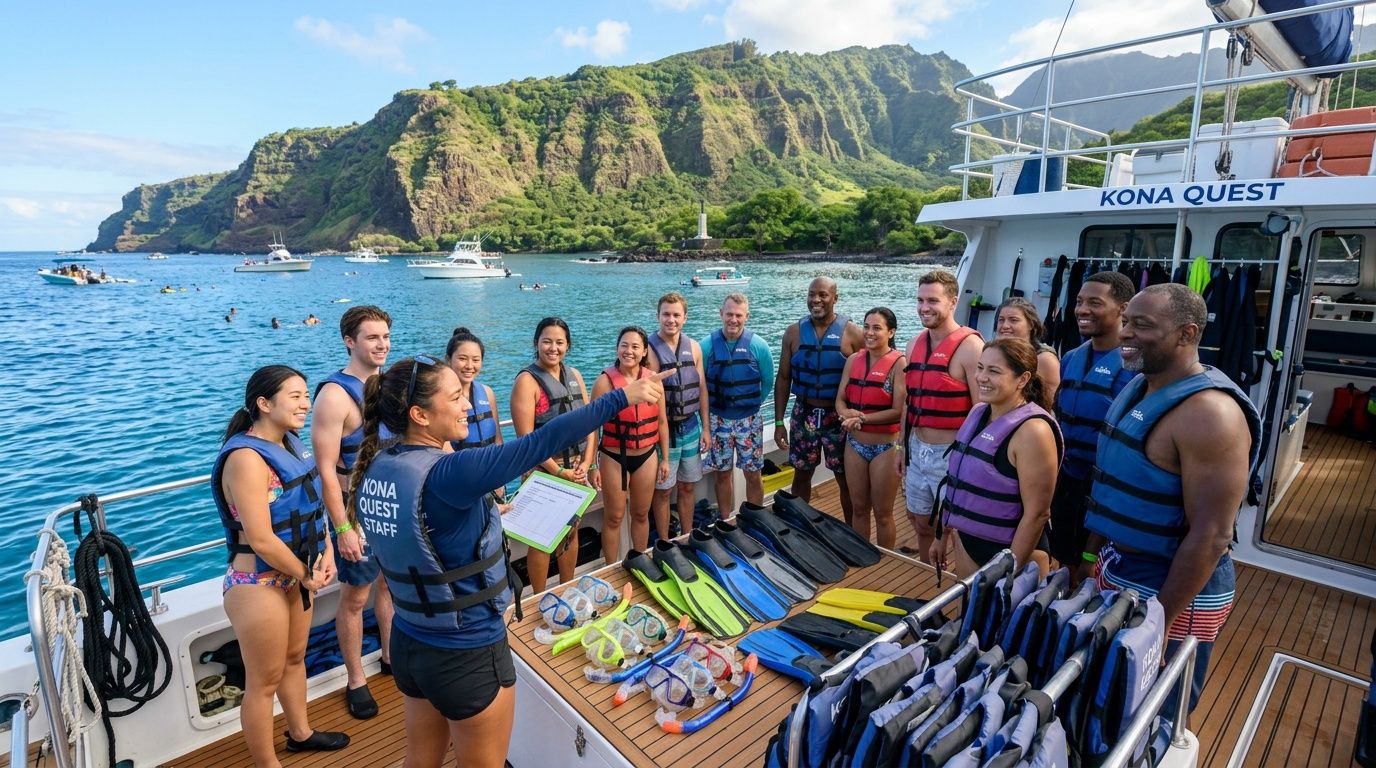
On guided tours, the day starts with a real safety talk, not a rushed speech. As described in this guided snorkeling overview, crews emphasize flotation use for 100% of participants, proper mask fitting to prevent leaks, and snorkel-clearing technique before entry. The same source notes that mask leaks are a common issue for 70 to 80% of first-timers.
That sounds basic until you watch the difference it makes. A clean mask fit and a calm explanation of how to clear a snorkel can turn a nervous guest into a relaxed snorkeler in minutes.
If you know motion affects you, read this guide on how to avoid sea sickness before your tour day.
A leaky mask ruins more snorkel sessions than bad fish visibility.
The run down the coast
Once the boat leaves harbor, people usually settle in fast. The coastline south of Kona has a way of doing that. Lava rock, cliffs, pockets of green, and then the bay itself opening up.
Good captains use this time well. They point out where you’re going, explain how the entry will work, and tell people what the monument is before anyone gets fixated on the white obelisk.
What the monument means
The monument isn’t just scenery. According to the history summarized at the bay’s official and historical listings, Captain James Cook arrived during Makahiki, a Hawaiian festival honoring Lono, and his initial reception was peaceful. After he returned roughly two weeks later for repairs, tensions escalated, and Cook and four marines were killed in a skirmish near the bay on February 14, 1779.
That story changes the feel of the shoreline. The water is beautiful, but this is also a place where Hawaiian and European histories collided in a way that reshaped the islands.
How to snorkel better once you’re in
Most guests do best when they stop trying to swim hard and start trying to float well. Surface snorkeling here rewards calm movement.
A few habits work better than others:
- Use the flotation you’re given: Noodles or vests help you relax and save energy.
- Keep your kicks gentle: Fast splashing drives fish away and tires you out.
- Stay prone on the surface: That body position lets you breathe steadily and see more.
- Look up often: Know where your guide, your boat, and the current are.
Slow snorkelers usually see more than aggressive swimmers.
By the time you’re drifting over the reef, the preparation makes sense. The people who listened in the briefing are almost always the ones still smiling at the end of the snorkel.
Snorkel Smart Respect the Reef and Wildlife
Kealakekua Bay is beautiful because it’s still alive. That means the rules matter. Not because someone wants to lecture visitors, but because careless snorkeling leaves damage behind.
The reef is not rock
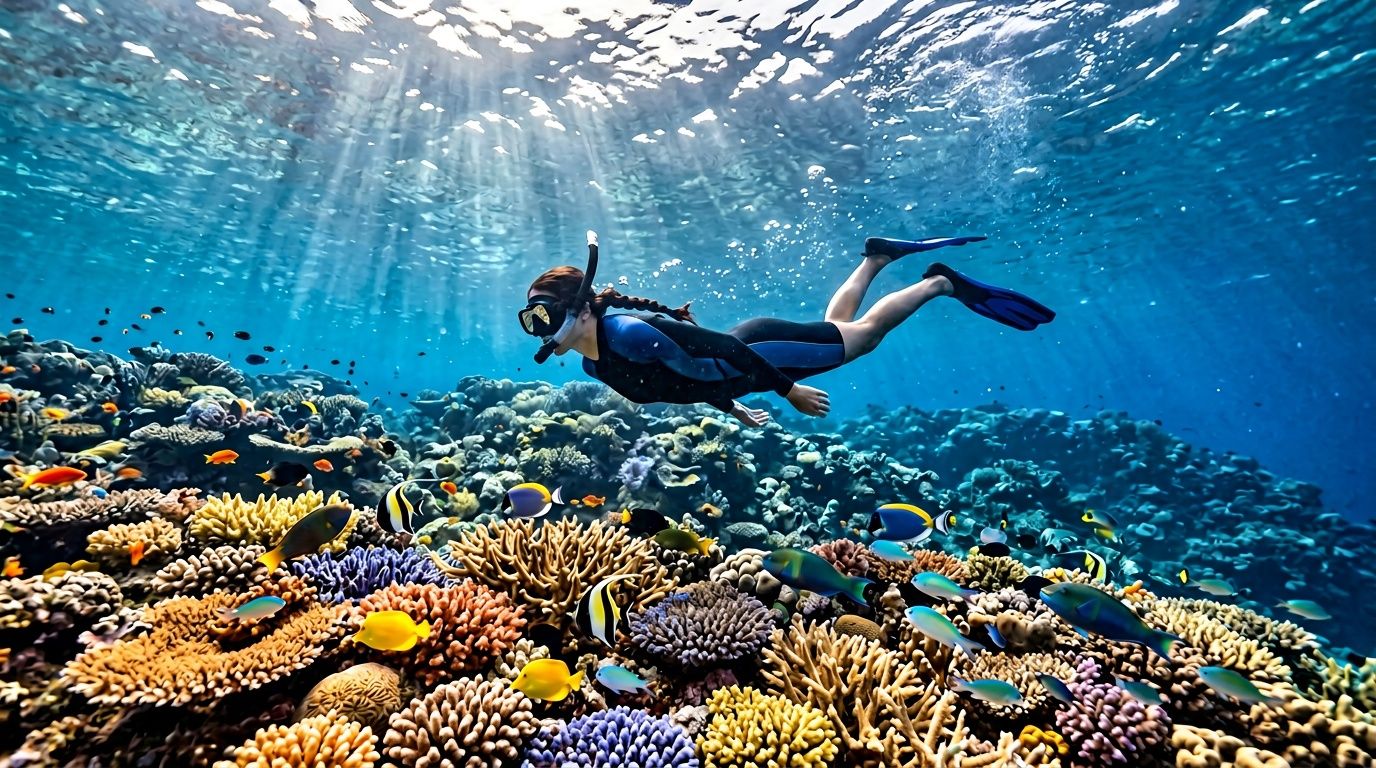
Coral looks sturdy from the surface. It isn’t. Fins, knees, hands, and even one careless stand-up can break living structure.
That’s especially important right now. This late 2025 coral bleaching report summary notes that recent NOAA environmental reporting described a major Pacific bleaching event affecting up to 40% of the bay’s corals. When a reef is stressed, visitors need to lower their impact, not add to it.
What respectful snorkeling looks like
You don’t need complicated rules. You need discipline on a few basics.
- Keep your distance from coral: Stay horizontal and watch your fins.
- Don’t chase wildlife: Turtles, dolphins, and reef fish should decide the distance.
- Use reef-safe products: If you need a primer on ingredients and application, this guide to reef-safe protection is a practical starting point.
- Follow crew spacing: Guides spread people out for a reason. Crowding creates contact and stress.
If you want the same etiquette principles in a wider ocean context, this piece on responsible and considerate diver etiquette applies well to snorkelers too.
What you’re likely to notice underwater
Kealakekua rewards patient eyes. You’ll usually spot schools of reef fish first, then individual fish behavior, then the details people miss when they’re hurrying. Parrotfish working the reef. Butterflyfish weaving in pairs. Humuhumunukunukuāpuaʻa if you keep looking long enough.
The best wildlife encounters happen when snorkelers stop trying to force them.
Watch like a guest, not a collector. The ocean shows more to quiet people.
Captain Cook Snorkel Trip FAQ
Is the water deep at Captain Cook
Yes. Near the monument area, the water is often more than 100 feet deep, which is part of why the reef structure and visibility feel so dramatic on the surface. That depth can intimidate first-time snorkelers for about thirty seconds, then the flotation and calm water usually settle them down.
Can I bring my own snorkel gear
Usually yes, but many visitors do better with the operator’s gear because the crew can check fit right there. If your mask is old, warped, or never fit you well in the first place, bringing it doesn’t help.
What is the historical significance of the white monument
The Captain Cook Monument was established by the British in recognition of the event that occurred at the bay, and the site was listed in the National Register of Historic Places in 1973, as explained in this Kealakekua Bay history article. It marks a location tied to a major turning point in Hawaiian and European-Pacific history.
What happens if the weather is bad on the day of my tour
A professional captain makes the call based on conditions, not on anyone’s vacation hopes. If the ocean isn’t cooperating, a permitted operator may cancel or choose a different snorkel location. That’s frustrating in the moment, but it’s exactly what a good marine business should do.
For travelers who like to understand how serious operators think about risk and readiness, this essential boat safety equipment checklist gives useful context for the kind of safety culture you want behind any ocean trip.
Is a guided tour really worth it
Yes, especially here. Kealakekua Bay is one of those places where guidance changes both safety and enjoyment. You get cleaner access, better gear setup, local history, in-water supervision, and a much higher chance of finishing the day with energy left instead of wondering why the DIY version felt so hard.
If you want to keep exploring the Big Island after your captain cook snorkel, Kona Honu Divers is a solid next stop for divers and ocean travelers looking to add more time on the water.