
You're probably deciding between a dozen Kona activities right now, and one of them keeps floating to the top. Captain Cook. Kealakekua Bay. Crystal-clear water. Reef fish everywhere. Maybe a turtle if you get lucky.
That choice is easy. If you want the most reliable, high-reward snorkel on the Big Island, captain cook hawaii snorkeling belongs near the top of your list.
Your Gateway to an Underwater Paradise
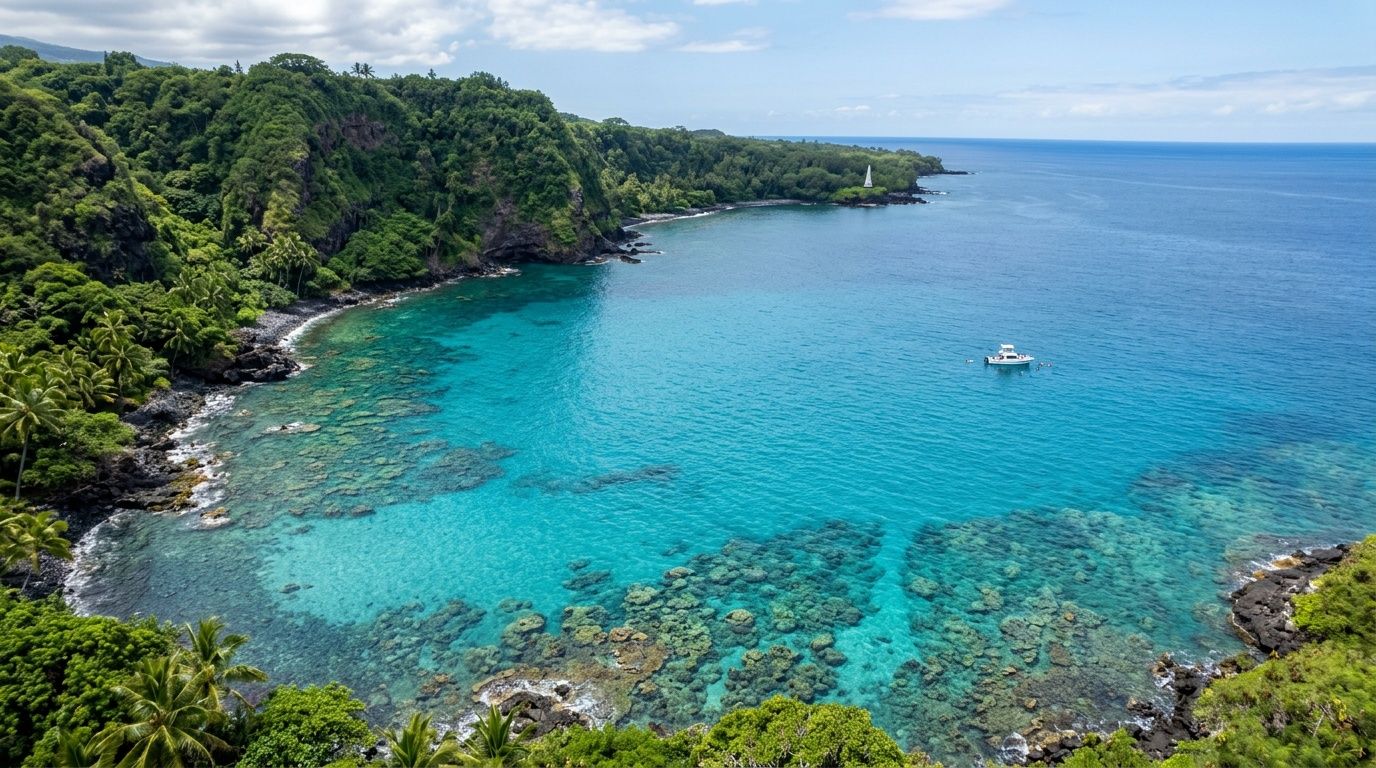
You step off the boat, look over the side, and the bay is already showing you the reef before your mask even hits the water. That first minute is why people talk about Captain Cook for years. The water looks clean, the cliffline cuts the wind, and the color over the reef has that electric blue-green you do not get at average shoreline snorkel spots.
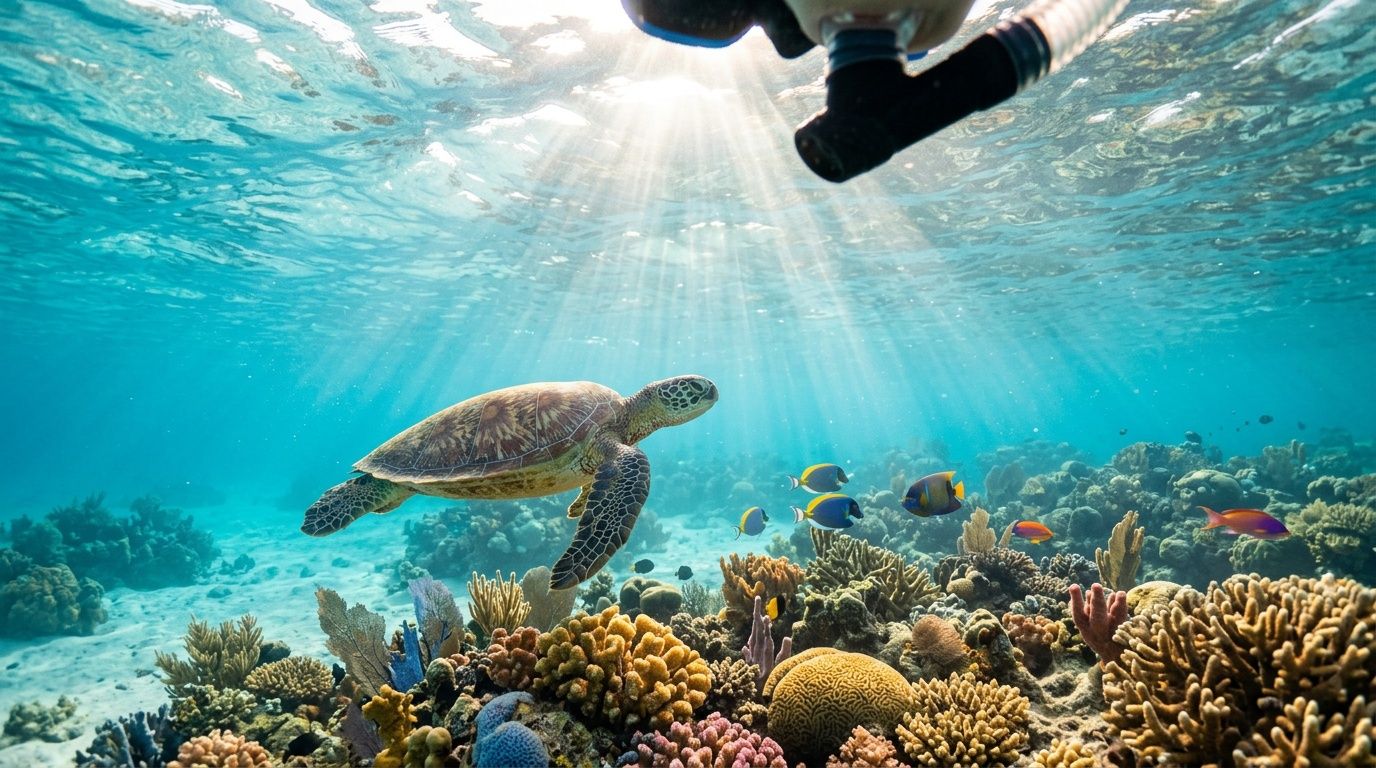
Then you slide in and it gets better. Coral heads spread out below you. Yellow tang move in tight schools. Turtles sometimes cruise the drop-off. The white monument on shore keeps the whole experience grounded in a place that feels bigger than a standard snorkel stop.
Why this bay keeps landing at the top of the list
Kealakekua Bay has a rare mix of payoff and reliability. You get striking scenery above the surface, a protected-feeling bay once you are in the water, and a reef that starts delivering fast instead of making you swim half a mile to find the good stuff.
That is also why I tell visitors to stop overcomplicating the plan. Boat access is the smart choice here. It gives you the easiest entry, the most enjoyable part of the bay, and a much better shot at arriving fresh instead of sweaty, rushed, or already tired from the access.
If you want a quick overview before choosing your day on the water, the Kealakekua Bay guide by Kona Snorkel Trips is a useful starting point. If you are already leaning toward the right approach, book a Kealakekua Bay snorkeling boat tour and skip the usual access mistakes.
What it feels like in the water
This bay works for first-timers and experienced snorkelers, but not for the same reasons. New snorkelers like the calm-looking surface and the immediate visual reward. Strong swimmers like the reef structure, the depth changes, and the amount of life packed along the slope.
My advice is simple. If you want the Captain Cook snorkel that feels relaxed, scenic, and worth the effort, go by boat.
A lot of Hawaii snorkel spots look great in a brochure and disappoint in the water. Kealakekua Bay usually does the opposite. It looks good from the boat, then backs it up the second you put your face in.
Why Kealakekua Bay Offers Hawaii's Best Snorkeling
Kealakekua Bay isn't great by accident. It's great because the geography protects it and the regulations keep it from getting stripped down by overuse.
The headline fact matters. Kealakekua Bay has been a protected Marine Life Conservation District since 1992, and visibility consistently reaches 100 feet, which supports views of ancient coral formations and denser marine life than non-protected areas, as noted by Kona Snorkel Trips.
Geography does most of the work
Steep volcanic walls help shield the bay from wind and heavy chop. That protection keeps the surface cleaner and limits the kind of stirred-up water that ruins average snorkel sites.
The shape of the bay helps too. It doesn't behave like an exposed open-ocean shoreline where surge and sediment constantly mess with visibility. That's why this spot can feel dramatically better than places that look similar on a map.
Protection keeps the reef alive
Protected status matters underwater. Fish populations hold better. Coral structures stay more intact. The whole reef feels busier.
You see that difference fast. More movement. More color. More confidence from the animals because this is still functioning as habitat, not just a tourist stop.
If you want a look at a guided option built around this bay specifically, check the Kealakekua Bay snorkeling tour details.
Why I rank it above casual beach snorkeling
Beach snorkeling is convenient. It's also inconsistent. Parking, surf, murky runoff, awkward entries, and crowded nearshore water can turn a nice plan into a wasted morning.
Kealakekua Bay is different because the main attraction is the reef itself, not just access from land. You're going there for a protected ecosystem that still feels like a sanctuary.
The best snorkeling on the Big Island isn't the easiest place to drive up to. That's part of why it's still worth doing.
Accessing the Monument Shore vs Boat vs Kayak
I'm going to be direct. Boat is the right choice for almost everyone.
People love the idea of “earning it” with a hike or making it adventurous with a kayak. On paper, that sounds fun. On the actual day, most visitors end up dealing with heat, logistics, stress, and wasted energy before they even start snorkeling.
What the boat option gets right
The strongest practical advantage is simple. Boat tours use precise drop-offs at 10 to 15 foot anchor points, which lets snorkelers skip hazardous rocky shore entry and reach the prime reef immediately. That matters because the site moves from a 20-foot shelf to abrupt drop-offs beyond 60 feet, according to Tropical Snorkeling's Captain Cook Monument guide.
That's not a minor detail. It means you enter where the reef is good, where the crew expects conditions, and where you don't have to burn energy figuring out how to get in and out safely.
For a broader look at why boat access often wins in Kona waters, this boat vs shore diving comparison on the Big Island makes the same core point from a water-access perspective.
Shore access sounds rugged because it is
If you hike in, you're committing to a hard day before the snorkel even begins. The trail is exposed, hot, and not forgiving if you misjudge your water, sun protection, or fitness.
Then comes the part many people underestimate. You still have to get in and out at a rocky shoreline, manage your gear, and save enough in the tank for the climb back out. That's a bad setup for families, casual snorkelers, and anyone who wants to enjoy the bay instead of surviving it.
Kayak is better than hiking, but still not the smart default
Kayaking appeals to independent travelers. I get it. But it adds another layer of planning, gear management, and physical effort, and you're still dealing with open water and landing restrictions.
If you already paddle confidently and you know the local rules, it can work. If you're on vacation and want the best snorkel with the least friction, it's the wrong hill to die on.
Captain Cook access methods compared
| Method | Best For | Effort Level | Safety | Typical Time |
|---|---|---|---|---|
| Boat | Families, beginners, most visitors | Low | Highest practical margin because crew handles entry and positioning | Half-day style outing |
| Shore hike | Strong hikers who want a strenuous land approach | High | Lower margin due to heat, rocky access, and tired exit | Longer day |
| Kayak | Confident paddlers who want a self-powered trip | Moderate to high | Depends heavily on conditions and personal ability | Variable |
My recommendation
Book the boat. Save your legs. Save your energy for the reef.
That choice gives you a cleaner entry, faster access to the monument side, and a much better chance of spending your time doing what you came to do. Snorkeling, not problem-solving.
If your goal is the best Captain Cook day, don't turn transportation into the main event.
Recommended Captain Cook Snorkeling Tours
You booked a Kona snorkeling day for one reason. You want clear water, healthy reef, and enough time in the monument area to fully enjoy it. That rules out a lot of mediocre trips fast.
My advice is simple. Book a morning boat tour with a crew that runs Captain Cook regularly, keeps groups under control in the water, and gives beginners real help instead of a five-second mask demo at the dock. The bay is too good to waste on a bargain trip with poor gear and rushed supervision.
Two operators I'd send friends to first are Kona Snorkel Trips Captain Cook tour and Captain Cook Snorkeling Tours. Both are focused on the actual experience people come for, which is time on the reef, not a long boat ride dressed up as a snorkel charter.
What separates a good tour from a forgettable one
Look for operators that get the basics right every time:
- Early departure times that put you in the bay before wind and boat traffic build.
- Crews in the water with guests when conditions or swimmer ability call for it.
- Masks and snorkels that fit well so you are not burning your best reef time clearing water every minute.
- A captain who respects conditions and adjusts the plan instead of forcing a marginal stop.
- Enough in-water time to explore the coral gardens near the monument side without feeling hustled back aboard.
That last point matters more than glossy marketing photos. A shorter ride and a better run-of-show usually beat a bigger promise list.
If you're arriving by ship, sort out your port timing before you book any marine excursion. Use this to compare cruise ships if you need to confirm schedules and logistics before committing to a departure window.
A practical third option
Kona Honu Divers also offers a Captain Cook snorkeling boat tour in Kealakekua Bay. I'd treat it as another solid boat-access option, especially if you want a company that knows local watermanship and runs this area with purpose.
What matters is fit. Families with mixed swim ability need patient crew support. Strong swimmers may care more about water time and pace. First-time snorkelers should put crew attention and gear quality ahead of price, every single time.
My blunt booking advice
Pick the morning boat and be done with it.
Captain Cook is one of the rare snorkel spots that really does live up to the hype, but only if your operator gets you there efficiently and runs a competent trip. Cheap seats, oversized groups, and sloppy gear turn a standout reef into a frustrating half-day. Spend a little more, get a better crew, and give yourself the version of Kealakekua Bay people rave about after they get back to shore.
Marine Life You Will Encounter at Captain Cook
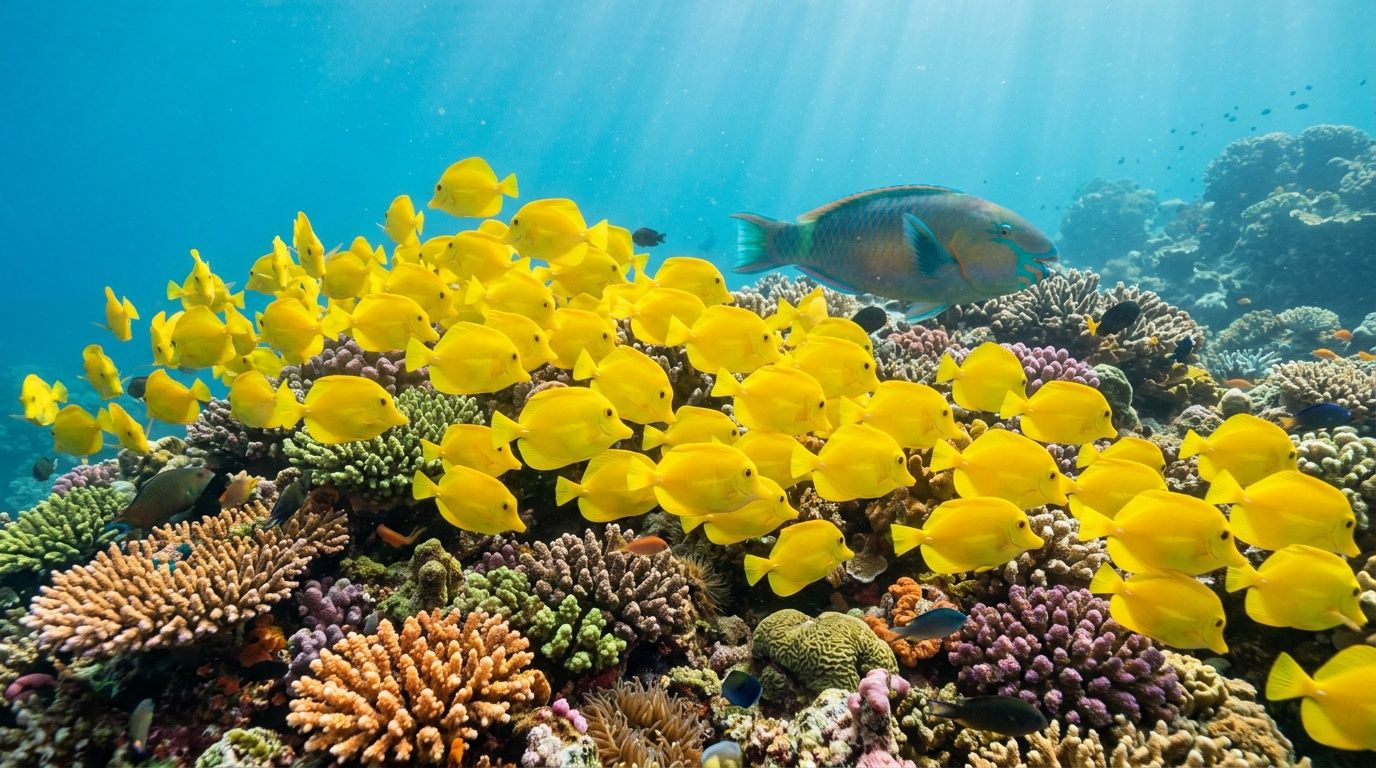
The first thing many people notice underwater isn't one single animal. It's volume. Fish everywhere, moving over coral that looks alive.
That's where Kealakekua Bay separates itself. The water is so clear that the whole reef scene reads from the surface instead of appearing in fragments.
What you're likely to see
The technical reason the viewing is so strong is straightforward. The bay's water has an attenuation coefficient as low as 0.05 m^-1, which allows light to penetrate far into the water, and snorkelers can spot species like yellow tang and humuhumunukunukuapua'a beyond 50 feet from the surface, according to Kona Snorkel Trips' Captain Cook snorkel write-up.
In plain English, color holds better here than at many snorkel sites. You're not just seeing shapes. You're seeing detail.
Look for:
- Yellow tang moving in bright schools over the reef.
- Humuhumunukunukuapua'a weaving through structure and coral heads.
- Parrotfish working the reef with that unmistakable crunching bite.
- Moray eels tucked into cracks if you slow down and scan.
- Green sea turtles gliding the slope or resting near the bottom.
If endemic Hawaiian species interest you, this guide to Big Island marine animals and endemics adds useful background.
How to snorkel it better
Don't thrash around and expect the reef to reveal itself. Float first. Then look.
The bay rewards calm snorkelers. If you slow your kick and spend time scanning the edge of coral fingers and sandy patches, you'll notice more behavior and more species.
Bring a red-filter camera setup if you care about photos. Clear water helps, but color still shifts with depth.
Captain Cook isn't a checklist snorkel. It's a drift-and-observe snorkel. The better you are at settling in, the more the bay shows you.
Snorkeling Safety and Environmental Responsibility in 2026
This bay is forgiving compared with rougher ocean sites, but it's still the ocean. People get in trouble here when they assume calm water means zero consequences.
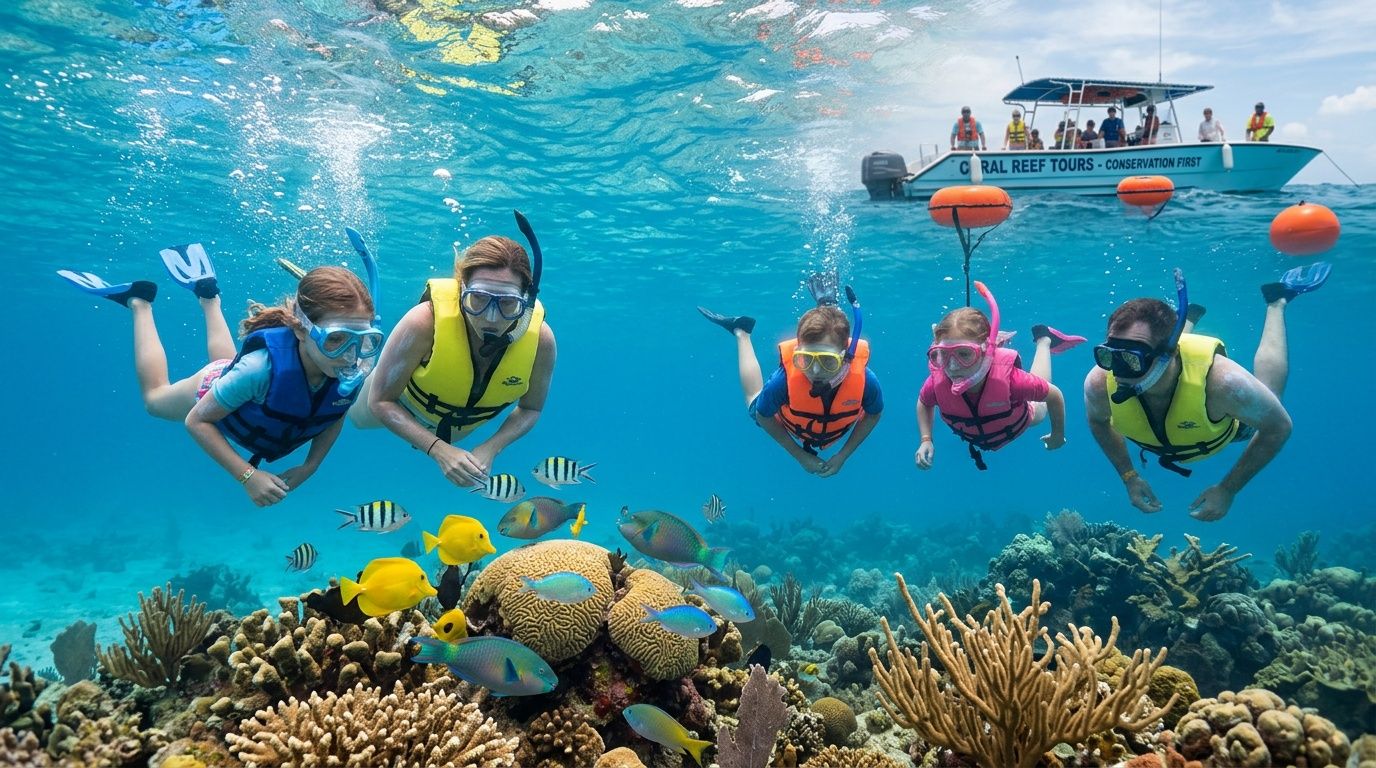
Start with the basics. Wear the flotation offered if you're not fully comfortable in open water. Drink water before you board. Listen to the crew's entry and exit briefing instead of tuning it out because you've snorkeled before.
Conditions have become less forgiving
There's another reason to snorkel responsibly now. Recent 2025 to 2026 data indicates intensified winter swells and lingering El Niño effects have increased environmental stress on the bay's ecosystem, making reef-safe sunscreen and keeping your distance from coral more important than ever, as described in this Captain Cook snorkeling visibility guide.
That should change how you behave in the water. Don't stand on coral. Don't grab reef for balance. Don't chase turtles because you want a closer photo.
My non-negotiable rules in the bay
- Use reef-safe sunscreen because the reef doesn't need more chemical stress.
- Keep your fins high when you're over shallow coral.
- Give turtles and other wildlife room so they don't have to react to you.
- Follow the guide's boundaries if the crew asks you not to drift farther out.
For a good general ethic on how to behave in Hawaiian waters, this piece on responsible diver and snorkeler etiquette lines up with what matters here.
Seasickness can ruin a perfect trip
If you get motion sick, handle it before boarding. Don't wait until the boat is already moving.
Useful options include Ship-EEZ Seasickness Patch, Dramamine pills, Bonine pills, Sea Band wristbands, and Ginger chews.
Small actions matter here
Kealakekua Bay still feels rich underwater, but that doesn't mean it's invincible. Visitors can either protect the experience or slowly degrade it.
The cleanest way to snorkel this bay is simple. Float, observe, don't touch, and leave the reef exactly as you found it.
Frequently Asked Questions About Captain Cook Snorkeling
Is morning really the best time?
Yes. Go early if you can. Morning usually gives you the cleanest water, the lightest wind, and the smoothest overall experience.
Can you snorkel Captain Cook from shore?
You can reach the area without a boat, but I don't recommend shore access for most visitors. The effort, heat, rocky entry, and exit hassle make it a poor trade unless you specifically want the challenge.
Is a boat tour worth it if I've snorkeled a lot before?
Yes. Experienced snorkelers benefit too. Boat access gets you onto the prime reef efficiently and keeps your energy focused on the water instead of logistics.
Will I see sharks?
You might, but most snorkelers won't. If you do see one at a distance, that's part of a healthy ocean, not a reason to panic. Stay calm and follow the crew's direction.
What should I bring?
Bring the basics:
- Reef-safe sunscreen
- Towel
- Swimsuit and dry clothes
- Hat and sunglasses
- Waterproof camera if you want photos
- Seasickness prevention if you're prone to it
Is this good for beginners?
Yes, especially on a quality boat tour with flotation and in-water support. Captain Cook is one of the better places on the island for first-time snorkelers because the bay is protected and the reef is easy to appreciate from the surface.
Should I choose kayak or boat if I want the best day?
Boat. Easy answer. Kayak is for people who want the paddle to be part of the mission. Boat is for people who want the snorkeling to be the mission.
If Captain Cook snorkeling gets you hooked on Kona's underwater world, take the next step with Kona Honu Divers. They offer scuba training, guided dive tours, and more advanced Big Island underwater experiences if you're ready to go beyond the surface.