
You’re probably in one of two places right now. You’ve heard Kealakekua Bay is the place to snorkel on the Big Island, and you’re trying to figure out whether it’s worth the effort. Or you already know you want to go, but the logistics feel fuzzy. Boat tour, kayak, hike, monument, rules, marine life, currents. It can get confusing fast.
That’s normal. Captain cook hawaii snorkeling sounds simple when people say it, but a great day here comes from making a few smart decisions before you ever get in the water. This bay is beautiful, but it’s also protected, historically important, and easier to enjoy when you understand how it works.
Welcome to Hawaii's Premier Snorkeling Sanctuary
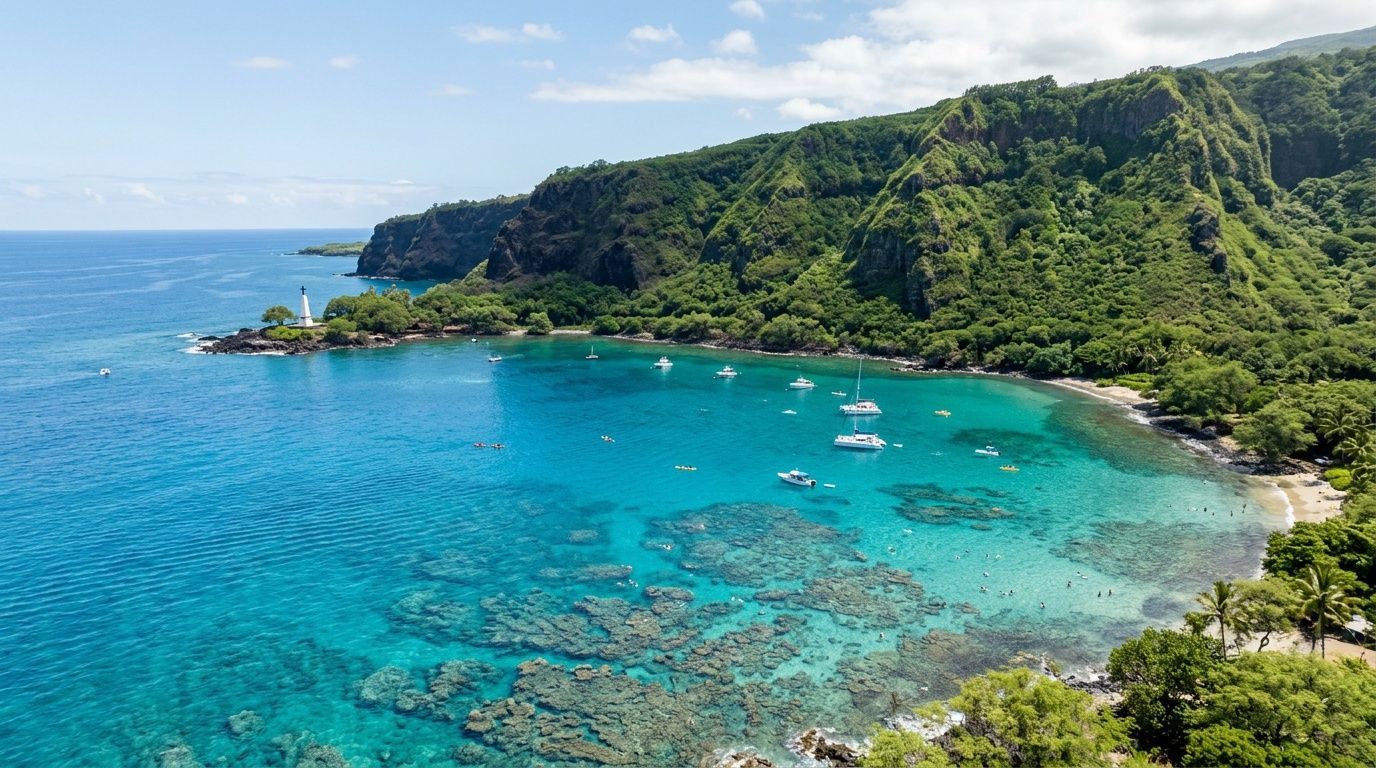
The first time most visitors round the coastline into Kealakekua Bay, they go quiet. The cliffs rise steep and green above the water. The white monument stands out against dark lava rock. The water shifts from deep blue to bright turquoise as the boat enters the calmer part of the bay.
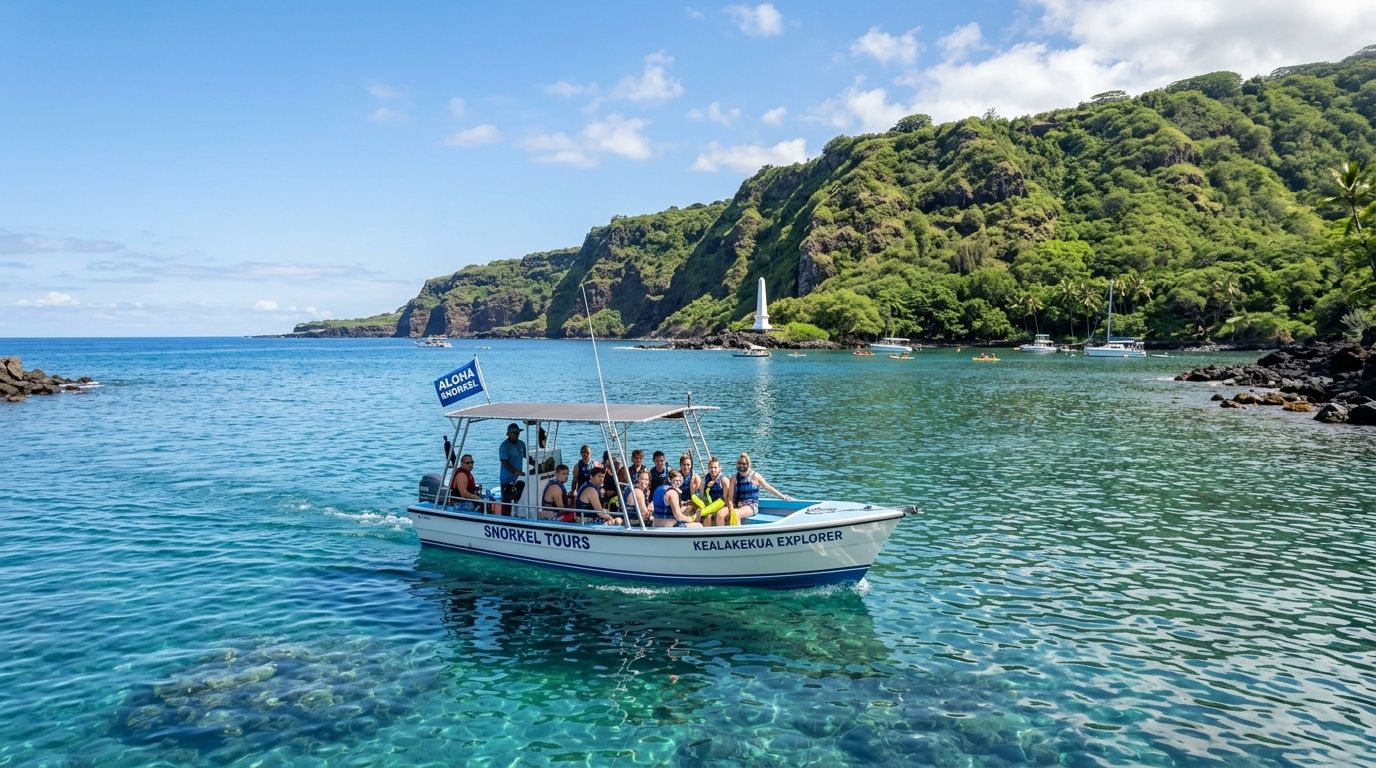
That reaction makes sense. This isn’t just another pretty stop along the Kona coast. Kealakekua Bay attracts over 190,000 visitors annually, and about 70% of tour participants come because of the history tied to the Captain Cook Monument, while 30% come primarily for the snorkeling experience, according to Kona Honu Divers' Captain Cook tour overview.
Why people remember it
Some visitors remember the first jump into clear water. Others remember floating near the monument and realizing they’re snorkeling in a place that matters greatly to Hawaii’s story. That mix is what makes the bay different.
If you’re still deciding whether this stop belongs on your itinerary, it helps to look at a broader view of snorkeling in Kona, Hawaii. Kealakekua Bay stands out because it brings together scenery, marine life, and history in one place.
The bay feels calm and dramatic at the same time. That’s a rare combination.
For families, it often becomes the trip’s easiest “yes.” For experienced ocean people, it still feels special. And for first-time snorkelers, it’s one of those places that makes the sport click immediately.
What Makes Kealakekua Bay So Special
Three things come together here. History. Protection. Geography. Remove any one of them, and the experience changes.
History gives the bay weight
Kealakekua Bay isn’t famous only because it’s scenic. It’s tied to the arrival and death of Captain James Cook in 1779, and the monument marks that history. Even if you come for fish and coral, you feel that this isn’t just a recreational cove.
That historical layer changes how many people experience the place. You’re not just swimming at a beach stop. You’re entering a site with cultural and historical significance.
Protection keeps the reef healthy
The second reason is legal protection. Kealakekua Bay is part of a Marine Life Conservation District covering over 2,000 acres, and that protected status helps fish populations and coral formations thrive, as described in this Kealakekua Bay snorkel guide.
That protection shows up immediately in the water. Fish don’t scatter the way they often do in more pressured areas. Coral looks more established. The whole reef feels active.
Geography does the rest
The bay’s shape holds greater significance than commonly acknowledged. It’s sheltered compared with open coastline, which helps keep the water calmer and clearer. Visibility often exceeds 100 feet in this bay, and that’s one of the main reasons people describe the place like an underwater amphitheater.
Here’s what that means in plain language:
- You can see farther: Fish schools, coral heads, and changes in depth become easier to spot.
- You feel more comfortable: Beginners tend to relax when they can clearly see what’s below them.
- Photos look better: Even basic action cameras do better in clear water.
Practical rule: Great snorkeling usually comes from a combination of calm water, healthy habitat, and easy visibility. Kealakekua Bay has all three.
Why these factors matter together
A lot of places have one standout quality. This bay has several at once. The historical setting gives meaning to the visit. The protected status supports marine life. The sheltered geography improves the in-water experience.
That’s why people who’ve snorkeled all over Hawaii still make time for this one.
How to Reach the Captain Cook Monument
This is the decision that shapes your whole day. Most visitors reach the monument area one of three ways. By boat, by kayak, or by hiking down.
Each option works. They just work for different people.
The quick comparison
| Method | Best For | Approx. Time | Difficulty | Key Consideration |
|---|---|---|---|---|
| Boat tour | Families, first-time visitors, travelers who want the simplest plan | Half-day style outing | Easy to moderate | Most direct and comfortable access to the snorkel area |
| Kayak | Independent visitors who want a self-powered outing | Varies with launch and conditions | Moderate | Access rules and launch logistics matter |
| Hike | Strong hikers who don’t mind carrying gear | Varies by pace | Strenuous | The return trip uphill is the hard part |
Boat tours make the day easiest
For most visitors, the boat option is the cleanest plan. You don’t have to solve parking, gear transport, or a hot uphill return after snorkeling. Crew members usually handle the practical parts, including site approach, water entry guidance, and safety briefings.
If you want a simple starting point, this page on Kealakekua Bay snorkeling tours shows what a guided format typically includes.
Boat access also helps if you’re traveling with mixed ability levels. One person can be an enthusiastic snorkeler and another can be a cautious swimmer. A boat gives both people a smoother experience.
Kayaking sounds simple, but it takes planning
Kayaking appeals to travelers who want independence and a little adventure before they even snorkel. That can be a great fit, but it’s not the easiest option for everyone. You’ll need to think about launch logistics, weather, sun exposure, gear handling, and how comfortable you are paddling in open coastal water.
If you go this route, pay attention to basic boating and anchoring concepts too. Even if you’re joining a rental or permitted operation rather than managing a vessel yourself, understanding how boats are secured and positioned around coastal areas can help you read the water better. This Better Boat anchoring guide is a useful primer.
The hike is real work
Some visitors hear “hike to Captain Cook” and picture a scenic walk. It’s better to think of it as a demanding outing with snorkeling at the bottom. Going down can feel manageable. Coming back up, especially wet and salty with gear, is where people get humbled.
This option is usually best for people who:
- Already hike in heat comfortably: The sun and climb back matter.
- Travel light: Carrying fins, mask, water, and towels changes the feel of the trail.
- Don’t mind a more rugged day: There’s less margin for convenience.
If your vacation goal is a relaxed snorkel day, don’t choose the hardest access method by accident.
How to decide for your group
If you’re traveling with children, grandparents, or anyone who’s nervous in the ocean, choose the option with the fewest moving parts. If your group enjoys active outings and self-guided days, kayaking may appeal. If you’re fit, experienced, and want the challenge, the hike can be memorable.
Travelers find the most satisfaction when the access method aligns with the trip they genuinely desire, rather than a choice that seemed most adventurous from an initial search.
Booking Your Unforgettable Snorkel Adventure
Once you’ve decided that a boat day fits your trip, the next question is easy. Which operator should you book with?
Two straightforward options for this route are Kona Snorkel Trips Captain Cook Monument tours and Captain Cook Snorkeling Tours. Both focus on getting guests out to Kealakekua Bay for guided snorkeling near the monument.
If you want to compare another operator’s format, Kona Honu Divers' Captain Cook snorkel tour page shows how a guided trip is typically organized around gear, boat access, and the monument area.
What to look for before you click book
Don’t just scan the price and departure time. Look for the details that affect your actual day:
- Boat style: Some travelers care about shade, easier boarding, or a smaller group feel.
- Guide support: This matters if anyone in your group is rusty with snorkeling.
- Site focus: Make sure the trip is centered on Kealakekua Bay and the monument area.
- Conservation tone: In a protected bay, good operators set expectations clearly.
Questions worth asking
A quick pre-booking email or phone call can save hassle later. Ask practical questions such as:
- What snorkeling gear is included
- Whether flotation is available
- How the crew handles beginner swimmers
- What check-in timing looks like
Those answers tell you a lot about how the day will feel.
A good booking choice feels clear
You shouldn’t feel like you’re gambling. By the time you book, you want to know how you’re getting there, what support you’ll have, and whether the trip suits your group’s comfort level.
That confidence is what turns a nice snorkel plan into a smooth vacation day.
A Perfect Day Snorkeling at Captain Cook
A good Captain Cook snorkel day usually starts early. The coast is quieter, the air is cooler, and people tend to be more relaxed before the full heat of the day sets in. You check in, get fitted for gear, listen to the crew’s safety talk, and head down the Kona coast toward the bay.
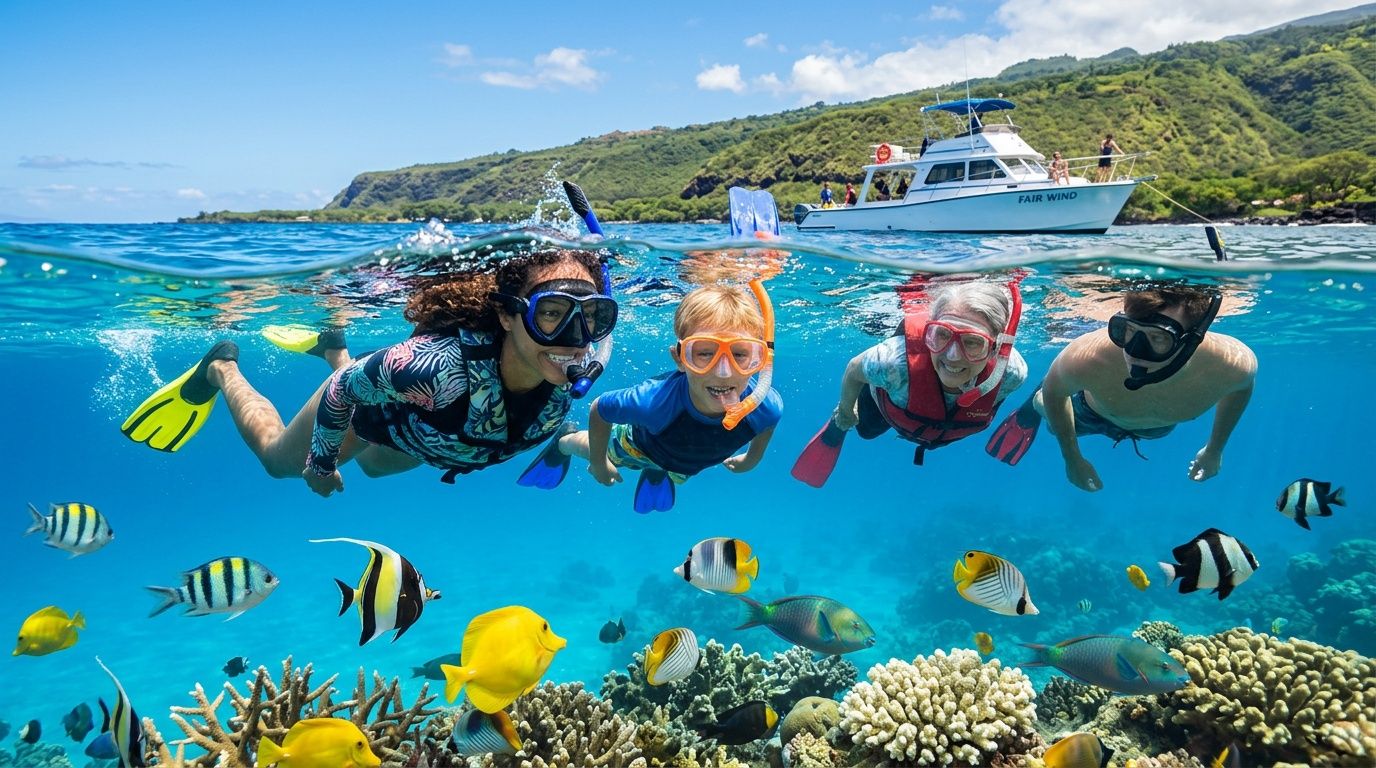
The ride itself is part of the experience. You’re watching lava shoreline, sea caves, and cliff faces slide by. Some mornings, the crew may point out marine life from the boat. Then the bay opens up and the monument comes into view.
What the first in-water minutes feel like
Snorkelers often enter the water a little cautiously, then settle in fast once they see below the surface. Near the monument, the coral shelf begins in just 2 to 5 feet of water, then transitions into 12 to 20 feet beneath the obelisk. Farther out, lava fingers create drop-offs to 25 to 30 feet, followed by a reef edge plunging beyond 100 feet, according to Tropical Snorkeling's Captain Cook Monument depth guide.
That matters because it explains why the area works for different comfort levels.
- Shallower water near shore: Good for easing in and getting used to your mask and breathing.
- Mid-depth reef zones: Great for watching schools of fish move over coral.
- Outer drop-offs: Better admired from a comfortable distance unless you’re very confident in the water.
Start by floating and looking down, not by kicking hard. Calm snorkelers usually see more.
What to pack for the boat ride
Keep your setup simple. The best boat bags aren’t packed like you’re moving house.
Bring:
- A towel and dry clothes: You’ll want both for the ride back.
- Mineral reef-safe sunscreen: Apply it before boarding when possible.
- A hat and sunglasses: The boat ride can be bright.
- Waterproof camera or phone case: Useful if you want photos without stress.
- Any personal medications: Keep them easy to reach, not buried.
Seasickness prep that helps
Even on a good day, some people get motion sick before they ever hit the water. If that sounds like you, plan for it early rather than hoping for the best.
Common options people use include Ship-EEZ Seasickness Patch, Dramamine pills, Bonine pills, Sea Band wristbands, and Ginger chews.
A few simple habits also help:
- Eat lightly: Don’t board on a totally empty stomach, but don’t overdo breakfast.
- Look at the horizon: It often settles your balance faster than staring down.
- Tell the crew early: They’d rather help before you feel rough.
The best part of the day
At some point, the logistics disappear. You stop thinking about fins and straps and whether your phone is dry. You’re just floating over the reef, hearing your own breathing through the snorkel, and watching the bay move below you.
That’s when Captain Cook really delivers.
Marine Life to Expect at Captain Cook
The easiest mistake visitors make is expecting one dramatic animal encounter and overlooking everything else. Kealakekua Bay rewards slow observation. The longer you float calmly, the more you notice.
Why the fish life feels so dense
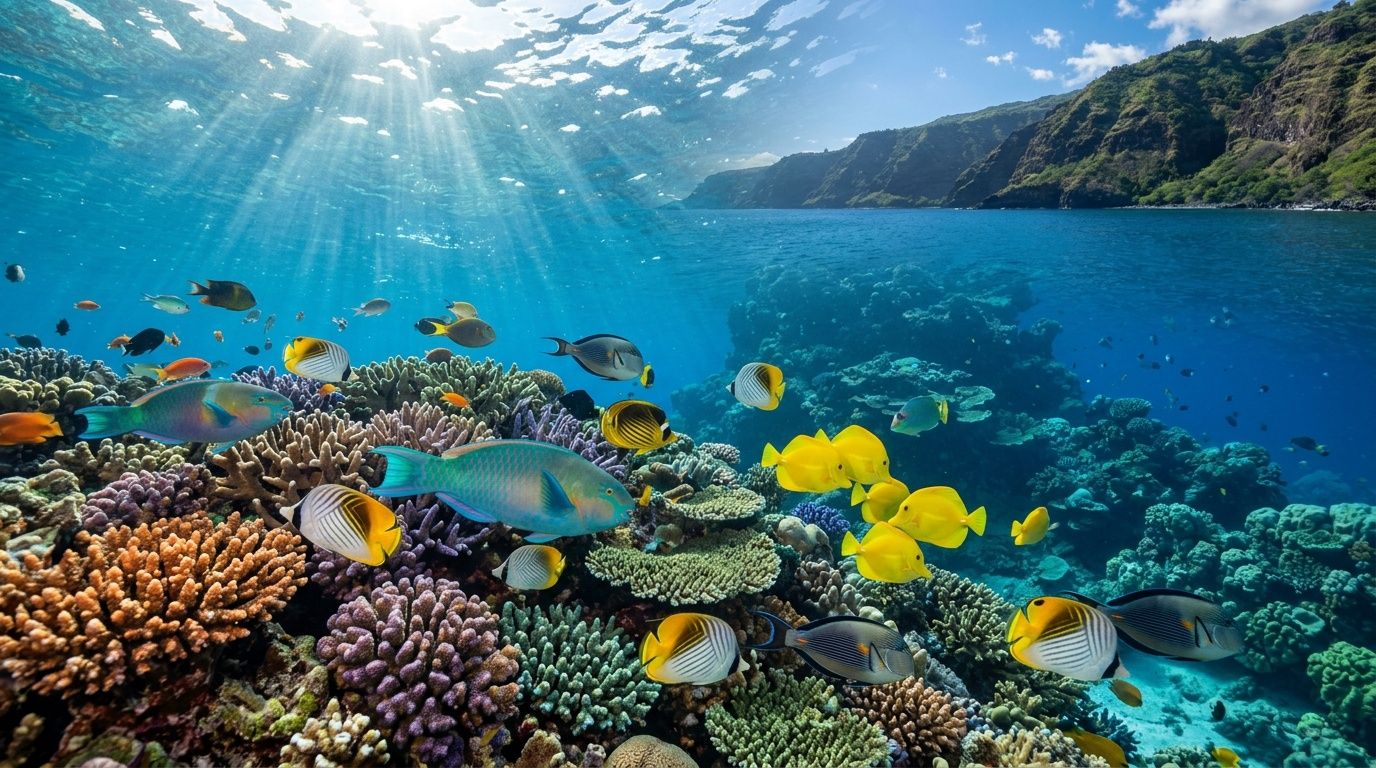
This bay often feels fuller than other snorkel sites because the protected area has had time to work. Fish populations in Kealakekua Bay have increased by an estimated 200 to 300% compared with non-protected Kona coast sites, according to this analysis citing Hawaii Division of Aquatic Resources biomass transects.
You don’t need to know the science to see the result. There are more fish in motion around you.
The species many people remember most
Yellow tang often steal the show. When a school moves over coral, the whole reef flashes bright yellow at once. Hawaiian sergeant majors are easy to spot too, especially for kids, because their bold striping stands out immediately.
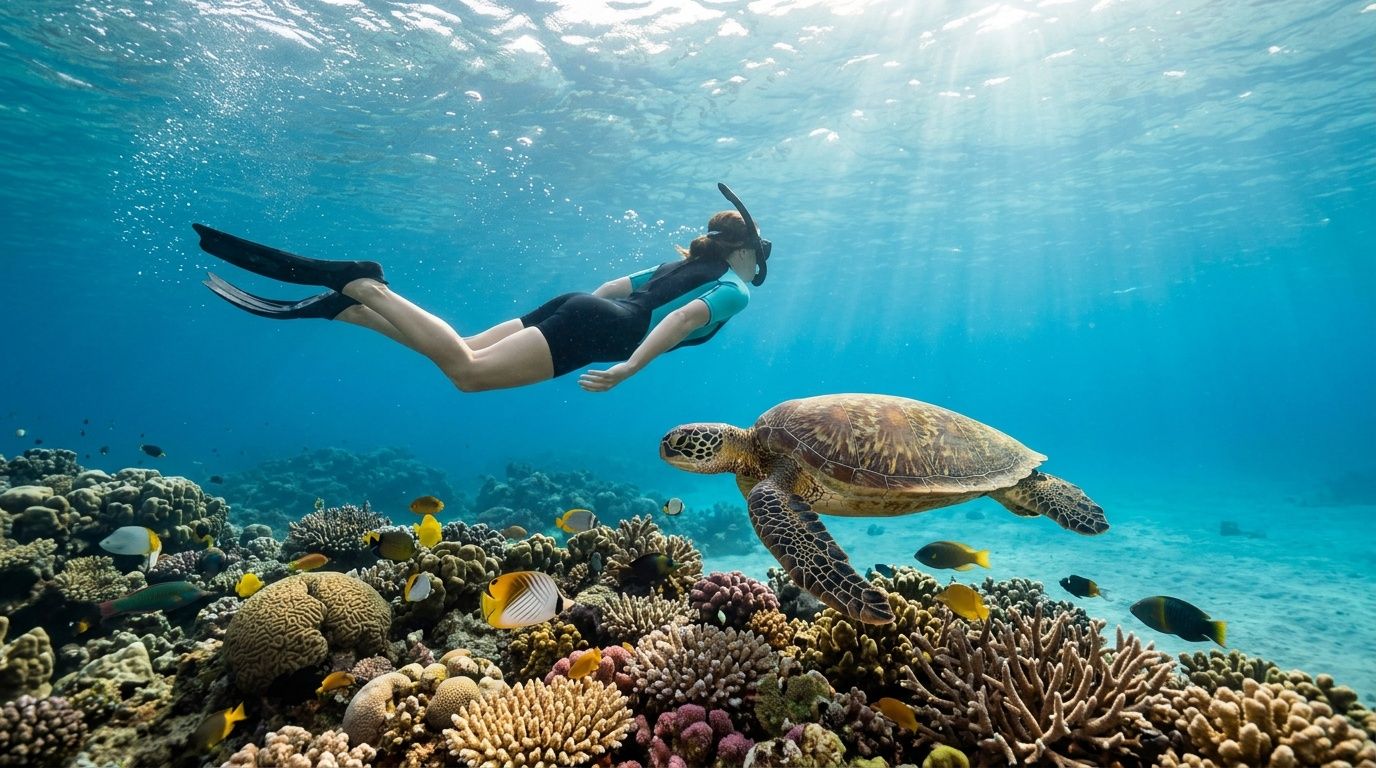
Green sea turtles are another memorable sighting. If you see one, slow down and let the animal choose its own path. Watching a turtle glide through the reef is far better than chasing it for a close look.
For readers who enjoy learning species before they get in the water, this guide to marine life found in Kona waters gives helpful context.
A simple field guide mindset
Try snorkeling the bay like a quiet naturalist, not a scavenger hunt player.
- Look at the coral first: Fish often reveal themselves once your eyes settle.
- Watch edges and transitions: Reef meets sand, shallow meets deeper blue. Those zones are busy.
- Pause instead of swimming constantly: The reef comes alive when you stop rushing.
The best marine life encounters usually happen after you slow your kick and let the bay come to you.
Dolphins are special, but they aren’t the whole story
Spinner dolphins are part of the bay’s magic, and seeing them from the boat can be unforgettable. But many of the best memories here come from smaller moments. A turtle surfacing for air. A school of tang turning together. Light moving across ancient coral.
That’s why seasoned snorkelers keep coming back. The site doesn’t feel empty after the headline animals pass by. It stays interesting the whole time.
Respect the 'Aina Rules and Regulations
Kealakekua Bay isn’t a place to “use carefully.” It’s a place to treat with respect from the start. The reef, the wildlife, and the cultural setting all ask the same thing of visitors. Slow down and act like a guest.
The dolphin rule visitors need to know
This is the current regulation people most often miss. Starting in March 2025, Hawaii DLNR enforced stricter no-approach zones in Kealakekua Bay that require vessels and swimmers to maintain a 50-meter buffer from spinner dolphins, especially in designated resting zones, as noted in this Captain Cook snorkeling regulations update.
That means if dolphins are resting, the correct response isn’t to swim toward them. It’s to give them room.
The reef etiquette that matters most
Coral looks tough from above. It isn’t. One careless fin kick or one person standing where they shouldn’t can cause damage.
Follow these basics every time:
- Don’t stand on coral: If you need to adjust gear, stay in a place your guide indicates is appropriate.
- Keep your fins up: Many accidental hits happen behind you, not below your face.
- Control your body position: Float horizontally rather than bicycling upright through shallow reef.
Wildlife respect is part of safety
Sea turtles, fish, and dolphins all behave differently when people crowd them. The safest and most responsible approach is also the simplest one. Watch, don’t chase.
If you want a helpful mindset for ocean conduct more broadly, this piece on responsible and considerate diver etiquette translates well to snorkeling too.
Local mindset: Leave the bay looking untouched by your visit.
Small choices add up
Visitors sometimes think conservation means one big dramatic action. In reality, it’s a stack of small decisions.
Use mineral reef-safe sunscreen. Listen to the briefing. Keep your distance from wildlife. Stay aware of where your fins are. Don’t treat the monument area like a pool with scenery.
When thousands of people visit a place each year, those little choices matter a lot.
Frequently Asked Questions about Snorkeling Captain Cook
Is captain cook hawaii snorkeling good for beginners
Yes, for many beginners it’s a strong fit, especially when they go by boat with a crew that gives clear instructions. The key is staying within your comfort zone. A beginner doesn’t need to explore every edge of the reef to have a great experience.
If someone in your group is nervous, choose a guided tour, ask for flotation, and spend the first part of the snorkel just breathing calmly at the surface.
Is it better to do a boat tour or go on your own
For most visitors, a boat tour is the simpler and more enjoyable choice. It removes the hardest access problems and gives you support once you arrive. Going on your own can work well for confident, prepared travelers, but it adds more moving parts.
The best option is the one that matches your vacation energy. If you want a smooth half-day in the water, guided access usually wins.
Can kids snorkel here
Often, yes. It depends less on age and more on comfort in the water, listening skills, and the operator you choose. Some kids love floating with a mask the moment they get in. Others need time, reassurance, and flotation support.
Parents usually do best when they set modest goals. A short, happy snorkel is better than forcing a long one.
What should I wear and bring
Wear a swimsuit and bring the basics that make the boat ride comfortable. A towel, sun protection, water, and dry clothes are the main ones. If you’re prone to seasickness, prepare before departure rather than after symptoms start.
Keep valuables minimal. The easier your setup, the easier the day feels.
Do I need to be a strong swimmer
Not always, but you do need to be honest about your comfort level. Snorkeling is much more enjoyable when you’re relaxed, and relaxation comes from using the right support. That may mean a flotation vest, staying close to the guide, or keeping your snorkel time shorter.
There’s no prize for pushing farther out than you want to go.
If you want help planning the right ocean day on the Big Island, Kona Honu Divers is a useful place to start. Their site covers local snorkel and dive options, so you can compare experiences and choose something that fits your group, comfort level, and schedule.