
You're probably in one of two spots right now. Either you've already decided Hawaii is your next dive trip and you're trying to avoid wasting days on the wrong boat, or you're comparing the Big Island to someplace else and wondering if it's really worth the flight.
It is.
Big Island scuba diving delivers the kind of trip divers remember for years. You get warm water, volcanic terrain, big-animal encounters that live up to the hype, and enough variety to keep both new divers and seasoned underwater junkies happy. But the island only pays off if you build the trip strategically. Don't just book “a couple dives.” Pick the right side of the island, the right night dives, and the right operator. That's where the trip goes from good to unforgettable.
Welcome to a Diver's Paradise
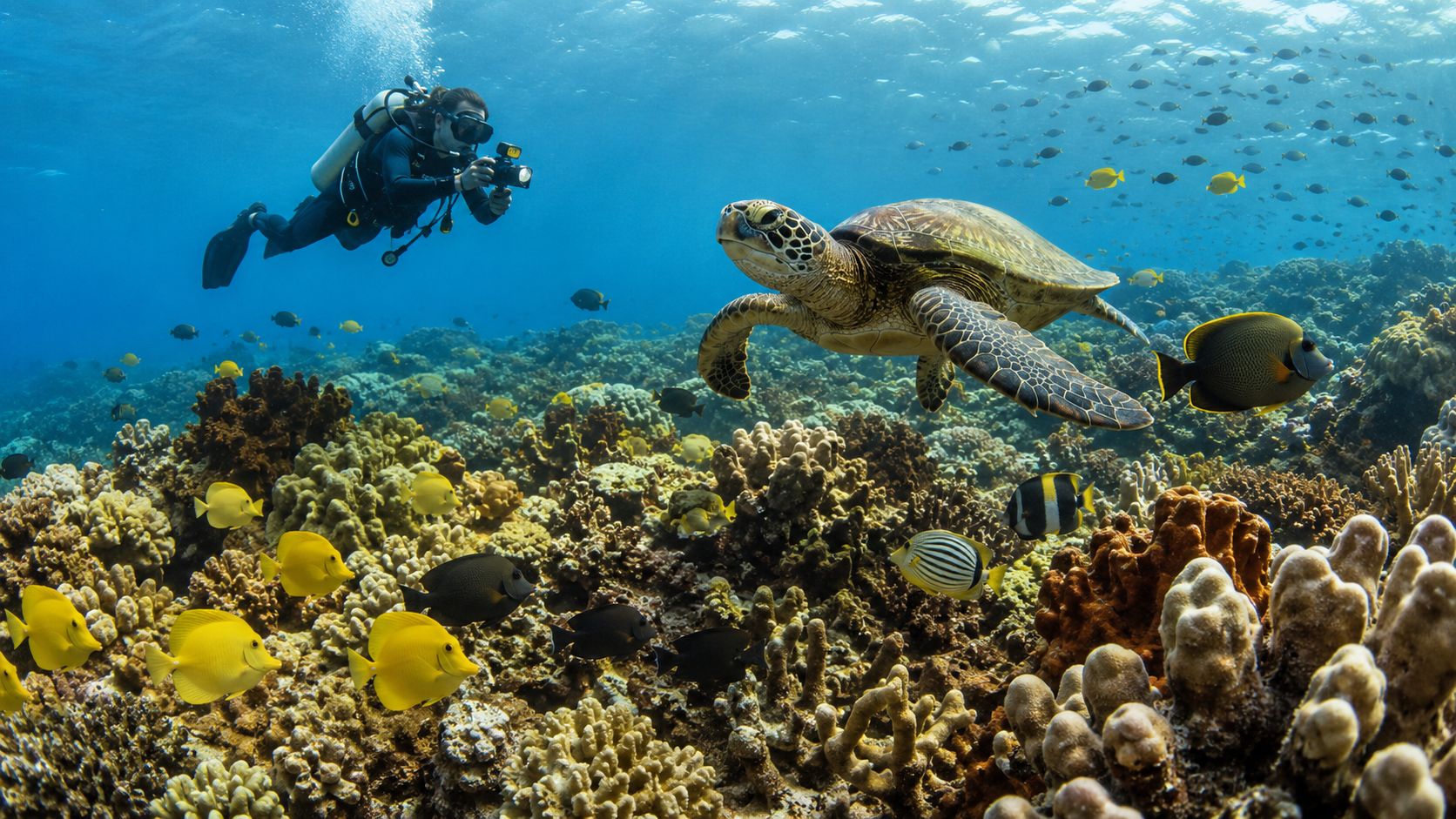
The first thing most divers notice in Kona is how easy the water feels. You drop in, settle your breathing, and the ocean doesn't fight you. It's warm, clear, and comfortable in a way that lets you pay attention to what matters. Black lava fingers run out into blue water. Reef fish stack up over hard structure. Turtles cruise through like they own the place, because they do.
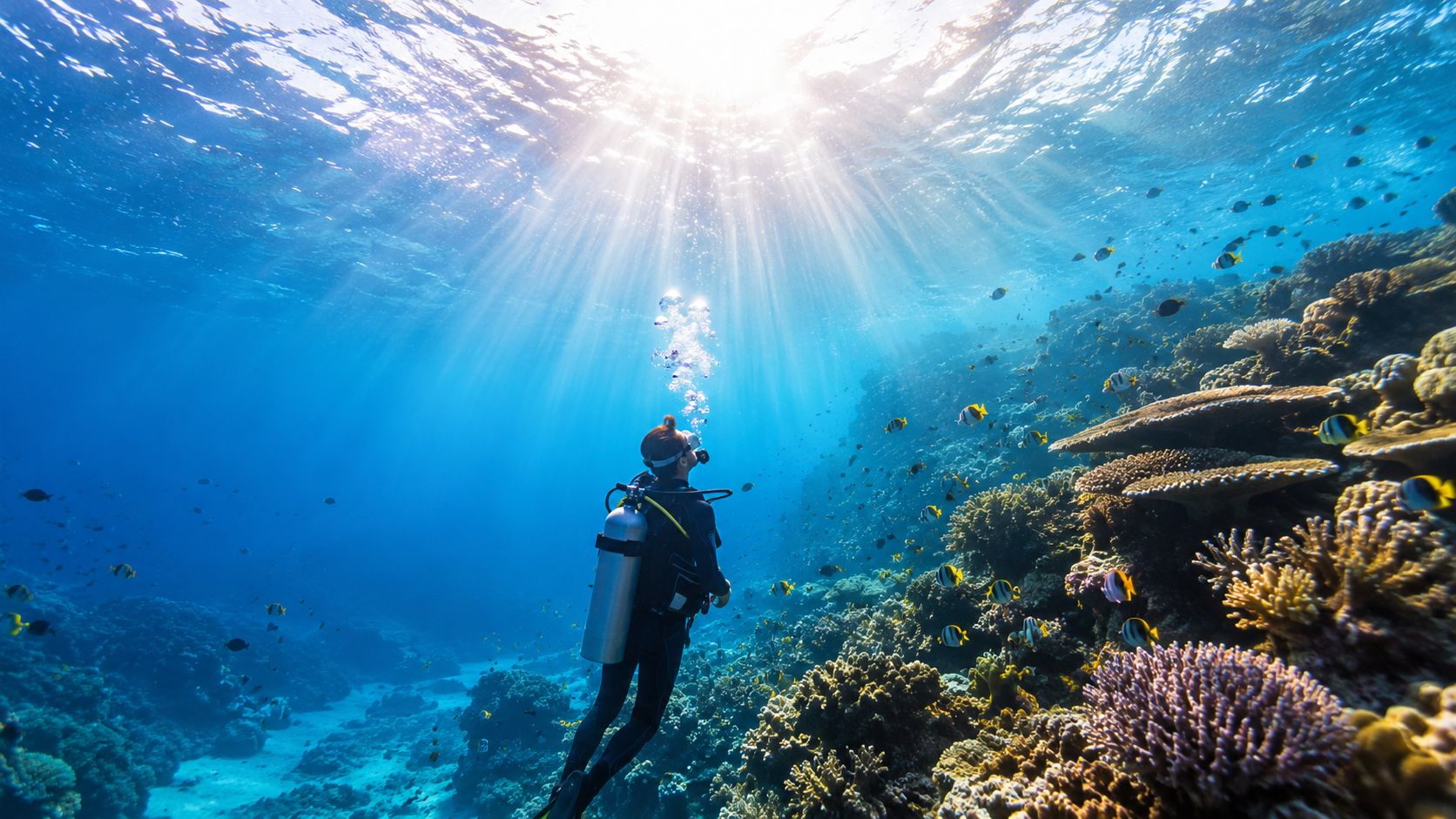
That's why the Big Island isn't a niche destination. It's one of the anchors of diving in the Pacific. Hawaii hosts over 1.5 million scuba dives annually, supported by more than 215 licensed dive shops, and the water typically stays between 75-80°F (24-27°C), according to Kona Honu Divers' overview of diving in Hawaii. Those numbers matter because they point to something practical. This isn't a place built around a single famous site. It's an established diving ecosystem with year-round appeal.
Why Kona grabs divers fast
Kona's coastline gives you a very specific kind of underwater scenery. The island's volcanic history shaped the seafloor into ledges, slopes, arches, and reef systems that feel raw instead of manicured. You're not descending onto a generic tropical postcard. You're diving a young island that still looks geologic.
That volcanic backdrop changes the whole mood of a dive. It feels dramatic before the fish even show up.
Practical rule: If your goal is a trip with both easy recreational diving and bucket-list night dives, the Kona coast is the smartest base on the island.
Choose your base before you book your dives
A lot of visitors overthink site names and underthink logistics. Start with where you're staying. If your days begin with a long drive, an early alarm, and rushed gear setup, you'll feel it by dive three. Stay close to the harbor side of your itinerary and the whole trip gets smoother.
If you're still figuring that part out, use this guide to the best places for divers to stay on the Big Island. It'll save you from booking a beautiful hotel in the wrong place for a dive-heavy schedule.
A smart Big Island scuba diving trip isn't just about famous marine life. It's about stacking easy mornings, strong operators, and the right mix of dives so every day builds on the last.
Kona's Legendary Night Dives
Kona has two night dives that put it in a different category from most destinations. One is famous because it's graceful and accessible. The other is famous because it's weird, deep, and unlike anything most divers have ever done. You should seriously consider both.
If you want a broader overview of how these trips fit into the local scene, this page on diving Kona and the Big Island is a useful starting point.
Manta ray night dive
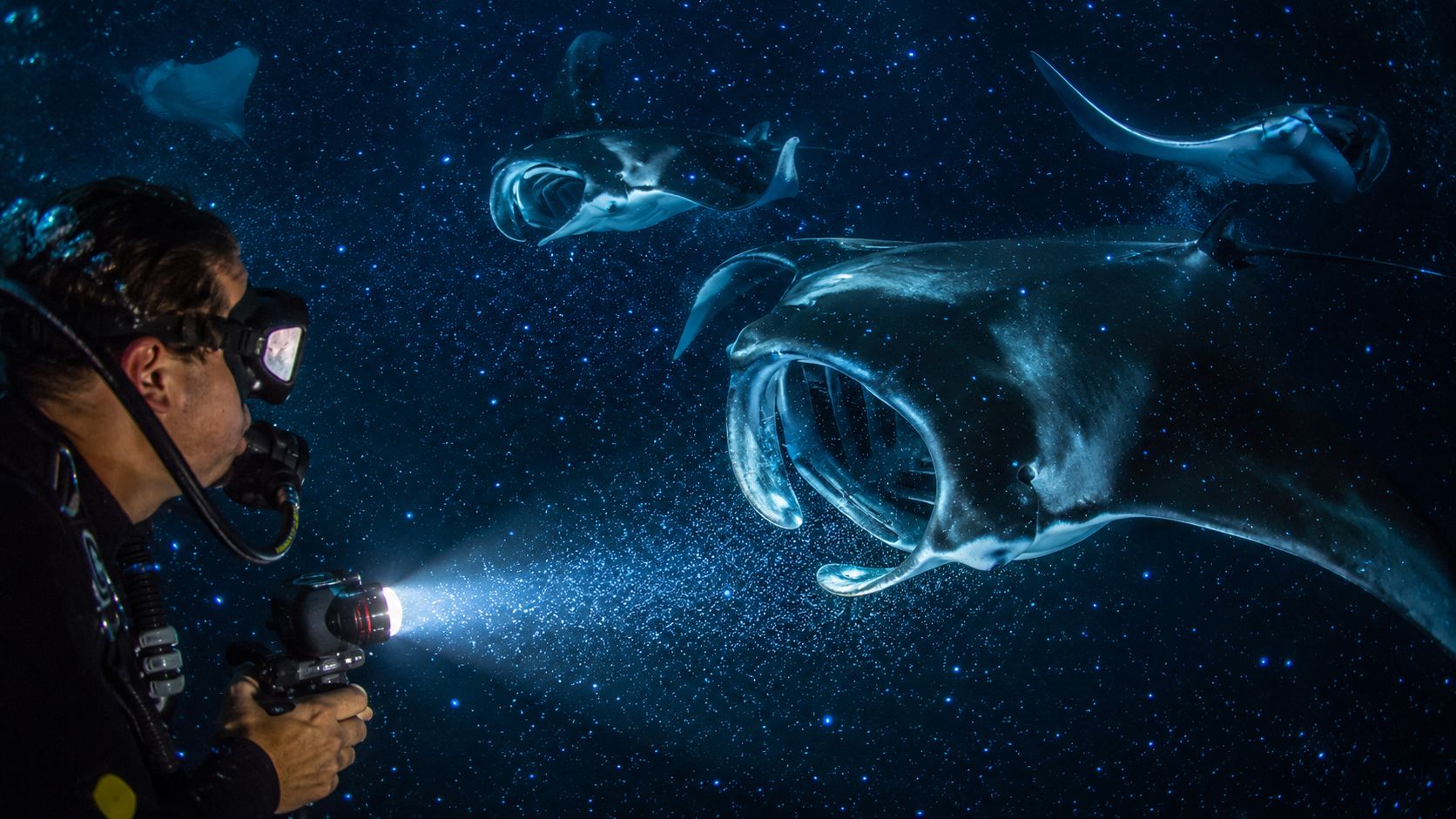
The manta dive is the one people talk about before they arrive and keep talking about after they leave. For good reason. The Kona manta ray night dive has a 95% encounter rate, divers commonly see over 10 reef manta rays with 12-foot wingspans, and the action happens at 30 to 40 feet with a campfire layout set around rocks about 35 feet deep according to Kona Snorkel Trips' Big Island scuba overview.
Here's what that means in plain English. You descend, settle onto the bottom, and lights draw in plankton. The plankton draws in mantas. Then the mantas start looping overhead, sometimes close enough that you can hear yourself laugh through your regulator.
That part deserves emphasis. The mantas aren't random luck on a giant reef. The whole dive is built around a feeding setup that creates consistent behavior and excellent viewing.
Why Garden Eel Cove is the right call
Garden Eel Cove is the superior choice for the manta dive. It's more protected, the viewing area is better, and the reef itself gives the dive more value than a bare-bones animal encounter. If I'm advising a visiting diver with limited nights on island, I steer them there first.
A better protected site usually means a calmer, more comfortable experience. That matters more than people think. If the surface and bottom conditions are manageable, divers relax faster, photographers settle in, and everyone spends more of the dive watching mantas instead of managing themselves.
If this is the signature night on your trip, book the dedicated manta ray dive tour.
When a wildlife dive is famous, pick the operator and site that make the encounter easier to watch, not just easier to market.
Blackwater dive
The blackwater dive is a completely different animal. You're not on a reef. You're suspended over open ocean that drops beyond 3,300 feet, tethered to the vessel on a 55-foot line in the pelagic zone, where deep-ocean life rises toward the surface at night. That setup and environment are described in the verified operational details for Kona blackwater diving.
This is the dive advanced divers get obsessed with. Not because it's comfortable. Because it feels alien.
You shine lights into dark blue water and tiny transparent creatures materialize out of nowhere. Larval forms, drifting predators, strange gelatinous life, and cephalopods that look like they were designed by someone with a very active imagination. There's no reef reference, no wall, no sand. Just buoyancy, darkness, and whatever the water column delivers.
Who should book it
Blackwater isn't about depth in the usual sense. It's about control. You need to be calm without a bottom reference and able to maintain good buoyancy when your brain has nothing solid to latch onto. The strongest candidates are divers who already know how they behave at night and don't need a guide to fix basic trim issues.
The dive is also run with small groups in its strongest format, limited to six divers in the verified data. That's exactly how it should be done.
If that sounds like your kind of strange, book the Blackwater Dive tour.
Exploring Premier Daytime Dive Sites
Night dives get the headlines. Day dives are what make a Big Island trip feel complete.
The mistake I see all the time is visitors treating daytime diving like filler between mantas and dinner. That's backwards. Your daylight dives are where you build range, settle into Hawaiian conditions, and start noticing what makes Kona different from other tropical destinations.
Build a better dive portfolio
Kona rewards divers who mix terrain and marine life goals. Don't book three interchangeable reef dives and call it variety. Pick a spread that gives you volcanic structure, fish density, and a chance to slow down enough to notice the local specialties.
Kona's underwater environment has the world's highest rate of endemism for marine fish and invertebrates, with over 25% of all Hawaiian marine species found only in these waters, including endemic turtles, dolphins, sharks, and garden eels, according to Kona Honu Divers' guide to Big Island scuba diving.
That's the core daytime pitch. You're not just checking off “nice reef.” You're diving a place where a meaningful chunk of what you see belongs specifically here.
What to prioritize underwater
- Volcanic topography: Look for lava tubes, arches, broken ledges, and reef fingers. Those features are part of what gives Kona dives their character.
- Endemic species spotting: Ask your guide what fish or invertebrates are Hawaiian endemics before you hit the water. You'll get more from the dive when you know what's special.
- Site progression: Start with comfortable, fishy reefs. Then move into more technical topography once your weighting and buoyancy feel dialed in.
The divers who enjoy Kona most aren't the ones chasing the biggest checklist. They're the ones who learn what's unique here and start spotting it for themselves.
Match the trip to your experience level
If you're newer to diving, keep the first day simple. Comfortable depth, easy entries, and lots of fish is the right move. The island gives you plenty to look at without forcing you into ambitious profiles too early.
If you've got experience and want more range, book trips that go beyond the standard easy reef circuit. The more advanced days are where the island's structure starts to shine. Use the main Big Island diving tours page for standard options, and if you want more demanding profiles, check the advanced long-range dive tour.
And if your non-diving day includes family or surface time, this guide to Kealakekua Bay snorkeling helps round out the trip without wasting a good water day.
Planning Your Dive Trip
Most dive trips go wrong on land first. Bad scheduling, rushed certifications, poor packing, or trying to do too much too fast. Big Island scuba diving is forgiving in the water. It's less forgiving if your plan is sloppy.
Time your trip around your priorities
You can dive here year-round because the water stays warm, but the right season depends on your goal. If the manta dive is high on your list, summer conditions are especially attractive because reduced surge and peak manta numbers improve the experience in the verified local data. If your main goal is a broad mix of day and night diving, consistency matters more than chasing a perfect week.
Book your specialty dives early in the trip if possible. If weather shifts or you decide you want to repeat a favorite dive, you'll have room to adjust.
Certifications and skill fit
Don't fake your comfort level when booking. Operators can work with a lot. They can't fix unrealistic self-assessments.
Use this simple filter:
| Dive type | Best fit |
|---|---|
| Standard daytime reef diving | Certified recreational divers who want easy entries and lots of marine life |
| Manta ray night dive | Certified divers comfortable in low light and able to stay calm in a group setting |
| Blackwater dive | Experienced divers with solid buoyancy and comfort in open-water night conditions |
If you're not certified yet, do the training before the trip or early in the trip. If you haven't dived in a while, ask for a refresher instead of pretending muscle memory will carry you. It won't.
Pack for diving, not just for vacation
A Kona trip looks casual from shore. Don't let that fool you. Pack like a diver who wants smooth mornings.
- Certification essentials: Bring your certification card, log access, and any medical documentation you may need.
- Exposure basics: Even in warm water, many divers are happier in light exposure protection for repetitive diving and night dives.
- Boat comfort items: Dry clothes, a towel, sun protection, water, and a small bag that keeps your personal gear organized.
- Dive-specific extras: Mask that you know fits, defog, save-a-dive items, and whatever helps you avoid borrowing gear at the last minute.
- Surface recovery gear: Sandals, snacks, and something warm for the ride back after a night dive.
Structure the week intelligently
A strong trip usually starts easy, peaks in the middle, and finishes with your oddball or signature experiences. Day one should not be your most demanding profile. Put your advanced or specialty dives after you've shaken off travel fatigue and checked your weighting.
That pacing does two things. It gives you better dives, and it leaves enough energy to enjoy the island instead of dragging yourself from boat to bed.
Safety and Medical Considerations
A dive trip gets better when you're conservative about the right things. Big bravado underwater is usually just bad planning with a tan.
Seasickness is fixable, so fix it early
If you're even mildly prone to seasickness, deal with it before boarding. Don't wait to “see how you feel.” By then you're behind.
Useful options include Ship-EEZ Seasickness Patch, Dramamine pills, Bonine pills, Sea Band wristbands, and Ginger chews. If you want a deeper look at wearable relief options, this page on the Relief Band for sea sickness is worth reading.
Pick one approach that works for you and use it consistently. A miserable boat ride can ruin an otherwise excellent day of diving.
Shore diving without local knowledge is a bad gamble
A lot of visitors assume shore diving is the simple, independent option. Sometimes it is. Sometimes it's how people get in trouble. Entry points can look manageable from the parking area and feel completely different at the waterline.
One verified note matters here. A 2025 report from the Hawaii Department of Land and Natural Resources notes a 15% increase in minor diving incidents among unguided visitors at Big Island shore sites. That tracks with what experienced local divers already know. Visitors often underestimate surge, exits, and how quickly a comfortable-looking shore site can turn annoying or risky.
Medical reality: If you're tired, dehydrated, nauseated, congested, or unsure about a site, that's enough reason to downgrade the plan.
Fitness, honesty, and common sense
Night diving, repetitive diving, and open-ocean specialty trips all demand more than vacation energy. Be honest about your recent activity, your comfort in current, and how you handle stress when visibility or reference points change.
If something feels off, sit a dive out. Missing one dive is cheap. Forcing one when your body or head isn't right is expensive.
How to Choose the Best Dive Operator
Most visitors compare operators the wrong way. They look at price first, maybe photos second, then assume all Kona dive boats deliver roughly the same day. They don't.
The criteria that actually matter
Pick your operator using decision points that affect your dive, not just your invoice.
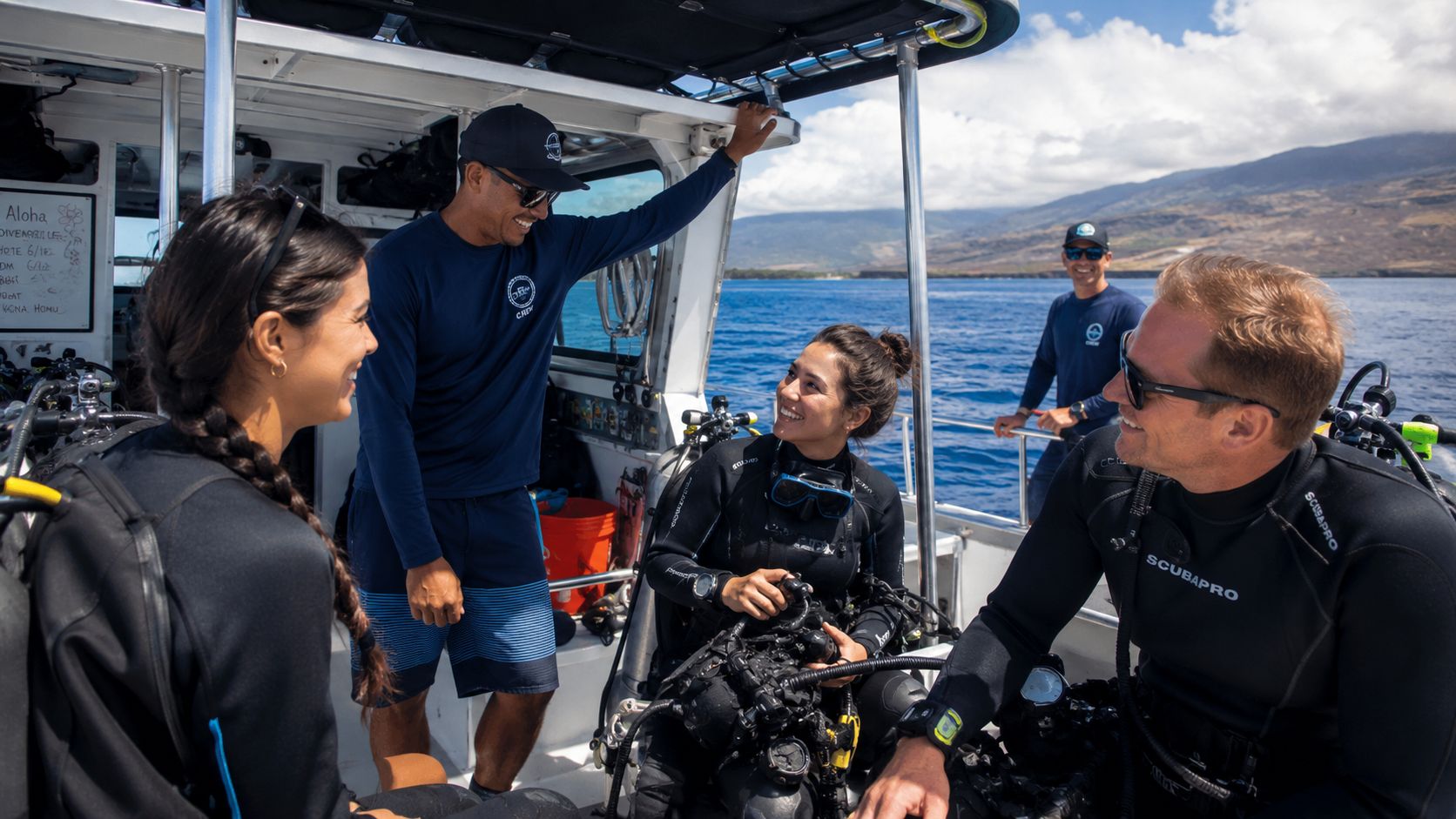
- Crew judgment: You want a team that can brief clearly, adjust to conditions, and read diver ability fast.
- Boat comfort: Easy entries, practical layout, and enough space matter more than flashy branding.
- Trip fit: Some operators are better for first-timers, some for independent advanced divers, and some for specialty dives.
- Operational discipline: Good briefings, organized gear flow, and clear in-water expectations reduce stress immediately.
A good shortcut is to ask what kind of day the operation is built for. Big groups and high throughput create one kind of experience. Smaller, more controlled groups create another.
Use one operator as a benchmark
On the Kona coast, Kona Honu Divers is a useful benchmark when you're evaluating boats because it offers guided day trips, manta dives, blackwater dives, courses, and practical extras like package deals and free nitrox mentioned by the publisher. That mix makes it easy to compare what other operators include, how they run groups, and whether the experience matches your priorities.
That's the right way to shop. Compare structure, not just slogans.
If an operator can't explain how they run the day, who the trip is best for, and how they manage different skill levels, keep looking.
Questions worth asking before you book
How are groups organized in the water?
This tells you a lot about how much personal attention you'll get.What experience level is this trip built for?
“All levels” can mean anything from ideal for beginners to tolerable if you don't need much support.What happens if conditions change?
Serious operators adapt. Weak ones just apologize.How much of the day feels rushed?
You can often hear the answer in the tone, even if the staff never says the word “rushed.”
FAQs and Sample Dive Itineraries
Some questions always come up at the end of trip planning. Here are the ones worth answering before you hit the book button.
Common questions
Can a snorkeler join part of the adventure?
Sometimes, yes, depending on the trip format and operator. It's common for mixed-interest groups to build a trip around one or two shared marine-life experiences, then let divers add boat dives separately.
Is the blackwater dive good for people with limited swimming confidence?
That's where many people hesitate. Industry data shows 22% of inquiries for Black Water Dives come from non-competitive snorkelers concerned about physical ability, yet operator materials often don't explain buoyancy-assisted snorkeling options clearly. Ask very specific questions about flotation support, entry style, and what participation entails for non-divers before booking.
Should I do mantas on my first night or later in the trip?
Usually later. Get one or two daytime dives under your belt first so you're comfortable in local conditions and not doing your most anticipated dive while still shaking off travel fatigue.
Is a short trip worth it?
Yes, if you don't waste days. A focused plan beats a long, unfocused one every time.
Sample itineraries
Three-day highlights trip
Day 1: Easy daytime two-tank reef diving.
Day 2: Another daytime dive set, then manta night dive.
Day 3: Relaxed morning or one specialty dive if energy and schedule line up.
Five-day balanced trip
Start with standard day dives, add the manta dive on night two or three, then finish with a more advanced daytime outing once your buoyancy and local comfort are fully back.
Week-long advanced adventure
Use the first two days to settle in, schedule the blackwater dive mid-trip when you're not tired, then add a more ambitious daytime charter and one final easy reef day before drying out for departure.
If you want a Big Island scuba diving trip that's organized well from the start, book with Kona Honu Divers. They cover the dives people come to Kona for, and they make it easy to build a trip that fits your experience level instead of forcing you into a generic schedule.