
Picture this: you’re descending into crystal-clear water, so pure that sunlight dances through ancient lava tubes below. A sea turtle, a honu, glides past without a care in the world. This isn't a once-in-a-lifetime moment on the Big Island; it’s just another Tuesday. This is what makes Big Island scuba diving a truly legendary experience, perfect for your first time breathing underwater or your hundredth logbook entry.
Why The Big Island Offers Unforgettable Diving
So, what’s the secret sauce that makes scuba diving Big Island Hawaii so incredible? It’s a mix of raw geology and sheltered geography that you just won't find anywhere else. The island's volcanic heart has sculpted a mind-blowing underwater landscape of arches, caverns, and intricate lava formations, which now serve as the foundation for stunningly vibrant coral reefs.
The Kona coast, where most of the action happens, is tucked away on the leeward side of the island. It’s shielded by the colossal mountains of Mauna Loa and Hualalai, which block the trade winds and create some of the calmest, clearest ocean conditions you could ever hope for. This natural protection makes Kona diving a dream year-round, with visibility often stretching beyond 100 feet. You see everything.
An Abundance of Marine Life
The amount of life packed into these waters is just staggering. On any given dive, you're practically guaranteed to meet Hawaiian green sea turtles, pods of playful spinner dolphins, and huge schools of colorful fish that exist nowhere else on the planet.
But the undisputed headliner, the one dive everyone talks about, is the manta ray night dive.
It’s a world-famous spectacle for a reason. You descend into the dark and watch as giant, graceful manta rays swoop and barrel roll through the beams of underwater lights, feeding on plankton. It’s a surreal, almost spiritual experience that divers consistently rank as one of the best on Earth.
Beyond the famous mantas, the variety of dives is huge. The Big Island is widely seen as the crown jewel for scuba diving Big Island in the Hawaiian archipelago, easily beating out other islands with its mix of reef dives, lava tube penetrations, and unique night dives. To get a deeper look at what makes this place tick, you can explore everything you should know about Big Island diving in our comprehensive guide.
Whether you're exploring a shallow, sun-drenched reef or drifting through the inky blackness on a black water dive, the Big Island delivers a complete aquatic adventure that solidifies its spot as Hawaii’s ultimate diving getaway.
Exploring The Best Big Island Dive Sites
Alright, let's get into the good stuff—the iconic spots that make diving Hawaii Big Island an experience you'll never forget. The island's underwater world is a wild mix of ancient volcanic drama and vibrant, thriving marine life. Every site offers something completely different, from serene, sun-drenched reefs to heart-pumping deep-water encounters. There's a perfect dive waiting for everyone here.
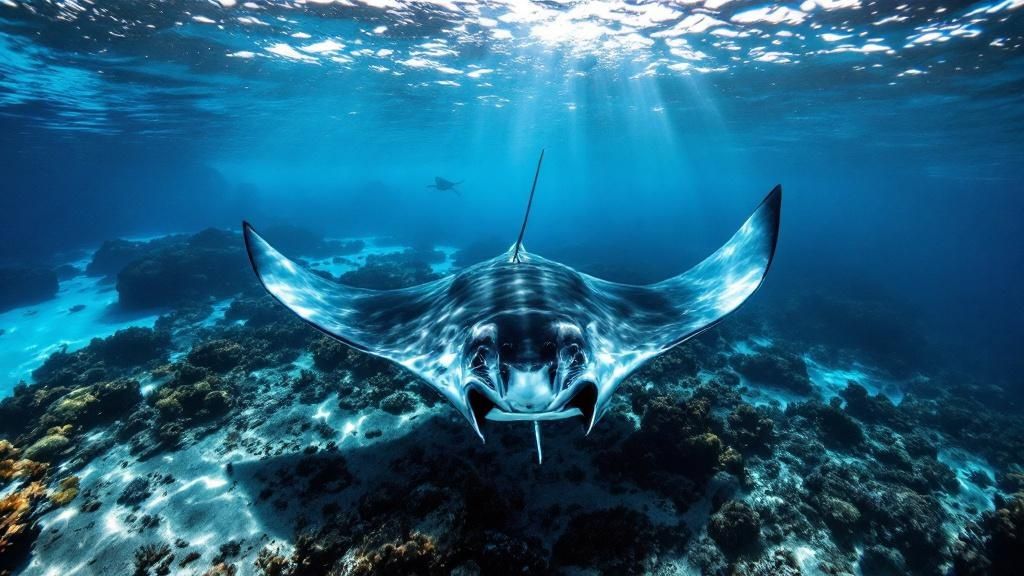
The Kona coast, especially, is packed with incredible dive locations. Because it's so protected, the water stays calm and clear even when other parts of the island are getting battered by rough seas. This makes Kona diving incredibly reliable all year long, perfect for divers of every skill level.
To give you a quick overview, here's a look at some of the most popular dive sites around Kona. This table breaks down what makes each one special, what you're likely to see, and who it's best suited for.
Top Big Island Dive Sites At A Glance
| Dive Site | Key Feature | Common Marine Life | Best For |
|---|---|---|---|
| Manta Ray Night Dive | Up-close manta encounters | Giant Manta Rays, plankton | All Levels |
| Black Water Dive | Open-ocean drift dive | Bioluminescent pelagics, larval fish | Advanced Divers |
| Golden Arches | Volcanic lava tube formations | Eels, crustaceans, reef sharks | Intermediate Divers |
| Two Step | Healthy, shallow reef | Butterflyfish, Parrotfish, turtles | Beginners & Snorkelers |
| Crescent Beach | Vibrant coral gardens | Schools of reef fish, honu (turtles) | All Levels |
Each of these spots offers a completely unique window into the Big Island's underwater world, showcasing just how much variety is packed into one coastline.
The World-Famous Manta Ray Night Dive
You simply can’t talk about scuba Big Island without bringing up the legendary Manta Ray Night Dive. It’s consistently ranked as one of the best dives on the entire planet, and for good reason—it’s absolutely surreal. You descend to a sandy spot on the ocean floor, point your dive lights up, and wait. This creates a "campfire" that attracts swarms of plankton.
Before long, giant manta rays, some with wingspans stretching over 12 feet, glide in to feed on the plankton. They perform a silent, graceful ballet, swooping and somersaulting right through the beams of light. It's a truly moving spectacle and a must-do for anyone visiting the island. The popular Manta Ray Dive in Kona has a success rate of over 90% for sightings, making it a reliable and awe-inspiring adventure.
"Diving with mantas is one of the most satisfying things a person can do in the water. It’s impossible to describe the feeling of watching a massive fish the shape of a stealth bomber coming into vision." – An excerpt from a seasoned dive instructor on the feeling of a manta encounter.
Thrills of the Black Water Dive
For the truly adventurous souls out there, the Black Water Dive is a trip into another dimension. This isn't your average night dive. You're taken miles offshore, tethered to a boat, and set adrift in the deep, inky blackness of the open ocean. Your lights cut through the dark, revealing a bizarre and beautiful world of bioluminescent creatures that migrate from the abyss to feed near the surface.
You'll come face-to-face with life that looks like it's from another planet—strange larval fish, glowing jellies, and shimmering squid. It's an advanced dive that gives you a humbling glimpse into the vast, mysterious pelagic zone, making it a bucket-list experience for seasoned divers exploring Big Island diving.
Exploring Lava Tubes and Reefs
Beyond the marquee night dives, the diving Big Island coastline is covered in phenomenal daytime sites. Many feature incredible underwater landscapes carved by ancient lava flows, creating dramatic arches, caverns, and swim-throughs just waiting to be explored.
- Lava Tubes: Sites like Golden Arches or Turtle Pinnacle give you a chance to dive through these amazing volcanic formations. They're often home to moray eels, all kinds of crustaceans, and even resting white-tip reef sharks.
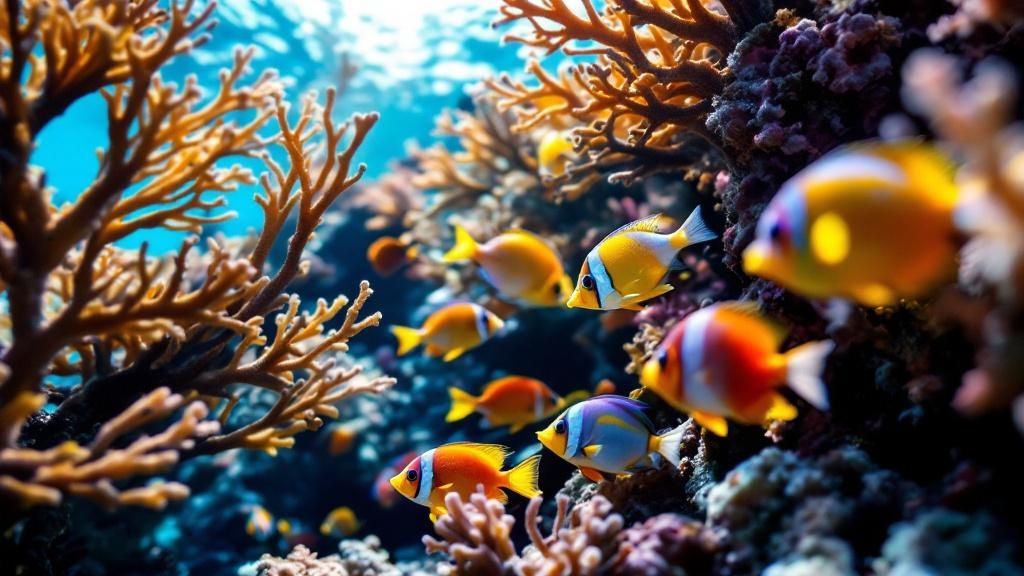
- Vibrant Reefs: Spots like Crescent Beach and Two Step are perfect examples of what a healthy coral ecosystem looks like. You'll be surrounded by huge schools of butterflyfish, parrotfish, and of course, the state fish—the humuhumunukunukuāpuaʻa.
- Shore Diving Access: The Big Island also has some of Hawaii's best shore diving, giving certified divers the freedom to gear up and explore on their own schedule. Find out more in our guide to the best shore diving sites in Kona, Hawaii.
From the deep, dark open ocean to sun-splashed reefs, the sheer variety of sites ensures that every scuba diving Big Island Hawaii trip can be totally different from the last. It’s this diversity that keeps divers coming back again and again to see what else this underwater paradise has to offer.
When To Plan Your Big Island Diving Trip
Timing is everything when it comes to planning the perfect underwater adventure. Fortunately, for Big Island scuba diving, the calendar is almost always on your side. The island's geography is a diver's dream, especially the protected leeward coast of Kona, which keeps the waters accessible and stunning all year long.
That said, different seasons bring their own special perks. Your ideal time to visit really depends on what you're looking for, whether that's glassy seas, a specific marine life encounter, or just fewer people on the boat.
Let's break down the year so you can pinpoint the best window for your scuba Big Island getaway.
Summer Diving Season: The Peak of Perfection
For a lot of divers, summer (May through September) is the absolute sweet spot for diving Hawaii Big Island. This is when the Pacific tends to be at its most chill, offering up glassy seas with hardly any surface chop. It makes for super smooth boat rides and effortless entries and exits.
The water temperature is also at its peak, hovering in the low 80s Fahrenheit (27-28°C). These bathtub-like conditions are perfect for everyone, from first-timers getting their fins wet to experienced divers weaving through lava tubes. Plus, the visibility is consistently incredible, making every dive feel like you're swimming in high-definition.
If your main goal is maximum comfort and postcard-perfect ocean conditions for your Kona diving trip, summer is your season. The mix of calm seas, warm water, and endless sunshine is hard to beat.
Winter Diving Season: Whales and Wonders
While summer is all about calm perfection, winter (December to March) brings a different kind of magic to scuba diving Big Island Hawaii. The surface can get a bit more active with winter swells, but what’s happening beneath the waves is more than worth it.
This is peak humpback whale season. Now, you probably won't see a whale on your dive, but you will absolutely feel their presence. There's nothing quite like descending onto a quiet reef and hearing the haunting, beautiful songs of humpbacks echoing through the water around you. It adds a completely surreal and powerful dimension to diving Big Island.
The scuba diving Big Island scene is blessed with some of the clearest water on the planet, with visibility often shooting past 100 feet—a huge plus for any diver. While conditions are great year-round, the best seasons deliver the calmest seas and best visibility. Summer (June to August) brings warm water and gentle conditions, ideal for visitors. For a great mix of amazing visibility with fewer crowds, September and October are fantastic. Winter (December to February) might mean bigger surf on the north shores, but it's also whale season, letting you combine incredible dives with surface whale watching. You can learn more about how these seasons make the Big Island a top-tier destination by checking out these insights on This Week Hawaii.
The shoulder seasons—fall (October-November) and spring (April)—give you the best of both worlds. You'll often find summer-like conditions but with fewer people, making it a great time to snag a deal with one of the top Kona diving companies.
Choosing The Right Kona Diving Company
Picking the right dive operator is single-handedly the most important decision you'll make for your Big Island scuba diving adventure. Seriously. The quality of your guide and the company's approach to safety can be the difference between a pretty good dive and a mind-blowing, unforgettable experience. With so many Kona diving companies out there, it really helps to know what to look for.
Think of it like hiring a guide to climb a mountain. You wouldn’t just go with someone who has rusty equipment and a "we'll figure it out" attitude. The same logic applies underwater. The absolute best operators for diving Hawaii Big Island put your safety and the quality of your dive above everything else.
Non-Negotiables For Your Dive Operator
When you start digging into companies for your scuba Big Island trip, a few things should be at the very top of your list. These aren't just suggestions; they're critical for making sure you have a safe, fun time under the waves.
- Safety First, Always: A top-notch dive company is an open book about their safety protocols, what to do in an emergency, and their staff's training. Their boats should be clean and well-kept, with oxygen and first aid readily available. And their dive briefings? They should be comprehensive and clear, not rushed.
- Small Group Sizes: Steer clear of operators that cram their boats full. Smaller groups mean you get more personal attention from your guide, the dive site feels less like a crowded mall, and the whole situation is just plain safer. The difference between being one of six divers versus one of twenty is night and day.
- Experienced Guides: Your divemaster isn't just there to point out cool fish. They're your guide, your naturalist, and your safety net all in one. Look for companies that hire guides with deep local knowledge, a genuine passion for marine conservation, and a knack for making you feel comfortable.
Your dive experience is only as good as the crew leading it. An operator with a team of seasoned, passionate professionals who love what they do will always provide a superior and safer adventure.
Certification and Quality Gear
Beyond the basics, the credentials and equipment a dive shop uses can tell you a lot. For instance, a PADI 5-Star Dive Center isn't just a title; it means they've met incredibly high standards for safety, teaching, and customer service. Seeing that certification is a great sign of quality and professionalism.
If you're already certified but it's been a while, a great operator will have options to get you reacclimated. Many offer a PADI Open Water Referral so you can polish your skills and dive with confidence.
The gear they hand you is another massive clue. Well-maintained regulators, BCDs, and wetsuits are non-negotiable. A premier company invests in its equipment because they know good gear is directly tied to diver safety and comfort. Don't ever feel weird about asking when their gear was last serviced.
Understanding Tour Packages and Value
The local Kona diving industry is a huge part of Hawaii's tourism, which plays into a global scuba market expected to hit USD 18.5 billion. The best operators stand out by offering specialized, high-quality trips instead of just packing boats.
You'll find everything from the world-famous Manta Ray Night Dive (usually $150–$200) to the surreal Black Water Dive ($175–$225) and beautiful, chill reef explorations ($125–$175). By keeping groups small, these companies give you a much better—and safer—diving Big Island experience, which is why they're so respected.
When you're comparing options, look past the sticker price. What’s included in the trip? Things like free Nitrox for certified divers can be a huge perk. Does the company offer private charters or custom trips? That shows they're focused on giving you the exact experience you want. By weighing all these factors, you can find a company that fits your budget, skill level, and dive goals, making your scuba diving Big Island Hawaii trip truly spectacular.
Essential Gear And Safety For Hawaii Diving
Getting ready for your underwater adventure on the Big Island is about more than just excitement. It’s about being prepared. Taking the time to think through your gear and safety plan is what separates a good dive from an unforgettable one, making sure every moment of your Big Island scuba diving trip is comfortable and secure.
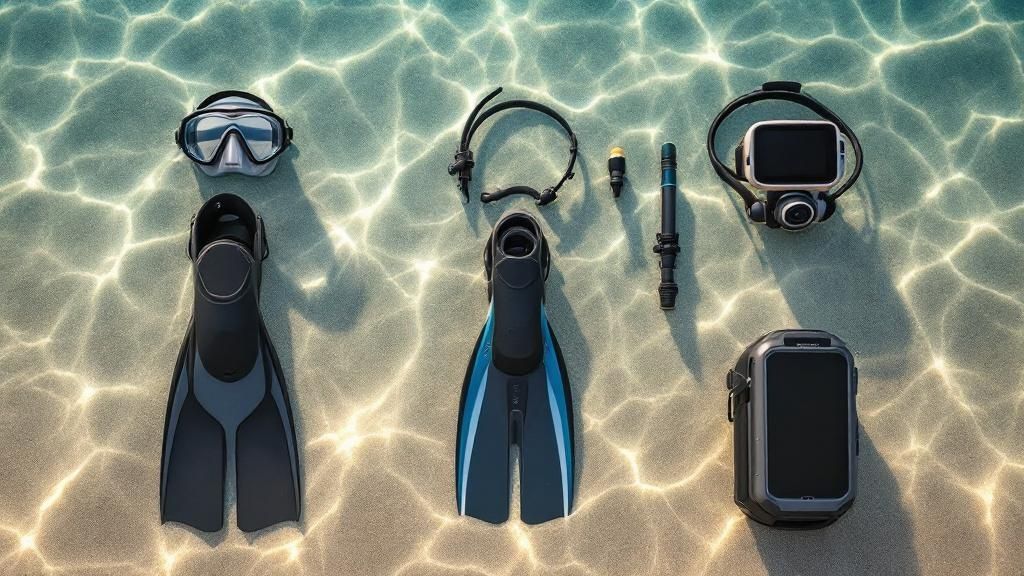
Any reputable Kona diving company, including us here at Kona Honu Divers, will provide all the major high-quality gear you need—tanks, regulators, BCDs, the works. That said, many experienced divers find that bringing a few personal items can make a world of difference.
For instance, a personal mask that fits your face just right can eliminate those annoying, vision-blurring leaks. Using your own dive computer means you’re already comfortable with the display and alerts. And of course, having your own underwater camera is a must if you want to capture the incredible marine life you'll meet while diving Hawaii Big Island.
Gearing Up For Hawaiian Waters
Staying comfortable in the water all comes down to the right exposure suit. Hawaii's waters are wonderfully warm all year, usually hovering between 74°F (23°C) in winter and a balmy 82°F (28°C) in summer. Still, a wetsuit is key for thermal protection over multiple dives and for guarding against accidental scrapes on the lava rock.
- Wetsuit Thickness: For most of the year, a 3mm full wetsuit hits the sweet spot. It provides plenty of warmth without feeling restrictive. If you're diving in the cooler winter months or heading out for a night dive, you might be more comfortable in a 5mm suit.
- Rental vs. Owning: While renting gear is super convenient, nothing beats the perfect fit of your own equipment. For a deeper dive into what’s best to bring and what you can easily rent, check out our guide on the gear you will need for your Kona diving adventure.
When your gear fits well and feels familiar, you can stop thinking about it and focus on what really matters: the breathtaking underwater world of scuba Big Island.
Big Island Specific Safety Protocols
The volcanic origins of the Big Island have created a truly unique underwater environment, and diving Big Island comes with its own set of safety considerations. This landscape is both stunningly beautiful and incredibly fragile.
This is why excellent buoyancy control is completely non-negotiable here. The ancient lava formations and delicate coral gardens have been around for centuries, and a single misplaced fin kick or a dangling gauge can cause irreversible damage. Mastering your hover and maintaining perfect neutral buoyancy is your way of protecting this pristine ecosystem for every diver who comes after you.
Interacting with marine life also comes with a serious responsibility. The Manta Ray Night Dive, the absolute highlight of any Kona diving trip, operates under a strict "look, don't touch" policy. Touching a manta ray can strip off its protective slime coat, making the animal vulnerable to infections. Give these gentle giants plenty of room to glide and dance—it's their world, and we're just visiting.
Ocean Safety And Personal Preparedness
Beyond what you do in the water, general ocean safety is just as important. The Hawaiian sun is no joke, so slather on reef-safe sunscreen to protect both your skin and the coral. It’s also crucial to stay hydrated by drinking plenty of water throughout the day to avoid dehydration.
At the end of the day, your personal skills are your most critical piece of safety gear. Staying sharp and current on skills like CPR and First Aid certification is highly recommended for anyone involved in adventure sports. Being prepared doesn't just keep you safe; it makes you a more confident and capable dive buddy. When you prioritize gear, safety, and respect, you guarantee your scuba diving Big Island Hawaii adventure is amazing for you and for the ocean.
Frequently Asked Questions
Is there good diving on the Big Island?
Absolutely. The Big Island is considered by many to be one of the best diving destinations in the world. The underwater landscape, shaped by volcanoes, is full of unique lava tubes and arches. The Kona coast adds to this with calm, clear water packed with wildlife, including manta rays, sea turtles, dolphins, and a ton of tropical fish.
What are the best months to scuba dive in Hawaii?
You can dive year-round, but April through October are often the best months. The ocean is typically at its calmest and the water is warmest. That said, diving in the winter (December to March) has its own magic—you can often hear the songs of humpback whales echoing through the water during your dive.
Is Kona good for scuba diving?
Kona is fantastic for scuba diving. It's on the protected, leeward side of the island, which means you get consistently calm, clear, and warm water. It’s pretty much ideal for diving any day of the year. To get a real feel for it, you can read more about what it's like to go on the manta ray dive in Kona Hawaii.
Is it better to snorkel or scuba dive in Hawaii?
They're both amazing but offer different things. Snorkeling is perfect for seeing the colorful fish and reefs in shallow spots. Scuba Big Island takes you deeper. It allows you to explore more complex underwater worlds like lava tubes and gives you much more immersive, up-close time with larger animals like manta rays and sharks.
Which Hawaiian island is best for scuba diving?
While you can have great dives on all the islands, the Big Island is generally considered the best overall. It has an unbeatable variety and quality of dive sites, from vibrant reefs and dramatic volcanic formations to world-famous, reliable encounters like the Manta Ray Night Dive. It’s a top-tier choice for divers of any skill level.
When to dive Kona?
Anytime! Its protected waters keep conditions great year-round. Summer (May-September) brings the warmest water and flattest seas. Winter (December-March) offers that incredible bonus of hearing humpback whales sing while you're underwater.