
If you've ever dreamt of exploring an underwater world shaped by volcanoes, the Big Island of Hawaii is calling your name. It's a place where the water is unbelievably clear, ancient lava flows create a dramatic seascape, and marine life thrives. Thanks to the sheltered Kona coast, the conditions are calm and inviting nearly all year round, making it a true haven for divers of all stripes.
Why the Big Island Is a Diver’s Paradise
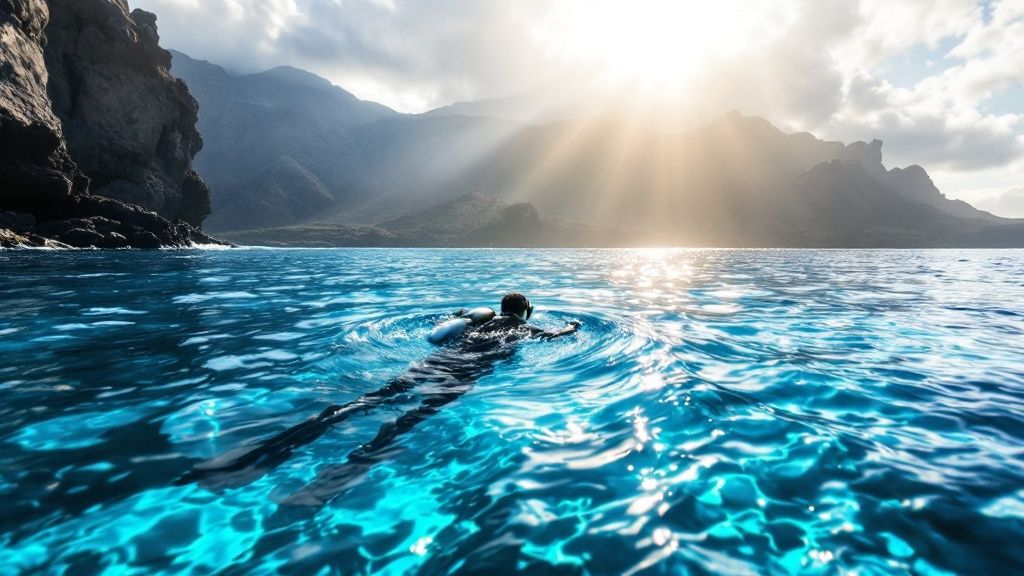
Picture this: you descend into warm, brilliant blue water, and instead of a typical reef, you find a submerged volcanic playground. That’s the magic of Big Island scuba diving. The island's fiery origins give it a character you won't find anywhere else. We're talking about jaw-dropping drop-offs, massive archways, and winding lava tubes just waiting for you to explore.
The real secret to the island's incredible diving is its geography. The massive volcanoes, Mauna Loa and Hualalai, act as a natural shield for the western Kona coast, blocking the strong trade winds. The result? Exceptionally calm, clear water that makes for perfect diving conditions.
A Hub for Underwater Adventure
It's no surprise the Big Island has become a global hotspot for scuba diving. The island hosts around 100,000 certified scuba dives every single year. This is all made possible by a network of over 50 dive shops and charters catering to more than 150,000 dive tourists annually. From its humble beginnings, the island has truly blossomed into a world-class scuba destination.
More Than Just a Pretty Reef
What really makes the Big Island legendary are the one-of-a-kind experiences you simply can't get anywhere else. The most famous is, without a doubt, the Manta Ray Night Dive. Imagine kneeling on the ocean floor in the dark as giant, gentle manta rays swoop and glide just inches above your head, feeding on plankton attracted to your dive lights. It’s a surreal, mesmerizing ballet that consistently tops lists of the best dives on the planet.
Beyond the mantas, the island’s waters are teeming with incredible life.
- Honu (Hawaiian Green Sea Turtles): You'll see these gentle giants everywhere, either chilling on the reef or cruising gracefully past you.
- Endemic Fish: Keep an eye out for species you can only find in Hawaii, like the vibrant Milletseed Butterflyfish.
- Unique Topography: You can swim through underwater cathedrals formed by lava tubes and explore the remnants of ancient volcanic craters.
The Big Island delivers a truly special kind of diving. And while you're thinking about epic wildlife experiences, it's interesting to explore marine wildlife encounters in other island destinations, such as Tasmania's whale watching tours. Whether you’re a brand new diver or a seasoned pro, the Big Island offers an unforgettable underwater adventure.
Exploring Kona’s Most Spectacular Dive Sites
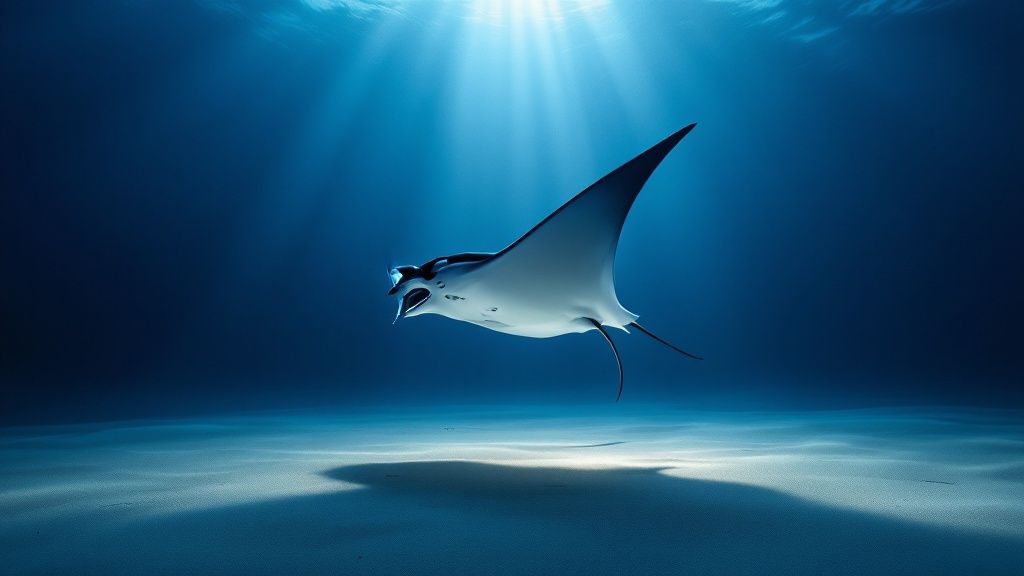
The Kona coast is truly a special place for divers. What sets it apart is the incredible variety carved out by the island's volcanic past. One day you’re navigating through an ancient lava tube, the next you’re watching manta rays glide overhead. It’s this diversity that keeps us divers coming back for more, because no two Big Island scuba diving adventures are ever the same.
Whether you’re gearing up for your very first dive or you’ve got hundreds of logbook entries, Kona has something that will take your breath away. The calmer, shallower reefs are perfect for building confidence, while the deep pinnacles and dramatic underwater architecture offer a serious thrill for seasoned pros.
Let's take a closer look at some of the legendary spots that make this coastline a world-class diving destination.
Perfect Spots for New Divers
If you're just starting your scuba journey, Kona is one of the best places on earth to get your fins wet. The entry-level sites here aren't just easy—they are absolutely packed with marine life, making for an unforgettable first impression of the underwater world.
A classic example is Turtle Pinnacle. This is what we call a "cleaning station," a natural spot where Hawaiian Green Sea Turtles (honu) gather. They patiently wait while smaller reef fish nibble away algae and parasites from their shells. It's an incredible, peaceful spectacle to witness up close.
Adventures for the Experienced Diver
Once you’ve got your buoyancy dialed in, a whole new side of Kona opens up. The island’s fiery creation left behind a stunning underwater playground of lava tubes, massive caverns, and sheer drop-offs that are an absolute blast to explore. You can check out advanced dive tours for some thrilling options.
These advanced sites are where you really feel the raw, creative power of the island. There’s nothing quite like swimming through a massive lava tube—it’s like exploring a submerged, ancient cathedral. You feel a direct connection to the geological heart of Hawaii.
Sites like Au Au Crater (which we lovingly call "Suck 'em Up") let you explore a collapsed lava dome, a favorite hangout for whitetip reef sharks resting on the sand. You’ll also find countless other spots with intricate swim-throughs and arches that will put your skills to the test and reward you with some truly mind-blowing sights.
Top Kona Dive Sites at a Glance
With so many incredible options, it can be tough to decide where to go first! This little cheat sheet breaks down some of our favorite spots to help you find the perfect underwater adventure for your skill level and interests.
| Dive Site | Best For | Typical Depth | What You'll See |
|---|---|---|---|
| Turtle Pinnacle | Beginners, Photographers | 25-60 ft | Hawaiian green sea turtles, colorful reef fish, eels. |
| Au Au Crater | Advanced Divers | 40-80 ft | Whitetip reef sharks, eagle rays, large schools of fish. |
| Garden Eel Cove | All Levels, Manta Ray Dives | 30-50 ft | Manta rays (night), garden eels, octopus, frogfish. |
| Golden Arches | Intermediate Divers | 35-70 ft | Lava rock arches, swim-throughs, frogfish, nudibranchs. |
No matter where you choose to drop in, you're in for a treat. Each site offers a unique window into the vibrant and dynamic ecosystem of the Kona coast.
Building Your Perfect Dive Itinerary
Planning your dives is half the fun! A great strategy is to mix things up to get the full Kona experience. Maybe start with a mellow reef dive one morning, then head out for something deeper and more adventurous the next day.
When you're mapping out your week, keep a few things in mind:
- Be Honest About Your Skills: Always choose sites that are a comfortable match for your certification and experience level. Safety first!
- What Do You Want to See? Dreaming of turtles? Manta rays? Sharks? Let your interests guide you, as different sites are hotspots for different creatures.
- Vary Your Profiles: Plan a mix of deep and shallow dives. Following a deeper dive with a shallower one is a great way to safely extend your time underwater.
A little bit of planning goes a long way. It ensures every single dive becomes a memorable story you’ll be excited to share for years to come. For a complete rundown of the possibilities, you can explore the dive sites Kona Honu Divers frequently visits and start dreaming about your trip.
The World-Famous Manta Ray Night Dive
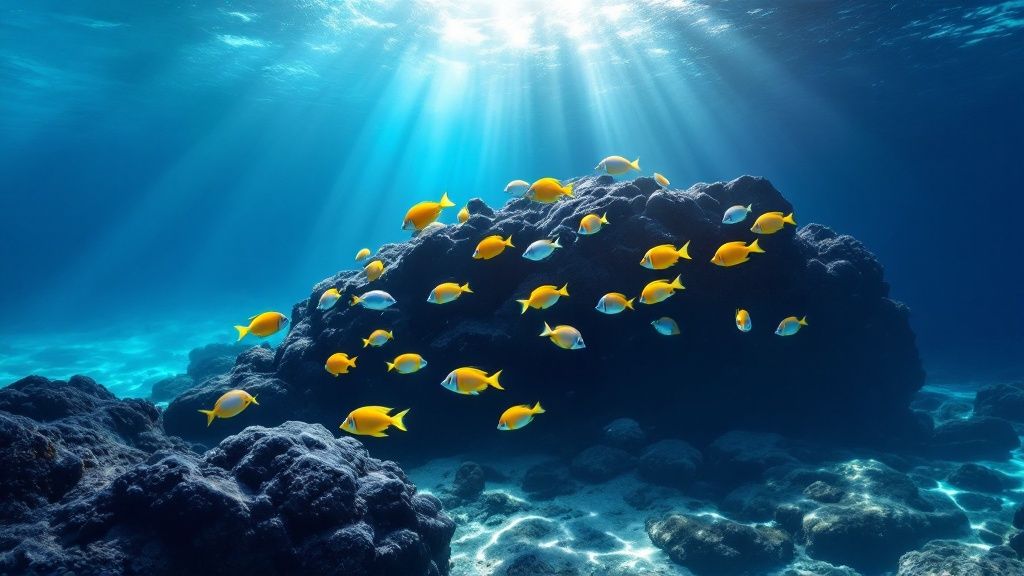
If there’s one experience that defines Big Island scuba diving, this is it. The Manta Ray Night Dive isn't just another dive; it's a genuine spectacle that draws people from all over the world. It’s consistently rated as one of the best night dives on the planet, and once you’ve done it, you’ll understand why. This is one for the logbook you’ll never forget.
The magic starts right as the sun sets, casting those incredible Kona colors across the sky. You’ll make your descent to a sandy bottom, usually around 30 to 40 feet deep, and settle in a circle with your fellow divers. Everyone’s job is simple: point your dive light straight up. Together, you create a massive column of light, a beacon in the darkening ocean.
This cone of light is essentially a massive dinner bell.
Setting the Underwater Stage
Almost immediately, the beams attract huge clouds of plankton, the tiny organisms that are the foundation of the entire marine ecosystem. As they swarm to the light, you can feel the anticipation building in the water. Everyone is just floating, waiting, and staring into the deep blue above.
Then, you see it. A shadow, impossibly big and graceful, emerges from the darkness.
The first manta glides into view, a gentle giant with a wingspan that can easily top 15 feet. It swoops down, mouth wide open, and performs a slow-motion barrel roll just inches over your head, effortlessly gulping down the plankton. It is an underwater ballet of surreal beauty.
Soon, another manta joins the dance, then another. On a really good night, you might find yourself in the middle of a dozen of these magnificent creatures. They loop and soar through the light beams, their white bellies flashing as they perform their hypnotic feeding ritual. There's no sense of fear—just pure wonder. You’re not just watching; you’re part of their world for a little while. Digging into the details of the Kona manta ray night dive beforehand really helps you appreciate just how special this interaction is.
A Sustainable and Safe Spectacle
What started as a local secret has evolved into a world-class, well-managed attraction. The local dive community has turned this into a model for sustainable ecotourism, using specific lighting setups to attract the plankton and bring the mantas in for their nightly meal without disrupting their natural behavior. The whole operation is constantly reviewed to ensure it's safe for both the divers and, most importantly, these incredible animals.
Diving into the Abyss on a Black Water Dive
If you're an experienced diver who thinks you’ve seen it all, Kona's Black Water Dive will prove you wrong. This isn't your typical reef tour; it's a journey into a completely different world. Forget the bottom—this dive takes you miles offshore, over thousands of feet of water, and drops you right into the vast, inky blackness of the open ocean.
Instead of exploring landscapes, you’re here to witness a secret migration. Tethered to the boat, you'll hang suspended in the water column as powerful lights illuminate a stage in the middle of nowhere. Then, you just wait.
This entire dive is built around a nightly phenomenon called diurnal vertical migration, one of the largest migrations on the planet. Every single night, countless strange and often bioluminescent creatures rise from the crushing depths to feed in the surface waters, only to retreat before the sun comes up. And you get a front-row seat.
A Safari for Alien Life
Think of it less as a dive and more as a safari for creatures that look like they’ve been pulled from a sci-fi movie. You're not searching for coral formations or familiar fish. You’re on the hunt for the weird, the gelatinous, and the glowing, all drawn to the powerful lights like moths to a flame.
So, what might you actually see on your Big Island scuba diving black water trip?
- Larval Creatures: Many of the fish and eels you see on the reef look completely bizarre and almost unrecognizable in their larval stages.
- Bioluminescent Beings: You’ll be surrounded by pulsing jellies, ctenophores, and siphonophores that create their own light.
- Pelagic Oddities: Get ready to spot lifeforms few humans ever witness, from tiny, translucent squids to other otherworldly cephalopods.
It's a humbling experience. The sheer strangeness of the life you encounter is a powerful reminder of how much of our ocean is still a complete mystery. You really feel like an astronaut exploring inner space.
An Experience for the Adventurous Diver
Let's be clear: a black water dive is not for beginners or the faint of heart. It demands exceptional buoyancy control and a calm, adventurous mindset. There's a truly profound and sometimes eerie feeling that comes with floating in that immense darkness, with only your tether as a reference point. It’s an advanced dive that will challenge your skills but reward you with an experience you'll never forget.
For underwater photographers and die-hard marine life nerds, this is the ultimate dive. It’s a chance to see and capture images of life that most people don't even know exists. If you're a seasoned diver looking for something completely different, it's time to explore the deep. Find out if you're ready to take the plunge on a Kona Black Water Night Dive.
How to Plan Your Ultimate Dive Trip
A little bit of planning is what separates a good dive trip from an unforgettable one. Getting the logistics sorted out before you leave for the Big Island means you can spend less time stressing and more time enjoying that incredible world just beneath the waves.
Let’s walk through what it takes to get ready. We’ll cover everything from picking the right time of year to packing your gear and making sure you’re diving safely.
The first step for any smart diver is getting a feel for the local environment. While the Kona coast is famous for its calm, protected waters, it’s still the ocean, and conditions can change. Learning how to check the ocean conditions for the Big Island is a fantastic starting point. It gives you a real-world idea of what to expect when you get here.
Choosing the Best Time to Visit
Here’s the great news: there’s really no bad time to dive in Kona. The water temperature is unbelievably consistent, staying in that perfect sweet spot between 75°F and 80°F (24-27°C) year-round. Visibility is also typically fantastic, often stretching well beyond 100 feet.
That said, different seasons do bring their own unique flavor to the diving here.
- Summer (May – October): This is when you'll find the calmest, flattest seas. If you're newer to diving or get seasick easily, these months are absolutely ideal. The boat rides are smooth, and the conditions are as easy as it gets.
- Winter (December – March): The surface can get a bit choppier in the winter, but what you get in return is pure magic. This is humpback whale season. Hearing their songs echo through the water during your dive is an experience that will stay with you forever—it's profoundly beautiful.
So, what’s the best time? It just depends on what you’re looking for. Do you want glassy, calm conditions, or are you hoping to hear the whales sing? Either way, you're in for an amazing time.
Packing Your Dive Bag: What to Bring vs. Rent
The age-old question for any traveling diver: what’s worth lugging across the ocean, and what’s better to just rent when you get there? It’s a balance between the comfort of your own gear and the hassle of airline baggage fees.
Here's a simple way to think about it.
What to Pack:
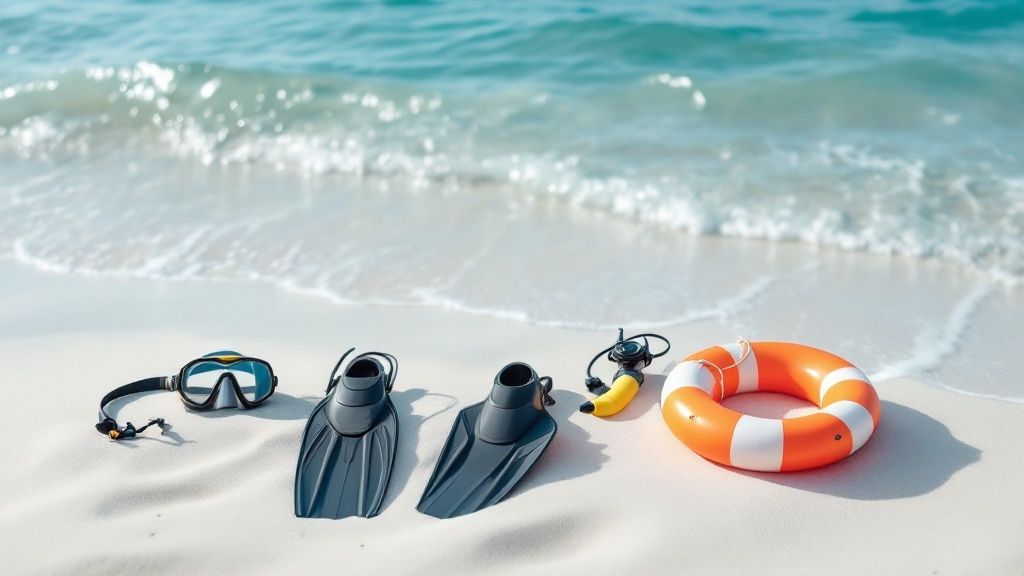
- Mask and Snorkel: A mask that fits your face perfectly is non-negotiable. It’s the difference between a comfortable, leak-free dive and constant frustration. This is the one piece of gear every single diver should own and bring.
- Dive Computer: You know your own computer—its settings, its alarms, its display. It's small, lightweight, and absolutely critical for your safety.
- Wetsuit: A 3mm or 5mm full wetsuit is all you'll need for the Big Island's temperatures. Bringing your own guarantees a good fit, but the rental options here are excellent if you'd rather save the luggage space.
What to Rent:
- Buoyancy Control Device (BCD): BCDs are big, bulky, and a pain to pack. This is the perfect item to rent. Any reputable dive shop will have high-quality, well-maintained rental BCDs.
- Regulators: Just like BCDs, regulators are heavy and awkward to travel with. Local dive operators service their rental regulators meticulously, so you can trust you're breathing on reliable gear.
- Tanks and Weights: These are always provided by the dive shop. You never, ever have to worry about bringing your own.
By renting the heavy stuff, you travel lighter and smarter, leaving room for the personal gear that really impacts your comfort and safety.
Prioritizing Safety on Your Dive Trip
Okay, let's talk about the most important thing: your safety. Kona’s conditions are incredible, but being a prepared, responsible diver is something you can't delegate. It starts with you and extends to the operator you choose to dive with.
A great dive operation is more than just a boat ride; it's a partnership in your safety and enjoyment. They should conduct thorough briefings, maintain their equipment impeccably, and employ experienced, professional divemasters who know the local sites inside and out.
Before you book with anyone, make sure you've checked these boxes:
- Get Dive Insurance: This is a must. Your regular travel or health insurance likely won't cover a diving accident. Companies like DAN (Divers Alert Network) provide specific policies that cover things like hyperbaric chamber treatments and other dive-related emergencies. Just get it.
- Choose a Reputable Operator: Don't just shop for the lowest price. Look for an operator with a solid safety record, great reviews, and a professional crew. Your life is literally in their hands, so choose wisely.
- Be Honest About Your Skills: Always dive within your training and comfort level. If it's been a year since your last dive, book a refresher. A good operator will respect your honesty and help you choose sites that are a great fit for your current experience.
Once you have these practical steps handled, you can truly relax and get excited for the incredible adventure waiting for you in the clear blue waters of the Big Island.
Your Big Island Diving Questions, Answered
Alright, let’s tackle some of the most common questions we hear from divers planning their trip. Getting these details ironed out ahead of time means you can spend less time worrying and more time getting excited for the incredible diving ahead.
What’s the Best Time of Year to Dive?
Honestly, there’s no bad time to dive on the Big Island. The water stays in a comfortable 75-80°F range all year long, and visibility is consistently good.
If you’re looking for the absolute calmest, glassiest ocean conditions, aim for the summer months from May to October. But if you’re here in the winter (December to March), you get a truly magical bonus: the chance to hear humpback whales singing during your dive and spot them from the boat.
Do I Need an Advanced Certification?
Nope! One of the best things about the Kona coast is how welcoming it is for divers of every skill level. You'll find plenty of calm, shallow reefs that are perfect for beginners or those just getting certified.
That said, if you are an experienced diver, you won't be bored. There are more challenging sites with dramatic lava tubes, deep archways, and unique topographies to explore. Any great dive shop, like Kona Honu Divers, will have trips designed for everyone, so you'll be well taken care of no matter your experience level.
Is the Manta Ray Night Dive Really Safe?
Absolutely. When you go with a professional and reputable operator, the Manta Ray Night Dive is an incredibly safe and well-organized experience. The divemasters give a very detailed briefing before you even get in the water.
They have established procedures at the sites to protect both the divers and the mantas. You'll settle in a designated spot on the sandy bottom, so it's a very controlled environment while these gentle giants glide effortlessly above you.
What Will I See Besides Mantas and Turtles?
The reefs here are buzzing with activity! You’re guaranteed to see an amazing variety of tropical fish, including some you can only find in Hawaii, like the milletseed butterflyfish.
Beyond that, it’s common to spot whitetip reef sharks resting on the sand, different kinds of eels (moray, viper, and dragon), octopuses cleverly camouflaged, and hard-to-find critters like frogfish. On deeper dives, you might even get a visit from dolphins or the occasional tiger shark. Every single dive is a new adventure.