
Picture this: you're descending into warm, impossibly clear turquoise water. Sunlight dances through the surface, lighting up ancient volcanic archways and coral gardens buzzing with life. This isn't a dream; it's just another day of scuba diving on the Big Island. From the world-famous Manta Ray Night Dive to the mysterious deep-ocean Blackwater Dives, Hawaii's Big Island delivers an underwater show you won't find anywhere else on the planet.
Why the Big Island Is a Diver’s Paradise
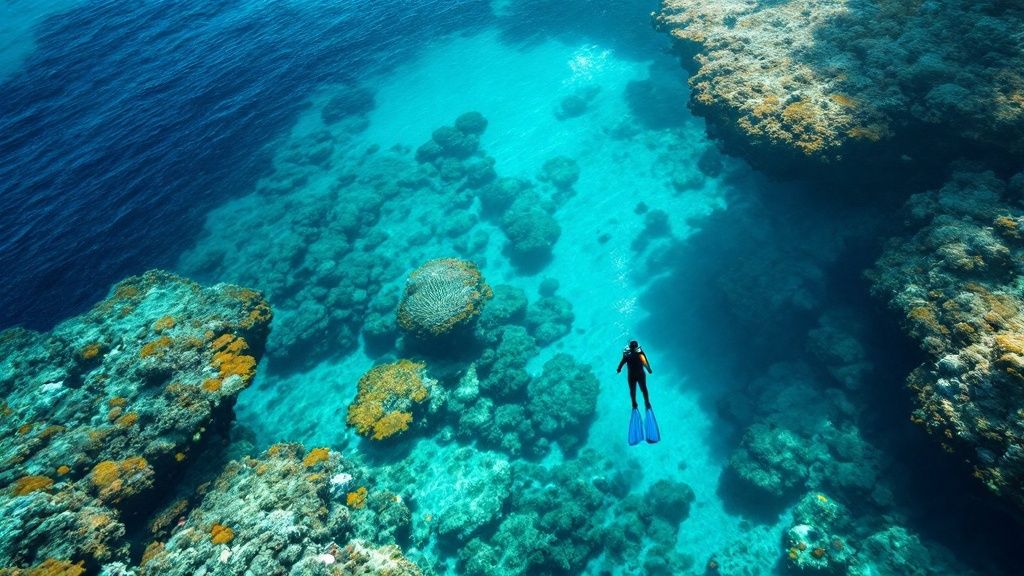
The Big Island isn’t just another pretty spot on the map; it’s a world-class diving destination literally forged by fire and home to incredible marine biodiversity. The island's Kona coast, specifically, is a diver's haven. It’s tucked behind the massive volcanoes of Mauna Loa and Hualalai, which act as a natural shield from the prevailing trade winds.
This protective barrier creates astonishingly calm and clear conditions. We're talking visibility that often pushes past 100 feet, making the underwater world feel wide open and accessible all year long. The volcanic geology has also created a dramatic and complex underwater playground full of lava tubes, intricate swim-throughs, and submerged craters that marine life loves to call home.
So, What Makes Kona Diving So Special?
Unlike a lot of premier diving destinations where you need long boat rides to get to the good stuff, the Big Island has bucket-list encounters just a stone's throw from the shore. The most legendary of these is the Manta Ray Night Dive, an experience so powerful people often call it life-changing.
Imagine kneeling on the ocean floor, watching as giant, graceful manta rays glide and swoop right over your head, feeding on plankton drawn to underwater lights. It’s a silent, mesmerizing ballet that has truly put Kona on the global diving map. For more information, check out our manta ray dive tours page.
The Big Island is a fantastic place to start your underwater journey. Its calm waters and incredible biodiversity make it one of the best spots in the world to get certified. If you're ready to take the plunge, you can explore some of the best scuba certification courses right here.
But the mantas are just the beginning. The island's ecosystem is packed with incredible marine life. On any given dive, you're likely to see:
- Hawaiian Green Sea Turtles (Honu): These calm, graceful creatures are a common and always welcome sight along the reefs.
- Spinner Dolphins: You'll often spot pods of them leaping and playing in the boat's wake on your way to and from dive sites.
- Vibrant Reef Fish: The Big Island is a hotspot for endemic species you won't see anywhere else, like the dazzling Milletseed Butterflyfish.
- Unique Invertebrates: Keep an eye on the lava rock crevices, where countless treasures like colorful nudibranchs and shy octopuses hide.
And for the adventurous souls looking for something completely different, the Kona Blackwater Dive is a trip into another dimension. You'll drift in the deep, dark ocean at night, watching as bizarre and beautiful bioluminescent creatures rise from the abyss. It feels less like diving and more like floating through outer space. Learn more about this unique experience on our Blackwater Dive tour page.
No matter your experience level, the sheer variety and easy access of Big Island scuba diving is second to none.
To give you a better sense of what's in store, here’s a quick breakdown of why this island is a must-visit for any diver.
Why Choose the Big Island for Your Next Scuba Adventure?
| Feature | What to Expect | Best For |
|---|---|---|
| Volcanic Topography | Explore dramatic lava tubes, arches, and underwater craters. A truly unique landscape. | Divers who love exploring interesting underwater structures. |
| Calm Kona Coast | Consistently clear and calm water with visibility often exceeding 100 feet. | All skill levels, from beginners to seasoned professionals. |
| Manta Ray Night Dive | A world-famous, once-in-a-lifetime encounter with giant, gentle manta rays. | Anyone looking for an unforgettable and magical experience. |
| Rich Biodiversity | See turtles, dolphins, and reef fish, including many species found only in Hawaii. | Underwater photographers and marine life enthusiasts. |
| Blackwater Diving | A thrilling night dive in the deep ocean to see rare, bioluminescent creatures. | Advanced divers seeking a unique and adventurous challenge. |
From easy-going reef dives to deep-ocean thrills, the Big Island truly has something for everyone. If you're ready to see what's waiting beneath the waves, take a look at our incredible diving tours and start planning your trip.
Planning Your Dive Trip Around the Seasons
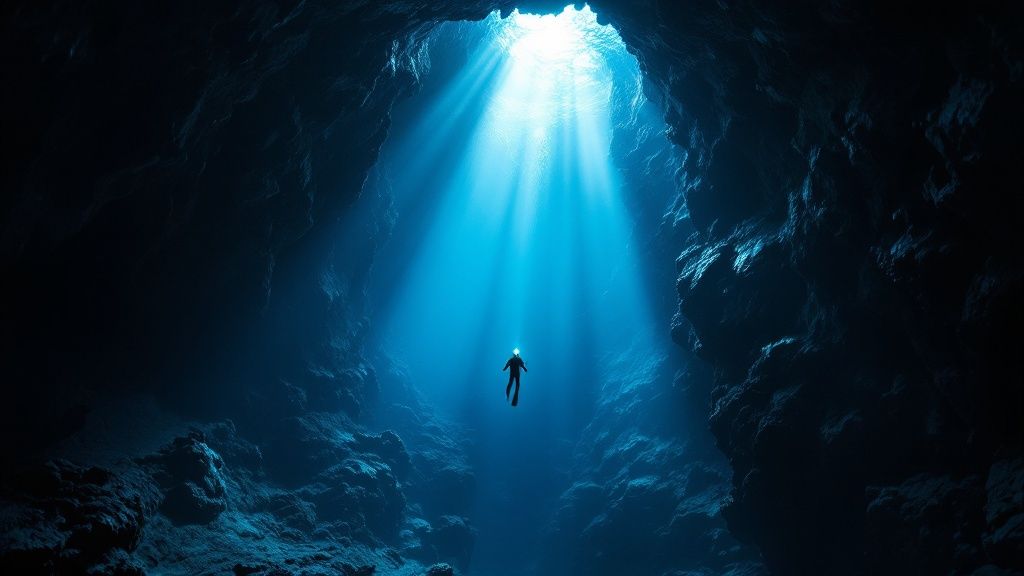
One of the absolute best things about Big Island scuba diving is that there’s really no “off-season.” The Kona coast is uniquely shielded from the worst of the weather, and Hawaii's climate keeps the underwater world amazing all year long. This incredible consistency gives you a ton of flexibility when planning a trip—you can focus more on the experience you want and less on trying to nail the perfect timing.
Water temperatures stay in a wonderfully comfortable range of 75°F to 80°F (24°C to 27°C), and it's not uncommon for visibility to stretch past 100 feet. Sure, you might want a slightly thicker 3mm wetsuit for the winter months, but the conditions are always welcoming. The real differences between the seasons are more about the unique character each one brings to the table.
Summer Diving: The Calmest Season
From May to September, the Kona coast generally sees its calmest ocean conditions. The water can be as flat as glass, and the boat rides are exceptionally smooth. This makes summer the perfect time for brand-new divers getting certified or anyone who just wants a super relaxing, easy-going dive vacation. The predictable weather is ideal for booking multi-day dive packages without worrying about cancellations.
The consistent calm of the summer season provides an excellent training ground for new divers and a serene environment for underwater photographers aiming for that perfect, undisturbed shot.
The warm, tranquil water also makes the reefs explode with activity. You’ll see the coral gardens just buzzing with life, turning every single dive into a vibrant underwater show.
Winter Diving: The Season of Whales
Planning your trip between December and March adds an unforgettable, almost magical, element to your dives: humpback whales. While you're exploring a lava tube or watching a manta ray, you can often hear the haunting songs of male humpbacks echoing through the water. They migrate here to breed and give birth, and their presence adds a powerful, humbling dimension to the experience.
Even though winter can bring bigger swells to other parts of Hawaii, the Kona coast stays remarkably protected. Local dive operators are absolute pros at finding the best, calmest spots to drop in. It's still smart to keep an eye on the forecast, and you can learn how to check ocean conditions for the Big Island to get a good sense of what to expect. For many of us, that chance to hear whale song makes winter the most special time to dive here.
Ultimately, it doesn't matter when you come. The Big Island is always ready to deliver an incredible underwater adventure. The only real question is whether you prefer the glassy calm of summer or the awe-inspiring soundtrack of winter.
Exploring the Big Island’s Top Dive Sites
The Kona coast is basically a treasure chest for divers. The island’s volcanic origins have created a stunning underwater landscape full of lava tubes, dramatic arches, and sprawling reefs that are teeming with life. It doesn't matter if you're blowing your first bubbles or have hundreds of dives logged; the Big Island scuba diving scene has something that will genuinely amaze you.
While there are dozens of fantastic spots to explore, a few have become legendary for good reason. These aren't just dive sites; they're signature Big Island experiences. Let's dive into the absolute must-sees on the Kona coast.
The World-Famous Manta Ray Night Dive
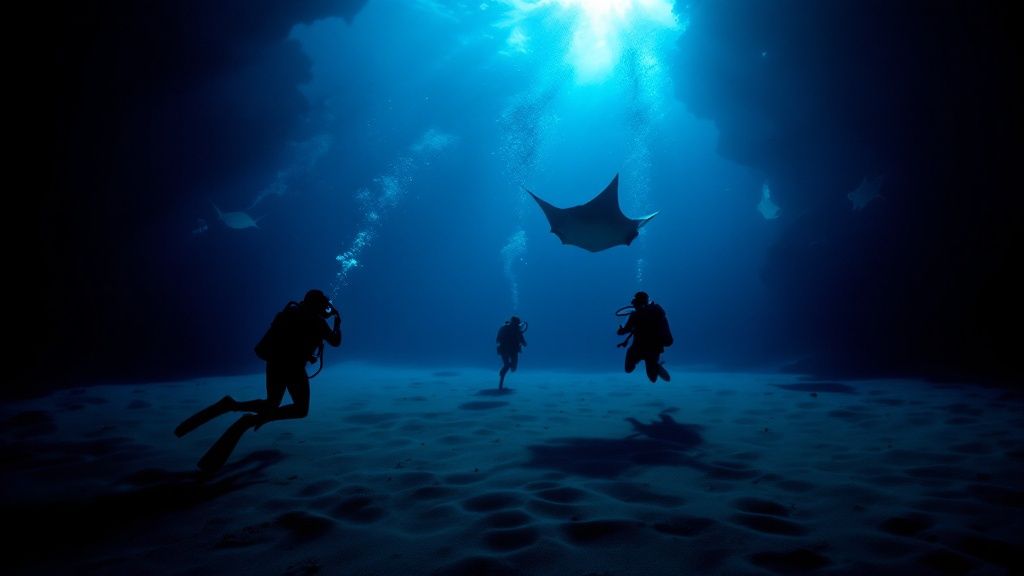
You can't talk about diving in Kona without starting here. The Manta Ray Night Dive is consistently ranked as one of the best dives on the planet, and it’s an experience that borders on spiritual. Once the sun goes down, you'll descend to a sandy spot on the ocean floor, usually around 30-40 feet, and settle in.
Powerful lights are set up in the center of the group, which immediately attract clouds of plankton. And then, the show begins. Out of the darkness, giant manta rays, some with wingspans stretching over 12 feet, glide in. They perform a silent, acrobatic ballet, swooping and somersaulting through the light beams to feed, often coming within inches of your mask.
There’s really no way to describe the feeling of one of these gentle giants soaring right over your head. It’s humbling, awe-inspiring, and connects you to the ocean in a way few other experiences can.
This dive happens at a few reliable spots like Manta Village and Garden Eel Cove. The best part? Sightings are incredibly consistent, with a success rate of over 90% year-round. It’s the quintessential Kona dive. See it for yourself on one of our manta ray dive tours.
Crescent Beach: A Turtle Sanctuary
If you're looking for that classic Hawaiian reef dive, Crescent Beach (also known as Honokohau) is the place to be. This site is famous for its huge population of Hawaiian Green Sea Turtles, or honu. It's not uncommon to see a dozen or more on a single dive, casually munching on algae or relaxing at an underwater "cleaning station" where smaller fish pick them clean.
The underwater terrain is a beautiful mix of finger reefs and sand channels, which creates the perfect habitat for all sorts of marine life. Besides the turtles, keep an eye out for:
- Huge schools of bright yellow tangs
- White-tip reef sharks napping in the sand
- Expertly camouflaged frogfish hiding in plain sight
- Spinner dolphins, which often escort the boat on the ride out
With a comfortable maximum depth of about 45 feet, Crescent Beach is a fantastic, relaxing dive for all skill levels and a dream for underwater photographers.
Golden Arches and Lava Formations
Just like the name suggests, Golden Arches is a stunning collection of lava-formed archways you can actually swim through. Dropping in here feels like you're exploring a submerged cathedral. Sunbeams pierce through the openings in the rock, creating dramatic shafts of light that illuminate the schools of soldierfish and squirrelfish hiding inside.
This spot really shows off the Big Island's volcanic geology. All the complex structures provide perfect homes for moray eels, octopuses, and tiny, vibrant nudibranchs. The main arch is big enough for a few divers to swim through together, making for an unforgettable photo op. It’s a definite favorite for anyone who loves exploring unique underwater terrain. For more experienced divers, we offer a range of advanced dive tours to explore sites like these.
The Ultimate Adventure: The Kona Blackwater Dive
For the truly adventurous diver, the Kona Blackwater Dive is something else entirely. This isn't a reef dive. At all. Instead, your boat heads miles offshore, over thousands of feet of water. You descend to about 50 feet at night and simply drift in the open ocean, tethered to the boat for safety.
The magic happens when bizarre, wonderful creatures from the deep migrate toward the surface to feed. You'll float alongside a parade of bioluminescent, alien-like organisms, many of which are in their tiny larval stages. It feels less like diving and more like spacewalking through another dimension.
Because of its unique environment, blackwater diving is best for experienced divers with solid buoyancy control and who are comfortable in the dark. It’s a challenging but incredibly rewarding experience. Find out more on our Blackwater Dive page.
The clear water, one-of-a-kind volcanic topography, and sheer abundance of marine life are what make Big Island scuba diving so special. With visibility often exceeding 100 feet, every site is spectacular. You can get even more insight and read trip reports on sites like ScubaBoard.com. These elements come together to make every dive here a true adventure. Learn more about the variety of dive sites on the Big Island in our complete guide.
Finding the Right Dive Operator in Kona
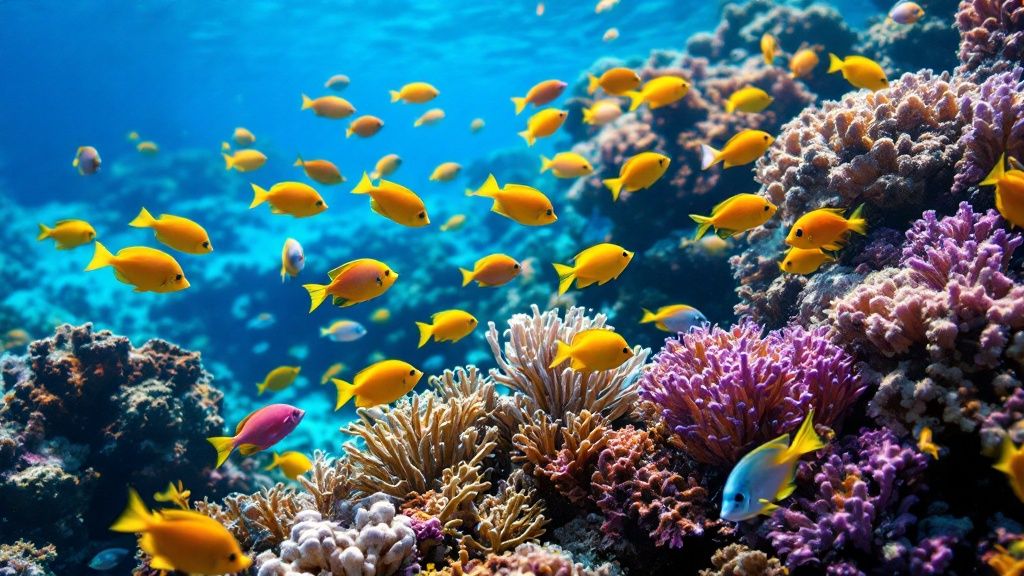
Picking the right company for your Big Island scuba diving trip is just as important as picking the right dive site. Your dive operator is your guide, your safety net, and your key to unlocking the best underwater experiences Kona has to offer. A great one makes for an unforgettable trip, while a subpar one can ruin the whole thing.
Think of it this way: a good dive shop does more than just fill tanks and drive a boat. They’re the local experts who know the currents, where the marine life is hiding, and how to keep you safe. They provide well-maintained gear and have a genuine respect for the ocean. So, how do you find the good ones?
Key Factors in Selecting a Dive Shop
When you're vetting dive shops in Kona, a few things should be at the top of your checklist. These aren't just suggestions; they're the bedrock of a safe and amazing dive.
First up, safety and certification. Make sure any shop you consider is affiliated with a major training agency like PADI (Professional Association of Diving Instructors) or SSI (Scuba Schools International). This isn’t just a logo on their window; it means they’re held to rigorous global standards for safety and training.
Next, look at group size. You’ll almost always have a better time with a smaller diver-to-guide ratio. It means more personal attention from your guide and a much less crowded view of the reef. After all, you’re there to see fish, not another diver’s fins.
A dive operator's commitment to the ocean is a direct reflection of their professionalism. Shops that actively participate in conservation efforts and enforce responsible diving practices are not just good for the reef—they’re good for divers, too.
Finally, check for a real commitment to marine conservation. The best operators are stewards of the reef. They'll give you clear instructions on how to interact with wildlife (hint: never touch the turtles or manta rays) and lead by example.
Kona Honu Divers: A Top-Tier Choice
When it comes to putting all the pieces together—safety, expertise, and a true love for the ocean—Kona Honu Divers really stands out. Their team has a staggering 200+ years of combined experience, and they’ve earned a rock-solid reputation on the island.
They are known for keeping their groups small, which makes a huge difference in the water. Whether you’re a new diver feeling a little anxious or a seasoned pro looking for a challenge, their guides know how to make the dive work for everyone.
What’s more, Kona Honu Divers is serious about protecting Hawaii's underwater world. Their pre-dive briefings are thorough and focus on responsible diving, ensuring the reefs stay beautiful for years to come. Their passion shines through in everything they do. But don't just take our word for it; see what other divers are saying.
Other Reputable Operators in Kona
While we’re big fans of Kona Honu Divers, there are several other excellent and long-standing dive shops on the coast. Knowing your options is always a good idea.
- Jack's Diving Locker: A true Kona institution, Jack’s Diving Locker has been running trips since 1981. They’re a larger operation with several boats, offering a huge variety of tours and courses for every skill level.
- Big Island Divers: Another highly respected shop, Big Island Divers is praised for its professional crew and friendly vibe. They run all the classic Kona charters, including the can't-miss manta ray night dive.
Both of these operators have a great track record for safety and happy customers, making them reliable choices for your dive adventure. Check out their reviews below.
Ultimately, spending a little time researching your dive operator is an investment that pays off big time. It's the difference between just going for a dive and having a truly incredible underwater experience.
How to Get Scuba Certified on the Big Island
If you've ever imagined what it's like to breathe underwater, there's simply no better place to get certified than the Big Island. The warm, clear waters along the Kona coast are less like a training ground and more like a natural, vibrant aquarium. Getting certified is your golden ticket to exploring this incredible world firsthand.
The gold standard for scuba certifications worldwide is the PADI Open Water Diver course. Think of it as your passport into the diving community. This course gives you all the fundamental skills and knowledge to dive with confidence and, most importantly, to do it safely. The whole process is broken down into three simple parts that make learning feel totally natural.
The Path to Certification
Getting certified is a pretty straightforward process that combines book smarts with real, hands-on practice. Here’s a look at what you can expect.
-
Knowledge Development: This is the "classroom" part. The great news is you can knock this out online with PADI eLearning before you even pack your bags for Hawaii. You'll cover the basics—things like how pressure affects your body, how to plan a dive, and what all that cool gear actually does.
-
Confined Water Dives: Once you’ve got the theory down, it's time to get wet. You’ll head to a calm, controlled spot like a swimming pool or a quiet, shallow bay. Your instructor will walk you through essential skills, like clearing water out of your mask and learning to float effortlessly, until they become second nature.
-
Open Water Dives: Now for the fun part! This is where it all comes together. You'll complete four dives out in the actual ocean, with your instructor right there beside you. You’ll put your new skills to the test while exploring Kona’s incredible reefs, and it’s not uncommon to spot sea turtles or schools of colorful fish on these very first dives.
Choosing to get certified on the Big Island means your very first underwater breaths are in world-class conditions. Instead of a murky lake, your training ground is a thriving coral reef. It makes learning an unforgettable experience right from the start.
Why Certify in Kona?
Honestly, the advantages of learning to dive in Kona are huge. The water is almost always calm and incredibly clear, which helps build your confidence fast. You can focus on mastering your skills without having to fight strong currents or squint through poor visibility. Plus, the amazing marine life you see on every dive is all the motivation you'll need.
Diving is incredibly safe, but it’s always smart to be prepared. While you're focused on your scuba skills, remember that broader safety knowledge, like a proper CPR certification, is a valuable asset for any diver to have.
Once you nail your open water dives, you'll earn your PADI Open Water Diver card. It's recognized all over the world and certifies you to dive with a buddy down to 60 feet (18 meters). A lifetime of underwater adventures is suddenly yours to explore.
Ready to take the plunge? The local dive shops here offer fantastic programs that will get you started on the right foot. You can explore a Kona scuba certification course to find one that fits your vacation schedule.
The Legacy of Diving on the Big Island
The incredible Big Island scuba diving scene we know today didn't just pop up out of nowhere. It's built on a foundation of passion, relentless exploration, and a pioneering spirit that goes back decades. Understanding this history gives you a real appreciation for the vibrant dive community here and the effort that’s gone into protecting this underwater world.
The story really gets going in the early 1980s. Back then, scuba was transitioning from a niche hobby for the ultra-adventurous into something more people wanted to try. A few visionaries looked at the calm, clear waters of the Kona coast and saw the untapped paradise hiding just below the surface.
The Pioneers of Kona Diving
You can't talk about Kona's diving history without mentioning pioneers like Jack Clothier. When he and his wife Tina opened Jack's Diving Locker in 1981, they didn't just open a shop—they opened the door for a generation of divers. Jack was already a well-respected name, and his move to Kona put the Big Island on the map for enthusiasts from all over the world.
His shop became an anchor for the local dive culture, helping to establish the standards and community that make Kona so special today. You can read more about the island's famous manta dives in this Oceanographic Magazine article.
From Discovery to Global Phenomenon
The world-famous manta ray night dive is the perfect example of this evolution from discovery to icon. It started with a simple observation: the lights from a hotel were attracting plankton to the water's surface, and the giant mantas were showing up for a feast.
Early dive operators realized they had stumbled upon something magical. Instead of just exploiting it, they carefully developed a sustainable, awe-inspiring experience to share with the world. This thoughtful stewardship is the true legacy of Kona diving. It's a history built on a deep respect for the ocean, not just on adventure. Every time you drop beneath the waves here, you’re becoming part of a tradition that has been carefully protected for generations.
Your Big Island Diving Questions, Answered
Planning a dive trip always brings up a few questions. I get them all the time. Let's run through some of the most common ones to get you ready for your underwater adventure on the Big Island.
What Should I Actually Pack for My Dive Trip?
I always tell people to bring their own mask and dive computer if they have them. There's nothing like the comfort and familiarity of your own gear. Most shops here will give you a standard 3mm wetsuit, which is usually perfect for the 75-80°F water, but if you run cold or just love your own suit, it's worth bringing.
Don't forget the surface essentials, either. A good hat and polarized sunglasses are lifesavers on the boat. And please, help us protect what we love. Taking a moment for understanding what reef-safe sunscreen is and using it makes a huge difference for our fragile coral reefs.
Is Kona Really a Good Place for Beginner Divers?
Absolutely, it’s one of the best. The Kona coast is naturally sheltered, which means the waters are typically calm and clear. It’s the perfect place to get your fins wet for the first time.
We have tons of beautiful, shallow reef sites with almost no current, which lets you focus on your skills and just enjoy the scenery. Every reputable dive operator here keeps groups small and puts safety first, so you'll be in great hands.
Do I Have to Be a Certified Diver for the Manta Ray Night Dive?
Nope! This is one of the best parts—it's an experience for everyone. While certified divers get to watch the show from the seafloor, snorkelers have their own amazing view.
You'll float on the surface, holding onto a custom-built light board that attracts the plankton. The mantas swoop and barrel-roll right underneath you to feed. It's an incredible, face-to-face encounter you'll never forget, no certification required.
Besides Manta Rays, What Else Will I See Down There?
The marine life around the Big Island is just incredible. The mantas might be the headliners, but the supporting cast is world-class. On any given dive, you have a great chance of spotting:
- Hawaiian green sea turtles, or honu, cruising by or resting on the reef.
- Pods of playful spinner dolphins, which often race alongside the dive boats.
- White-tip reef sharks, usually just chilling out on sandy patches during the day.
- A kaleidoscope of colorful reef fish, many of which are endemic, meaning you can only find them here in Hawaii.
Ready to see it all for yourself? At Kona Honu Divers, we live and breathe Big Island scuba diving. From the world-famous Manta Ray Night Dive to exploring ancient lava tubes, our experienced crew is here to guide you. Let's get you in the water and show you the magic of Kona.