
The Big Island of Hawaii isn't just famous for its volcanoes and stunning landscapes; it's a world-class destination for unforgettable underwater adventures. The Kona coast, in particular, offers some of the most spectacular and diverse diving in the Pacific. Protected from the trade winds, its waters are typically calm and exceptionally clear, revealing a vibrant world of ancient lava tubes, pristine coral reefs, and unique marine life.
This guide provides a complete roundup of the absolute must-see sites for Big Island scuba diving, ensuring your underwater journey is nothing short of breathtaking. We'll cover everything from the world-famous Manta Ray Night Dive to advanced deep-water excursions, helping you choose the perfect dive for your skill level and interests. As you explore these options, consider booking with a top-rated operator like Kona Honu Divers, known for their experienced crew and commitment to safety. They offer diving tours to many of the sites listed here and have garnered thousands of five-star reviews for their exceptional service.
1. Kealakekua Bay (Captain Cook Monument)
Kealakekua Bay is a must-visit for anyone serious about Big Island scuba diving. As a protected Marine Life Conservation District, its waters are pristine and teeming with life, offering visibility that frequently surpasses 100 feet. The bay is home to some of the most vibrant and well-preserved coral reef structures in Hawaii, which in turn support a staggering diversity of marine creatures.
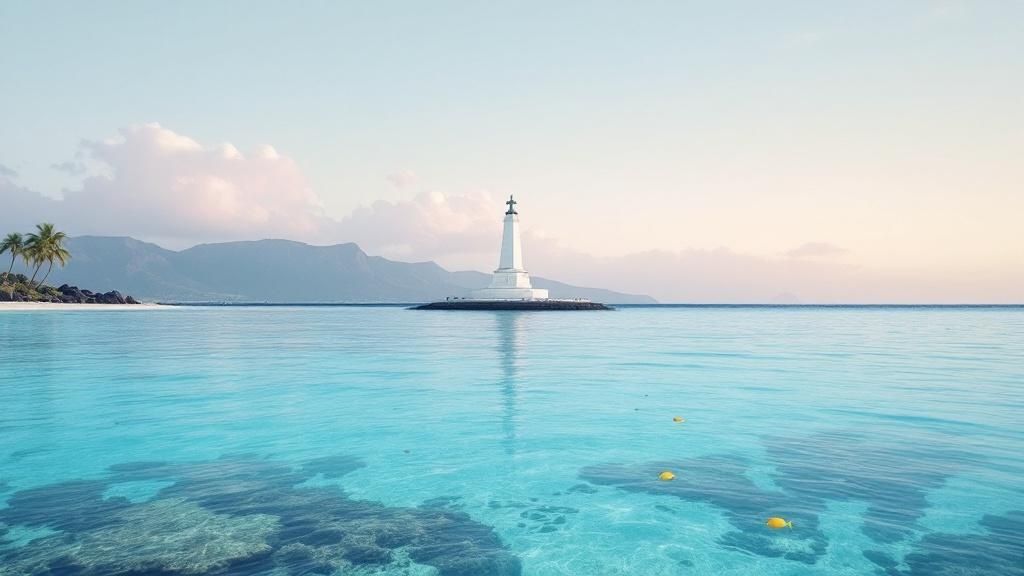
This historic site, where Captain James Cook was killed in 1779, is marked by a prominent white obelisk. The dramatic underwater topography features a steep drop-off, creating a stunning wall dive that attracts schools of spinner dolphins, colorful reef fish like butterflyfish and parrotfish, and even Hawaiian green sea turtles. Its legendary status was cemented by figures like Jacques Cousteau, who showcased its underwater wonders to the world.
Why Dive Here
- Pristine Conditions: The bay's protected status ensures the coral is healthy and marine life is abundant.
- Exceptional Visibility: Calm, clear water provides incredible underwater photo and video opportunities.
- Rich Biodiversity: Encounter everything from tiny nudibranchs to large pods of spinner dolphins.
Pro Tips for Your Dive
Access to the best parts of the bay is almost exclusively by water. Booking a guided boat tour is the most effective way to experience the dive site and ensures you reach the prime locations safely. Consider one of the Kealakekua Bay snorkeling tours on konahonudivers.com for an expertly guided trip. Always use reef-safe sunscreen to protect the delicate ecosystem and respect the area's profound cultural significance. Morning dives typically offer the calmest conditions and best visibility.
2. Manta Ray Night Dive (Kona Coast)
Hailed as one of the most unforgettable underwater encounters in the world, the Manta Ray Night Dive is the pinnacle of Big Island scuba diving. This surreal experience involves watching majestic Pacific Manta Rays, with wingspans reaching over 16 feet, glide and barrel roll through the water. Dive operators set up powerful underwater lights on the seafloor, which attract massive clouds of plankton, the mantas' primary food source. Divers and snorkelers gather around this "campfire" and watch in awe as the gentle giants feed just inches away.
This incredible spectacle, featured in documentaries by National Geographic and the BBC, is a well-managed and eco-conscious tourist activity. Local pioneers like Keller Laros have established strict guidelines to ensure the safety and well-being of the manta ray population, making it a model for sustainable marine tourism. The feeling of a massive manta ray gracefully soaring directly overhead is a truly humbling and magical moment that defines Kona's dive scene.
Why Dive Here
- Once-in-a-Lifetime Encounter: There are few places on Earth where you can get this close to giant manta rays in their natural habitat.
- Incredible Photo/Video: The controlled lighting and close proximity provide unparalleled opportunities for stunning underwater photography.
- Accessible to All: With both scuba and snorkeling options available, almost everyone can participate in this amazing experience.
Pro Tips for Your Dive
Choosing a reputable, Manta Ray Green Listed operator is crucial for a safe and ethical experience. Book your manta ray dive tour on konahonudivers.com to ensure you are with a responsible provider. Remember to remain stationary on the bottom and never touch or chase the mantas; let them come to you. If you are prone to seasickness, take medication beforehand as the boat will be anchored for the duration of the dive. An underwater camera with a red filter can help capture the scene’s true colors.
3. Black Water Diving (Kona Coast)
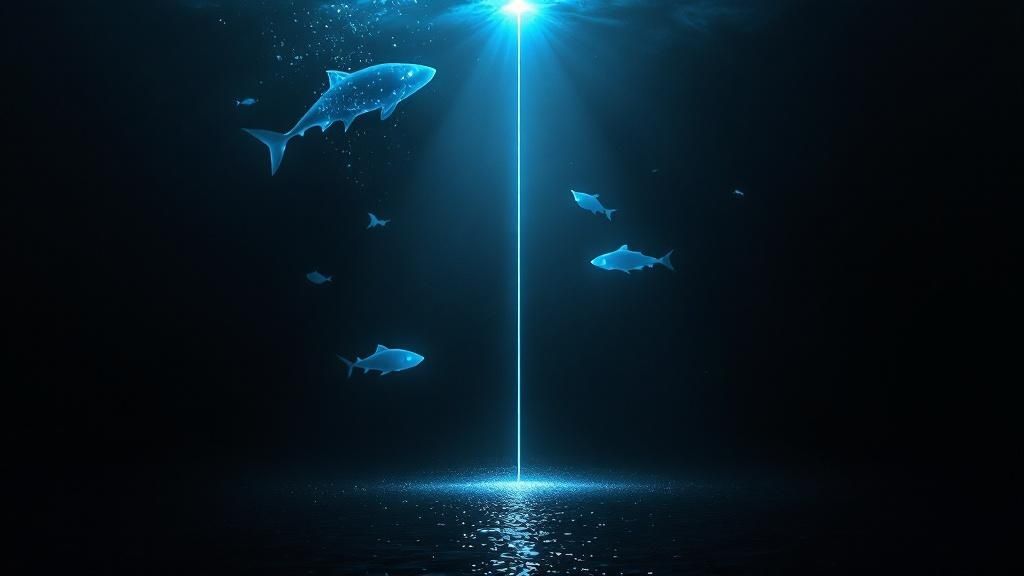
For a truly otherworldly Big Island scuba diving experience, black water diving offers a glimpse into a hidden universe. This unique advanced night dive takes you miles offshore over thousands of feet of water. Divers descend to a depth of 40-60 feet along a weighted line, suspended in the vast, dark ocean. Powerful lights attract an incredible array of bioluminescent and rarely-seen pelagic creatures as they migrate from the deep sea toward the surface to feed under the cover of darkness.
Pioneered for recreational divers by experts like Jeff Milisen and Kona Honu Divers, this dive is like a safari in outer space. You will encounter bizarre, beautiful, and often translucent larval creatures, deep-water squid, and other organisms that spend their entire lives in the open ocean. Featured in publications like Scuba Diving Magazine, it’s an unparalleled opportunity for underwater photographers and marine life enthusiasts to witness a part of the ocean few ever get to see. This advanced dive offers a chance to see some of the most unique creatures on the planet.
Why Dive Here
- Encounter Rare Species: See bizarre and beautiful deep-sea organisms in their natural habitat.
- Unique Photography: Capture images of translucent, bioluminescent, and larval-stage creatures.
- Ultimate Adventure: Experience the thrill of diving in the vast, open ocean at night.
Pro Tips for Your Dive
This is an advanced dive that requires excellent buoyancy control and comfort in the open ocean at night. An Advanced Open Water certification is typically the minimum requirement. It is crucial to dive with an experienced, reputable operator who specializes in this activity. Mental preparation is key to enjoying the experience of being suspended in the immense deep. A powerful primary dive light is essential. Learn more about the Kona blackwater dive tour on konahonudivers.com to prepare for this incredible adventure.
4. Cathedrals I & II (South Kona)
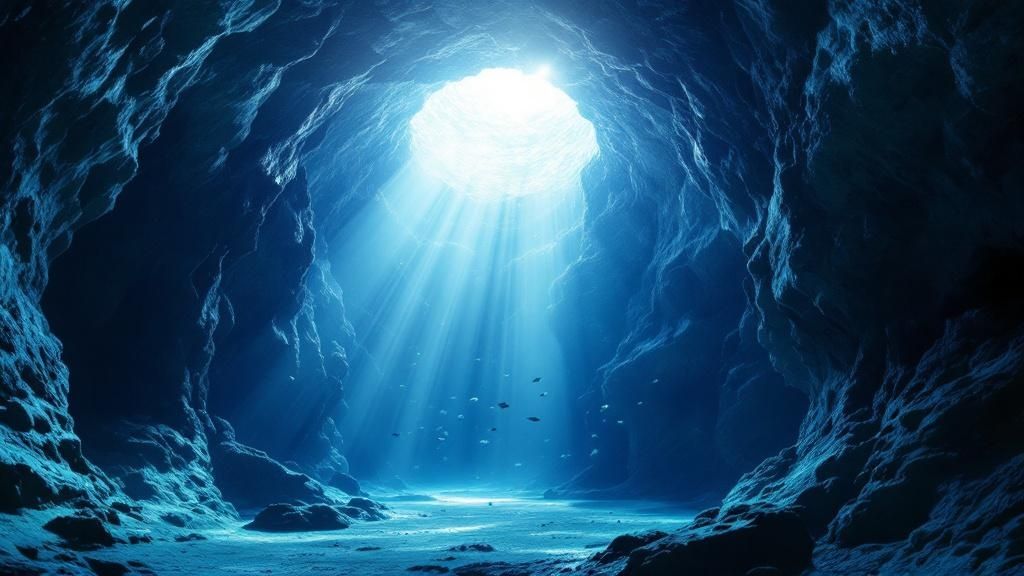
For a truly unique Big Island scuba diving experience, Cathedrals I & II in South Kona are unparalleled. These iconic underwater formations are defined by dramatic lava tube caverns and swim-throughs. Sunlight filters through openings in the ceiling, creating ethereal, cathedral-like beams of light that illuminate the vast underwater chambers and make for a breathtaking spectacle.
The intricate lava rock architecture provides a perfect habitat for a diverse array of marine life. Divers can expect to see schools of tropical fish, reclusive eels peeking from crevices, and various invertebrates clinging to the walls. These sites, often featured in guidebooks and used for advanced open water training, offer a perfect blend of geological wonder and vibrant biodiversity, making them a favorite among local dive operators and underwater photographers.
Why Dive Here
- Dramatic Topography: Explore massive underwater caverns and lava tube swim-throughs.
- Unique Lighting: Witness stunning light rays that create a magical, otherworldly atmosphere.
- Abundant Marine Life: The complex structures provide shelter for a wide range of aquatic creatures.
Pro Tips for Your Dive
Excellent buoyancy control is essential for navigating the swim-throughs safely and avoiding contact with the fragile lava rock. Bringing a reliable dive light is highly recommended to explore the darker corners of the caverns and spot hidden critters. Always be mindful of potential surge and current conditions, especially near the entrances. These sites are ideal for more experienced divers, and booking a spot on an advanced dive trip ensures you have expert guidance.
5. Turtle Pinnacle (South Kona)
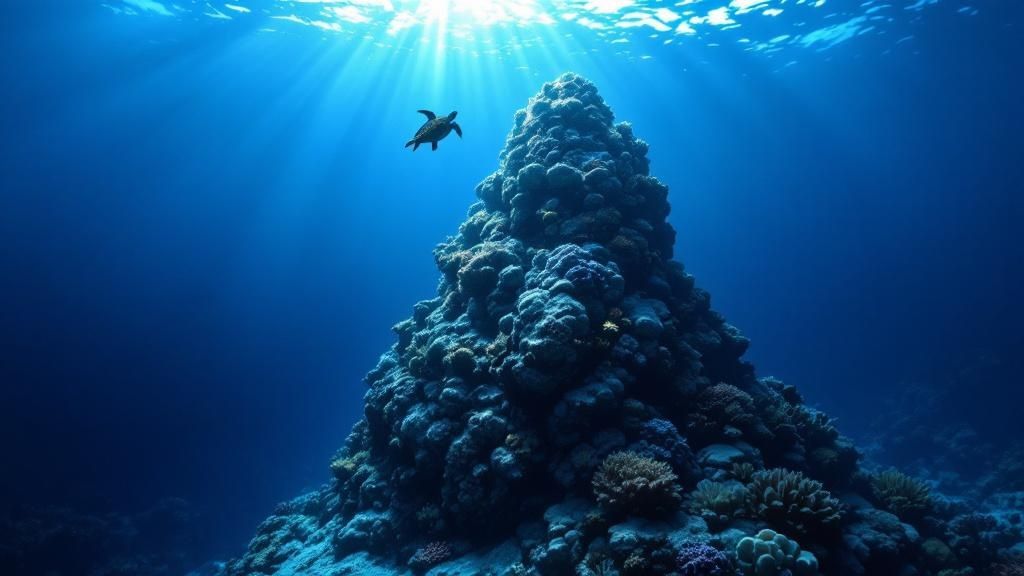
For a truly memorable encounter with Hawaii's iconic honu, Turtle Pinnacle in South Kona is an essential stop for any Big Island scuba diving enthusiast. This unique dive site features a submerged lava pinnacle that ascends from the ocean floor to just 15 feet below the surface. This structure acts as a "cleaning station," where Hawaiian green sea turtles gather to have their shells cleaned by algae-eating reef fish, providing an unparalleled opportunity to observe them up close in their natural habitat.
The site's topography and nutrient-rich currents create a thriving ecosystem. Beyond the abundant turtles, divers can expect to see vibrant coral gardens, schools of tropical fish, and occasionally even manta rays or eagle rays gliding by. Because the conditions can sometimes be challenging, this spot is often favored by advanced diving groups and underwater photographers who are prepared for potential currents and want to capture incredible turtle behavior.
Why Dive Here
- Turtle Cleaning Station: Witness the fascinating symbiotic relationship between turtles and reef fish.
- Unique Topography: Explore a dramatic underwater lava pinnacle that attracts a high concentration of marine life.
- Photographer's Dream: Capture stunning images of numerous turtles in a beautiful coral setting.
Pro Tips for Your Dive
This dive often involves drift diving techniques and is best suited for those with advanced certification due to potential currents. Consider an advanced dive tour with experienced guides who know the site well. Always maintain a respectful distance of at least 10 feet from the turtles to avoid stressing them. The pinnacle is a delicate ecosystem, so excellent buoyancy control is crucial to avoid damaging the coral or disturbing the wildlife.
6. Puako Coral Gardens
Located on the sunny Kohala Coast, Puako Coral Gardens is a premier destination for Big Island scuba diving, especially for those who prefer shore entry. This expansive and relatively shallow reef system is celebrated for its incredible coral diversity and health, featuring large, intricate formations that create a stunning underwater landscape. Its accessibility and typically calm conditions make it a favorite among both novice and experienced divers.
The vibrant reef is a bustling metropolis for marine life. Divers can expect to see abundant schools of reef fish, such as yellow tangs and butterflyfish, weaving through the coral heads. Hawaiian green sea turtles are frequent visitors, often seen resting on the bottom or cruising gracefully over the reef. The site's pristine condition makes it a focal point for marine biology education programs and coral restoration research projects.
Why Dive Here
- Easy Shore Access: One of the Big Island's top shore dives, offering convenience and flexibility.
- Exceptional Coral Health: Witness a thriving reef with a wide variety of hard and soft coral species.
- Abundant Turtle Sightings: The area is a well-known habitat for Hawaiian green sea turtles.
Pro Tips for Your Dive
Arrive early to secure a parking spot, as this popular site can get busy. Due to the shallow nature of the reef, impeccable buoyancy and careful finning techniques are essential to avoid damaging the delicate coral. Always use reef-safe sunscreen to protect the ecosystem. This location is one of the best shore diving spots on the island; you can learn more about the best shore diving on the Big Island on konahonudivers.com for a complete guide.
7. Red Hill (South Kona)
For experienced divers seeking a more challenging and dramatic underwater landscape, Red Hill in South Kona is a premier destination for Big Island scuba diving. This advanced site is defined by its striking underwater volcanic formations, featuring steep drop-offs, arches, and intricate lava tubes. The site's name comes from the distinctive reddish hue of the volcanic rock, creating a stunning backdrop for underwater photographers.
The powerful topography attracts a different class of marine life than the calmer bays. Here, divers are more likely to encounter larger pelagic species patrolling the deep blue, such as whitetip reef sharks, eagle rays, and large schools of jacks. Its reputation as a thrilling and sometimes unpredictable dive makes it a favorite among local advanced diving communities and those looking for an adrenaline-fueled underwater adventure away from the crowds.
Why Dive Here
- Dramatic Topography: Explore a unique landscape of lava tubes, steep walls, and arches.
- Pelagic Encounters: Higher chances of spotting sharks, rays, and other large open-ocean species.
- Advanced Challenge: Offers a rewarding experience for seasoned divers comfortable with depth and potential currents.
Pro Tips for Your Dive
This site is not for beginners; an Advanced Open Water certification is required, and experience with currents is highly recommended. Due to its challenging conditions, it is crucial to dive with an experienced local guide. Consider booking an advanced dive trip with a reputable operator that frequents the site. Always dive conservatively, monitor your depth and no-decompression limits closely, and be prepared for changing conditions. Proper exposure protection is also essential for a comfortable and safe dive.
Top 7 Big Island Scuba Dive Sites Comparison
| Site | Implementation Complexity 🔄 | Resource Requirements ⚡ | Expected Outcomes 📊 | Ideal Use Cases 💡 | Key Advantages ⭐ |
|---|---|---|---|---|---|
| Kealakekua Bay (Captain Cook Monument) | Moderate (boat/kayak or hike access) | Medium (boat tours or kayak rentals) | Excellent snorkeling/diving visibility, rich marine life | Beginners to all skill levels, cultural interest | Best visibility, protected ecosystem, historic site |
| Manta Ray Night Dive (Kona Coast) | Moderate to High (night diving skills) | High (certification, specialized lighting) | Unique manta ray encounters, memorable night experience | Certified divers/snorkelers seeking rare wildlife | Virtually guaranteed manta encounters, year-round |
| Black Water Diving (Kona Coast) | High (advanced night open ocean diving) | Very High (advanced certifications, gear) | Encounters with rare deep-sea pelagic species | Advanced divers, underwater photographers | Rare species sightings, cutting-edge dive experience |
| Cathedrals I & II (South Kona) | Moderate (boat dive, some swim-throughs) | Medium (boat, dive light recommended) | Dramatic lava caverns, diverse marine life | Intermediate divers seeking geological features | Unique lava tube formations, varied dive profiles |
| Turtle Pinnacle (South Kona) | High (advanced skills, drift & currents) | Medium to High (boat access, safety gear) | Frequent turtle sightings, diverse marine ecosystem | Advanced divers wanting turtle encounters | High turtle encounter probability, nutrient rich |
| Puako Coral Gardens | Low (shore access, easy entry) | Low (own gear or rentals) | Pristine coral reef snorkeling/diving | Beginners and family-friendly snorkeling/diving | Easy shore access, excellent coral diversity |
| Red Hill (South Kona) | High (advanced diving, currents) | Medium to High (boat, advanced gear) | Exciting volcanic topography, pelagic species encounters | Experienced divers seeking technical challenges | Dramatic topography, large marine animal sightings |
Ready to Dive In? Plan Your Big Island Adventure Today!
The volcanic coastlines of Hawaii’s largest island conceal an aquatic kingdom brimming with life, color, and unparalleled adventure. From the legendary ballet of the Manta Ray Night Dive to the surreal, alien-like creatures found on a Black Water Dive, the diversity of experiences is truly astounding. We’ve explored everything from the vibrant coral gardens of Puako to the dramatic lava formations at Red Hill, each site offering a unique story and a chance to connect with the island’s thriving marine ecosystem.
This guide has equipped you with the knowledge to navigate the premier destinations for big island scuba diving, but the real journey begins when you get in the water. To truly unlock the magic of these sites, partnering with a knowledgeable, safety-focused guide is essential. Experienced local operators not only ensure your dive is secure but also know precisely where to find the most spectacular underwater phenomena, from hidden turtle cleaning stations to elusive frogfish. They transform a good dive into an unforgettable one.
Whether you're a seasoned diver seeking the challenge of an advanced dive tour or a newcomer ready to take your first breath underwater, the Kona coast has a world-class adventure waiting for you. The key is to move from planning to action. Select the dives that excite you most, choose a reputable charter that aligns with your values, and commit to creating memories that will last a lifetime. The vibrant reefs, ancient lava tubes, and majestic marine life are calling.
Ready to experience the best big island scuba diving for yourself? The award-winning team at Kona Honu Divers is passionate about sharing the magic of Hawaii's underwater world through safe, fun, and eco-conscious tours. Explore their full range of diving tours and book your adventure with a crew dedicated to making every dive extraordinary.