
Welcome to the incredible underwater world of Hawaii's Big Island, a top-tier destination for divers from all corners of the globe. Big Island scuba diving is really defined by its one-of-a-kind volcanic topography, exceptionally clear waters, and a staggering amount of biodiversity. The Kona Coast, in particular, is a diver's dream, offering calm, protected conditions that make for fantastic year-round underwater adventures.
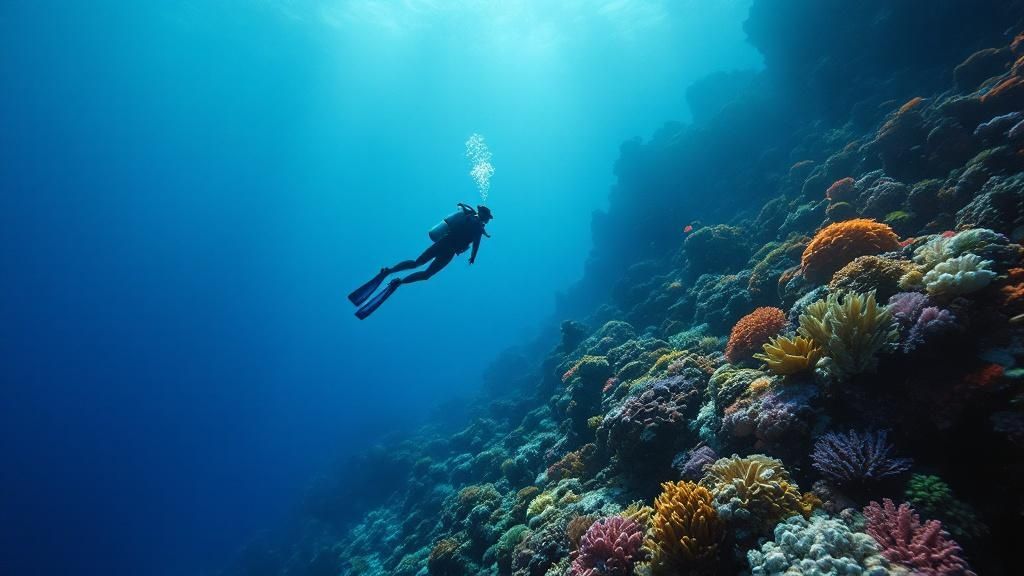
There's no question the Big Island has solidified its reputation as one of the world's premier scuba destinations. The island draws roughly 150,000 dive tourists every year, who log well over 100,000 certified dives between them. That kind of traffic easily places the island among the top scuba hubs in the United States.
So, what’s the big draw? It really comes down to the unique volcanic underwater landscapes and warm waters that create a perfect haven for a huge diversity of marine life. If you want a deeper look at what makes this island so special, check out our guide on Big Island scuba diving.
With its dramatic lava tubes, sprawling coral gardens, and visibility that seems to go on forever, the Kona Coast is truly the heart of the island's diving scene. Down here, you can encounter everything from endemic reef fish you won't see anywhere else to majestic manta rays and chilled-out Hawaiian green sea turtles.
For anyone looking to explore this underwater paradise, Kona Honu Divers really stands out. Their commitment to safety, preference for small group sizes, and deep local knowledge make for a memorable and safe experience for every single diver who joins them.
Big Island Dive Experiences at a Glance
To help you get a sense of what's on offer, we've put together a quick look at the most popular types of dives you can do on the Big Island. Each one offers a completely different kind of adventure.
| Dive Type | Best For | Key Marine Life |
|---|---|---|
| Reef Dives | All skill levels | Colorful reef fish, turtles, eels |
| Manta Ray Night Dive | All skill levels | Giant manta rays, plankton |
| Blackwater Dive | Advanced divers | Bioluminescent deep-sea creatures |
| Lava Tube Swim-Throughs | Intermediate divers | Unique topography, reef sharks |
While these dives are incredible, they're just scratching the surface of what's possible in the world of scuba. If you're interested in multi-day trips, you might also look into exploring different diving experiences, such as liveaboard diving, which can take you to more remote, far-flung destinations.
Comparing Kona vs Hilo Diving Conditions
When you’re planning a Big Island scuba diving trip, one of the first questions that comes up is: which side of the island should I dive? The island’s two main coasts, Kona and Hilo, couldn't be more different. They offer completely opposite underwater environments, and understanding why will make your decision a whole lot easier.
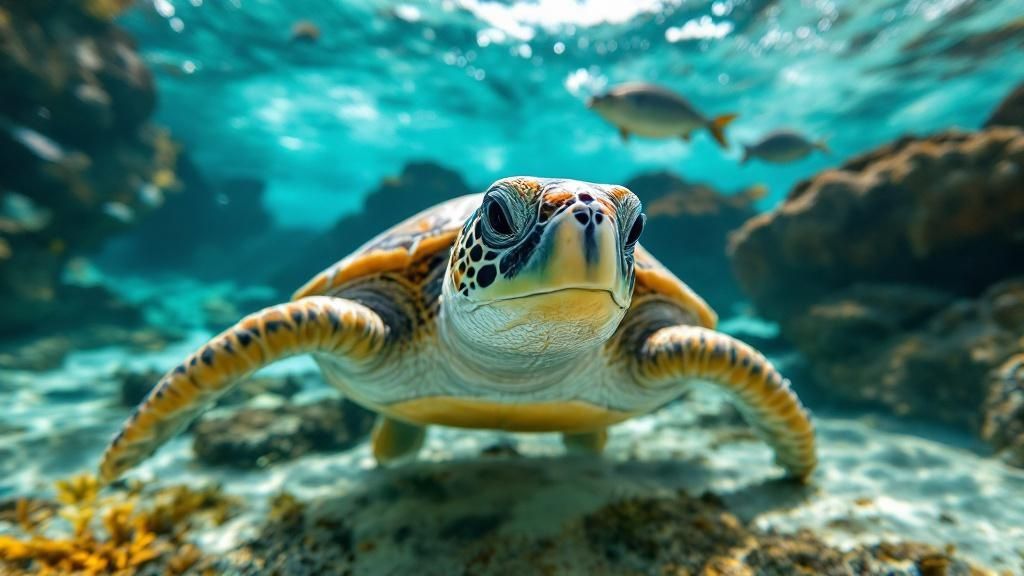
The Kona Coast, on the island's western or leeward side, is where all the magic happens. It's tucked away in the shadow of the colossal Mauna Kea and Mauna Loa volcanoes, which act as a natural shield from the prevailing trade winds. This geography is the secret to Kona's consistently calm, crystal-clear, and predictable dive conditions. It’s why Kona is the undisputed hub for diving in all of Hawaii.
On the other side of the coin, you have Hilo on the eastern or windward coast. Hilo gets the full force of the trade winds, which means rougher seas, unpredictable currents, and murky water from all the freshwater runoff. It’s a world apart from the tranquil waters of Kona.
Key Differences for Divers
For a diver, these differences are everything. Kona's calm seas mean dive operators can safely get you to over 50 unique dive sites pretty much any day of the year. We're talking dramatic lava tubes, sprawling coral gardens, and visibility that often pushes past 100 feet. It’s no surprise that nearly every single dive boat on the island is based right here in Kona.
Kona's Advantage: The sheltered leeward coast is a safe haven. Marine ecosystems thrive here, leading to healthier coral reefs and a much higher concentration of sea life compared to the turbulent Hilo side.
When it comes to actually getting in the water, the experience is night and day. Below is a quick breakdown of what to expect on each coast.
Kona vs Hilo Scuba Diving Comparison
| Feature | Kona (Leeward Coast) | Hilo (Windward Coast) |
|---|---|---|
| Water Conditions | Typically calm, protected from wind | Often rough, exposed to trade winds |
| Visibility | Excellent (60-100+ feet) | Poor to moderate (10-40 feet) due to runoff |
| Dive Sites | Over 50 boat-accessible sites | Limited, mostly challenging shore entries |
| Marine Life | Abundant and diverse | Less concentrated due to rough conditions |
| Dive Operations | The island's primary hub for dive boats | Very few, impractical for boat diving |
| Best For | Divers of all levels, from beginner to pro | Experienced, adventurous shore divers |
While Hilo does have a few shore diving spots for gutsy divers who don't mind a tough entry and unpredictable conditions, it just doesn't have the reliable access or infrastructure that Kona offers. The rough water and constant rain make boat diving unsafe and almost impossible to schedule.
So, when you weigh the options, the choice is pretty clear. Whether you’re just getting certified or you have hundreds of dives under your belt, Kona's superior conditions, vibrant marine life, and reliable access make it the premier destination for your Big Island adventure. The underwater world here is just safer, more rewarding, and way more fun to explore. It’s why all the best diving tours on the Big Island set off from Kona's calm harbors.
Experiencing the Manta Ray Night Dive
If there's one dive that defines the Big Island, it's the Manta Ray Night Dive. This isn't just another dive; it's a world-famous spectacle that people travel across the globe to witness. It's a surreal, beautiful display of nature in action.
Here's how it works: after sunset, powerful underwater lights are set up on the ocean floor. These lights act like a massive bug zapper, illuminating the water and attracting a thick cloud of plankton.
This plankton buffet is exactly what the giant manta rays are looking for. They glide in from the darkness to perform a graceful feeding ballet. As a diver, you get a front-row seat. You'll descend at twilight, get comfortable on the sandy bottom, and just watch in awe as these majestic creatures swoop and somersault mere inches above your head.
The whole operation is a fascinating mix of ecology and tourism. Along the Kona coast, manta ray viewing has become one of the most acclaimed dive experiences on the planet, drawing hundreds of mantas to the feeding sites.
What to Expect on Your Dive
The experience is carefully managed to ensure the safety and well-being of these gentle giants. Sustainable, ethical practices are absolutely key. This means all divers are instructed to remain on the bottom and are reminded to never, ever touch the mantas. The goal is to let them feed completely undisturbed.
You can learn more about the manta ray night dive in Kona to get fully prepped for this mind-blowing trip.
For anyone ready to book this incredible adventure, the team at Kona Honu Divers is a top choice. They've built a solid reputation for their expertise, unwavering commitment to safety, and deep respect for the marine life we all love. Check out their manta ray dive tours page for more information.
Exploring Top Big Island Dive Sites
The world-famous manta encounter is incredible, but it's just the beginning. The Kona Coast is a sprawling underwater playground, shaped by ancient lava flows that created a spectacular landscape of dramatic arches, twisting lava tubes, and reefs teeming with life. Diving into these sites shows you what Big Island scuba diving is really all about.
Many of the best spots are just a quick boat ride from Honokohau Harbor, perfect for a morning or afternoon trip. We’ve got everything from shallow coral gardens for newly certified divers to intricate lava formations that will challenge seasoned pros. There’s truly a dive for every skill level.
Must-See Kona Dive Locations
Ask any local diver for their favorites, and a few names always pop up. Two sites, in particular, showcase the insane variety Kona has to offer.
- Golden Arches: This site is all about the stunning underwater architecture. It’s a series of massive lava arches and swim-throughs you can spend an entire dive exploring. Keep an eye on the sandy bottom—whitetip reef sharks love to nap here while schools of colorful reef fish cruise through the sunbeams overhead.
- Turtle Pinnacle: Just like the name implies, this is the spot for Hawaiian green sea turtles (honu). It’s a bustling cleaning station where you can just find a spot, settle in, and watch as turtles line up to let smaller fish clean their shells. It's a photographer's dream and an amazing thing to witness up close.
For the real adrenaline junkies, the surreal Kona Blackwater Dive is an absolute must. You'll drift over thousands of feet of pitch-black water at night, watching bioluminescent creatures rise from the abyss. It’s an experience that’s hard to describe and impossible to forget.
Even beyond the dedicated dive sites, the Big Island has world-class snorkeling. Places like Kealakekua Bay, a protected marine sanctuary, are packed with history and vibrant sea life. For a deeper look, check out this Captain Cook Snorkeling: The Ultimate Guide to Kealakekua Bay.
Ready to see it all for yourself? To get the full experience—from lava tubes and turtle hangouts to the thrill of a night dive—take a look at the different diving tours on the Big Island we offer.
How to Choose Your Big Island Dive Tour
Picking the right dive boat is probably the single biggest decision you’ll make for your Big Island scuba diving trip. The crew, the boat, and the operator's whole vibe on safety will absolutely make or break your time underwater.
When you're looking at different companies, try to see past just the price. You’ll have a much better time with an operator that keeps their groups small; it means more personal attention from your divemaster and less bumping into other divers. A seasoned crew is worth its weight in gold—they know all the best spots and can pivot if the conditions change, keeping things safe and fun.
Also, think about their approach to the ocean itself. The best operators are serious about protecting our fragile reefs and marine life.
Finding the Right Fit for Your Skill Level
For divers of any and every experience level, we're obviously partial to our own crew here at Kona Honu Divers. We pour everything we have into creating safe and unforgettable underwater adventures, and we're proud of the reputation we've built.
Of course, there are other great, long-standing operators on the island. The dive scene here owes a lot to pioneers like Jack Clothier, who started Jack’s Diving Locker way back in 1981 and really helped put Kona on the map. You can actually read more about Hawaii's dive history on OceanographicMagazine.com.
For a complete picture, here are some other highly-regarded companies in Kona:
Jack's Diving Locker:
Big Island Divers:
Ultimately, the right tour really comes down to what you want to get out of your dives. If you're new to diving, you'll love the chill pace of our general diving tours exploring the reefs. For certified divers itching for a bigger adventure, our advanced dive trip opportunities are where it's at.
And if you're still deciding if Kona is the right spot for you, you should check out our article on why you should think of diving on the Big Island.
Your Big Island Dive Questions, Answered
Getting ready for a Big Island scuba diving trip is half the fun, but I know you've probably got some questions floating around. From the nitty-gritty logistics to what you’ll actually see down there, getting the right info ahead of time makes all the difference.
We get asked these all the time, so here are the straight answers from our crew.
When’s The Best Time Of Year For Big Island Scuba Diving?
Honestly, one of the best parts about diving the Kona Coast is that there’s no bad time to jump in. The water is always inviting, hanging out between a comfortable 75-82°F (24-28°C) year-round.
If you’re looking for the flattest, calmest seas for those smooth boat rides, the summer months from May to October are your best bet. But winter diving, from November to April, has its own unique magic—you can often hear the haunting songs of migrating humpback whales echoing through the water on your dives. Visibility is almost always a non-issue, regularly stretching past 100 feet.
Do I Need To Be Certified To Scuba Dive In Hawaii?
Yes, if you want to join us on our boat dives to explore Kona’s incredible reefs, you'll need to be a certified scuba diver. It's all about making sure everyone has the right training to safely and confidently enjoy the dive.
But if you're not certified yet, don't worry—you can still get a taste of the underwater world. We run introductory programs like the Discover Scuba Dive, where one of our instructors will teach you the basics and then take you on a closely supervised dive in the shallow, calm ocean. It's the perfect way to see if diving is for you.
What Kind Of Marine Life Will I See?
The Big Island is practically buzzing with underwater life. On just about any dive, you can count on seeing Hawaiian green sea turtles cruising by, playful spinner dolphins, and more colorful reef fish than you can count—keep an eye out for butterflyfish and parrotfish.
The volcanic underwater landscape creates tons of nooks and crannies, perfect hiding spots for moray eels, octopuses, and all sorts of crabs and shrimp. Kona is also famous for bigger visitors from the deep blue, like eagle rays, whitetip reef sharks, and of course, the magnificent manta rays that turn our night dives into a truly unforgettable show.
Ready to see it all for yourself? The expert crew at Kona Honu Divers is fired up to show you the best diving the Big Island has to offer. Let's get you in the water!