
Without a doubt, Big Island scuba diving is a world-class experience. It’s a unique combination of dramatic volcanic underwater landscapes, stunningly clear and calm water, and vibrant marine life you just won't find anywhere else on Earth. The island offers unforgettable diving tours and adventures for divers of all stripes, from newbies exploring shallow coral gardens to old pros navigating deep-water formations.
Why The Big Island Is a Diver’s Paradise
The Big Island is much more than just another pretty tropical spot; it's a geological marvel that has cooked up an exceptional underwater world. The island's volcanic heart has sculpted a dramatic sub-aquatic playground filled with lava tubes, massive archways, and ancient craters that are now bursting with coral life. This kind of topography means every dive is a new exploration, something few other places can really offer.
One of the biggest perks for divers here is the Kona coast. Tucked away from the prevailing trade winds by the colossal volcanoes Mauna Kea and Mauna Loa, this side of the island is blessed with consistently calm and clear conditions. This natural shield translates to less surge and visibility that often pushes past 100 feet, making for comfortable and visually spectacular dives pretty much year-round.
The island’s isolation in the middle of the Pacific has also fostered a truly remarkable ecosystem. Hawaii's volcanic origins have created habitats perfect for unique marine life, including a high percentage of endemic species that are native only to these waters. Better yet, the water temperature holds steady at a comfortable 75-80°F (24-27°C) all year, creating ideal conditions for incredible encounters with sea turtles, manta rays, and even migrating humpback whales during the winter. For a deeper look, PADI offers some great insights into Hawaii's unique diving environment.
This mix of unique geology, calm waters, and special marine life makes every single dive a potential discovery. If you want to get into the nitty-gritty of what makes this island so special, check out our complete guide to Big Island scuba diving.
Whether you're just getting your fins wet as a newly certified diver or you’ve logged thousands of dives, the island's diverse sites have something for you. From vibrant shallow reefs teeming with colorful fish to advanced deep-water excursions, the opportunities are truly endless.
Comparing The Two Most Iconic Night Dives
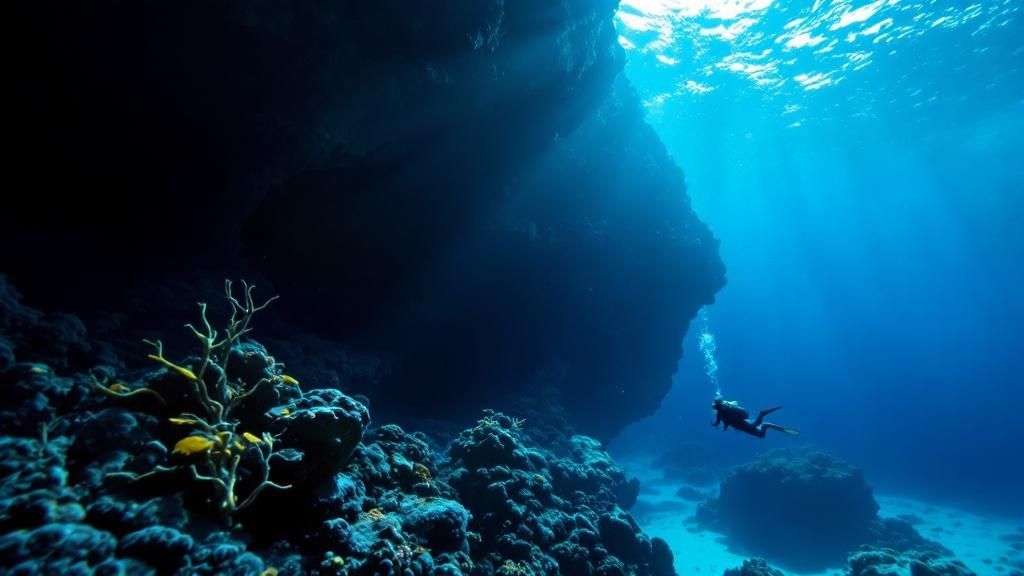
When the sun finally dips below the horizon on the Big Island, the real show begins. For divers, this means a chance to experience one of two world-famous night dives that are completely different from one another: the graceful Manta Ray Night Dive and the otherworldly Blackwater Dive.
Picking between them really comes down to what kind of underwater adventure you're looking for. The Manta Ray Night Dive feels like you've been invited to an underwater ballet, where you watch these gentle giants perform right in front of your face. On the other hand, the Blackwater Dive is like a trip to another planet, a journey into the deep abyss to find bizarre and beautiful creatures that only come out in the dark.
The Graceful Giants of the Manta Ray Night Dive
The Manta Ray Night Dive is easily one of the most famous dives on the entire planet, and for good reason. The setup is simple: divers descend to a sandy bottom in fairly shallow water, usually around 30-40 feet, and gather around a powerful light source often called "the campfire." This light acts as a magnet for plankton, which in turn brings in the magnificent manta rays for an easy meal.
The experience itself is both serene and absolutely breathtaking. You just settle onto the ocean floor and watch as these massive animals, with wingspans reaching up to 16 feet, glide, swoop, and somersault just inches above your head. You're a spectator in their world, which allows for an incredibly intimate and awe-inspiring encounter with nature. You can learn more about what makes the manta ray dive so special.
This single dive has become a cornerstone of the Big Island's diving economy, drawing people from all over the world. It’s a powerful example of how tourism can support marine conservation and raise awareness.
The Otherworldly Creatures of the Blackwater Dive
The Kona Blackwater Dive is a whole different ball game. This one is for the true adventurers, the divers who crave the thrill of the unknown. It takes place in the deep, open ocean, far from any reef. You'll drift in the pitch-black, tethered to the boat, suspended over thousands of feet of water.
Your dive light becomes your entire world, cutting through the darkness to reveal strange and rarely-seen creatures. These are the animals that make the largest migration on Earth every single night, coming up from the deep to feed near the surface. You'll see things like larval fish, translucent squids, and alien-like jellyfish—many of them glowing with their own bioluminescence.
This dive isn't about big animals; it's a treasure hunt in the dark. You’re searching for the tiny, bizarre life forms that are some of the ocean's best-kept secrets. It's a humbling and mind-bending experience.
Manta Ray Dive vs Blackwater Dive Which Is for You
So, which one should you choose? Both are incredible, but they appeal to different types of divers. This table should help you figure out which night dive best fits your style and comfort level.
| Factor | Manta Ray Night Dive | Blackwater Night Dive |
|---|---|---|
| The Vibe | A serene, ballet-like wildlife observation in a group setting. | A thrilling, exploratory drift dive focused on finding tiny, rare creatures. |
| Depth | Relatively shallow, typically 30-40 feet. | Deeper, suspended in the water column at around 50 feet. |
| Skill Level | Open Water certified divers with good buoyancy control. | Advanced Open Water certification is usually required due to depth and conditions. |
| What You See | Giant manta rays, often multiple at once. | Larval creatures, bioluminescent organisms, strange jellies, and squids. |
| Best For | Divers seeking a guaranteed, awe-inspiring large animal encounter. | Adventurous, experienced divers fascinated by macro life and the deep ocean. |
Whether you're watching the manta ballet or hunting for deep-sea aliens, a night dive in Kona is something you'll be talking about for years to come.
How To Choose The Right Big Island Dive Tour
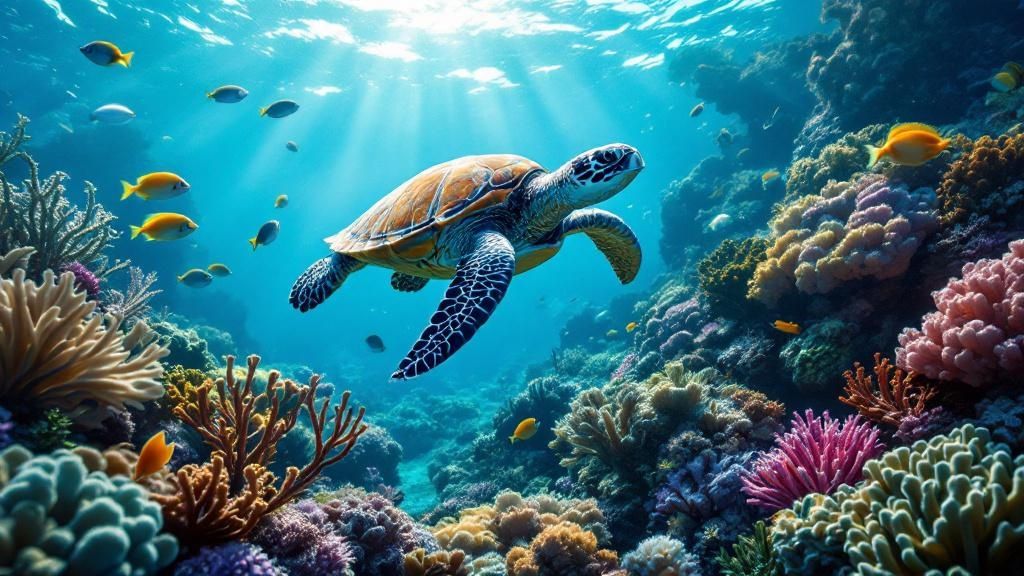
With so many incredible options for Big Island scuba diving, picking the right tour can feel a little overwhelming at first. But don't worry, it's actually pretty simple. The key is to match the trip to what you want to get out of it, your skill level, and your vacation schedule. Once you understand the basic differences between the types of tours, you'll know exactly what to book for an amazing experience.
The most common decision you'll face is whether to go out in the morning or the afternoon. Both are great, but for different reasons.
Morning vs. Afternoon Charters
Morning two-tank dives are the bread and butter for most dive shops here. You'll typically head out early, visit two different dive sites, and be back on dry land by early afternoon. This schedule is perfect for divers who want to get in some solid bottom time and still have the rest of the day to explore the island or just relax.
For families or groups with non-divers, a morning charter is often the perfect compromise. You can get your dives in while others in your party sleep in or enjoy a leisurely breakfast, and then you can all reconnect for lunch.
Afternoon reef dives, on the other hand, have a much more relaxed vibe. These trips usually visit one or two shallower sites and leave later in the day when the sun is high, making the reefs pop with color. They're a fantastic choice for brand new divers, people looking for a quick refresher, or anyone who just isn't a morning person.
Boat Diving vs. Shore Diving
Another big choice is whether to dive from a boat or from the shore. Honestly, the vast majority of the best dive sites along the Kona coast are only accessible by boat. Going out on a charter has some serious advantages:
- Access to amazing sites: Boats can get you to those pristine, remote reefs, lava tubes, and pinnacles that are impossible to reach from land.
- Total convenience: Forget hauling your gear around. Everything is on the boat, and the crew handles all the heavy lifting and logistics. You just show up and dive.
- Peace of mind: A dedicated captain stays with the boat, providing a high level of safety and support while you're underwater.
Sure, you can do some shore diving. Sites like Two Step at Honaunau Bay have pretty easy entry. But these spots can get incredibly crowded, and you’re on your own when it comes to carrying gear and reading the ocean conditions. For that quintessential Big Island scuba diving adventure, a boat charter is almost always the way to go. You can check out a bunch of different Big Island diving tours to see what fits your style.
If you're a seasoned diver looking to explore deeper, more complex sites, you might want to look into something more specialized. Small-group advanced dive charters are perfect for underwater photographers or tech divers who want to get away from the crowds and see some really challenging topography.
Selecting A Top-Rated Kona Dive Operator
Let's be honest, your choice of dive operator can make or break your entire Big Island scuba diving trip. The right company delivers a safe, comfortable, and totally unforgettable experience. The wrong one? Well, that can just lead to a lot of frustration.
When you're looking at different operators, it's easy to just focus on the price. But you have to look deeper and consider what really adds up to a top-notch dive trip. Things like the shop's safety record, the condition of their boats and rental gear, and how knowledgeable their guides are—these are the details that matter. A great operator will always put your well-being and the health of the ocean first.
What Defines a Premier Dive Shop
You can spot a top-tier dive shop by its professionalism and attention to detail. It usually starts with their boats. Are they well-maintained and actually designed for diver comfort? Look for amenities like hot showers, plenty of shade, and ladders that are easy to climb.
The quality of the rental gear is another dead giveaway. The equipment should be modern, clean, and look like it's been meticulously serviced. But the real heart of any great operation is its people.
Experienced, passionate divemasters and instructors don't just keep you safe; they make the dive better by pointing out cool marine life and sharing what they know about the local ecosystem. Operators like Kona Honu Divers have built a stellar reputation on these principles, and you'll see it reflected in their customer service and expert guides.
Comparing The Best in Kona
To make a good call, it really helps to compare a few of the most highly-regarded operators in the area. The Big Island scuba diving scene has a long, rich history, with pioneers like Jack's Diving Locker helping shape it since 1981. Today, the island is home to over 50 dive shops and welcomes roughly 150,000 dive tourists every year, which just shows how much the industry has boomed.
Putting established shops side-by-side gives you some valuable perspective. While Kona Honu Divers is known for its modern fleet and customer-first approach, Jack's Diving Locker is another legendary operator with decades of experience and larger-scale operations. For a full breakdown, check out our list of the top 10 Kona diving companies ranked.
By digging into customer feedback and what each shop brings to the table, you can find the perfect match for your diving style. Whether you're looking for small groups, specific dive sites, or family-friendly boats, there's an operator for you.
Ultimately, taking a little extra time to research your operator is the best way to ensure your underwater adventure is everything you hoped it would be.
Becoming A Certified Diver On The Big Island
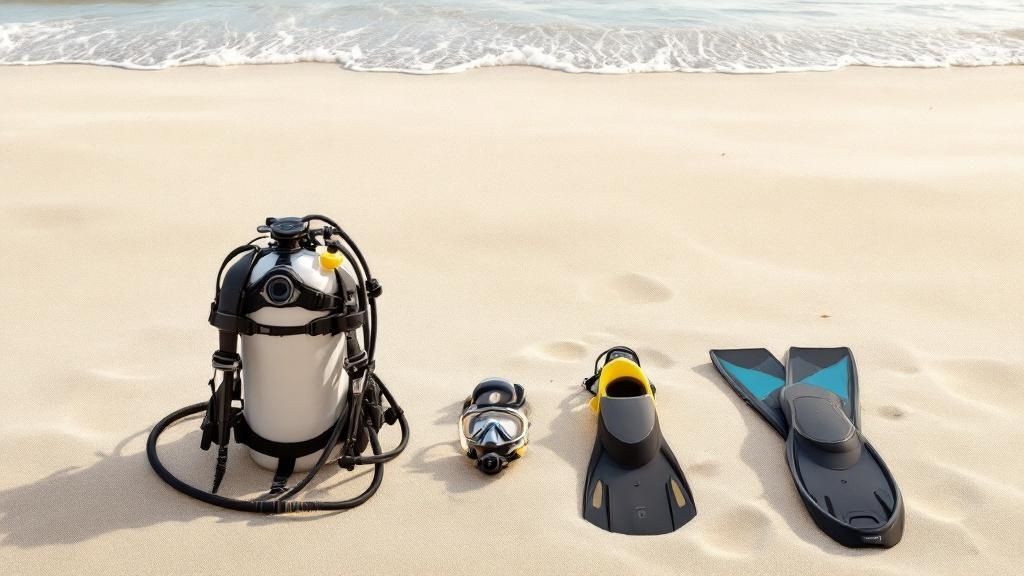
Learning to scuba dive in the warm, clear waters of Hawaii is something you'll remember for the rest of your life. The Big Island is the perfect place to start your journey, with its incredible underwater world serving as your classroom. If you're looking to get started, there are basically two main ways to dip your toes in.
The first option is the Discover Scuba Diving program. Think of it as a test drive. It's a fantastic one-day experience for anyone who's curious about diving but isn't quite ready for a full certification course. You'll go through a quick skills session in shallow water and then take a closely supervised dive with an instructor. It's the perfect taste of what diving is all about.
Your Path To Open Water Certification
For those ready to jump in and become a fully certified diver, the PADI Open Water Diver course is the gold standard, recognized worldwide. The course is broken down into three simple parts, making it easy to fit into your vacation plans.
- eLearning: The best part? You can knock out all the bookwork online before you even pack your bags for Hawaii. This is a game-changer, saving you precious vacation time that you'd otherwise spend in a classroom.
- Confined Water Dives: Once you're here on the island, you'll gear up and head to a calm, pool-like setting. This is where you'll practice all the essential scuba skills with your instructor, building confidence and muscle memory in a totally controlled environment.
- Open Water Dives: This is where the real fun begins. You'll complete four dives out in the ocean, showing your instructor what you've learned while exploring the stunning Kona reefs.
Getting certified in Kona means your very first "real" dives are on world-class reefs. You'll be surrounded by vibrant fish and maybe even a few Hawaiian green sea turtles. It’s an unforgettable way to kick off a lifetime of diving.
Continuing Your Diving Education
Once you have your Open Water card, the adventure doesn't have to end. The Advanced Open Water course is the logical next step, and it’s all about getting more experience. You'll complete five different "adventure dives," including a deep dive and an underwater navigation dive, which opens up a whole new world of more challenging and rewarding sites.
For divers who already have some experience and are looking for a new thrill, you can check out an advanced dive charter to explore some of the deeper lava tubes and dramatic pinnacles that make Kona diving so special.
Choosing a dive school with experienced instructors and a solid commitment to safety is the single most important decision you'll make. A great shop won't just hand you a certification card; they'll help you become a confident, capable diver, ready to explore everything Big Island scuba diving has to offer.
Staying Safe in Hawaiian Waters
A great dive is a safe dive, simple as that. Getting a handle on the local conditions is the first step to making sure your Big Island scuba diving trip is unforgettable for all the right reasons. The water here is usually pretty calm, but you'll want to be prepared for Hawaii-specific stuff like surge and the occasional current. Knowing what to expect will make you a much more confident diver in the water.
Having excellent buoyancy control isn't just a cool skill—it's your responsibility. Hawaii’s coral reefs are stunningly beautiful but incredibly fragile. One accidental kick from a fin can wipe out years of coral growth. When you master your buoyancy, you're actively helping protect the very underwater world you came all this way to see.
Pre-Dive Safety Checks
Before you even think about hitting the water, running through a quick checklist is a non-negotiable habit. It's a simple routine that ensures both you and your dive buddy are dialed in and ready for the adventure.
- Gear Up, Check Up: Give your equipment a thorough once-over. Is your tank pressure good? Does your regulator breathe easy? Does your BCD inflate and deflate like it should? Don't skip this.
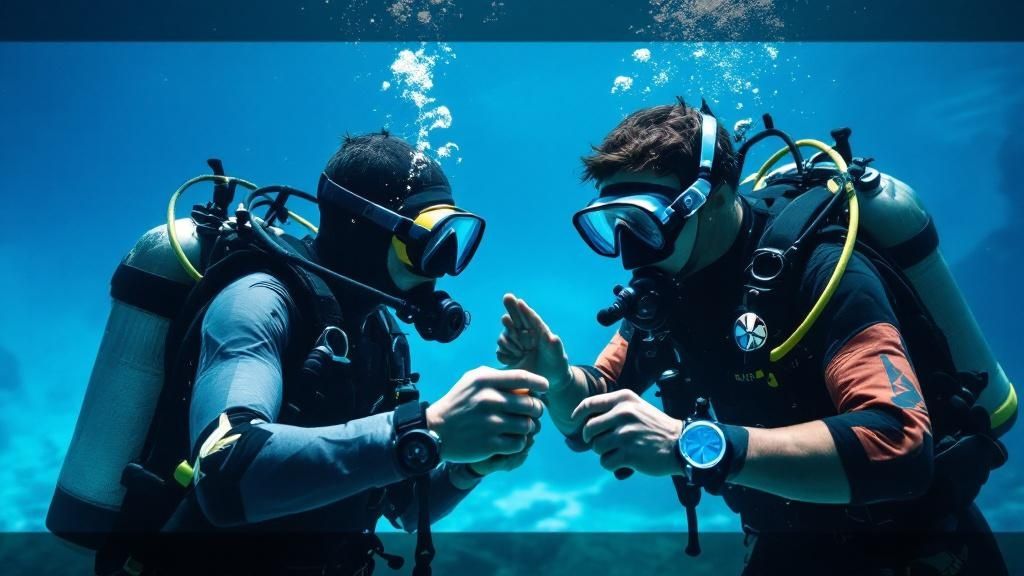
- Talk to Your Buddy: Go over your hand signals before you get wet. Double-check your dive plan—max depth, time, and what the protocol is if you get separated.
- Scan the Scene: Take a minute on the boat or shore to just watch the water. See which way the current is moving, get a feel for the surge, and spot any potential challenges for getting in or out of the water.
Respect the Locals (The Gilled and Flippered Kind)
Diving safely in Hawaii also means knowing how to act around the amazing marine life. Lots of the animals here are protected by law, and the golden rule is all about ethical, hands-off observation.
The rule couldn't be simpler: look, but don't touch. Never chase, corner, or try to hitch a ride on any animal. That goes for the Hawaiian green sea turtles (honu), spinner dolphins, and, of course, the majestic manta rays. Give them space. It keeps them from getting stressed and gives you a much more natural, real encounter.
Lastly, take care of yourself. The Hawaiian sun is no joke. Hydrate properly and slap on some reef-safe sunscreen before and after your dives. Follow these simple steps, and you’ll be set to dive with confidence, protect this incredible environment, and make some killer memories.
Got Questions About Big Island Scuba Diving? We’ve Got Answers.
Planning a dive trip to the Big Island always brings up a few last-minute questions, even for seasoned divers. To make sure you've got all the details sorted, we've put together some straightforward answers to the things we get asked the most.
What’s The Best Time Of Year To Scuba Dive On The Big Island?
Honestly, the diving here is fantastic year-round. If you're looking for the calmest seas and warmest water, the summer months from May to October are usually your best bet.
But winter, between December and March, has its own kind of magic. That’s when migrating humpback whales are in town, and you can often hear their songs echoing through the water on a dive—an unforgettable experience, even if you don't spot them.
Do I Need To Be Certified To Try Scuba Diving In Kona?
Nope, you don’t need certification to get your first taste of the underwater world! Every reputable dive shop here offers a "Discover Scuba Diving" program. It's a quick, safe introduction that includes basic instruction and a shallow dive with an instructor right by your side.
It's the perfect way to see if you like it. To explore the deeper, more advanced sites on our boat charters, though, you'll need at least an Open Water Diver certification.
Our Take: The intro dive is a blast and open to pretty much anyone. But getting fully certified is your ticket to the really premier sites that make Kona a world-class dive destination.
What Kind Of Marine Life Will I See Diving In Kona?
The Kona coast is absolutely packed with life. On just about any dive, you're almost guaranteed to see Hawaiian green sea turtles, tons of colorful reef fish, moray eels, and octopuses.
It's also really common to run into pods of spinner dolphins, majestic eagle rays, and whitetip reef sharks resting on the seafloor. And of course, if you join the world-famous night dive, you'll come face-to-face with our incredible manta rays.
Are The Dive Sites Crowded?
Kona is definitely a popular spot, but good dive operators know how to manage their groups and pick sites to give everyone plenty of space. Morning charters can sometimes feel a bit busier, just because that's when most people like to go.
If you'd rather have a more relaxed, personal vibe, think about booking an afternoon trip. You can also ask about small-group or private charters—most shops are happy to set that up for you.
Here at Kona Honu Divers, our whole mission is to provide safe, unforgettable, and personal underwater adventures. Whether you're about to take your very first breath underwater or you're a salty veteran looking for something new, we have the perfect trip waiting for you.
Check out our full range of Big Island diving tours and get ready to discover what makes Hawaii's ocean so magical.