
Picture this: you’re sinking slowly into the warm, clear blue water of the Kona coast, surrounded by a vibrant underwater world carved out by volcanic fire. This is what Big Island scuba diving is all about, and it’s an experience that consistently lands on "best of" lists around the globe. Between its calm, protected waters, unique lava tube formations, and marine life you won’t find anywhere else, Hawaii's largest island serves up an adventure like no other.
Why the Big Island Offers World-Class Scuba Diving
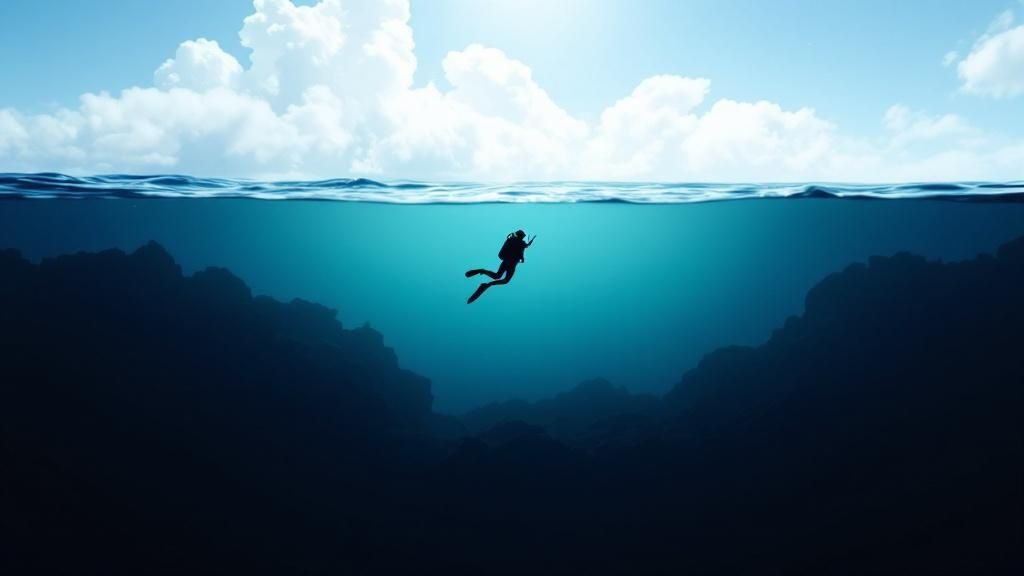
The Big Island is pretty much a diver's paradise, where ancient geology and perfect ocean conditions have teamed up to create something truly special underwater. The western coast, especially around Kona, is tucked behind the massive volcanoes of Mauna Loa and Hualalai. Think of them as giant bodyguards, blocking the strong trade winds and leaving the coastline with incredibly calm and clear seas most of the year.
This combo of clarity and calmness makes diving here a blast for everyone, from total beginners to seasoned pros. Visibility often pushes past 100 feet, revealing a dramatic landscape shaped by thousands of years of volcanic activity. Ancient lava flows have created a spectacular underwater playground full of arches, caverns, and intricate lava tubes that are now absolutely packed with life.
A Sanctuary for Unique Marine Life
What really makes Big Island scuba diving a bucket-list item is the sheer density and diversity of what you’ll see down there. The island’s isolation out in the middle of the Pacific has resulted in a huge number of endemic species—critters you literally can't find anywhere else on the planet.
Exploring these waters with a trusted local crew like Kona Honu Divers ensures you see the best of what the island has to offer. Their guides know all the secret spots where the magic happens, making for safe and unforgettable dives. You can see what people think about their trips right here:
From the world-famous Manta Ray Night Dive to the surreal Black Water Dive, the chances for discovery are endless. It doesn't matter if you're taking your first breath underwater or you've got hundreds of dives in your logbook—the Big Island delivers a dive trip you won't forget. Ready to see the vibrant reefs and volcanic formations for yourself?
This guide will walk you through everything you need to know, from the must-see dive sites to planning all the details. Your underwater journey into Hawaii's volcanic heart starts now. Check out the amazing diving tours available and get ready for an adventure.
Exploring Kona’s Unique Underwater Landscape
So, what makes Kona the absolute heart of Hawaii's diving scene? It really boils down to its one-of-a-kind geology and geography. The massive volcanoes of Mauna Loa and Hualalai act like giant bodyguards, sheltering the Kona coast from the powerful trade winds that batter other parts of the island chain.
This natural protection is the secret sauce behind Kona's legendarily calm and clear waters. It’s what makes Big Island scuba diving famous across the globe, creating near-perfect conditions for diving almost any day of the year. Visibility often pushes past an incredible 100 feet, letting you soak in the dramatic underwater world shaped by ancient volcanic flows. Think stunning arches, deep caverns, and twisting lava tubes, all waiting to be explored.
The Volcanic Foundation of a Thriving Ecosystem
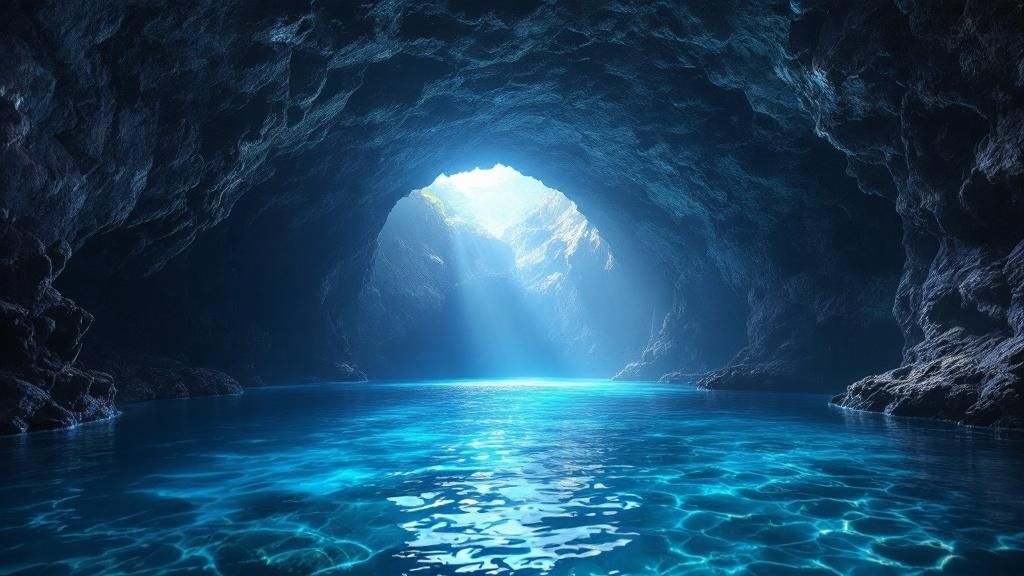
Picture this: you're swimming through a massive underwater tunnel that was forged by molten rock centuries ago. These lava tubes aren't just cool geological quirks; they're the framework for a bustling underwater city. The complex nooks and crannies create perfect hideouts for eels, octopuses, and countless fish, while the reefs themselves flourish in the nutrient-rich volcanic environment.
This unique landscape supports a mind-boggling level of biodiversity. Because Hawaii is so remote, many species here are endemic—you literally can't find them anywhere else on Earth. On any given dive, you might spot the vibrant Bandit Angelfish or the striking Hawaiian Lionfish, adding a special kind of thrill to your logbook.
To get a deeper dive into this incredible environment, check out our complete guide on Big Island scuba diving.
Planning Your Dive Around the Seasons
While Kona offers fantastic diving year-round, knowing the seasonal quirks can help you plan the perfect trip. There's a reason this place is so popular; divers flock here from all over to experience these underwater marvels.
The Big Island hosts around 150,000 scuba diving tourists every year, who log over 100,000 certified dives along the coast, especially in Kona. It's a major global diving destination for a reason.
While conditions are generally great, the summer months from June to September are famous for being exceptionally calm. Winter diving, from December to March, brings a totally different kind of magic—the chance to hear the songs of migrating humpback whales echoing through the water on your dive. It's an unforgettable experience.
Big Island Diving Seasons At a Glance
To help you figure out the best time for your visit, here’s a quick breakdown of what to expect throughout the year.
| Season | Water Temperature (Avg) | Visibility | Marine Life Highlights |
|---|---|---|---|
| Summer (June – September) | 79-81°F (26-27°C) | Excellent (often 100+ feet) | Calmest seas, perfect for all skill levels, peak season for many fish species. |
| Fall (October – November) | 78-80°F (25-26°C) | Very Good | Great conditions continue but with smaller crowds than the summer peak. |
| Winter (December – March) | 75-77°F (24-25°C) | Good to Very Good | The unforgettable sound of humpback whale songs underwater during their migration. |
| Spring (April – May) | 76-78°F (24-25°C) | Excellent | Water is warming up, visibility is fantastic, and seas are generally calm. |
No matter when you decide to jump in, Kona’s mix of serene seas, wild volcanic geology, and vibrant marine life makes it a truly world-class diving destination.
Signature Dives You Simply Can’t Miss
Sure, every dive along the Kona coast is special, but a few experiences are downright legendary. These are the dives that put Big Island scuba diving on the map—the ones you'll be telling stories about for years to come.
From encounters that feel like they're from another world to sun-drenched explorations of volcanic reefs, these are the absolute must-do dives. They each offer a completely unique, yet equally stunning, window into the life teeming just beneath the surface.
The World-Famous Manta Ray Night Dive
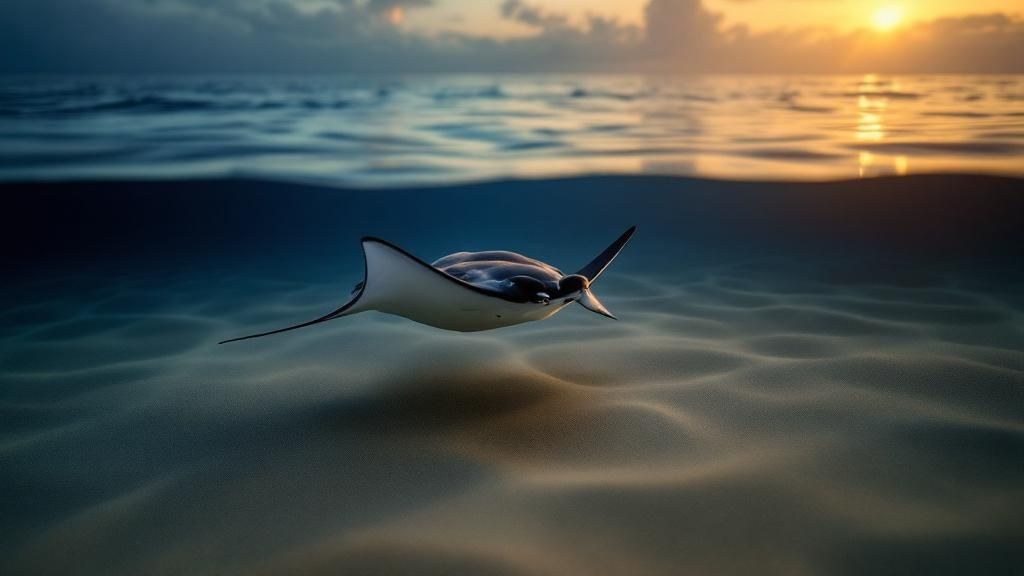
Picture this: you're kneeling on the ocean floor after dark, your light pointing up into the inky water. Then, out of the blackness, a massive, graceful shadow swoops in, performing an underwater ballet just inches from your face. This is the Kona Manta Ray Night Dive, an experience so breathtaking it's consistently ranked as the best night dive on the planet.
The setup is brilliantly simple. Powerful lights are placed on the seafloor, attracting clouds of plankton—the manta rays' favorite meal. Before you know it, these gentle giants, with wingspans that can stretch over 12 feet, glide in for dinner. They perform effortless somersaults and barrel rolls, filtering the plankton-rich water in a spectacle that will leave you completely humbled and in awe.
This isn't just a dive; it's a genuine connection with one of the ocean's most majestic animals.
The Mysterious Black Water Night Dive
If the manta dive is an underwater ballet, then the Black Water Night Dive is a trip to another planet. Forget the reef. For this dive, you head miles offshore over thousands of feet of water, tethered to the boat as you descend into the deep blue abyss.
Here in the open ocean, you'll witness one of the largest migrations on Earth. Every single night, countless bizarre and wonderful creatures rise from the depths to feed near the surface. You'll see strange, see-through larval fish, glowing jellyfish, and bioluminescent critters that look like they came straight out of a sci-fi movie. It's a surreal, pelagic experience that very few divers ever get to try.
Classic Daytime Reef Dives
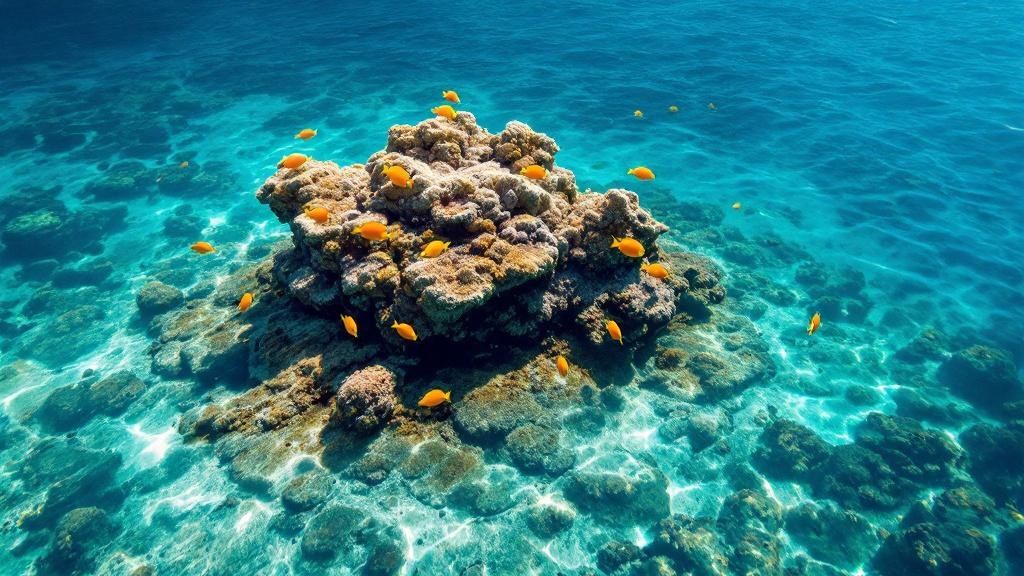
Beyond the iconic night dives, the classic daytime reef dives are the heart and soul of the Big Island scuba diving experience. These dives are all about exploring the incredible volcanic topography—think lava tubes big enough to swim through, massive arches, and pristine coral gardens bursting with life.
The marine life is just as impressive. On any given dive, you might see:
- Honu (Green Sea Turtles): You'll often find them resting on the reef or cruising by gracefully.
- Endemic Fish: A huge variety of fish you can only find in Hawaiian waters, like the brilliantly colored Milletseed Butterflyfish.
- Eels and Octopuses: They're masters of camouflage, often tucked away in the countless nooks and crannies of the lava rock.
- Spinner Dolphins: It's not unusual for pods to greet the dive boat or even make a surprise appearance underwater.
Exploring these reefs is the perfect way to spend a day soaking up the sheer beauty and biodiversity of Kona. From shallow, sun-drenched coral gardens to deeper volcanic structures, there’s a perfect site for every diver.
The Manta Ray Night Dive has become a cornerstone of Kona's tourism. Since it was popularized in the 1980s, its growth has been remarkable. The demand is so high that the number of vessels at the dive sites has seen a 38% increase over previous maximum counts, a testament to its popularity but also a reminder of the need for responsible tourism to protect these gentle giants.
For anyone still on the fence about this incredible encounter, check out our detailed guide on why you should go on a Manta Ray Dive in Kona.
Whether you choose the silent grace of the mantas, the deep-sea mystery of the black water, or the vibrant energy of a sunlit reef, these signature dives are the ones you'll never forget.
Advanced Diving for Experienced Divers
If your logbook is already filled with adventures and you're comfortable in the water, the Big Island scuba diving scene has some incredible challenges waiting for you. Once you’ve dialed in your buoyancy and feel truly at home beneath the waves, a whole new world opens up along the Kona coast—one full of dramatic depths, exciting currents, and wild volcanic landscapes that demand a higher level of confidence.
These advanced dives are where you really get a sense of the raw, volcanic power that forged this underwater paradise. They’re a different kind of thrill, pushing your skills and rewarding you with sights very few people ever get to witness. Think of it as the next chapter in your diving story, where you go from being an observer to a true explorer.
Conquering Walls, Drop-offs, and Currents
The underwater world here is anything but flat. Ancient lava flows have carved out spectacular submerged cliffs, or "walls," that plummet straight down into the deep blue. Diving these walls feels like you’re floating alongside a sunken mountain range, with the view changing with every foot you descend.
At some of the more exposed sites, you'll also run into currents. Now, that might sound a little intimidating, but any seasoned diver knows that currents bring life. They sweep in nutrient-rich water, which in turn attracts bigger pelagic species and creates a dynamic, action-packed dive. Mastering a drift dive is an exhilarating skill that opens up a ton of new territory to explore.
Delving into Lava Tubes and Deeper Waters
Some of the most iconic features of Big Island scuba diving are the complex lava tube systems. Weaving through these underwater caverns requires rock-solid buoyancy control and situational awareness, but the payoff is huge. You get to see firsthand how marine life has moved into these incredible overhead environments, finding shelter in every nook and cranny of the volcanic rock.
Going deeper also introduces a different cast of characters. The marine life changes as you descend. You’re more likely to spot:
- Larger Pelagic Fish: Big schools of jacks and trevallies, and even certain shark species, are much more common in deeper water.
- Unique Invertebrates: The critters clinging to the deep walls are often totally different from what you find in the shallows.
- A Sense of the Abyss: There’s just a profound feeling of adventure that comes with exploring a site where the bottom simply drops away into the vast Pacific.
The spirit of deep-water exploration is baked into Hawaii's history. Scientific expeditions around the islands have been pushing the limits for decades. In the 1980s, submersible research dives were hitting depths of 366 meters. By 2001, explorations of the seamounts north of the islands were going past 1,000 meters, uncovering a hidden world of remote volcanic wonders. You can read more about this amazing history of deep-sea exploration around Hawaii on NOAA.gov.
The Importance of a Skilled Guide
Let’s be clear: advanced diving isn't about taking foolish risks. It's about safely expanding your limits with the right support system in place. Heading out with a top-notch operator like Kona Honu Divers is non-negotiable for these more demanding trips. Their guides know these sites like the back of their hand, from how to read the currents to the exact entry and exit points of the most complex lava tubes.
They provide the detailed briefings, safety oversight, and local knowledge needed to transform a challenging dive into a safe and unforgettable adventure. If you're ready to push your skills, an advanced dive tour is your ticket to seeing the Big Island's most dramatic underwater secrets.
How to Plan Your Big Island Dive Trip
Alright, let's get down to brass tacks. Moving from just dreaming about Big Island scuba diving to actually putting a plan together is where the real fun starts. A little bit of prep work goes a long way in making sure your underwater vacation is smooth, safe, and a perfect match for your dive skills.
This is your roadmap for getting all the logistics sorted out. We'll cover everything from picking the right crew to guide you to what you absolutely need in your dive bag. Let's get into the details that make or break a trip.
Choosing the Right Dive Operator
Honestly, the single biggest decision you'll make is picking your dive operator. These are the folks who will be your guides, your safety net, and your key to unlocking the really special underwater spots. They are definitely not all created equal, so you need to know what to look for.
A top-notch operator puts safety above everything else. Period. This means they have a spotless safety record, their boats and gear are in great shape, and the crew knows their emergency procedures inside and out. You want to see companies like Kona Honu Divers, who have built a solid reputation in the community for doing things the right way.
Another huge thing to look at is group size. Smaller groups are just better. You get more one-on-one time with your guide, the whole experience feels less crowded, and you're way more likely to spot some of the shyer marine life. And don't underestimate the power of a good local guide—their knowledge of the sites means you're going to see the coolest stuff on every single dive.
Understanding Certification Requirements
Before you get too far down the rabbit hole of booking, make sure you know what certs you need for the dives on your wish list. A lot of Kona's gorgeous reef dives are perfect for Open Water divers, but some of the most famous ones have some prerequisites.
- Standard Reef Dives: Your basic Open Water Diver certification is usually all you need to get out and explore the incredible shallow reefs.
- Manta Ray Night Dive: This is the big one, but it's surprisingly accessible. Because it's shallow and in a controlled spot, most operators only require an Open Water cert.
- Advanced Dives: If you're looking to check out deeper sites, swim through lava tubes, or head to spots known for currents, you'll need your Advanced Open Water certification or proof of similar experience.
If you're not certified yet, or if you want to level up, doing it on the island is a fantastic choice. The calm, clear waters around Kona are pretty much the perfect classroom. You can check out the different diving tours and courses available to get started.
Packing Your Dive Bag Essentials
Packing smart makes a world of difference. Your dive op will have tanks and weights covered, but there are a few things you'll definitely want to bring yourself.
Don't Forget Reef-Safe Sunscreen!
Hawaii has banned sunscreens with oxybenzone and octinoxate because they wreck the coral reefs. Seriously, check the label. Make sure whatever you bring is "reef-safe" or "mineral-based" (look for zinc oxide or titanium dioxide).
Here's a quick checklist to get you started:
- Certification Cards & Logbook: Can't dive without them. It's the first thing they'll ask for.
- Personal Dive Gear: At a minimum, bring your own mask, snorkel, fins, and dive computer. Nothing beats the comfort of gear that actually fits you.
- Wetsuit: The water's warm, but you'll still want a 3mm or 5mm wetsuit, especially for multiple dives.
- Underwater Camera: You are going to kick yourself if you don't have a way to capture the action.
- Reusable Water Bottle: Staying hydrated is non-negotiable on a dive boat, and it cuts down on plastic waste.
Where to Stay for Easy Dive Access
Want to spend more time in the water and less time in the car? Stay in or near Kailua-Kona. Almost all the dive operators leave from Honokohau Harbor, which is just a quick drive north of town. Staying close by makes those early morning boat calls way less painful.
For an even deeper dive into what to expect on your trip, check out our guide on everything you should know about Big Island diving. Get these logistics locked down, and you're on your way to one heck of an underwater adventure.
Your Big Island Diving Adventure Awaits
We've covered a lot of ground, from the silent, otherworldly dance of manta rays after dark to the hidden critters tucked away in ancient lava tubes. Now, it's your turn to jump in and experience the magic for yourself. This isn't just another dive trip; it's a chance to connect with a powerful, unique marine ecosystem you won't find anywhere else on the planet.
Honestly, choosing a top-tier operator is the single most important decision you'll make. It's what ensures your adventure is not only memorable but also safe and respectful of this fragile environment. When you have a professional, passionate crew leading the way, every single descent becomes an opportunity for real discovery. Companies like Kona Honu Divers have built their entire reputation on this, providing the local expertise that makes for an unforgettable Big Island scuba diving experience.
The final step is the easiest one—taking the plunge. Those vibrant reefs, majestic animals, and stunning volcanic formations are all out there waiting for you. Booking your spot is the first chapter in a story you'll be telling for years.
"Diving with mantas is one of the most satisfying things a person can do in the water. It’s impossible to describe the feeling of watching a massive fish the shape of a stealth bomber coming into vision. It’s akin to watching your child ride a bike for the first time or finding a winning lottery ticket." – Samuel Beckett, Planet Dive
Whether you're a seasoned pro with hundreds of dives under your belt or just starting your underwater journey, the perfect dive is waiting for you here. Explore the full range of Big Island diving tours and lock in your spot for the adventure of a lifetime. The crystal-clear Kona waters are calling.
Frequently Asked Questions About Big Island Diving
Planning a dive trip to the Big Island can stir up a few questions. To make sure you're ready for your underwater adventure, we've pulled together some straightforward answers to the stuff we hear most often from divers.
Getting these details ironed out beforehand means you can focus on what's important: soaking in the incredible volcanic seascapes and vibrant marine life that Kona is famous for. Let's get into the specifics so you can plan your trip with confidence.
What Is the Best Time of Year for Scuba Diving in Kona?
Honestly, there's never a bad time for Big Island scuba diving! The conditions are fantastic pretty much year-round, but the "best" time really hinges on what you want to see and do. Summer, running from about June to September, usually delivers the calmest seas and clearest water. It's perfect for those smooth, easy dives.
But winter has its own kind of magic. From December through March, the humpback whales are migrating through. While actually seeing one underwater is the luck of the draw, you can often hear their powerful, haunting songs during your dive. It's a truly unforgettable experience that adds a whole other layer of wonder to your trip.
Do I Need to Be Certified to Dive in Kona?
Yes, if you want to join a boat dive and explore the reefs, you'll need to be a certified scuba diver. Every reputable operator will ask to see your certification card before you can head out on one of their diving tours.
But if you're not certified, don't sweat it! You're not out of luck. Most dive shops offer the PADI Discover Scuba Diving program. It's a great "try-dive" experience where an instructor teaches you the basics and then guides you on a shallow dive in a super controlled environment. It’s the perfect way to find out if diving is your thing.
What Kind of Marine Life Will I See?
The waters off the Kona coast are absolutely packed with an incredible variety of marine life. You’re almost guaranteed to see honu, our beloved Hawaiian green sea turtles. You'll often spot them chilling on the reef or just gracefully cruising by.
Other common sights include playful spinner dolphins, moray eels peeking out from their lava rock homes, and dozens of species of colorful tropical fish. Many of these fish are endemic, meaning you can't find them anywhere else on the planet. And, of course, the Big Island is world-famous for its majestic manta rays, especially on that iconic night dive.
Is the Manta Ray Night Dive Safe for Beginners?
Absolutely! The world-famous manta ray night dive is one of the most incredible and accessible experiences in the entire diving world. Even though it's a night dive, it's run in a very controlled and safe way.
The dive itself is shallow, usually around 30-40 feet, and you're stationary on the sandy bottom for most of it. Professional divemasters give detailed briefings and stay close by, making sure everyone from brand-new divers to seasoned pros can safely enjoy the underwater ballet of these gentle giants.
With a good plan and the right info, you’re all set for a diving vacation you’ll never forget.