
When you think of world-class scuba diving, the Big Island should be at the top of your list. It's famous for good reason: dramatic underwater landscapes carved by volcanoes, tons of marine life, and water that’s almost always clear and calm. The Kona coast, especially, is a diver's dream, offering incredible reef explorations and chances to meet giants like manta rays and sea turtles pretty much any day of the year. It’s a top-tier spot for everyone, from first-timers to seasoned pros.
Your Essential Big Island Scuba Diving Guide
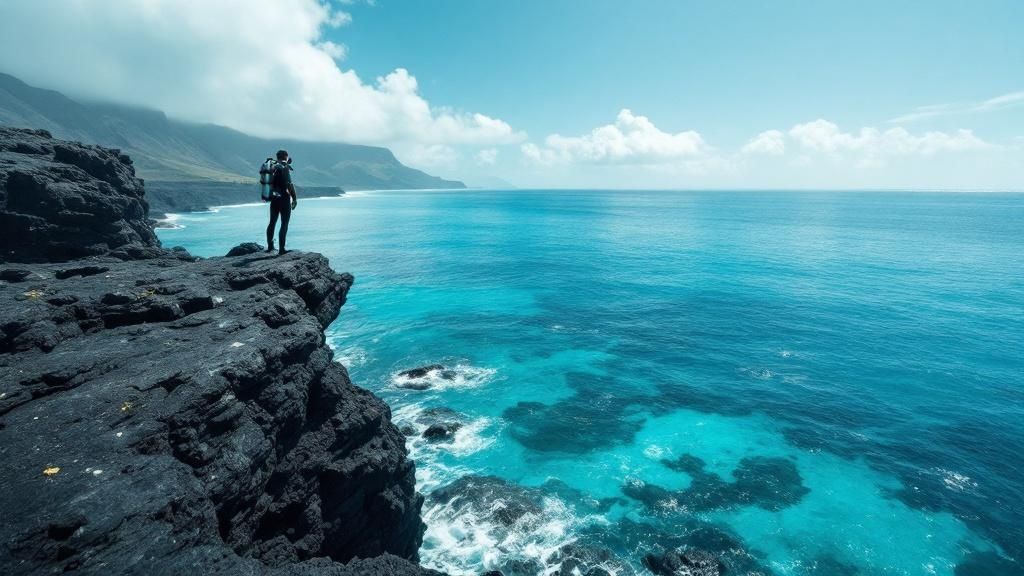
Welcome! You've found your complete guide to exploring the underwater world of Hawaii's Big Island. This isn't just another spot on the map; it’s a whole different world down there, shaped by volcanic fire and home to things you just won't see anywhere else on the planet.
The island’s leeward Kona coast is tucked away from the strong winds and currents, creating this perfect, sheltered playground for divers. This natural protection means incredible biodiversity and visibility that often pushes past 100 feet (30 meters). Seriously, it's that clear.
Think of this as your personal roadmap for planning the ultimate dive trip. We'll get into everything, from the must-do dives to the practical stuff, so you're ready for what's waiting just beneath the surface.
What Makes Big Island Diving So Special
Kona's reputation isn't just hype. It's built on a few key things that come together to create an unforgettable experience. It's the perfect mix of unique geology, tons of marine life, and perfect conditions.
- Volcanic Topography: This is the real showstopper. You can swim through ancient lava tubes, cruise under massive archways, and explore underwater craters left behind by ancient lava flows. It’s like another planet.
- Rich Biodiversity: The waters here are teeming with life. We're talking green sea turtles (honu), playful spinner dolphins, and dozens of fish species you can only find in Hawaii.
- Calm and Clear Waters: Kona's geography keeps the ocean consistently calm. It's an ideal spot for new divers getting certified and for experienced divers who just want to explore without a struggle.
- Iconic Night Dives: The Big Island is home to the world-famous Manta Ray Night Dive. It's a bucket-list dive for a reason—you get to see these gentle giants feeding on plankton just inches from your face. It's unreal.
This one-of-a-kind combination makes Big Island scuba diving a true adventure into a vibrant and ever-changing ecosystem. We've got a whole range of dives, from beginner-friendly reef tours to more advanced charters.
Whether this is your first time breathing underwater or you've got hundreds of dives in your logbook, the Big Island has something that will blow you away.
Why Kona Is a Premier Diving Destination
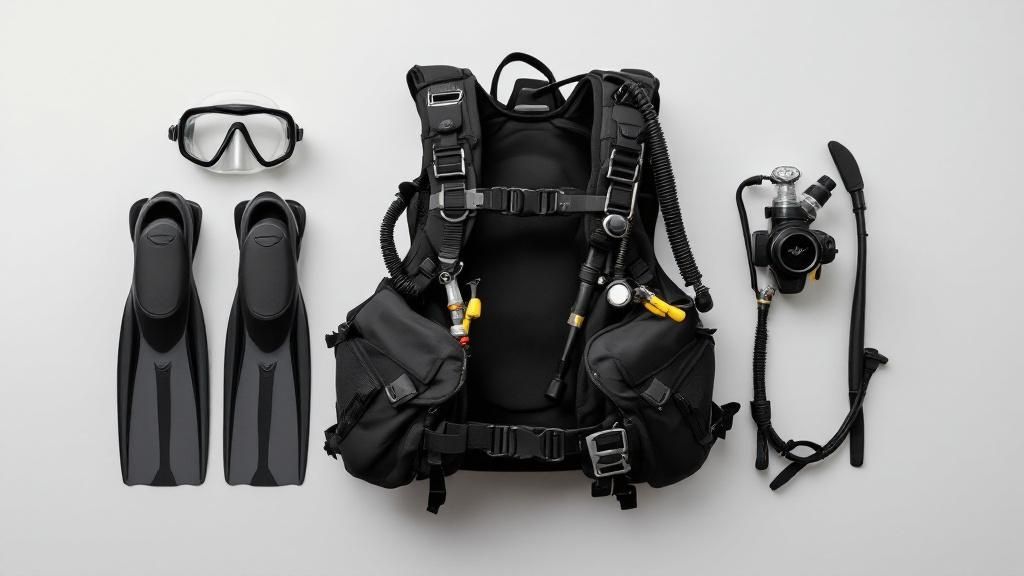
So, what takes a dive spot from "good" to "world-class"? For the Big Island, it all comes down to its unique geology and some seriously perfect ocean conditions. The real magic of Big Island scuba diving is found on the Kona coast, tucked away on the leeward (or sheltered) side of the island.
Being in this spot is a total game-changer. The island's enormous volcanoes, like Mauna Loa and Hualalai, stand guard, blocking the intense trade winds that batter other parts of Hawaii. The result? Waters that are consistently calm and clear—it often feels more like you’re dropping into a giant aquarium than the open Pacific.
This incredible stability is what makes Kona a dream for divers of every skill level. You can book a trip months in advance and feel confident that you won't get blown out by rough seas. Visibility is almost always fantastic, and it's this dependable tranquility that has allowed the underwater world here to become so spectacular.
Unique Marine Life and Calm Waters
The sheltered nature of the Kona coast has cultivated a marine environment that's just buzzing with life. Unlike so many other dive hotspots around the globe that have rough, "off" seasons, Kona's waters stay remarkably peaceful all year long. This consistency is perfect for delicate coral reefs to thrive and provides a safe harbor for a massive variety of sea creatures.
A huge chunk of the marine life here is endemic, which is a fancy way of saying you can’t find it anywhere else on the planet. The Hawaiian archipelago is incredibly isolated, letting evolution do its thing in some pretty cool ways. Kona is one of the absolute best places to see that in action.
The Big Island isn’t just another pretty tropical spot; it’s a living laboratory of evolution. Its protected waters are home to hundreds of endemic fish species, green sea turtles, and playful spinner dolphins, delivering an underwater experience that is distinctly Hawaiian.
These calm seas also make for unbelievably comfortable and safe diving. With barely any current and visibility that often pushes past 100 feet, you can just relax and soak it all in. You'll spend way less energy fighting the water and more time just watching the vibrant world unfold around you.
Ready to jump in? Check out our complete list of incredible Big Island diving tours and start planning your adventure.
Diving Through The Seasons
While the diving in Kona is fantastic any day of the year, the experience does shift a bit from one season to the next. Deciding when to visit really just depends on what you're hoping to see and feel.
The Big Island is rightly known as a top-tier global diving destination, pulling in about 150,000 dive tourists every year who log over 100,000 certified dives. That popularity is a direct result of the incredibly diverse underwater environment and those calm, year-round conditions.
Most people will tell you the absolute best time is between June and September, but the winter months from December to March offer something truly special: the chance to hear migrating humpback whales singing underwater. You can get more insights into the Big Island's dive scene and what each season brings.
To make it easy, here’s a quick look at what to expect throughout the year.
Big Island Diving Seasons At A Glance
| Season | Months | Avg. Water Temp | Key Marine Life Sightings | Best For |
|---|---|---|---|---|
| Winter | Dec – Mar | 75-77°F (24-25°C) | Humpback Whales (singing), Manta Rays, Turtles | Hearing whale songs underwater, fewer crowds. |
| Spring | Apr – May | 76-78°F (24-26°C) | Reef Sharks, Dolphins, Endemic Fish | Pleasant weather and warming waters. |
| Summer | Jun – Sep | 79-81°F (26-27°C) | Manta Rays, Eagle Rays, Turtles, large schools of fish | Warmest water, calmest seas, peak visibility. |
| Fall | Oct – Nov | 78-80°F (26-27°C) | Octopus, Eels, larger marine life encounters | Warm waters with transitioning marine patterns. |
At the end of the day, there's really no wrong time for Big Island scuba diving. Whether you're drawn by the haunting songs of humpbacks in the winter or the glassy, bathwater-warm conditions of summer, Kona delivers an unforgettable underwater adventure, guaranteed.
Discovering Kona’s Top Underwater Sites
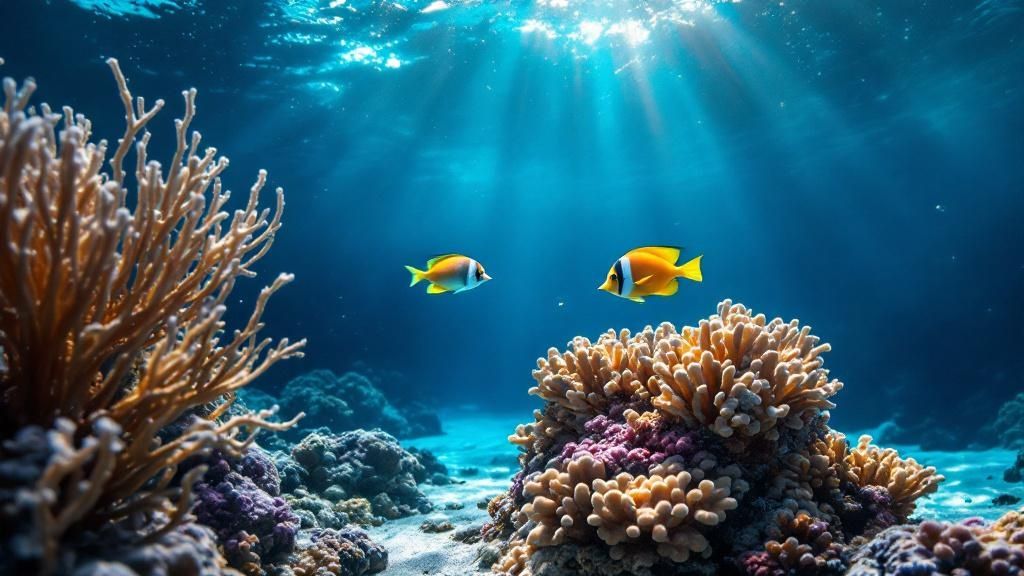
Alright, so you get why Kona is a magnet for divers worldwide. Now for the fun part: exploring the underwater playgrounds that make this place legendary. The sheer variety of dive sites is what makes Big Island scuba diving so addicting. One day you’re navigating an ancient lava tube, and the next, you’re drifting over a coral garden that looks straight out of a documentary.
What makes it all possible is the island's volcanic past. It's sculpted a wild underwater landscape of caves, arches, and massive reef structures that are home to countless critters. This unique geology creates the perfect habitat for a crazy array of marine life, including a ton of endemic fish you’ll only find in Hawaiian waters. PADI has some great info on Hawaii's unique underwater environment if you want to nerd out.
Let's drop in on a few of the must-see sites that really define the Kona experience. Each one is its own adventure.
Golden Arches: A Photographer's Dream
Golden Arches is exactly what it sounds like—a spectacular series of lava rock arches creating some seriously stunning underwater architecture. Just north of Kailua-Kona, this site is a playground for photographers or anyone who just loves cool topography.
You'll find the main archway sitting pretty at around 50 feet (15 meters), perfectly framing the deep blue water beyond. When the sunlight punches through the openings, it creates these incredible light rays that just dance across the reef. The arches themselves are covered in colorful corals and sponges, providing shelter for schools of soldierfish and the occasional shy octopus.
Suck 'Em Up: A Thrilling Lava Tube Adventure
Looking for a dive that feels like a real exploration? Suck 'Em Up is a must-do. This spot is famous for its lava tube that has a gentle one-way current, creating a slight "sucking" sensation that guides you right through the cavern. It's a super fun and totally safe swim-through that delivers a serious dose of adventure.
Inside the tube, keep your eyes peeled for Hawaiian lobsters hiding in the cracks and whitetip reef sharks taking a nap on the sandy bottom. When you pop out the other side, you’re greeted by a beautiful coral garden where you can finish your dive hunting for moray eels and vibrant nudibranchs. It’s an experience that really captures the volcanic soul of Big Island scuba diving.
Au Au Crater: An Ancient Sunken Volcano
Imagine dropping into what's left of a submerged volcanic cinder cone. That’s Au Au Crater for you. This massive, crescent-shaped crater provides a seriously dramatic backdrop for an unforgettable dive. The sheer walls of the crater plummet down past 100 feet (30 meters), giving you a breathtaking sense of just how huge it is.
The visibility here is usually fantastic, and it's a known hangout for bigger marine life. It’s not uncommon to see eagle rays gliding effortlessly in the blue or a pod of spinner dolphins cruising by overhead. The crater's protected inner sanctum is home to a healthy reef buzzing with life, including plenty of our local Hawaiian green sea turtles, or honu.
Here at Kona Honu Divers, we've guided thousands of divers to these incredible sites. Our crew knows them like the back of their hands—they know exactly where to find the coolest marine life and how to make sure you have a safe, fun, and totally memorable adventure.
And this is just scratching the surface. The Kona coast is peppered with dozens of world-class dive spots, each with its own vibe. Whether you’re a new diver looking for a calm reef or an old pro hunting for a deeper challenge, there’s a perfect spot waiting for you here.
Ready to see it all for yourself? Check out our full range of Kona diving tours and let's find your next underwater journey.
Experience the World-Famous Manta Ray Night Dive
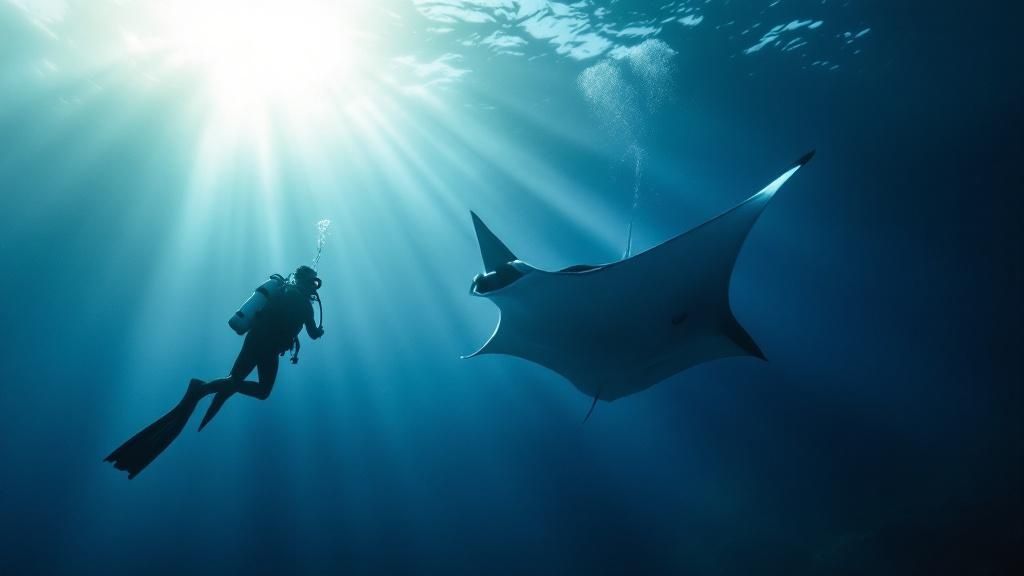
Of all the incredible things you can do underwater, very few come close to the magic of Kona’s Manta Ray Night Dive. It’s consistently ranked as one of the best dives on the entire planet, and for good reason. This isn't just a dive; it’s an underwater ballet, a stunning spectacle put on by some of the ocean's most graceful giants.
This experience is at the very heart of what makes Big Island scuba diving so special. Picture this: you descend into the warm, dark ocean just after sunset. Your guide finds you a spot on the sandy bottom, and you shine your dive light straight up. Before long, a shadow drifts into view, then another. Suddenly, you're face-to-face with enormous manta rays, some with wingspans up to 18 feet (5.5 meters), doing somersaults just inches above you.
They aren't there for you, though. They're drawn to the light because it attracts massive clouds of plankton—their favorite food. The mantas swoop in with their huge mouths wide open, filtering the water in a mesmerizing dance that you get to see from a front-row seat. It's unforgettable.
The Science Behind the Spectacle
So, what makes this encounter so reliable and unique? While other spots might have mantas at "cleaning stations," the Kona coast has three well-established "feeding stations." These are places where mantas have learned to show up every night for a dependable meal. This behavior actually started decades ago when lights from coastal hotels first started attracting plankton.
Dive operators now recreate this effect in a controlled way, setting up an underwater "campfire" of lights that draws in the plankton, which in turn brings in the mantas. The local reef mantas don't migrate, so you can have this amazing experience any night of the year. That consistency, with a sighting rate often topping 90%, has made this one of the most sought-after dives in the world.
"Diving with mantas is one of the most satisfying things a person can do in the water. It’s impossible to describe the feeling of watching a massive fish the shape of a stealth bomber coming into vision. It’s akin to watching your child ride a bike for the first time or finding a winning lottery ticket."
Your Manta Ray Night Dive Adventure
The whole trip is structured for both safety and pure wonder. Here’s how it usually goes:
- Sunset Departure: The adventure starts with a beautiful boat ride along the Kona coast as the sun sets, lighting up the sky.
- Safety Briefing: On the way out, your divemaster will give you a full rundown on manta behavior, safety rules, and how to observe them without disturbing them. The number one rule: never touch a manta. It can damage the protective mucous layer on their skin.
- The Dive: You'll descend to about 30-40 feet (9-12 meters) and get comfortable on the sandy bottom. Once everyone's settled, the "campfire" of lights is switched on.
- The Show Begins: As the plankton swarms, the mantas arrive to put on their incredible feeding performance, often gliding within inches of you but never making contact.
The best part? This breathtaking experience isn't just for certified divers. Most tours offer a snorkel option, too, so non-divers can float on the surface and watch the show from above. You can get more details on how both work in our guide to the Kona manta ray night snorkel.
This is a true bucket-list item for anyone who loves the ocean. To make sure you get a spot for this incredible underwater show, you can explore our Manta Ray Dive tour page and book your adventure.
Finding a Dive for Every Skill Level
The Big Island isn't just a one-trick pony with pretty reefs. It’s got a full menu of underwater adventures, with something for every diver’s taste—from your first time breathing underwater to your hundredth log entry seeking a new thrill. You’ll find a perfect dive waiting for you here, and the options are as diverse as the volcanic landscapes above the water.
It might be hard to believe, but the whole Big Island scuba diving scene got its start from pretty humble beginnings back in the early 1980s. In the last 40-plus years, things have exploded. Now you've got top-notch operators, slick, modern boats, and full-service shops ready to gear up everyone from a total newbie to a seasoned tech diver. It's pretty amazing to see how far it's come; you can read more about the evolution of diving in Hawaii to see how it became such a world-class spot.
For the Truly Adventurous: Blackwater Diving
Ever wonder what comes up from the deep dark when the sun goes down? The Kona Blackwater Dive is your chance to find out. Forget everything you know about a typical night dive.
Picture this: you're tethered to a boat, drifting in the open ocean over thousands of feet of inky black water. You're witnessing one of the largest migrations on Earth as some of the most bizarre and beautiful creatures you'll ever see rise from the abyss.
You’ll meet critters that look like they’re straight out of a sci-fi movie—translucent squids, strange larval fish, and shimmering siphonophores that pulse with their own light. It’s a surreal, humbling experience that pulls back the curtain on a hidden world. If you're ready for something completely different, check out the details on our Blackwater Dive tour page.
Pushing the Limits with Advanced Dives
For all the certified divers out there itching to build on their skills and see something new, Kona delivers in a big way. Our advanced dives often head to deeper sites, navigate trickier topography like lava tube systems, or explore remote pinnacles where the big stuff likes to hang out.
These trips are designed to be challenging but incredibly rewarding, giving you a chance to see things most divers miss. An advanced dive might mean:
- Deeper Reef Exploration: Dropping down to 100 feet (30 meters) or more to see untouched, deep-water coral gardens.
- Intricate Navigation: Weaving through underwater mazes of lava rock and swim-throughs that will seriously test your buoyancy control.
- Challenging Conditions: Learning to handle mild currents or different entry techniques, all under the watchful eye of our expert guides.
These dives are perfect for building your confidence and adding some serious bragging rights to your logbook. Think you’re up for it? Take a look at our premium advanced dive tour page.
A Welcoming Start for Beginners
Never tried diving? Seriously, there's no better place to start than the calm, clear, and protected waters off the Kona coast. The conditions here are about as forgiving as they get, making it the perfect natural classroom to learn the ropes.
Introductory dives—often called Discover Scuba Diving—let you get a taste of the underwater world with an instructor glued to your side. No certification needed.
Kona’s gentle currents and unbelievable visibility make for a safe and inspiring place for new divers. It’s where that little bit of nervousness disappears and turns into pure wonder the second you see your first sea turtle or a massive school of yellow tangs.
And once you’re hooked (which you will be), you can get your Open Water Diver certification right here. The warm water and amazing reefs make the training dives feel a lot less like class and more like the beginning of an incredible new obsession. As a premier operator for all skill levels, Kona Honu Divers is all about providing world-class and safe experiences.
Your Big Island Diving Questions, Answered
Alright, let's get down to the nitty-gritty. You've got questions about diving on the Big Island, and after years of exploring these waters, I've got the answers to help you plan the perfect trip.
What’s the Best Time of Year to Dive?
Honestly, any time you can get in the water here is a good time. Kona’s leeward coast is pretty sheltered, which keeps things calm year-round. But the "best" time really comes down to what you're hoping to experience.
- Summer (June – September): Think warm, glassy seas. The water temperature creeps up to a blissful 80°F (27°C), making for some of the most comfortable and calm diving conditions you can imagine.
- Winter (December – March): The water might dip to a still-pleasant 75°F (24°C), but you get something truly special in return. This is humpback whale season, and hearing their songs echo through the water while you're on a dive is an experience that will stay with you forever.
No matter when you come, the visibility is typically fantastic. It’s a win-win.
Do I Need to Be an Experienced Diver?
Not at all! Kona is one of the best places on the planet for divers of all stripes. We have tons of shallow, protected reefs that are perfect for your first breaths underwater or for getting certified. Here at Kona Honu Divers, we run a full slate of PADI courses right in this amazing natural classroom.
If you're already a seasoned pro, don't worry—Kona has plenty to keep you fascinated. We've got deep dives, otherworldly lava tubes, and unique underwater topography that will challenge and thrill you. A good, professional dive op will always tailor the dive sites to your experience level.
What Kind of Marine Life Will I See?
Get ready for a busy reef. The biodiversity here is off the charts. On almost any given dive, you can expect to hang out with Hawaiian green sea turtles (we call them honu), spot different kinds of moray eels peeking out from their homes, and be surrounded by clouds of colorful reef fish—many of which you can only see right here in Hawaii.
Keep your eyes peeled, because spinner dolphins, majestic eagle rays, and chilled-out whitetip reef sharks often cruise by. And then there's the main attraction for so many divers: the incredible manta rays that are the stars of Kona's famous night dive.
Is the Manta Ray Night Dive Safe?
Absolutely, yes. When you go with a professional and reputable operator like Kona Honu Divers, the Manta Ray Night Dive is an incredibly safe and well-managed experience. We stick to strict, established guidelines that protect both the divers and the manta rays.
You’re in a controlled, well-lit area, and our experienced divemasters are with you every step of the way. If you want a deeper look, check out our guide on what the manta ray night dive is all about.
Remember, these are gentle giants, filter-feeding on plankton. They pose no threat to people. It’s a jaw-dropping, awe-inspiring adventure that thousands have enjoyed safely for years.