
Picture this: you descend into a world literally sculpted by volcanoes. Ancient lava tubes transform into stunning underwater cathedrals, and everywhere you look, vibrant coral gardens burst with life. That’s Big Island scuba diving, and it’s unlike anywhere else on Earth. It's a place known for legendary, crystal-clear water, a volcanic seafloor that looks like another planet, and so much marine life it’s staggering. It's truly a world-class destination.
Why Dive the Big Island’s Volcanic Wonderland
Hawaii’s Big Island isn’t just some other tropical dive spot. Think of it as an aquatic frontier, shaped by the raw power of the volcanoes that created the islands themselves. The result is a submerged landscape that’s less like a typical reef and more like an underwater mountain range. We're talking dramatic canyons, sheer cliffs, massive arches, and sprawling caverns carved out by ancient lava flows. This unique, rugged topography is the secret sauce to the island’s incredible diving.
The visibility here is often mind-blowing, frequently clearing 100 feet (30 meters). This amazing clarity comes from the deep ocean waters that surround the island and the fact that there are no major rivers dumping sediment into the sea. For divers, this means you can see entire reef structures from a distance, making navigating a breeze and spotting wildlife that much more exciting.
Before we dive deeper, here's a quick look at what makes the Big Island so special for divers.
Big Island Diving Highlights at a Glance
| Feature | What Makes It Special |
|---|---|
| Volcanic Topography | Dive through lava tubes, arches, and underwater canyons—a landscape found nowhere else. |
| Exceptional Visibility | Crystal-clear water, often exceeding 100 feet, lets you see everything. |
| Manta Ray Capital | Home to the world-famous Manta Ray Night Dive, an unforgettable bucket-list experience. |
| Iconic Marine Life | A reliable spot for seeing green sea turtles, spinner dolphins, and various shark species. |
| Rich Biodiversity | The reefs are packed with endemic fish, octopus, eels, and countless unique critters. |
As you can see, the combination of features here creates an underwater experience that's hard to beat.
A Sanctuary for Iconic Marine Life
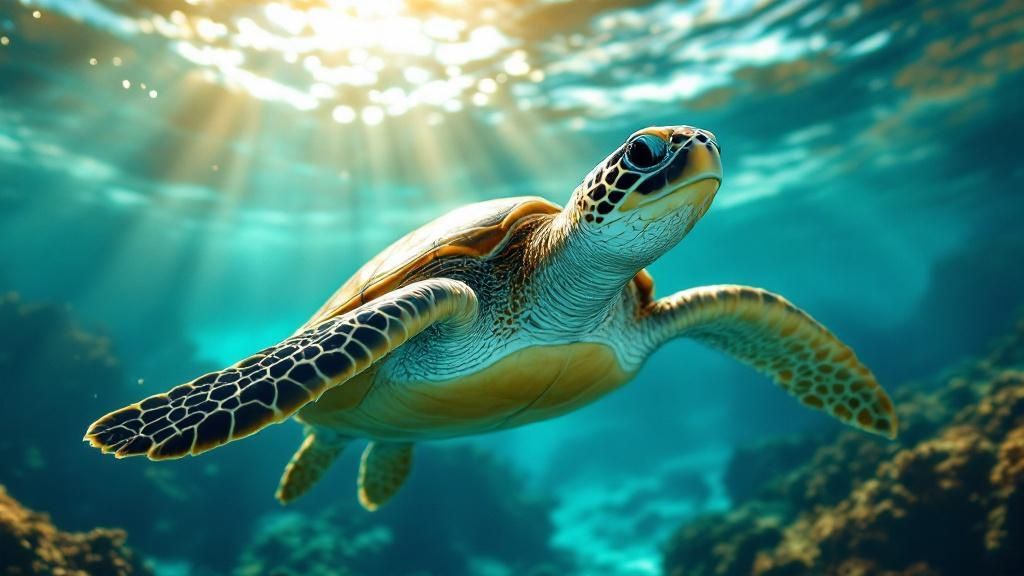
The Big Island is a magnet for the big stuff. Its waters are a critical habitat for graceful green sea turtles (honu), which you'll see gliding effortlessly over the reefs on nearly every dive. Of course, the island is most famous for its majestic manta rays. These gentle giants are the stars of one of the planet's most epic underwater shows: the Manta Ray Night Dive.
But it’s not just about the big animals. The ecosystem here is a rich tapestry of life:
- Reef Fish: Get ready for massive schools of yellow tangs, ornate butterflyfish, and the endemic Potter's angelfish, which you'll only find in Hawaiian waters.
- Eels and Sharks: Keep an eye out for moray eels poking their heads out of crevices and whitetip reef sharks resting on sandy patches below.
- Unique Critters: The complex volcanic structures create perfect homes for elusive octopus, camouflaged frogfish, and a wild variety of invertebrates.
This guide is your complete playbook for planning an unforgettable underwater adventure on Hawaii's Big Island. We’ll cover everything from the best seasons and must-do dive sites to picking the right courses and dive operator.
With its mix of dramatic scenery and thriving wildlife, Big Island scuba diving has something for every diver. Whether you're exploring a sun-drenched reef by day or watching the surreal, silent ballet of manta rays at night, the experiences here are second to none.
To get you out there exploring this aquatic paradise, Kona Honu Divers offers a full range of diving tours built for every skill level. We’re all about safety, conservation, and showing you the absolute best our island has to offer. Don't just take our word for it—we've earned thousands of five-star reviews from divers who've seen these wonders for themselves.
Planning Your Dive Trip Around the Seasons
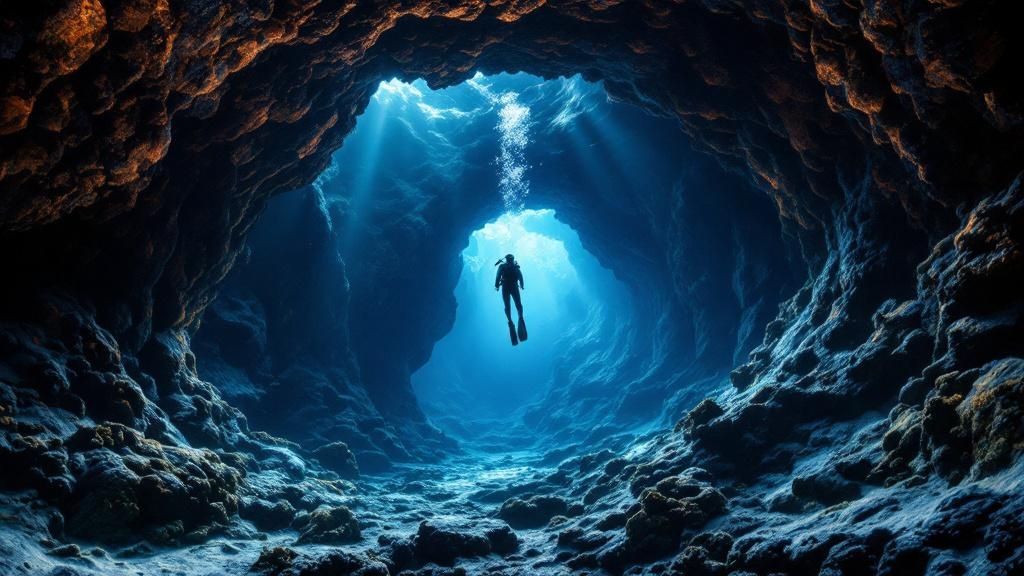
Timing your Big Island scuba diving trip just right can make all the difference. The good news? There really isn't a "bad" time to dive here. The conditions are fantastic pretty much any day of the year. It’s more about figuring out what kind of experience you’re looking for.
The Big Island basically has two main seasons: a warm, super-calm summer and a slightly cooler winter that brings its own kind of magic. Each one offers something a little different underwater, which is a big reason so many divers keep coming back year after year.
One of the best things about diving here is the Kona coast's geography. It sits on the leeward side of the island, which means it’s protected from the big trade winds and open-ocean swells that can stir things up elsewhere in Hawaii. The massive volcanoes, Mauna Kea and Mauna Loa, act like giant natural walls, creating a calm-water paradise perfect for diving.
Summer Diving: The Calm Season
The summer months, from about June through September, are what many divers consider prime time, especially if you love glassy, calm seas. During this period, the ocean can feel like a giant lake, making for some incredibly smooth and comfortable boat rides.
Visibility in the summer is often insane, frequently topping 100 feet. The water also gets up to a toasty 79-81°F (26-27°C). These warm, clear, and calm conditions are absolutely ideal for:
- New Divers: If you're getting your Open Water certification or just starting out, the gentle seas make for a stress-free learning environment.
- Underwater Photographers: All that sunlight punches deep into the water, lighting up the reefs and making your photos pop with vibrant color.
- Relaxed Exploration: For those whose perfect dive involves just effortlessly gliding over pristine coral gardens, summer is your season.
Winter Diving: The Whale Song Season
From December through March, the underwater world of the Big Island gets a powerful, soul-stirring soundtrack. This is when thousands of humpback whales migrate down from Alaska to Hawaiian waters to breed and give birth. While actually seeing one on a dive is incredibly rare and a matter of pure luck, you will definitely know they're around.
On a winter dive, it’s common to hear the haunting and complex songs of male humpback whales resonating right through the water. It’s an immersive, full-body experience that you feel just as much as you hear—a truly unforgettable encounter.
The water temperature dips a bit to a still-comfortable 75-77°F (24-25°C), so a 3mm or 5mm wetsuit is typically all you need. While the surface might get a little choppier than in the summer, the Kona coast stays reliably diveable thanks to its protected location.
The Kona coast's unique position shields it from harsh weather, ensuring amazing year-round diving. The calmest period is summer (June-September), perfect for clear views, while winter (December-March) offers the incredible experience of hearing migrating humpback whales sing underwater, adding a layer of unique biological wonder to every dive. You can read more about what makes the Big Island a premier year-round destination on our site.
Ultimately, choosing when to book your diving tours in Hawaii comes down to personal preference. Do you dream of perfectly flat seas, or does the thought of being serenaded by whales give you goosebumps? Either way, the Big Island is ready to deliver an extraordinary adventure.
Check Availability
Exploring the Big Island’s Most Iconic Dives
The Big Island isn't just another premier diving destination; it's a collection of legendary underwater experiences you'll be telling stories about for years to come. While you'd be hard-pressed to find a bad dive site here, a few stand out as true bucket-list adventures. These are the dives that have put Hawaii on the global scuba map.
At the very top of that list is an encounter consistently rated one of the best night dives in the world. It’s a surreal and mesmerizing performance you just can't find anywhere else.
The World-Famous Manta Ray Night Dive
Picture this: you're kneeling on a sandy patch of the ocean floor, surrounded by darkness. You switch on your light, pointing the beam straight up, creating a column of light in the water. Then, out of the black, a majestic creature with an 11-foot wingspan glides silently into view, its massive mouth agape as it feeds on the plankton drawn to your light.
This is the world-famous Manta Ray Night Dive, and it feels less like a dive and more like an underwater ballet. The mantas perform effortless somersaults and barrel rolls, sometimes swooping within inches of you. It's an interactive, humbling, and utterly unforgettable experience.
These magnificent animals are protected and respected, so the golden rule is simple: look but don't touch. This hands-off approach ensures the mantas remain safe and comfortable, allowing these magical interactions to continue night after night. With a success rate of over 90% for sightings, it's one of the most reliable big-animal encounters on the planet.
The Kona Blackwater Dive
For those who crave a completely different kind of thrill, the Kona Blackwater Dive is a journey into an alien world. This is not a reef dive. You're tethered to a boat, drifting in the deep, dark open ocean, miles from shore. Your lights cut through the inky blackness, revealing a spectacle few humans have ever witnessed.
After sunset, one of the largest animal migrations on Earth takes place as countless strange and bioluminescent creatures rise from the depths to feed near the surface. You'll float in the dark water column, encountering bizarre and beautiful organisms that look like they're straight out of a science fiction movie.
A blackwater dive is like being an astronaut floating through inner space. You never know what incredible, glowing creature will drift into your light, from iridescent ctenophores to translucent larval fish. It's an adventure for the truly curious.
This unique dive definitely requires a sense of adventure, but the payoff is witnessing a part of the ocean's ecosystem that remains largely unseen. The Blackwater Dive tour is a must for anyone wanting to push the boundaries of their diving experience.
Exploring Lava Tubes and Unique Reefs
Beyond the iconic night dives, the daytime Big Island scuba diving is just as spectacular. The island’s volcanic past has created an underwater playground of unique structures. You can explore ancient lava tubes, swim through massive arches, and navigate dramatic underwater canyons.
Some of the most popular sites for this type of diving include:
- Golden Arches: Known for its dramatic archways and swim-throughs, where you can often find whitetip reef sharks resting.
- Turtle Pinnacle: A classic "cleaning station" where green sea turtles (honu) gather to have small fish and shrimp clean their shells.
- Mile Marker 4: A shore dive famous for its easy access and rich marine life, including schools of vibrant reef fish and eels.
For divers with more experience under their belt, the island offers advanced dive opportunities that reward you with pristine conditions and rare sightings. These tours take you to deeper pinnacles and more remote sites where the bigger marine life often congregates. For a more detailed look at what the island has to offer, check out our guide to Big Island diving.
No matter which dive you choose, the quality of your guide and operator makes all the difference. Kona Honu Divers is committed to providing safe, respectful, and unforgettable adventures. But don't just take our word for it—see what fellow divers have to say about their experiences with us.
The Pioneering History of Big Island Diving
To really get why Big Island scuba diving is so special today, you have to look back. Long before sleek dive boats and high-tech gear, exploring Kona's underwater world was a game for a few tough-as-nails adventurers. The sport didn't just pop up out of nowhere; it was built piece by piece by pioneers who saw the magic under the surface and just had to share it.
The story really gets going in the 1960s and 70s. Back then, scuba was a fringe hobby, not the global draw it is now. The Big Island's journey from a quiet coastline to a world-class diving hub started with these early explorers working with primitive gear and not much else.
A huge moment came in 1981 when Jack and Tina Clothier opened Jack's Diving Locker. That operation became legendary, charting dive sites and sparking a passion for the sport across the island. These weren't just business owners; they were trailblazers laying the very foundation of the island's dive culture.
From Niche Hobby to Global Phenomenon
So what flipped the switch? It came down to making diving something anyone could do. The rise of global training agencies like PADI (Professional Association of Diving Instructors) and SSI (Scuba Schools International) was a total game-changer. They created safe, repeatable, and structured ways to teach people how to explore underwater.
This standardization took the mystery out of scuba. Suddenly, you didn't have to be an elite explorer to see the Big Island’s reefs. This newfound accessibility kicked off a boom, and Kona’s reputation as a must-dive destination started to take hold.
The spirit of those early pioneers lives on in the dive community today. It's a culture built on a passion for exploration, a deep respect for the ocean, and a desire to share its wonders with others.
That dedication is what turned a quiet spot on the map into a diving mecca that now welcomes over 150,000 certified divers every single year. This history is what makes diving here feel different—you’re not just a tourist, you’re part of a legacy. The same adventurous spirit that first revealed the wonder of experiences like the Manta Ray Night Dive is still what drives the best dive shops today. You can get a better sense of this by reading our article on what makes the Manta Ray Night Dive so incredible.
The Modern Legacy of Adventure
Everything you see in the Big Island dive scene today—the professional shops, the expert guides, the well-kept boats—is a direct result of that early grit and vision. Every time you drop into a lava tube or watch a manta ray glide past, you're experiencing a piece of that history.
This heritage created a blueprint for exploration that is both thrilling and responsible. It’s why the best operators are so focused on:
- Safety First: Making sure every diver, from their first breath underwater to their hundredth dive, feels confident and secure.
- Marine Conservation: Actively protecting the fragile ecosystems that make these dives so spectacular in the first place.
- Passionate Guidance: Not just pointing out fish, but sharing the stories and the science behind the magic.
When you book a dive here, you’re stepping into a story that began decades ago. It’s a legacy of adventure, and now you get to be a part of it.
How to Choose the Right Dive Operator
Picking a dive operator is probably the single most important decision you’ll make for your Big Island scuba diving trip. They're so much more than a boat taxi; they are your guides, your safety net, and the folks who will unlock the best underwater secrets for you. The right shop can elevate a good dive into a truly unforgettable memory, while the wrong one can lead to frustration or, even worse, safety issues.
Think of it like hiring a guide for a trek up Everest. You wouldn't just pick the cheapest person you could find. You’d look for someone with an ironclad safety record, high-quality gear, and an intimate knowledge of the mountain. That same exact logic applies when you're exploring the world beneath the waves.
So, let's break down how to choose the best dive shop for you. We’ll cover the absolute non-negotiables, like safety and gear, and also touch on the finer points that make a good trip great, like boat comfort and the passion of the crew.
Safety First. Always.
Before you even start dreaming about specific dive sites or marine life, your top priority has to be safety. A truly professional operator doesn’t just pay lip service to safety; it's ingrained in everything they do. You'll see it in their boat briefings and feel it in their in-water supervision.
Keep an eye out for these tell-tale signs of a safety-focused operator:
- Thorough Briefings: A great guide will lay out a detailed dive plan, covering how you’ll get in and out of the water, your maximum depth and time, and what to do in an emergency.
- Small Guide-to-Diver Ratios: Smaller groups mean more personal attention from your guide, which translates directly to a safer and more enjoyable experience for everyone.
- Experienced Staff: The crew should feel calm, professional, and clearly in control. You want people who have a deep well of experience to draw from, like the pros at Kona Honu Divers.
- Emergency Equipment: The boat should have oxygen kits, first aid supplies, and communication gear that are not only visible but look well-maintained.
Gear and Boat Comfort
Your comfort and the gear you use are directly linked to how much fun you'll have (and how safe you'll be). High-quality, well-serviced rental equipment is a hallmark of a professional shop. Nothing ruins a dive faster than a leaky mask or a regulator that breathes "wet," so don't be shy about asking how often they maintain their gear.
The dive boat is your home base for the day. A comfortable boat makes all the difference. Things like shaded areas to get out of the sun, fresh water for rinsing off, and maybe even a hot shower between dives are game-changers. Just as important is having enough space to set up your gear without constantly bumping elbows with your neighbor.
Finding the Right Course for You
If you're new to diving or want to level up your skills, the quality of an operator's training programs is crucial.
Choosing a dive course is about finding the right fit for your goals. Whether it's your very first breath underwater or you're aiming to master new skills, the quality of instruction determines the foundation of your diving journey.
For total beginners, a Discover Scuba Diving (DSD) experience is the perfect way to dip your toes in. It lets you try out scuba under the watchful eye of an instructor without having to commit to a full certification course. If you get hooked (and you probably will), the PADI Open Water Diver course is your ticket to a lifetime of underwater exploration, giving you a certification that's recognized all over the world.
Already certified? Advanced courses open up a whole new level of Big Island scuba diving. You can learn specialized skills like deep diving, underwater navigation, or perfecting your buoyancy, which lets you explore more challenging and rewarding sites. If you want to see what's out there, you can learn more about the various scuba certification courses available in Kona.
Ready to take the plunge with an operator that puts safety, comfort, and incredible adventures first?
Check Availability
Your Big Island Diving Questions Answered
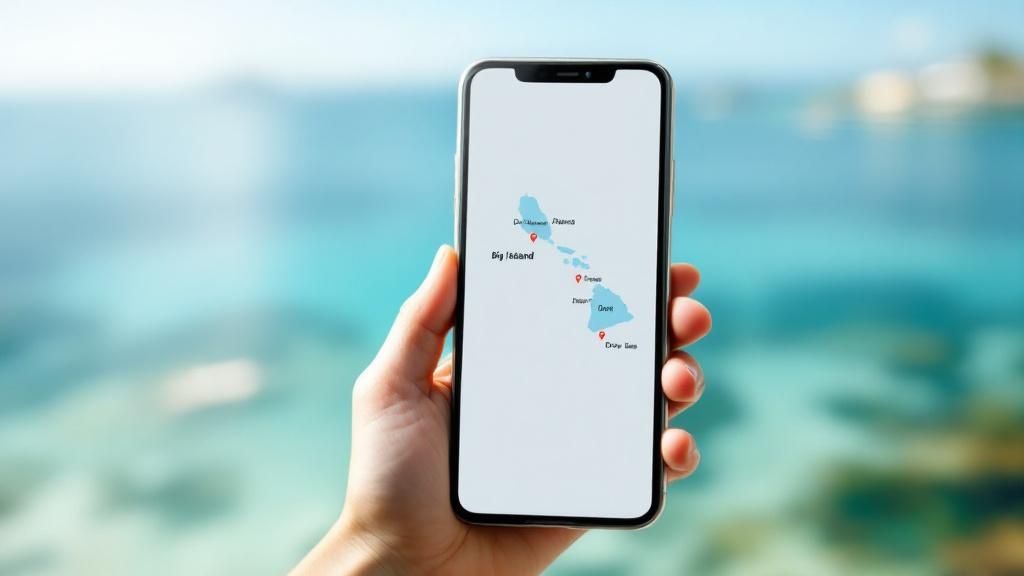
Planning a dive trip always brings up a few last-minute questions. We get it. To make sure you feel totally ready for your adventure, we've put together some answers to the things divers ask us most about the Big Island. Think of this as your final checklist before you hit the water.
What Marine Life Can I Realistically Expect to See?
The Big Island’s waters are bursting with life, so you’re in for a treat. On pretty much any dive, you're almost guaranteed to see graceful green sea turtles (honu), different types of moray eels poking their heads out of crevices, and big, beautiful clouds of reef fish like yellow tangs and butterflyfish. It's also really common to see pods of spinner dolphins playing, majestic eagle rays gliding by, and whitetip reef sharks just chilling on the sandy bottom.
And of course, there’s the main event: the world-famous manta ray night dive, where incredible manta sightings are practically a sure thing. If you're here in the winter, you’ll also get to hear the haunting songs of humpback whales echoing underwater—a truly magical experience you won’t forget.
Should I Bring My Own Scuba Gear?
You totally can, but you definitely don't have to. Flying with a full set of gear can be a pain. Reputable shops like Kona Honu Divers have high-quality, well-maintained rental gear ready to go, including BCDs, regulators, and wetsuits. It’s super convenient.
That said, a lot of seasoned divers won’t leave home without their own mask for that perfect, no-leak fit, or their personal dive computer because they know it inside and out. It really comes down to personal preference. If you want to bring your whole kit, go for it!
Is the Big Island good for beginner divers? Absolutely. The Kona coast is loaded with sheltered dive sites with calm, clear water. It’s pretty much the ideal, safe environment to learn how to dive.
Dive shops offer "Discover Scuba Diving" programs, which are perfect if you just want to give it a try without committing. Honestly, this is one of the most beautiful places on the planet to get your Open Water certification and start your underwater journey. When you're ready to book, you can check out all our diving tours and find the perfect trip.
What Is the Water Temperature Like?
The water here is wonderfully comfortable all year. In the winter, you can expect temperatures from 75-77°F (24-25°C), and in the late summer and fall, it warms up to a balmy 79-81°F (26-27°C). Most divers are perfectly happy in a 3mm or 5mm full wetsuit—which usually comes with your rental gear—and it’s more than enough to keep you cozy for your entire dive.
Check Availability