
Ready for an adventure beneath the legendary waves of the Kona coast? Let's dive into what makes the Big Island a world-class sanctuary for scuba divers. It's not just about the beautiful water; it’s the island’s unique volcanic heart and vibrant marine life that pull people here from all over the world.
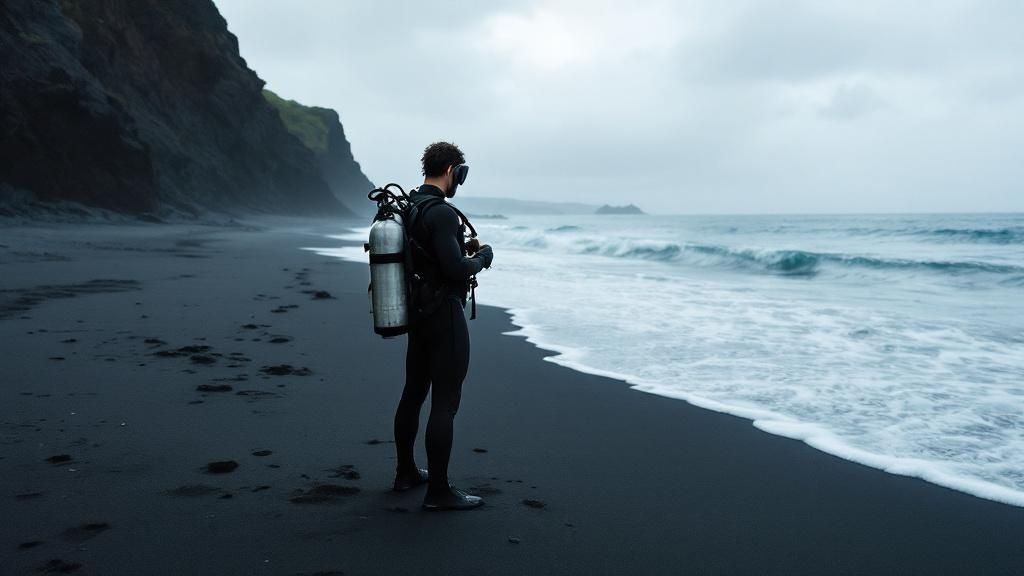
Why Is Big Island Scuba Diving So Good?
The Big Island isn’t just another pretty spot in the Pacific; it’s a premier hub for underwater exploration. So, what’s the secret? It really comes down to the island's unique geology. The two massive volcanoes, Mauna Loa and Hualālai, act as gigantic natural shields, blocking the strong trade winds from hitting the Kona coast.
This natural protection creates freakishly calm and clear water almost all year long. We’re talking visibility that often pushes past 100 feet. It’s the kind of reliable clarity that makes Kona diving an amazing experience for everyone, whether you're taking your first breaths underwater or you're a seasoned pro with hundreds of dives in your logbook.
The underwater landscape is a spectacle in itself, shaped directly by the island's fiery origins. You’ll be swimming over ancient lava flows that have blossomed into sprawling, healthy coral reefs. There are intricate lava tubes just waiting to be explored and dramatic drop-offs that plunge into the deep blue abyss. It's a truly dynamic environment.
More Than Just a Pretty Reef
While the day-to-day reef diving is spectacular on its own, the Big Island is famous for a few signature experiences that absolutely belong on every diver’s bucket list.
First up is the world-renowned Manta Ray Night Dive. It's an unforgettable underwater ballet where these gentle giants gracefully swoop and feed on plankton, sometimes just inches from your face. Then, for those craving a completely different kind of thrill, there's the Pelagic Black Water Dive. This is a journey into the open ocean after dark, where you'll encounter the bizarre and beautiful creatures that rise from the deep to feed.
These incredible dives are a testament to the sheer biodiversity of this place. Diving the Big Island means seeing marine life you just won't find anywhere else.
The combination of protected waters, volcanic seascapes, and iconic night dives is what solidifies the Big Island's reputation as a top-tier destination for anyone serious about scuba diving.
To give you a quick snapshot of what to expect, here’s a look at the typical conditions.
Big Island Diving Conditions at a Glance
| Feature | Details |
|---|---|
| Water Temperature | 75-80°F (24-27°C) year-round |
| Visibility | Averages 80-100+ feet (24-30+ meters) |
| Currents | Generally mild, protected by volcanoes |
| Entry Type | Mostly boat dives; some shore entries |
| Topography | Lava tubes, arches, reefs, drop-offs |
| Must-Do Dives | Manta Ray Night Dive, Black Water Dive |
| Peak Season | Year-round, with whale season from Dec – Mar |
As you can see, the conditions are pretty much ideal no matter when you decide to visit.
As we go deeper in this guide, we'll get into the best dive sites, the specific marine animals to look for, and how to pick the right Kona diving company for your trip. Whether this is your first time planning a dive trip here or you're coming back for more, the underwater world of the Big Island has endless adventures waiting.
Ready to take the plunge?
Why Kona Is a World-Class Diving Haven
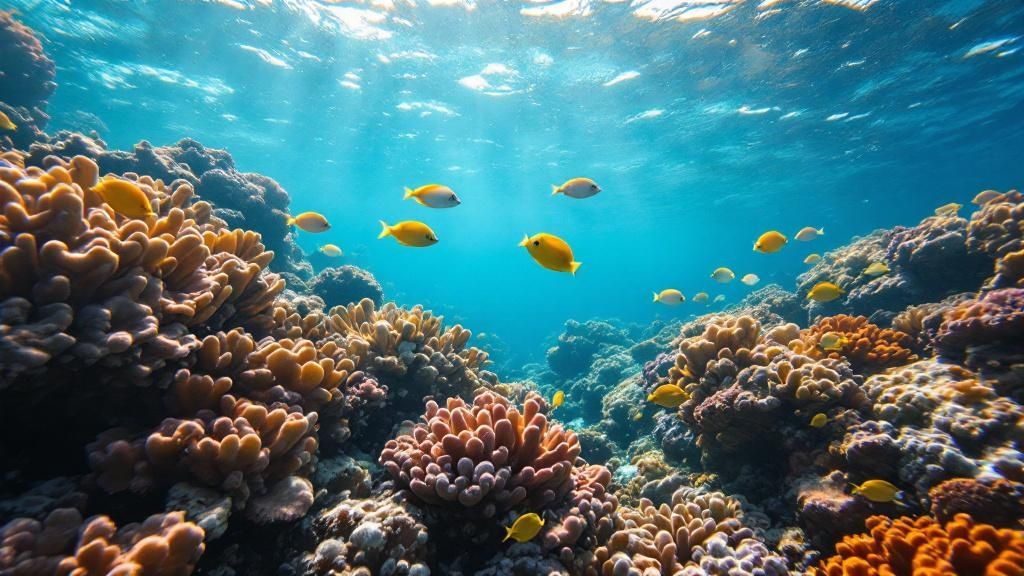
The Big Island isn't just another pretty face in the Pacific; it's a magnet for underwater explorers, and the Kona coast is its absolute crown jewel. The secret to its world-class status isn't complicated—it’s a perfect storm of geology and climate that creates some of the most reliable and stunning dive conditions anywhere on Earth. This natural gift is precisely why scuba diving Big Island Hawaii is so often mentioned in the same breath as the Kona coast.
Think of Mauna Loa and Hualālai as two colossal bodyguards. These massive volcanoes stand tall, blocking the powerful trade winds that can churn up the seas on other parts of the island chain. This creates a sheltered oasis on the leeward side, resulting in consistently calm, clear water. While other Hawaiian islands can be a roll of the dice with swells and murky visibility, Kona diving is refreshingly dependable. Book one of our diving tours to experience it for yourself.
A Volcanic Underwater Playground
The island’s fiery past has sculpted an underwater landscape that is nothing short of incredible. When you drop into the water off Kona, you’re not just going for a swim; you're entering a world carved by ancient lava flows. Over thousands of years, these dramatic formations have evolved into a complex and thriving marine playground.
This is what makes Big Island diving so unique. You'll find underwater architecture you just don't see elsewhere:
- Intricate Lava Tubes: Imagine swimming through natural tunnels and caverns formed by molten rock. These are fantastic swim-throughs for certified divers looking for a bit of adventure.
- Majestic Arches: Grand arches and soaring pinnacles rise from the seafloor, creating dramatic backdrops and providing shelter for huge schools of fish.
- Vibrant Coral Reefs: The ancient lava rock provides the perfect, stable foundation for healthy, sprawling coral reefs to take hold, which in turn supports an unbelievable amount of life.
This unique topography means every dive is a true exploration. It’s not just about what you see, but the incredible world you get to see it in. The blend of calm waters and fascinating structures makes diving Hawaii Big Island an experience that hooks brand-new divers and keeps seasoned pros coming back for more.
Unparalleled Clarity and Marine Life
The sheltered Kona coast boasts some of the clearest water in all of Hawaii, with visibility that often pushes past 100 feet. This crystal-clear view lets you spot marine life from way off and truly soak in the vibrant colors of the reef. Sitting on the island's western side, the coast is shielded from those pesky trade winds, giving us amazing, year-round diving conditions for all skill levels. Learn more about the unique conditions that make scuba diving the Big Island so incredible.
This pristine environment is a sanctuary for a mind-boggling array of marine animals. From the massive, graceful manta rays and acrobatic spinner dolphins to the hard-to-spot frogfish and countless fish found only in Hawaii, the biodiversity here is off the charts. If you're looking for an unforgettable adventure, scuba Big Island absolutely delivers.
Discover the Most Unforgettable Dives on the Big Island

While the everyday Kona diving is absolutely fantastic, the Big Island is world-famous for a few specific dives that are nothing short of life-changing. These aren't just entries in your logbook; they are bucket-list moments that pull people from all over the globe for the ultimate big island scuba diving vacation.
The undisputed champion, the one dive everyone talks about, is the Manta Ray Night Dive. It’s an experience so otherworldly that it consistently lands on "Best Dives in the World" lists. Picture this: you descend into the warm, dark Pacific and settle onto a sandy patch of the ocean floor. Your guide places powerful lights on the bottom, pointing them up towards the surface. This column of light acts like a massive bug zapper, attracting swarms of plankton.
And then, the magic happens. Out of the pitch-black, graceful giants materialize. Manta rays, some with massive wingspans stretching over 12 feet, glide, swoop, and perform an effortless underwater ballet right over your head. They are so close you can see every detail as they feast on the plankton. It's a humbling, mesmerizing, and totally unforgettable encounter. Check out our manta ray dive tours to book this incredible experience.
Journey into the Abyss with a Black Water Dive
For divers craving something completely different, something truly mind-bending, the Kona Black Water Dive is your ticket to another dimension. This isn't your typical reef dive. We take you miles offshore at night, where you'll drift, tethered to the boat, suspended over thousands of feet of inky black water.
Down here, the largest daily migration on Earth takes place as countless strange and wonderful creatures rise from the depths to feed near the surface. You'll be face-to-face with a world of bioluminescent, transparent, and often bizarre-looking larval-stage animals—creatures you would never, ever see on a normal dive. If you're ready for this unique adventure, book our Blackwater Dive tour.
It’s often described as a "space walk" in the ocean. This dive isn't about big animals; it’s about discovering the delicate, intricate, and alien-like life forms that are the foundation of the ocean's food web.
Advanced Diving and Volcanic Explorations
Beyond these famous night dives, Big Island diving offers a ton of amazing opportunities for experienced divers looking to explore more technical environments. The island's volcanic origins have created a rugged and wild underwater landscape that’s just begging to be explored.
If you have the right training and certification, you can explore incredible lava tubes. These are natural tunnels and caverns carved out by ancient lava flows, creating fascinating swim-throughs where unique marine life loves to hide. The coastline is also lined with deep reefs and dramatic drop-offs that are perfect for more advanced diving opportunities. These spots can have stronger currents, but they reward divers with pristine coral gardens and a much better chance of spotting larger pelagic species passing by.
With such a wild variety of underwater adventures, from the world-famous manta spectacle to deep volcanic structures, scuba diving Big Island truly has something to challenge and inspire every certified diver. You can learn more about what makes diving here so special in our complete guide to Big Island scuba diving.
The Rich History and Community of Kona Diving

The story of how Big Island diving went from a local secret to a global phenomenon is all about passion, adventure, and a tight-knit community. Long before the guidebooks and tour boats, Kona’s underwater world was a pristine playground known only to a few dedicated pioneers. Their vision is the reason this quiet coastline is now a bucket-list destination for divers everywhere.
It really started to take shape back in the late 1960s and early 70s. Gear was basic, and the thrill of discovery was everything. The real game-changer came with professional organizations like PADI, which brought in standardized training and made diving Hawaii Big Island safer and more accessible for everyone.
A pivotal moment happened in 1981 when Jack and Tina Clothier opened Jack's Diving Locker. It wasn't just a shop; it became an institution that truly put Kona diving on the map. Today, that same operation handles over 25,000 dives a year, which gives you a sense of just how much this community has grown.
This pioneering spirit laid the foundation for the collaborative community we have today. What began with a handful of adventurous souls has blossomed into a network of more than 50 Kona diving companies, all working to uphold the island’s stellar reputation.
A Culture Built on Safety and Respect
The growth of scuba diving Big Island was never just about business. From the very beginning, it was about building a culture rooted in safety, education, and a profound respect for the ocean. Local dive operators have always known that our pristine marine environment is the most valuable thing we have.
This shared commitment to marine stewardship ensures that the underwater world you explore today remains just as vibrant for future generations of divers. It's a promise kept by the entire community.
This sense of responsibility is what defines the scuba diving Big Island Hawaii experience. You'll see operators working together to establish best practices, especially around sensitive encounters like the world-famous manta ray night dive. To really get why this experience is so unique, check out our deep dive into what makes the manta ray night dive special.
From those early days of pure adventure to the world-class industry it is now, the story of diving Big Island is one of collective passion. It's a community that proudly welcomes thousands of visitors each year, eager to share the magic of Kona’s underwater world while fiercely protecting its future.
How to Choose the Right Dive Operator in Kona
Picking the right partner for your underwater adventures is probably the most critical decision you'll make when planning a Big Island scuba diving trip. It’s about more than just getting on a boat. The right crew can turn a good dive into an unforgettable one, and that all comes down to safety, experience, and a genuine commitment to the ocean.
Frankly, the best Kona diving companies are the ones that focus on small groups. It's just a better experience. You get more one-on-one time with your guide, you feel safer, and your encounters with marine life feel much more personal. It's the difference between feeling like you're on a crowded bus and having your own private tour of the reef.
What Sets Kona Honu Divers Apart
Here at Kona Honu Divers, our entire philosophy is built around that premium, safety-first experience. We hire guides who are not only experts in the water but are genuinely passionate about what they do. Their commitment to your safety and the health of our local reefs is what makes all the difference. We truly believe that world-class Kona diving starts with a world-class crew.
But you don’t have to take our word for it. Our divers’ experiences really tell the story best:
Marine conservation isn't just a talking point for us; it’s a core part of who we are. We're guests in a fragile ecosystem, and we take that responsibility seriously. When you dive with us, you're not just a tourist—you're actively helping us protect the very underwater world you came all this way to see. This approach is absolutely essential for the future of diving Hawaii Big Island.
Making the Right Choice for Your Dive
When you're looking at different operators for your scuba diving Big Island Hawaii trip, don't be shy. Ask the tough questions. What’s their safety record? What are their guide-to-diver ratios? What are they actively doing for conservation? Any company worth its salt will be happy—and proud—to answer. For a deeper dive on what to look for, check out our guide on the top-rated Kona dive shops.
Ultimately, you want to find a team that makes you feel confident, comfortable, and totally stoked for your dive. The right operator is the secret ingredient that transforms a good day in the water into a lifelong memory. Choosing a company like Kona Honu Divers means your scuba diving Big Island adventure will be safe, personal, and respectful of the ocean we all love. The experience of diving Big Island is shaped entirely by the crew leading the way.
Ready to see what the best scuba Big Island has to offer?
Essential Tips for Planning Your Dive Trip
Alright, let's talk logistics. Planning your Big Island scuba diving adventure is almost as much fun as the trip itself. A little prep work goes a long way in making sure your vacation is smooth, safe, and absolutely unforgettable. Think of this as your go-to checklist for getting everything dialed in for your diving Big Island experience.
First up: when to come. One of the absolute best things about Kona diving is that you can do it pretty much any day of the year. The water is always inviting, hovering between a comfortable 75-80°F (24-27°C). Seriously, you can take the plunge any month you want.
That said, if you're looking for the absolute calmest seas and warmest water, the summer months from May to October are prime time. It's when the conditions are just idyllic for most divers.
Packing for Your Underwater Adventure
The age-old question: "What should I pack?" If you're a seasoned diver, you probably have your go-to gear that just fits. Bringing your own mask, computer, and regulator means you're diving with what you know and trust. But honestly, lugging all that heavy equipment across the Pacific can be a real hassle.
Renting from a solid local shop is a fantastic, stress-free alternative. Reputable Kona diving companies like us at Kona Honu Divers have high-quality, meticulously maintained rental gear. It saves you the trouble and lets you travel a bit lighter.
Here’s a quick list of what to throw in your bag:
- Essential Dive Gear: If you're bringing your own, don't forget your mask, fins, snorkel, regulator, and dive computer.
- Exposure Protection: A 3mm wetsuit is the sweet spot for Hawaiian waters. If you tend to get chilly or are coming in the winter, you might be happier in a 5mm.
- Reef-Safe Sunscreen: This is a big one. Protect yourself and our fragile coral reefs by only using mineral-based sunscreens.
- Dry Bag: An absolute must-have for keeping your phone, wallet, and car keys dry on the boat.
- Logbook and Certification Card: The two things you definitely don't want to leave on your kitchen counter!
Diving with Respect
Here in Hawaii, we take protecting our ocean seriously. Responsible tourism is the heart and soul of the scuba diving Big Island Hawaii experience. As visitors, we all share in the kuleana (responsibility) to care for the incredible ecosystem we've come to see.
Many of us, locals and visitors alike, have taken "The Pledge to Our Keiki" (our children), which is a promise to care for Hawaii's natural treasures. For divers, this means practicing mindful diving: maintaining perfect neutral buoyancy, never, ever touching marine life, and leaving nothing behind but bubbles. It’s this deep respect that allows for those mind-blowing encounters with sharks, mantas, and the wild lava formations you can't see anywhere else. If you want to dive deeper into Hawaii's commitment to regenerative tourism, the folks at PADI.com have some great insights.
Follow these simple tips, and you'll show up ready for an incredible and respectful adventure diving Hawaii Big Island.
Frequently Asked Questions About Big Island Diving
Is there good diving on the Big Island?
Absolutely. The diving on the Big Island isn't just good; it's world-class. The Kona coast is globally renowned for its exceptionally clear and calm waters, protected by massive volcanoes. This unique geology creates a stunning underwater landscape of lava tubes, arches, and healthy coral reefs. Add in signature experiences like the Manta Ray Night Dive, and it's clear why Big Island diving is a top-tier destination.
What are the best months to scuba dive in Hawaii?
While you can enjoy fantastic diving in Hawaii year-round, the best months are typically from May to October. During this period, the seas are at their calmest and the water is warmest, often reaching 80°F (27°C). However, the Kona coast offers great diving Hawaii Big Island conditions even in winter, as it's shielded from the large swells that affect other islands.
Is Kona good for scuba diving?
Kona is the epicenter of scuba diving on the Big Island. Its leeward coast provides reliable, calm conditions with outstanding visibility, making it ideal for exploring the vibrant reefs. Kona is also the home base for Hawaii's most iconic dives, including the manta ray and blackwater experiences, and hosts the island's best Kona diving companies.
Is it better to snorkel or scuba dive in Hawaii?
It depends on what you want to experience. Snorkeling is a great way to see marine life in shallow bays. However, to truly immerse yourself in the underwater world—to glide through lava tubes, explore deeper wrecks and reefs, and have more intimate encounters with animals like manta rays—scuba Big Island is unparalleled. Scuba diving offers a more comprehensive and three-dimensional experience.
Which Hawaiian island is best for scuba diving?
While all the islands have something to offer, the Big Island is widely considered the best for scuba diving. It offers a unique combination of crystal-clear visibility, dramatic volcanic underwater topography (like lava tubes), incredible biodiversity, and iconic dives that you simply can't find anywhere else. For the most diverse and reliable underwater adventure, scuba diving Big Island is the top choice.
When to dive Kona?
Anytime is a great time to dive Kona! The region is blessed with excellent diving conditions throughout the year. Water temperatures remain comfortable, ranging from 75°F in winter to 80°F in summer. While the seas are typically flattest in the summer, Kona’s protected location means that even winter diving is fantastic, making it a reliable year-round destination for Kona diving.