
The Big Island of Hawaii isn't just a paradise of volcanic landscapes and lush rainforests; it's a world-class scuba diving destination. The Kona coast, in particular, offers a unique underwater playground shaped by ancient lava flows, resulting in dramatic topography like caverns, arches, and pinnacles. Protected from the trade winds, the waters here boast some of the best visibility in the state, often exceeding 100 feet. This exceptional clarity unveils a vibrant ecosystem teeming with life, from the majestic manta rays performing their nightly ballet to the elusive creatures of the deep on a specialized blackwater dive. Big Island scuba diving offers an unparalleled variety of experiences for every diver, whether you're taking your first breath underwater or you're a seasoned pro seeking a new challenge.
This guide will serve as your all-in-one resource, exploring the most iconic dive sites, essential gear considerations, crucial safety protocols, and how to get the most out of your underwater journey. We'll provide actionable insights to help you navigate everything from the world-famous Manta Ray Night Dive to the abyssal wonders of a Kona Blackwater Dive. Whether you are looking for certification courses, advanced charters, or simply the best rental gear on the island, we have you covered. While the Big Island offers unparalleled experiences, you might also be interested to explore other diving opportunities and learn more about the broader world of scuba. Get ready to dive deep into what makes this island a top-tier global diving hotspot and discover how you can experience it all with a diving tour.
1. Manta Ray Night Dive at Kona
The Manta Ray Night Dive is an iconic, bucket-list experience that rightfully places Big Island scuba diving on the world stage. It's an otherworldly spectacle where divers become front-row spectators to one of nature’s most graceful performances. After sunset, you’ll descend to a designated sandy area, around 30-35 feet deep, and gather around a powerful light source affectionately known as "the campfire." This light illuminates the water, attracting vast clouds of plankton, the primary food source for manta rays.
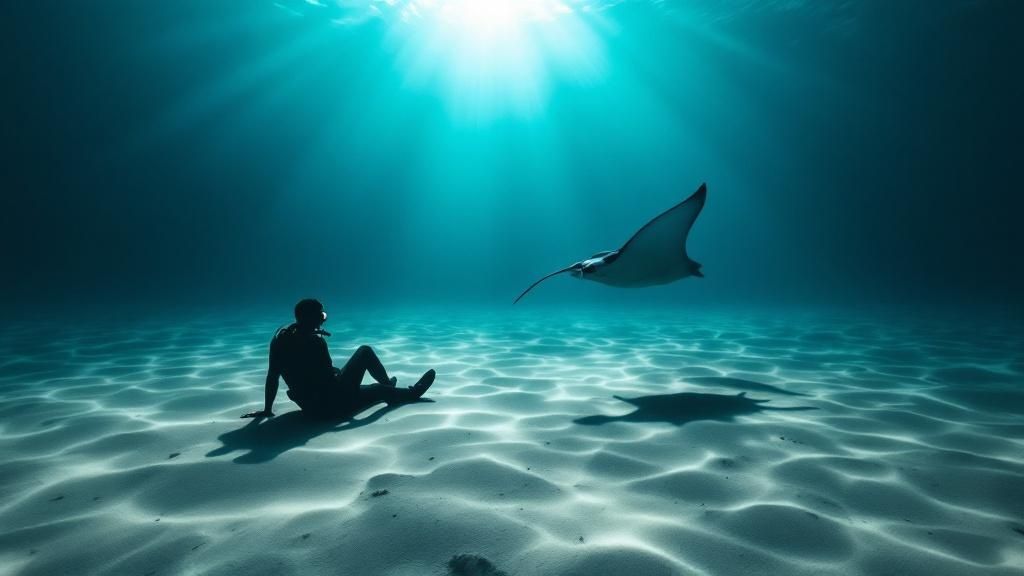
What happens next is pure magic. Drawn by the plankton feast, giant resident manta rays, some with wingspans stretching over 15 feet, glide in from the darkness. They perform mesmerizing barrel rolls and graceful somersaults, feeding on the plankton and often passing just inches above your head. It’s an incredibly moving, non-intrusive way to witness these gentle giants in their natural habitat. This dive isn't just a local favorite; its global significance is highlighted by features in renowned documentaries like BBC's Blue Planet II and National Geographic specials.
Why It's a Must-Do Experience
This dive offers a rare combination of high-impact wildlife encounter and exceptional accessibility. Unlike many big animal encounters that require advanced skills or remote travel, the Kona manta ray dive is suitable for most certified divers. The shallow depth and calm conditions at sites like "Manta Heaven" make it a low-stress, high-reward adventure. The experience is so reliable and well-managed that it has become a model for sustainable marine eco-tourism. Local operators, such as Kona Honu Divers, work closely with organizations like Manta Ray Advocates to ensure the interactions are safe and respectful for the animals.
Key Insight: The success of this dive hinges on a simple, brilliant concept: using light to attract plankton, which brings the mantas directly to a predictable location. This creates a reliable, breathtaking encounter without baiting or altering the mantas' natural feeding behavior.
Actionable Tips for the Best Encounter
To make the most of this unforgettable dive, follow these practical tips:
- Book Well in Advance: This is the Big Island's premier dive. Charters, especially during peak tourist season (winter and summer), fill up weeks or even months ahead. Secure your spot on a manta ray dive tour with a reputable operator like Kona Honu Divers early.
- Stay Still: Find your spot on the sandy bottom and remain as motionless as possible. The less you move, the more comfortable the mantas will be, and the closer they will approach.
- Light Discipline: While you should bring a dive light, avoid shining it directly into the mantas' eyes or gills. Point your beam upwards into the water column to help attract plankton.
- No Touching: This is the cardinal rule. Never touch a manta ray. Their skin is covered in a protective mucus layer, and touching them can cause harm and stress. Let them initiate any close passes.
2. Cathedrals I & II (Lanai)
While technically off the coast of Lanai, Cathedrals I & II are so extraordinary that they are a must-do for serious divers visiting the Hawaiian Islands, often accessed via full-day charters from Maui or even specialized trips. These are not shipwrecks but immense underwater lava tubes with collapsed ceilings, creating cavernous, church-like chambers. Sunlight streams through openings in the rock, creating ethereal, god-like rays that illuminate the vast interior, giving the sites their heavenly names.
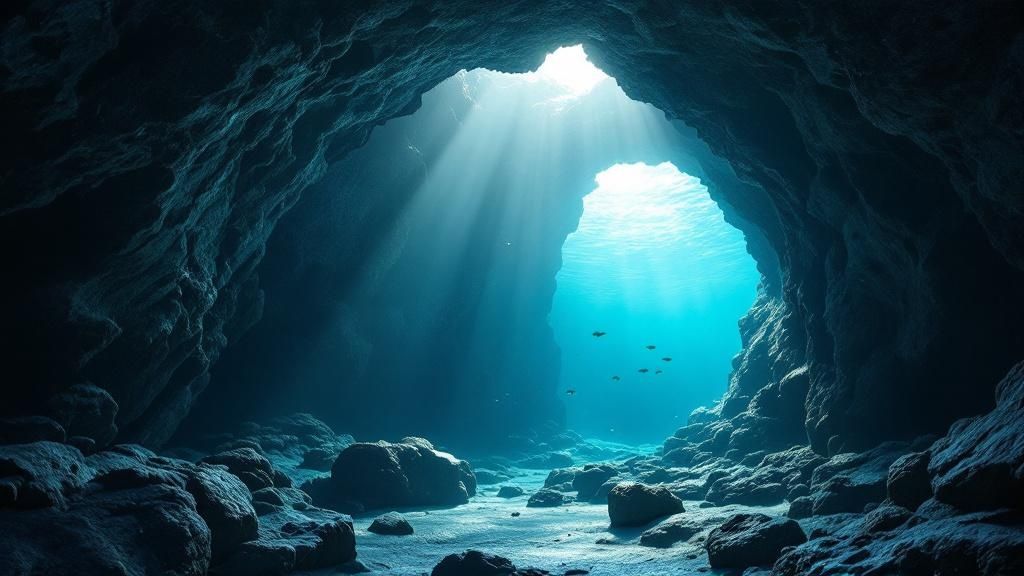
Divers can explore a labyrinth of dramatic archways, swim-throughs, and lava formations. The main chamber of Cathedral I is a two-story cavern where you can surface inside the lava tube, while Cathedral II offers a more complex series of passages. The water here is known for its exceptional clarity, with visibility frequently exceeding 150 feet, making for breathtaking underwater photography. These sites are regularly featured in "Hawaii's Best Dive Sites" publications and are popular locations for advanced diver training due to their unique topography.
Why It's a Must-Do Experience
Cathedrals I & II offer a geological spectacle unlike any other dive in Hawaii. It's a journey into the volcanic heart of the islands, combining the thrill of cavern diving with stunning natural light shows. The sheer scale of the formations, combined with the incredible visibility, creates a sense of awe and wonder. Exploring these sites feels like discovering a lost underwater world, and the unique environment attracts marine life like white-tip reef sharks, turtles, and colorful endemic fish seeking shelter within the lava structures. This type of formation is rare and provides an unforgettable adventure for more experienced divers.
Key Insight: The magic of the Cathedrals lies in the interplay between geology and light. The collapsed lava tube ceilings act as natural skylights, transforming the dark caverns into divinely lit amphitheaters. This creates a constantly changing visual experience as the sun moves across the sky.
Actionable Tips for the Best Encounter
To safely enjoy the majesty of the Cathedrals, planning and awareness are key:
- Book a Full-Day Trip: Due to the location, these sites are typically accessed via longer charters, often from Maui. Booking a full-day trip ensures you have ample time to explore both sites without feeling rushed.
- Bring an Underwater Camera: The dramatic lighting provides incredible photo opportunities. A wide-angle lens is ideal for capturing the scale of the caverns and the light rays.
- Master Buoyancy and Stay Close: Excellent buoyancy control is crucial for navigating the swim-throughs and avoiding contact with the fragile lava formations. Always stay close to your dive guide, especially when inside the caverns.
- Check Conditions: While often protected, conditions can change. Reputable operators like Extended Horizons Scuba will only go if the swell and currents are favorable for a safe and enjoyable dive.
3. Black Water Diving
For the truly adventurous, Black Water Diving is an unparalleled experience that takes big island scuba diving into the realm of deep-sea exploration. This unique pelagic dive is conducted far offshore over thousands of feet of water, where you descend into the pitch-black abyss at night. Tethered to the boat for safety, divers hover at a depth of about 50 feet and witness the largest migration on Earth: the nightly vertical migration of deep-sea creatures from the crushing depths to the surface to feed.
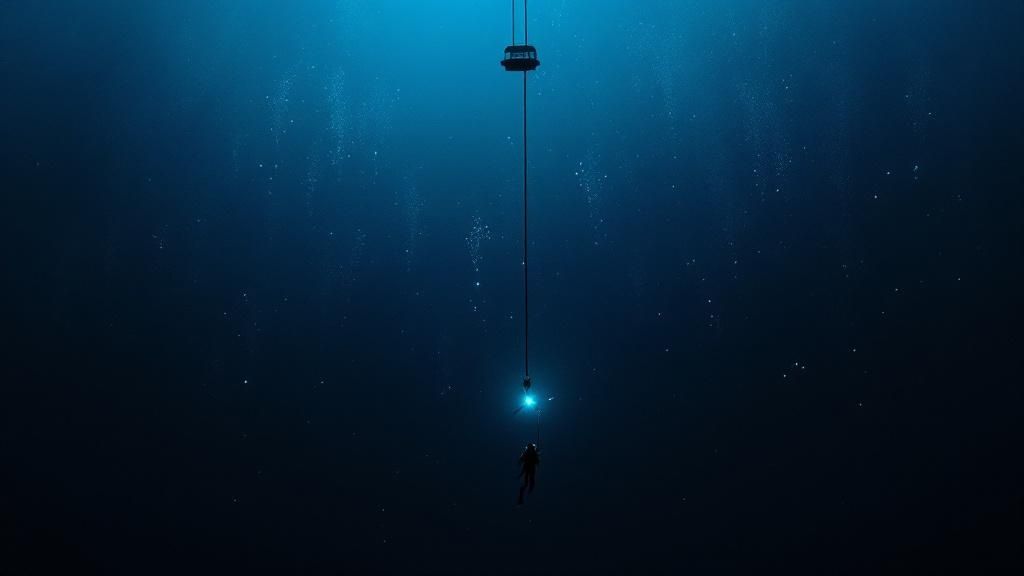
This is not a reef dive; it is an encounter with the bizarre and beautiful life forms that inhabit the open ocean. As you drift in the darkness, illuminated only by your dive light, you’ll see strange, often translucent creatures float by. From larval-stage eels and lobsters to pulsating siphonophores and otherworldly cephalopods, the variety of life is astounding. Featured in National Geographic expeditions, this dive serves as a research platform for marine biologists and a bucket-list item for underwater photographers seeking to capture images of creatures rarely seen by humans.
Why It's a Must-Do Experience
Black Water Diving offers a glimpse into a hidden ecosystem, revealing the alien-like biodiversity of the pelagic zone. It’s an advanced dive that pushes the boundaries of recreational scuba, providing a thrilling sense of exploration and discovery. The experience is profoundly humbling, connecting you with the vast, mysterious deep ocean in a way few other activities can. Because of the specialized nature of this excursion, operators like Kona Honu Divers run trips that are meticulously planned for safety, using a system of tethers and downlines to keep divers oriented and together in the open ocean.
Key Insight: The magic of a Black Water Dive lies in its unpredictability. Unlike a reef dive where the environment is static, here the "dive site" is a moving column of water, and you never know what incredible deep-sea alien will drift into your light beam next.
Actionable Tips for the Best Encounter
To prepare for this one-of-a-kind adventure, consider these essential tips:
- Book an Advanced Charter: This is a specialized, more experienced dive. Secure your spot on a Kona Blackwater Dive tour which is designed for this unique environment.
- Prevent Seasickness: The dive takes place in open ocean swells. Take seasickness medication well beforehand, even if you don't normally get motion sickness.
- Stay Calm and Move Slowly: The creatures you'll encounter are delicate and skittish. Minimize your movements and fin kicks to avoid scaring them away and to maintain good buoyancy control.
- Bring a Macro Lens: If you’re a photographer, this is a macro paradise. The subjects are tiny and detailed, making a macro lens essential for capturing their intricate forms.
- New Moon is Best: Schedule your dive during or near a new moon. The darker the night, the less ambient light there is to compete with your dive lights, making the bioluminescent and translucent creatures pop even more.
4. Molokini Crater
While technically located off the coast of Maui, Molokini Crater is an essential part of the Hawaiian diving narrative and a highly sought-after excursion for divers staying on the Big Island who are island hopping. This partially submerged volcanic crater forms a perfect crescent-shaped islet, creating a natural sanctuary shielded from open ocean swells. Declared a Marine Life Conservation District in 1977, its protected status has allowed a vibrant and diverse ecosystem to flourish within its calm, exceptionally clear waters.
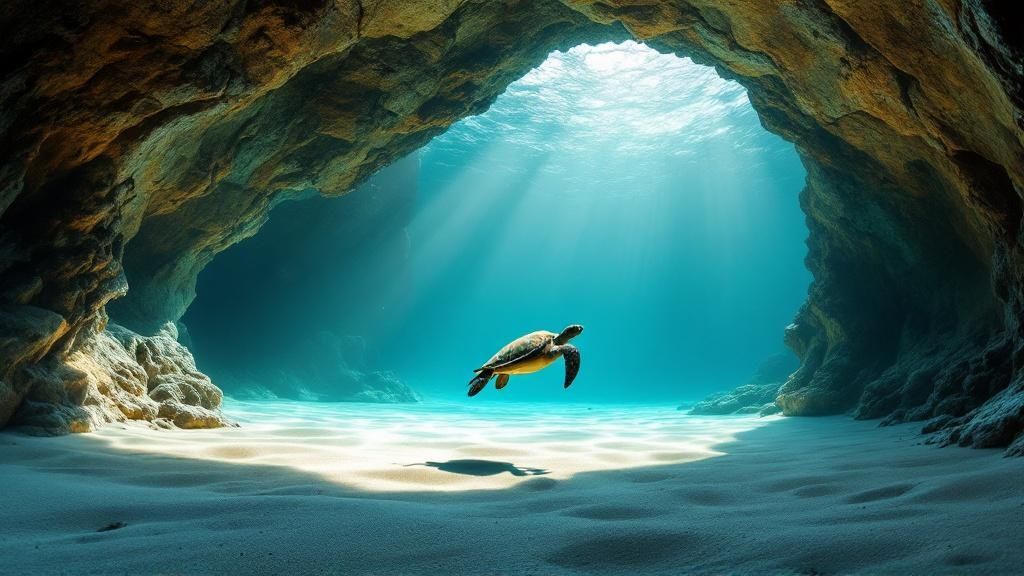
The crater’s unique geology offers two distinct diving experiences. Inside the crescent, divers can explore gentle slopes at depths of 20-60 feet, perfect for all skill levels. The real thrill for experienced divers, however, is the "Back Wall," a dramatic sheer drop that plummets to over 300 feet. This advanced drift dive along the crater's outer edge is one of the most exhilarating in Hawaii, offering a chance to see pelagic species like sharks, rays, and jacks cruising in the deep blue. The crater's fame is well-earned, with features in numerous diving documentaries and its use as a key site for marine biology research.
Why It's a Must-Do Experience
Molokini offers unparalleled water clarity, with visibility often exceeding 150 feet, creating a surreal, aquarium-like environment. This makes it a paradise for underwater photographers and anyone who appreciates pristine conditions. The sheer abundance of marine life, including endemic Hawaiian species like the masked angelfish and milletseed butterflyfish, is staggering. The contrast between the serene inner reef and the thrilling deep-water drift of the back wall provides incredible variety, making it worth the trip from the Big Island for dedicated divers seeking more advanced opportunities.
Key Insight: Molokini's value lies in its dual personality. It's both an accessible, crystal-clear sanctuary for novice divers and snorkelers, and a world-class, deep-water wall dive for advanced adventurers. This versatility is what makes it a legendary Hawaiian dive location.
Actionable Tips for the Best Encounter
To maximize your Molokini adventure, especially if traveling from another island, planning is crucial.
- Book an Advanced Charter: For the famous Back Wall dive, you must book a trip specifically designated for advanced divers. Charters like those offered by Maui Dreams Dive Co. or Extended Horizons cater to this experience.
- Arrive Early: The crater is extremely popular. Early morning charters not only provide the best conditions but also help you avoid the midday crowds from larger tour boats.
- Consider an Overnight Stay: To make the journey from the Big Island less hectic, consider flying into Maui the day before your dive. This allows for a more relaxed and enjoyable experience without a pre-dawn inter-island commute.
- Reef-Safe Sunscreen is a Must: As a protected Marine Life Conservation District, only mineral-based, reef-safe sunscreens (containing zinc oxide or titanium dioxide) are permitted. Protect your skin and the delicate coral ecosystem.
5. Kealakekua Bay
Kealakekua Bay is a state historical park and a designated Marine Life Conservation District, representing one of the most protected and pristine underwater ecosystems in all of Hawaii. Famous as the site where Captain James Cook first landed (and later died), the bay’s historical significance is matched only by its incredible biodiversity. Divers here are rewarded with exceptionally clear water, vibrant coral gardens, and a staggering abundance of marine life, making it a cornerstone of any Big Island scuba diving itinerary.
The bay's protected status means the coral reefs are some of the healthiest you will ever see, flourishing on dramatic underwater lava rock formations like ledges, arches, and canyons. The calm, sheltered conditions create a perfect nursery for reef fish, and it’s common to see massive schools of spinner dolphins resting in the bay. Its pristine nature makes it a key location for scientific research, including coral health studies and fish population surveys, underscoring its ecological importance.
Why It's a Must-Do Experience
Kealakekua Bay offers a rare glimpse into what Hawaiian reefs looked like before widespread human impact. The visibility often exceeds 100 feet, and the sheer density of fish is breathtaking. Divers can encounter everything from yellow tang and parrotfish to moray eels and green sea turtles. Because access is primarily by boat, the dive sites are never crowded, providing a serene and immersive experience. It's an ideal spot for underwater photography and for divers keen on practicing fish identification, as the variety is immense. For families with non-divers, the world-class snorkeling makes it an outing everyone can enjoy.
Key Insight: The bay’s status as a Marine Life Conservation District is the secret to its success. Strict regulations prohibit fishing and limit access, allowing the coral and fish populations to thrive without pressure. This protection results in an underwater environment that is richer and more vibrant than almost anywhere else in the main Hawaiian Islands.
Actionable Tips for the Best Encounter
To get the most out of your dive in this marine sanctuary, consider these tips:
- Book a Boat Tour: Due to its remote location and the difficult hike down, the best and easiest way to access the prime dive spots is via a licensed boat tour. Learn more about Kealakekua Bay tours to find the right operator.
- Perfect Your Buoyancy: The coral is fragile and priceless. Practice excellent buoyancy control to avoid accidentally touching or damaging the reef. Stay several feet away from the bottom at all times.
- Bring a Fish ID Card: The variety of species is overwhelming. Having a waterproof fish identification card will help you appreciate the incredible diversity you’re witnessing.
- Go Early: Morning tours often experience the calmest conditions and the best visibility before the afternoon winds pick up.
6. Turtle Pinnacle (Turtle Arches)
Turtle Pinnacle, also known as Turtle Arches, is a signature site for any diver exploring the Kona coast, celebrated for its unique underwater topography and as a haven for Hawaiian green sea turtles (honu). This dive showcases the dramatic results of ancient lava flows meeting the ocean, creating a vibrant, three-dimensional environment. The site is characterized by impressive pinnacles that rise from a sandy bottom at around 65 feet to within 25 feet of the surface, adorned with dramatic archways and swim-throughs that make for a dynamic and engaging dive.
The main attraction, as the name suggests, is the reliable presence of sea turtles. These pinnacles serve as crucial "cleaning stations" where turtles gather to have algae and parasites removed by surgeonfish and other reef dwellers. This symbiotic relationship provides divers with incredible opportunities to observe natural turtle behavior up close. It's a fantastic spot for both wide-angle shots of the lava architecture and macro photography of the smaller critters that inhabit the reef, making it a favorite for underwater photographers and marine life enthusiasts alike.
Why It's a Must-Do Experience
This site delivers a quintessential Hawaiian dive experience: volcanic landscapes, abundant reef fish, and iconic megafauna. Its complex structure offers something for every diver, from navigating stunning lava arches to patiently observing turtles at their cleaning stations. The relatively moderate depth and potential for calm conditions make it accessible to most certified divers, while the swim-throughs offer a fun challenge for those with good buoyancy control. Because of its reliable turtle sightings, it is often featured in Hawaii diving guidebooks and is a location frequently used for advanced open water training dives to practice navigation and buoyancy skills.
Key Insight: The "cleaning station" phenomenon is the key to this site's success. It’s a natural gathering point that concentrates turtle activity, providing divers with a highly probable and ethically sound wildlife encounter without any artificial inducement.
Actionable Tips for the Best Encounter
To fully appreciate the beauty of Turtle Pinnacle, consider these tips:
- Respect the Honu: The cardinal rule is to observe turtles from a respectful distance and never touch them. Approaching too closely or blocking their path to the surface can cause them stress. Let them dictate the encounter.
- Navigate Arches with Care: When exploring the swim-throughs, maintain excellent buoyancy control. This protects the delicate coral and sponge life growing on the lava rock and prevents you from stirring up sand, which reduces visibility for everyone.
- Bring Versatile Camera Gear: The site offers both grand scenic views and small-scale details. If possible, bring a camera setup that can handle both wide-angle shots of the arches and macro shots of cleaner fish, octopuses, and eels.
- Assess Conditions: While often calm, currents can sometimes be present. Always listen to the dive briefing from your guide at Kona Honu Divers and follow their plan for navigating the site safely.
7. Red Hill (Puako)
For those who love the freedom and adventure of shore diving, Red Hill on the Puako coastline is a must-visit destination. This site represents some of the best big island scuba diving accessible directly from the shore, offering a sprawling and vibrant reef system that rivals many boat-access-only locations. Known for its extensive coral gardens, intricate lava tube formations, and remarkable biodiversity, Red Hill provides a classic Kohala Coast diving experience.
The entry is a classic Hawaiian rocky shoreline, leading to a shallow, sandy bottom that gradually slopes deeper. This topography makes it an excellent site for divers of all levels, from those completing certification dives to seasoned underwater photographers looking to spend extended time exploring the reef. The gradual descent allows you to control your depth and profile easily, maximizing your bottom time among the healthy finger and cauliflower corals.
Why It's a Must-Do Experience
Red Hill's main draw is its incredible accessibility combined with its rich marine ecosystem. It is one of the island's most well-documented and celebrated shore dives, frequently used for marine biology field studies and featured in guidebooks as a prime example of a healthy Hawaiian reef. You can expect to see an abundance of reef fish, including butterflyfish, parrotfish, and wrasses, as well as turtles munching on algae and moray eels peeking out from lava rock crevices. The site’s complexity, with swim-throughs and overhangs, ensures every dive reveals something new.
Key Insight: The true value of Red Hill is its blend of convenience and quality. You don't need a boat charter to experience a world-class reef. This empowers certified divers with the skills and confidence for shore entries to explore one of Hawaii’s premier underwater environments on their own schedule.
Actionable Tips for the Best Encounter
Shore diving requires careful planning. To ensure a safe and enjoyable dive at Red Hill, keep these tips in mind:
- Wear Sturdy Booties: The entry point is rocky and can be sharp. Hard-soled dive booties are essential for protecting your feet and making the entry and exit much more comfortable and secure.
- Check Surf and Tides: Conditions on the Kohala Coast can change quickly. Always check the surf report before you go. The best and safest time to dive is typically in the early morning when the water is calmest.
- Bring a Surface Marker Buoy (SMB): While not a heavy boat traffic area, local fishing boats may be present. An SMB is a crucial piece of safety equipment for any shore dive to mark your position for surface vessels.
- Dive with a Buddy: Never shore dive alone. The buddy system is critical for safety, especially when navigating entries and exits over uneven terrain. For more details on this and other sites, learn more about the best shore diving on the Big Island.
Top 7 Big Island Dive Sites Comparison
| Dive Site | Implementation Complexity 🔄 | Resource Requirements ⚡ | Expected Outcomes 📊 | Ideal Use Cases 💡 | Key Advantages ⭐ |
|---|---|---|---|---|---|
| Manta Ray Night Dive at Kona | Moderate (night dive, guided) | Dive boat, professional lighting | Near-certain manta ray encounters, wildlife views | Wildlife interaction, night diving | High encounter success, safe shallow depth |
| Cathedrals I & II (Lanai) | High (boat trip, currents) | Boat, advanced skills, photography gear | Spectacular underwater formations, clear visibility | Photography, advanced diving | Crystal clear water, dramatic topography |
| Black Water Diving | Very High (deep ocean, tethered) | Specialized tethered system, advanced cert | Unique encounters with rare deep-sea creatures | Macro photography, pelagic diving | Rare marine life, small groups |
| Molokini Crater | Moderate (boat trip, variable depth) | Boat, multiple skill levels | Diverse marine life, great visibility | Varied experience levels | Protected area, year-round visibility |
| Kealakekua Bay | Low to Moderate (boat/hike access) | Boat or hike, snorkeling/diving gear | Healthy coral reefs, rich biodiversity | Snorkeling, all skill levels | Pristine ecosystem, historical significance |
| Turtle Pinnacle (Turtle Arches) | Moderate (boat access, currents) | Boat, good buoyancy control | Frequent turtle sightings, diverse formations | Photography, turtle encounters | High chance turtle encounters, macro & wide angle opportunities |
| Red Hill (Puako) | Low (shore entry, easy access) | Shore gear, suitable for beginners | Coral gardens, training and practice site | Shore diving, beginner training | No boat needed, accessible for all levels |
Your Big Island Underwater Adventure Awaits
The underwater world of Hawaii's Big Island is not just a destination; it's a profound experience that recalibrates your sense of wonder. We've journeyed through a remarkable cross-section of what makes Big Island scuba diving a world-renowned pursuit, from the ethereal Manta Ray Night Dive to the enigmatic depths of a Black Water Dive. Each site offers more than just a view; it provides an interaction with a living, breathing ecosystem that is as fragile as it is magnificent.
You've learned about the majestic underwater cathedrals, the vibrant coral gardens teeming with life, and the unique volcanic topographies that create havens for countless marine species. The key takeaway is that the Kona coast offers an unparalleled diversity of dive experiences. One day you can be gliding alongside gentle giants, and the next, you can be exploring ancient lava tubes or witnessing the bizarre and beautiful creatures of the deep pelagic zone. This isn't just another dive trip; it's an opportunity to engage with one of the most dynamic marine environments on the planet.
Turning Knowledge into Action
Transforming this inspiration into your own underwater story requires thoughtful planning. Your next steps are crucial for crafting the perfect dive vacation.
- Assess Your Skill and Interest: Are you captivated by the once-in-a-lifetime Manta Ray Night Dive? Or does the challenge of a Black Water Dive call to your adventurous spirit? Maybe you’re an experienced diver looking for new challenges on an advanced dive tour. Pinpointing your primary interest helps you choose the right charters and plan your itinerary effectively.
- Prioritize Safety and Certification: As we've emphasized, safety is paramount. Before you arrive, review your dive skills, check your equipment, and ensure your certifications are current. If you're looking to advance your training, the Big Island offers the perfect backdrop for earning a new PADI certification, turning your vacation into a valuable learning experience.
- Choose a Premier Dive Operator: Your guide and operator are your gateway to the best of Big Island scuba diving. Look for a company with a stellar safety record, experienced local guides who are passionate about marine conservation, and high-quality, well-maintained gear. A great operator doesn't just take you to a site; they enhance your understanding and appreciation of it.
Key Insight: The true value of a Big Island dive adventure lies in its variety. By embracing different types of dives, from shallow reefs to deep-water excursions, you gain a holistic appreciation for the island's incredible biodiversity and geological history.
This is where a trusted partner like Kona Honu Divers makes all the difference. Their commitment to small group sizes, environmental stewardship, and customer experience ensures that every dive is safe, personal, and unforgettable.
Your Subaquatic Journey Begins Now
The volcanic coast of Kona is a living testament to the power and beauty of nature. The memories you forge here, suspended in the silent, blue world, will stay with you long after you've dried off. It's a chance to disconnect from the surface world and connect with something ancient, wild, and truly awe-inspiring. The reefs, the mantas, and the mysteries of the deep are waiting. Your adventure is just a breath away.
Ready to take the plunge and experience the magic for yourself? The expert team at Kona Honu Divers is dedicated to providing the safest, most exciting, and eco-conscious Big Island scuba diving tours available. Let their passionate guides show you the underwater wonders that make Kona a top-tier global dive destination.