
Picture this: you descend into impossibly clear, blue water. Sunlight streams down from the surface, illuminating a breathtaking world of volcanic arches and vibrant coral gardens. This is what Big Island scuba diving is all about—an unforgettable blend of otherworldly landscapes and a stunning amount of marine life. For divers in the know, Kona is a world-class destination that truly delivers.
Why Kona Is a World-Class Diving Destination
When seasoned divers talk about Hawaii, the conversation almost always turns to the Kona coast, and there's a very good reason for that. While other Hawaiian islands are exposed to the open ocean and its unpredictable weather, the Kona side of the Big Island has a built-in advantage: it's sheltered by massive volcanoes.
This unique geography acts as a natural shield, blocking the strong trade winds and creating some of the calmest, clearest waters you'll find anywhere. It's like having a giant bodyguard for the coastline, making sure nearly every day is a great day to get in the water. This protected leeward coast is Kona's secret weapon. While other spots might get blown out, Kona often has glassy conditions, especially from June to September.
The Underwater Wonders of Kona
What really makes Big Island scuba diving so special is the sheer variety of what you can see below the surface. The island's volcanic past is on full display, creating a dramatic underwater playground of lava tubes, huge archways, and submerged craters. Over time, these formations have become the foundation for healthy, thriving coral reefs that are just bursting with color.
You can float through shallow, sun-drenched gardens packed with tropical fish or drop down to deeper, more complex sites that feel like a true adventure. The biodiversity here is off the charts, supporting an incredible array of marine animals.
- Pristine Coral Reefs: You'll find sprawling gardens that are home to countless fish species found only in Hawaii.
- Volcanic Landscapes: Get ready to explore ancient lava tubes, swim through majestic arches, and navigate one-of-a-kind underwater craters.
- Abundant Marine Life: It's not uncommon to share the water with green sea turtles, spinner dolphins, and schools of colorful reef fish on almost every single dive.
A Year-Round Diving Paradise
One of the best things about diving in Kona? There really is no "off-season." The experience just shifts with the seasons. Summer generally brings the calmest seas, perfect for easy boat rides and relaxed diving.
Winter, however, offers something truly magical. This is when the humpback whales migrate through, and you can often hear their haunting songs echoing through the water during your dive. It's an experience that puts Kona in a league of its own. You can read more about what makes the Big Island the top dive destination at Kona Honu Divers.
Kona Honu Divers provides incredible access to this underwater world, with expert guides who know these sites like the back of their hand. They're focused on making every dive safe, memorable, and perfectly suited to your experience level.
But don’t just take our word for it—see what fellow divers have to say about their experiences with Kona Honu Divers.
Whether you're after a classic reef dive or a once-in-a-lifetime animal encounter, Kona has something for you. Check out our range of unforgettable diving tours and start planning your adventure today.
Exploring Kona’s Most Unforgettable Dive Sites
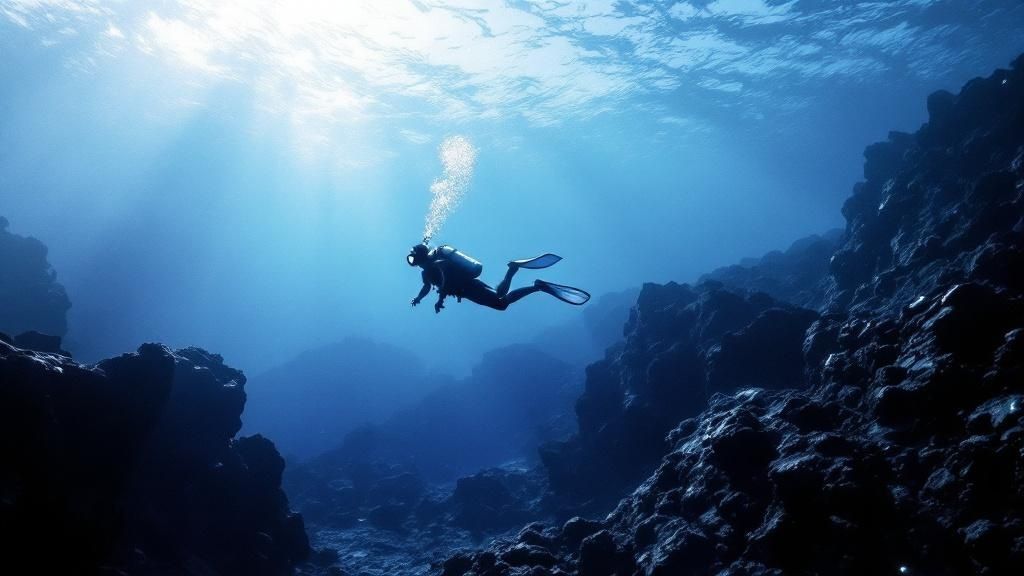
The Kona coast isn't just a place to go diving; it's like an underwater museum of natural history. Every single site tells a story of ancient volcanic creation and the vibrant life that has since taken hold. When people talk about Big Island scuba diving, they're talking about these incredible locations, each offering a unique window into Hawaii’s aquatic world. From shallow, sun-drenched reefs packed with endemic fish to dramatic lava formations that create a natural playground, Kona has an adventure for every diver.
What really makes these sites special is their topography. Over millennia, ancient lava flows have cooled and solidified into a mind-boggling labyrinth of canyons, archways, and swim-throughs. These aren't just cool to look at—they provide the perfect habitat for a staggering diversity of marine life. Just imagine gliding through a massive lava tube that suddenly opens up into a sun-drenched coral garden. That's a pretty typical day of diving in Kona.
These sites are so much more than just rocks and coral; they are living, breathing ecosystems. Many of them function as "cleaning stations," where green sea turtles (honu) will patiently hover while reef fish come in to nibble away algae and parasites. It’s a fascinating, natural spa day, and we get a front-row seat to the whole thing.
Discovering Kona's Premier Dive Locations
While there are dozens of fantastic spots along the coast, a few consistently stand out as must-do dives. Each one has its own personality, catering to different interests and skill levels. Whether you're a new diver looking for calm, colorful reefs or an advanced adventurer craving unique topography, there’s a perfect site waiting for you.
-
Golden Arches: Just like the name implies, this site is famous for its breathtaking lava archways that you can actually swim through. It's a photographer's dream, with light filtering through the formations and illuminating huge schools of bright yellow tangs.
-
Turtle Pinnacle: This is the quintessential "honu" cleaning station. A massive coral pinnacle rises from the seafloor, attracting dozens of green sea turtles. It's an almost guaranteed spot to have a peaceful, up-close encounter with these gentle giants.
-
Naked Lady Reef: Don't let the name fool you; this site is all about the incredible marine life. Known for its healthy hard coral gardens and the chance to spot rare critters like frogfish and scorpionfish, it's a huge favorite among macro life enthusiasts.
The key to a truly great dive is matching the site to your abilities and what you’re hoping to see. The sheer diversity along the Kona coast means you can have a completely different experience every single time you jump in the water.
For a deeper dive into what makes these underwater wonderlands so special, you can explore our detailed guide to the most beautiful Kona diving sites and start building your bucket list.
Kona Coast Dive Site Snapshot
With so many world-class options, picking the right dive can feel a bit overwhelming. To help you zero in on your perfect spot, we’ve put together a quick comparison of some of the most popular locations. Think of this as your cheat sheet for tailoring a Big Island scuba diving adventure to your exact tastes.
| Dive Site | Key Feature | Average Depth | Best For | What You'll See |
|---|---|---|---|---|
| Kailua Pier | Easy shore dive, great for night diving and macro photography. | 20-40 ft | Beginners & Photographers | Frogfish, octopuses, seahorses, nudibranchs. |
| Pāwai Bay | Complex lava tubes, arches, and swim-throughs. | 30-70 ft | Intermediate & Advanced | Eagle rays, large schools of fish, white-tip reef sharks. |
| Au Au Crater | A submerged volcanic crater forming a natural amphitheater. | 35-60 ft | All Levels | Healthy coral gardens, vast schools of milletseed butterflyfish. |
| Honokōhau Harbor | Known as "Turtle Heaven" for its numerous resident turtles. | 25-50 ft | Beginners & Turtle Lovers | Green sea turtles, manta rays (occasionally), eels. |
Of course, this table is just a glimpse of the incredible variety Kona has to offer. Each site presents a totally distinct adventure, from the tiny, intricate macro world at Kailua Pier to the grand, sweeping topography of Pāwai Bay. The best part is that many of these sites are just a short boat ride from the harbor, which means you can easily explore multiple underwater environments in a single day.
The Magic of the Manta Ray Night Dive
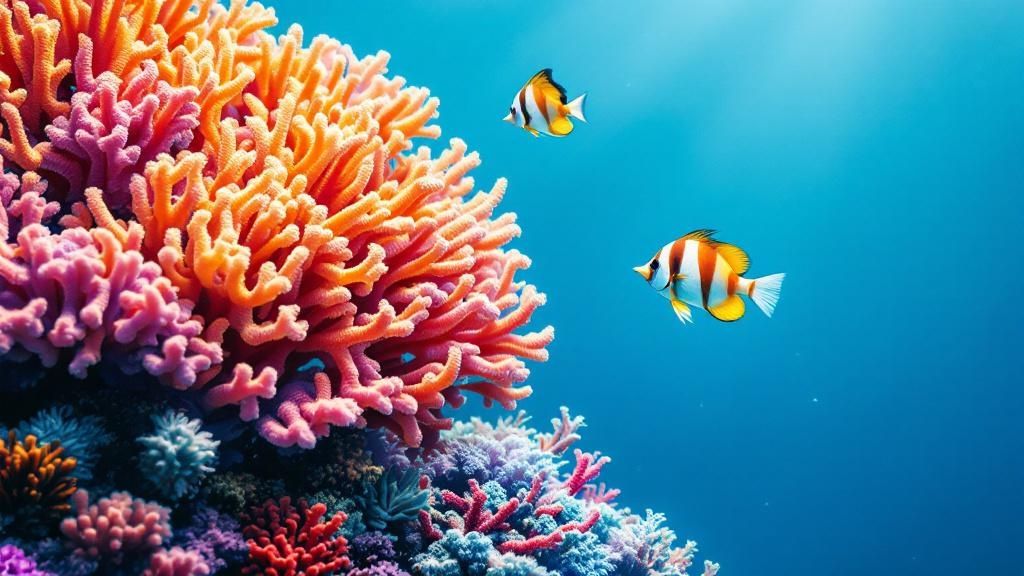
Some underwater adventures are memorable, but others completely redefine what you believe is possible. The world-famous Manta Ray Night Dive on the Big Island falls squarely in that second category. It’s consistently ranked as one of the best dives on Earth, but honestly, calling it just a "dive" doesn't do it justice. It's more like a breathtaking underwater ballet.
This is the kind of experience that tops bucket lists around the globe, and for very good reason. Picture this: you descend into the warm, dark Pacific as the sun disappears, settle onto the sandy bottom, and simply watch. Soon, giant, gentle creatures with wingspans of up to 12 feet or more glide, swoop, and somersault just inches above your head. It’s a genuinely life-changing spectacle and an absolute must-do for any Big Island scuba diving trip.
And the best part? This isn't just a lucky, random encounter. It’s a carefully orchestrated natural phenomenon, a beautiful dance between human activity and marine life that has been perfected over decades.
How the Manta "Campfire" Works
The science behind this incredible encounter is surprisingly simple, yet utterly brilliant. The entire experience hinges on attracting the mantas' favorite food: plankton.
- Setting the Stage: First, dive boats head to one of the established manta feeding sites, known to locals as "Manta Village" or "Manta Heaven."
- The "Campfire" of Light: Powerful, yet perfectly safe, underwater lights are set up on the ocean floor, shining straight up toward the surface. Divers then gather in a circle around this glowing "campfire."
- The Buffet Opens: Just like moths drawn to a flame, microscopic plankton are instinctively attracted to the bright lights. They gather in thick clouds, creating a rich, floating buffet in the water column.
- The Grand Entrance: The local reef manta rays are creatures of habit. They’ve learned that these lights signal an easy meal. They swoop in from the darkness to feast on the concentrated plankton, performing effortless barrel rolls and graceful loops as they filter-feed.
This is what divers have affectionately nicknamed the "manta ballroom," and you get a front-row seat to one of nature's most stunning performances. You can dive even deeper into the specifics of this amazing dive by reading our guide on what the manta ray night dive is.
A Safe and Respectful Encounter
The long-term health of this iconic dive depends entirely on responsible tourism. Here in Kona, the dive community has worked together to establish strict guidelines that keep the interaction safe and positive for both people and the mantas.
"Diving with mantas is one of the most satisfying things a person can do in the water. It’s impossible to describe the feeling of watching a massive fish the shape of a stealth bomber coming into vision."
That feeling is only possible because everyone is committed to manta safety. Before anyone even touches the water, reputable operators make sure divers and snorkelers understand the rules of engagement. The core principles are simple but crucial:
- Observe, Don't Touch: Manta rays have a delicate, protective mucus layer on their skin. Touching them can damage this layer and make them susceptible to infection. You must never touch, chase, or try to ride a manta.
- Stay in Your Zone: Divers stay on the ocean floor and look up. This simple rule keeps the entire water column free for the mantas to maneuver safely without bumping into anyone.
- Let Them Come to You: The most incredible encounters happen when you stay still and let the curious mantas control the interaction. Their grace and sheer size are most awe-inspiring when they approach you on their own terms.
Following these protocols ensures the mantas stay wild, healthy, and comfortable enough to return to these sites night after night. By choosing a responsible operator like one offering manta ray dive tours, you are actively supporting the conservation of these magnificent animals for years to come.
Advanced Adventures and Unique Night Dives
Once you’ve got your buoyancy dialed in and feel at home on the reef, the Big Island opens up a whole new level of adventure. We’re talking about diving that goes beyond the stunning coral gardens and into challenges that will truly test your skills. This is where **Big Island scuba diving** shifts from a beautiful sightseeing trip into a real exploration of Hawaii’s raw, volcanic heart.
These aren't dives for thrill-seekers looking to push their luck. They’re for divers who have put in the time and earned the precision, control, and confidence that comes with experience. You'll be navigating ancient, submerged lava tubes or dropping down to deeper sites where the light thins and a different cast of characters emerges from the blue. For those with the right training, these dives are the ultimate reward.
Venturing into Deeper Waters and Lava Tubes
Deeper sites and complex underwater landscapes demand serious focus on your situational awareness and gas consumption. It's why they're reserved for divers who have proven their skills. Down there, the world feels more profound, almost serene. You'll see sunlight piercing the surface in dramatic shafts, lighting up steep drop-offs and massive pinnacles that seem to rise from nowhere.
Going with a guide who knows these sites inside and out is non-negotiable. They’re the ones who can show you the hidden entrance to a lava tube or point out the specific ledge where reef sharks like to nap.
- Lava Tube Exploration: Picture this: you're swimming through a tunnel carved by ancient lava flows. These swim-throughs can be anything from wide, majestic arches to winding, intricate caverns that suddenly open up into breathtaking underwater amphitheaters.
- Deep Pinnacles: Think of these as underwater mountains, magnets for larger pelagic species. As you descend along their sheer walls, you might be greeted by a squadron of eagle rays, schools of powerful amberjacks, or even the ghostly silhouette of a scalloped hammerhead in the distance.
For certified divers ready to safely tackle these incredible environments, Kona Honu Divers runs specialized premium advanced dive tours that get you to the best spots.
The Kona Blackwater Dive: An Otherworldly Experience
So you've mastered the advanced day dives. What's next? The final frontier of Kona diving awaits you in the dead of night: the Blackwater Dive. Forget everything you know about a typical reef night dive. This is something else entirely—an experience divers often say feels more like floating in outer space than scuba diving. It’s the one dive that has put the Big Island on the bucket list of the most intrepid divers on the planet.
The boat takes you miles offshore, over thousands of feet of water. You then drift, tethered to the boat, suspended in the vast, inky blackness of the open ocean. Your torch beam is the only thing cutting through the dark, and what it reveals is a parade of bizarre, beautiful, and utterly alien creatures rising from the abyss.
What you're witnessing is one of the largest migrations on Earth. Every single night, countless tiny, strange organisms journey from the deep sea toward the surface to feed. This is called vertical migration, and you get a front-row seat. You'll see things that look like they were pulled straight from a sci-fi movie—translucent squids, larval fish in their weird, temporary forms, and jellies that shimmer with their own internal light.
The Blackwater Dive is a humbling, mesmerizing, and completely unique adventure. It’s a powerful reminder of just how much life is thriving in the deep ocean, far beyond the sun’s reach.
This incredible dive carries on a legacy of deep-water exploration in Hawaii. In fact, scientific expeditions have been using submersibles to explore Hawaii's deep waters since 1984, reaching depths of over 576 meters and constantly expanding our knowledge of the ocean. You can learn more about the history of deep-sea exploration in Hawaii on NOAA's website.
For many, this dive is the pinnacle of their diving journey, offering a peek into a world that almost no one ever gets to see. If you're an experienced diver searching for an unforgettable challenge, find out more about the Kona Blackwater Dive tour.
How to Plan Your Big Island Dive Trip
So, you’re ready to turn that dream of a Big Island scuba diving vacation into a reality. The good news is, it’s easier than you might think. A little bit of planning is all it takes to make sure your trip is seamless, memorable, and full of incredible underwater moments.
Let's walk through everything you need to know. Think of this as your practical guide to building the perfect dive trip, making the whole process feel exciting rather than overwhelming.
Choosing the Best Time to Visit
One of the best things about diving off the Kona coast is that there's really no "bad" time to visit. That said, the seasons do offer slightly different flavors, so you can time your trip to match exactly what you're looking for.
- Summer (June – September): This is when you'll find the calmest seas and warmest water. If your idea of paradise is glassy ocean surfaces and ultra-relaxed boat rides, summer is a fantastic choice. It’s perfect for new divers or anyone who just wants the easiest conditions possible.
- Winter (December – March): The water might be a few degrees cooler, but winter brings something truly magical: humpback whales. During their annual migration, it's not uncommon to hear their beautiful, haunting songs echoing through the water on your dives. It's an experience that will stay with you forever.
No matter when you come, the diving is consistently world-class. It really just comes down to personal preference—do you want smoother seas, or the chance to have a whale-song soundtrack for your dive?
Certification and Skill Levels
To get the most out of your Big Island scuba diving adventure, you'll need to have the right certifications. For most of the guided reef dives here, you'll need at least an Open Water Diver certification.
Pro Tip: Has it been a while since your last dive? I always recommend a quick refresher course to dust off the cobwebs. It’s a great way to boost your confidence and make sure you’re comfortable and safe right from your very first plunge.
For some of the more advanced sites, like the deep pinnacles or intricate lava tubes, you'll need an Advanced Open Water certification and be able to show proof of recent dives. This is simply to ensure everyone on the boat has the skills needed for the conditions. And if you're not yet certified, getting your ticket in Kona’s warm, clear waters is an unforgettable way to start.
When planning your trip, it’s also a great time to think about how you can be a responsible guest in these waters and contribute to the vital work of marine environmental protection and ocean conservation.
A Robust and Historic Dive Community
The Big Island is incredibly well-equipped for divers because it has a long, rich history of welcoming them. The local dive industry started taking shape back in the late 1960s and has since blossomed into a truly world-class operation.
Today, the island is home to over 50 professional dive shops and charter boats that, together, cater to more than 150,000 dive tourists every single year. That’s a huge testament to the quality and appeal of diving here. In total, the island sees about 100,000 certified dives annually, which gives you a sense of just how vibrant the local dive community is. You can find more on this in our comprehensive Big Island scuba diving guide.
All this experience means you’re in fantastic hands. The infrastructure, safety standards, and local knowledge are second to none, ensuring your trip is not just amazing, but also exceptionally safe.
Common Questions About Diving on the Big Island
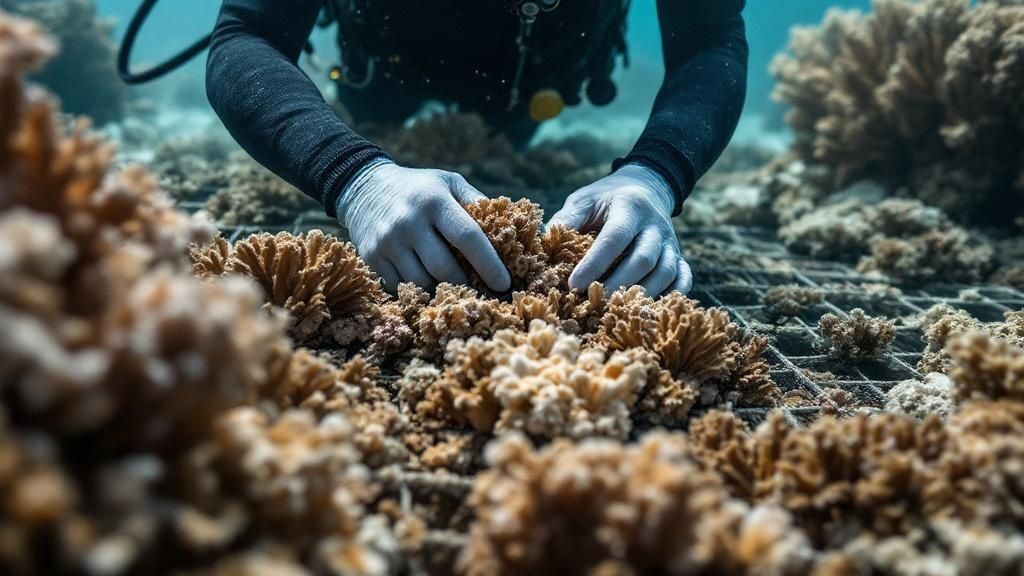
As your trip gets closer, you're probably buzzing with excitement—and maybe a few last-minute questions about your Big Island scuba diving adventure. That's completely normal. To help you feel confident and ready, we’ve gathered some of the most common questions we hear from divers.
Think of this as a final chat with an old friend who knows these waters like the back of their hand. We'll cover the practical stuff, from what wetsuit to pack to how you can get in the water even if you’ve never dived before.
What Is the Water Temperature and What Kind of Wetsuit Do I Need?
The water here along the Kona coast is beautiful year-round, but the temperature does shift a little between seasons. In the summer months, from about June through October, you’ll be swimming in cozy water ranging from 78°F to 81°F (25-27°C). It’s absolutely delightful.
Once winter rolls around (November to May), the water dips just slightly to a still-comfortable 74°F to 77°F (23-25°C).
So, what should you wear? For the vast majority of people, a 3mm full wetsuit is the sweet spot. It offers just the right amount of warmth for multiple dives without making you feel constricted. Now, if you know you get chilly easily, you might want to consider a 5mm suit, especially if you’re planning on night dives or visiting in the cooler months. It really all comes down to your personal comfort.
Can I Scuba Dive on the Big Island If I Am Not Certified?
Absolutely! You don't need a certification card to experience the magic of breathing underwater. This is one of the most common misconceptions we hear. Reputable shops like Kona Honu Divers offer what’s called a "Discover Scuba Diving" experience, which is a fantastic and safe introduction for total beginners.
Here’s a quick rundown of what to expect:
- Quick Lesson: You'll start on land with an instructor who walks you through the basics—the gear, safety rules, and a few essential skills. It's simple and easy to follow.
- Practice in the Shallows: Next, you'll head into shallow water to get used to the feeling of breathing underwater. Your instructor will be right there with you as you practice a couple of skills.
- Your First Dive: Once you feel comfortable, it's time for the real deal! Your instructor will guide you on a beautiful, shallow reef dive, staying by your side the entire time.
It’s the perfect way to try Big Island scuba diving without the commitment of a full course. And fair warning: many people get hooked! If that's you, you can always sign up for an Open Water certification course later. You can check out all the different diving tours available for every experience level.
Besides Manta Rays and Turtles, What Other Wildlife Might I See?
While the manta rays and our beloved honu (green sea turtles) are definitely the headliners, the sheer amount of marine life here will blow you away. The biodiversity is incredible, and every single dive is a chance to see something new and amazing.
On any given day, keep your eyes open for:
- Spinner Dolphins: You'll often see them leaping and playing in the boat's wake as we head to the dive sites. It’s the perfect start to a day on the water.
- Reef Sharks: It’s very common to spot white-tip and black-tip reef sharks cruising along the reef. They are beautiful, shy, and pose no threat to divers.
- Eels: From tiny garden eels to massive morays, you'll find them peeking out of crevices in the lava rock formations.
- Endemic Fish: Hawaii is a hotspot for fish you can’t find anywhere else on the planet, like the bright yellow milletseed butterflyfish.
- Advanced Sightings: If you join one of our advanced dive tours, you might get lucky and spot majestic eagle rays or even the elusive scalloped hammerheads in deeper waters.
And if you're looking for something truly out of this world, the Kona Blackwater Dive brings you face-to-face with bizarre, bioluminescent creatures that migrate from the deep ocean every night.
The sheer abundance and variety of life are what make Kona's underwater ecosystem so special. Every dive offers a new opportunity for discovery, reminding you that there is always more to see just beneath the surface.
Is the Manta Ray Night Dive Safe?
Yes, the manta ray night dive is incredibly safe. This is probably the number one question we get, and for good reason! These mantas are huge, but they are true gentle giants. They're filter feeders, meaning they only eat microscopic plankton. They have no teeth, no stingers, and no barbs—they are completely harmless to people.
The entire Kona dive community works together to keep this dive safe for both the divers and the mantas. We follow a strict set of rules to make sure it stays that way:
- Passive Observation: Divers stay in a designated spot on the sand, allowing the mantas to swim gracefully overhead.
- No Touching: It's a strict rule. Touching a manta ray can remove its protective slime coat, leaving it vulnerable to infection.
- Controlled Environment: Our experienced guides manage the light "campfire" that attracts the plankton and ensure everyone follows the procedures for a smooth, safe experience.
This world-famous dive is a shining example of responsible wildlife tourism done right. By following the guidelines, you get a life-changing encounter while helping to protect these magnificent animals for generations to come. Don't miss your chance to experience the Manta Ray Night Dive.