
Welcome to your complete guide for Big Island scuba diving—an underwater world born from volcanic fire and teeming with life. Hawaii’s Big Island isn't just another tropical dive spot; it’s a living, breathing spectacle. Get ready to explore a world of ancient lava tubes, dramatic volcanic drop-offs, and calm bays packed with colorful fish, all surrounded by some of the clearest water on Earth.
Your Adventure into Big Island Scuba Diving Begins
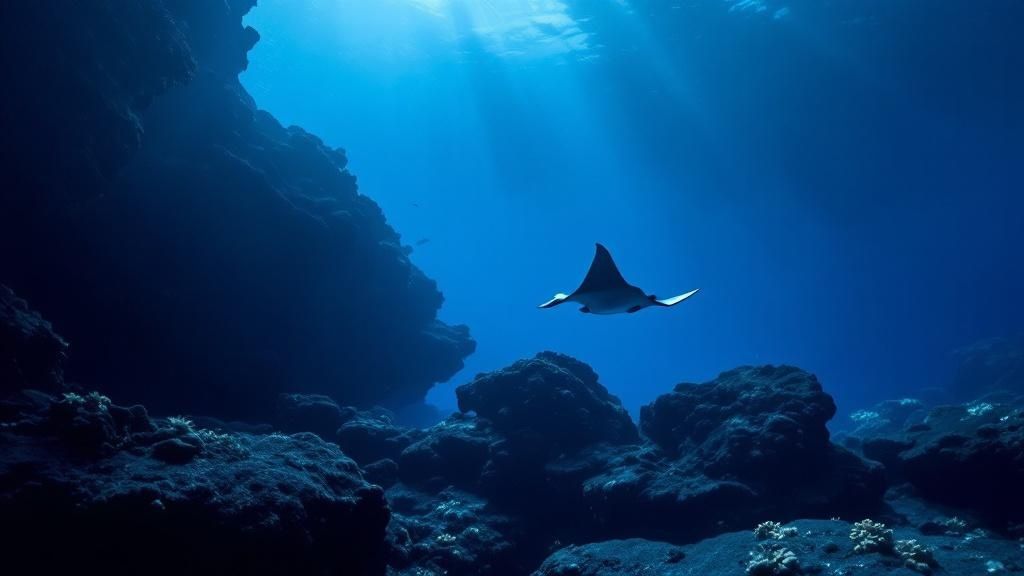
Whether you’re gearing up for your very first dive or you're a seasoned pro looking for a new challenge, this guide has you covered. We'll get into exactly why the Kona coast is a diver's dream, what incredible creatures you can expect to meet, and how to pick the perfect dive for your skill level.
What really sets the Big Island apart is its geology. This isn't just another island; it’s a dynamic environment actively shaped by volcanoes. This constant geological activity has carved out an underwater landscape you won't find anywhere else. Imagine descending through an ancient lava tube that feels like a massive underwater cathedral or hovering over a sheer wall that plunges into the deep blue.
It's this unique topography that makes Big Island scuba diving so magnetic. It’s not just about the fish; it’s about exploring a world forged by fire and tamed by the sea.
Why The Big Island Is a Diving Mecca
The island's reputation as a world-class scuba destination has exploded over the years. To give you an idea of just how popular it is, the Big Island now attracts around 150,000 dive tourists annually, who log over 100,000 certified scuba dives each year. This is all supported by a solid network of more than 50 dive shops and charter services ready to show you the island's wonders. You can see more Big Island diving statistics to get the full picture.
Consider this guide your personal compass for navigating it all. We’ll point you toward unforgettable experiences and help you prep for a trip you’ll be talking about for years. From the world-famous manta ray night dive to serene coral gardens, your adventure starts right here.
For a quick snapshot of what makes diving here so special, take a look at the table below.
Big Island Diving At A Glance
| Feature | Description |
|---|---|
| Unique Topography | Explore underwater lava tubes, arches, and dramatic volcanic drop-offs. |
| Clear Waters | Visibility often exceeds 100 feet, offering crystal-clear views. |
| Abundant Marine Life | Home to manta rays, sea turtles, dolphins, and numerous endemic fish species. |
| Year-Round Diving | Calm, protected waters on the Kona coast allow for diving any time of year. |
| Variety of Dives | Sites for all skill levels, from shallow reefs to advanced deep dives. |
This overview just scratches the surface of what's waiting for you. This guide is designed to give you insider tips on the best times to visit and how to prepare for a seamless journey into the blue. Our goal is to arm you with the knowledge to make every single moment underwater count.
Ready to see all the fantastic diving tours the Big Island has to offer? Let’s dive in.
Why The Kona Coast Is A Diver’s Paradise
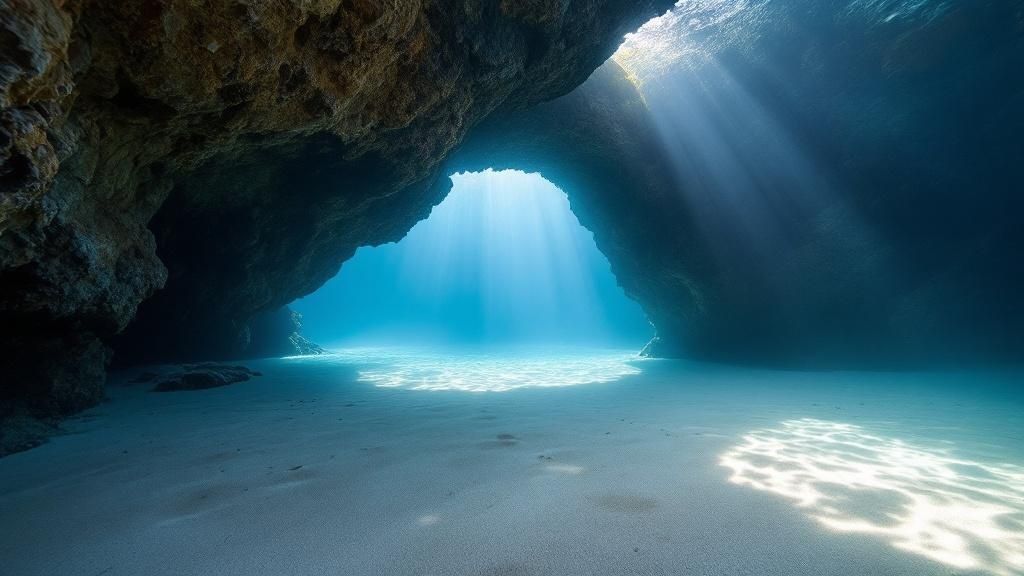
The Kona coast, tucked away on the Big Island’s western shore, is the undisputed heart of Hawaii's scuba scene. It's not just one thing that makes it special, but a perfect storm of geography and geology that creates an underwater playground you won't find anywhere else. This is where the real magic of Big Island scuba diving happens.
Think of the massive volcanoes, Mauna Loa and Hualālai, as two gigantic bodyguards. They stand tall, blocking the powerful trade winds that thrash other parts of the island. This natural shield is the reason Kona's waters stay incredibly calm and clear pretty much all year. It’s like having a backstage pass to perfect diving conditions almost every single day.
Because of this protection, we get blessed with insane underwater visibility, often stretching out past 100 feet. For any diver, that kind of clarity is everything. It means you get to soak in the stunning underwater landscapes and see marine life from far away, turning every descent into a flight through a high-def aquarium.
The Volcanic Sculptor
The island’s fiery origins have carved out a dramatic, almost alien, world beneath the waves. The seafloor isn't some boring, flat expanse of sand; it’s a rugged masterpiece of ancient, cooled lava flows. This has left behind a landscape riddled with intricate lava tubes, huge arches, and deep, shadowy caverns you just don't see anywhere else.
These formations are way more than just cool scenery, though. They act as complex, three-dimensional homes that support an incredible amount of marine life.
These one-of-a-kind volcanic features provide shelter and act as nurseries for countless species. It’s a huge reason why Kona’s reefs are so healthy and packed with life, offering a new surprise around every corner.
Exploring these structures is what Kona diving is all about. One minute you’re gliding through a cavern with sunlight filtering down, the next you’re navigating a swim-through archway crusted in colorful corals. It’s this sheer variety that makes every single dive feel like a brand-new adventure. For a taste of this, you have to check out the amazing diving tours offered by Kona Honu Divers.
An Unbeatable Combination of Factors
Kona's reputation as a diver's paradise really boils down to this perfect mix of ideal conditions and unique geology. The calm, clear water means dives hardly ever get canceled due to weather, making it a super reliable destination for planning a trip. The underwater terrain, with its famous lava tubes and arches like "The Cathedrals," gives every dive an epic backdrop. This combination of reliability, mind-blowing landscapes, and amazing marine encounters is what makes Kona a world-class diving destination. You can read more about what makes Kona a diver's paradise to really get why it gets so much love internationally.
When you dive with a top-rated crew like Kona Honu Divers, you get to experience the absolute best of this coast, led by people who know these waters like the back of their hand. Their passion turns a great dive into something you’ll never forget.
Ultimately, the Kona coast provides a perfect storm for divers:
- Volcanic Shelter: Mauna Loa and Hualālai keep the waters calm and predictable.
- Crystal-Clear Visibility: Consistently amazing clarity for breathtaking views.
- Unique Underwater Landscapes: Lava tubes, arches, and caverns make for a dynamic playground.
- Vibrant Marine Ecosystems: The geology supports a massive diversity of sea life.
These elements all come together to make every dive on the Kona coast a world-class experience. It doesn't matter if it's your first time breathing underwater or you're a seasoned pro with hundreds of dives logged—this place is ready to show you something truly spectacular.
Discover Unforgettable Big Island Dive Experiences
Sure, the Big Island’s volcanic shorelines and crystal-clear water set a perfect stage, but the real stars of the show are the signature dives. These aren't just your average reef tours; they're the kind of encounters that stick with you for life. Some experiences here are so unique they’ve become legendary in the global diving community, cementing the Big Island as a bucket-list destination.
From the world-famous underwater ballet of manta rays to the surreal, alien world of a blackwater dive, the sheer variety is mind-boggling. The Big Island scuba diving scene is about more than just pretty coral. It's about life-changing adventures that will redefine what you think a dive can be. These are immersive events that connect you to the ocean in a way you've never felt before.
The World-Famous Manta Ray Night Dive
If there’s one dive that’s synonymous with Hawaii, this is it. Consistently ranked as one of the best night dives on the planet, the Manta Ray Night Dive is a truly magical and humbling spectacle. The concept is brilliantly simple, but the result is breathtaking.
Imagine kneeling on a sandy patch of ocean floor as twilight fades. Your guide places a powerful light in the middle of the group, aiming its beam toward the surface. This light immediately starts attracting swarms of plankton—the favorite meal of our local manta rays.
Before you know it, the show begins. One by one, majestic manta rays with wingspans that can top 12 feet glide out of the darkness. They swoop effortlessly, just inches over your head, performing graceful barrel rolls to scoop up mouthfuls of plankton. It’s a surreal and deeply personal underwater ballet.
This encounter is a powerful reminder of nature’s grace and scale. Watching these gentle giants feed so closely is a non-invasive, respectful interaction that leaves divers in absolute awe. It’s an experience that changes your perspective on the ocean.
For anyone who wants to see this incredible natural wonder for themselves, the 2-Tank Manta Ray Dive is the ultimate way to do it. This signature Kona experience is an absolute must for any certified diver visiting the island.
The Mysterious Kona Blackwater Dive
For those with a taste for the extraordinary and a bit more experience under their weight belt, the Kona Blackwater Dive is a completely different kind of adventure. This isn't your typical reef dive. Here, you'll find yourself tethered to a boat, drifting in the deep, dark open ocean miles from shore, suspended over thousands of feet of inky black water.
At night, the largest animal migration on Earth takes place as countless tiny, bizarre creatures rise from the depths to feed near the surface. Your dive lights illuminate a world that looks like it was pulled straight from a science fiction movie. You’ll come face-to-face with strange, often bioluminescent, organisms that are impossible to see during the day.
This dive is a macro photographer's dream, offering a chance to see incredible life forms, including:
- Larval Creatures: See the juvenile stages of octopus, eels, and fish, which often look nothing like their adult forms.
- Bioluminescent Jellies: Witness pulsating jellies and siphonophores that create their own light shows in the darkness.
- Deep-Sea Organisms: Get a rare glimpse of creatures that spend their entire lives in the deep ocean, making a brief vertical migration.
This dive is truly a journey into the unknown. If you're an experienced diver looking for a unique challenge that pushes the boundaries of exploration, the Blackwater Night Dive is an unparalleled adventure into a hidden dimension of the ocean.
As you map out your trip, don't forget to check out our complete guide for a deeper look into the world of Big Island scuba diving. It's packed with everything from seasonal conditions to essential prep tips.
Choosing The Right Dive Course And Tour
So, you want to go diving on the Big Island. Great choice. Whether you're just curious about breathing underwater for the first time or you’re a salty veteran looking for your next big adventure, you’ve come to the right place. The path into Big Island scuba diving is wide open, with options for literally every skill level. The key is simply picking the right starting point for you.
For someone brand new, the whole idea can feel like a mix of pure excitement and maybe a little bit of nerves. That's totally normal. This is why introductory programs were created—they're a safe, supervised way to test the waters without committing to a full certification course. It’s the perfect way to see if diving is your thing.
If you’re already certified, a whole new world of possibilities opens up. The Kona coast is basically your underwater playground, with specialized trips that show off its most incredible features, from dramatic volcanic drop-offs to the thrill of a night dive.
Getting Started: Your First Underwater Breath
If you've never strapped on a tank before, your journey starts with something like the PADI Discover Scuba Diving experience. This isn't a certification course; think of it more like a "test drive" for the scuba world. Under the watchful eye of a pro instructor, you'll learn the absolute basics and get to experience the magic in a shallow, controlled setting.
It’s the ideal choice if you want to see the reefs and fish up close without investing the time and money into a full-blown course. It's an awesome confidence builder and, fair warning, many people try it once and get absolutely hooked for life.
Ready to jump in with both feet and get your ticket to explore the other 71% of the planet? The PADI Open Water Diver course is your goal. It’s the world’s most recognized scuba certification for a reason. Through a mix of online learning, pool sessions, and open water dives, you'll earn a certification that lets you dive with a buddy anywhere.
The single most important decision you'll make is choosing a dive shop. Look for one that obsesses over safety, has top-notch professional instructors, and uses high-quality gear. A great instructor doesn't just teach you skills; they turn a nervous first-timer into a calm, confident diver.
At Kona Honu Divers, our entire focus is on creating a safe, fun, and supportive learning environment that's built on decades of real-world experience. You can check out all of our Big Island scuba classes to find the perfect fit for your goals.
Advancing Your Skills And Exploring Deeper
For certified divers, the learning never really stops. The Big Island is one of the best places on Earth to continue your dive education, which in turn unlocks even more challenging and spectacular dive sites.
- Advanced Open Water: This is the logical next step. It's not about being an "expert," it's about building experience. You'll do five "adventure dives," including a deep dive and a navigation dive, which lets you sample different specialties and get way more comfortable in the water.
- Specialty Courses: Want to dial in a specific skill? Take a course in peak performance buoyancy to perfect your trim, get into underwater photography, or learn to use nitrox for longer bottom times.
- Rescue Diver: Ask any seasoned diver, and they'll tell you this was the most challenging—and most rewarding—course they ever took. It completely changes how you see diving, building your confidence and problem-solving skills to make you a much safer and more capable buddy.
Once you have that solid experience under your weight belt, some truly special tours open up. These trips venture to deeper sites with more complex underwater landscapes. If you're looking for an adventure that matches your advanced skill set, you’ll definitely want to check out the premium advanced dive tours available. These trips are specifically for divers who are comfortable in more demanding conditions and are hungry to see the island's most epic underwater scenery.
How To Prepare For Your Big Island Dive Trip
A little solid preparation is what separates a good dive trip from a truly spectacular one. Think of it as your pre-flight checklist for an incredible adventure. Getting the details sorted out on land means you can fully immerse yourself in the underwater world without any nagging worries distracting you. It’s the secret to a stress-free holiday.
This is your go-to guide for everything to sort out before you even touch your suitcase. We'll get into the best times to visit, the classic "bring vs. rent" gear debate, and the essential health and safety reminders that keep every dive fun and trouble-free. Follow this advice, and you’ll land in Hawaii feeling confident and ready for your Big Island scuba diving experience.
When To Dive On The Big Island
Here’s the best news you'll hear all day: the Kona coast offers incredible diving year-round. We have the island's massive volcanoes to thank for that. They act as a natural shield, blocking the strong trade winds and leaving the western side of the island with consistently calm, clear water.
That said, there are some subtle seasonal shifts that might help you decide when to book your flight.
Water temperatures are always comfortable, usually sitting around 75-77°F (24-25°C) in the winter months. In the summer, they warm up to a balmy 78-80°F (26-27°C). Visibility is another huge plus, often stretching well beyond 100 feet.
Here’s a quick look at what to expect season by season:
- Summer (June-August): This is peak season for warm water and a popular time for family travel. The conditions are glassy and perfect for divers of all skill levels.
- Winter (December-April): The water might be a few degrees cooler, but this season comes with a massive bonus: humpback whales. You can often hear their haunting songs during your surface intervals—or even underwater! It adds a truly magical element to your dives.
No matter when you decide to come, the diving is almost always fantastic. It's one of the most reliable dive destinations you'll find anywhere.
Packing For Your Dive Adventure
Figuring out what to pack is always a bit of a puzzle, especially when you're trying to balance your precious dive gear against airline luggage limits. Your list really breaks down into three buckets: your dive equipment, personal items, and what you'll need on the boat.
For a deeper dive into what to expect from the conditions and what gear is truly essential, check out our comprehensive guide that covers everything you should know about Big Island diving. It’s a great resource for fine-tuning your packing list.
To Rent Or To Bring Your Own Gear
This is the eternal question for any traveling diver. Bringing your own gear is great because you're comfortable with it—you know its quirks and it fits you perfectly. That familiarity can boost your confidence underwater. On the other hand, renting from a top-notch shop like Kona Honu Divers means less to lug through the airport and zero stress about servicing your gear before the trip.
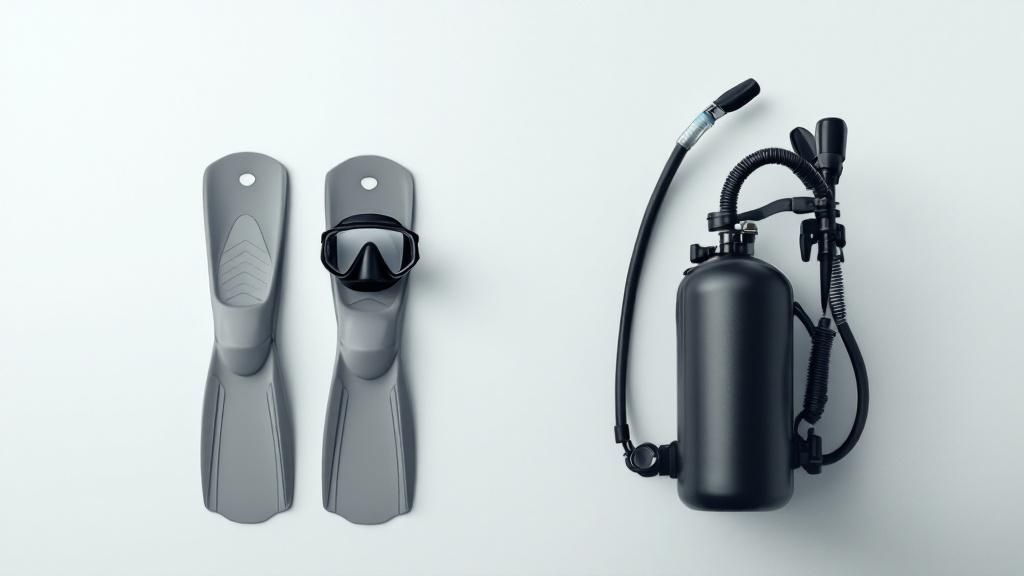
Expert Tip: Even if you plan to rent your main kit (BCD and regulator), seriously consider bringing your own mask, fins, and dive computer. A well-fitting mask is the difference between a great dive and a frustrating, leaky one. And being totally familiar with your own computer is a huge safety advantage.
Here at Kona Honu Divers, we provide high-quality, professionally maintained rental gear, so you can travel light and still have a safe, comfortable dive. We also have great packages for all the Big Island diving tours you could hope for.
Health Safety And Dive Fitness
Your health is the single most important piece of gear you bring on any dive trip. It’s simple: being in good physical shape makes diving safer and way more fun. Make sure you’re well-rested and drinking plenty of water before every dive, as dehydration is a major factor that can increase your risk of decompression sickness.
Keep these crucial health tips in mind:
- Stay Hydrated: Guzzle water all day long, not just right before you jump on the boat.
- Listen to Your Body: If you feel off, just sit the dive out. The reef isn't going anywhere, and there will always be another chance to get back in the water.
- Respect No-Fly Times: After your final dive, always stick to the recommended surface interval before getting on a plane. For multiple dives over several days, playing it safe with a 24-hour no-fly time is the best practice.
By putting your health first and planning ahead, you’re setting yourself up for an incredible and safe Big Island scuba diving adventure where you can soak up every single moment.
Your Big Island Diving Questions, Answered
Planning a scuba trip to the Big Island brings up a lot of questions. As local dive pros, we've heard them all. Here are the straightforward answers to the things divers ask us most.
What Is The Best Time Of Year For Big Island Scuba Diving?
Honestly, there’s no bad time to dive the Kona coast. It’s fantastic all year round. The island’s massive volcanoes, Mauna Loa and Hualālai, shield us from the powerful trade winds, which means the water here is consistently calm and clear. It’s a diver’s dream.
Water temps are always comfortable, hanging around 75°F (24°C) in the winter and getting up to a toasty 80°F (27°C) in the summer. But if you’re looking for a little something extra, the winter months from December to April offer a unique soundtrack—you can often hear the incredible songs of migrating humpback whales echoing through the water on your dives.
Do I Need To Be Certified To Scuba Dive In Hawaii?
Not at all! You don’t need a certification to get a taste of the underwater world. Most dive shops, including ours, offer an introductory program called PADI Discover Scuba Diving. It's a quick, easy lesson followed by a supervised dive in a shallow, safe spot with a professional instructor right by your side.
It's the perfect way to see if you enjoy breathing underwater without committing to a full certification course. However, if you want to explore the amazing boat dive sites Kona is famous for with just a dive buddy, you'll need at least an Open Water Diver certification. The variety of scuba diving tours in Kona, Hawaii, caters to every skill level, from first-timers to seasoned pros.
What Kind Of Marine Life Will I See?
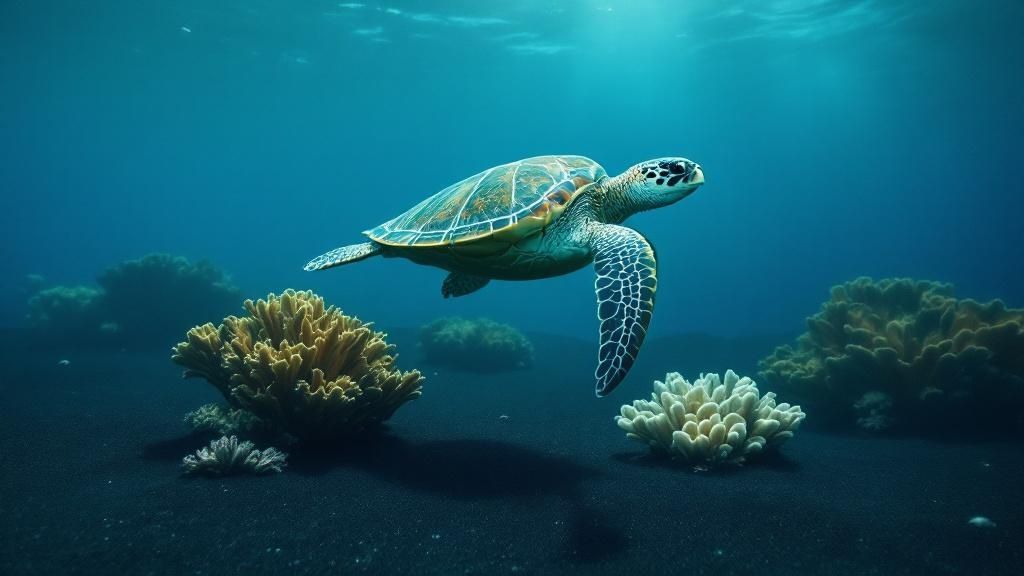
The marine life on the Big Island is just spectacular. You’re almost guaranteed to see our beloved Hawaiian green sea turtles (honu) gliding gracefully on nearly every dive. They're a staple of Kona diving.
Beyond turtles, you’ll be surrounded by vibrant reef fish like butterflyfish, parrotfish, and angelfish. Keep an eye out for moray eels peeking from crevices, clever octopuses camouflaged on the reef, and docile whitetip reef sharks napping on the sandy bottom. And of course, the true star of the show for many is the majestic manta ray on the world-famous night dive.
What Should I Look For In A Good Dive Tour Operator?
Choosing the right dive operator is probably the most important decision you'll make for your trip—it directly impacts your safety and how much fun you have. The best way to start is by checking recent reviews on sites like Google and TripAdvisor. You want a company with a long history of happy customers.
Make sure they're an affiliated PADI or SSI dive center. This is a big deal, as it means they follow strict international standards for safety and training. A top-notch operator like Kona Honu Divers will always prioritize small group sizes, have experienced local guides who know the sites like the back of their hand, use impeccably maintained gear, and have solid safety protocols, including oxygen and first aid on every boat.