
Picture this: you’re sinking slowly into brilliant turquoise water, surrounded by ancient volcanic lava tubes that form stunning underwater canyons. Vibrant coral gardens explode with color and life all around you. This isn't a dream—it's what Big Island scuba diving is all about, a truly unique blend of dramatic geology and one of the most diverse marine ecosystems on Earth.
Your Ultimate Big Island Scuba Diving Adventure Awaits
Think of this guide as your personal compass for navigating the incredible underwater world the Big Island has to offer. Whether you want to glide alongside majestic manta rays, explore hidden sea caves, or have a rare encounter with a deep-sea creature, your journey begins right here.
We'll introduce you to Kona Honu Divers, your expert guides for this incredible adventure. You’ll quickly see why so many divers trust us to show them the magic hiding just beneath the waves.
From Humble Beginnings to a Global Destination
The Big Island’s reputation as a world-class diving hub didn't just happen. It was built piece by piece, starting back in the late 1960s when a few diving pioneers faced serious challenges with limited gear and infrastructure. Their passion laid the foundation for the thriving dive community we have today. A huge moment came in 1981 with the opening of Jack's Diving Locker, a shop that became a local legend and helped put Hawaii diving on the map.
Fast forward to today, and the island is home to a robust network of over 50 dive shops and charters. Together, we support an incredible 100,000 certified scuba dives every single year. This growth, fueled by over 150,000 dive tourists annually, shows just how far we've come—from a little-known spot to a premier global destination.
Why Is Kona So Good for Diving?
The Kona coast, on the Big Island’s western side, is truly something special. It's tucked into the lee of the massive volcanoes Mauna Loa and Hualalai, which shield it from the gusty trade winds. The result? Incredibly calm, clear water pretty much year-round. It's a diver's paradise.
The underwater landscape here is a direct product of that volcanic history, creating a playground for divers. You'll find:
- Lava Tubes and Arches: Ancient lava flows carved out spectacular underwater tunnels and archways that are just begging to be explored.
- Vibrant Coral Reefs: The submerged volcanic slopes provide the perfect foundation for healthy, thriving reefs that are packed with marine life.
- Unique Formations: Get ready to discover dramatic pinnacles, sunken craters, and steep drop-offs that offer a different adventure on every dive.
This one-of-a-kind geology is the backbone of an ecosystem that’s absolutely teeming with life. For a deeper look into what makes this area so incredible, check out our comprehensive guide to Big Island scuba diving. Now, let's get you ready for the underwater trip of a lifetime with our diving tours.
Exploring the Top Dive Sites Along the Awe-Inspiring Kona Coast

The Kona coast is something special. Ancient volcanic flows have carved out a truly spectacular underwater world here, making it a bucket-list destination for divers. This isn't just a list of sites; it’s your inside guide to the legendary spots that define Big Island scuba diving. Each dive tells a unique story written in lava rock and brought to life by an incredible cast of marine creatures.
Imagine dropping down and navigating through massive lava tubes and arches, the remnants of fiery rivers that once met the sea. Picture a squadron of honu (green sea turtles) gliding effortlessly past you. The Kona coast has all that and more, with a perfect dive for every skill level and interest.
The absolute best way to see Kona's magic is with local guides who know every hidden canyon and coral garden. To see what trips are available to these world-class sites, you can check out the full lineup of Kona diving tours.
Golden Arches: A Lava Tube Wonderland
Golden Arches is one of those iconic Kona sites, famous for its massive lava tube swim-throughs and dramatic arch formations. When sunlight cuts through the openings in the rock, it creates these incredible, dancing beams of light that illuminate the whole reef.
Diving here feels like you're exploring a submerged cathedral. Seriously, the main arch is big enough to drive a truck through, making for an unforgettable photo op. Inside the lava tubes, it’s common to find whitetip reef sharks just chilling on the sandy bottom, perfectly happy to let you watch from a respectful distance.
- Depth: 35-60 feet
- Skill Level: Beginner to Intermediate
- What You’ll See: Whitetip reef sharks, big schools of milletseed butterflyfish, helmet conchs, and truly unique underwater architecture.
Turtle Pinnacle: The Honu Hotspot
Just like the name suggests, Turtle Pinnacle is one of the absolute best spots on the Big Island to see Hawaiian green sea turtles. The main attraction is a "turtle cleaning station"—a specific coral head where turtles gather to let surgeonfish pick algae and parasites off their shells.
It’s an amazing natural spectacle to witness. You can just hang back and watch as multiple turtles line up, patiently waiting for their turn at the spa. The pinnacle itself rises up from the seafloor, covered in cauliflower coral and buzzing with all sorts of other reef life.
It’s a truly humbling experience to be in the presence of so many honu. They are such ancient, gentle creatures, and seeing them interact at the cleaning station is a memory that stays with you long after you surface.
Because it’s relatively shallow and you're pretty much guaranteed to see turtles, this site is a huge favorite for both new and seasoned divers.
Kailua Pier: A Macro Photographer’s Dream
Often overlooked, the Kailua Pier offers some of the most fascinating and unique critter diving on the island. It might not have the dramatic lava formations of other sites, but it's a treasure trove for "muck diving" and finding rare marine life.
Here, you shift your focus from the big, sweeping landscapes to the tiny, intricate details. If you're patient and have a sharp eye, you can discover all sorts of amazing creatures hiding in plain sight.
- Frogfish: These guys are masters of camouflage. Spotting one of these ambush predators is a real treat.
- Nudibranchs: You can find a stunning variety of these colorful sea slugs crawling on the pier pilings.
- Octopuses: These super-smart cephalopods are common residents, often tucked away in small crevices.
This site is proof that some of the best discoveries in Big Island scuba diving happen in the most unexpected places. It's a fantastic, easy shore dive that’s perfect for an afternoon of underwater treasure hunting.
Experiencing the World-Famous Manta Ray Night Dive

There are dives, and then there are dives that stick with you forever. The Kona Manta Ray Night Dive is one of those—a spectacle so incredible it’s on pretty much every diver’s bucket list. This isn't just another big island scuba diving trip; it’s a front-row seat to one of nature's most unbelievable ballets.
Picture this: you descend into the warm, dark Pacific waters just as the sun disappears. You and your group settle on a sandy spot on the ocean floor while your guide aims powerful lights up toward the surface. This column of light is like a dinner bell, instantly attracting swarms of plankton.
And then, they arrive. Gliding out of the darkness, huge manta rays appear, drawn to the all-you-can-eat plankton buffet. With wingspans stretching up to 16 feet, these gentle giants swoop, glide, and do effortless barrel rolls just inches over your head. It’s a completely silent, awe-inspiring performance that is both humbling and absolutely unforgettable.
Why Kona is the Manta Ray Capital
So, what makes Kona the best place in the world for this encounter? It really comes down to a perfect mix of geography and a bit of history. The Kona coast’s calm, protected waters create the perfect, reliable conditions for this nightly show.
It all started decades ago when a hotel near the shore pointed its lights into the water. The lights attracted plankton, and the plankton attracted the mantas. It didn't take long for local dive operators to realize they had a unique, sustainable way for people to witness this. Over the years, they’ve perfected the method, allowing divers and snorkelers to see this amazing feeding behavior up close without disturbing the animals.
This single dive has become a cornerstone of the Big Island’s identity, putting Kona on the map for divers worldwide. It’s a massive draw, helping support a dive industry that welcomes over 150,000 dive tourists every year and cementing Kona’s reputation as a true diver’s paradise.
To give you an idea of what to expect, here's a quick rundown of the experience.
Manta Ray Night Dive Quick Facts
| Feature | Description |
|---|---|
| Location | Off the Kona coast, at one of two primary, reliable sites. |
| What You See | Giant Pacific Manta Rays feeding on plankton. |
| Manta Size | Wingspans can reach up to 16 feet or more. |
| The Setup | Divers rest on the sandy bottom while bright lights attract plankton. |
| Interaction | Mantas swoop and glide just inches above the divers. |
| Best Time | The dive happens nightly, year-round. |
| Good for | Both certified divers and snorkelers. |
It's a straightforward but incredibly effective setup for a truly wild encounter.
An Unforgettable Night with Kona Honu Divers
Going with a top-notch operator like Kona Honu Divers makes all the difference, ensuring your trip is safe, educational, and something you’ll be talking about for years. Our guides are genuinely passionate about these creatures and love sharing what they know, even helping you identify individual mantas by their unique belly spots.
We're all about making sure you have an amazing, safe, and memorable time.
Ready for an experience you'll never forget? You can learn more about this incredible trip in our detailed guide to the Kona Manta Ray Night Dive or book your spot on our manta ray dive tours page.
Advanced Diving for the Ultimate Underwater Thrill
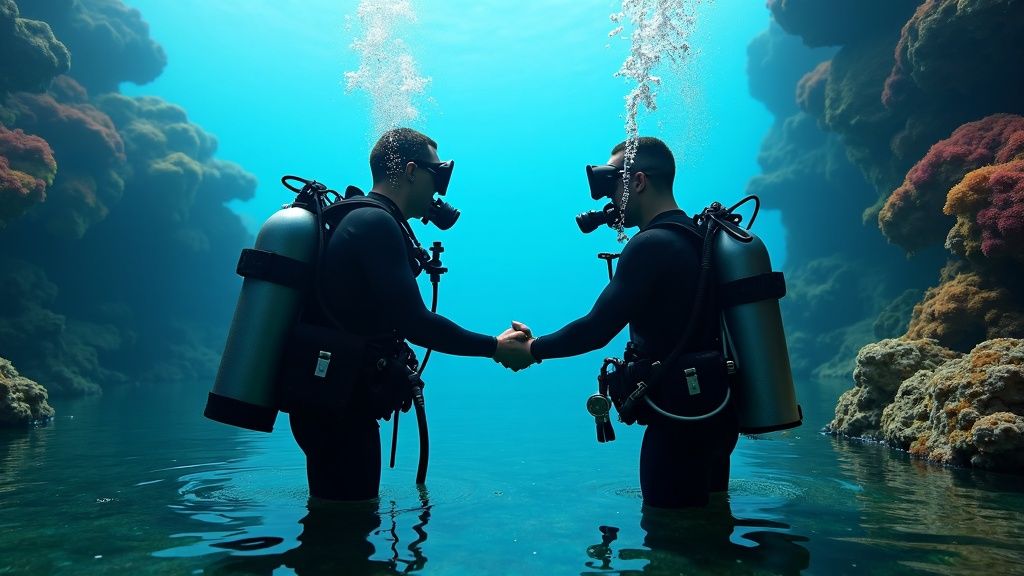
So, you've gotten the hang of your buoyancy and spent some time exploring the bright, sunny reefs. What's next? If you're an experienced diver looking for a real challenge, the Big Island has a deeper, more thrilling side that’s waiting for you.
These advanced dives aren't just about adding a few more feet to your depth gauge. They're about entering entirely new worlds that demand serious skill, confidence, and a true sense of adventure. The absolute pinnacle of these unique experiences has to be the world-famous Kona Blackwater Dive. People often call it a safari in outer space, and honestly, that’s not far off.
The Kona Blackwater Dive: An Alien Safari
Picture this: you're floating in the deep, inky blackness of the open ocean, miles from shore. You’re safely tethered to the boat, suspended over thousands of feet of water. In the profound silence, your high-powered dive light cuts through the darkness, acting like a magnet for some of the most bizarre and beautiful creatures you can possibly imagine.
This is nothing like a reef dive. The entire focus is on the pelagic zone—that vast, open water column. Every single night, an unbelievable number of creatures make the largest vertical migration on the planet, journeying from the crushing pressure of the deep to feed near the surface. Many are just larval versions of fish you see on the reef, but plenty are full-time residents of the abyss, almost never seen by human eyes.
It's a humbling, surreal, and totally captivating experience. You’ll see things that look like they were pulled straight from a sci-fi movie—shrimp with rainbow shells, see-through squid with glowing spots, and alien-like jellyfish pulsing with their own internal light.
This dive is no joke. It demands rock-solid buoyancy control, complete comfort in the water, and the right mindset for being in the deep, dark ocean at night. If you’re ready for the journey, Kona Honu Divers runs expertly guided, safety-first trips. You can book this once-in-a-lifetime adventure on our Blackwater Dive tour page.
Beyond Blackwater: Other Advanced Opportunities
While the blackwater dive is a true headliner, it’s not the only advanced game in town. The Big Island’s volcanic history has created some dramatic underwater terrain, offering all kinds of thrilling environments for seasoned divers.
These dives often feature conditions that require more training and a higher comfort level:
- Deep Reef Exploration: Dropping down to pinnacles and ledges below 100 feet opens up a whole different ecosystem. This is where you might spot species you won't see in the shallows, like certain sharks or massive jacks hunting out in the blue.
- Drift Dives: Some spots along the coast can have ripping currents. A good drift dive lets you fly effortlessly over huge sections of reef, covering a ton of ground and just watching the underwater world glide by.
- Complex Navigational Dives: We've got some incredible lava tube networks, caverns, and swim-throughs to explore. Getting in and out safely requires top-notch buoyancy, situational awareness, and navigation skills.
These are serious adventures that demand respect for the ocean and a solid commitment to safety. You absolutely want to go with a professional dive shop that knows these sites inside and out. Kona Honu Divers runs trips specifically for more experienced divers, led by guides who know every nuance of these challenging spots. Check out your options on our advanced dive tour page.
How to Plan Your Big Island Dive Trip
Alright, now that you're picturing yourself gliding through lava tubes and coming face-to-face with manta rays, let's get into the nitty-gritty. A little bit of planning goes a long, long way in making sure your Big Island dive trip is smooth, stress-free, and absolutely unforgettable.
Getting the logistics dialed in beforehand means you can spend less time worrying and more time soaking in the adventure that's waiting just beneath the surface. It’s about more than just booking a flight; we need to think about timing, packing, where to set up your home base, and matching your certification to the dives you're dreaming of.
Choosing the Best Time to Dive
One of the absolute best things about diving on the Kona coast? It's phenomenal all year round. Seriously. That said, the seasons do bring their own unique flavor to the experience, so the "best" time really depends on what you're looking for.
- Summer (May – October): This is when we typically see the calmest, warmest water. Temperatures hover right around a balmy 80°F (27°C). The ocean often looks like glass, which makes for incredibly smooth boat rides and super relaxed diving—perfect if you're a new diver or a photographer trying to get that perfect, steady shot.
- Winter (November – April): The water cools down just a touch to about 75°F (24°C), but this season comes with an incredible soundtrack. This is humpback whale season. It’s pretty common to hear their hauntingly beautiful songs echoing through the water on your dives. It’s an experience that’s hard to put into words and something you’ll never forget.
Honestly, there’s no bad time to come diving in Kona. It’s just a choice between the calmest seas or the chance to have your dive serenaded by whales. The most important thing is simply being prepared for the conditions, which you can learn more about in our guide on how to check ocean conditions for the Big Island.
Where to Stay for Prime Dive Access
To get the most out of your dive trip, I can’t recommend staying on the Kona coast enough. This puts you right in the middle of all the action, with easy access to the premier dive sites and the best charter boats, like ours at Kona Honu Divers.
Kailua-Kona is the main hub. You’ll find everything from sprawling resorts to cozy vacation rentals here. The biggest advantage? You're just minutes from Honokohau Harbor, where most of the dive boats (including ours) head out from. That convenience is a lifesaver, especially for those early morning two-tank dives.
Trust me on this one: choosing a place to stay in or near Kailua-Kona simplifies everything. Less time commuting to the dock means more time relaxing, and you'll never have to sprint to catch your boat.
Scuba Certifications and Training in Paradise
Your certification card is your passport to the underwater world, and different cards open up different adventures. The great news is that the Big Island is a fantastic playground for divers of every skill level, from people taking their very first breath underwater to seasoned pros looking for a new challenge.
Not certified yet? There is no better place on the planet to learn. We see so many people get their Open Water certification right here in Kona’s warm, clear waters. Just imagine doing your first open water dives surrounded by a kaleidoscope of tropical fish instead of in some cold, murky lake back home!
If you’re already a certified diver, the Big Island is an amazing place to level up your skills. We offer a full slate of PADI courses at Kona Honu Divers. Whether you want to nail your buoyancy, earn your Advanced Open Water, or dive into a new specialty, you can do it all here in paradise.
Answering Your Big Island Diving Questions
Planning a dive trip always brings up a bunch of questions, especially when you're heading to a world-class spot like the Big Island. We get it. To help you lock in your plans and get excited for your trip, we’ve put together answers to some of the most common things people ask about Big Island scuba diving.
Our goal is simple: give you the info you need so you can stop planning and start dreaming about the incredible underwater world waiting for you. Let's get into it.
What Is the Best Time of Year for Scuba Diving on the Big Island?
One of the best things about diving the Kona coast is that it's fantastic all year round. Seriously. That said, the seasons do have their own unique vibes, which might help you pick the perfect time for your trip.
- Summer (May – October): This is when we typically see the calmest, glassiest seas and warmest water. Temps often hover around a balmy 80°F (27°C). The super-smooth ocean makes for comfortable boat rides and incredibly relaxing dives—ideal if you're a new diver or just love those tranquil conditions.
- Winter (November – April): The water might dip a bit to around 75°F (24°C), but winter comes with an unbelievable bonus: humpback whales. This is their season, and hearing their haunting songs echoing through the water on a dive is an experience you will never, ever forget. The surface can get a little choppier sometimes, but the trade-off is absolutely worth it.
Honestly, there’s no "bad" time for Big Island scuba diving. You're just choosing between the warmest, most serene water and the chance to hear a live whale concert. Either way, you're in for an amazing time. To see what we offer throughout the year, check out our full list of diving tours.
Can I Experience the Manta Ray Dive If I Am Not Certified?
Yes, you absolutely can! The world-famous Manta Ray Night Dive is a spectacle we think everyone should get to see. While certified divers get a front-row seat from the ocean floor, non-divers can join the exact same tour as snorkelers and have an equally mind-blowing experience.
Snorkelers hang onto a custom-built light board that floats on the surface. These powerful lights beam down into the dark water, attracting the plankton that manta rays love to eat. From your spot on the surface, you get a perfect bird's-eye view as these gentle giants glide, loop, and barrel-roll right underneath you.
This makes the manta ray tour a perfect activity for families or groups with a mix of divers and non-divers. Everyone can be on the same boat, share in the magic, and make some incredible memories together.
If you're ready to witness this underwater ballet, you can book your spot on our manta ray dive and snorkel tour page.
What Marine Life Can I See Besides Manta Rays?
While the mantas definitely steal the show, the marine biodiversity along the Kona coast is just staggering. On any given dive, the reef is bustling with an incredible variety of life.
Here's what you'll almost certainly run into:
- Green Sea Turtles (Honu): We see these guys all the time, just chilling on the reef, getting a quick "cleaning" from smaller fish, or gracefully swimming past.
- Spinner Dolphins: It's not uncommon for our boat to be greeted by a pod of these acrobatic dolphins, famous for their spinning leaps out of the water.
- Sharks: Whitetip reef sharks are a common sight, often found resting under ledges or on sandy patches. They are very calm and fascinating to watch.
- Eels and Octopuses: Keep your eyes peeled and check the little nooks and crannies in the reef. You’re very likely to spot a moray eel peeking out or a master-of-disguise octopus.
- Reef Fish: The reefs are a living kaleidoscope. You'll see huge schools of yellow tangs, ornate butterflyfish, parrotfish, and of course, Hawaii's state fish, the Humuhumunukunukuāpuaʻa (reef triggerfish).
And if you get really, really lucky, you might even have a run-in with a bigger pelagic animal passing through, like a majestic whale shark or even a tiger shark in the deep blue.
Is the Kona Blackwater Dive Safe?
Yes, the Kona Blackwater Dive is extremely safe, but with a big condition: it must be done with a professional, experienced, and safety-obsessed operator like Kona Honu Divers. This isn't your average dive; it's an advanced experience that requires very specific protocols, and we've spent years perfecting them over thousands of successful blackwater dives.
Our safety system is buttoned up tight. Every diver is securely tethered to the boat, which drifts with the current, so you're always connected. A highly experienced Divemaster is right there in the water with the group, constantly monitoring conditions and making sure everyone is safe and comfortable. The whole operation is managed meticulously.
It's critical to know this dive is only for experienced, advanced divers. You need to have rock-solid buoyancy control and be completely comfortable with night diving in the open ocean. If you have the skills and are ready for one of the most surreal and unique dives on the planet, you can learn more on our Blackwater Dive tour page. For other amazing dives geared toward experienced divers, take a look at our advanced dive tour page.