
Picture this: you're descending into warm, turquoise water, the world above fading away. You're surrounded by ancient volcanic formations and coral reefs just buzzing with life. This isn't just a dream; this is Big Island scuba diving. Think of this guide as your personal treasure map to one of the most incredible underwater places on Earth.
Your Underwater Adventure Begins Here
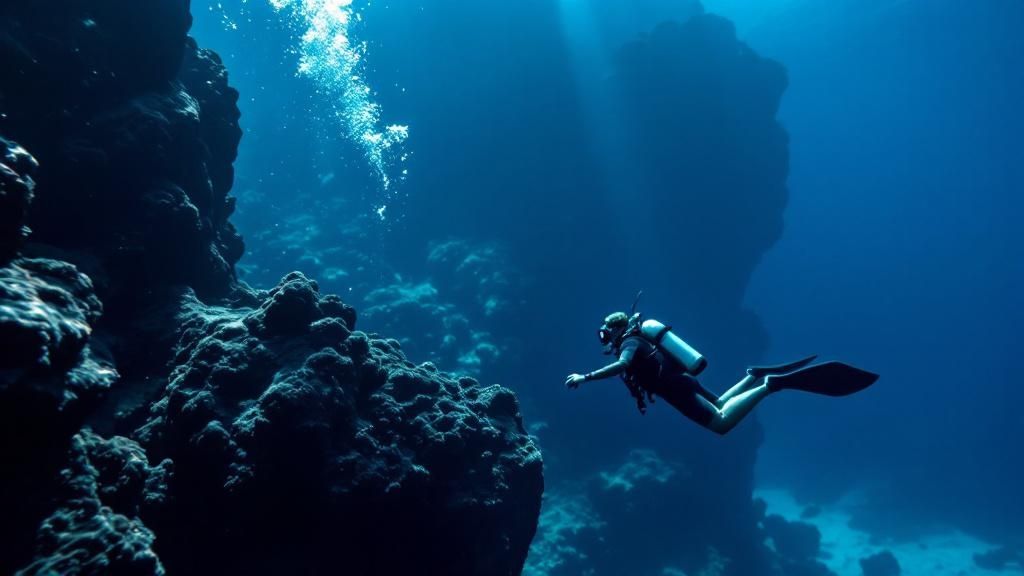
We're going way beyond the typical travel brochure stuff here. I want to show you exactly why diving the Big Island, especially along the Kona coast, is an experience that sticks with you for life. We’re talking about the silent, graceful ballet of manta rays at night and the thrill of exploring submerged lava tubes. I'll give you the inside scoop on the must-do dives and how to get ready, so you can see for yourself why diving Hawaii Big Island is on every serious diver's bucket list.
Get ready to plunge into the heart of Hawaii's marine paradise. Down here, every dive is a brand-new discovery. Kona diving isn't just something you do; it’s a full immersion into a living, breathing world.
What Makes Big Island Diving So Special?
The island's volcanic origins have created an underwater playground unlike anywhere else. It’s not just beautiful; the sheer variety of the underwater landscape is what sets it apart.
- Lava Tubes and Arches: Imagine swimming through massive, intricate tunnels and archways sculpted by ancient lava flows. It’s like exploring another planet.
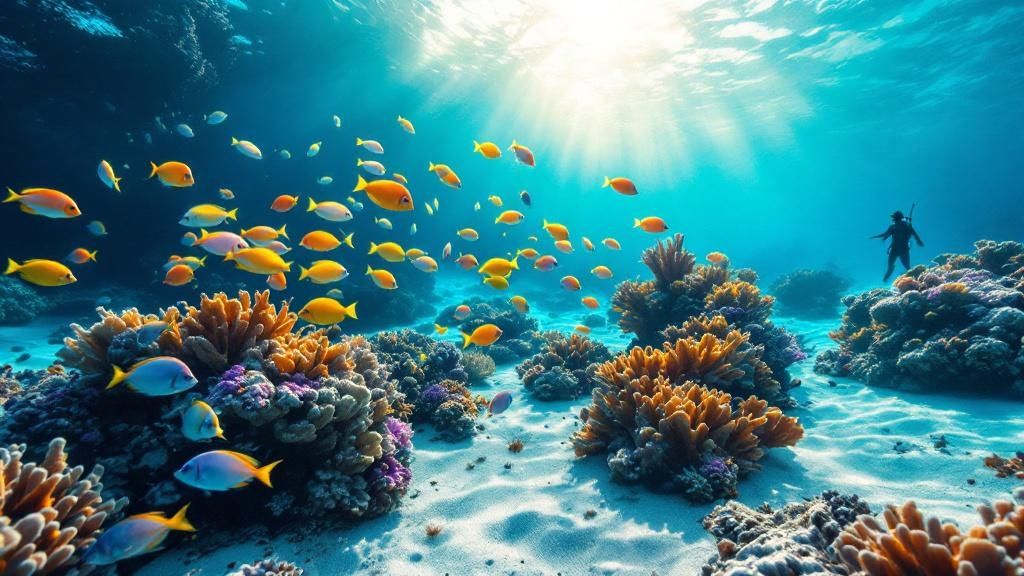
- Pristine Coral Reefs: The volcanic rock bottom provides the perfect anchor for healthy, vibrant coral to flourish, which in turn supports a staggering amount of marine life.
- Incredible Biodiversity: These waters are a sanctuary for everything from tiny, brilliantly colored nudibranchs to the iconic Hawaiian green sea turtle (honu).
The combination of crystal-clear, warm water and dramatic volcanic underwater topography is what makes scuba diving the Big Island a truly world-class experience. The insane variety of sites means there’s something for every diver out there, from a brand-new beginner to a seasoned pro.
Planning Your First Dive
Getting ready for your first scuba Big Island adventure is incredibly exciting. The secret to a great trip? A little bit of prep. Knowing the local conditions and what to expect makes everything smoother and way more fun. And the best part? With consistently great visibility and warm water all year, any time is a good time for Big Island diving.
Whether you're looking to get your certification, need a quick refresher course, or are ready to jump right onto guided diving tours, you've got tons of options. Choosing a solid, reputable dive operator is key—it guarantees your safety and takes a good dive and turns it into a memory you'll have forever. Ready to take the plunge?
Why the Big Island Is a Diver’s Paradise
What is it about Big Island scuba diving that gets divers so fired up? The story starts deep inside the earth. The island's volcanic heart has created a dramatic underwater landscape you just won't find anywhere else on the planet.
Imagine dropping into a world of massive lava tubes, sweeping archways, and sunken craters—it’s a geological playground shaped by fire and cooled by the sea.
This rugged, one-of-a-kind topography is the perfect foundation for an explosion of marine life. This is where the real magic of diving Hawaii Big Island happens. The ecosystem here supports everything from tiny, jewel-toned nudibranchs hiding in the cracks to our beloved green sea turtles (honu) gliding over the reef.
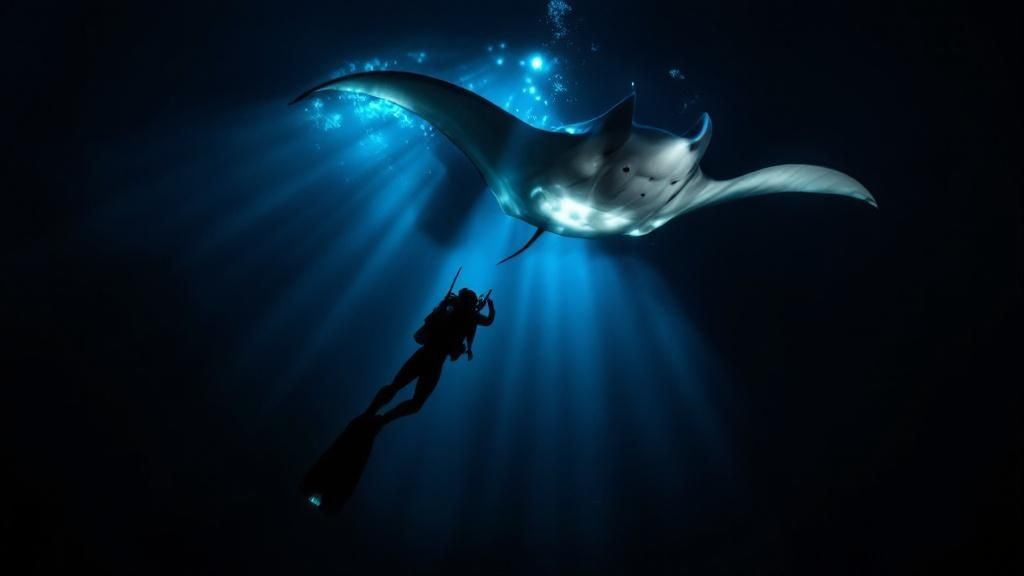
Of course, the island is world-famous for its incredible manta rays, which are the rockstars of any Kona diving trip. But trust me, the show doesn't end there.
More Than Just Stunning Scenery
It's not just the wild landscapes; the actual conditions for scuba diving Big Island are consistently fantastic. The Kona coast, in particular, is shielded from the usual trade winds, which means we get stunningly calm and clear water almost all year long.
You can expect bath-like water temperatures, usually between 75-80°F (24-27°C), and visibility that often pushes past 100 feet. These reliable conditions mean pretty much every day is a great day for diving Big Island.
This consistency makes the island a perfect spot for every kind of diver. Whether you're about to take your first breath underwater or you're a seasoned pro looking for a new thrill, the sheer variety of dive sites has you covered. We have everything from gentle, shallow reefs for beginners to exciting deep-water drift dives for the more adventurous.
A Destination for Every Diver
When you combine the unique underwater geology, the massive amount of marine life, and near-perfect conditions, it's easy to see why the Big Island is a top-tier global diving destination. The adventures here are something special, with something for every diver's logbook.
- For Beginners: Calm, protected bays offer a safe and beautiful place to get comfortable and build your skills.
- For Photographers: That incredible water clarity and vibrant sea life create endless chances for breathtaking shots.
- For Adventurers: Exploring ancient lava tubes and, of course, taking on the legendary manta ray night dive offer thrills you won't forget.
This is exactly why divers come back to the Big Island year after year. The experience of scuba diving Big Island Hawaii isn't just a one-and-done activity; it's a journey of constant discovery. Top-notch Kona diving companies like us at Kona Honu Divers live to share this underwater paradise with you safely and respectfully.
To see what world-class experiences are waiting for you, check out our available diving tours and start planning your own adventure. The world of scuba Big Island is calling your name.
Iconic Dive Sites of the Big Island
Alright, let's talk about the dive sites that put Kona diving on the world map. You could spend a lifetime exploring the coastline here, but a few legendary spots truly define the Big Island scuba diving experience. These are the ones for your bucket list.
At the very top of that list has to be the world-famous Manta Ray Night Dive. Honestly, calling it just a "dive" doesn't do it justice; it's more like a surreal, almost spiritual encounter. Once the sun goes down, you'll descend to a sandy spot on the ocean floor and gather around a set of powerful underwater lights. The lights act like a magnet for clouds of plankton, which then brings in the main event: majestic Kona manta rays coming for an all-you-can-eat buffet.
You’ll be watching these gentle giants, some with wingspans stretching up to 16 feet, as they glide, swoop, and perform barrel rolls just inches over your head. It’s a completely silent, mesmerizing ballet that feels like it’s happening on another planet. The Big Island is famous for its night diving, but the manta dive off the Kona coast is arguably the most iconic underwater experience on Earth. For a deeper dive into what makes Kona so special, you can learn more about why Kona is a scuba diver's paradise.
Ready to see the magic for yourself? You can book a specialized 2-Tank Manta Ray Dive Tour and get ready for a night you will never, ever forget.
For the Adrenaline Seekers: The Blackwater Dive
If the Manta Ray Dive is a graceful ballet, then the Kona Blackwater Dive is a heart-pounding journey into the great unknown. This is a totally unique experience designed for more advanced divers. It involves heading miles offshore at night and descending into the deep, open ocean. You're tethered to the boat, drifting in absolute darkness, witnessing one of the largest migrations on our planet as strange and beautiful deep-water creatures rise toward the surface.
You'll come face-to-face with pelagic life you would never see on a standard reef dive—think translucent larval fish, glowing squid, and jellies that look like they belong in a sci-fi movie. It’s a genuine pelagic safari that gives you a humbling peek into the sheer vastness of the ocean. This is the ultimate adventure for anyone looking for a completely different kind of scuba diving Big Island Hawaii experience.
The Blackwater Dive is a sensory trip unlike anything else. It’s just you, your light, and the immense dark water, with bizarre and wonderful creatures emerging from the abyss. It completely redefines what a night dive can be.
This is a must-do for any seasoned diver. You can secure your spot on a Kona Blackwater Night Dive for a truly one-of-a-kind adventure.
Other Must-See Kona Dive Sites
Beyond the legendary night dives, the diving Hawaii Big Island coastline is packed with incredible sites for every skill level. Here are just a couple of our personal favorites:
- Turtle Pinnacle: Just like the name implies, this spot is famous for its "turtle cleaning stations." You can literally watch as Hawaiian green sea turtles (honu) line up and patiently wait for reef fish to nibble off algae and parasites. It's an absolutely incredible behavior to witness up close.
- Golden Arches: This site is a perfect showcase of the Big Island's volcanic past. It features stunning lava formations, including a massive archway you can easily swim through. It's a fantastic spot for underwater photos, especially with all the vibrant reef fish that school around the dramatic lava rock.
These sites are just a small taste of what makes diving Big Island so special. To see these and many other incredible spots, check out our full range of Kona Honu Divers diving tours.
If you’re an experienced diver ready to explore deeper, more challenging sites, our Premium Advanced 2-Tank Trip is designed just for you. For a complete rundown of what to expect, check out our guide on Big Island diving.
Planning Your Trip for the Best Experience
Alright, let's talk logistics. A little bit of planning is what turns a good dive trip into an unforgettable one. The best part? Scuba diving Big Island Hawaii is incredible all year long, but knowing the subtle differences between seasons can help you dial in your perfect underwater adventure.
The main takeaway is simple: there’s really no bad time for diving Big Island. The water stays warm and the visibility off the Kona coast is consistently fantastic. That said, each season does bring its own special kind of magic.
When to Visit for Your Big Island Diving Trip
While Kona diving is always a go, certain times of the year offer some pretty amazing bonuses. Winter, for instance, is whale season. From December through March, you might just hear the hauntingly beautiful songs of humpback whales echoing through the water on your dive—an experience that is nothing short of profound.
Summer often brings the calmest seas and warmest water, making it ideal for new divers or anyone who just loves glassy, smooth conditions for diving Hawaii Big Island. At the end of the day, the "best" time to visit really just depends on what you hope to see. This reliability is exactly what makes planning a trip here so easy.
One of the first questions we always get is, "When's the best time to dive?" And the honest answer is: whenever you can get here! The conditions are so dependable that you're pretty much guaranteed a world-class experience, no matter the month.
To make it even simpler, here’s a quick breakdown of what to expect throughout the year.
Big Island Diving Seasons at a Glance
| Season | Water Temp (Avg) | Visibility | Marine Life Highlights |
|---|---|---|---|
| Winter (Dec-Mar) | 75-78°F (24-26°C) | 80-100+ ft | Humpback whale songs, potential for larger pelagics. |
| Spring (Apr-Jun) | 76-79°F (24-26°C) | 100+ ft | Calm conditions, great visibility, peak turtle activity. |
| Summer (Jul-Sep) | 79-82°F (26-28°C) | 100+ ft | Warmest water, calmest seas, excellent for all skill levels. |
| Fall (Oct-Nov) | 78-80°F (26-27°C) | 80-100+ ft | Great overall conditions, fewer crowds than peak season. |
As you can see, you’re in for a treat no matter when you book your ticket.
Gearing Up for Your Dive
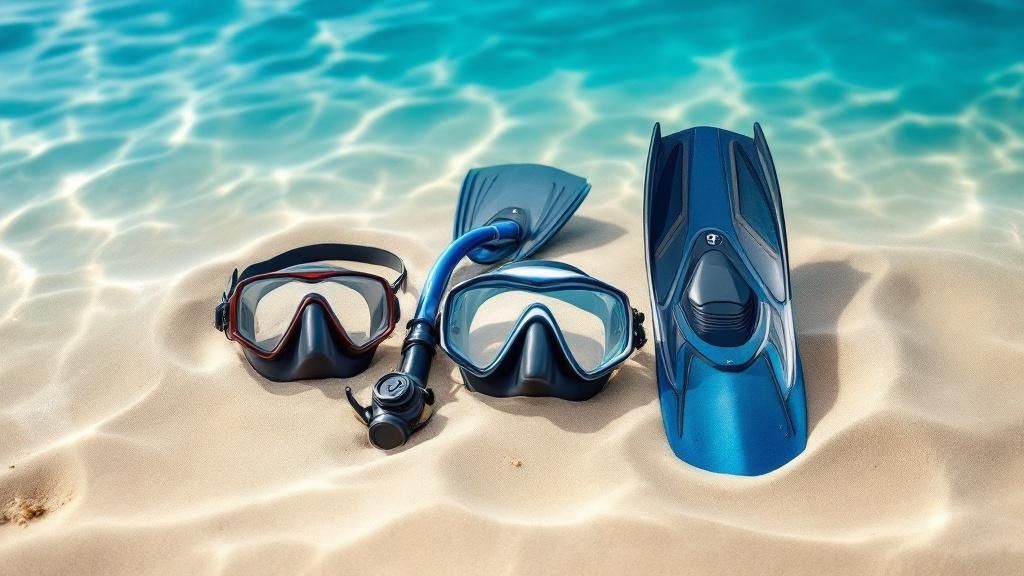
Knowing what to pack makes everything smoother. Don't worry about the big stuff; top-notch operators like Kona Honu Divers provide all the essential, high-quality scuba gear you'll need, like tanks, weights, BCDs, and regulators. That means you can leave your heavy equipment at home.
However, many divers have a few personal items they prefer to bring for a perfect fit and familiar feel:
- Your Own Mask: A mask that fits your face perfectly is a game-changer. No leaks, no fuss, just pure underwater enjoyment.
- Dive Computer: If you own one, bringing it along lets you track your dives with a device you already know and trust.
- Wetsuit: While rentals are always an option, having your own ensures the fit is just right. A 3mm wetsuit is usually perfect for the warm Kona waters.
Essential Items for a Perfect Dive Day
Beyond the scuba kit, a few other items will make your day on the water seamless. Always have your certification cards handy—it's a good idea to have both physical and digital copies. Don't forget reef-safe sunscreen to protect both your skin and Hawaii's fragile coral ecosystems.
The history of scuba Big Island exploration is deeply tied to our unique geology. Recreational diving as we know it was built on the shoulders of pioneering scientists. Back in the 1980s, submersibles like the Makalii made incredible dives, and later, advanced vehicles like the Pisces 5 pushed exploration down to 1,000 meters. These missions literally mapped the underwater lava tubes and arches we get to explore today.
That spirit of discovery lives on, not just in scientific research, but in incredible adventures like the world-famous manta ray night encounters. If that sounds like your kind of once-in-a-lifetime experience, you can learn all about the Big Island manta ray night snorkel.
How to Choose the Right Kona Dive Company
Let's be honest, the dive operator you choose can either make or break your entire Big Island scuba diving adventure. With a handful of Kona diving companies out there, knowing what to look for is the secret to spending your vacation time and money wisely. This decision is about so much more than just getting on a boat; it's about making sure your dive is safe, absolutely unforgettable, and supports the local marine environment.
A truly great dive company is built on one thing above all else: safety. This is the absolute, non-negotiable foundation. You should be looking for operators with spotless safety records, guides who have been diving these waters for years, and boats and gear that are clearly well-cared-for. A crew that's passionate and truly knows their stuff can elevate a simple dive into something truly extraordinary.
What Separates the Best from the Rest
When you're weighing your options for Kona diving, here are the critical questions to ask:
- Safety and Professionalism: Is the crew properly certified and experienced? Do they take safety protocols seriously and provide detailed, easy-to-understand dive briefings before you hit the water?
- Quality of Equipment: Take a look at the rental gear. Is it modern and meticulously maintained? A top-notch company takes immense pride in offering reliable, high-quality equipment.
- Boat Comfort and Amenities: A cramped, bare-bones boat can put a damper on the day. A comfortable, spacious vessel with good amenities makes the whole experience—from the ride out to the time between dives—much more enjoyable.
- Local Knowledge and Passion: The best guides aren't just there to watch your gauges. They're genuine ocean lovers who know the local sites, the currents, and the marine life like the back of their hand. Their excitement is contagious and makes every dive better.
Why Kona Honu Divers Stands Out
When you look at diving through this lens, it’s easy to see why Kona Honu Divers consistently gets rave reviews for scuba diving Big Island Hawaii. We are completely committed to small group sizes, which means you get personalized attention both in and out of the water. Our experienced crew lives and breathes guest safety and marine conservation. This approach to diving Hawaii Big Island creates a truly premium experience from the moment you step on board. For a deeper dive into what makes this island so special, check out our article on why you should think of diving on the Big Island.
The journey of Big Island diving from a little-known activity to a world-class attraction has been incredible to watch. The island has cemented its place as a premier scuba Big Island destination, now hosting around 100,000 certified dives every single year. This boom really started back in the late 1960s and early 1970s as dive pioneers began exploring the Kona coast. Pivotal moments, like the founding of Jack's Diving Locker in 1981, helped build the professional, safe, and welcoming dive community we all enjoy today.
Choosing the right dive operator is the single most important decision you'll make when planning your diving Big Island trip. It's the difference between simply seeing the underwater world and truly experiencing it with confidence and wonder.
When you dive with an operator that puts safety, quality, and a genuine love for the ocean first, you’re not just another customer—you become part of the adventure. When you're ready to see the difference for yourself, securing your spot is just a click away.
Frequently Asked Questions About Big Island Scuba Diving
Is there good diving on the Big Island?
Absolutely. The Big Island offers world-class diving thanks to its unique volcanic underwater landscapes, clear warm waters, and abundant marine life. It is widely considered one of the best diving destinations in the Hawaiian islands.
What are the best months to scuba dive in Hawaii?
While diving is fantastic year-round, the summer months (May to September) typically offer the calmest seas and warmest water temperatures. However, winter (December to March) brings the added bonus of hearing humpback whale songs during your dives.
Is Kona good for scuba diving?
Kona is the epicenter for scuba diving Big Island Hawaii. Its location on the sheltered side of the island means consistently calm and clear conditions, providing access to the most famous dive sites, including the legendary manta ray night dive.
Is it better to snorkel or scuba dive in Hawaii?
It depends on what you want to experience. Snorkeling is great for seeing marine life in shallow bays from the surface. Scuba diving allows you to explore deeper, more complex environments like lava tubes and reefs, offering a more immersive experience and a chance to see a wider variety of sea creatures.
Which Hawaiian island is best for scuba diving?
For the sheer diversity of dive sites, unique volcanic geology, and signature experiences like the manta ray night dive and the Kona blackwater dive, the Big Island is consistently ranked as the best island for scuba diving.
When to dive Kona?
Any time of year! Conditions for Kona diving are excellent year-round. The water is consistently warm and visibility is great, making it a reliable, world-class diving destination no matter when you decide to visit.