
Picture this: you're gently descending into impossibly clear, turquoise water. All around you, ancient volcanic lava tubes form dramatic underwater canyons, and vibrant coral gardens burst with more life than you can possibly imagine. This isn't a dream; it's the reality of Big Island scuba diving, an experience that consistently makes it onto "best in the world" lists for good reason. It’s a truly special blend of raw geology and rich marine biology that creates an underwater paradise.
Discovering Hawaii’s Underwater Paradise
The Big Island isn't just another pretty spot to go diving—it's a world-class destination literally forged by volcanic fire and then cradled by the deep Pacific. The underwater landscape here is unlike anywhere else on the planet. One day you might be exploring intricate lava tubes, the next you're swimming through a massive archway or drifting along a submerged crater wall. It’s a constant, stunning reminder of the island’s powerful geological past, and these structures are now home to some of the most complex ecosystems you'll ever see.
What really pushes Big Island diving into legendary status is the water quality. It's just phenomenal. Thanks to deep ocean currents and the island's unique position, most of our dive sites boast visibility that often tops 100 feet (30 meters). That kind of clarity, combined with bathtub-warm water that stays between 75°F and 82°F (24°C to 28°C) all year, sets the perfect stage for some truly unforgettable marine encounters.
A World of Marine Life
Being so isolated out here in the middle of the Pacific has allowed a unique and thriving population of marine animals to flourish, including many species you simply won't find anywhere else. On pretty much any given dive, you're almost guaranteed to see honu (Hawaiian green sea turtles) gliding gracefully past or just chilling out on the reef.
But the guest list doesn't stop there. Here are a few of our other regular residents:
- Reef Sharks: It’s super common to spot White-tip reef sharks resting on sandy patches during daytime dives.
- Endemic Fish: The reefs are painted with the vibrant colors of countless butterflyfish, angelfish, and wrasses that are unique to Hawaii.
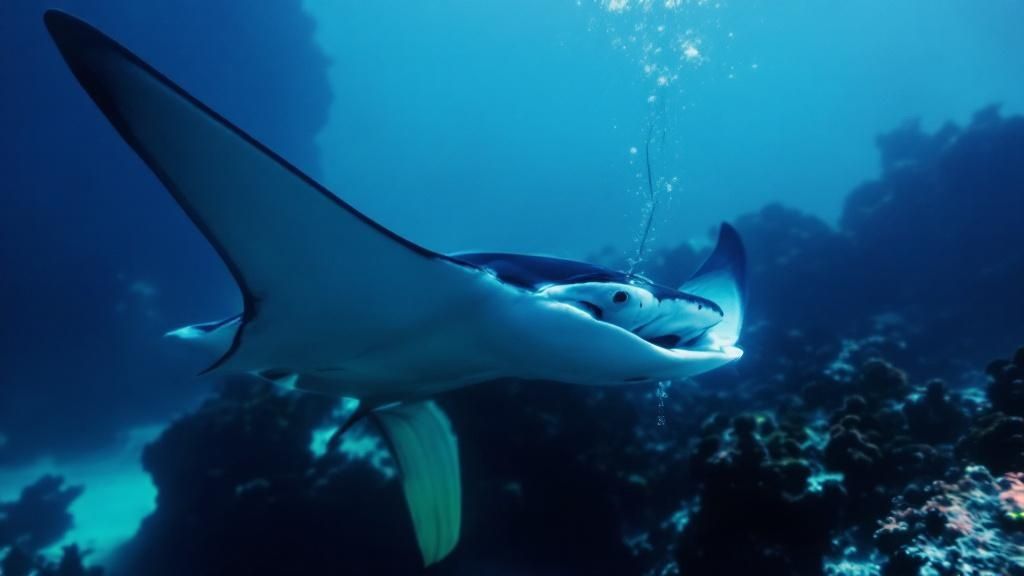
- Manta Rays: The Kona coast, in particular, is world-famous for its majestic manta ray population. An encounter with one of these gentle giants is something you'll never forget.
- Spinner Dolphins: We often run into playful pods of spinner dolphins, and seeing their acrobatic displays from the boat or in the water is always a trip highlight.
This sheer abundance of life transforms every single dive into a new adventure. The mix of stunning volcanic seascapes and a healthy, bustling marine ecosystem means every time you drop below the surface, you're starting a new journey of discovery. For a more detailed look at what makes this place so incredible, our complete guide to Big Island scuba diving is your compass for navigating this aquatic wonderland.
Why Kona Is the Heart of Big Island Diving

Sure, you can find great diving all around the Big Island, but anyone who knows these waters will tell you the same thing: the Kona coast is the undisputed champion of the Big Island scuba diving scene. This isn't just a coincidence; it's all thanks to the island's incredible geography. The colossal volcanoes, Mauna Loa and Hualalai, stand like giant bodyguards, shielding the Kona side from the powerful trade winds that churn up the waters elsewhere in Hawaii.
This natural protection creates what’s called a leeward coast, which is just a fancy way of saying the water is exceptionally calm and clear nearly year-round. Think of it as a massive, perfectly sheltered harbor. While winds and waves might be slamming other shorelines, Kona often stays as smooth as glass. For divers, this means consistently amazing conditions, whether you're a seasoned pro or just getting your fins wet for the first time.
Kona’s Thriving Underwater Neighborhoods
Because the water is so calm, an incredibly rich and diverse marine ecosystem has been able to move in and thrive. The underwater landscape is a direct reminder of the island's volcanic past. You'll find dramatic lava tubes perfect for exploring, huge archways carved by ancient flows, and stunning coral reefs that have blossomed over top of the old lava fields. These complex structures are basically prime real estate for a mind-boggling variety of sea creatures.
One minute you're surrounded by bustling schools of yellow tangs and ornate butterflyfish, the next you're watching a majestic sea turtle glide by. It’s a place where you can swim through a lava tube in the morning and cruise alongside a pod of spinner dolphins in the afternoon. Every single dive site tells a different piece of Hawaii's underwater story.
The Kona coast is where geology and biology collide in the best way possible. The volcanic formations built the perfect underwater city, and the calm, clear waters sent an open invitation for an incredible amount of marine life to move in.
Choosing Your Guide to This Underwater World
With over 80 registered dive sites peppering the Kona coast, local knowledge is everything. It's the key that unlocks the absolute best experiences. A good guide doesn't just drop you at a pin on a map; they know the secrets of that spot. They know which crevices the octopuses like to hide in, where the fields of shy garden eels pop out of the sand, and the exact tides that get the reef buzzing with activity. That kind of insider knowledge is what turns a good dive into a story you'll be telling for years.
This is where we come in. At Kona Honu Divers, our entire mission is to share our love for these waters through safe, exciting, and unforgettable scuba adventures. Our team lives and breathes Kona diving, and we'd love to show you why we're so passionate about it. But don't just take our word for it—see what other divers are saying.
Ready to see for yourself why Kona is the capital of Big Island scuba diving? Our Kona diving tours are designed to show you the very best this incredible coastline has to offer.
Bucket-List Dives You Cannot Miss
Alright, let's get to the good stuff—the dives that put the Big Island on every serious diver's map. These aren't just pretty swims; they're the kind of powerful, once-in-a-lifetime experiences that stick with you forever. From silent, graceful encounters in the dark to heart-pumping deep-water explorations, Kona delivers.
These dives are so special they've literally shaped the island's economy. Since the 1980s, the Big Island scuba diving scene has exploded, pulling in thousands of divers from around the world every single year. You can see it in the local dive shops that have been here for decades, guiding divers on these exact adventures. It's a testament to how incredible the underwater world is here. You can get a deeper sense of this history from this insightful look at the industry's growth.
This popularity isn't a fluke. It's built on a handful of truly mind-blowing dives, each offering a totally different kind of thrill.
The World-Famous Manta Ray Night Dive
Picture this: you're kneeling on the sandy ocean floor in the dark. The only light is the beam from your dive light, aimed straight up. Then, a shadow drifts out of the blackness, getting bigger and bigger until a massive manta ray, with a wingspan stretching up to 16 feet, soars right over your head. This is the Manta Ray Night Dive, and it feels like you've been dropped onto another planet.
People often call it an underwater ballet. Our lights attract huge clouds of plankton, which is a manta's favorite meal. The gentle giants then swoop and barrel-roll through the beams of light, putting on a show while they eat. You're just a spectator, watching one of nature’s most incredible performances unfold just inches away.
It's an extremely safe and well-run dive, so even folks without a ton of experience can do it. It’s so powerful that the Travel Channel even named it one of the "Top 10 Things to Do in Your Lifetime." To see this for yourself, check out the specialized manta ray dive and snorkel tours that get you a front-row seat.
Plunging Into the Abyss with a Blackwater Dive
If you’re the kind of person who loves a good mystery and the thrill of the unknown, the Kona Blackwater Dive is your ultimate adventure. This is not a reef dive. We take you miles offshore at night, where you drop down on a tether into the deep, dark, open ocean. Floating in thousands of feet of water, you’ll witness part of the largest migration on Earth as weird and wonderful creatures come up from the abyss to feed.
A Blackwater Dive is like floating through outer space, but instead of stars, you're surrounded by tiny, alien-like lifeforms. It's an encounter with creatures you would otherwise never see.
You will see things that look like they were dreamed up for a sci-fi movie:
- Bioluminescent Jellies: Pulsing with their own strange, internal light.
- Larval Creatures: See the baby stages of octopus, lobsters, and fish in their see-through, otherworldly forms.
- Pelagic Wonders: Spot rare seahorses and other deep-water critters you’d never find on a reef.
This dive gives you a peek into a hidden world. It's both humbling and completely exhilarating. If you're ready to explore the deep, a guided Blackwater Dive tour is an absolute must.
Adventures for the Experienced Diver
While the manta and blackwater dives get all the fame, the Big Island scuba diving scene has a lot more to offer, especially for experienced divers looking for a real challenge. The island's volcanic past has left behind a playground of incredible underwater structures that require sharp skills but deliver huge rewards.
You can explore complex networks of ancient lava tubes, swimming through caverns that open up into massive underwater cathedrals. Or, feel the rush of a drift dive, letting the current carry you along a deep wall that's just buzzing with life. These advanced dives take you off the beaten path to pristine reefs and deep pinnacles most divers never see.
For certified divers ready to push their limits and explore the wilder side of Kona, our premium advanced dive trips are designed to give you that unforgettable challenge.
Planning Your Trip for the Best Conditions

When it comes to planning the perfect scuba trip, timing is everything. While the Kona coast serves up amazing Big Island scuba diving year-round, every season brings its own unique flavor to the underwater world. The "best" time for you really boils down to what you're looking for. Are you chasing the warmest water possible? The clearest visibility? Or maybe the chance to hear a humpback whale sing?
Knowing how the seasons shift helps you line up your vacation with your diving dreams. Summer, for example, brings incredibly calm, warm water, but it's also peak tourist season. Winter, on the other hand, delivers the awe-inspiring soundtrack of migrating humpbacks, but you might have to contend with bigger surf. Understanding these little trade-offs is the key to a trip that hits all the right notes.
Unpacking the Seasons: Summer and Fall
Summer, running from June through August, is a phenomenal time to dive the Big Island. The ocean hits its peak warmth, often reaching a balmy 82°F (28°C), and the seas along the Kona coast are usually flat as a pancake. This makes for super comfortable boat rides and easy surface intervals between dives. The only real catch? It's the busiest time of year, so booking your dives and place to stay well in advance is a must.
But if you ask a lot of seasoned divers, they'll tell you the absolute sweet spot for Big Island scuba diving is in the fall. From September to November, you get the best of both worlds. The water is still holding onto that wonderful summer warmth, visibility is often fantastic, and the crowds have thinned out. It just feels more relaxed, both on the boat and under the waves, giving you more space to soak in the beauty of the reefs. You can dive deeper into what makes this island a top-tier spot in our article on why you should consider diving on the Big Island.
Winter Wonders and Spring Surprises
Winter on the Big Island, from December to February, is pure magic. This is when the humpback whales are here in full force. You might see them breach from the boat, but the truly unforgettable part is hearing their complex, haunting songs during your dive. It’s a sound that vibrates right through your bones—a powerful and humbling experience you won't find anywhere else. The trade-off is that winter can bring bigger surf, which sometimes makes certain shore diving spots inaccessible.
Spring, from March to May, is another fantastic shoulder season. The water starts warming back up, the seas are typically calm, and visibility stays great. Just like fall, you'll find fewer tourists, which makes for a peaceful and ideal diving experience. It's a great time to see the reefs buzzing with new life.
Pro Tip: No matter when you visit, the Kona coast's leeward position provides reliable protection from trade winds, ensuring that premier boat diving is almost always an option.
To make planning a little easier, we've put together a quick guide to help you compare the seasons and decide on the best time for your Big Island dive adventure.
Big Island Diving Seasons at a Glance
| Season | Months | Avg. Water Temp | Key Highlights | Considerations |
|---|---|---|---|---|
| Summer | Jun – Aug | 80-82°F (27-28°C) | Warmest water, very calm seas, excellent visibility. | Peak tourist season; book tours well in advance. |
| Fall | Sep – Nov | 79-81°F (26-27°C) | Excellent balance of warm water, great visibility, and fewer crowds. | Often considered the best overall time for diving. |
| Winter | Dec – Feb | 75-77°F (24-25°C) | Prime humpback whale season; hear whale songs underwater. | Cooler water, potential for larger surf on north-facing shores. |
| Spring | Mar – May | 76-78°F (24-26°C) | Calm seas, good visibility, and fewer tourists. | A great "shoulder season" with pleasant conditions. |
Ultimately, there's no bad time to dive here. It's all about picking the season that best fits your personal style of adventure.
Becoming a Certified Diver in Paradise
Taking that first breath underwater is a feeling you’ll carry with you forever. For so many people, that incredible moment happens right here. Big Island scuba diving isn't just another vacation activity; for many, it's the beginning of a lifelong adventure. The clear, warm, and calm waters off the Kona coast create one of the best and most comfortable classrooms you could ever ask for.
This is nothing like getting certified in some cold, murky quarry back home. Imagine practicing your skills while a curious Hawaiian green sea turtle glides by in the distance. The entire experience is designed to build your confidence one step at a time, transforming any butterflies in your stomach into pure excitement. This is where your underwater journey really begins.
Your First Steps with PADI Open Water Certification
Think of the PADI Open Water Diver certification as your passport to the underwater world, recognized globally. Here at Kona Honu Divers, we make getting that passport a fun, unforgettable experience. It all breaks down into three main parts, mixing a little bit of book smarts with a whole lot of hands-on practice.
-
Knowledge Development: First things first, you'll learn the fundamental principles of scuba diving. This covers everything from how pressure affects your body to how your gear works and crucial safety rules. With modern eLearning, you can knock this out at your own pace before you even pack your bags for Hawaii, leaving more time for what you really came for—the ocean.
-
Confined Water Dives: Now it's time to get wet! In a calm, pool-like setting, you’ll get comfortable with all your gear and master the essential skills with your instructor right by your side. This is where you build the muscle memory for everything from clearing your mask to handling out-of-air situations, all in a totally controlled environment.
-
Open Water Dives: This is the grand finale! You'll complete four dives right out in the big blue, exploring Kona's gorgeous reefs. With your instructor guiding you, you'll put everything you've learned into practice and start to feel the freedom and confidence of a true diver.
Already finished the classroom and pool work at home? Perfect. Our PADI Open Water Referral program lets you jump straight to the best part: completing your four ocean training dives in Kona’s spectacular underwater playground.
Continuing Your Dive Education
Getting your Open Water card is just the first step. The world of Big Island scuba diving offers so much more to see and do, and continuing your education is the key to unlocking it all.
Advancing your training isn't just about collecting more certification cards. It’s about building the real-world confidence and skills to safely tackle more challenging and mind-blowing dives.
Once you’re certified, a whole new world of specialty courses opens up. Some of the most popular next steps include:
- Advanced Open Water Diver: This course is all about one thing: experience. You'll complete five different "adventure dives," including a deep dive and an underwater navigation dive. You get to choose the other three, which could be anything from a thrilling night dive to a course on perfecting your buoyancy.
- Specialty Courses: Have your eye on the world-famous Manta Ray Night Dive or the surreal Blackwater Dive? The Night Diver specialty will give you the skills and confidence for these incredible after-dark adventures. Courses like Rescue Diver are also fantastic for building critical problem-solving skills, making you a much safer and more capable dive buddy.
Investing in your dive education here in Kona means you get to put your new skills to the test immediately in a world-class environment. It’s the perfect way to level up while having the adventure of a lifetime.
Your Essential Dive Trip Checklist
A truly great Big Island scuba diving trip starts long before you ever step on the boat. Solid preparation is really the secret ingredient to a smooth, safe, and unforgettable adventure. This isn't just a packing list; it's your guide to getting everything squared away, from your gear to the right mindset for exploring Hawaii’s fragile underwater world.
The first big question is always the same: bring your own gear or rent? There’s nothing like the perfect, comfortable fit of your own equipment. We get it. But let's be honest, lugging a full scuba kit through airports can be a serious pain. That's why at Kona Honu Divers, we offer high-quality, professionally maintained rental gear, so you can travel light and still dive with confidence.
Either way you go, there are a few items you absolutely shouldn’t leave behind.
Essential Gear and Personal Items
Think of this as your core, must-have list. Double-checking these things will make sure you’re ready for whatever the Big Island throws at you.
- Certification Cards and Logbook: Don’t even think about leaving these at home! You'll need to show proof of certification for any dive tour. Your logbook is the best way to remember and relive the incredible dives you’re about to have.
- Dive Computer: This is probably the single most important piece of gear you can own. A dive computer is your lifeline for tracking depth, bottom time, and ascent rates, which is absolutely crucial for staying safe.
- Reef-Safe Sunscreen: The Hawaiian sun doesn't mess around. But standard sunscreens with chemicals like oxybenzone are devastating to our coral reefs. Always, always choose a mineral-based, reef-safe sunscreen to protect your skin and the ocean.
- Reusable Water Bottle: Staying hydrated is non-negotiable, especially when you're knocking out multiple dives a day. A reusable bottle keeps you topped up on water while helping cut down on the plastic junk we all want to keep out of the sea.
Safety and Being a Good Ocean Guest
Diving on the Big Island is a privilege, and with that comes a responsibility to be a safe, conscientious visitor in the marine world. It’s about more than just your own well-being; it's about protecting this paradise for everyone who comes after us.
"A great diver isn’t measured by how deep they go, but by how lightly they touch the ocean. Respect for the environment and a commitment to safety are the true marks of an advanced diver."
Here are a few key things to keep in mind on every single dive:
- Listen to the Dive Briefing: Every single dive spot is different. Your guide is going to give you the lowdown on currents, the layout of the site, and any potential hazards. Pay attention. It's important.
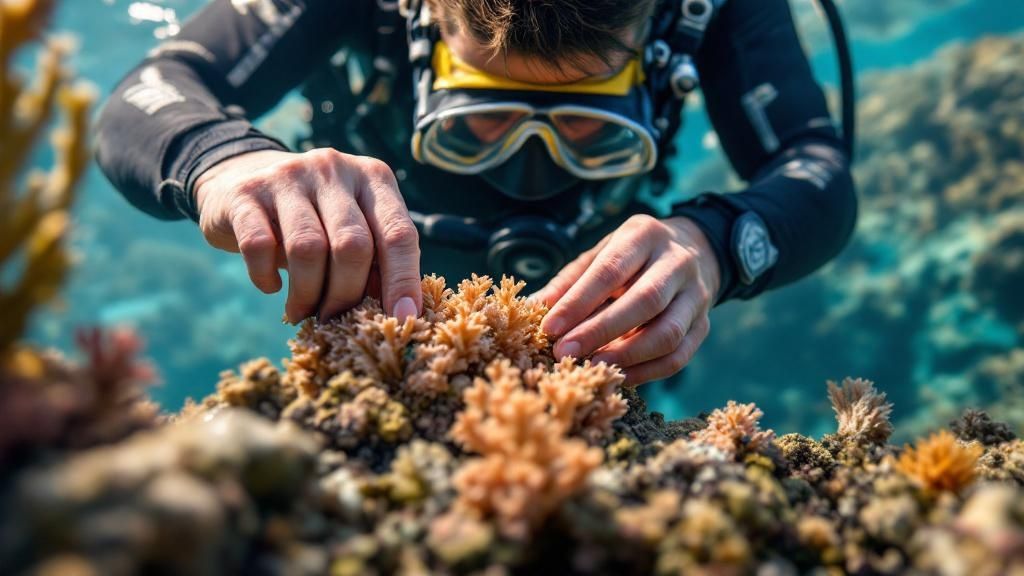
- Master Your Buoyancy: Nailing your buoyancy control is how you avoid accidentally kicking or bumping the fragile coral. It can take decades for coral to grow, and just one misplaced fin kick to destroy it.
- Keep a Respectful Distance: Look, don't touch. Observe marine life from a distance and never chase, corner, or harass any animal. Let them do their thing, and you'll be rewarded with much more natural, incredible encounters.
- Leave No Trace: It’s simple. The only thing you should take with you is pictures, and the only thing you should leave behind is bubbles.
When you prepare properly and dive responsibly, you’re setting yourself up for an incredible Big Island scuba diving adventure that’s amazing for both you and the underwater world you came to see.
Your Big Island Diving Questions, Answered
Even after hours of planning, a few questions are bound to pop up. That’s totally normal. Getting clear, honest answers to those last few practical things is what turns a good dive trip into a great one. It’s the final step to feeling confident and ready for your Big Island scuba diving adventure.
Think of this as our sit-down chat to clear up any of those lingering "what ifs" so you can stop worrying and start getting excited about the incredible underwater world waiting for you.
Do I Need to Be Certified to Scuba Dive on the Big Island?
We get this one all the time. To join our boat dives and explore those famous offshore reefs, you absolutely need an Open Water Diver certification. But if you're a complete beginner, you don't have to miss out on the action!
Reputable shops like Kona Honu Divers run a "Discover Scuba Diving" experience. It's the perfect first taste. You'll get a quick, easy lesson on safety and basic skills, then a PADI pro will take you on a real dive in a calm, shallow spot. It’s the best way to see if diving is for you before committing to a full course. Once you're hooked (and you probably will be), you can sign up for your certification and unlock all the amazing diving tours the island has to offer.
What Marine Life Can I Realistically Expect to See in Kona?
Kona's underwater world is buzzing with life. On any given dive, you're almost guaranteed to see Hawaiian green sea turtles (honu), big, colorful schools of reef fish like yellow tangs and parrotfish, and moray eels peeking out from their rocky homes. It's also not uncommon for spinner dolphins or a graceful eagle ray to cruise by.
The Manta Ray Night Dive gives you a nearly 100% guaranteed encounter with magnificent manta rays. Then there’s the Pelagic Blackwater Dive, where you'll see bizarre, bioluminescent creatures you won't find on any reef.
Peaceful white-tip reef sharks are also a very common sight, usually just chilling on sandy patches during the day. That's the magic of Big Island scuba diving—every single dive is a different show.
Is the Manta Ray Night Dive Safe for New Divers?
Absolutely. The world-famous Manta Ray Night Dive isn't just incredible; it's specifically designed to be safe and totally manageable for divers of all levels, even if you just got your Open Water card.
The dive itself is stationary, which is the key. You'll descend to a pretty shallow spot, maybe 30-40 feet, find a comfortable place on the sandy bottom, and just watch the spectacle. The mantas swoop and feed in the light beams above you. This controlled setup removes the usual challenges of night diving, making it one of the safest and most mind-blowing night dives on the planet.
What Is the Water Temperature and What Wetsuit Should I Wear?
The water here is amazing year-round. Temperatures usually hang out between a comfortable 75°F (24°C) in the winter and a balmy 82°F (28°C) in the late summer and fall.
A standard 3mm full wetsuit is the go-to for most people; it provides the perfect balance of warmth and flexibility. If you're someone who gets cold easily, especially if you're doing multiple dives or a night dive, you might prefer a 5mm. But don't sweat it if you don't own one—we have high-quality rental wetsuits that are perfect for whatever the conditions are that day.