
Hawaii’s Big Island offers a world of underwater adventure, a place where volcanic landscapes plunge into the Pacific, creating some of the most unique and vibrant dive sites on the planet. From the calm, clear waters of the Kona coast to the more rugged eastern shores, big island scuba diving provides unparalleled opportunities for divers of all skill levels. Whether you're a newly certified diver eager for your first open-water experience or a seasoned pro searching for a once-in-a-lifetime encounter, the island’s diverse marine ecosystem has something spectacular in store for you.
This comprehensive guide is your ultimate resource for planning the perfect diving tour. We will explore the absolute best dive sites the Big Island has to offer, from the world-famous Manta Ray Night Dive to the thrilling depths of a Black Water Dive. You'll get an insider’s look at what makes each location special, including the specific marine life you can expect to see, from massive manta rays and curious sea turtles to rare endemic fish.
Beyond just the sites, this article provides actionable advice to maximize your underwater experience. We will cover:
- Top 8 Dive Sites: A detailed breakdown of the must-visit locations.
- Seasonal Diving Conditions: When to visit for the best visibility and wildlife encounters.
- Gear & Certification: Essential equipment recommendations and how to get certified.
- Choosing a Dive Operator: Why selecting a top-tier company like Kona Honu Divers can elevate your entire trip.
Our goal is to equip you with all the information needed to dive the Big Island safely, confidently, and unforgettably. Let’s dive in and discover the incredible underwater world waiting just off the coast.
1. Kealakekua Bay
Kealakekua Bay stands as a jewel of the Kona coast, a place where history, culture, and marine biodiversity converge. This protected Marine Life Conservation District (MLCD) isn't just a dive site; it's an immersive underwater experience. Its protected status has cultivated an incredibly healthy coral reef system, home to vibrant corals and a dense population of fish that are remarkably unafraid of divers.
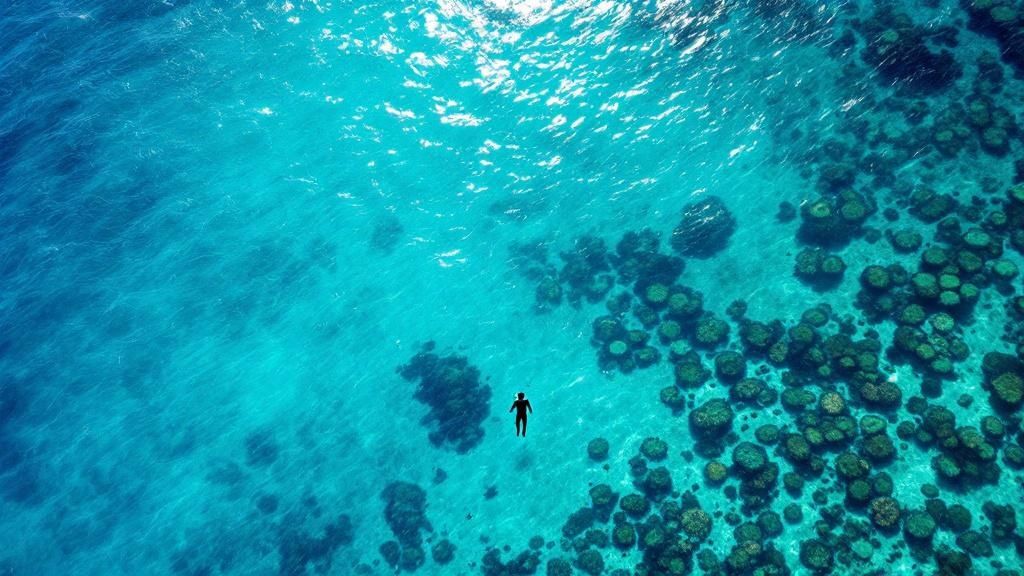
The bay is famous for the Captain Cook Monument, which marks the historic spot where the British explorer first landed on the island. Beneath the surface, the conditions are often pristine, with visibility regularly soaring past 100 feet, making it a dream for underwater photographers. The calm, clear waters create a cathedral-like atmosphere as sunlight filters down to the reef below. While exploring the prime diving spots, you might also find this ultimate guide to snorkeling Kealakekua Bay helpful for any non-divers in your group.
Strategic Approach to Diving Kealakekua Bay
Because it's a sheltered bay, the conditions are typically calm, making it suitable for divers of all skill levels. However, the best way to experience big island scuba diving here is by boat. This provides easy access to the prime spots near the monument, which are difficult to reach from shore.
Actionable Dive Plan:
- Go in the Morning: Schedule a morning dive charter. The water is often at its calmest and clearest, and you'll encounter fewer crowds.
- Bring a Camera: The combination of exceptional visibility, abundant marine life, and unique underwater topography provides unparalleled photo opportunities.
- Explore the Ledges: Swim along the underwater ledges and drop-offs. This is where you'll find schools of colorful fish, eels hiding in crevices, and occasionally resting sea turtles.
- Stay Respectful: As an MLCD, there are strict rules. Do not touch or anchor on the coral, and do not feed the fish. Respecting these regulations is crucial to preserving this special place.
Given its stunning beauty and rich ecosystem, Kealakekua Bay is a must-do for anyone serious about experiencing the best of Hawaii's underwater world. You can learn more about our guided trips to Kealakekua Bay to see how we create the perfect dive day.
2. Manta Ray Night Dive
The Manta Ray Night Dive is arguably the most famous and unforgettable underwater encounter the Big Island has to offer. This world-renowned experience is a ballet of gentle giants, where divers descend after sunset to a designated sandy area. Powerful lights are placed on the seafloor, pointing upwards to attract immense clouds of plankton, which in turn draw in the graceful, winged manta rays to feed.
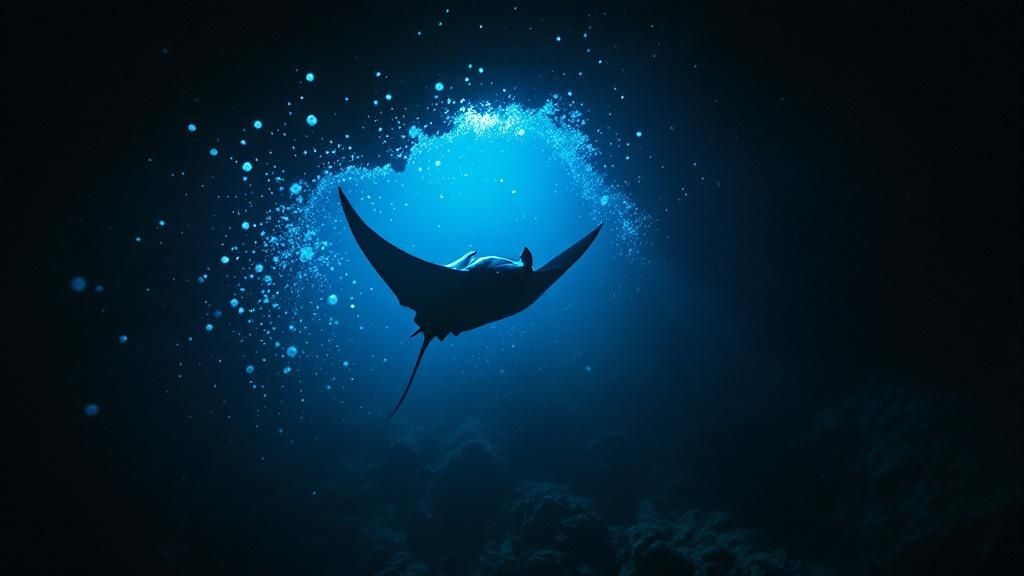
Located just off the Kona coast, sites like "Manta Heaven" and "Manta Village" have become global hotspots for this activity. The experience is surreal; divers settle on the bottom and watch as mantas with wingspans of up to 16 feet glide, swoop, and barrel roll just inches above their heads. The consistency of these encounters is remarkable, making it a bucket-list dive for anyone serious about big island scuba diving. This is a spectacle of nature you truly have to see to believe.
Strategic Approach to the Manta Ray Night Dive
Success on this dive depends heavily on a controlled environment and respectful interaction. It's suitable for most certified divers, but comfort with night diving is a plus. The entire operation is a well-orchestrated system designed to maximize safe, close-up encounters without disturbing the animals' natural feeding behavior.
Actionable Dive Plan:
- Book a Reputable Charter: Choose an experienced operator who prioritizes manta ray safety and provides a thorough briefing. This is key to a successful and ethical dive.
- Stay Grounded and Calm: Once you reach the sandy bottom, find your spot near the lights and remain stationary. Minimal movement and calm breathing allow the mantas to feel comfortable approaching closely.
- Use Proper Light Discipline: Your dive charter will provide the main lights. Keep your personal dive torch pointed down at the sand to avoid blinding the mantas or other divers.
- Practice 'Passive Interaction': The golden rule is to never touch a manta ray. This can damage their protective slime coat. Let them control the encounter; if you stay still, they will often glide right over you.
The Manta Ray Night Dive is a cornerstone of the Kona dive scene and a profound way to connect with one of the ocean's most majestic creatures. To ensure you have a spot for this incredible experience, you can book your Manta Ray adventure with us and witness the magic firsthand.
3. Black Water Diving
For the truly adventurous, Black Water Diving offers an unparalleled and otherworldly experience, placing you face-to-face with creatures from the deep ocean. This unique form of big island scuba diving involves drifting in the open ocean at night, suspended over thousands of feet of water. Divers are tethered to a boat and descend to a shallow depth, using powerful lights to attract pelagic organisms as they make their nightly vertical migration from the abyss toward the surface.
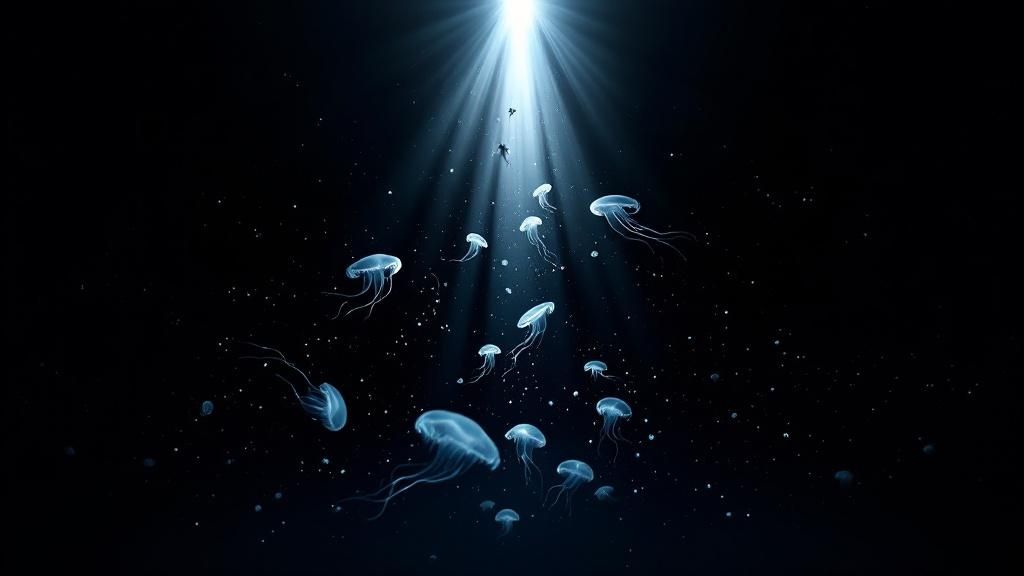
This dive isn't about reefs or topography; it's about the void and the bizarre, beautiful, and often transparent life that inhabits it. You'll encounter organisms rarely seen by humans, including larval fish, iridescent ctenophores, and pulsing siphonophores. The experience is often described as floating through outer space, surrounded by alien life forms. Pioneered in Kona by operators like Kona Honu Divers, it has become a bucket-list dive for enthusiasts worldwide seeking something completely different from a typical reef dive.
Strategic Approach to Black Water Diving
This is an advanced dive that requires comfort in the water at night and excellent buoyancy control. The key is to relax and let the ocean's inhabitants come to you. The dive is conducted in a controlled, safe manner with experienced guides who manage the tether system and ensure diver safety in the deep, dark water.
Actionable Dive Plan:
- Confirm Your Certification: An Advanced Open Water certification is the minimum requirement due to the nature of the dive.
- Manage Seasickness: The dive takes place offshore where seas can be choppy. Take seasickness medication beforehand if you are prone to it, ensuring a more comfortable experience.
- Stay Close to the Line: Your tether and the downline are your points of reference in the vast blackness. Maintaining proximity is crucial for safety and orientation.
- Bring a Macro Lens: The subjects are often small, intricate, and translucent. A good macro photography setup is essential to capture the stunning details of these deep-sea creatures.
- Book an Advanced Tour: This is not a dive to attempt without experts. Specialized charters are essential for safety and success. You can explore options on our advanced dive tour page.
If you are ready for one of the most unique night dives in the world, you can learn more about what to expect and how we conduct our Blackwater Dive tour.
4. Cathedrals I & II (Lanai)
While technically located off the coast of Lanai, the world-renowned Cathedral dive sites are often a highlight for those embarking on a comprehensive big island scuba diving adventure. These sites are famous for their immense underwater lava tubes that have formed spectacular, cavern-like structures. When sunlight filters through the openings in the ceiling, it creates dramatic, awe-inspiring light beams that illuminate the interior, giving divers the sense of being in a grand, submerged cathedral.
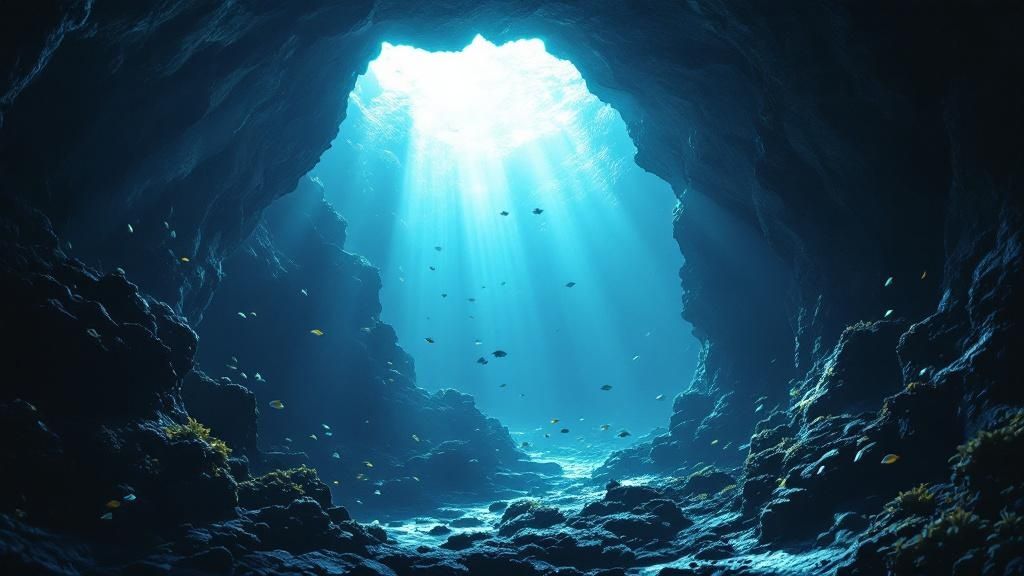
The two main sites, Cathedral I and Cathedral II, offer unique experiences. Cathedral I is a massive cavern with a "pulpit" rock formation and an "altar" where divers often pose for pictures in the ethereal light. Cathedral II features more complex swim-throughs and a "black room" that offers a thrilling, darker exploration. The dramatic topography and the abundance of marine life, including turtles, eels, and unique invertebrates hiding in the crevices, make this one of Hawaii's most iconic and photographed dive destinations.
Strategic Approach to Diving the Cathedrals
Accessing these advanced sites requires planning, as they are not located directly off the Kona coast. The dive itself demands excellent buoyancy control due to the overhead environments of the caverns and swim-throughs. The best way to experience these sites is through a dedicated charter that specializes in advanced, exploratory dives. These sites are perfect for more experienced divers looking for a unique thrill and can be part of a premium advanced dive tour.
Actionable Dive Plan:
- Book a Full-Day Trip: Full-day charters are necessary to make the crossing from Kona to Lanai and allow for adequate dive time at both sites.
- Master Buoyancy: Before entering the caverns, ensure your buoyancy is dialed in. This prevents accidental contact with the delicate lava formations and avoids stirring up silt, which can ruin visibility.
- Bring a Wide-Angle Lens: To capture the scale and dramatic lighting of the caverns, a wide-angle lens is essential for underwater photography.
- Follow Your Guide: Always stick close to your dive guide. They know the safest routes through the swim-throughs and can point out hidden features and marine life.
- Monitor Conditions: The channel crossing to Lanai can be rough. Dive operators will only go when conditions are favorable, so be flexible with your schedule.
5. Puako Reef
Stretching along the sun-drenched Kohala coast, Puako Reef offers one of the most accessible and rewarding shore diving experiences on the island. This extensive coral reef system is a haven for marine life, boasting vibrant coral gardens, unique underwater topography, and a remarkable density of Hawaiian green sea turtles (honu). Its easy shore access makes it a favorite among divers who prefer to explore at their own pace.
The main draw of Puako is its famous "turtle cleaning stations." Here, surgeonfish and other small reef fish provide a natural spa service for the honu, who gather patiently to have algae and parasites cleaned from their shells. Witnessing this symbiotic relationship firsthand is a highlight of any big island scuba diving trip. The reef itself is a labyrinth of lava rock fingers, arches, and overhangs, creating diverse habitats for countless species.
Strategic Approach to Diving Puako Reef
Puako Reef's accessibility is its greatest strength, but it requires proper planning to dive safely and effectively. Unlike a boat dive, you are responsible for your entry, exit, and navigation, making a solid plan essential for a successful experience. The reef's character changes with the tide, so timing your dive is key. For those looking for more details on this and other shore dives, exploring a guide to the best shore diving on the Big Island can provide valuable insights.
Actionable Dive Plan:
- Dive at High Tide: Plan your entry and exit around high tide. This provides more water over the shallow reef, making it easier and safer to navigate the rocky entry points without damaging coral or your gear.
- Wear Proper Footwear: The shoreline is composed of sharp lava rock. Sturdy reef booties are mandatory for protecting your feet during entry and exit.
- Respect the Honu: Turtle cleaning stations are sensitive ecological sites. Observe from a respectful distance and never touch, chase, or crowd the turtles. Your calm presence allows their natural behavior to continue undisturbed.
- Bring a Surface Marker Buoy (SMB): Puako is a popular area with some boat traffic. An SMB is crucial for marking your position to boaters, especially when surfacing.
- Park with Aloha: Parking is limited to designated areas along Puako Beach Drive. Be respectful of local residents by parking legally and keeping noise to a minimum.
6. Red Hill (Hilo Side)
Venturing away from the Kona coast reveals a different side of the Big Island's underwater personality, and Red Hill on the Hilo side is a prime example. This site offers a raw, volcanic diving experience characterized by dramatic geological formations. Divers are greeted by breathtaking drop-offs, intricate lava tubes, and mysterious caves sculpted by ancient lava flows, providing a stark contrast to the coral gardens of Kona.
The cooler water temperatures here are a product of the island's weather patterns, but they support a unique ecosystem. The underwater landscape at Red Hill is a testament to the island's fiery creation, offering an adventurous dive that feels like exploring a submerged volcanic park. This site is less about dense fish populations and more about the awe-inspiring topography and the thrill of discovery.
Strategic Approach to Diving Red Hill
Diving Red Hill requires more preparation than a typical Kona dive due to its exposure to open ocean conditions and unique environment. It’s a fantastic site for those with a bit more experience looking for a truly unique big island scuba diving adventure. The geological features make it a must-see for divers who appreciate dramatic underwater scenery.
Actionable Dive Plan:
- Prioritize Safety: Always dive with a local operator who is intimately familiar with the Hilo side's unpredictable conditions. Their knowledge is essential for a safe and successful dive.
- Gear Up for a Chill: The water is colder here. A 5mm wetsuit is the minimum recommended, and many divers will be more comfortable in a 7mm suit, especially for longer explorations.
- Light Up the Depths: A powerful primary dive light is non-negotiable for safely navigating the lava tubes and caves. A backup light is also a smart addition to your gear.
- Certify for Adventure: Due to the potential for overhead environments and challenging conditions, this site is best suited for advanced certified divers. Consider it an excellent opportunity to expand your skills with an advanced dive tour.
Red Hill promises an unforgettable dive for the prepared adventurer, showcasing the wild and volcanic heart of the Big Island's underwater world.
7. Turtle Pinnacle
Turtle Pinnacle is a remarkable underwater seamount that rises from the deep waters off the Kona coast, acting as a beacon for marine life. This unique topography creates a specialized ecosystem, most famously serving as a "cleaning station" where Hawaiian green sea turtles, or 'Honu', congregate to have parasites removed by reef fish. It's a dynamic, open-ocean site that provides a front-row seat to this fascinating symbiotic behavior.
The pinnacle's exposed location in the open ocean means it often attracts larger pelagic species that patrol the nearby deep water. Divers can be treated to sightings of eagle rays, sharks, and occasionally even whale sharks passing through. This site offers a different flavor of big island scuba diving, moving away from sheltered bays and into a more challenging, current-swept environment that rewards divers with truly memorable encounters.
Strategic Approach to Diving Turtle Pinnacle
Due to its offshore location and potential for strong currents, Turtle Pinnacle is best suited for advanced divers. An experienced charter operator is essential for navigating the conditions and safely positioning divers over the seamount. Proper buoyancy control and awareness are critical to enjoying the site without disturbing the delicate cleaning station interactions.
Actionable Dive Plan:
- Certify for the Challenge: An Advanced Open Water certification is highly recommended to ensure you are comfortable with the potential depths and currents.
- Time Your Dive: Conditions can change rapidly. Trust your dive operator's expertise on the best time to dive, which is often in the morning when conditions are calmer.
- Observe from a Distance: The main attraction is the turtle cleaning station. Find a good vantage point, maintain neutral buoyancy, and watch the natural behavior unfold without getting too close.
- Stay Alert: While focusing on the turtles, remember to look out into the blue. The open ocean setting means you never know what large pelagic animal might cruise by.
- Go with a Pro: The currents and deep-water environment make this a dive to do with professionals who know the site intimately. You can explore our advanced dive charters for a safely managed and unforgettable trip.
8. Honaunau Bay (Two Step)
Adjacent to the Puʻuhonua o Hōnaunau National Historical Park, Honaunau Bay is one of the most beloved and easily accessible shore dives on the island. Affectionately known as "Two Step," the site gets its name from the natural lava rock formation that provides a convenient, step-like entry into the calm, clear water. As a protected Marine Life Conservation District (MLCD), the bay is teeming with healthy coral gardens and an incredible diversity of marine life accustomed to respectful visitors.
This location is a paradise for divers and snorkelers alike, offering shallow reefs perfect for beginners and deeper sections for more experienced explorers. The visibility is often excellent, and the bay's protected nature means you're almost guaranteed to encounter large schools of fish, Hawaiian green sea turtles, and even spinner dolphins that frequent the area for rest. The combination of easy access and rich biodiversity makes it a quintessential big island scuba diving experience.
Strategic Approach to Diving Honaunau Bay
Success at Two Step hinges on preparation and timing. While it is one of the island's best shore dives, its popularity means it can get crowded. Arriving early is key to securing parking and enjoying the site before the midday rush. The direct sun on the lava rock can also make gearing up uncomfortable later in the day.
Actionable Dive Plan:
- Arrive Early: Aim to be at the site before 9 AM to find convenient parking and have a more peaceful dive experience.
- Use Proper Footwear: The lava rock entry, while convenient, can be sharp and slippery. Sturdy dive booties are essential for a safe entry and exit.
- Explore Both Sides: The bay offers two distinct topographies. To the right of the entry are beautiful shallow coral gardens. To the left, you'll find more dramatic underwater architecture, including canyons and archways.
- Stay Aware and Respectful: This is a sacred area and an MLCD. Be mindful of your buoyancy to avoid touching the fragile coral, do not disturb the wildlife, and observe all posted regulations to help preserve this natural treasure.
Honaunau Bay provides an unforgettable shore diving adventure that captures the essence of Hawaii's underwater world. If you prefer a guided experience or want to explore sites that are only accessible by boat, check out our full range of Kona diving tours for your next adventure.
Top 8 Big Island Dive Site Comparison
| Dive Site | 🔄 Implementation Complexity | ⚡ Resource Requirements | 📊 Expected Outcomes | 💡 Ideal Use Cases | ⭐ Key Advantages |
|---|---|---|---|---|---|
| Kealakekua Bay | Moderate – boat access recommended, permit needed for commercial use | Moderate – Boat, snorkeling/diving gear | High biodiversity, clear waters, historical site | Beginners to intermediate divers, snorkelers | Crystal clear water, rich marine life, historical significance |
| Manta Ray Night Dive | Moderate – night dive skills needed, underwater lights required | High – specialized equipment, professional operators | Very high encounter rate with mantas, unique night experience | Certified night divers of all levels | Guaranteed manta sightings, unique wildlife encounters |
| Black Water Diving | High – advanced certification required, night deep ocean conditions | High – advanced gear, research-quality setups | Rare pelagic deep-sea species encounters, educational value | Advanced divers seeking rare wildlife and research | Rare deep-sea encounters, unique deep ocean experience |
| Cathedrals I & II | Moderate to high – boat transport and cavern swim-through skills needed | Moderate – boat charter, wide-angle camera recommended | Dramatic geological formations, excellent photo ops | Intermediate to advanced divers | Iconic underwater lava formations, diverse marine life |
| Puako Reef | Low – easy shore access, no boat needed | Low – basic shore diving gear, parking available | Good coral gardens, high turtle sightings | All skill levels, shore divers | Easy shore access, high turtle encounters, free parking |
| Red Hill (Hilo Side) | High – advanced skills recommended, challenging conditions | Moderate – specialized wetsuit, reliable local guides | Unique volcanic topography, less crowded | Intermediate to advanced divers seeking geological variety | Unique geological formations, cooler water, less crowded |
| Turtle Pinnacle | High – advanced diving skills, boat access only | High – boat, advanced dive gear, current handling tools | Large pelagic species encounters, open ocean environment | Advanced divers | Large marine life, excellent visibility, rare species sightings |
| Honaunau Bay (Two Step) | Low – shore diving with natural lava rock entry | Low – shore diving gear, free access | Rich biodiversity, easy entry, protected area | All skill levels, shore divers and snorkelers | Easy water entry, protected area, good night diving options |
Final Thoughts
Our journey through the underwater world of Hawai'i Island reveals a simple truth: big island scuba diving isn't just an activity; it's an unparalleled adventure into one of the most dynamic marine ecosystems on the planet. From the sun-dappled coral gardens of Kealakekua Bay to the otherworldly abyss of a blackwater dive, the diversity of experiences available here is truly staggering. You've learned about the iconic Manta Ray Night Dive, a ballet of gentle giants, and the fascinating shore diving opportunities at places like Honaunau Bay (Two Step).
Each site we've explored offers a unique chapter in the story of Hawai'i's volcanic origins and vibrant marine life. The dramatic lava tube formations at Turtle Pinnacle and the intricate reef structures of Puako Reef showcase the island's geological artistry. These underwater landscapes provide the perfect habitat for a cast of characters you won't soon forget, from the ubiquitous green sea turtles (honu) to elusive reef sharks and countless endemic fish species found nowhere else on Earth.
From Knowledge to Action: Your Next Dive
Understanding the possibilities is the first step. Now, it's time to transform that knowledge into an unforgettable experience. Your next steps are crucial for ensuring a safe, rewarding, and awe-inspiring adventure.
- Assess Your Skills: Be honest about your comfort and certification level. Are you ready for an advanced drift dive, or would a guided introductory dive in a calm bay be a better fit? The Big Island has options for every diver, from those taking their first breath underwater to seasoned veterans seeking new challenges.
- Match the Dive to Your Desires: Are you an underwater photographer eager for the macro life at Puako Reef? A thrill-seeker ready for the exhilarating Kona blackwater dive? Or perhaps you dream of the serene grace of the manta rays? Pinpoint what excites you most and plan accordingly.
- Plan for the Conditions: Remember that big island scuba diving conditions can vary. Check seasonal patterns, consult local forecasts, and always prioritize safety. Partnering with a knowledgeable local operator removes the guesswork and places you in the best spots at the best times.
Why Your Big Island Dive Will Change You
Diving here is more than just checking a location off your list. It’s about connecting with the powerful forces that shaped this island. It’s the feeling of weightlessness as you drift over ancient lava flows, the humbling experience of making eye contact with a manta ray, and the thrill of discovering a tiny, vibrant creature hidden in a crevice. These moments foster a profound respect for our oceans and our role in protecting them.
By choosing to explore these waters, you become part of a community of ocean stewards. Every dive is an opportunity to learn, to appreciate, and to contribute to the conservation of this fragile paradise. The memories you create while big island scuba diving will stay with you long after you've dried your gear, inspiring a deeper connection to the marine world. Your adventure awaits in the warm, clear, and life-filled waters of Kona. Are you ready to take the plunge?
Ready to dive in? For an unforgettable and professionally guided big island scuba diving experience, look no further than Kona Honu Divers. Their expert team is dedicated to safety, education, and sharing the magic of Kona's underwater world, ensuring your adventure is everything you dreamed it would be. Book your dive tour with Kona Honu Divers today and discover the best the island has to offer.