
You can tell a Kona dive morning by the smell of salt on the deck, the clatter of fins against the bench, and the quiet check-in that happens before the sun gets high. If you're one of the Big Island divers in Kailua-Kona, HI looking for the authentic version of the trip, not the brochure version, the details matter on the boat as much as they do underwater. The best days here are built on good buoyancy, calm judgment, and respect for a coast that rewards disciplined divers.
.spacer-50{height:50px;} .spacer-40{height:40px;}
The Kona Coast Diving Experience
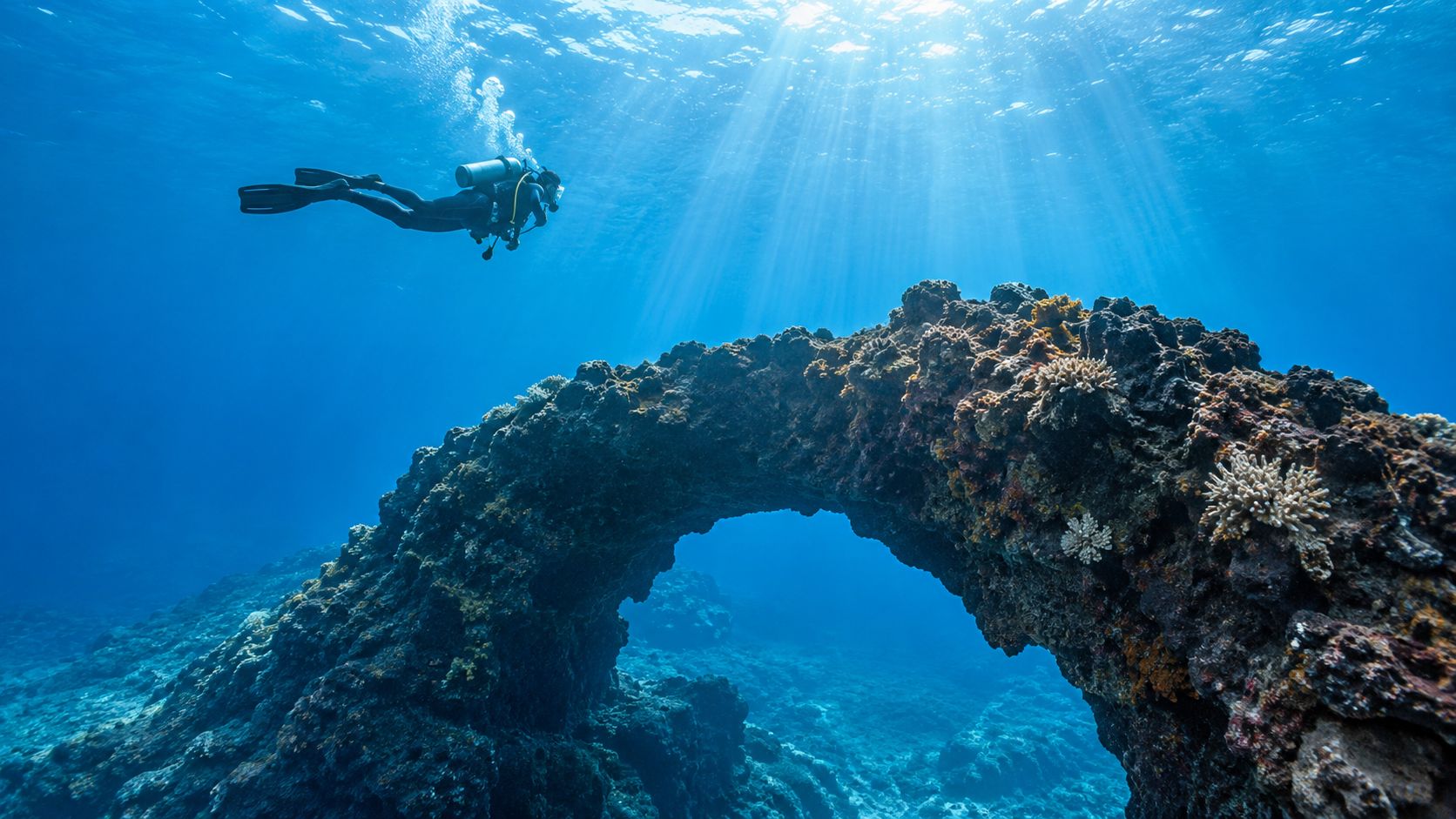
Stepping onto a Kona dive boat at dusk feels different from boarding for a daytime reef run. The light is softer, the water looks glassy from the harbor, and everyone on deck is checking the same things twice, masks, lights, exposure protection, and whether their headspace is calm enough for a night descent. That atmosphere fits the coastline itself, because the underwater terrain here was built by volcanic flows that left arches and lava tubes within reach of a single-tank dive on the Big Island, while the Kohala Coast is known for especially clear water on a calm day Love Big Island.
What the water feels like
Kona diving is usually about calm logistics, not fighting current all day. The west side's leeward position keeps many boats in workable conditions, and that's why local operators can offer everything from shallow training dives to deeper, more demanding site rotations Konahonu Divers sites guide. You still need to respect the ocean, because a calm harbor doesn't guarantee a calm entry, but the coast does give divers a rare chance to focus on the dive itself instead of wrestling the environment.
The rhythm of a Kona trip is usually simple. Gear up, make the crossing, descend, settle your breathing, and let the reef reveal itself in layers rather than all at once. On the right site, you'll see coral fingers, lava ledges, and fish life tucked into every bit of shelter.
Practical rule: if the boat crew is rushing the setup, your dive probably won't improve underwater. Good Kona dives feel deliberate long before anyone reaches the ladder.
The payoff here is variety. A single week can include a volcanic reef, a mellow sandy site, a deep wall, and a night dive that feels like another planet. That range is why this stretch of coast keeps drawing both newly certified divers and people who already know exactly what a good drift, ledge, or lava tube should feel like.
Signature Night Dives and Advanced Encounters
A Kona night dive can be quiet and controlled, or it can feel like stepping into open space with very little margin for error. The manta ray night dive is a planned feeding encounter built around light and plankton, while the blackwater dive takes you away from the reef and into the water column itself. Both demand good buoyancy and discipline, but only one keeps you fixed over a sandy site while the animals arrive on their own terms.
Manta reef versus open ocean
The manta dive works because underwater lights gather zooplankton, and reef mantas follow the food. NOAA guidance says divers should stay on or near the sand, rubble, or boulder bottom, form a semicircle, hold lights above the head and aim upward, and leave open water above the group so the mantas can move safely NOAA manta guidance. That setup matters. The less divers drift into the feeding lane, the cleaner the encounter stays for everyone in the water.
Garden Eel Cove draws most of the attention for a practical reason, its protected geography usually gives divers calmer conditions and a wider sandy viewing area than many people expect from a night site. That can make the boat setup steadier and the manta passes easier to watch. For a full breakdown of encounter rules and site behavior, see the guide to the manta ray night dive on the Big Island.
Blackwater diving asks for a different kind of control. You hang over thousands of feet of open water, suspended in darkness, and the task is to hold position while tiny pelagic animals rise through the beam. There is no reef to orient on, so good buoyancy, comfort in featureless water, and steady nerves matter more than the scenery.
What skill set each dive demands
The manta dive rewards calm body position, neutral buoyancy, and patience. Blackwater demands those same basics, plus self-reliance and the ability to stay organized when there are no landmarks at all. A diver who chases either experience usually creates more work for the crew. A diver who controls breathing, trim, and light discipline earns the genuine payoff.
Stay low, stay still, and let the animals come to the light.
For divers comparing advanced options, the contrast is straightforward. Manta diving rewards stillness over a reef. Blackwater rewards self-reliance in open water.
Reef Ecology and Endemic Marine Life
A Kona dive is shaped by more than clear water and good visibility. The reef here supports animals that are tied closely to Hawaiʻi itself, which changes what you notice once you settle onto the bottom. The NOAA Hawaiʻi coral reef overview describes the islands as home to a distinct reef system, and that matters underwater because local species, coral structure, and feeding behavior all reflect a place with its own ecological history.
Why the reef looks alive when it is healthy
Healthy reefs hold together through simple, hard work. Herbivores keep algae from overrunning coral, coral needs light and space, and the food web stays balanced only when those pieces keep doing their jobs. The same NOAA overview notes that at the Kahekili Herbivore Fisheries Management Area, parrotfish biomass increased to four times its original level, a gain of 331%, after management measures were put in place NOAA Hawaiʻi coral reef overview. That kind of recovery is visible in the water. The reef feels busier, cleaner, and more alive.
Pressure can push the other way just as fast. The west coast of Hawaiʻi Island saw fish biomass decline by 45% between 2008 and 2018 NOAA Hawaiʻi coral reef overview. For divers, that is not an abstract warning. It changes how careful a guide has to be about finning, bottom contact, and how long a group hovers over one patch of reef.
What to look for on a Kona reef
The best reef dives here are not defined by a single headline species. They stand out through the details, active grazing fish, clean coral heads, clear water, and a bottom that still functions as habitat rather than looking worn down. Those signs tell you the reef is working.
Endemic life adds another layer. When you are diving Kona, you are not just checking off tropical fish. You are seeing species and reef behavior shaped by these islands, and that gives even a familiar scene a different feel. For divers comparing sites and wanting a practical way to choose between them, a 2026 guide to Hawaii's top dive sites and how to choose between them gives useful context for why one reef may suit a relaxed day dive while another rewards a closer look.
Bottom line: strong reef life is what gives Kona dives their depth. Clear water matters, but living coral, grazing fish, and a stable food web are what make the experience worth repeating.
Managing Seasickness and Boat Logistics
A smooth Kona dive day can still fall apart before the first descent if a guest is fighting motion sickness. Divers Alert Network identifies Dramamine (dimenhydrinate) and Bonine (meclizine) as common over-the-counter options, and both can cause drowsiness, which can affect the alertness, coordination, and judgment you need in the water DAN seasickness prevention and treatment. If you have not tested a medication before, the boat is the wrong place to find out how you react.
What to do before you board
Start with position and timing. DAN recommends putting a motion-sick passenger where the boat moves least, usually near the center, keeping the body as low as practical, and watching the horizon when you can DAN motion sickness guidance. If you cannot keep visual contact with the horizon, closing your eyes can reduce the mixed motion cues that make nausea worse. For a fuller walkthrough of prevention tactics, see how to avoid seasickness on a dive boat. DAN also advises divers who are prone to nausea to avoid eating for two hours before boarding.
A few low-tech tools help more than guests expect. Wristbands, ginger chews, dimenhydrinate, and meclizine all come up often because people want options they can match to their own tolerance. The point is not to buy everything on the list. It is to know what settles your stomach before the captain leaves the harbor.
Why hiding symptoms makes things worse
DAN warns that nausea can lead to underwater disorientation, vomiting, and loss of buoyancy control, and that forceful vomiting or breath-holding can raise embolism risk DAN health resource. Early disclosure matters. A diver who says something while the symptoms are still mild can usually stay on the surface, hydrate, and reset before the problem spreads into the dive plan.
Boat logistics deserve the same respect. If you know you are sensitive, choose a stable spot in the boat, keep your head low, eat with care, and have a backup that you already trust. Tell the crew as soon as symptoms start, because once nausea takes hold, it is harder to manage on a rolling deck than it is at the dock.
Night Dive Safety and Operator Selection
A calm surface can hide a risky night dive. Once the light drops, the boat adds traffic, propellers, anchor handling, and less room for error if a diver separates from the group or feels unwell. An independent safety review flagged vessel or propeller strikes, anchor strikes, in-water medical emergencies, drowning, and high-speed boat collisions, and it called for stronger health screening, an industry-wide emergency plan, an on-site safety boat, reduced site density, and no live boating Seven Seas Media safety review.
Questions that matter before you book
Ask who watches the boat while divers are in the water. Ask whether the operator carries an on-site safety boat, how pickup works if someone surfaces away from the group, and what happens if a guest has a medical problem after dark. Ask how they screen for water competency, not just a certification card. Those answers say more than the sales page ever will.
If the operator cannot explain the emergency plan in plain language, keep looking.
Shiny gear and a confident captain do not tell you much. A solid operator explains diver spacing, entry and exit control, lost-diver procedures, light signals, and backup plans for weather or medical trouble. A weak one talks only about how many mantas show up.
The way an operator fits into the broader dive system matters too. For a local comparison point, the Kona diving company selection guide is useful if you want to compare safety habits, crew discipline, and the way different boats handle night operations.
The best operators also respect the limits of the boat itself. They assign seating and entry order with care, keep deck movement orderly, and tell guests what to do before anyone is excited, tired, or seasick. That matters at night, when a small mistake on deck can turn into a problem fast. A crew that gives clear briefings, keeps communication simple, and stays alert to early signs of trouble is doing the work that matters most.
Sustainable Diving and Conservation Impact
A low-impact dive starts before the boat leaves the harbor. Kona's manta population is locally distinct, and the main pressures include entanglement in fishing line and moorings. Tourism adds its own strain through lights, vessels, crowding, and anchoring Hawaiʻi Tribune-Herald manta report. Sustainable diving is not a slogan here. It is the set of choices made by the operator and by every diver on deck.
What low impact looks like underwater
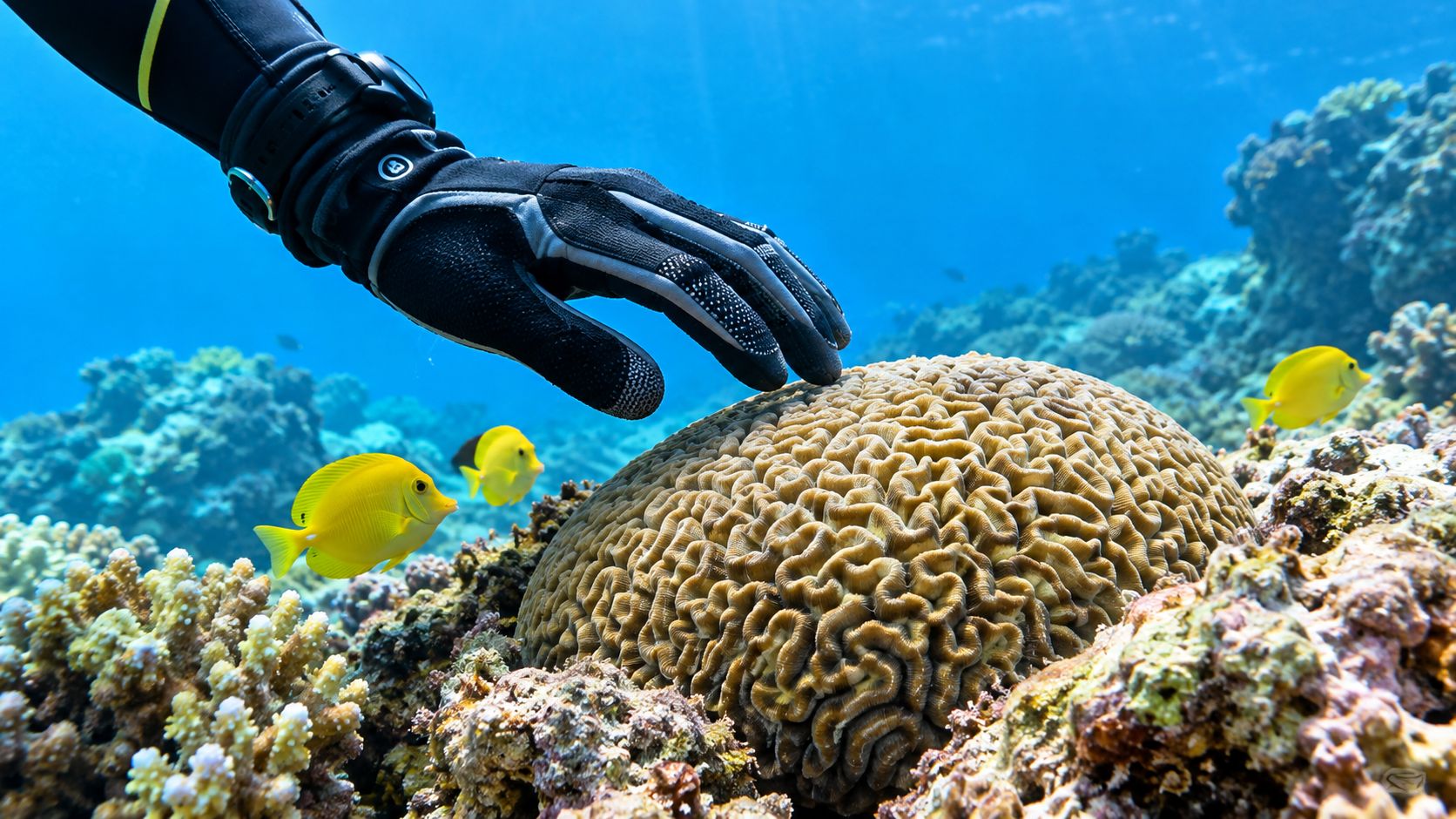
On a manta dive, light discipline and stillness shape the feeding pattern. On a reef dive, buoyancy keeps fins off coral and keeps sediment from drifting across a living patch of reef. Crowding matters too, because more boats and more bodies can change animal behavior even when nobody means harm. Those are direct effects, not theory.
Site choice matters as much as underwater behavior. Protected areas and no-take zones only work when operators respect them and brief guests accordingly, so ask how a boat handles moorings, capacity, and spacing on busy nights. That is part of reef care, not a side note NOAA Hawaiʻi coral reef overview.
For a practical example of how an operator can spell out its environmental standards, Kona Honu Divers' eco-friendly approach shows the kind of guidance guests should expect before they gear up. The value is not in polish. It is in clear habits that keep reef access restrained.
Leave the site exactly as you found it: no bent coral, no chased animals, no crowding.
Building Your Kona Dive Itinerary
A smart Kona itinerary gives your body room to recover. Stack the hardest night dives too close together and you arrive cold, tired, and less steady in the water. Spread the week out and each dive tends to feel cleaner, especially when visibility drops or the boat ride leaves you a little off balance.
A practical way to pace the week
Start newer certified divers with a daylight boat or shore dive, then leave time before any night session. That first day lets you settle into local conditions, check weighting, and learn how your stomach handles movement on the water before the lights go out. More experienced divers can pair one demanding night dive with an easier reef dive so trim and breathing stay controlled without turning the whole trip into a strain.
Mixed-experience groups work better when the schedule respects the least comfortable diver. A family member who wants relaxed reef time does not need the same plan as someone chasing blackwater or a deeper advanced charter. Kona gives you both, but a good week uses that range carefully.
A few rules help on the boat and underwater:
- Leave recovery space: do not stack every hard dive on consecutive nights.
- Match the dive to the diver: recent practice matters as much as certification.
- Use calm mornings well: simple dives belong there, while low-light trips fit better when you are rested.
- Respect altitude and flight timing: nitrogen loading still applies after the trip ends.
- Pack for comfort, not ego: a proper suit, a dependable light, and a backup plan beat unfamiliar gear.
Motion sickness deserves the same respect as bottom time. Eat lightly, stay hydrated, and choose your seat before the boat starts pitching. If you know you are sensitive, say so early. Good operators can often place you where the ride is kinder and help you get through the first rough stretch without losing the whole day.
If you want a local operator that matches dive types to experience level and keeps the schedule practical, Kona Honu Divers can help with charters, training, and specialty trips from the Big Island side of Kona.
If you are planning a Kona trip and want the diving to stay calm instead of rushed, book the dives that fit your comfort level first and build the rest around them. Kona Honu Divers can help you line up local boat dives, manta nights, and more advanced options without wasting vacation time on guesswork.