
You're on the dock with fins in one hand, a mask in the other, and a choice to make. The water looks calm, the lava shoreline looks almost unreal, and the question is no longer whether Kona is worth diving. It's which operator, which site, and which experience will best fit your comfort level, your budget, and the kind of underwater night you want to remember.
Kailua-Kona earns its reputation because the diving is varied without feeling random. Boat-access manta sites, volcanic reef structure, and dependable local marine life give divers a rare mix of easy logistics and serious ecological interest. For anyone comparing big island divers kailua kona options, the challenge is separating polished marketing from the details that affect the dive on the day you board.
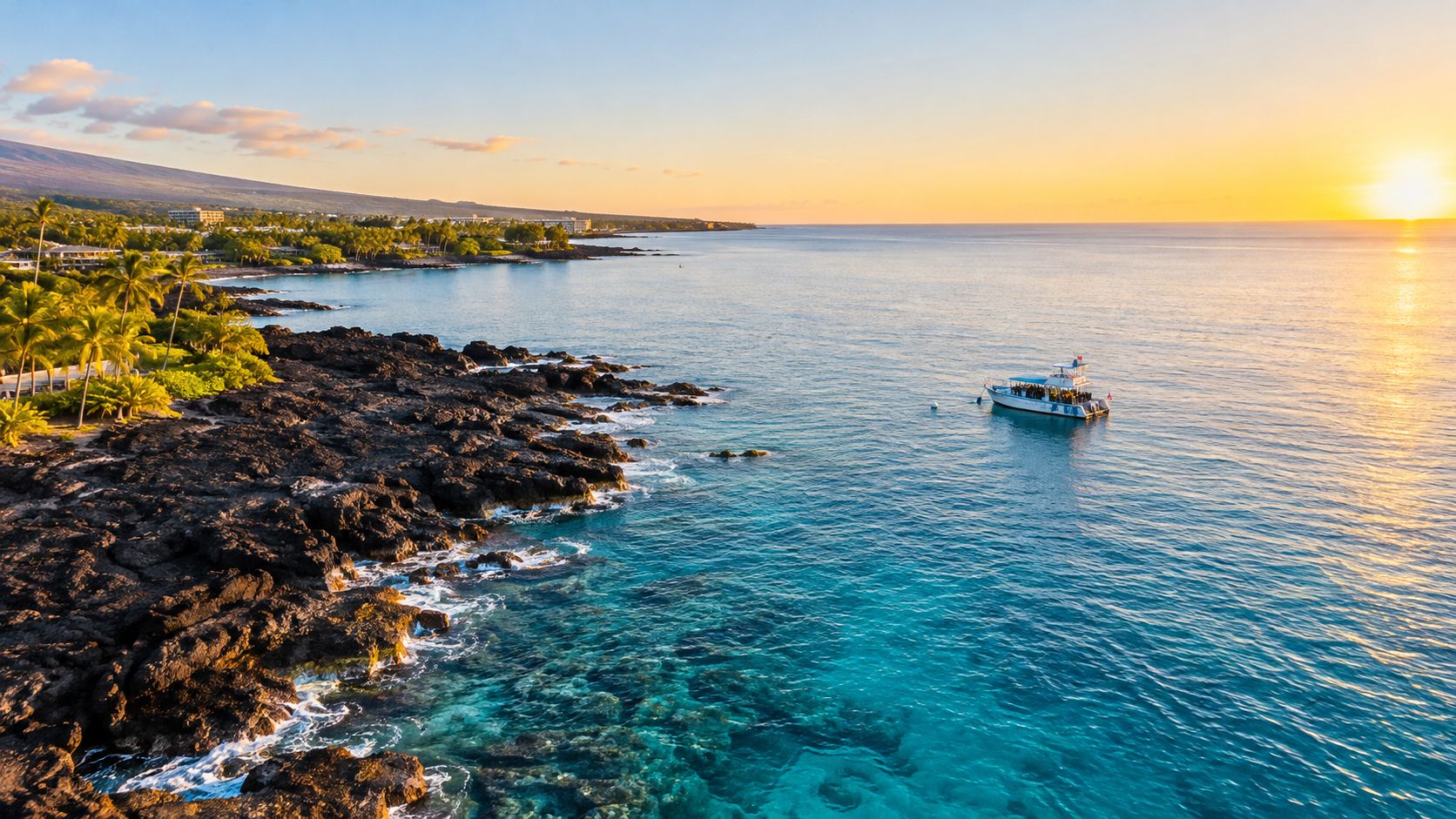
Why Kailua-Kona Is Hawaii's Diving Capital
The best Kona dives start with a moment that feels almost too quiet for the size of the animal in front of you. A manta ray glides up through the beam, turns on a wingtip, and hangs in the light as if it owns the water column. That's the kind of night that changes how people talk about diving, because it's not just scenery, it's close-range wildlife in a place built for observing it responsibly.
The shoreline does the heavy lifting
Kailua-Kona works because the coastline creates practical advantages that divers feel immediately. The volcanic terrain shapes protected entry points, predictable boat logistics, and clear routes to the main viewing sites. That combination matters more than flashy trip names, because it determines whether your day feels smooth or chaotic before you even zip your wetsuit.
The area also supports a mix of experiences that suit very different divers. First-timers want calm water and a crew that explains everything without rushing. Experienced divers want site knowledge, reef structure, and a chance to do something more distinctive than a generic tropical drift.
For that reason, the smartest way to approach Kona is to think in terms of fit, not hype. A good operator can turn a solid site into a great dive, but the wrong match can make even the right site feel awkward.
Why the manta dive became the signature
Kona's manta night dive is the anchor experience for a reason. The resident rays return to predictable viewing areas, and that predictability makes the encounter more accessible than many wildlife dives elsewhere. If you want the deeper operator and destination context behind that reputation, this Kona diving overview is worth a look.
The important thing is not to treat predictability as a promise. Good operators talk about conditions, not guarantees, because wildlife still decides the final script. That honesty is usually the first sign that a crew understands both the animals and the diver standing on the deck.
Three Must-Try Dive Experiences in Kona
Kona diving works best when you choose the experience first and the operator second. The site, the time of day, and your comfort in the water all matter more than a generic package description. If you line those up well, you'll usually enjoy the dive more than someone who booked only because a brochure sounded exciting.
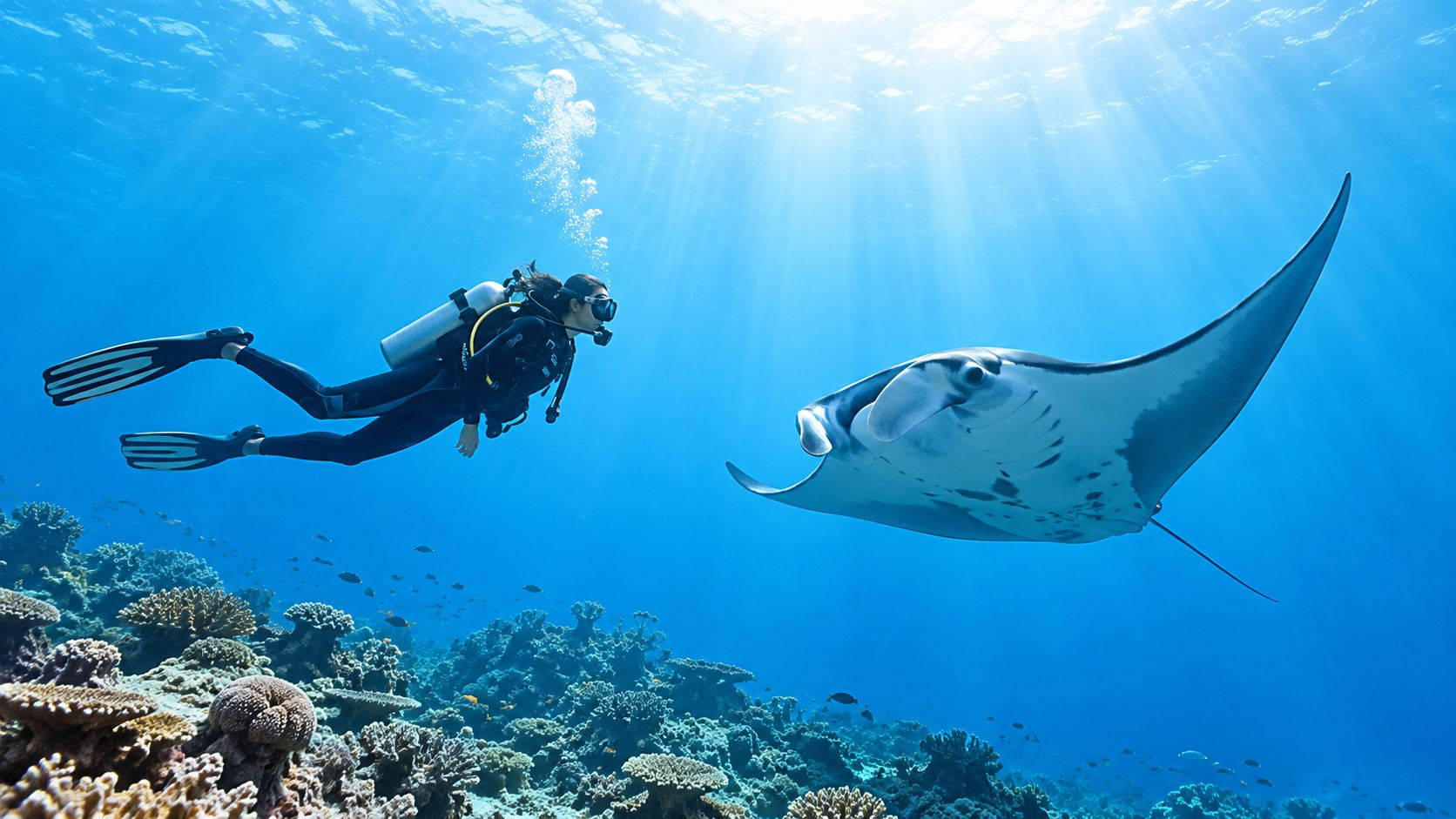
Manta ray night dive
The manta night dive is the flagship for a reason, but it works only when the crew handles the setup correctly. Two principal viewing areas are commonly used, and the difference between them shows up in how the boat is staged, how much room you have, and how comfortable the overall scene feels once everyone is in the water. For the site-specific version many divers ask about, the Kona manta night dive page gives useful operational context.
Divers should stay low on the bottom, hold lights above the head, and angle them upward so plankton gathers in the water column. Snorkelers stay at the surface and shine lights downward. That simple separation keeps the animals moving naturally and reduces the chance of crowding the manta's path.
Practical rule: if a company treats the manta encounter like a guaranteed show, keep asking questions. The right guide talks about animal behavior, visibility, crowding, and what happens when the rays choose a different route.
Blackwater diving
Blackwater diving is for people who want something stranger than reef life and are comfortable being a little uncomfortable. You're in open water at night, watching planktonic life rise from the deep, and the experience feels more like drifting through a moving scientific sample than visiting a conventional reef. It isn't the place for casual curiosity, but it's excellent for divers who want a serious sensory reset.
Day reef diving
Kona reef dives round out the picture with volcanic structure, sand patches, and hard-bottom habitat that gives the underwater terrain real shape. A good reef dive here isn't about packing in as many species as possible, it's about seeing how the bottom structure directs fish behavior and makes navigation intuitive for the crew. That's where a knowledgeable guide matters, because the best sites reward people who can read the bottom rather than just follow a fin kick.
Choosing the Right Dive Operator
A good operator changes the whole day. A weak one turns simple logistics into friction, and friction is exactly what you don't want before a night dive or your first boat trip in Kona. Price matters, but it sits behind safety, crew quality, and how the boat feels once you're on board.
What to compare before booking
Look at three things first, boat size, group philosophy, and how the crew handles marine life. Smaller groups usually mean more personal attention and less confusion in the water, while larger boats can mean more moving parts and a busier deck. Neither is automatically better, but the experience changes fast once you add nervous beginners, camera gear, or a diver who needs extra help with entries and exits.
Ask how the crew manages pre-dive briefings, missed meet times, and unexpected weather shifts. The answer tells you more than a polished homepage ever will.
Kona Dive Operator Comparison
| Operator | Boat Size | Safety Record | Group Focus | Conservation Effort |
|---|---|---|---|---|
| Kona Honu Divers | Custom dive boats | Strong emphasis on maintained gear and guided operations | Beginner to advanced divers | Marine life protection and responsible site use |
| Other local operators | Varies | Varies by company | Varies by trip style | Varies by company policy |
| General tour boats | Varies | Varies by vessel and crew | Often mixed groups | Often lightly explained |
What to ask on the phone
Ask whether the boat runs with certified guides, how they size groups, and what they do if conditions change. If you're considering a manta trip, ask how they brief divers on light placement and spacing, because that detail affects both safety and the quality of the encounter. For a practical operator checklist, this Kona diving company guide is a solid companion read.
One more thing matters more than many visitors expect, conservation behavior. A crew that explains why divers shouldn't touch, chase, block, or crowd marine life is usually one that has done the work. That doesn't just protect the animals, it usually makes the dive calmer for everyone on the boat.
Practical Logistics and Preparation
Boat day goes smoother when you've already handled the basics. Certification, seasickness, exposure protection, and timing all affect how much energy you have left once you hit the water. I'd rather see a diver slightly overprepared than casually underpacked.
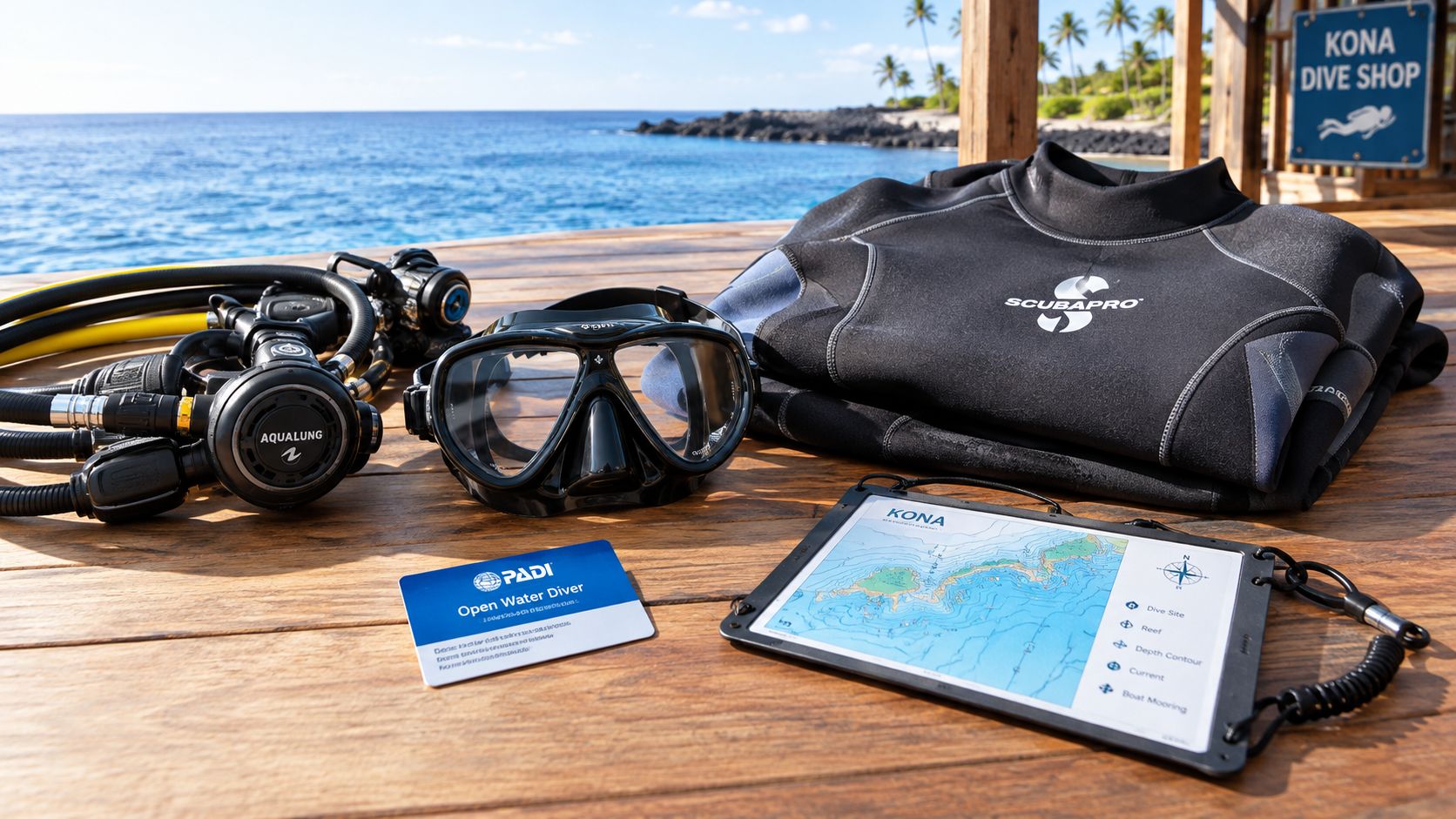
Match the trip to your certification
Scuba participants need the right certification for the planned dive, and operators should tell you that plainly before you book. For manta night dives, some guests are certified divers and others are snorkelers, but the in-water requirements differ and the briefing should make that obvious. If you've never been on a night dive, that doesn't automatically rule you out, but you should expect more detailed coaching before entry.
Pack for comfort, not for the photo
Bring a towel, water, reef-safe sun protection for daytime trips, and a dry change of clothes for after the boat ride. A rash guard or thin layer under a wetsuit can make a big difference if you get chilled easily. If motion bothers you, take it seriously before boarding rather than hoping the ride won't bother you once you're offshore.
For seasickness planning, use the approach that fits your tolerance. Some divers prefer Ship-EEZ Seasickness Patch, others rely on Dramamine pills, Bonine pills, Sea Band wristbands, or ginger chews. If motion sensitivity is a real concern, this sea sickness guide is worth reading before you commit to a boat day.
Timing and on-the-water rhythm
Kona runs dives throughout the year, but weather still changes comfort, entry conditions, and how relaxed the boat feels. Plan to arrive early, listen carefully to the briefing, and keep your gear organized so you're not fumbling at the rail. The smoothest dive days are the ones where the diver has already made the decisions before stepping aboard.
Understanding Pricing and Discount Opportunities
Diving prices vary because boat style, crew size, included gear, and trip length all shape the final value. A cheaper seat isn't a bargain if the briefing is rushed, the equipment feels tired, or the group is so large that you spend the dive waiting for other people's logistics to clear. The core question is whether the price matches the experience you want.
What usually changes the cost
The biggest cost drivers are usually staffing and the kind of trip you're buying. A tightly run small-group trip often feels more personal, while a larger operation may spread costs differently across more divers. Nitrox can also influence value for certified divers who prefer longer useful bottom time, but the important part is whether the operator offers it cleanly and explains when it makes sense.
Where smart discounts show up
Flexibility usually pays. Early diver rates reward people who can book at less crowded times, and package deals can make sense if you're planning multiple dives instead of one headline excursion. Student and military discounts are also worth asking about directly, because operators don't always surface them prominently on the booking page.
If you're sorting through deals, the coupon page is a practical place to check before you finalize anything. Hidden fees are the trap to watch for, especially when a low headline price leaves out gear, park-related costs, or essentials that other operators include.
A fair price should come with a clear explanation of what's included, what's optional, and what changes if conditions force a reschedule.
Why Kona Honu Divers Stands Out
Kona Honu Divers is worth a close look because the operation serves very different diver profiles on the same coastline, from a first manta snorkel to a more demanding advanced dive. In Kailua-Kona, that range matters. The right operator has to match the site, the weather, and the guest's comfort level without turning the day into guesswork.
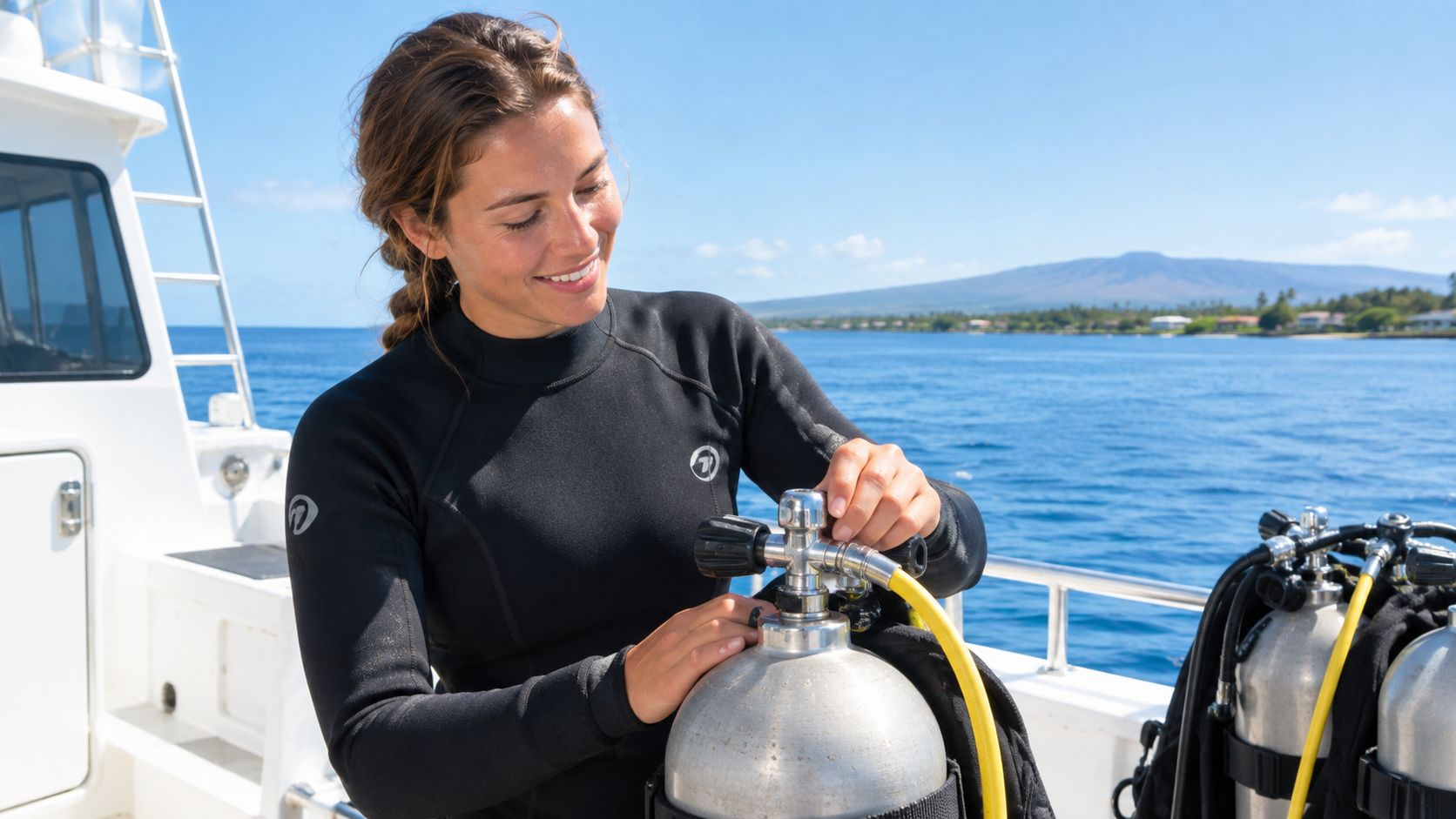
Why the fit matters
Their approach lines up with how Kona diving works in practice. Site selection, respect for marine life, and boat discipline all shape the trip, especially on manta outings where a careful briefing and controlled in-water behavior matter more than many first-time guests expect. A crew that treats the encounter as wildlife viewing, not a show, usually keeps the experience calmer and better organized.
Kona Honu Divers also pairs diving with practical support. Certification courses, gear rentals, and repair services help divers handle the basic logistics around the trip, which is useful when conditions and comfort level vary from one guest to the next.
What makes the recommendation practical
I'd keep them on the shortlist for divers who want clear communication, solid gear habits, and options that span easy first dives and more ambitious trips. That does not mean every diver will choose the same operator, but it does mean this one belongs in the serious conversation if you are comparing Big Island divers Kailua Kona choices. For trip-style details, Kona Honu Divers manta ray trips give a clearer picture of how they structure one of their signature experiences.
Frequently Asked Questions About Kona Diving
What happens if the manta rays don't show?
You still treat the night as a real dive or snorkel experience, not a failed outing. The right operator sets expectations before departure, explains the historical patterns with clarity, and keeps the group focused on the conditions that are present instead of the animals that aren't.
Is Kona diving appropriate for beginners?
Yes, if the trip is matched to the diver. Beginners do best with crews that slow the pace, give a careful briefing, and keep the entry and exit process simple. A first dive is usually better when the operator prioritizes calm execution over trying to maximize headcount.
How do I help protect marine life underwater?
Stay still when told, keep your hands to yourself, and follow the guide's light and position instructions. For manta encounters specifically, don't touch, chase, grab, or ride the rays, and don't shine lights in a way that interferes with the animal's movement. The less you impose on the encounter, the more natural it stays for everyone.
What if I want photos?
Keep your camera use simple and non-intrusive. Good underwater photos come from patience and positioning, not from chasing a close-up that pushes the animal away. If your gear distracts you from your buoyancy or your group, leave it behind and enjoy the dive first.
Can families book these dives?
Families can absolutely book, but they should choose based on comfort, not just interest. Younger or less confident travelers usually do best on trips where the crew is used to explaining every step and where the boat pace isn't rushed. That's especially true for night dives and manta encounters, where nerves can spike quickly.
If you want a dive day that feels organized from the first briefing to the last gear rinse, Kona Honu Divers is built for that kind of trip. They run Kona manta dives, reef dives, and advanced options with the kind of practical attention that matters when the water, wildlife, and boat logistics all need to line up. Visit Kona Honu Divers and choose the trip that fits the way you like to dive.