
You're probably in the same spot most Big Island visitors hit a few days before their snorkel day. You've heard Captain Cook is the place to go, but now you're trying to sort out what's actually worth booking, whether you can get there on your own, and if the famous clear water is really that good.
I've had this conversation with a lot of visitors standing on the dock with coffee in hand, mask in the other, half excited and half unsure. Big island captain cook snorkeling gets talked about like it's one single experience. It isn't. The bay can feel easy or complicated depending on how you approach it, and a little planning changes everything.
The good news is that Captain Cook lives up to the reputation. Kealakekua Bay has the kind of water clarity that makes first-time snorkelers relax within minutes, and enough fish life to keep experienced ocean people happy the whole session. If you want a broader look at operators and ocean activities on the Kona coast, Kona Honu Divers is a useful starting point.
Welcome to Captain Cook Your Ultimate Snorkeling Adventure
A lot of people arrive on the Big Island with one mental image. Calm blue water. Lava cliffs dropping into the sea. Bright fish below the surface. Maybe a sea turtle gliding through the reef. Captain Cook is where many of them try to make that image real.
Kealakekua Bay feels different from a casual beach snorkel. You're not just swimming anywhere along the coast. You're entering a place people talk about long after the trip is over because the setting is dramatic, the water can be remarkably clear, and the shoreline carries real historical weight.
Why people fixate on this bay
The white monument across the bay draws your eye right away, but what keeps people talking is what happens after they put their face in the water. The reef near the monument is the part visitors usually mean when they say they want to “do Captain Cook.” It's the famous side of the bay, and it's famous for a reason.
For beginners, the draw is simple. They want a snorkel spot that feels safe and rewarding without needing a long learning curve. For stronger swimmers, the appeal is different. They want healthy reef, dense fish life, and enough clarity to keep scanning farther out.
Kealakekua Bay works so well because it gives both groups something they want on the same day.
What first-timers often misunderstand
The biggest confusion is access. People assume they can just drive to the monument side, park, and walk in. You can't. That misunderstanding is where many bad plans start.
The second confusion is timing. Visitors often ask whether afternoon is fine because it fits better with brunch or a relaxed morning. In this bay, early usually rewards you with smoother water, easier snorkeling, and fewer people around the prime area.
A successful trip here usually comes down to three decisions:
- How you'll access the monument side: Boat, kayak, or hike.
- What kind of group you have: Kids, non-swimmers, confident snorkelers, or mixed abilities.
- How early you're willing to go: Earlier almost always feels easier.
If you get those three right, the whole day tends to fall into place.
Why Kealakekua Bay is a World-Class Snorkeling Spot
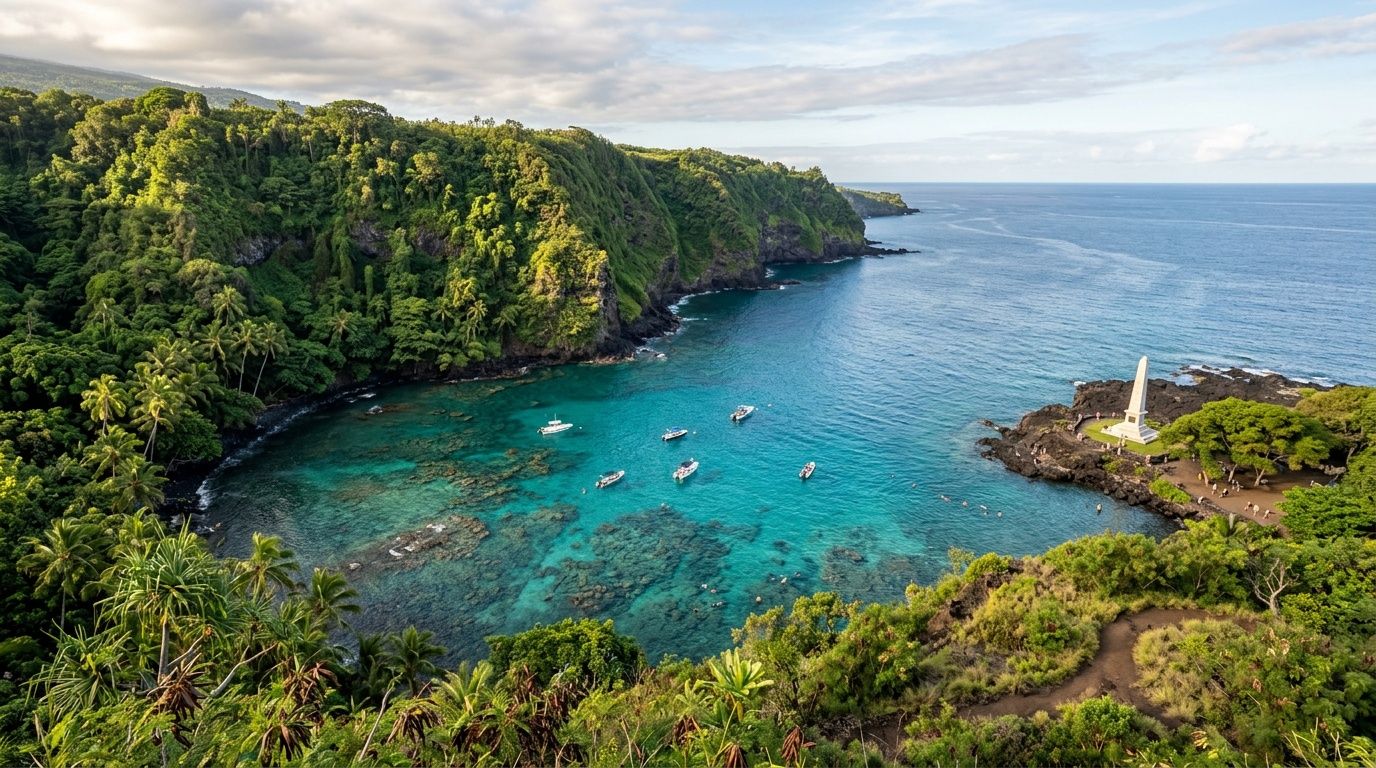
You notice the difference here within a few kicks.
At many Big Island snorkel spots, you spend the first few minutes adjusting to surge, cloudy water, or a reef that sits too deep to enjoy from the surface. Kealakekua Bay tends to feel easier right away. The water often looks clearer, the reef is easier to read from above, and the fish life starts close enough that beginners get rewarded fast.
That combination is why people remember this bay so clearly. It gives you a rare mix of comfort and spectacle.
Kealakekua is not famous by accident. The bay's shape helps protect it from the kind of constant chop that can make snorkeling feel like work. Less stirred-up sediment means better visibility on good days, and better visibility changes the whole experience. You can track where the reef begins, where it drops away, and where your group is floating without that uneasy feeling of staring into murky blue.
For newer snorkelers, that matters a lot. Clear water works like good lighting in a room. You relax faster because your brain can make sense of what it sees.
If you want a broader sense of why this stretch of coastline stands out underwater, this guide to the best places to dive on the Big Island gives useful context for how Kealakekua compares with other Kona sites.
Protected water usually means a better snorkel day
Kealakekua Bay is a Marine Life Conservation District, and that status is a big part of what makes the monument side feel so full of life. Protected areas tend to hold healthier reef structure and more natural fish behavior than places with heavier pressure.
You can often see the difference without knowing a single fish name.
Instead of a reef that feels scattered or quiet, the bay often feels busy in the best way. Schools move across the coral. Yellow tangs pick through the rocks. Butterflyfish stay close enough for children and first-timers to follow them without a struggle. The experience feels active, not random.
The reef layout helps different skill levels enjoy the same place
Another reason the bay earns its reputation is how the underwater terrain is arranged. Near the monument side, the reef begins in water shallow enough for easy viewing from the surface, then steps into deeper blue in a gradual, readable way. That matters because snorkelers do best when they can choose their comfort zone instead of getting forced into one.
A cautious first-timer can stay over the shallower sections and still see plenty. A confident swimmer can drift a little farther out and study the lava fingers, coral heads, and changing fish activity along the edge. Both people can be in the same general area and both can have a good day.
Here is the practical way to read the bay:
| Area | Why it works |
|---|---|
| Nearshore reef | Easy visual reference points, good for relaxed floating and getting settled |
| Mid-depth coral and lava structure | Usually the sweet spot for seeing the most life without feeling too far from shore |
| Outer blue water | Beautiful to look at, but better for strong swimmers who stay aware of distance and orientation |
That middle band is where many visitors find their rhythm.
Why morning usually shows the bay at its best
People sometimes hear that morning is better and assume it is just a crowd tip. Crowds are part of it, but water conditions are the bigger reason. Earlier in the day, the bay often has calmer surface conditions and cleaner visibility before wind and boat traffic build. Snorkeling in flat water is not just prettier. It is easier on your legs, easier on nervous swimmers, and easier for spotting fish against the reef.
Morning light helps too. Sun angle can brighten the reef and make colors show up more clearly through the surface, especially when the water is calm. That is one reason photos from early tours often look better even when they were taken with a basic phone in a waterproof case.
What makes it world-class is not just beauty
Plenty of places are beautiful from shore. Kealakekua stands out because the beauty holds up after you put your face in the water. The bay gives you reef structure, protected habitat, clear conditions on good mornings, and an underwater layout that makes sense to beginners and experienced snorkelers alike.
That is the definitive standard.
A world-class snorkel spot is not only dramatic. It is rewarding, readable, and repeatable. Kealakekua Bay checks those boxes, which is why so many visitors leave feeling like they saw the Big Island underwater, not just from the shoreline.
How to Access the Captain Cook Monument Snorkeling Area
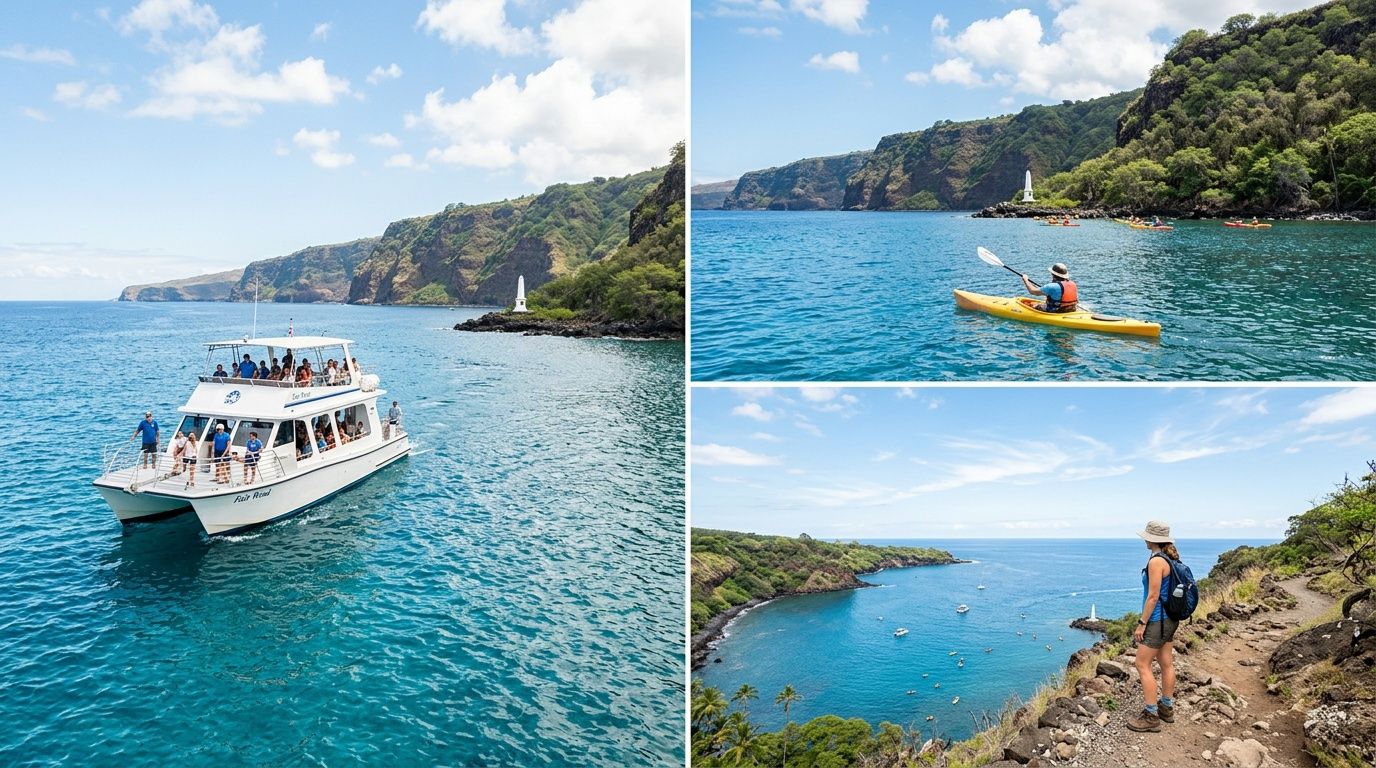
You wake up excited, toss towels in the car, and assume Captain Cook will work like any other beach stop. Then you get to Kealakekua Bay and realize the main snorkel area sits across the water near Kaʻawaloa Flats by the monument. There is no simple park, walk, and slip into the water plan.
That catches a lot of visitors off guard.
Access shapes the whole day here. The right choice depends less on price and more on how your group handles heat, distance, ocean entry, and the tired feeling that can hit after snorkeling, not before.
If you want a preview of what a guided boat day looks like, these Kealakekua Bay snorkeling tours show the basic format.
Boat tour: the easiest fit for most groups
A boat is usually the least complicated way to reach the monument side of the bay. Crew handles the route, gear setup, and timing, and you arrive ready to snorkel instead of already worn out.
That matters more than many first-time visitors expect.
I usually point families, mixed-ability groups, and nervous swimmers toward a boat for one simple reason. It saves energy for the water itself. If one person in your group is confident and another is unsure, a boat gives both of them a better chance of enjoying the bay on the same trip.
Morning departures are often the smarter pick because your group gets in earlier, before people feel rushed, sun exposure builds, and the bay gets busier. The difference is practical, not cosmetic. Calmer boarding, calmer snorkeling, calmer moods.
If you like comparing travel vessels before booking anything on the water, compare cruise ships is a handy way to get a feel for how different boat styles change the onboard experience in general.
Kayak: great for the right person, frustrating for the wrong one
Kayaking appeals to independent travelers for good reason. You set your own pace, you stay close to the water, and the crossing can feel rewarding. But it asks more of you than the word "kayak" suggests.
You need planning, comfort on open water, and enough energy for the return paddle after snorkeling. You also need to be comfortable managing your gear without the convenience of a boat crew helping with masks, fins, and entry.
The landing rules are what surprise many visitors. You are not paddling over, dragging a kayak onto shore, and setting up camp by the monument. You need to treat it like an open-water access method, not a beach day.
For strong paddlers who like doing things under their own power, it can be memorable. For casual vacation paddlers, it can turn into a long workout with snorkeling squeezed in the middle.
Hike: simple on paper, demanding in real life
The hike attracts travelers who want the cheapest independent route. On a map, it can look straightforward. On your legs, especially in the heat and on the climb back out, it feels very different.
Going down often gives people false confidence. You are fresh, gravity helps, and the ocean is waiting. The return is the test. Now you are wet, tired, sun-exposed, and climbing uphill.
I have seen plenty of capable visitors handle it well. I have also seen plenty underestimate it because the snorkel itself felt easy.
A practical way to choose
Use this quick filter before you commit:
| Access method | Best for | Main challenge |
|---|---|---|
| Boat tour | Families, first-timers, mixed swimming abilities | Higher cost and fixed departure times |
| Kayak | Strong paddlers who want independence | Planning, ocean comfort, and managing entry offshore |
| Hike | Fit travelers comfortable with heat and steep climbs | The strenuous uphill return after snorkeling |
A simple rule helps. If your group includes kids, hesitant swimmers, older relatives, or anyone who wants the day to feel relaxing, book the boat. If everyone is athletic, heat-tolerant, and excited by a more self-powered approach, kayak or hike can make sense.
For readers ready to compare licensed tour options, Kona Snorkel Trips Captain Cook tours and Captain Cook Snorkeling Tours are two direct places to review offerings.
Choosing the Best Captain Cook Snorkeling Tour
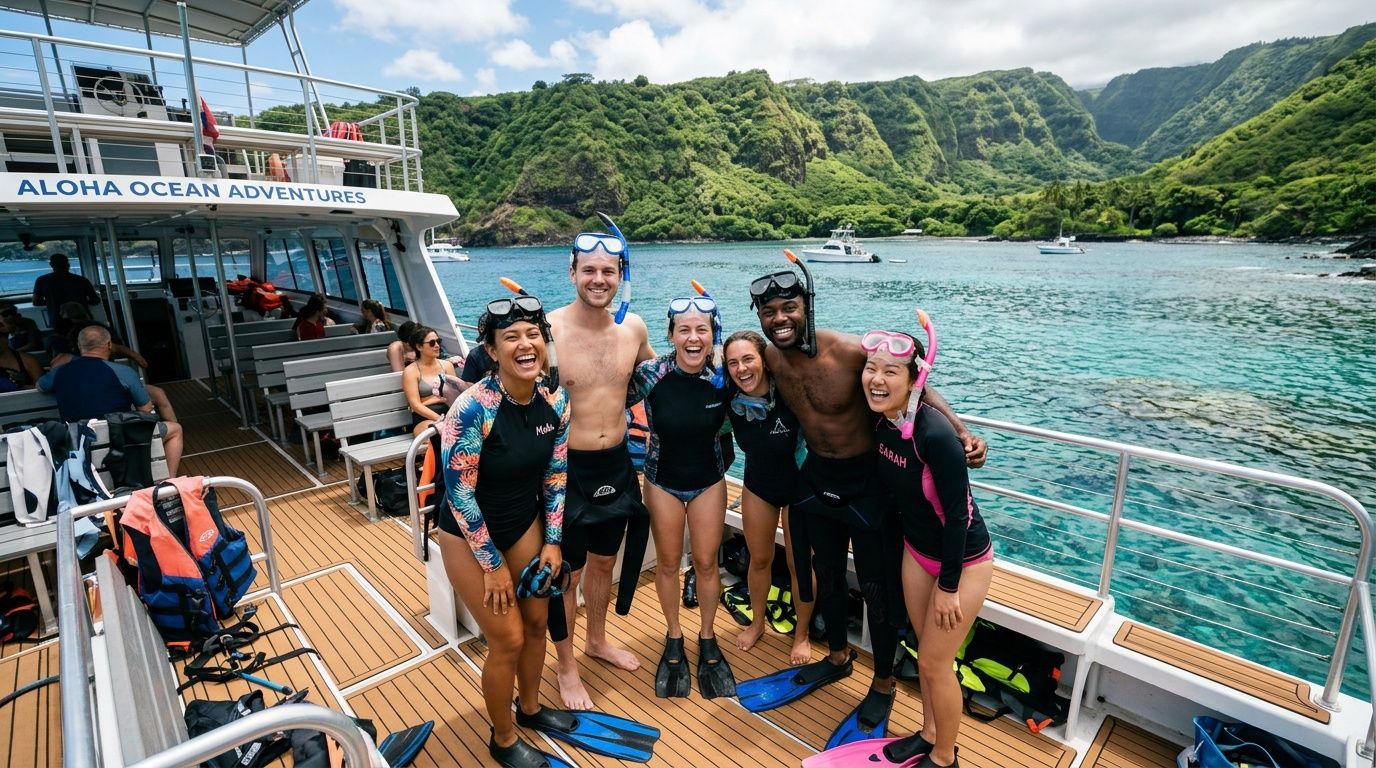
After deciding a boat is the best choice, you must determine which variety suits you. People often prioritize snacks or boat photos too much while neglecting timing, group size, and personal snorkeling preferences.
A big stable boat usually works well for families and anyone worried about motion. A smaller raft-style trip often feels more personal and gets you out early with fewer people around the reef. Neither is automatically better. They're better for different travelers.
If you like comparing travel vessels before booking anything on the water, compare cruise ships is a handy way to get a feel for how different boat styles change the onboard experience in general.
What matters more than the brochure
The first thing I'd look at is departure timing. Earlier trips tend to line up with calmer conditions and less crowding at the monument area. If two tours look similar and one leaves earlier, I'd usually lean that way.
The second thing is group size. Small groups are easier in the water. Guides can keep eyes on everyone, answer beginner questions, and help nervous snorkelers without the rushed feeling that can come with bigger groups.
The third thing is how the operator handles safety. Good tours don't just hand you fins and point at the bay. They explain entries, mask fit, floatation, where to stay, and what to avoid.
A simple way to choose
Use your group, not your fantasy self, as the filter.
- Choose stability first if you're traveling with children, grandparents, or anyone prone to motion sickness.
- Choose smaller groups if you know you'll want more guidance in the water or a quieter experience.
- Choose early departures if your priority is the clearest, calmest part of the day.
- Choose guides who brief well if anyone in your party is new to snorkeling.
For readers comparing guided options specifically around this bay, this roundup of the top Kealakekua Bay snorkeling tours is a useful short list.
When a tour is worth paying more for
A slightly higher price can make sense if it buys you one or more of these:
| Upgrade | Why it matters |
|---|---|
| Earlier arrival | Better conditions and fewer people |
| Smaller passenger count | More personal help and less crowding |
| Clear safety support | Better experience for beginners |
| Quality gear included | Less fiddling, more time enjoying the reef |
What I wouldn't pay extra for is vague luxury language. “Premium” doesn't tell you much by itself. Better questions are: How many people are on board? How early do they get there? How much support do they give in the water?
How to Prepare for Your Snorkeling Adventure
The easiest Captain Cook mornings usually come from boring preparation. Water, sun protection, a dry shirt for later, and a plan for motion sickness if you need one. None of that is glamorous, but all of it helps.
If you're packing for a family and don't want to reinvent the wheel, these packing tips for parents on the go are useful for building a simple day bag without overloading yourself.
What to bring and why
You don't need a mountain of gear. You do need a few things that make the boat ride and the post-snorkel ride home easier.
- Reef-safe sun protection: A rash guard, hat, and sunscreen help a lot under the Kona sun.
- Towel and dry clothes: You'll appreciate this more than you think after a windy ride back.
- Reusable water bottle: Hydration helps with comfort, energy, and seasickness.
- Waterproof phone case or camera: The bay often looks as good in real life as it does in photos.
- Any personal medication you rely on: Keep it easy to reach, not buried in luggage.
A dry shirt and a bottle of water solve a surprising number of “why do I suddenly feel awful?” moments after snorkeling.
Seasickness is easier to prevent than fix
If you even think you might get seasick, prepare before boarding. Waiting until the boat is moving is usually too late.
Helpful options include Ship-EEZ Seasickness Patch, Dramamine pills, Bonine pills, Sea Band wristbands, and Ginger chews. If you want a fuller rundown of practical strategies, this guide on how to avoid sea sickness covers the basics well.
A few simple habits help too:
- Eat lightly before the tour. An empty stomach can feel bad, but a heavy breakfast can feel worse.
- Look at the horizon if you start to feel off. It helps many people reset.
- Stay in the fresh air. Don't tuck yourself into a stuffy cabin unless the crew suggests it.
- Say something early. Crews can often help more if you mention it before you feel miserable.
Gear questions people always ask
Most quality tours provide mask, snorkel, fins, and flotation. For many visitors, using the operator's gear is simpler than packing their own. The main advantage is convenience. The gear is ready, matched to the activity, and one less thing to haul around the island.
If someone in your group is also a certified diver and wants to add a dive day to the trip, Kona Honu Divers diving tours are one option to look at separately from the snorkel day.
Marine Life You Will Encounter at Captain Cook
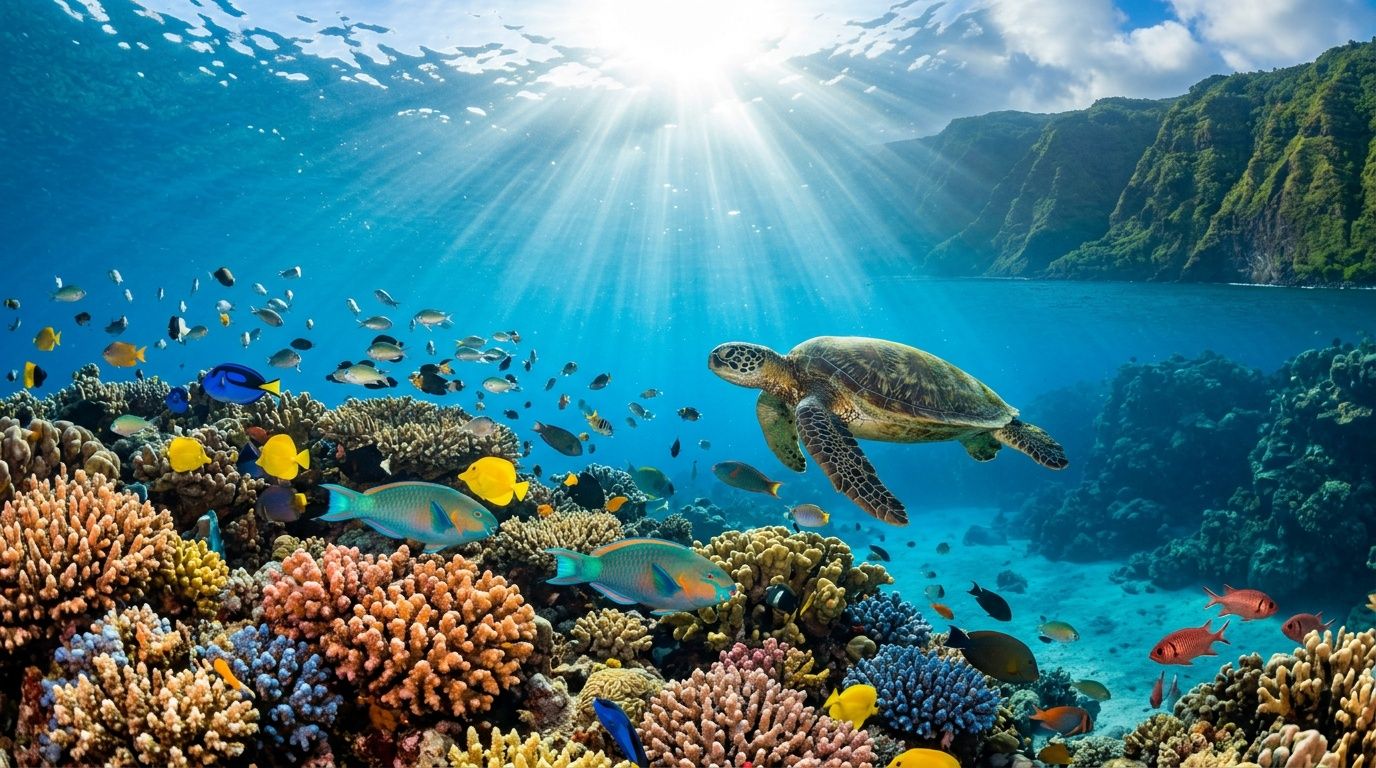
Slip into the water at Captain Cook and one thing becomes clear fast. The bay feels alive in every direction.
That is part of what makes Kealakekua Bay memorable even for people who have snorkeled elsewhere in Hawaiʻi. The reef has the busy, layered look of a healthy neighborhood. Small fish hover close to coral for shelter. Larger schools pass through open water. Every so often, a honu glides through and changes the whole pace of the scene.
If you are new to snorkeling, that first minute can feel like sensory overload. Your brain wants to look everywhere at once. The trick is to slow down and let your eyes adjust, the same way they do when you walk into a dim room and details appear one by one.
What you are likely to see
Yellow tang are often the first fish people recognize. They move in bright groups and show up well even if your fish ID skills are rusty. You may also notice butterflyfish, surgeonfish, parrotfish, wrasses, and triggerfish moving around the coral heads.
Parrotfish are fun to watch because they act like underwater lawnmowers, nibbling algae from the reef. Butterflyfish tend to be more delicate and precise, darting in pairs or hovering around one patch of coral. Surgeonfish often travel in loose schools and give the reef that constant sense of motion.
Green sea turtles are another highlight. Some days you may spot one quickly. Other days you might need patience. Morning trips often help because the water is calmer, glare is lower, and it is easier to notice shape and movement below the surface.
You might also see eels tucked into cracks, octopus if you have a sharp eye, and clouds of tiny fish flickering over the reef like silver confetti.
Why the marine life here feels richer
A lot of visitors ask why Captain Cook seems more crowded with fish than an average beach snorkel. The short answer is protection.
Kealakekua Bay is a marine sanctuary, and that protected status gives reef life a better chance to grow, feed, and behave naturally. Less disturbance usually means more visible fish, better coral cover, and a reef community with more age and variety. For a snorkeler, that translates into a simple result. You spend less time searching and more time seeing things.
The shape of the bay helps too. The headlands provide shelter, and calmer water lets sunlight reach the reef clearly. That is why even beginners often come away feeling like they saw more here than on other stops.
How to spot more marine life
Good snorkelers are not usually the fastest swimmers. They are the quietest observers.
If you chase fish, they move off and you burn energy. If you float calmly, the reef settles down around you. After thirty seconds of stillness, the scene often fills back in. Fish resume feeding. A turtle may rise from deeper water. Small movements near a coral ledge start to stand out.
A few habits help:
- Pause and float: Give one area time to come back to life.
- Look along edges: The border where coral meets sand often attracts movement.
- Check the shadows: Eels, octopus, and shy fish use holes and overhangs for cover.
- Keep your fins high: You will avoid stirring up the bottom and protect the reef.
- Breathe slowly: Calm breathing keeps you relaxed and helps you stay out longer.
One local-guide tip. Do not keep your eyes locked straight ahead the whole time. Sweep your gaze near, then far, then down the reef line. It works like scanning a forest trail for birds. The change in distance helps hidden movement pop out.
Give wildlife space
The best wildlife encounters usually happen when you act like you are only passing through.
Stay off the coral, keep your hands to yourself, and leave turtles plenty of room. If a honu changes direction because you got too close, you are too close. The same rule applies to every fish, eel, and octopus in the bay. Quiet presence beats pursuit every time.
That slower style is better for the animals, better for the reef, and better for you. You use less energy, stay calmer in the water, and usually end up seeing more.
Sample Itineraries and Frequently Asked Questions
Different groups need different versions of the same day. A family with young kids shouldn't plan like a pair of strong ocean swimmers, and an experienced water person shouldn't book only by price and then wonder why the trip felt crowded.
Sample plans that work
The family adventure
Book an early, stable boat tour. Bring rash guards, snacks for after, dry clothes, and floatation confidence for the kids. Let the children snorkel in shorter bursts, then warm up on deck between sessions. Parents usually enjoy the day more when they stop trying to force one long water block.
The enthusiast trip
Choose the earliest small-group option you can find, especially if your goal is time in the water and fewer crowds near the reef. If someone in your group also wants a more advanced underwater day on another part of the trip, advanced long-range dive tours may be worth a separate look for certified divers.
Quick answers to common questions
Is Captain Cook snorkeling good for beginners?
Yes. Guided trips are usually the easiest way for beginners because the crew handles the logistics and helps with gear, entry, and flotation.
Can I touch turtles or coral if I'm careful?
No. Give marine life space and keep your fins and hands off the reef.
Do I need my own permit on a tour boat?
No. The permit rules discussed earlier apply to personal vessel access, not to joining a licensed tour operator.
What if weather changes my plans?
Check the operator's policy before booking. Conditions can change, and each company handles cancellations and reschedules a bit differently.
Should I choose morning or later in the day?
Morning is usually the smarter play for comfort, crowd levels, and cleaner surface conditions.
If Captain Cook snorkeling is part of your Big Island plan and you also want a dependable shop for underwater days beyond this one bay, Kona Honu Divers is a solid place to explore snorkel and dive options on the Kona coast.